





















![[트래블데일리] 3월 16일-공정위, OTA에 '최혜국대우' 조항 시정 조치](https://i.ytimg.com/vi/6Nuu5eL7AfE/sddefault.jpg)









Neocolonialism in tourism refers to the continuation of exploitative relationships where foreign multinational corporations control tourism infrastructure and extract profits from local resources, leaving local communities economically impoverished while benefiting foreign investors; this phenomenon perpetuates cycles of environmental degradation, cultural erosion, and social polarization, as seen in regions like the Caribbean where tourism profits flow outward despite political independence, and even ecotourism initiatives often fail to genuinely empower local populations due to reliance on foreign leadership and funding.
Neocolonialism and Tourism: Impacts on Culture and Environment
Added:The core concept of neocolonialism, specifically how economic, political, and cultural pressures are used to control or influence developing countries.
The historical legacy of classical colonialism and how it established systemic power imbalances between the Global North and the Global South.
Basic economics of the global tourism industry, including the concept of 'tourism leakage' where revenue flows back to foreign-owned corporations rather than local communities.
An understanding of cultural commodification, which refers to how local customs, rituals, and arts are packaged and sold as commodities for consumer entertainment.
Practical frameworks for community-based and regenerative tourism that prioritize local ownership, cultural preservation, and ecological restoration.
Analysis of policy-making and international regulations designed to curb the exploitative practices of multinational cruise lines, hotel chains, and booking agencies.
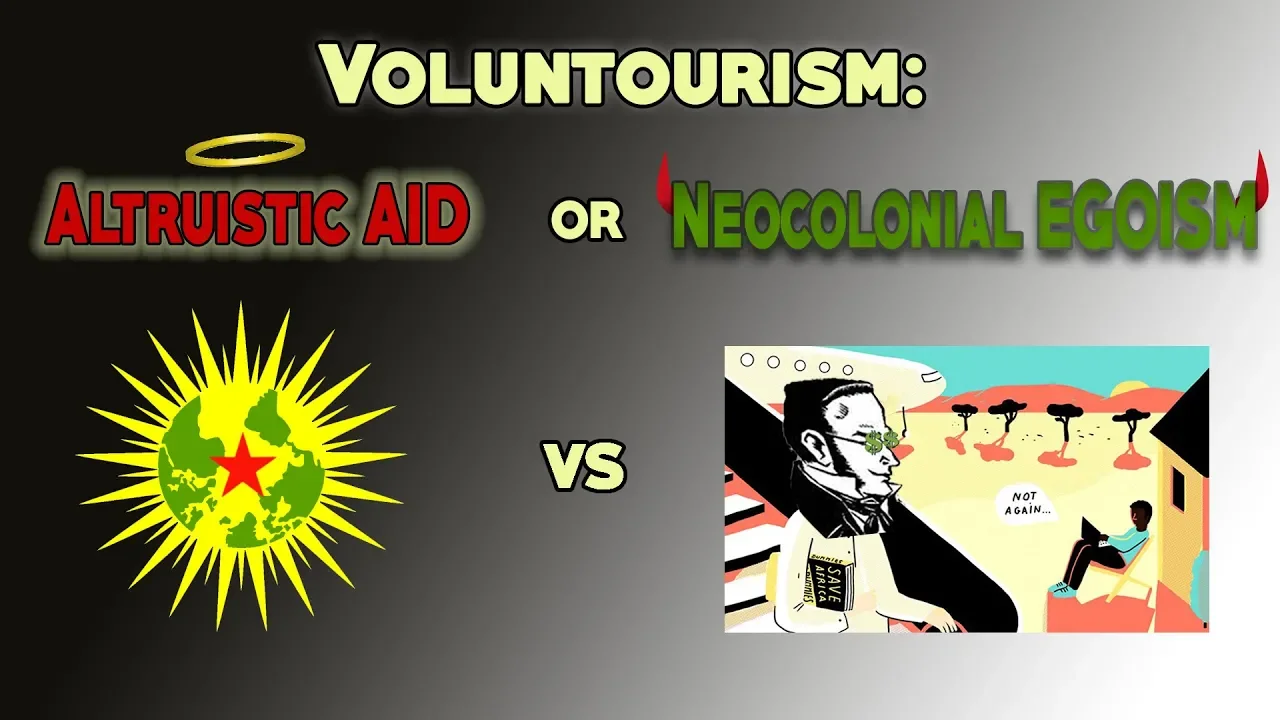
Deep dive into 'voluntourism' and its ethical implications, examining how well-intentioned travel can inadvertently reinforce neocolonial dynamics.
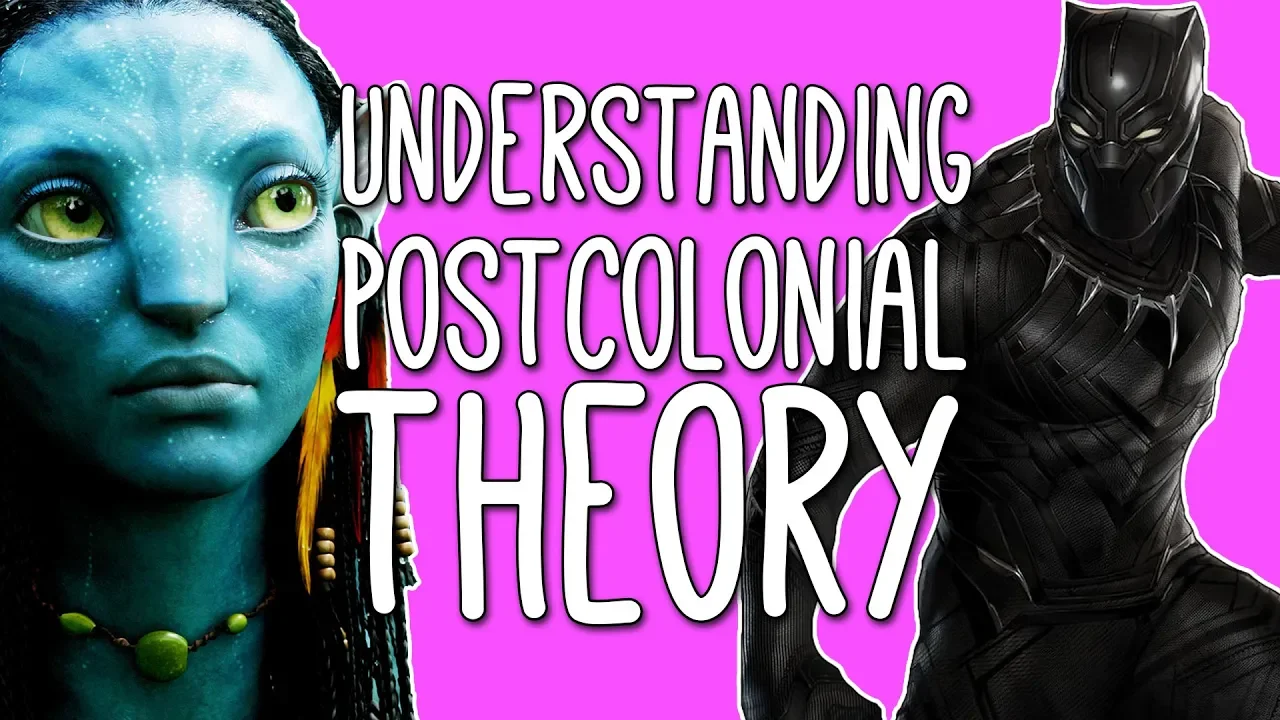
Applying postcolonial theory to analyze modern travel marketing, media representation, and the construction of the 'exotic' destination.
265 views7likes3:26Original Release: 2024-09-01
Welcome to our exploration of neocolonialism in tourism and its profound effects on our environment and cultures despite the progress made since the colonial era many regions still grapple with the legacies of exploitation and control that shape their tourism Industries today neocolonialism refers to the practice of using economic political and cultural pressures to control or influence a country often after it has gained formal independ dependence in tourism this manifests through foreign ownership of Tourism infrastructure and the extraction of local resources for the benefit of multinational corporations Dependency Theory posits that resources flow from periphery Nations to core Nations enriching the latter while impoverishing the former in tourism this is evident as profits generated from local attractions often leave the region benefiting foreign invest ERS rather than local communities postcolonial Theory examines the cultural legacies of colonialism and how they continue to shape identities and power dynamics in tourism it highlights how the narratives constructed around destinations often reflect Colonial stereotypes affecting how cultures are perceived and valued neocolonial tourism practices lead to significant environmental degradation and cultural erosion for instance in the Caribbean the dominance of all inclusive resorts owned by Foreign companies often leads to the destruction of local ecosystems and the commodification of local cultures this has resulted in Social polarization where local communities are marginalized and excluded from the benefits of tourism in the Caribbean tourism has been described as a new plantocracy where the economic benefits of Tourism largely flow to foreign entities despite political Independence many Caribbean Nations remain economically dependent on tourism perpetuating a cycle of exploitation and environmental harm in regions like Africa the establishment of national parks often leads to the displacement of indigenous communities who are viewed as obstacles to conservation efforts this reflects a neocolonial mindset where local populations are marginalized in favor of creating pristine tourist destinations while ecotourism is often promoted as a sustainable alternative it can also perpetuate neocolonial Dynamics many community-based ecotourism projects in countries like Cambodia struggle to empower local populations often relying on foreign NOS for leadership and funding which can undermine genuine local agency understand the implications of neocolonialism in tourism is crucial for fostering more Equitable and sustainable practices by supporting local businesses respecting cultural heritage and advocating for fair tourism policies we can contribute to a more just tourism industry that honors both people and the planet
Up Next

100:38
Jamaican Food Culture and Local Tourism in Ocho Rios
@Davidsbeenhere
125K views•2025-07-15

12:54
Triumph of Orthodoxy Icon: Byzantine Art & History Explained
@BenCallan
2.1K views•2024-08-06

9:49
FastAPI vs Flask vs Django: Choosing the Right Python Web Framework
@TechWithTim
302.5K views•2024-05-26

1:42
Game of Thrones Opening Credits: A Cinematic Analysis
@gameofthrones
46.3M views•2011-04-18
Related Study Plans & Knowledge Roadmaps
Structured learning paths in General & Interdisciplinary Studies
general-studies
Elevator Engineering: History, Physics & Cities
01From Hoists to Safety Brakes: The Dawn of Vertical Lift
02Hydraulic vs. Traction: The Engineering Physics of Elevators
03Modern Speed, Safety, and Algorithms
+ 2 more learning modules
12h5 modules
Explore Roadmap
general-studies
Rubber: Material Science, History & Geopolitics
01Origins of Natural Rubber & Mesoamerican History
02The Chemistry of Natural Rubber & Vulcanization
03The Geopolitics of the Rubber Boom & Colonization
+ 2 more learning modules
12h5 modules
Explore Roadmap
general-studies
Containerization: Evolution, Logistics & Trade
01Ancient Trade & Bulk Cargo: Amphorae to Barrels
02The Industrial Revolution & Cardboard Packaging
03The Containerization Revolution: Malcom McLean
+ 2 more learning modules
12h5 modules
Explore Roadmap
general-studies
Textile Tech: Evolution, Labor & Global Impact
01Pre-Industrial Textiles: Handloom & Cottage Industry
02Mechanization: The Spinning Jenny to the Power Loom
03The Factory System & Global Labor Transformation
+ 2 more learning modules
10h5 modules
Explore Roadmap