




![[ДИЧЬ] - Год пяти императоров](https://i.ytimg.com/vi_webp/pymcRLL4e-s/maxresdefault.webp)










![Speciale 500 - Nel 500 d.C. il mondo cambia, scopriamolo viaggiando nel tempo [Pillole di Storia]](https://i.ytimg.com/vi_webp/6_uUIioJYm8/maxresdefault.webp)


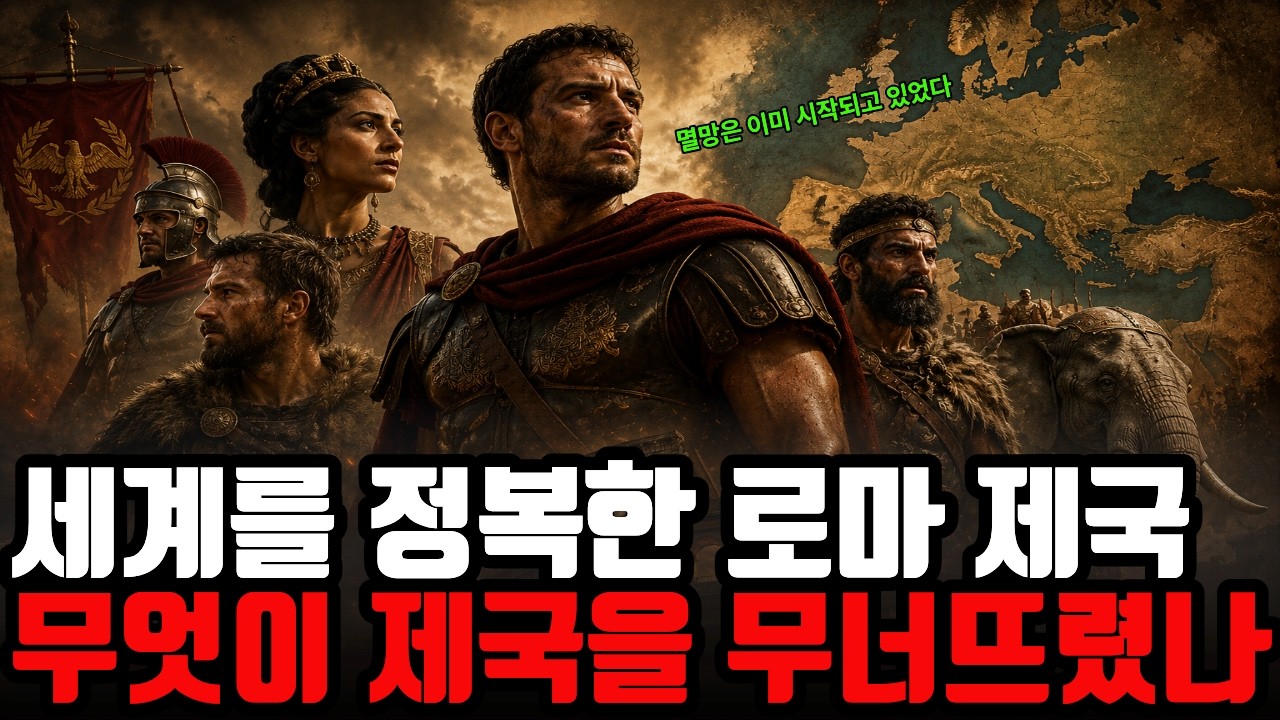
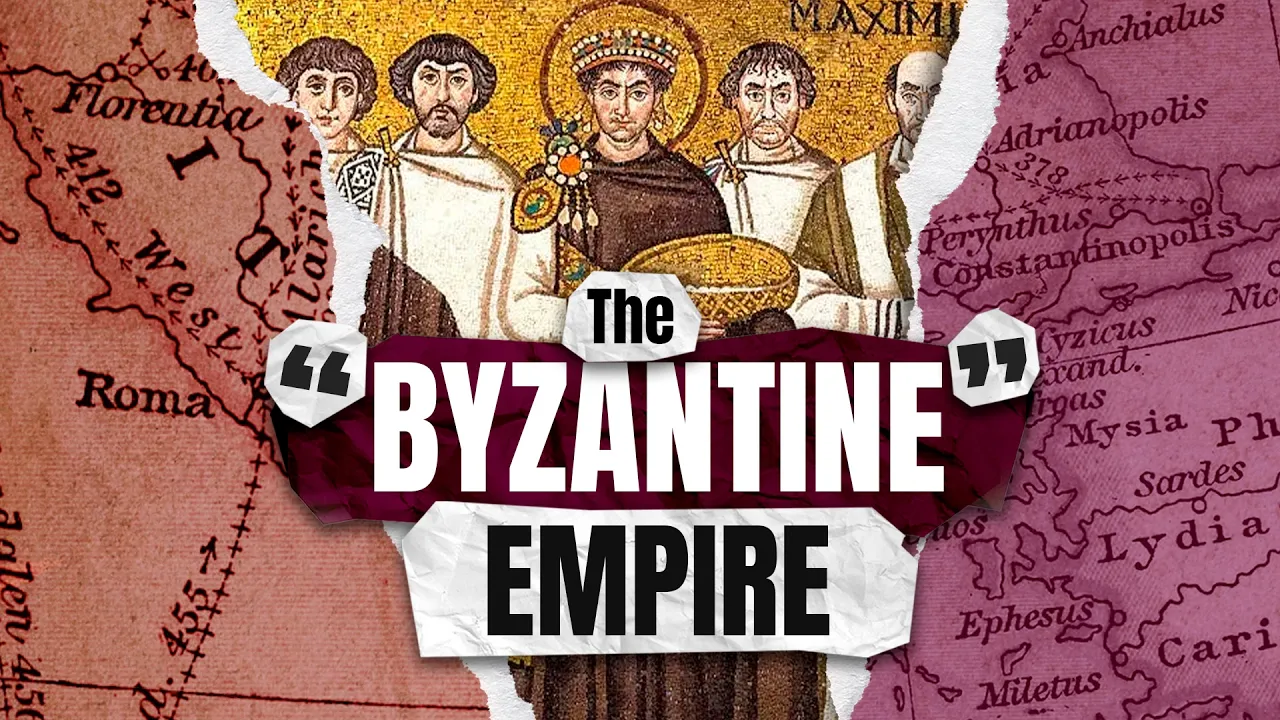
The Roman Empire's decline in the 3rd century AD resulted from internal political instability, civil wars, corruption, and economic mismanagement, combined with external pressures from migrating barbarian tribes; the empire's transformation under Constantine and the rise of Christianity as a unifying force ultimately led to the Western Empire's collapse in 476 AD, though the Eastern Empire persisted as the Byzantine Empire, leaving a lasting legacy on Western civilization through its political institutions, legal systems, and cultural traditions.
The Roman Empire: The Fall of Rome (History Documentary)
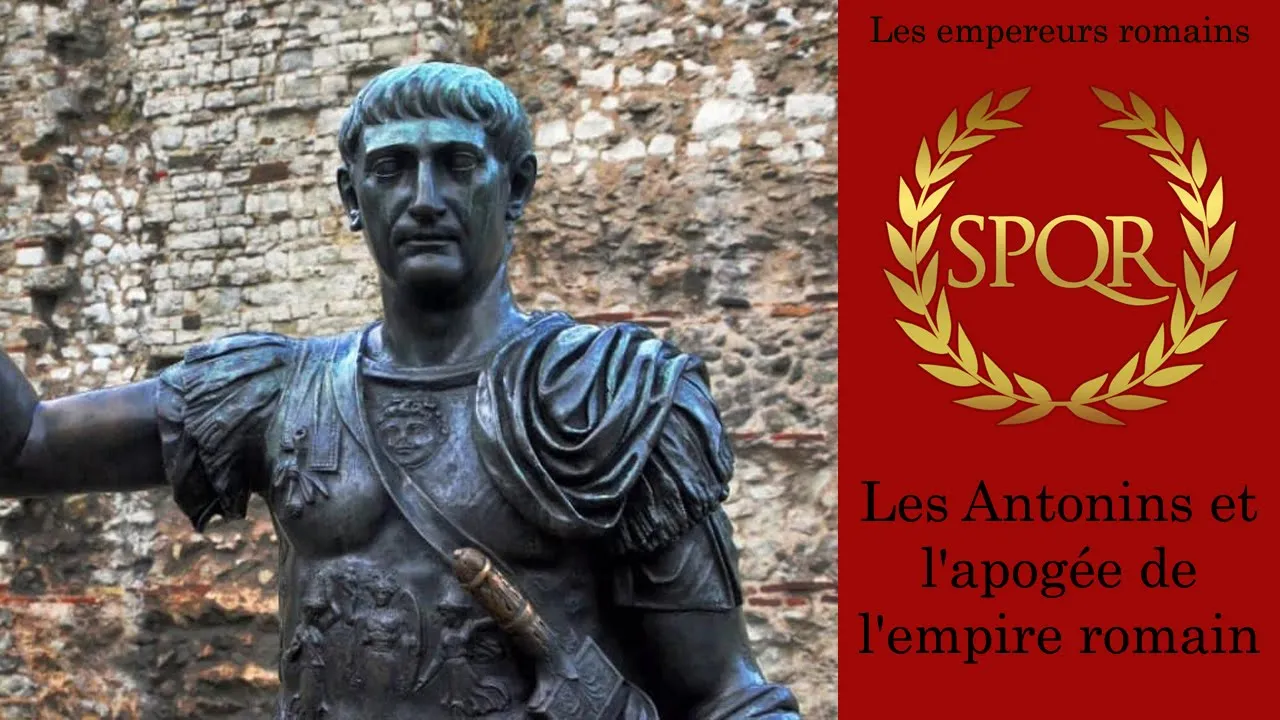
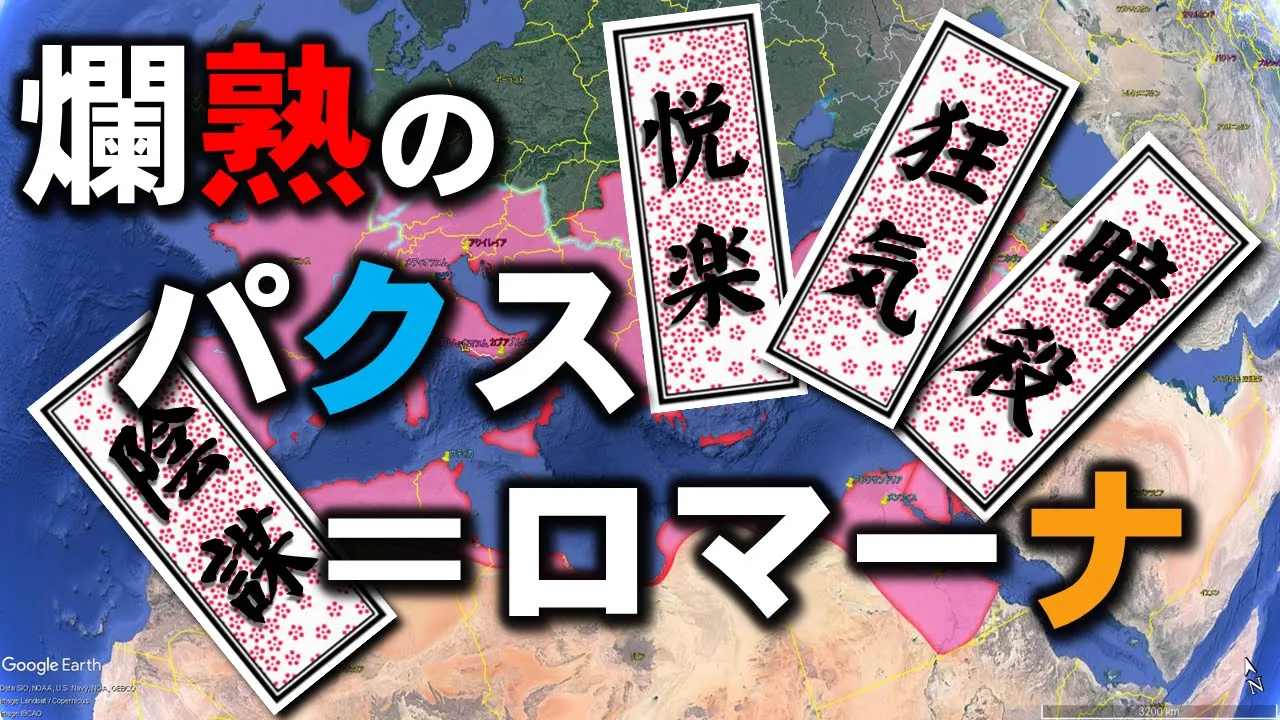
Added:The concept of Pax Romana and the territorial peak of the Roman Empire under the Antonine dynasty.
The structure of Roman governance, including the transition from the Roman Republic to the Principate and the Dominate.
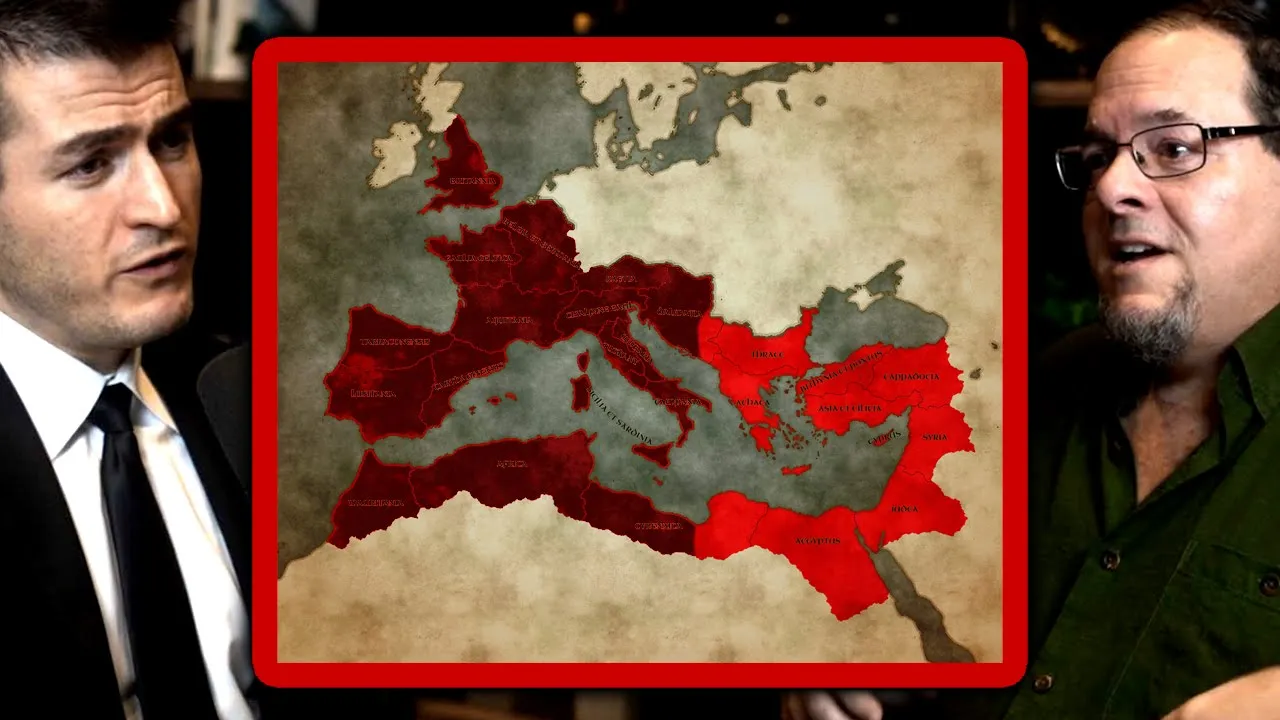
The administrative division of the Roman Empire into the Western and Eastern halves by Emperor Diocletian to manage its massive scale.
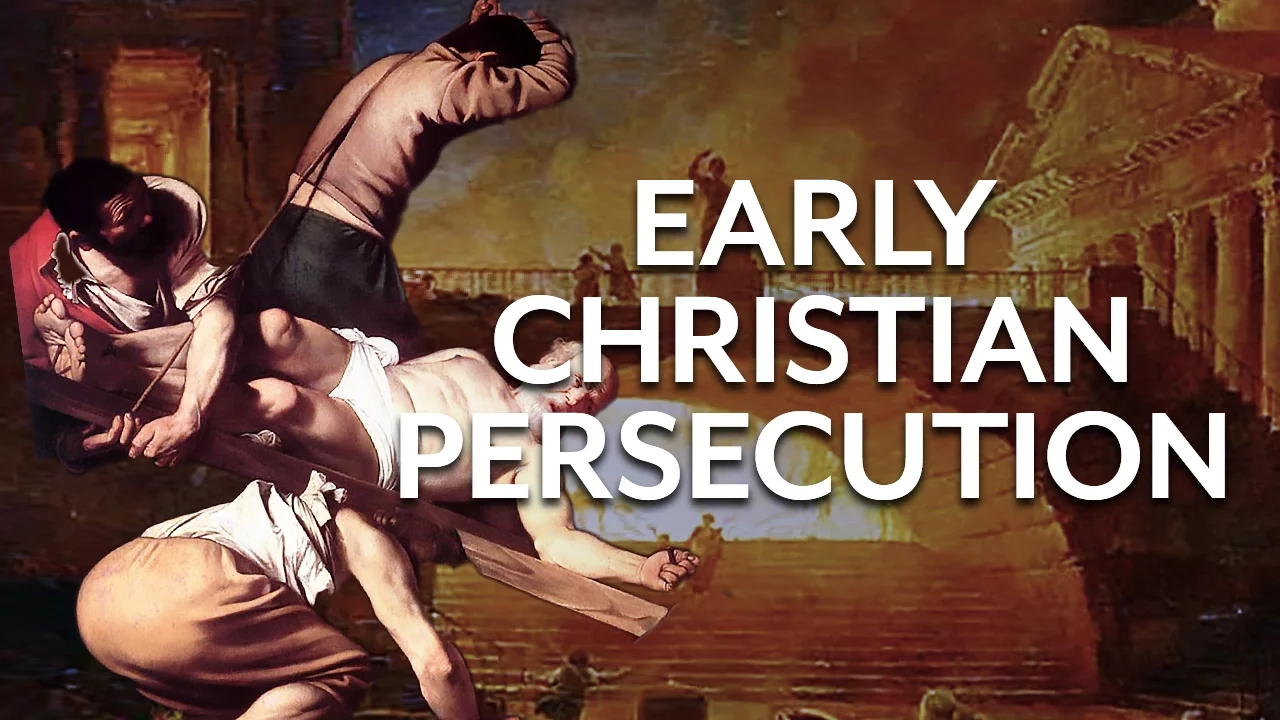
The rise of Christianity within the empire and its transition from a persecuted sect to the official state religion under Constantine.
The final deposition of the last Western Roman Emperor, Romulus Augustulus, in 476 AD, and its symbolic marker for the end of antiquity.
The continuation and preservation of Roman culture and law in the Eastern Roman Empire, historically referred to as the Byzantine Empire.
The geopolitical fragmentation of Western Europe, which initiated the rise of localized Germanic kingdoms and the socio-economic systems of the Early Middle Ages.
The historiographical debate surrounding whether Rome 'fell' abruptly due to external invasions or 'transformed' gradually over centuries into late antiquity.
723.1K views3.4Klikes51:37Original Release: 2014-02-23
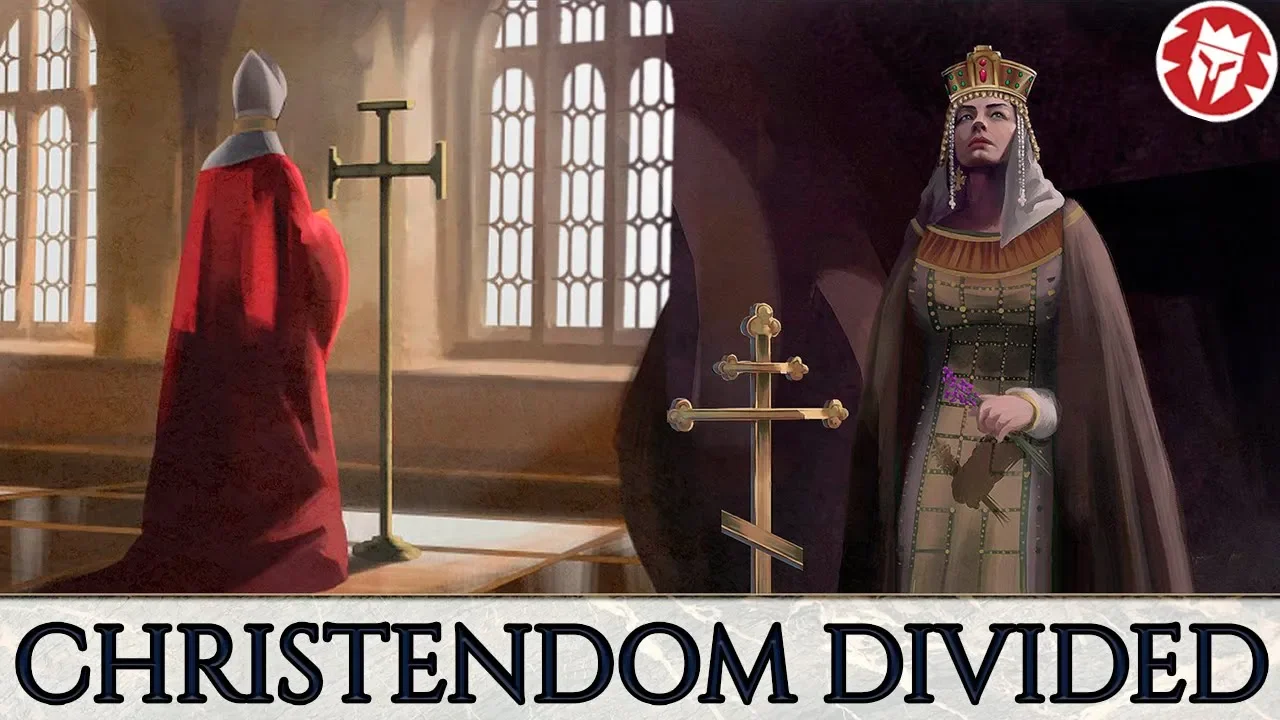
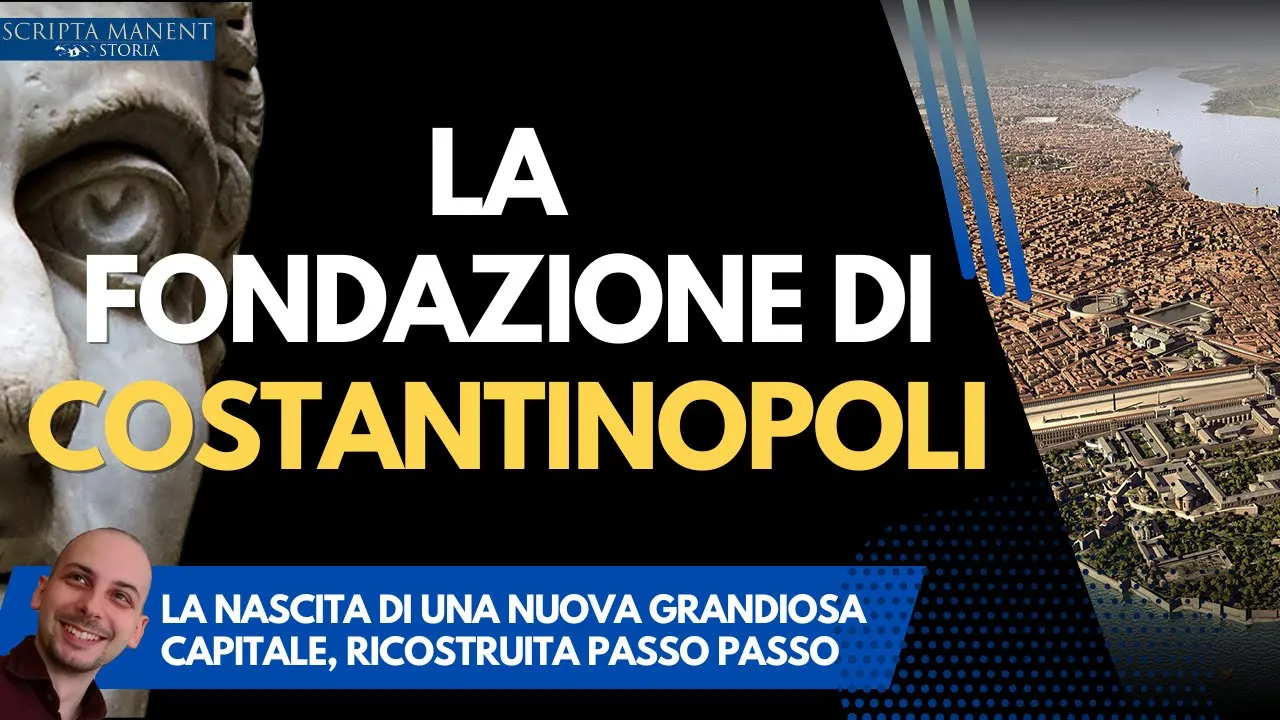
Rome's glory shone for a thousand years but nothing lasts forever in the 3rd century AD Civil War engulfed the empire chaos and corruption undermined it from within and from every direction its enemies gathered for the kill panic spread has terrified Romans sensed the apocalypse at hand Rome rose to the pinnacle of its extraordinary power and glory in the 200 years after Christ it grew until the Empire United all lands from Spain to Syria and from Scotland to Egypt more prosperity more stability and more peace than the Western world had ever seen it was in 190 AD with the Mad Emperor Commodus that had all started to fall apart crazy Emperor's were nothing new to the Roman Empire so when Commodus started fighting as a gladiator and walking around town dressed like Hercules Romans weren't too worried they simply assumed he'd be assassinated like so many before him he was then waited for reason in order to return it didn't Civil War broke out as legion fault media each trying to install its general as MP anarchy Romans yearned for one of the great Emperor's of the past take control Julius Caesar and Augustus a hey drew instead they got the likes of Elega bolus proclaimed emperor by the third Legion on May 16th to 1880 Elega bolus was a fourteen-year-old transvestite from Syria brought up to worship the Sun at 17 he married a male charioteer named Hira fleas who publicly whipped him it wasn't the only bizarre ceremony to invade the imperial court in honor of the son Elega beulah sometimes walked backwards through the city carrying a large black stone Romans looked on stupefied when he finally announced he wanted to be castrated it was the last straw his own palace guard killed him as he sat on the toilet then threw his body in the Tiber Romans wondered how their great empire could have fallen to such a shameful state of affairs some believed it was the long-awaited fulfillment of the sibylline oracles a series of apocalyptic prophecies that had haunted Rome for centuries and on the one day shall come o haughty Rome a deserve it blow from heaven you will be plundered and destroyed and with wailing and gnashing of teeth you will pay new daughters of Rome clothed in gold and luxury drunk with the attention of your Wars you shall be made a slave and a [ __ ] because men forgot the good gave themselves to greed and unrighteous living but there was nothing mystical about the chaos of the third century quite simply the Empire had become unmanageable Emperor's could no longer cope with the monster Rome had become we tend to get a picture of Rome particularly through the movies as being dominated by a bunch of poos yes Nero was disturbed yes Caligula was an extremely unpleasant person to be around and Commodus liked being a gladiator and a beast hunter ala gapless liked dressing up in funny clothes and dancing around his pet rock the average Roman Emperor is a bureaucrat is a man who's able to balance the different demands of the major political constituencies within his empire the army the guard the population of the city of Rome the Senate and the palace keeping those interests working in concert with each other so he can stay alive after Elega bolus the best efforts of a succession of hard-working emperors were all in vain political power was concentrated in too few hands the wealthy were forgetting the old democratic ideals balancing the power of rulers with the needs of ordinary citizens Rome had turned its back on the common man the ancestors of Roman peasants like Gaius led humble but dignified lives as small farmers but slave owning aristocrats had commandeered their land and evicted them destitute families flooded into the city swelling the ranks of sweatshop workers and the urban gaius grew up in Rome doing menial jobs and a lot of drinking like millions of poor Romans he lived on welfare handouts of brain and mindless distraction blossom the proletariat are idle lazy and devote their whole life to drink gambling brothels shows and chariot races their temple their dwelling their meeting place in fact the center of all their desires is the Circus Maximus they talk about nothing else Emme honest by the third century AD the number of days devoted to games had risen from a handful to the staggering hundred and seventy Ichi people became obsessed by these games by watching races by watching gladiatorial events by watching whatever it is that was put on for their amusement I think that often people say that that's what's happening to the modern world we're more interested in sport or interested in watching games than we are in working but I think it puts it in some perspective if you understand how far the Romans went and we've got a long long way to go being a couch potato now is a lot different than being a you know Coliseum potato 2,000 years ago intent on distracting themselves most Romans didn't notice the social fabric of the empire shredding all around them Rome's sense of community had disappeared the elite were increasingly isolated from the poor they are greedy their language is foul and census the manners of the poor have decayed completely their quarrelsome and make disgusting noises by snorting loudly through their noses immunise upper class Romans could ill afford their disdain Gaius would die in squalor and oblivion but his children and grandchildren would never forget how Rome had shut them out educated Romans were turning their backs on everything to do with old Rome not just the poor the East ancient mysterious and exotic seemed much more enticing wealthy Romans headed off to see the sights of Egypt the world's first tourist boom had begun bored local officials were forced to cater to Roman aristocrats on senatorial junkets Lucius Mammoth's a Roman senator in a position of considerable importance and honor is sailing up the Nile from Alexandria to see the sights receive him in grand style and see to it that at the usual points lodgings are prepared and landing facilities completed also provide furniture for the lodgings the special food for the feeding of the crocodiles whatever is needed for the labyrinth offering sacrifices all the usual things in general do everything possible to please them Romans marveled at the wonders of Egypt and like tourists and centuries to come scratched graffiti to record their visits my Pelagius of her marvelous a judge saw and was absolutely amazed by Colonel Januarius was here with my daughter and we marveled at this place unique unique I only curse myself for not being able to understand the hieroglyphs he did was a land of magic and mystery to have the pyramids it has hieroglyphs it had the Nile and Romans they went to Egypt much more often in fantasy in pictures by bringing the wild animals of Egypt from Egypt into Rome hippopotamuses crocodiles but some of them probably on lazy culture trips went as far as they could right to the boundaries of Ethiopia as travelers abroad marveled at the mysteries of Egypt Romans back home were hungry for their own taste of the mysterious East a luxury trade-in expensive foreign goods flourished there is this exotica that the rich and wealthy came to expect perhaps one of the most startling examples would be spices they came from the Far East from the islands of Indonesia even more than that we've got our guide written for shippers up the bread see on how to cross over using the monsoon to India to pick up Goods and it tells you what you can get in the Yemen in at Bombay on the southern tip of India where there may very well of being a colony of Roman citizens the Roman delight in far-flung places was not reciprocated as rom thrilled to the exotic east the exotic East was starting to hate Rome's guts in the provinces and periphery of empire resentment festered the great roman orator Cicero had foreseen it all words cannot express gentlemen how bitterly we will be hated among foreign nations because of the outrageous conduct of the men we have sent to govern them all the provinces are complaining about Roman greed and Roman injustice I remind you gentlemen Rome will not be able to hold out against the whole world I do not mean against its power and arms and warmth but against its groans and tears and lamentations from the beginning Rome had built its empire by conquest and force of arms in the early days of empire there had been real benefits to being defeated by Rome citizenship civil rights trade and prosperity but by the 3rd century AD those benefits were evaporating citizenship was giving way to slavery peace and prosperity replaced by shameless exploitation and for all the wealth that Rome took from Asia three times as much shall Eva take from Rome visiting upon her her accursed arrogance and for every slave in a Roman house I swear 20 Romans will one day be sold into the most wretched slavery Rome was sitting on a powder keg of poverty and resentment in April to 48 AD the Emperor Philip staged the Millennium games Rome was a thousand years old and celebrating its birthday in the only way at knew how the grandiose spectacle of ritual races and bloodline as Romans celebrated barbarian armies hammered the Empire's frontiers rebellions were breaking out in the provinces with their world collapsing into chaos the Roman thirst from a cop distraction grew the death toll from the Millennium Festival was spectacular even by Roman standards a thousand gladiators and hundreds of exotic animals were killed leopards lions elephants giraffes tigers hippos and even a rhinoceros NORs paraded statues of the gods through the streets priests heaped offerings in front of the temples praying for a return of Rome's good fortune nature itself seemed to be conspiring against the Roman Empire climatic changes in Central Asia were freezing the high plateaus and forcing its nomadic peoples to migrate shut out of the Chinese lowlands they had no option but to move west as they headed for Europe they pushed all the tribes in their path further west as well in the third century wave after wave of uprooted peoples were pushed up against wrongs' northeastern frontier Goths Slavs vandals and more in 259 AE Persian attack valiant to the Empire's defense the emperor valerian marched his legions hundreds of miles to confront them weakened by illness and exhaustion they were massacred and the Emperor captured eager to humiliate the Emperor to the maximum the Persian came used valerian as a stepping stool to mount his horse when valerian died in captivity the Persians skinned him and hung his hide in a temple for all to see Rome's humiliation was completed dearest mother my greetings I just want you to know that I finally arrived safe and sound in Alexandria after four days travel I miss you all already tell aiyoh that if he wants to join the army he should come here everybody seems to be joining the army as Isis wrote to her mother from Egypt the disaster of Valerians defeat had sparked panic throughout the empire there was a furious recruitment drive by the Year 300 there were almost half a million Roman soldiers and the legions were still growing the only way to maintain this gigantic military machine was taxation taxes rose and inflation spiraled Roman currency the Denarius was progressively devalued once again ordinary Romans bore the brunt the ordinary person in the late Roman Empire could expect to be taxed more efficiently more harshly more often and more consistently than ever before likewise people realized that in order to safeguard themselves their families their livelihoods that they should join the state so there's an enormous competition to join the army and join the bureaucracy all of which confer substantial taxation privileges and immunities taxation would be less brutal if the burden were shared equally by all it is not tributes due from the rich are extorted from the poor and the weaker their the burden of the stronger ordinary people are being crushed by the weight of taxes what more can I say the situation is shameful and disasters so this set by enemies without and turmoil within the Empire tried desperately to tighten its grip along with the army the whole apparatus of imperial power began to swell bureaucracies multiplied the people who oversaw the postal system the specula Tories had become the world's first full-fledged intelligence operation spies were everywhere reporting any signs of rebellion in the provinces Emperor's were obsessed with maintaining control Rome was moving slowly but surely towards the totalitarian regimes that would preside over its final collapse in 285 ad realizing the Empire was becoming bloated and top-heavy the Emperor Diocletian embarked on reforms to streamline he split the Imperial bureaucracies into two two linked empires two Emperor's and two armies he froze prices putting the brakes on runaway inflation and banned the subversive cult called Christianity in the short-term diocletian's reforms were astonishingly successful Romans breathe the sigh of relief is peace and order once again reigned in the Empire certain the Roman world was back on track Diocletian did something no Roman Emperor had ever done he retired and lived quietly to be an old man but the peace didn't last long by the fourth century no amount of bureaucratic restructuring could cope with the class conflicts and the political infighting tearing the Empire apart if Rome was to survive it needed more than a sane administrator like Diocletian it needed a ferocious and all-powerful ruler it was about to get them on October 26 312 ad rival Roman armies massed outside the city waiting to do battle at the head of one was a young commander called Constantine he knew the next day a river of Roman blood would flow he also knew that if he lost it was all over his claim to the Empire certainly and probably his life Constantine looked up into the sky he saw a cross of light that seemed to burn itself into the heavens and above it the words in hoc Signo Vinces by this sign you will conquer he had crosses painted on the shields of his troops the next day at the Battle of the Milvian bridge he smashed the armies of his rival Maxentius no sooner was constantine installed as emperor than he repealed many of diocletian's reforms including his ban on Christianity but he went even further declaring himself a Christian Romans were stunned most thought Christianity was just another weird Eastern sect suddenly their new emperor had declared himself a cult member they thought they had another lunatic on their hands they didn't Constantine cleverly saw how Christianity could unify an empire coming apart at the seams unlike Rome's pagan religion it preached discipline obedience and only one God Constantine's were the most dynamic figures in Roman history he presented himself as new Moses leading his people to a promised land but I think he saw himself being guided by the hand of a God and after all it's one God who's in charge just as there's one Emperor who's going to be in charge we're getting rid of this old system of multiple Emperor's under Diocletian and going back to the system where one man is calling the shots Christianity resonates with Constantine's view of himself under Constantine Roman unity was reborn but there wasn't much that was Roman about it constantine grew up in the balkans in eastern europe and the imperial city of Trier Germany he had no liking for Rome and recognized it had become strategically irrelevant all the important conflicts in the empire were now along the frontiers to the east and north so he moved the Empire's capital to the ancient city of Byzantium and renamed it after himself Constantinople the foundation of Constantinople is I think one of the most important moments in the history of the Roman Empire it's the foundation of new road to use Constantine's name for the city it marks a political a cultural and an economic shift from Italy to the Balkans the Roman Empire now will be centered not in the West but in the East Constantine abandoned the traditional trappings of Roman Emperor and ruled like an oriental Sultan from his palace in modern Turkey his power was absolute his piety and some say his vanity knew no bounds pagans were a little more doubtful about Constantine's piety one pagan story said that Constantine converted to Christianity and because having murdered his son and had his wife suffocated in a hot steam bath he was desperately in search of a religion that would give him forgiveness and Christianity was the only religion that would do that Constantine having been flatly refused forgiveness by a number of pagan priests before he died he had 13 coffins placed in his Sepulcher 12 for the 12 apostles one for himself as if Constantine was the 13th apostle of Christ the one who finally brought his kingdom to earth it may have seemed like God's kingdom was coming to earth but not for long Christianity's growth from a small persecuted sect to the dominant religion of empire was a violent and bloody one even before constantine died fine points of Christian doctrine about the Holy Trinity were generating furious debate and before long bloodshed in 366 a conference of Bishops left a hundred and thirty seven corpses on the floor of a Roman Basilica the vault entry was marked by bitter divisions of belief between bishops and they fought with every weapon they could they use state forces to expel some people from the church what's remarkable about Christianity is the degree to which Christian leaders thought that their religion could encompass only a single orthodoxy the very persons who ought to display brotherly love or violently estranged from one another it's disgraceful positively sickening bishop crustose by the end of the century there were over 60 official decrees outlawing different heretical beliefs before long there were attempts to ban all non-christians from public office synagogues were burnt Hagen's observed the growth of Christianity with alarm there Rome had been ruthless in punishing people's actions but unconcerned about their beliefs that sort of Tolerance was now a thing of the past have a care even wild beasts are not as ferocious as these Christians in their hatred of one another am i honest but not all Christians were engaged in theological feuding in 423 outside the town of Antioch in Syria a man called Simeon climbed up a pillar he stayed there for 30 years scorched by the Sun kneeling singing and suffering a hundred years earlier everyone would have assumed he was a madman he would have been arrested or ignored not now in this new Christian Rome suffering was the mark of holiness educated Romans gave up comfortable lives to go and live in the desert in 375 st. jerome was one of many who chose to renounce everything retire to the Holy Land and mortify the flesh tears and groans were everyday my portion whenever I felt sleep overcoming me I bruised my restless bones against the bare earth my only companions were scorpions and beasts my face was pale with fasting but though my limbs were cold as ice my mind was burning with desire and the fires of lust kept bubbling up before me even when my flesh was as good as dead Jerome Romans had always reveled in grandiose displays of wealth and power they had inherited from the Greeks and Etruscans a love of the human body and its appetites in Rome before Constantine if you had it you flaunted it to the pagans who refused to convert Christian self-denial was bizarre and puzzling the ones who call themselves monks live in unspeakably dreary places and shun the light why would a man choose to live in misery in order to escape from it they seemed to be afraid of everything particularly what is good and pleasurable the reasoning behind all this seems completely insane and I find it utterly incomprehensible brutally us despite the rigors of Christianity as the 4th century progressed Romans flocked to it women long oppressed by patriarchal Rome found respect and recognition to everybody men and women rich and poor Roman and non-roma Christianity offered a refuge from the chronic uncertainties of the era there's no doubt in my mind that Christianity saved the Roman Empire at the end of the third century it gave it a new focus for unity both religiously and ideologically but Christianity is the glue that sticks the various parts of the Roman Empire together in the centuries after Constantine Christianity could hold the empire together for a while but not forever in the year 378 ad at Adrianople and modern Turkey the Emperor Valens led his army into battle against Gauls from warming it was time to teach the barbarians a lesson and make them submit to the might of Rome like valerian before him Valens marched into disaster his legions were surrounded the famous Roman discipline gave way he and his army were massacred it was Rome that had learned it's lesson and it was a bitter one Rome could no longer rule by military might alone she would have to negotiate with the barbarians the truth was they were already as many Germanic tribes people within the ranks of the Roman legions as opposing them but now they wanted more if they were good enough to fight Rome's Wars they deserved to share its power but Romans didn't share power as beasts from men as the dumb from those who speak so the foolish heathen differs from the Roman Rome stands alone in pride over barbarian lands pretentious that Roman pride was now taking a serious blow forced to accommodate the barbarians Romans began to feel threatened intolerance and resentment grew the gulfs our prophetess the Aloni rapacious lechers Saxons Franks and Haru Lian's are wantedly cool and the Germans are alcoholics to a man Salvin special scorn was reserved for the Hans the nomads from Central Asia who had pushed the other barbarians westward in the first place they too now appeared on the frontiers of empire they are so monstrously ugly and misshapen the one might take them for two-legged beasts they are totally ignorant of the difference between right and wrong so it's impossible to make a truce with them like unreasoning beasts they are at the mercy of the maddest impulses a me honest these attitudes didn't bode well for the future of interracial harmony in the Empire for centuries barbarians had been humiliated and enslaved they were tired of it when Alaric leader of the Gulf settled his people inside the northern frontier he wanted the dignified coexistence with Rome Alaric spoke Latin fluently was well-read and not about to be dismissed by pompous Romans we tend to think of the barbarians as a collection of Conan the Barbarian and his buddies coming across the frontier waving their double-handed axes this is quite far from the truth by the time the barbarians come across the frontiers they're beginning to be Roman honest Alaric who sacked Rome in 410 did so because he was turned down for a job as a Roman general what these people wanted first and foremost was a place within the Empire for themselves and when they didn't get it they turned on the government of the Emperor's but Rome had still not learned it's lesson instead of building diplomatic relations with the Goths local governors systematically insulted starved and overtaxed them Alaric sent letters of protest to the Emperor they were ignored when Alaric and his people finally descended on Rome in 410 AD it was not to rape and pillage but to drive home his people's protests and demand the decent treatment they'd been promised to his surprise as his army swept through the heart of the empire there was hardly a Roman soldier in sight the truth was many Romans were no longer prepared to fight the barbarians son even welcomed them I tell you that the poor have been so robbed and downtrodden that many of them seek refuge with the enemy they seek among the barbarians a Roman mercy because they cannot endure the barbarous mercilessness they find among the Romans selves in and so in the year 410 for the first time in almost a thousand years Romans awoke to find an enemy army camped just outside the city they couldn't believe it a lurex demands were reasonable all he wanted for his people was part of the Danube River Valley in what is now Austria Rome refused furious with Rome's arrogance alaric laid siege to the city in addition he now demanded five thousand pounds of gold three thousand pounds of silver four thousand soaked tunics three thousand scarlet dyed skins and three thousand pounds of pepper will you leave us with nothing asked the Roman envoys Alaric replied if you give us what we want you can keep your lives Rome held back procrastinated and in the end Alaric lost patience barbarian slaves delighted by the prospect of Rome's ruined threw open the city gates the Goths poured in and sacked the city proud Rome was finally it's inconceivable Rome fallen the city which subjugated the whole world conquered I am speechless with despair would have happened to our friends fear the whole world is faced with anihilation although the city of Rome was no longer the center of the Empire for Romans everywhere seeing its act was an omen of catastrophe diseases are spreading time surely is nearing its end I foresee the massacre of all humanity this surely is the twilight of the world Ambrose Romans were now sure the apocalypse was at hand stories circulated that the mouths of volcanoes were getting bigger ready for the souls of all the sinners they'd have to receive Rome was now divided in half the Eastern Empire remained strong but as barbarians over on the west Romans everywhere were terrified the end was at hand my soul shudders to recount the downfall of our age the blood of Romans is being shed everywhere from Constantinople to the Alps women are raped the whole empire is being sacked pillaged and plundered Jerome but apocalyptic visions turned out to be untrue not only did the world not end the barbarians didn't do much raping and plundering either Goths Visigoth vandals and other German tribes streamed out of Central Europe and spread themselves throughout the western Mediterranean to everybody's surprise they tried to live peacefully alongside the Romans Paul Ennis was a wealthy Roman nobleman with huge estates near Bordeaux in modern France when news arrived that an army of Goths was heading for his lands he feared the worst and fled in terror for his life tormented by all the stories of mass rape and Roman children sold into slavery he sent his family ahead of it on the road he was astounded to receive a letter from an unknown Gulf he says he wishes to buy a piece of my property and has actually said to me the price of it I am astonished it is nothing like its true value of course but in those circumstances it seems like a gift from heaven Tobias there's no doubt that the Mediterranean was seen by much the rest of the world as a sort of Eldorado as California it's where you want to be it there was the good life it's very wrong to think that the German tribes that were trying to invade the Roman Empire who eventually bring about its collapse in the West we're seeking to destroy it they weren't they wanted their piece of the action they wanted to be part of it they wanted to be part of this great wall and when they take over in the West they behave like mini Roman emperors great Roman senators because this is the good life Alaric sack of Rome in 410 AD was not the end the Eastern Empire was still strong from its wealthy cities in Turkey in the Middle East it viewed the disintegration of the West with growing detachment it would slowly become the Byzantine Empire but go on calling itself Roman until the Middle Ages the Western Empire staggered on for another 60 years there were still Emperor's in Rome but their control was evaporating as the power of the central bureaucracy crumbled the Western Empire now did nothing for the provinces except tax them local Roman Nobles soon felt they were better off without it they came to see themselves as free agents fortifying their estates making their own deals with the barbarians even intermarrying with them this was the birth of medieval Europe an anarchic world where local barons owed allegiance to few and built their own fiefdom the disintegration of the western empire drove even more people into the arms of the Christian Church with this world collapsing all around them they sought refuge in the next Pole eNOS was one of them after the Goths took over his estates Paulina's threw away what little he'd rescued he wandered on foot through Spain and finally found his way to the south of Italy where he ended his days as the abbot of a small monastery his poverty came to feel like a blessing I visit cities and frequently these days you have grown to love the intimate remoteness of the silent countryside solitude is conducive to the spiritual life I feel that I am fashioning and strengthening Christ within me every day I strive for the kingdom of God as once I strove for position I attend to heavenly goods as carefully as I once attended to earthly ones baldness everywhere people were turning their backs on in 476 a gothic commander quietly told the last Roman Emperor of the West he was out of a job the Emperor withdrew to his villa by the sea nobody cared or even noticed by a strange twist of fate the Emperor's name was Romulus over a thousand years had passed since the first Romulus that legendary wild man reared by a she-wolf killed his brother and founded Rome on the banks of the Tiber in the millennium in between Rome had grown from a tiny primitive backwater to ruler of the Western world the achievement of the Roman Empire is extraordinarily impressive conquest commitment to discipline to winning to victory to war and in the history of the human race the creation of large empires has been fundamentally important even though it's no longer fashionable the creation of peace the creation of law order the institutions of Senate the creation of money democracy elections voting all these even if some of them are only the perpetuation of the Greek tradition have been fundamental in modern European culture with roms passing the West's long love affair with its memory began paradoxically it was the Christian Church that faithfully kept the language and culture of its former persecutor alive simply walk into any Church in its architecture and design you have just walked in to a Roman Imperial Palace sit down in that church and perhaps listen to the church service listening to the liturgy listen to the hymns you were listening to roman imperial court ceremonial the structure of the buildings of the christian church its liturgy its choirs its priests its bishops are taken our imitative of roman imperial court ceremonial in the centuries that followed her fall rome was reborn again and again the guiding idea of the Italian Renaissance was the rebirth of Rome and its classical ideas when the founding fathers of the United States sought a model for their new country it was to Rome they turned raised on the classics they poured Rome's Republican ideals into the Constitution the early Roman Republic inspired democracies and high ideals down to the present day but the Empire that became left a very different legacy when the french emperor napoleon claimed to have roman blood coursing through his veins it wasn't the republic but the empire and its all-powerful rulers he was thinking of the great danger is that we believe that the roman empire was a good thing that is a 19th century view it's the reason why in britain people learnt the classics they learnt the classics and they read their Livy in order to know how to govern India because Britain saw herself as doing exactly what the Romans have done we have not yet properly written the post imperious history of Rome that will come and realize that this whole thing great though it was has its negative side it has its violence it has its dark side that's dark side of long was ruthlessly exploited by the fascist dictator Mussolini who openly styled his regime as a new Roman Empire and himself a new Emperor Augustus for both good and bad the whole Western world has grown up in Rome's towering shadow nurtured on its stories imitating its heroes always trying to learn the lessons of its Republic its Empire and its fall Rome ruthless in its must or power insatiable in its ambition revolutionary in its political ideals yet soaring spirit has never died Rome's power and glory have branded themselves on the Western imagination fuller
Up Next

16:02
How Bonampak Murals Rewrote Classic Maya History
@WorldofAntiquity
656 views•2026-06-07

33:02
The Great Schism of 1054: Causes and Consequences
@SacredCathedrals
113.5K views•2026-02-19

91:57
The Geopolitics of the Ukraine War and the Rise of Global Autocracy
@JordanHarbingerShow
468K views•2025-04-19

17:05
Understanding the Cold War: Superpower Conflicts and the Road to Détente
@OverSimplified
46.1M views•2019-01-24
Related Study Plans & Knowledge Roadmaps
Structured learning paths in History
history
Byzantine Iconoclasm: Theology, Art & Politics
01Foundations of Byzantium and Early Christian Images
02The First Iconoclasm: Leo III and the Crisis of Images
03Empress Irene, Nicaea II, and the Second Iconoclasm
+ 2 more learning modules
9h5 modules
Explore Roadmap
history
Iranian Revolution (Causes, Events & Legacy)
01The Pahlavi Dynasty and the Roots of Discontent
02The Spark of Rebellion and the Rise of Khomeini
031979: The Fall of the Shah and the Climax of the Revolution
+ 2 more learning modules
8h5 modules
Explore Roadmap
history
Mali Empire: Mansa Musa, Trade & Timbuktu
01Foundations of the Mali Empire
02The Trans-Saharan Gold and Salt Trade
03The Reign and Pilgrimage of Mansa Musa
+ 1 more learning modules
6h4 modules
Explore Roadmap
history
1947 Partition: Politics, Borders & Legacies
01Foundations of British India and the Divide
02The Political Negotiations and the Mountbatten Plan
03Drawing the Boundary: The Radcliffe Line
+ 2 more learning modules
8h5 modules
Explore Roadmap