


















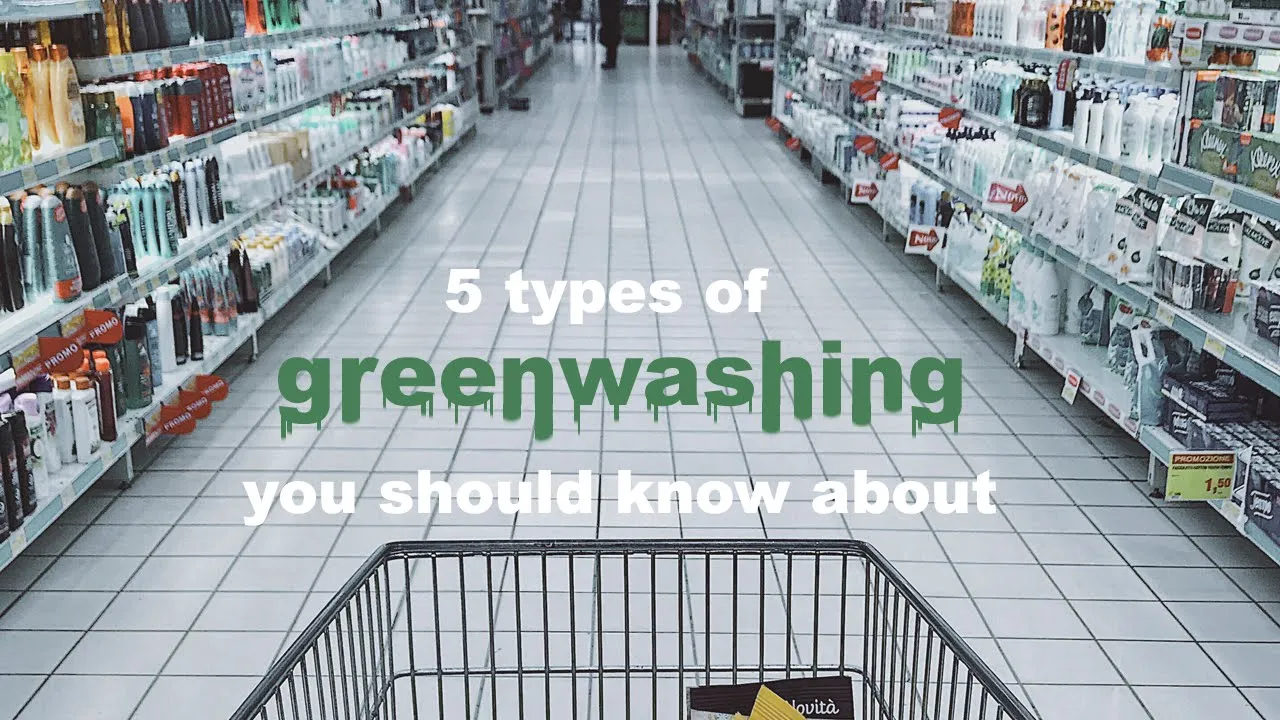

Greenwashing refers to when companies misleadingly promote their environmental credentials through vague or unsubstantiated claims about being 'sustainable,' 'eco-friendly,' or 'ethical,' exploiting the lack of standardized definitions for these terms; this practice exploits growing consumer demand for environmentally responsible products, with studies showing 70% of Gen Z and 73% of millennials prioritizing ethical brands, yet EU authorities found 42% of environmental claims are exaggerated, false, or deceptive, highlighting the need for clearer regulations, standardized definitions, and transparent disclosure requirements to help consumers distinguish genuine sustainability efforts from marketing tactics.
Understanding Greenwashing: Definitions, Impacts, and Solutions
Added:The fundamentals of Corporate Social Responsibility (CSR) and Environmental, Social, and Governance (ESG) frameworks.
Basic principles of consumer psychology and how marketing claims influence purchasing decisions.
Core concepts of environmental sustainability, including carbon footprinting, life-cycle assessments, and green terminology.
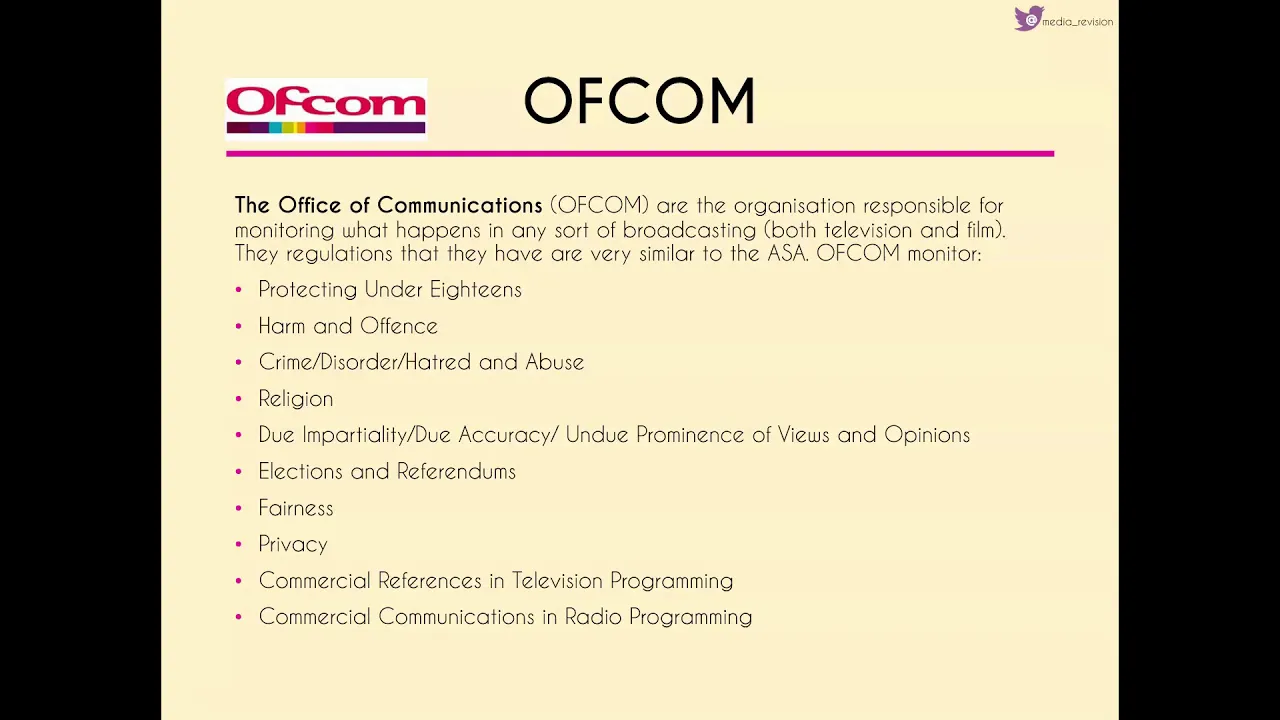
The role of regulatory bodies in monitoring advertising standards and protecting consumer rights.
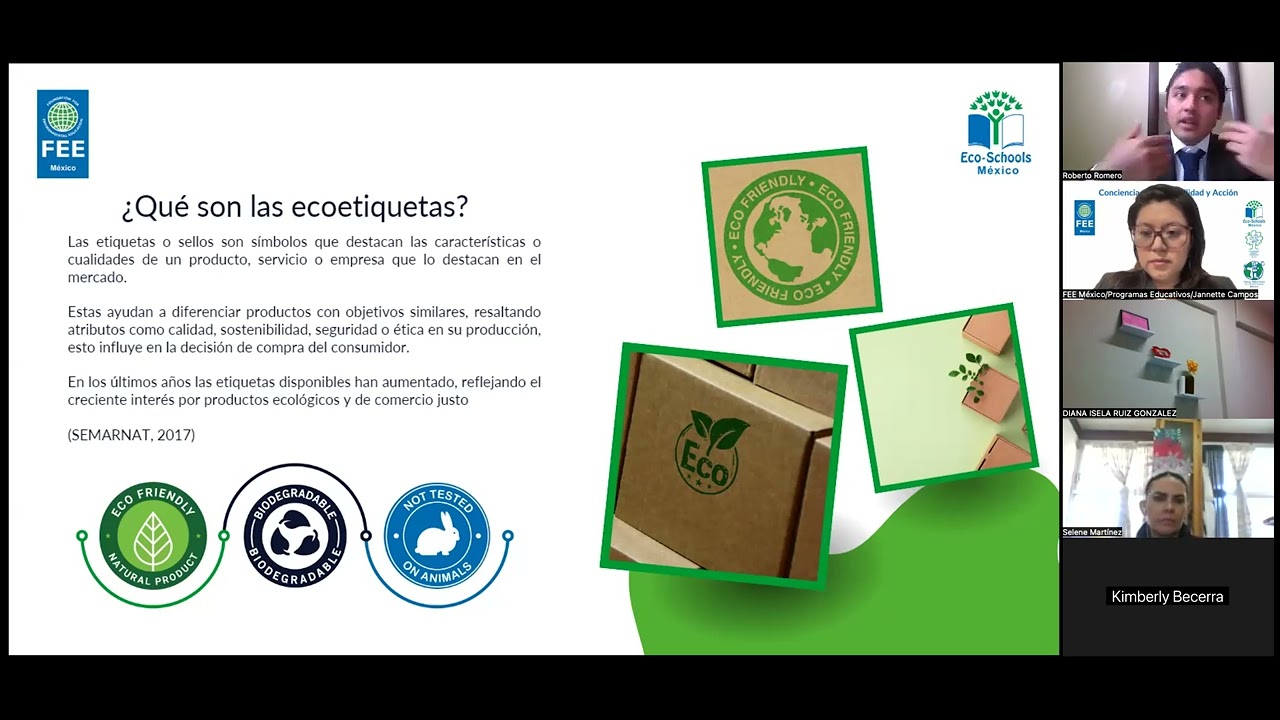
Detailed analysis of global environmental certifications and ecolabels, such as ISO 14020, LEED, and Energy Star.
In-depth study of emerging policy frameworks, like the European Union's Green Claims Directive and updated FTC Green Guides.
Methodologies for rigorous ESG auditing, carbon accounting, and third-party verification processes.
Strategies for genuine sustainable supply chain management and corporate transparency.
Case studies on consumer advocacy, legal litigation, and the financial and reputational consequences of corporate greenwashing.
160.2K views2.2Klikes12:07Original Release: 2022-01-23
now many of us want to do what we can to slow the effects of climate change and as a consumer it means choosing products that are better for the environment but do you know what you're buying does what it promises well calls to stop so-called green washing are growing this is now a global north green wash festival this is green wash gone mad we're gonna share the idea that green washing has got to stop so what exactly is greenwashing well it's when a company or organization is misleading about its environmental credentials it might involve terms like this common words that you'll see on packaging and in advertising and if you're confused about what they mean you're not alone we asked regulators in the us and uk to give us their definitions for the words sustainable eco-friendly and ethical but they told us that the terms don't have an agreed definition so instead companies have to back up their claims with evidence which as we'll see can be problematic but for consumers going green matters in a global study 70 percent of gen z shoppers said they try to buy products from companies they consider to be ethical another study found 73 of millennials would spend more on a product made by a sustainable brand but many savvy shoppers are skeptical about environmental promises and with good reason well greenwashing is everywhere the number of consumer goods and services that claim to be sustainable or eco-friendly or carbon neutral has exploded you know there has been this awareness um raised now and which which is really developing further every year that we need to do something for the planet and so this raised awareness by consumers is attractive for marketers because then they can promote greener products and that's i mean there are truly sustainable products that are on the market but there is a huge confusion between the truly green products and services and the green washed ones and that's really a problem for consumers in fact a sweep of websites touting green practices by eu authorities found that in 42 of cases the claims were exaggerated false or deceptive like in this example in 2015 nordstrom bed bath and beyond jcpenney and backcountry.com agreed to pay a total of 1.3 million dollars in fines for mislabeling clothes that were made of rayon as bamboo while bamboo might be the base material it's treated with toxic chemicals to turn it into the silky fabric that they were selling and while some companies may be trying to pull one over on consumers some industry experts say it's more down to exaggeration or misunderstanding the rules bsr works with hundreds of the world's biggest companies including google coca-cola and gm on sustainability issues there certainly are companies that may see a potential to advertise according to sustainability or green credentials that they don't necessarily have but i also think there's a lot of companies who are doing the hard work and wanting to truly explain that to consumers and they don't always have a clear set of guidelines or clear set of terminology to be able to do that with in many ways the companies who do this well are integrating sustainability into how they compete how they create value how they attract employees how they attract customers how they identify new markets how they get new capital and so it really is a 360 approach to how they run their business so what more can be done to separate the green facts from the green washing fiction i've been speaking with cecilia parker aaron who's the director for consumer protection at the competition and markets authority it's the uk's competition regulator so cecelia it's great to have you with us uh thanks for being on talking business this week um and look i want to talk about green washing because there are so many terms that are often banded around aren't they by companies right now and yet it strikes me there is no real definition of a lot of these words how important is it to define what firms are actually talking about so there's a lot going on there there are a number of different certification schemes available in different sectors that businesses can think about and going out and applying for and but certainly that is something that i think we're likely to see growing and the other thing that i think is is going to become much more important is life cycle assessment and having having somebody come in and actually audit your supply chain so that you can really understand what and what impact your product is having from the point that it's created through until the point that it's disposed of do you think it would help if firms were required to disclose some of their environmental credentials their ethical credentials alongside their financial results a sort of disclosure based on what they've achieved in that year not just purely financial i definitely think that would that would move us in the right direction um we obviously encourage businesses to disclose their environmental information and looking at uh from consumer protection law perspective and but there's no positive obligation on them to do that in every case at the moment and i think the other thing is though that with disclosing and environmental performance through um corporate reports that kind of thing it won't necessarily get to the consumers that are actually shopping so and we also need to find ways of of um of requiring businesses to disclose that information do you think firms should be certified before they're able to use terms like ethical or sustainable i think it's it's difficult to say that certification is the only solution certainly it's one solution and i think um at the introduction of standardized definitions for some of these um uh terms and as you say like ethical like sustainable and would certainly and would certainly also help and if you could then hold businesses to account and make sure that they were using the term correctly that would also be a way of addressing the problem and one of the big issues and we know this is a problem in so many different ways but this is a global problem and yet the measure the certification for some of these claims varies from country to country and particularly when we talk about things like supply chains how can anyone trust that somewhere in the supply chain there's not a huge problem that's being hidden in some respects by these claims of being ethical or green again i think that's it's a really fair point um international supply chains and also simply customers shopping across borders and is creating additional challenges in this space and the international consumer protection enforcement network is working together to try and um ensure that we are all um telling the same story and and pushing the same messages to businesses how confident are you that we'll ever be at a stage where there is one standardized definition around the world of some of these key terms is it ever likely i would like to say i'm confident but the truth is i think it is a very challenging thing to achieve and there are very few cases where we have a single standard and for for performance across the world and i wonder when it comes to ethical or sustainable claims what are the biggest hurdles to making that global standardized definition actually a reality so i think probably the first thing is is going to be um actually just agreeing what the standards should should be um you can imagine that um what some countries would think of a sustainable or ethical is going to be very different to um to what other countries um think about well one good example i suppose is from the u.s regulator it found that a trash bag a bin bag was labeled as recyclable but we all know once it's full of trash you're not going to separate that bag from the rubbish that will probably not be recyclable inside of it and so they were making claims that actually weren't going to happen in reality there's some really interesting problems out there um with vague language and with um as wishful thinking as well so i mean i think the example from the us is great and we've also seen examples recently from um both new zealand and canada and looking at disposable coffee cups and at coffee pods where um claims were being made that and the products are recyclable but in reality um the uh the recycling local recycling facilities cannot cope with the with the recycling of that particular product and if you're not happy with what you see what power do you have to change the labeling the branding or how the business advertises so we can um ask the business to um as you say change the labeling change the way it's advertising we can also ask them to look at their in-house systems so we can ask them to think about um putting in place compliance systems internally to make sure that similar mistakes aren't made in future we can ask them to publish better information for consumers or or um to draw attention to the fact that they've made made a mistake and in some circumstances we can even ask them to either pay redress directly to consumers or to um for example consumer charities the process that you've painted though is not a fast one is it and sometimes it can take years by the time you've done your investigation come up with a conclusion then being able to enforce some action on a company and i wonder whether then the damage is already done i think it's true that um at least today in the uk to go through the full enforcement process can be quite a time consuming um process and but actually we have other levers we can pull in terms of engaging with businesses on a voluntary basis and and i think really encouraging them to move quickly and we've been quite successful in doing that and securing results quite quite quickly for businesses and obviously most businesses don't want to be publicized as doing the wrong thing and if they think there's a risk of that happening and they'll very quickly respond to those moves i want to talk about fashion because we know the fashion industry is one of the biggest problems when it comes to sustainability and the environment um there's some astonishing figures wise up to waste suggesting 10 000 items of clothing are sent to landfill every five minutes how would you even start to get a grip on something like that when a company wants to distance itself from its supply chain and the problems way down the line but it might be trying to sell those products as sustainable or ethical in the retail outlets the fashion sector really is a challenge for us and it's that's one of the reasons why we've we've made that our first priority for enforcement uk consumers are buying 54 million pounds sorry billion pounds worth of fashion products every year and we know that um fashion is a massive contributor to global emissions and so really for that sector we are going to be looking closely at what businesses are doing at the sustainability measures messages that they are sharing the claims that they are making and at the overall context so we will want them to demonstrate to us where they are claiming that a particular product is sustainable and that actually it is it is genuinely sustainable from from cradle to grave and that customers can trust that claim if you could have anything on your wish list right now things that are achievable in the short term that would change the way companies look at you know sustainability the way that you're able to regulate them and keep an eye on their activities what would it be what do you need standardization so standardization in terms of the definitions of the terminology as we talked about at the beginning and making sure that businesses are all using the same terms um in the same way and also standardization of measurement how you get to um measure a carbon footprint for example or how you measure sustainability and for any given product and standardization of how that information is consumed communicated to consumers so that if i go into a shop i can take two products and i can see which one is the is the least damaging to the environment and i can make my choice
Up Next
12:59
Local Contracting vs SAM.gov: Government Contracting Guide
@sheenapreneur
18.5K views•2024-06-20
46:36
Retention Habits of Top DTC Ecommerce Brands Revealed
@SendItPodcast
44K views•2026-03-03

15:23
Decoy Effect: How Pricing Psychology Influences Consumer Spending
@bobinvestsUS
90K views•2026-01-05

17:30
The Planned Obsolescence of Light Bulbs and Tech
@veritasium
25.3M views•2021-03-26
Related Study Plans & Knowledge Roadmaps
Structured learning paths in Business
business
Pop-Up Retail: Strategy, Design & Execution
01Introduction to Pop-Up Retail & Strategic Goal Setting
02Budgeting, Site Selection, and Legal Essentials
03Experiential Retail Design & Visual Merchandising
+ 2 more learning modules
15h5 modules
Explore Roadmap
business
Reg CF: Startup Funding, Marketing & Launch
01Introduction to Equity Crowdfunding & Reg CF
02Platform Selection & Legal Preparation
03Crafting High-Converting Campaign Assets
+ 2 more learning modules
14h5 modules
Explore Roadmap
business
Productized Services: Scaling Solo Freelance
01Foundations of Productized Services
02Packaging and Scope Definition
03Pricing and Subscription Models
+ 2 more learning modules
15h5 modules
Explore Roadmap
business
Gov Procurement: Find, Bid & Win Contracts
01Introduction to Government Procurement & Business Setup
02Small Business Certifications & Set-Asides
03Finding and Analyzing Contract Opportunities
+ 2 more learning modules
14h5 modules
Explore Roadmap