


















Isla de las Muñecas (Doll Island) is a mysterious island in Mexico City that was founded approximately 60 years ago by a man named Don Julian, who began hanging dolls on trees after witnessing a young woman drown in the river nearby; he believed the dolls would appease her spirit, and today the island is maintained by his nephew who still hears noises and experiences supernatural phenomena there, though the government has officially closed the island and many tourists unknowingly visit fake replicas instead.
Exploring Mexico's Abandoned Doll Island: History & Haunted Legends
Added:Understanding the geography and historical significance of the Xochimilco canal system and its ancient 'chinampas' (artificial agricultural islands) in Mexico.
Basic familiarity with Mexican folklore, spiritual syncretism, and cultural attitudes toward death and ancestral spirits.
The psychological concept of the 'uncanny valley' and the cognitive mechanisms behind pediophobia (the fear of dolls) and pareidolia.
An introduction to 'dark tourism' as an academic field—specifically, why humans are drawn to sites associated with tragedy, death, and the macabre.
Analyzing the ethical implications of dark tourism, specifically how local communities balance commercialization with respect for tragic histories.
Investigating the environmental conservation challenges facing the UNESCO World Heritage site of Xochimilco due to unregulated tourism and urbanization.
Conducting a comparative anthropological study on how different global cultures use material objects (such as dolls, effigies, or shrines) to memorialize the deceased.
Examining the sociology of modern urban legends, focusing on how digital media and tourism commodify local folklore into globalized narratives.
172K views3.1Klikes16:43Original Release: 2016-12-04
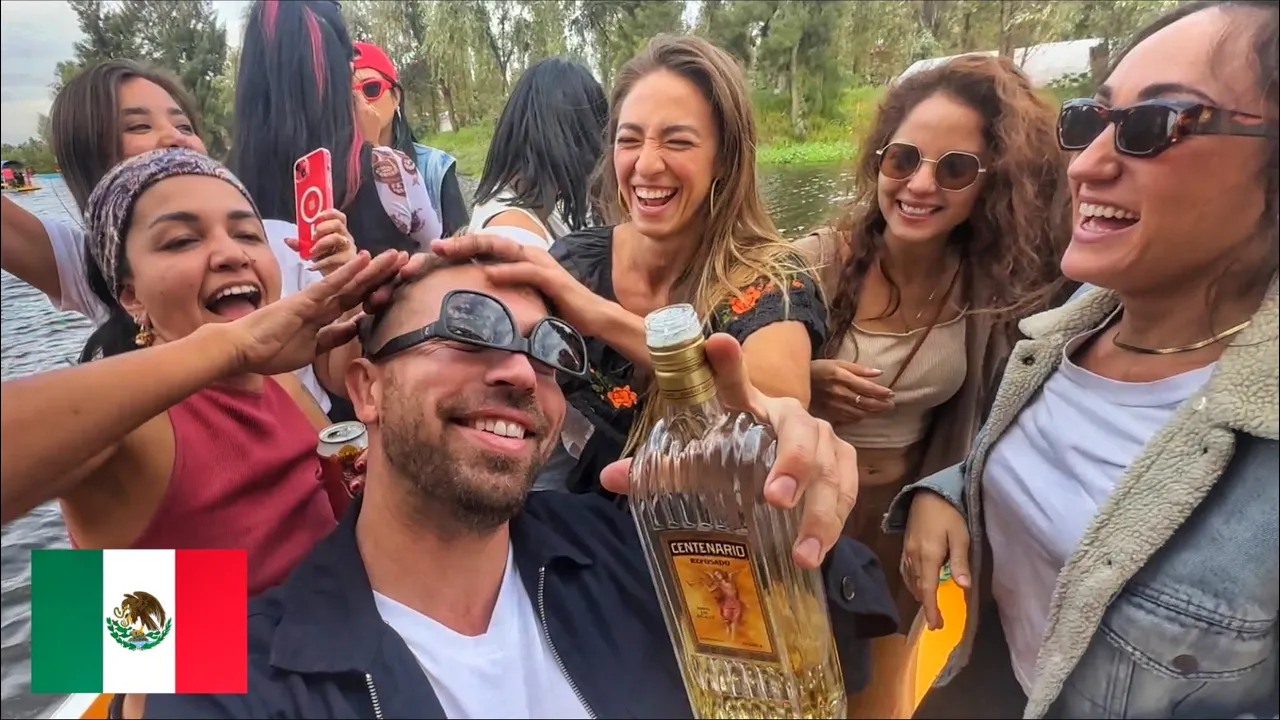
all right good morning you guys today we are in Mexico City we're actually at a port we had to drive about an hour to the port here and what we're trying to do is we're trying to go to do Island today and the thing about do island is it's actually like it's kind of like 50/50 weather we're actually going to get to go there today that's what kind of suck but sucks but it's also kind of the adventure uh the island was shut down by the government but it's possible for us to like go there and potentially bribe him so that's kind of what we're doing today so we're going to see if we can do this we have to spend like 100 maybe $150 to uh get this boat to take us there and then hopefully we can bribe the guard if we can't it's basically a 2-hour ride there and a 2hour ride back without doing anything so we're going to see how this goes today also a side note there is a fake doll island that they set up because it's much closer and basically they don't want to you know paddle all the way 2 hours out to the real doll island if they can fake it and just go like 30 minutes down the down the river a little bit so there is a fake doll island that most people don't know about and um most people don't know about this fake doll island so they they tra tourists who want to go there and they spent a lot of money basically to go to a fake doll island but luckily we have Mike's girlfriend marianella and she she speaks Spanish obviously so she she went up to them and like no no no we want to go to the real one so we're going to the real one right now and we're going to see if we can get in here this port is the one that you want to go to this is the best one so these are the boats that we're taking basically it's just a table with a bunch of chairs next to it and a top and they all have their own names on them well this is this is our party boat yeah man I just want to get on for real I really want this to work out [Music] so we didn't even know we were stopping here we just stopped for the bathroom and we just happened to see these dolls and we asked if this was the island but apparently this is the fake Island that was made to bring tourists so they didn't have to go as far you can see there's a couple a couple uh dolls in the trees that you can see right there I'm really excited to see the real one the fake Island even has signs here saying that it's the real one right here so this sign is for this island right here this fake doll island even though it's not the real one they're claiming that it's the it's the real it's like the real deal we're not falling for their tricks this time you fell it for it too many times too many four time fourth time the charm but like anything right like you're you're a tourist you come here and they're like you're like take me to doll island they're like yeah we'll take you to doll island and if you've if you've never seen photos before or maybe one or two photos you show up here there's dolls it's an island you're like hey I've been there but you've been tricked and now you know and now we're going to go to the real one we've gotten into this part that not many people come to you can tell by these uh little plants in the water here they're usually removed for boats but they haven't been removed so it's a lot harder to navigate through this but the island I believe is just right up here we're coming up to it now it's like a king kong kind of Island where there's just like this bamboo fence around it and it's just all these signs that say keep out this is insane at them all I can't believe we we're here though like oh my [Music] god get [Music] the so for a very long time Josh and I have been wanting to go to this island and we are finally here we are entering the front Gates of the Isla deas munas the first thing you see on the island island [Music] close all right you guys so we have now made it to D Island also known as the ISA deas Moon Yas in Spanish we are here in Mexico City today and basically what this island is it's a small little island we had to take a boat 2 hours through this like swamp land uh to get here and this island uh it was founded many many years ago almost 60 years ago I believe H where a man who was heartbroken didn't have any kids came to move to this island and he was alone and one day he saw this girl and she was drowning in the river and he tried to save her but he couldn't he couldn't get there in time so this girl drowned in the river by this island and then at night he would hear these screams and he would hear all these sounds that would terrify him at night so he thought it was the girl that died haunting him so he would bring all these dolls and hang them up in the trees as offerings to the girl and just keep doing that for years and years and years and then eventually it kind of accumulated here where there were all these dolls hanging from the trees now many years later he actually died because he was an alcoholic he died in the same spot he drowned in the same spot that that girl drowned in and now we are here today and the uh nephew of the original owner still owns this place and he's been living here for 55 years taking care of this place and he has graciously led us on this island today and we're going to explore D Island one of the places Jos and I have wanted to go for a very long time and we're finally here so these are the gates that we first came through here and even as you begin there's dolls hanging everywhere it really reminds me of the movies like King Kong where there are all these spikes and there's heads and everything just everywhere you're kind of expecting some kind of natives to be walking around with uh paint on them it just has this very native Voodoo feel to it so this island is very small you'll notice it's as as we walk around it's it's not a lot of land but just the amount of dolls here in the history of this place is what really makes this look at this guy with a sombrero right here so giving a brief little run through of the island it's not a whole lot as you'll see this is a little bridge that goes right back outside it's all guarded up now so it used to not have this fence before actually that night many years after Spirit happen so she would leave him alone so that's a that's actually a bathroom right there the owner's bathroom he lives here in takes care of this place all by himself with a little bit of help from his friends but there's just a few buildings around here some of them are memorials some of them are living quarters bathrooms there's some Mexican news articles about the island it's actually really popular here in Mexico and everyone knows about this place but not everyone here in Mexico is very interested in it it's mostly foreigners so walking around here you will see some Barbies but you're not going to see all the new stuff all the new dolls Barbies SpongeBob Barney everything that's come out within the past 50 years everything here has been put up many many years ago and it's it reflects in the style of the Dolls here they're all really creepy and all old style dolls you will however see those dolls on the fake Island there's a fake Island I believe they're starting to make even more fake Islands just to stop people from going to this actual real Island so not many people are actually going to be able to come here anymore because the government has officially shut it down and uh it's very hard to get to actually if we didn't have Mike and maranella as our guides helping us get here we would not be here for sure we would have gone to the fake Island and thought that was the real one looking at SpongeBob dolls and being like this doesn't make sense it has to be one of the creepier dolls here on this island I've never seen anything like this before obviously must be pretty old because these kind of dolls I only see in horror movies so you'll notice that there are these very bright orange flowers here they're called seels and basically these are the flowers of the Dead they use these for diodos Muertos and they put these on the graves and these are basically the flowers of the dead so that's why they're planted here you know to recognize the little girl who died and the uncle Crossing this small Wood Bridge here because there's actually a river that runs through this little island and that's where the boat comes up look at that one doll it face is literally just an eyeball that is super creepy look at this box this doll is like dismantled and bloodied and destroyed some hardcore stuff here I want to get some shots man if the kid in Toy Story was a real person I think this would be his home he would be dismantling and doing all these weird things to dolls I think he'd like it here this is probably the creepiest there is a full house just for the dolls and there are the most amount of dolls in this room all covered in cobwebs all super Dusty and this looks like oh looks like a shrine yeah so in Mexico they are big into offering putting offerings up for the dead and this is another one so this this this is the name her name is Austin Austin Austin and it was the favorite of um Mr Julian which was the owner Don chopz um uncle and she was the only one that julan named the only doll the only doll none of the dolls have a name but but but her her name is Austin and it's it was oh she was his favorite because she found and she she her name is a Austin because he found her in one day that we celebrate the Saints mhm so San Austine it was like San Austin Saint party and he found he found her and that's why when you look online there's not a lot of true information on in English at least on how to get here so it's very hard for anyone who speaks English or any foreigners really who want to come here uh Mexicans there's tons of information online in Spanish but everyone who lives here in Mexico they all they all know about it they're not interested in it and they really have no they're no interest in coming here because they see all this stff all the time they have dios muos where they have all kinds of dolls with painted skulls just like this one so they're not interested in seeing yes they see it all the time everywhere so to find information for us that's actually factual it's very rare so I'm glad I'm able to create this video in English and show you guys how to get here what to uh look out for the fake islands and all that so I just learned new information from marianella who was talking to the owner and uh the owner is the nephew of the uncle who was the original owner here and basically he was saying that most people don't get the story right because all the information is kind of like scrambled and it's of mouth and it's online and so about 99% of the people don't know the true story and that's why I'm actually keeping the intro in because that's the original story that's the story that everyone hears now the actual story of what happened here is the uh the uncle was here 60 years ago and he saw three women in the uh River swimming about in their mid 20s and one of them started to drown and that Red Cross that you saw that is where she drowned like in the water right in front of the Red Cross so to keep the spirits away of that girl uh who drowned right by his Island he he brought dolls from other canals and the trash and he put them up and he only put up a couple of these and then the tourists came to this island and they actually started putting up dolls themselves so about probably I don't know maybe 30% of the dolls are original and the others are from Taurus also putting the dolls up around this island so many people don't actually know that story but you have to hear it directly from the source Here original owner Uncle Julian actually died here as well the reason people say he died in the same spot is because he actually had a heart attack but many many years later and he died he fell right here had a heart attack and fell into the river so he died in roughly the same spot that the girl died in in America there would never really have something like this other than maybe somewhere down in New Orleans but this just goes to show that Mexico actually has a lot of stuff like this and they really believe in the voodoo and the afterlife and making offerings to the afterlife as you saw in my other video as well the one we were at the hotel and there were all the offerings for the little girl [Music] another little Hut of dolls there's a couple Huts they're just filled with these dolls not to do anything other than house these dolls from maybe the rain that doll is the probably the creepiest one I've seen here my God it looks so dead and it looks like it has a real eyeball that is so creepy multiple Huts like I said just filled that looks kind of creepy that kind of looks like a body um this is what you see when you look from the back of doll island I'm at the farthest point in the back of doll island that you can go it's really really not very far you could walk this whole island in literally 30 seconds it does not take long to get around here so the current owner does say that this island is still very haunted every day things happen like things go missing or he hears noises at night it's a pretty popular he says he hears noises every single night and I don't know if I would be able to live on an island where I hear like screams or like women laughing every single night I think that'd be way too creepy to live on for my whole entire life but uh this guy manages to do it and takes care of this place all right you guys that has been doll island we've wanted to come here Josh and I have actually been talking about this for over 2 years we we saw pictures of this years ago and we knew that this was a place that we had to come little did we know we'd be here in Mexico in December December 1st we're doing this and the island is actually closed we were so relieved because we didn't think we were going to be here this whole day I mean we thought we might get turned down it was like a 50/50 chance WEA we could actually do it we were told no probably about four times by keeping you have to translate for you somean and you can do it you can do anything like said it's like how it's not no it's how could we make it work how so no how can we make this work and it worked and it worked but yeah uh I'll have Mike's uh link down below Josh's down below make sure you check them out for amazing videos if you're not subscribed to me then what are you doing subscribe like down below turn on notifications so you can see more of these videos hit that Bell hit that Bell and uh that's it for today until next time I'll see you guys later L guys [Music]
Up Next

3:26
Neocolonialism and Tourism: Impacts on Culture and Environment
@tourismlecturer
265 views•2024-09-01

26:22
Walking in the City: Urban Rituals and the Flâneur in Contemporary India
@PSBTIndia
1.9K views•2016-08-02

9:49
FastAPI vs Flask vs Django: Choosing the Right Python Web Framework
@TechWithTim
302.5K views•2024-05-26

1:42
Game of Thrones Opening Credits: A Cinematic Analysis
@gameofthrones
46.3M views•2011-04-18
Related Study Plans & Knowledge Roadmaps
Structured learning paths in General & Interdisciplinary Studies
general-studies
Artificial Light: History, Tech & Human Impact
01The Pre-Electric Era: Fire, Oil, and Gas Lighting
02The Incandescent Revolution and Grid Electrification
03Gas Discharge and Fluorescent Illumination
+ 3 more learning modules
14h6 modules
Explore Roadmap
general-studies
Elevator Engineering: History, Physics & Cities
01From Hoists to Safety Brakes: The Dawn of Vertical Lift
02Hydraulic vs. Traction: The Engineering Physics of Elevators
03Modern Speed, Safety, and Algorithms
+ 2 more learning modules
12h5 modules
Explore Roadmap
general-studies
Rubber: Material Science, History & Geopolitics
01Origins of Natural Rubber & Mesoamerican History
02The Chemistry of Natural Rubber & Vulcanization
03The Geopolitics of the Rubber Boom & Colonization
+ 2 more learning modules
12h5 modules
Explore Roadmap
general-studies
Containerization: Evolution, Logistics & Trade
01Ancient Trade & Bulk Cargo: Amphorae to Barrels
02The Industrial Revolution & Cardboard Packaging
03The Containerization Revolution: Malcom McLean
+ 2 more learning modules
12h5 modules
Explore Roadmap