

















Voluntourism, where tourists volunteer while traveling, often creates more problems than it solves by fostering dependency, exploiting local communities, and undermining sustainable development; instead of direct giving, communities need to address their own challenges through collective action and education that fits their local context.
Cambodia Tourism: A Journey Through History, Culture, and Ethical Challenges
Added:Basic understanding of Cambodia's modern history, particularly the legacy of the Khmer Rouge regime and its long-term socio-economic impacts.
The fundamental concepts of sustainable tourism, including the economic, environmental, and sociocultural impacts of global travel.
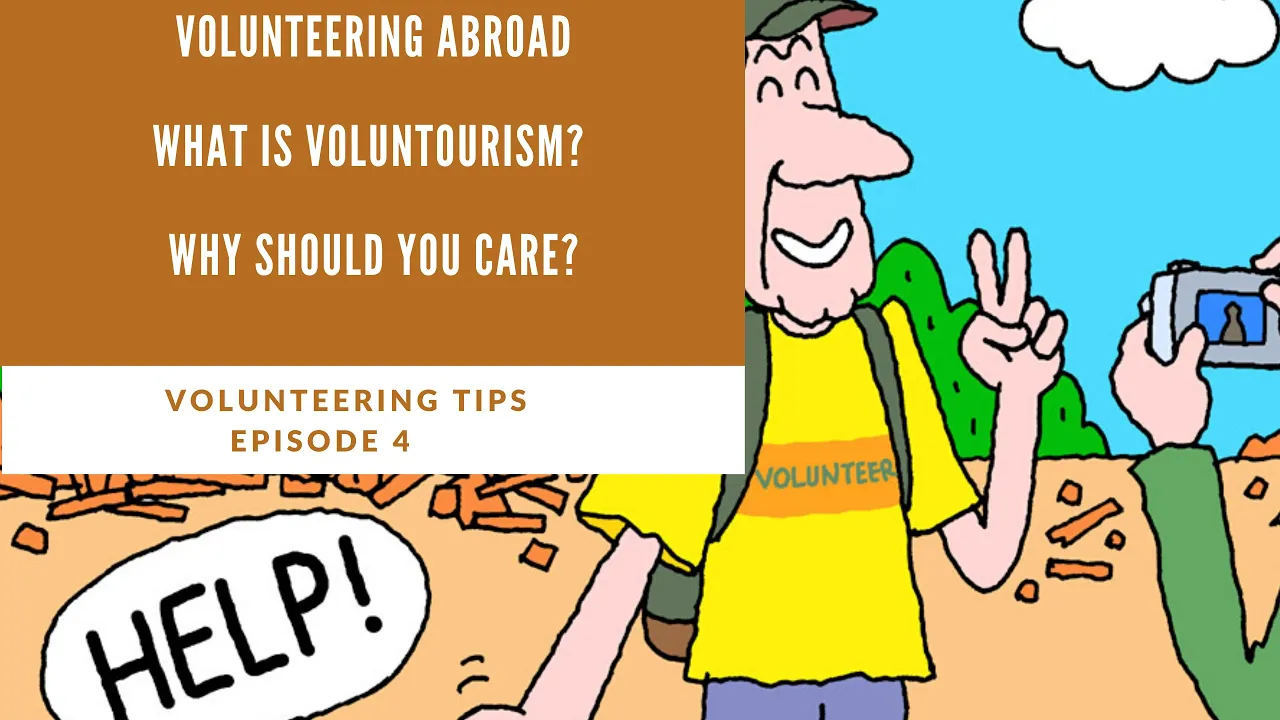
An introduction to the phenomenon of 'voluntourism' (volunteer tourism) and the potential conflicts between foreign donor intentions and local community needs.
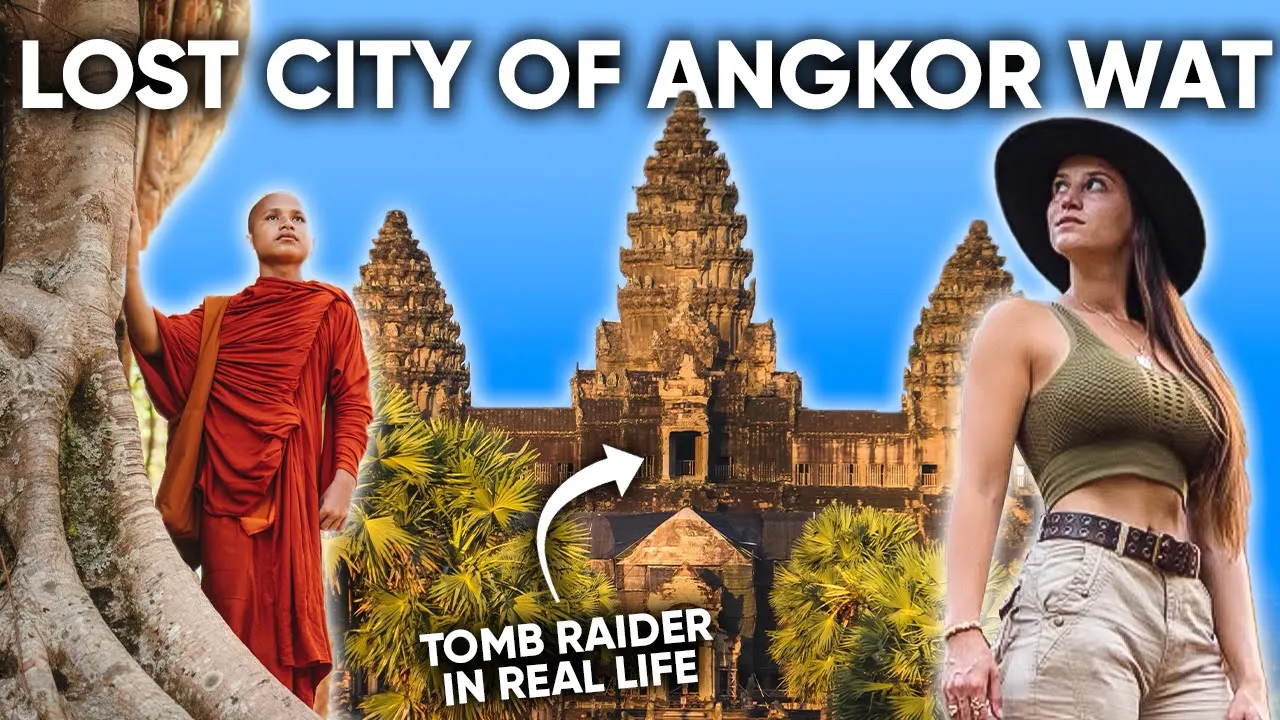
The historical and cultural significance of the Khmer Empire and Angkor Wat to Cambodian national identity.
Analysis of Community-Based Tourism (CBT) models as sustainable, locally-owned alternatives to mass corporate tourism.
The study of heritage management and conservation strategies required to preserve high-traffic UNESCO World Heritage sites.
Critical evaluation of 'poverty tourism' and the ethical boundaries of commercializing socio-economic hardship.
Exploration of regulatory frameworks and international certification programs designed to enforce ethical standards in volunteer organizations and NGOs.
182.7K views3.4Klikes16:19Original Release: 2017-10-23
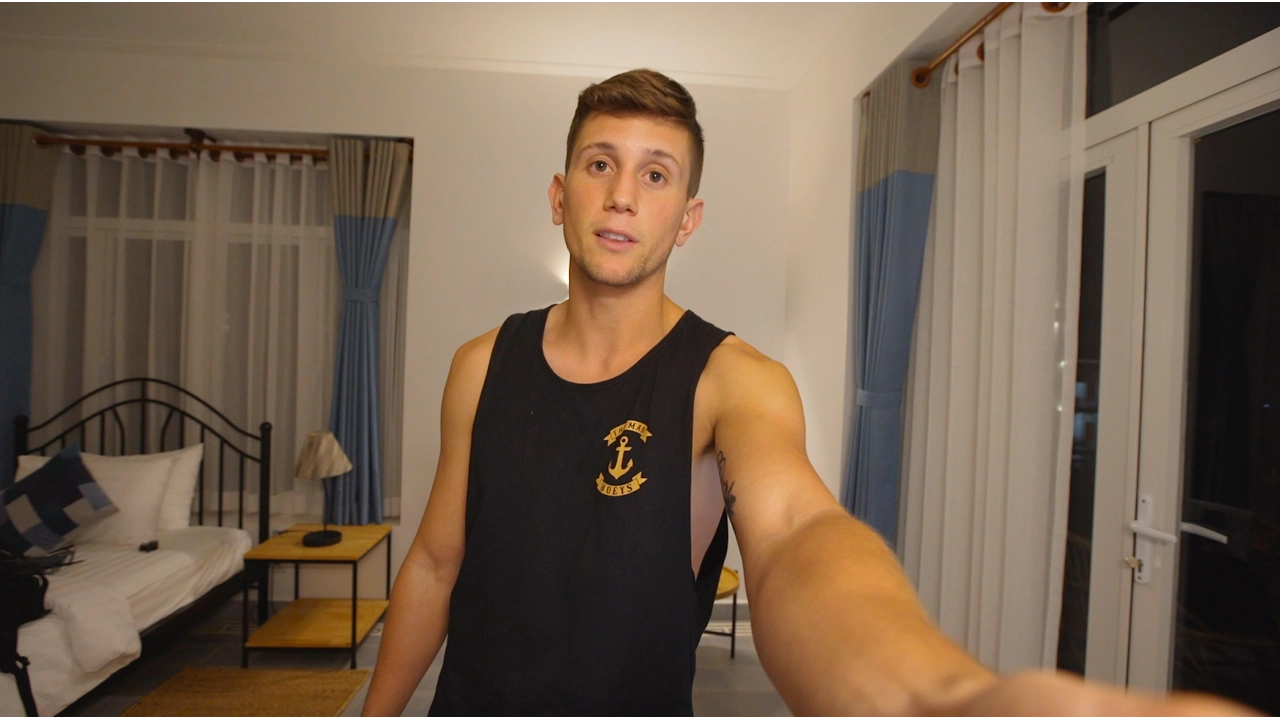
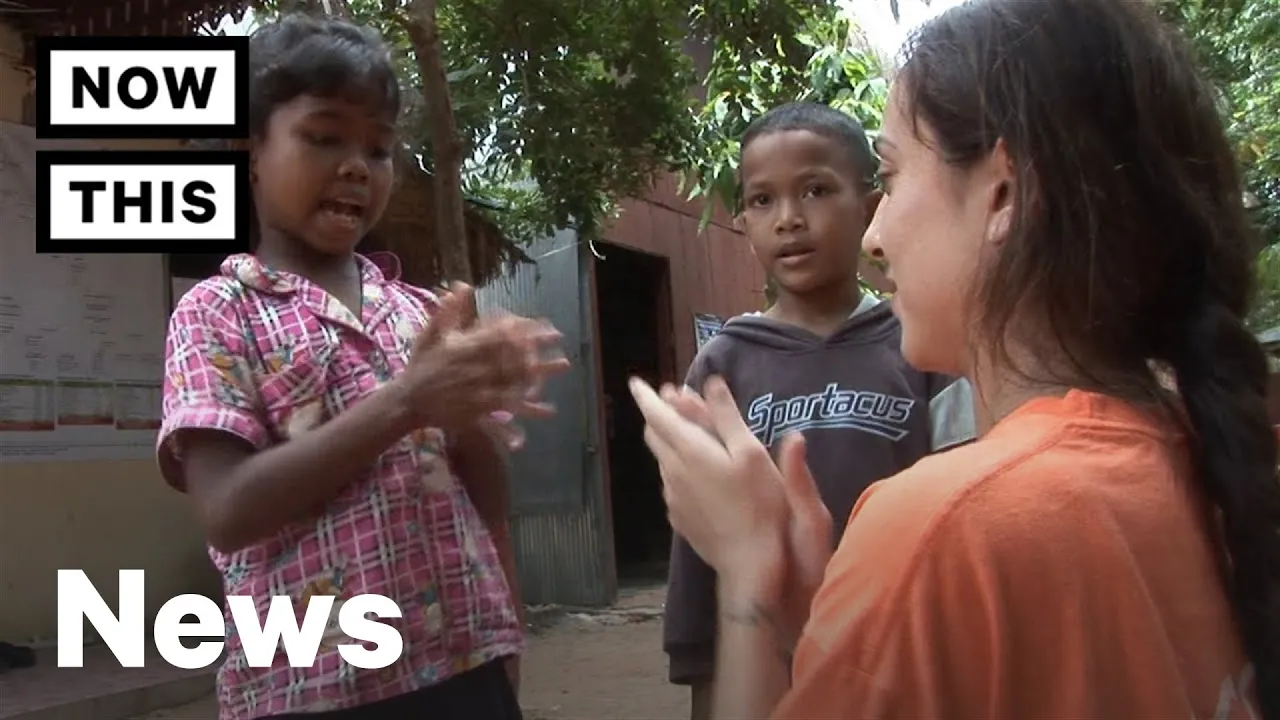
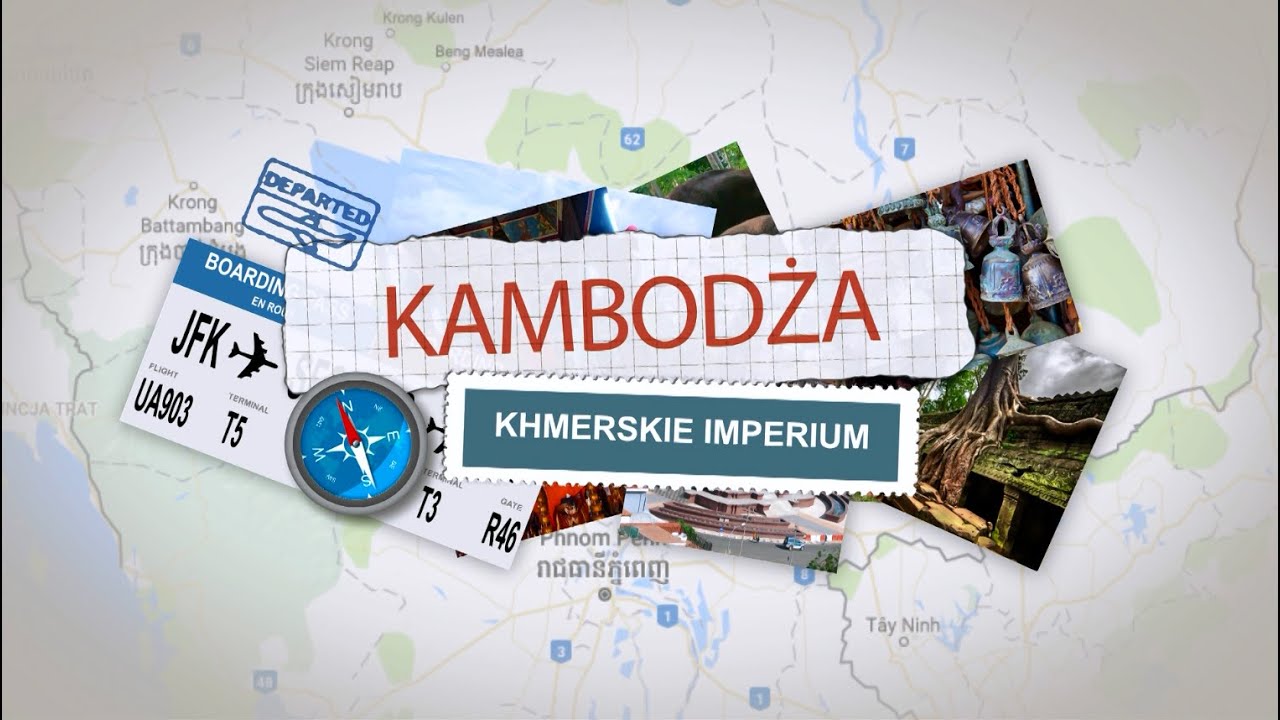
[Music] having never been to Southeast Asia I traveled to the scenery problems of Cambodia to meet some locals and soak up some culture this was exactly the postcard moment that I had seen in the photos online but in today's world there are no more well-kept secrets just outside the edges of every picture lies the sometimes disappointing truth [Music] don't get me wrong these temples were absolutely beautiful and it's a box that I'm glad I checked but I came to experience the real Cambodia and I had a feeling I wasn't going to find it here [Music] [Music] [Music] [Music] Cambodia is a country with a troubled past a past that still haunts the memories of those who survived it early in my travels I met a former monk named yut who offered to take me to meet his father a survivor of the war can you give me a little brief history lesson about Cambodia in the past 4050 years Cambodia in terms of history of the temples land cold war and the Empire of those area it seems like Cambodia is one of these eldest country in Southeast Asia for one we learned about the recent history of the killing fields it seems like Cambodia is the youngest country in this region [Music] see why my father man they tell his own washing and 509 competition that Sonny Bono today's podcast was to take even block man more good man more terminal of Congo poor name to register will tell Toria Rangoon a ductile span : SATA margins of man man topped a romantic to secure we were ducks to the water cooler ah I listen to my dad my mom stories about killing fields they cried as sad and to us I learned from them and I heard it was a story but it was not my experience but it was a story no thing I don't think it's in young people's mind due to the Civil War fifty percent of the country's population is under 25 years old it's a place where you find relics of the past juxtaposed with the new fueled by a booming tourist economy in the next 50 to 80 years Cambodia's cannot grow so much the landscapes are undefined and changing quickly and the growing sentiment among the population is that it's time to detach themselves from the past and create a new identity [Music] [Applause] [Music] [Applause] [Music] Wow [Music] [Applause] [Music] so I just met a guy at a coffee shop who tells me that he knows of a man who runs a Cambodian boxing ring in his backyard I have no idea what that means but I figure I got to follow him and find out [Music] oh hi Ryan nice Emilia I started picking up on some of the movements but I could tell that the Grandmaster was realizing how terrible I was and was starting to get frustrated [Music] as I was living out my personal karate kid' fantasy I realized that this was the experience I had been looking for running around this muggy backyard gym taking verbal abuse from the Grand Master this is why I came to Cambodia [Music] I left the gym on a high having learned another cultures traditions but I was quickly sobered up by what I thought would be a simple boat ride so I'm here on the John connect River where our driver boat driver has agreed to take me to go see some of the floating villages entire villages of houses that are on stilts and as far as the eye can see people just living on top of the water not really sure what to expect I've never seen anything like this before and so I'm really excited to go check it out within minutes of being on the boat a friendly local introduced himself to me and began telling me about life in the floating village pretty much anything you would imagine that exists in a normal city on land exists out here they have markets basketball courts schools see lately so this is the lake Wow as I saw a boat after boat full of tourists passing by I realized that I wasn't the only one being taken for a ride my next stop would be at a nearby dock here for an additional fee I would be taken for a canoe ride a boat driver that took us out here was explained to us that one of the biggest problems living out here is that they don't have toilets and so obviously they're defecating into the water they're swimming in the water and they're even drinking it and so some of the older people tend to die from dysentery infection it became clear to me that what was on display was the poverty of the villages people represent the two children did I know shortly after my boat ride my friend yut explained to me the challenges Cambodia is currently facing with a recent rise in voluntourism voluntourism deities in industry where people sell experience in terms of thought - and volunteering so lots of visitors they feel like they want to help while they travel but at the same time without realizing that they are creating more problems for the community interesting our tour then concluded with a trip to the floating market where we were told that we can make a donation to help feed the local children so you buy it from here in the school you'll know five Emilia there are need to devote any people each other under people you food cooking $50 for one bag a little bit from the local pride at the same live town because from here very firmly we have to pay for the theater sports I fancy as well do you have anything some I mean I don't have $50 for this 30 yeah I don't really have is that much money on me sorry I'd like to help me yeah I mean can I just leave a few dollars with you that's all I really have that's all I really have thank you thank you in Cambodia it's creating Bouton's and hurdles and dependency we were then taken to be shown the local school as we walked around I couldn't help but feel as if the entire thing was a rehearsed facade performed hundreds of times per day people coming into the village and they were build those things for 20 or 30 times or 40 times they would build the same thing because it was set it up for volunteers so they can make money out of it and they'd sell this to people so they'll literally build an orphanage tear it down once they leave and then a new group coming and then they do the same thing they paint a wall and and also another group coming they change the color of the wall box another painting on top of it so you end up in doing the same thing that people done like a hundred times before [Music] so that was a pretty rough experience I actually feel kind of sick to my stomach right now how about the whole thing these kids are obviously poor obviously need help but at the same time I really got the sense that we were being taken advantage of his tourists I knew for a fact that these bags of rice stuff we were buying taking across the river to drop off at the orphanages we're going right back across the street only to be resold to another group of tourists as someone who wants to help you know even though I know I'm being taken advantage of do I give them the $50 because it's gonna help feed them I don't know I don't know if the money that I'm giving to these guys is actually going into the mouths of these children at the orphanage I'd like to think it is but you never know and so that's the situation that you're left in when you give more and more money maybe you will see more kids on the streets I don't think it's ethical and responsible to my things and give things to kids because before tourism exploded in Siem Reap I didn't see lots of kids on the street but more and more tourists giving the money now I see more and more kids because the thing is make money [Music] I know it's very disturbing and sad when you see kids come in and asking for money you feel like oh it looks so cute they look you know anise then they should not be in the street and then I want to give them money but if you think of voting you're voting with your money you vote for them to be there [Music] in English I don't know what it means when you say backers but in Kamiya be said yeah some tea and so something here sounds magical like when you give things you will get something back next slide people pray for it people think it's a good thing to do and in the Buddhist teachings now it come to a modern development context people tend to learn that giving is not a sustainable way to develop but instead you creating negative impact [Music] every problem in this country I don't think you yourself can solve it it must be from families communities and the whole nation come together and address this as Cambodian tourism continues to grow so does education and for every tourist trap I found myself in I found a glowing example of sustainable growth tonight I mean I did to Tony's pizza and you can see it's more of a fun idea just up here all week a night to kill Michael from the sounds of it all day in canals of magic one of Assad regime random entity my young heart at high Mach number coming higher but the complication and come by every bottle man Lord you need a deal once we talk about education I think sometime people tend to compare to America Australia I think education it should be fits to the context of their own country I wish to see more change toward that context of Cambodia what we really need what it relieved South Cambodia [Music]
Up Next
3:27
Indie Pop Songwriting and Production Masterclass
@ChelseaCutler
4.3K views•2023-12-12

26:22
Walking in the City: Urban Rituals and the Flâneur in Contemporary India
@PSBTIndia
1.9K views•2016-08-02

9:49
FastAPI vs Flask vs Django: Choosing the Right Python Web Framework
@TechWithTim
302.5K views•2024-05-26

1:42
Game of Thrones Opening Credits: A Cinematic Analysis
@gameofthrones
46.3M views•2011-04-18
Related Study Plans & Knowledge Roadmaps
Structured learning paths in General & Interdisciplinary Studies
general-studies
Artificial Light: History, Tech & Human Impact
01The Pre-Electric Era: Fire, Oil, and Gas Lighting
02The Incandescent Revolution and Grid Electrification
03Gas Discharge and Fluorescent Illumination
+ 3 more learning modules
14h6 modules
Explore Roadmap
general-studies
Elevator Engineering: History, Physics & Cities
01From Hoists to Safety Brakes: The Dawn of Vertical Lift
02Hydraulic vs. Traction: The Engineering Physics of Elevators
03Modern Speed, Safety, and Algorithms
+ 2 more learning modules
12h5 modules
Explore Roadmap
general-studies
Rubber: Material Science, History & Geopolitics
01Origins of Natural Rubber & Mesoamerican History
02The Chemistry of Natural Rubber & Vulcanization
03The Geopolitics of the Rubber Boom & Colonization
+ 2 more learning modules
12h5 modules
Explore Roadmap
general-studies
Containerization: Evolution, Logistics & Trade
01Ancient Trade & Bulk Cargo: Amphorae to Barrels
02The Industrial Revolution & Cardboard Packaging
03The Containerization Revolution: Malcom McLean
+ 2 more learning modules
12h5 modules
Explore Roadmap