














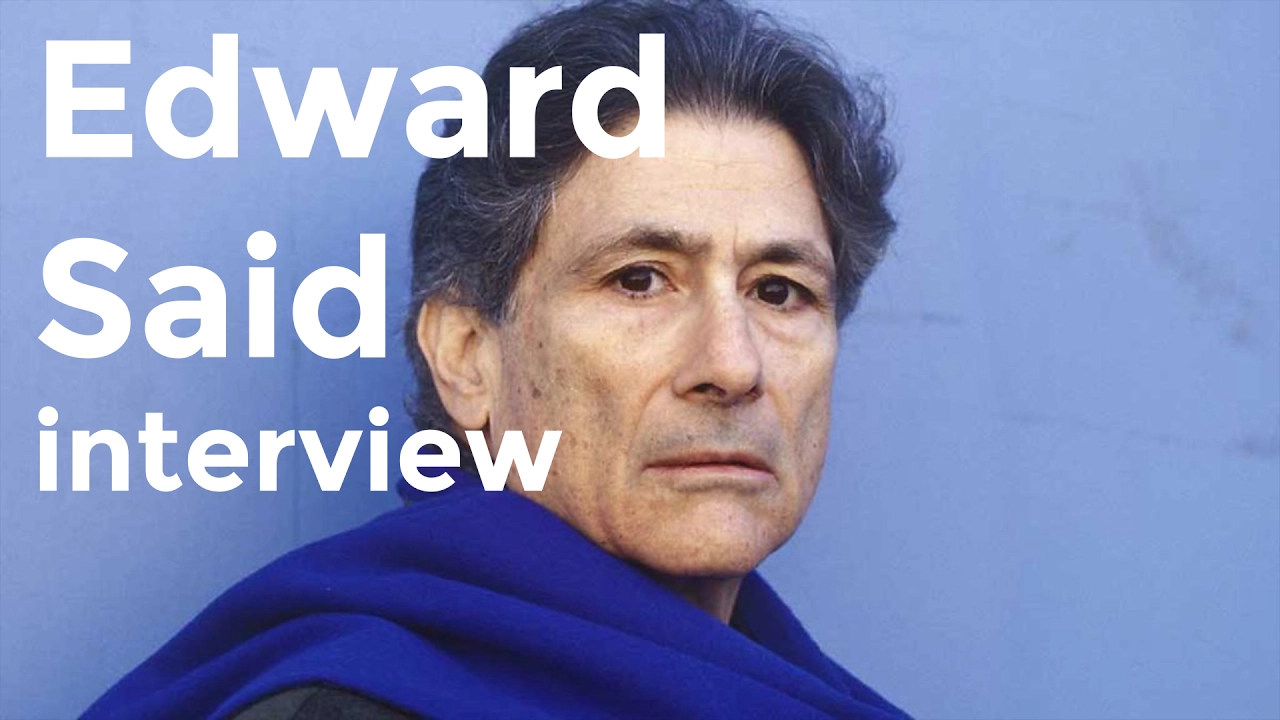
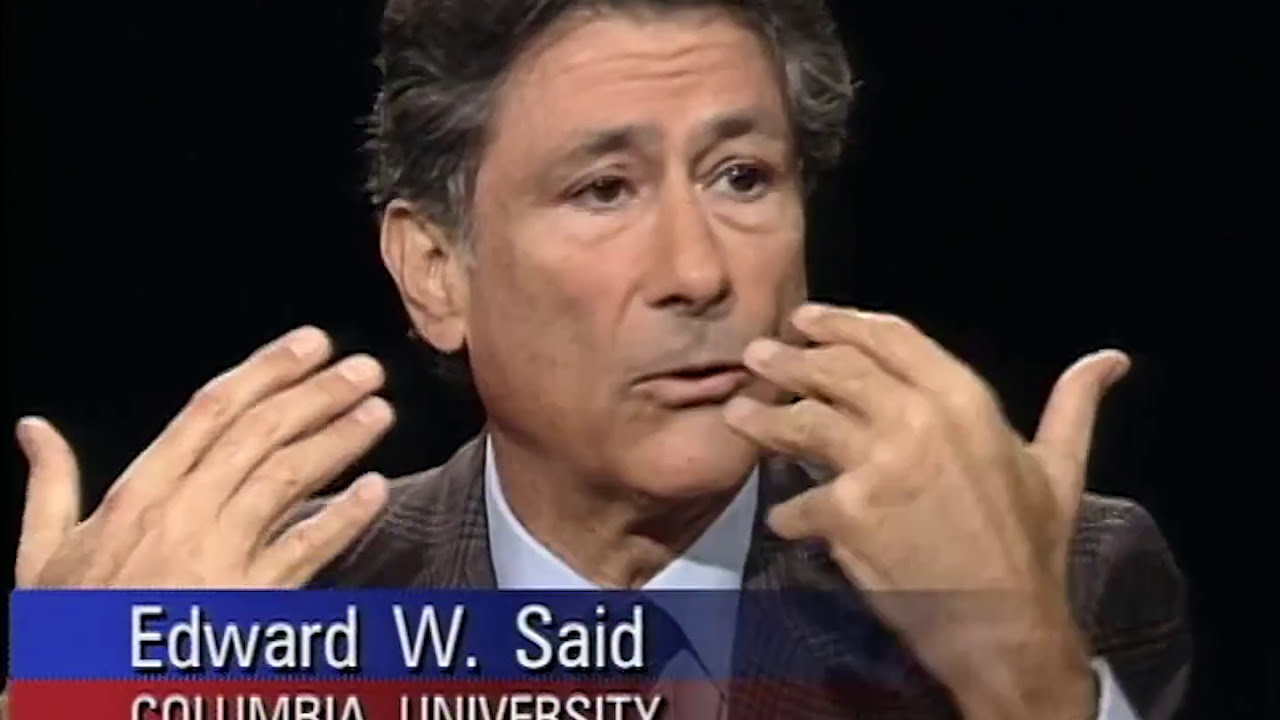


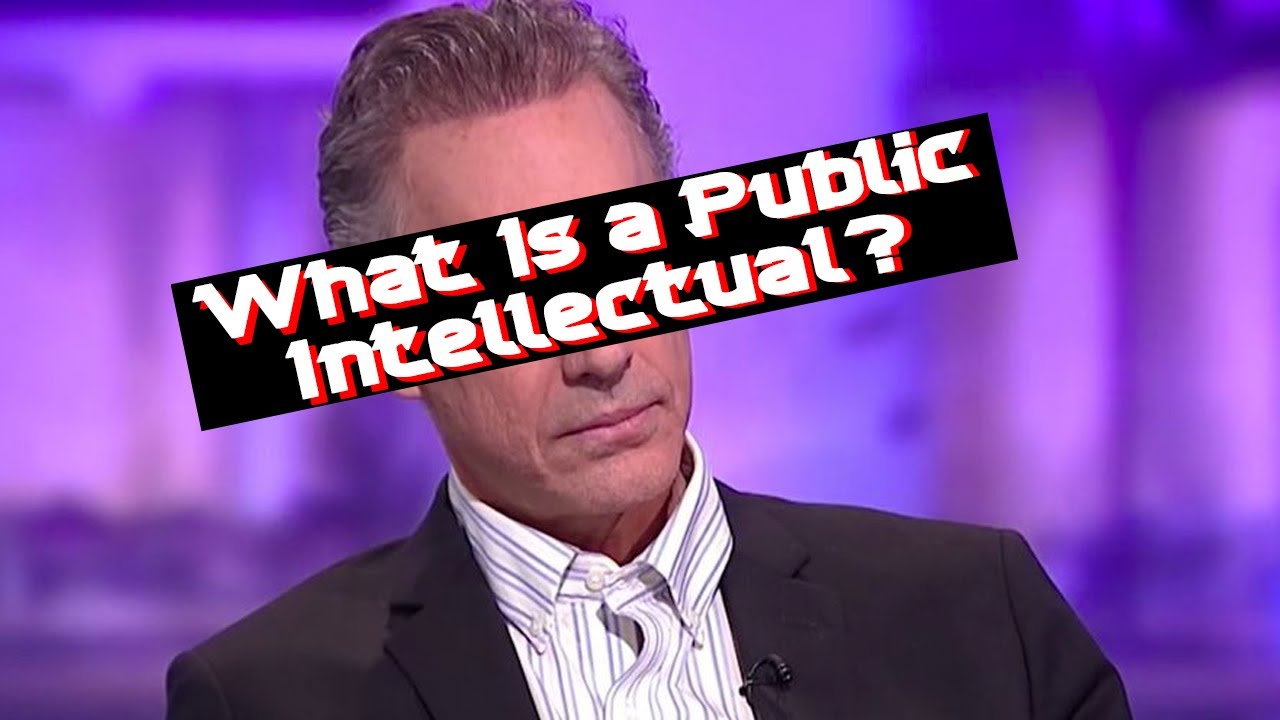
Edward Said, a Palestinian-American literary critic and Columbia University professor, discusses his childhood in Jerusalem, his family's forced departure during the 1948 Arab-Israeli War, and his intellectual development shaped by reading Conrad, Kipling, and Camus. The 1967 Six-Day War catalyzed his political awakening and led him to critique Western Orientalist scholarship, arguing that intellectuals must assert alternatives rather than accept the status quo, and that no social system can exhaust all possibilities for transgression and formulation of alternatives.
Edward Said on Palestine, Identity, and Intellectualism | Interview 1994
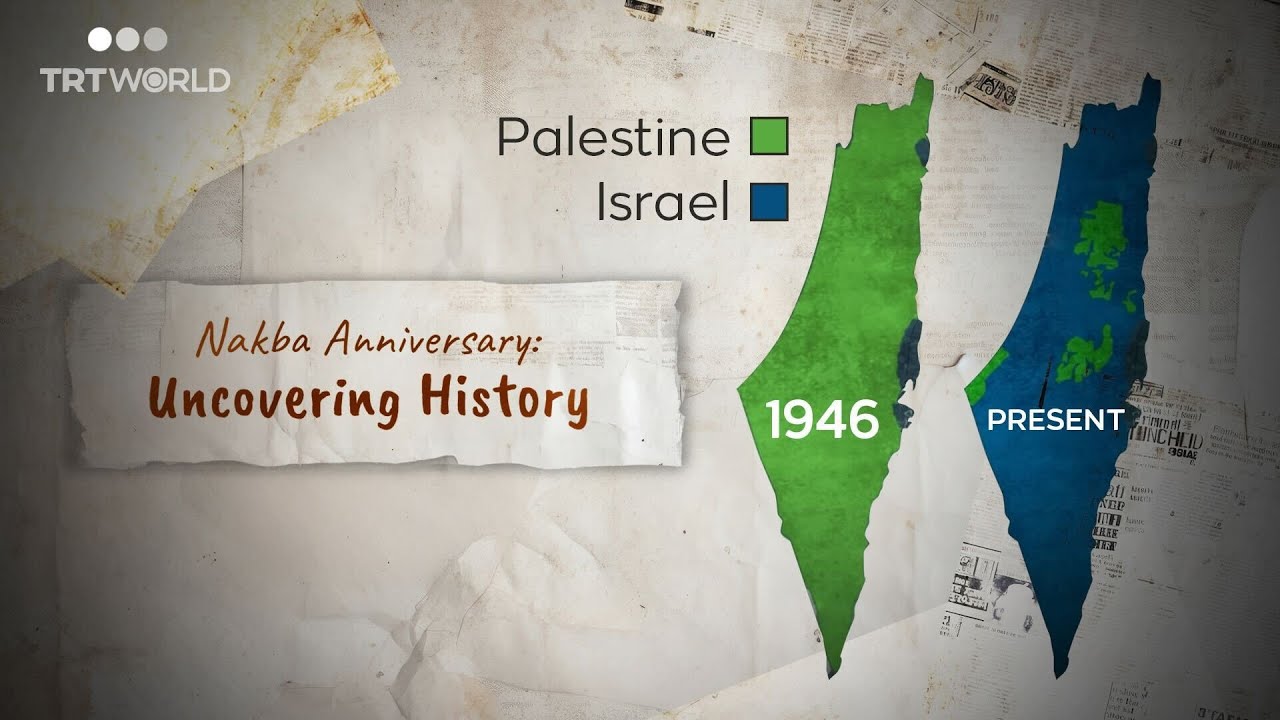
Added:Understanding the historical core of the Israeli-Palestinian conflict, including the 1948 Nakba and the geopolitical context leading up to the 1993 Oslo Accords.
Familiarity with Edward Said's seminal work 'Orientalism' (1978) and its core argument regarding how the West constructs and patronizes the 'Orient'.
Basic concepts of postcolonial theory, particularly how cultural hegemony, power dynamics, and colonial legacies shape modern identities.
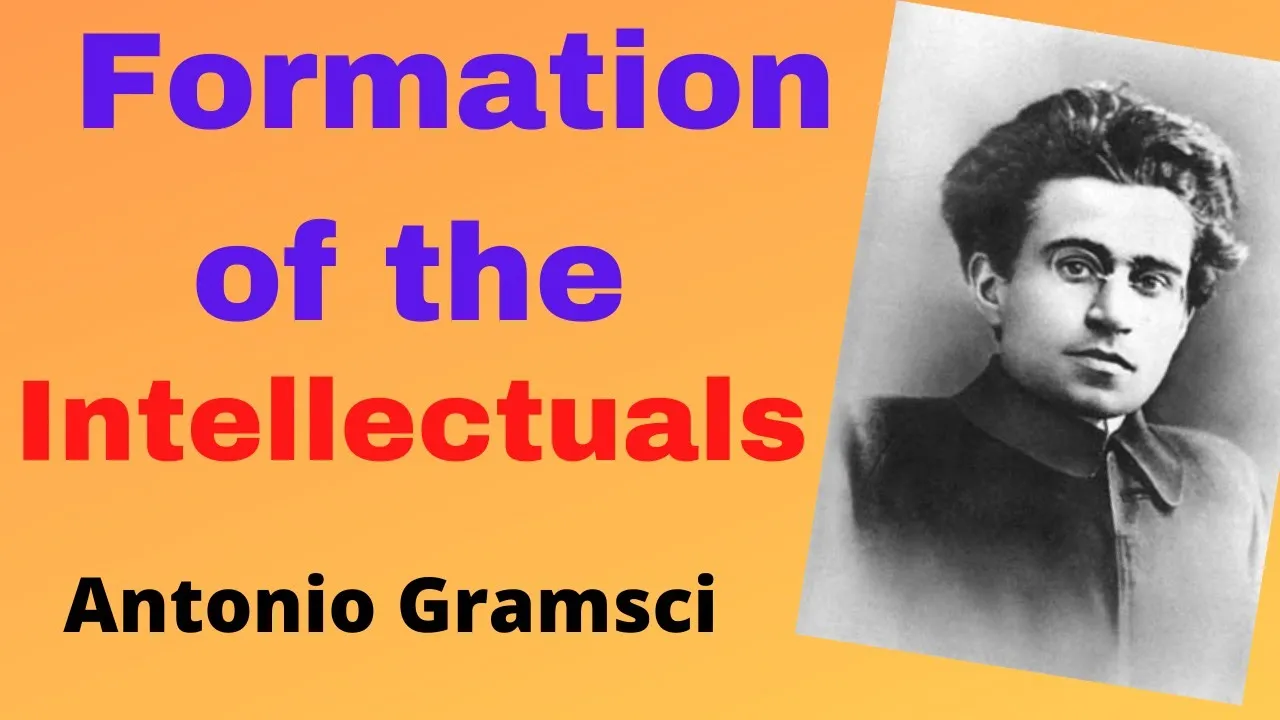
The philosophical debate on the role of the intellectual in society, such as Julian Benda's 'La Trahison des Clercs' (The Treason of the Intellectuals) or Antonio Gramsci's theory of organic intellectuals.
A deep-dive analysis of Edward Said's 1993 Reith Lectures, published as 'Representations of the Intellectual', which expands on the intellectual as an exile and marginal figure.
Comparative study of diaspora and memory in literature, examining how displacement shapes cultural production in the works of other exiled thinkers like Mahmoud Darwish or Frantz Fanon.
An investigation of the evolution of the Palestinian national movement and peace processes post-1994, assessing the accuracy of Said's critiques of the Oslo Accords.
Exploration of contemporary debates surrounding public intellectualism, academic freedom, and the challenges of speaking truth to power in the digital age.
187.9K views4.7Klikes30:26Original Release: 2017-08-22
[Music] in 1994 the Palestinian intellectual and literary scholar and a dear friend of mine Edward Sade was diagnosed with a particular form of leukemia he rang me up and said I'm dying I could die any minute and do the last interview with me this interview edited for this version was the result one of the things that word said in the course of this interview when I said what did the year 1917 a hundred years ago mean for you for me I said it meant the Russian Revolution for me replied Edward it meant the Balfour Declaration and the decision of the British Empire to create Israel and I never forgot that remark which explained the differences between us in in upbringing and also of course the whole way in which Palestine was obliterated and a new state created re showing this interview is a tribute to Edward whose works still remain extremely important and who had he been alive it would have had many a harsh word to say about those who now equate any criticism of the Zionist project with anti-semitism what are the first memories you can recall of Jerusalem well the house principally which my family lived in until we left at the end of 1947 in West Jerusalem why did your family leave Jerusalem well most of my family left Jerusalem because they had to our house was in an area that was totally unprotected and it was in an area that fell to the Hagana and I think February of 1948 there was to my recollection there was no militia there was no organized resistance of any sort there were homeowners you know in a prosperous but sparsely settled Arab suburb of Westerham Oh in fact all of West Jerusalem was Arab that's not known because we hear about East Jerusalem today but at the time the four big districts of Arab groups of West Jerusalem were Arab and we lived in the most sparsely settled one and by the time the fighting began in in the latter part of 1947 it became impossible to live there and there was a general sense of panic and my family left at the end of December of 47 and how did you take the shift from Jerusalem to Cairo did you prefer Cairo I prefer Cairo I mean Cairo for me was was a first of all a much bigger city it was a city in which I felt more at home but in Cairo one felt that one was part of a of a large culture of a large civilization it was very European and Arab at the same time and I felt also that I was I was able to develop more in Cairo by being exposed to the culture of the city tell me about your father what sort of a man was he what what did he do what effect did he have on my father was a was a quite remarkable man about whom I don't know very much I've always found him rather mysterious he wasn't very expressive he had come to America from Palestine in 1911 to escape the ottoman draft and he spent about eight or nine maybe ten years here including a couple of years in World War one when he served in the American Expeditionary Force in France he acquired American citizenship and he came back to Palestine in I think 1920 in relation to me he was rather he was very severe I had four sisters he was much more partial to my sisters and I for him I was constantly to be reformed that and in many ways he focused on certain parts of my body for example my back he was very upset at the fact that I didn't have a military posture so there was a lot of my childhood was devoted to training my back training it he would say and so on and so forth there was a lot of that there was always my mother who of course counterbalanced it you know and she tried to spoil me but my father usually one hour why what did he feel about your mother well I think I think there was the idea that my mother sort of humored my waywardness all the things that mattered to me today music literature ideas really are I owed to my mother and to my relator my mother was my closest companion of my youth I was given a lot of books as a child I was a lonely child and the books that I found it easiest to sort of lose myself in were the English novels the first of which I read was was Robinson Crusoe I remember very clearly reading that and in a wonderful illustrated edition and once I started I never stopped I read by the age of 14 I'd read huge amounts of Scott I may have read all of Scott I don't remember but I just read all the time and I read novels basically and what was available the three writers who appealed to you a great deal about whom you've written a lot Conrad Kipling in Camus were all Outsiders writing about a society into which they had come for a variety of reasons is this a sort of coincidence I think it is I mean I wasn't conscious of it at the time the first of the writers who whom I encountered and read well I had read the jungle books when I was a child but I had a very bad experience with them because I associated with my experience as a scout where again I was a delinquent I was an English scout in Egypt I was always being an English boy scouting was boy scout in Cairo right but my eyes were opened when i when i read Kipling later as a novel especially Kim which which is one of my favorite books the Conrad was the first one I really sort of fell into when I was I think about 17 or 16 I read heart of darkness and I think it changed my life I knew nothing about Conrad and it was strange I didn't really understand his background and what he was about until maybe five or six years later but the heart of darkness bowled me over and I was mystified and and taken up with his prose which was obviously not English I've never believed that Conrad wrote and I just took that as a matter of fact and the more I discovered about Connor the more I read by the age of about 20 or 21 literally everything had ever written and then of course I knew that he wasn't English and he was an outsider and I didn't make any association with myself although obviously he was answering to some very deep affinity that I felt with him but it would why'd you say he didn't write English well because there was something I mean it reminded me of of English written by people in my part of the world it wasn't the English of the English right it was too insistent the sentences were too long at first I thought he was translating from French I believe that yes I mean if there is a kind of pristine quality to his prose his inability to ever get to the point I mean it's a comic thing I mean you know Forster made fun of him as too many adjectives too many sort of going and James all of them sort of laughed at him for that but but admired him at the same time you realized that he's really not in the tradition or the mold of sort of the sort of direct speaker that he in a certain sense inherits from you know from fielding and Defoe on down through Dickens the speaking voice is a foreign voice in in Conrad now I was going to ask you why your family given who they were and where they were had decided to send you to America and not to Britain well there were there were two reasons for that one is that my father was an American citizen yeah and he felt that since we had inherited the citizenship from him that America was the place although we had no contact with it I mean I've never been here that we actually be sent here but the other no less important reason it was that I had really become a quite serious failure in the English system in those days we were talking about the late 40s now in early 50s the English schools the British Council schools like Victoria College in Cairo's and George's and in Palestine were hooked into the GCE to the octave the Cambridge School certificates thing and I had been academically as well as temperamentally at odds with with system and in the in the early part of 1951 I was thrown out of Victoria College on this for disciplinary reasons and it was then felt correctly that my future in that system was really you know jeopardized how did you feel about being sent here I was terrible it was I I don't think I've ever really recovered from it because it was a it was the final for me it was the being severed from everything I knew and everything I liked despite the miseries of of my trial or the rigors that say of my childhood of coming to America to a puritanical New England boarding school I'd never seen snow before to a completely different environment which was puritanical and to my mind hypocritical at the same time with people who might never had anything to do with you know Americans who might hadn't really encountered before was was shattering and disorienting and I felt for the first time in my life that I that even though my character was very questionable and I had all these moral flaws as well as physical flaws I would that was a known quantity in America I I emerged as a completely different person and I had to sort of make myself over again into into something that the system required the environment the political environment of my early years at Columbia those four early years from 63 to 67 was essentially a political there was the Vietnam protests and whenever I try to participate in that and bring up the question of the Middle East it was always put aside know that this is an inconvenient thing we don't want it and then when the war broke out in 1967 I was desolated I was in New York at the time and I was completely shattered the world as I understood it and knew it had completely ended at that moment and it was shortly thereafter that I began for the first time I've been in America already for 15 or 16 years and I began for the first time to be in touch with other Arabs I was completely a creature of an American and even a kind of a upper-class kind of wasp education Vinson and Harvard there were no Arab students taking English literature all of them studied at Middle Eastern things and I have very little to do with him or they were in the sciences but after 67 there was an attempt by a few Arabs who were around here to get together mainly it for us to contemplate the disaster you know the tremendous catastrophe of 67 but by the by the by 1968 which for most people represents the great student revolutions in one going on in Colombia where I was but for me I associated not with the student revolutions but the beginning of the Palestinian resistance movement and so by 1970 I was completely involved I started to write in this country and I was immediately and politically involved up to my neck when did you first meet Yasser Arafat I met him in Jordan in Amman in 1970 and they in the latter part of August but it was a very perfunctory meeting Africa's hand and and that was about it but I met him for a long period of time when he came to the United Nations here at night in November of 1974 and he had the speech that was cobbled together and I was asked by him to put it into English which he gave at the General Assembly and then from then on I started to see him regularly and we have many many meetings over the course of the next eight years until the last time I saw him in Lebanon was in the spring of 82 he was in bed I went to visit him and his one of his mysterious residences he seemed very very ill and I said you know it's quite clear to me that the Israelis are going to attack and he never forget what he said if he said if they want to attack I love Salah welcome to them let them come suggesting that you could deal with it deal with it and I knew from a very close friend of mine who had visited the South and looked at the PLO defences and so on in the South and that the the likelihood of anything but a catastrophic defeat was remote what what were the first impressions he made on you as a leader as a professor I was very impressed with him I remain impressed with him he was very very intelligence and he always gave me the impression that he was trying to learn in my case he typed me from the beginning as an American he didn't understand that America one could be an independent and one could speak for one's own ideas and that I was a Palestinian speaking as somebody in solidarity with movement and quite the contrary a critic of American policy he never understood that he thought that I was always there was always a program an American program and I was typed as an American which is very hard and for a long time I thought that he understood what it was that in the end I was trying to do but by the last days of his stay in Beirut I saw it was icy ice I realized that it was really hopeless by the time he got to Tunis where I started to see him almost within three months of his arrival there I saw that he was a different man that the loss of Beirut and the institution was beginning to crumble he was he was grasping at straws and it was by the middle 80s I was convinced as he told me I didn't quite know how serious he was about this and he said I don't want to be like the mufti all was correct and gave nothing to my people I'm willing to do something for my people to get them something in 88 it was the compromise to recognize Israel and to accept a two-state solution I was for all of those things but I didn't realize how far he was willing to go it's certainly further than I wouldn't go so just recapitulate the 67 war radicalized you made you very interested in what was going on right and pushed you in in that direction of becoming a Palestinian spokesperson right era that first before Palestinian right and Orientalism then grew out of that Saturday of that committee new commitment yes because one of the things I was able to do and quite methodically was to clip and start to read what was written that didn't correspond in the West which is where I was in 67 and after which didn't correspond to my experiences what the Arab world was really about and I saw the various distortions and misrepresentations that I began by the early 70s to realize were systematic that were not the odd ill-informed or prejudiced journalists but they were really part of a much larger system of thought in which these distortions were systemic and endemic to the whole enterprise of dealing with the with the orient and the Arab and Islamic orient in particular so that's really what I did for the first for the first few years of my political engagement was to write and to expose and to contrast what I took to be the reality or the greater reality of the lived experience of the Arabs and the Palestinian in contrast to what was being written about them and then moved back into his Street they moved back into history and at the time I wrote for example the question of Palestine there were no histories of Palestine I mean I had to reconstruct the history partly well I had to deconstruct the official history that one saw in the Western press and in Western scholarship and then somehow try to advance a notion of what our history was and I did it largely through the optic of what Zionism bit to us that is to say we were the effects of Zionism which is not a not a correct way of doing but it was all that was available to me at the time and I I think it was at that time really that I became much more convinced that the study of literature for example was essentially historic elect enterprise not just an aesthetic one I still believe in them in the road independent role of the aesthetic but that it could be just aesthetic I think is simply wrong and literature for its own sake the kingdom of literature the Republic of literature all of that I think it's complete nonsense I think that the historical is really what dominated my my thought in your writings on music you discuss that the whole question of vogner his operas and partially polemicists with Adorno from the frankfurt school also wrote a great deal about that now on one level one can agree I mean I myself love his operas and in some ways he's the most intellectual of the composers and yet there is the other nagging doubt is what are we watching or what are we listening to the politics of his operas is very clear for law for order for the reassertion of authority well is it that clear i you see i'm what do people doubt it I mean it's certainly if you look through his prose writings which they're great many he was he was a revolutionary he was a unit in his youth but even in his later years he was a he was also revolutionary when it came to the stage he had his strange ideas for example about building by right which he did but one of the strongest emphases in his in his later career is the idea that nothing should be permanent and the one suggestion that he actually made is that the idea to put on a festival of let's say the ring at by roit and then burn the Opera House down so the idea of law and order and permanence and stability is completely foreign to him because if you look at the end of the ring it's very unclear as still for example what that's all about the gold goes back to the Rhine but the Ryan overflows everything and there's a kind of universal flood and we're back to square one so it's hardly a restoration of order and I think the only way to take vogner is a somebody who's fantastically volatile and to put him on today in the style in which in a confused way he was trying to introduce say and by roit is folly he has to be taken ironically and I agree with her Adorno about this you can't put on vogner straight there has to be some angle in which the deep contradictions of his outlook and his music are highlighted rather than flattened out in some system of one kind or another it would in one of your recent books at the book on music you've written and I want to read this to you no social system no historical vision no theoretical totalization no matter how powerful can exhaust all the alternatives or practices that exist within its domain there is always the possibility to transgress now you've written this about music but it applies to virtually everything doesn't it yeah because I mean it really is a kind of social fact that there's always an opportunity no matter how one feels oneself sort of up against the wall and there's no other alternative but to say submit which is usually what it's all about in the end there's always an opportunity to do something else there's always an opportunity to formulate an alternative and not either to remain silent or to capitulate and I think it's the most important social precept for me and really in a certain sense sort of governs in my opinion my understanding of politics because if politics is simply as its supposed to be according to neo realism and pragmatism and all the the other schools that sort of rule a day if politics is simply the art of the possible and the art of the conclusive and the they can't the art of the compromise I think it's a role of a intellectual or was to be asserting the alternative but isn't it the case now that increasingly the public intellectual is a figure who seems to be disappearing I mean well no no not disappearing at all I mean it seems to me the world is full of not so much intellectuals but I call them experts and professionals and that is I think the great threat to intellectual intellectual freedom and intellectual performance is the extraordinary pressure placed on one to commodify his or her skills her expertise or expertise in a given field like foreign policy or foreign policy about Africa our foreign policy about India foreign policy about Latin America right and by virtue of that then belong to a community of experts whose whole role is selling their wares to the establishment that the principal goal in mind is not to tell the truth or to say what the alternative is to present an passes but rather to maintain the status quo so it's not a question of public intellectuals disappearing I mean Kissinger is on television all the time Brzezinski is on television all the time Paul Johnson is on television all the time these are public intellectuals who talk the language of the marketplace who represent the ideas of power that are that rule the world in which we live but sovereign bertrand russell oh no exactly it's it's that kind of that it's a dissenting intellectual that I that I think is disappeared largely because the the system neither wants to nor Karen in the end accommodate this person we go views on Palestine or pretty unpalatable to the establishment in this country yes I mean and they are even today with the onset of the palestinian-israeli peace accord I mean I've long been an advocate of negotiation and of peaceful settlement through negotiation of this conflict with the necessary compromises but I never advocated a a settlement that was principally dictated by Israel in the United States at the expense of a our history because I think one of the things that intellectuals have to do is to remind that's basically a historical forgetting world you know which is basically packaging the news in 17 minute segments of the history and of the people who suffered and of the and of the and of the long-standing moral claims that communities make when they are aggrieved to remind them of this fact and then now it's that there's been a so-called peace in effect since last September of 1993 it's virtually impossible to say anything critical of it and are you pretty pessimistic about this process yeah I mean III think pessimistic is not the right word because in the long run I I have some faith that as a people we will climb out of it but I'm I'm extremely upset at the current and what lies before us we have a leadership I hope I'm wrong but just on the face of it knowing what I know most about ourselves our leadership the realities on the ground are such that we are we have accepted we have signed on the dotted line into something that effectively guarantees the Israeli occupation for the foreseeable future Gaza which the Israelis were anxious to get rid of has been vacated largely by the troops and Palestine's are very glad about that of course they as of course we should be but the fact needs to be remembered that they still retain 50% of Gaza the troops are still there they're just redeployed Jericho is is a tiny spot in the West Bank you know it's separated from Gaza by about 90 kilometers all controlled by Israel Jericho the total area that the PLO is gonna get limited autonomy in is about I would say 60 square kilometers you know a population of somewhere between 10 and 12,000 people and if you could make a state out of that that you you could probably you make you know you could make horses out of butterflies it's just probable is that the main idea is to try and by bluster in my opinion to say that we have a state and to keep putting pressure on the Israelis who are not going to be able to enforce every provision in the agreements they've made with the past and to give up but it doesn't work that way we're dealing with an organized society we're dealing with a modernized economy with great military power technological resources the power of the United States which backs Israel as against what I think at best will be a reproduction of the situation in Beirut where we have a few offices PLO offices a semblance of autonomy but no liberation no independence and a series of 10 or 11 little Canton's on the West Bank all controlled by the Israelis where Palestinians will be allowed to live like natives and Banta stands is there anything when you think back that you regret not having done at any stage of your life well I I do regret very much not spending more time on work that I'm trying to do now but I'm very very interested in writing a kind of what you would call documentary fiction no of the years in which I grew up not because of the fact that I grew up in them but because they they they still mean a great deal I think to the contemporary scene the the years of early nationalism the years of political struggle in the in the Middle East and above all for me the question that haunts me which is the the and I'd love to see I'd like to myself try to treat it is the question of betrayal I mean I think the betrayal of promise the betrayal of early ideals has so much colored the history of the last 20 years not only in the Arab world but especially in the Arab world that I would like to spend more time working on that the first thing I did when I discovered that I was ill after I came back from the doctor was to sit and write a kind of letter to my mother who had been dead for about a year just to put in writing feelings that I would like to have shared with her and in a certain sense that tried to revive a continuity which I felt had somehow been ruptured and then thereafter I thought it was important to memorialize this rather special world which is not only my mother's my mother's my father my sister's in pros which I've never done before and I did it for no particular reason which is very important for me that I wasn't doing it to fulfill an intellectual obligation or a commission or in a political need or something of that sort it was just an excess somehow something that I wanted to do was it also in part to leave something off that world for your children yes I in fact shortly after my mother's death I began to plan to take my children to return to the Middle East they had seen of course Lebanon had been as young kids there frequently but had never been to Palestine and never been to Egypt so we took several trips and I was very anxious somehow to establish a kind of common bond with them in Palestine where they could see the house in which I was born although I couldn't go inside it was it was I think my biggest regret is that when we saw our house in Jerusalem the house I was born in all I could do was point to the window of the room in which I was born but my daughter said don't you want to go in and I said no I really can't go in it was just too much for me and then we went to Nazareth and so my mother's house and that was a kind of sentimental occasion but it it completed things for the first time in my life in a way that I had never planned or tried you
Up Next

16:43
Exploring Mexico's Abandoned Doll Island: History & Haunted Legends
@CodyBuffinton
172K views•2016-12-04

12:54
Triumph of Orthodoxy Icon: Byzantine Art & History Explained
@BenCallan
2.1K views•2024-08-06

9:49
FastAPI vs Flask vs Django: Choosing the Right Python Web Framework
@TechWithTim
302.5K views•2024-05-26

1:42
Game of Thrones Opening Credits: A Cinematic Analysis
@gameofthrones
46.3M views•2011-04-18
Related Study Plans & Knowledge Roadmaps
Structured learning paths in General & Interdisciplinary Studies
general-studies
Elevator Engineering: History, Physics & Cities
01From Hoists to Safety Brakes: The Dawn of Vertical Lift
02Hydraulic vs. Traction: The Engineering Physics of Elevators
03Modern Speed, Safety, and Algorithms
+ 2 more learning modules
12h5 modules
Explore Roadmap
general-studies
Rubber: Material Science, History & Geopolitics
01Origins of Natural Rubber & Mesoamerican History
02The Chemistry of Natural Rubber & Vulcanization
03The Geopolitics of the Rubber Boom & Colonization
+ 2 more learning modules
12h5 modules
Explore Roadmap
general-studies
Containerization: Evolution, Logistics & Trade
01Ancient Trade & Bulk Cargo: Amphorae to Barrels
02The Industrial Revolution & Cardboard Packaging
03The Containerization Revolution: Malcom McLean
+ 2 more learning modules
12h5 modules
Explore Roadmap
general-studies
Textile Tech: Evolution, Labor & Global Impact
01Pre-Industrial Textiles: Handloom & Cottage Industry
02Mechanization: The Spinning Jenny to the Power Loom
03The Factory System & Global Labor Transformation
+ 2 more learning modules
10h5 modules
Explore Roadmap