


















Kinship is not determined by biology but by shared experiences, duties, and emotional bonds; Kath Weston's research on San Francisco's LGBTQ+ community in the 1980s demonstrates that people can form meaningful 'families we choose' through shared experiences of rejection and mutual support, challenging the notion that biology is a substance rather than a symbol in defining family relationships.
Kinship and Chosen Families: Anthropology of Same-Sex Relationships
Added:Fundamental anthropological concepts of kinship, including the distinctions between consanguinity (blood relations), affinity (marriage), and fictive kinship.
The concept of social constructivism, specifically how societal norms shape our definitions of natural or 'normal' human behaviors and structures.
A basic historical overview of LGBTQ+ marginalization and the social factors that historically alienated queer individuals from their biological families.
The anthropological principle of cultural relativism, which allows students to analyze diverse family structures without ethnocentric bias.
The legal and policy challenges faced by chosen families, such as healthcare decision-making, inheritance rights, and parental recognition.
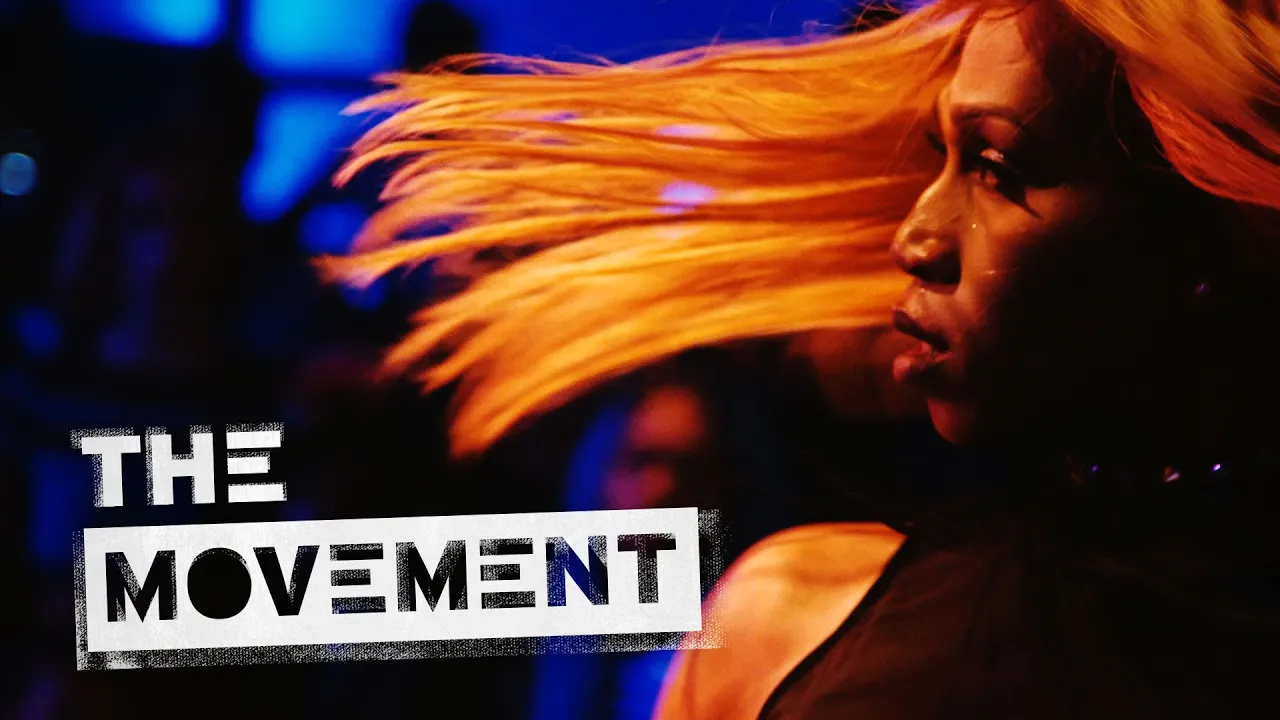
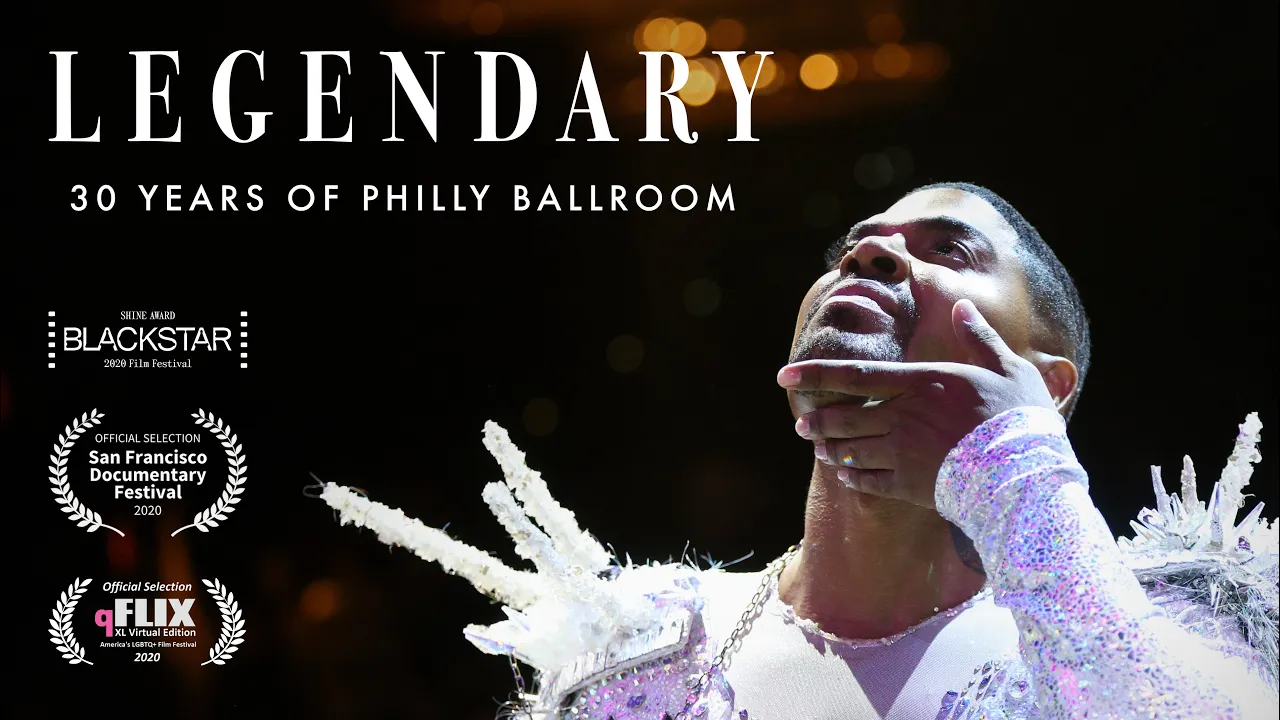
An exploration of intersectionality within queer kinship, analyzing how race, class, and socioeconomic status affect the formation of alternative support systems (e.g., House Ballroom culture).
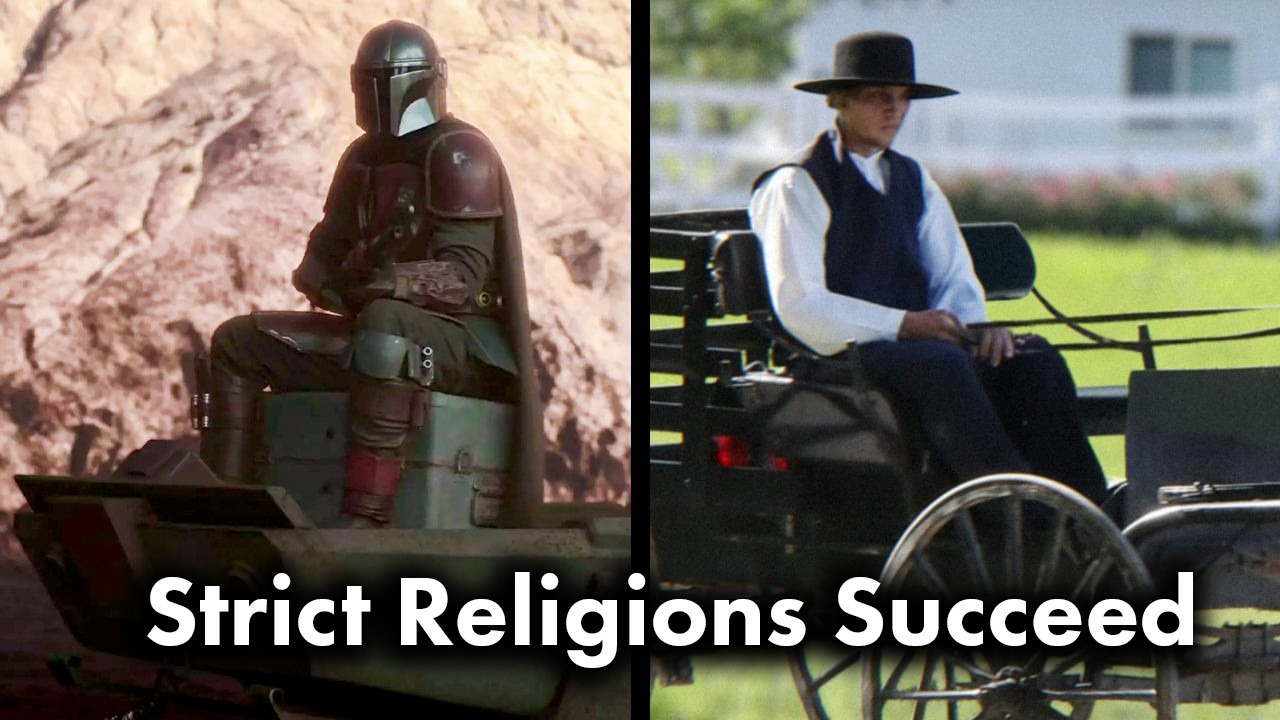
Comparative studies of fictive kinship in other marginalized or displaced groups, such as migrant communities, military units, or religious sects.
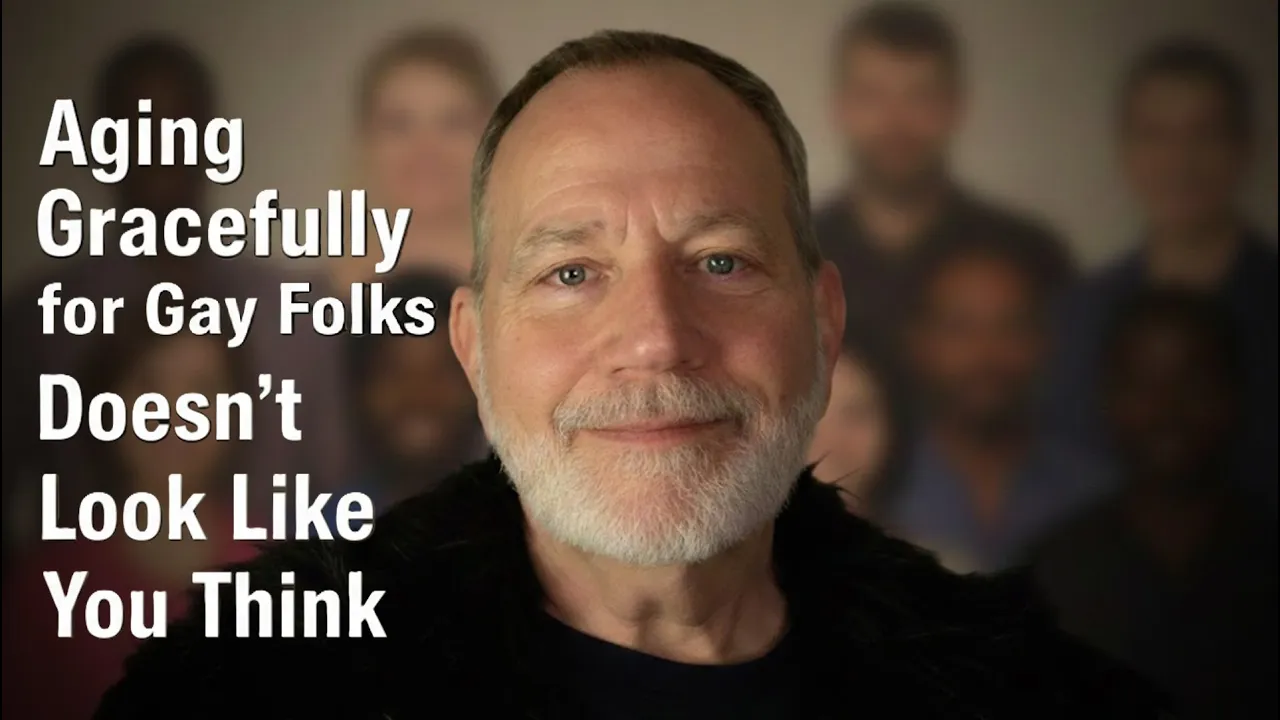
The sociology of aging in the LGBTQ+ community, focusing on how chosen families adapt to provide elder care and mutual aid in the absence of traditional family safety nets.
721 views9likes14:44Original Release: 2022-03-14
hello everybody and welcome back to marriage and kinship today we'll be talking about a topic that i know is very important to a lot of you but before we do that we have to talk a little bit about homosexuality and same-sex marriage more broadly so first of all this is an anthropology class and we are here to do two things the first is discuss the wide array of actual living arrangements and cultural patterns that we observe among humans and as i think you've sensed by now that is indeed a wide array we also try to understand why people behave as they do and how they understand the choices that they make so when we talk about kinship that's related to food consumption in langkawi right we don't want to just say oh that's interesting we want to know how it makes sense right and it makes sense given that people are related by blood and there are all these different ways that you can acquire the same blood as another person very importantly this is not a class about religion ethics or morals you can take those elsewhere which means that even if as individuals we believe that something is immoral or problematic or heartbreaking even as anthropologists we believe that we cannot begin to build a better world without understanding why immoral problematic and heartbreaking things happen this requires empathy and a willingness to listen first and foremost anthropologists are not required to set aside their morals for all time or to be careless moral relativists but we have to set them aside for at least a bit in order to really understand what's happening and whether you are concerned about homophobia or whether you are concerned about homosexuality in either case you have to think about why these things happen here are some facts about homosexuality and same-sex marriage the first is that homosexuality is abnormal in that it seems to be the preferred behavior pattern of a minority of individuals in the human species however in another sense of normal it is completely normal because we observe same-sex eroticism and relationships throughout histories and across cultures in different forms and you've already encountered some examples in your readings in addition to people who prefer same-sex eroticism to other forms many people will also engage in same-sex erotic behavior for a variety of reasons in a variety of circumstances even if it is not their preferred behavior pattern homosexual behavior also is observed in a number of animal species to different degrees and you know while this also includes penguins and sheep it includes many primate species as well the closest relatives of humans some people who oppose same-sex eroticism oppose it on the grounds that it's not natural to be having sex outside of reproduction because sex is clearly for reproductive purposes but there are a couple reasons why that's not a really good argument what is that as i've mentioned before ovulation is concealed in humans which means that we don't know when people who ovulate are fertile this is not true of other species have any of you ever had female cats who go into heat who know that they are fertile and who advertise it and who don't engage in sex otherwise this is what happens in species where sex really is used only for reproduction is that there is a clear fertile time but this is not true for humans if sex were only for reproduction among humans we would know when somebody is ovulating as it is people who are ovulating themselves usually don't know unless they're keeping very careful track of their bodies there's also a lot of behavior that we observe like pardon me for a second it's clear that sex serves social purposes apart from its biological functions it's also true that cultural attitudes about same-sex eroticism and relationships vary widely around the world and in the same cultures even in different time periods from the incorporation of same-sex relationships into social institutions to tolerance of it or perhaps regarding it as a normal phase of life that people go through to revulsion and disgust and to total silence and just not talking about it at all as students of anthropology our goal is to understand all of these varying attitudes here is a selection from a statement by the american anthropological association from the early 2000s here's the link so that you can read more if you want the conclusion of anthropologists more generally is that marriage doesn't have to be exclusively heterosexual for society to function and lots of different kinds of families can be stable finally in this classroom this virtual classroom this semester my goals among other things include exposing you to cultural patterns you may not have considered or encountered before and judging by the reactions to some of the lectures i think i'm succeeding at that i also want you to be able to discuss and debate different cultural patterns and different theories about culture that kind of discussion is always welcome i don't require that you agree with me or with the various authors presented in the syllabus you will note that i certainly don't agree with all of them however i do require that you understand the various arguments that i make and that the authors we read make you can disagree with them later once you understand them however behavior that insults your classmates or that takes an unsympathetic unanthropological approach to the world around you is not welcome and is not acceptable with all of that squared away let's talk about the actual reading previously we asked or i asked you what kinds of kinship do we fail to recognize when we try too hard to pin down very firmly what kinship is or what marriage is what do we miss when we try to find a definition that somehow fits all forms of relatedness in order to look at these questions in a different way let's migrate to san francisco in the 1980s where lesbians gays bisexual and transgender people were often seen as exiles from traditional concepts of kinship this is in part really literal insofar as many queer people at this time many queer people still but more in the 1980s were rejected by their families of birth and they were also seen as unable to reproduce biologically or socially the idea of lesbian or gay couples adopting kids is far off in the 1980s same-sex marriage rights are also similarly far in the future so what allowed queer people in san francisco at this time to form families we choose san francisco has always had a reputation for being a weird and tolerant place which means that historically it's attracted a lot of queer people which forms queer community in sufficient numbers sexual minorities were able to form their own non-romantic non-biological kin ties to members of their communities you can't really do this if like you're the only gay kid in your town but if you have a whole queer community then that's possible and these kin relationships were based on fulfilling the duties of kin to one another and the central example in this chapter is gathering together at holidays like christmas nothing more nothing less being kin means doing kinship things now i have said that queer people at this time were rejected by their families of birth but of course there's variation because people are always different right so um there were different degrees of friction with family of origin amongst the people that weston studied and a lot of the people that she studied were also negotiating competing claims of biological and chosen family so where do you go for christmas do you go to your biological family and maybe suffer through it or do you stay with your chosen family but feel kind of weird because you know that there is this rejection that is sort of foundational to the whole situation and while many people did think that family could be a choice this wasn't universal amongst the people interviewed by weston however there was the sense of being alone together that queer people at this time could be united by their experiences of rejection actually one provocative thing that she asks is whether biology is a symbol or a substance as we've seen elsewhere including in karsten's work which we just talked about not every society views biology as inflexibly as americans tend to or westerners writ more broadly but west end argues that we should see biology as a symbol not a self-evident matter of a natural fact so not only does biol biology not determine kinship elsewhere it also doesn't actually determine kinship in the west either so what does this mean for our understanding of kinship in a broader sense western says that the very notion of gay families asserts that people who claim non-procreative sexual identities and pursue non-procreative relationships can lay claim to family ties of their own without necessary recourse to marriage child bearing or child rearing in other words given weston's example we can argue that none of the traditional bases of kinship descent or alliance actually stand up to all of the evidence about human kin relationships and boardman was suggesting this too also that invocations of biology are symbolic language for the depth of what you share with kin it's not that you really share blood it's that you feel so deeply about this person that you feel like you have the same blood but remember there are no necessary inevitable consequences to biological facts so what does it mean to choose your family can you choose anyone what are the kinds of things that can be shared such that you feel yourself to be kin to someone else it could be blood or another biological substance it could be some other kind of essence like the idea of being born gay or soul sisters perhaps shared intense experiences like these experiences of rejection and in the comments i'd really like to know your own thoughts about this so thank you so much for listening to me and i'll catch you with the next lecture
Up Next
8:02
Restriction Digest Analysis: Plasmid Verification via Gel Electrophoresis
@addgene
219.4K views•2016-12-13

41:32
Circadian Metabolomics: Sleep, Food Timing & Human Clocks
@tscnlab
359 views•2022-11-10

5:35
Enteric Nervous System Explained: The Gut's Brain | Neurobiology Lecture
@alumniu6029
438 views•2018-09-12
7:08
Bacteriophages: Earth's Deadliest Killers and Future Antibiotics
@kurzgesagt
34.6M views•2018-05-13
Related Study Plans & Knowledge Roadmaps
Structured learning paths in Biology
biology
Circadian Clocks: TTFL, SCN & Periphery
01Foundations of Molecular Biology & Gene Expression
02Introduction to Chronobiology and Actograms
03The Core TTFL: Molecular Architecture of the Clock
+ 3 more learning modules
14h6 modules
Explore Roadmap
biology
Population Genetics: Math, Drift & Selection
01Genetic & Probability Foundations
02The Hardy-Weinberg Principle and Baseline Models
03Mathematical Modeling of Natural Selection
+ 3 more learning modules
18h6 modules
Explore Roadmap
biology
Animal Migration: Sensory Systems & Navigation
01Foundations of Animal Migration
02Magnetoreception: The Quantum and Chemical Compass
03Celestial Navigation: Sun, Stars, and Polarization
+ 2 more learning modules
12h5 modules
Explore Roadmap
biology
Proteostasis: Folding, Ubiquitin & Autophagy
01Foundations of Protein Structure and Synthesis
02Chaperone-Assisted Protein Folding
03The Ubiquitin-Proteasome System (UPS)
+ 2 more learning modules
12h5 modules
Explore Roadmap