


























Richard Dawkins explains that while organisms appear to have purposes (like birds' wings for flight), this 'archaeo-purpose' is actually the result of natural selection shaping traits that enhance survival and reproduction, not deliberate intention; however, humans uniquely possess 'neo-purpose'—the ability to set arbitrary goals beyond genetic survival, which creates both remarkable achievements and dangerous possibilities when these flexible goal-seeking capacities are redirected toward non-biological objectives like religion, patriotism, or ideology.
Richard Dawkins on The Purpose of Purpose | Science vs Creationism
Added:Charles Darwin's Theory of Natural Selection: Understanding how heritable traits that favor survival and reproduction become more common in successive generations.
The concept of adaptation: Knowing how biological structures and behaviors evolve to fit specific environmental niches, often mimicking intentional design.
The distinction between teleology (purpose-driven explanation) and mechanism (cause-and-effect explanation) in scientific history.
Basic tenets of Creationism and Intelligent Design: Familiarity with the 'Watchmaker Analogy' and the arguments for a supernatural creator.
The concept of Teleonomy: Exploring how goal-directed behavior or structure in living organisms arises from evolutionary history rather than conscious planning.
Dawkins' 'Selfish Gene' Theory: Investigating the gene-centered view of evolution and how altruistic behaviors can be explained mathematically through kin selection.
Memetics and Cultural Evolution: Studying how ideas, behaviors, and cultural symbols replicate, mutate, and survive under selective pressures similar to biological genes.
Philosophy of Science: Examining the epistemological criteria (such as parsimony, falsifiability, and empirical evidence) that separate scientific theories from metaphysical claims.
Evolutionary Psychology: Exploring how human cognitive processes, moral behaviors, and social structures evolved as adaptive survival strategies.
606.5K views9.4Klikes52:11Original Release: 2009-06-19
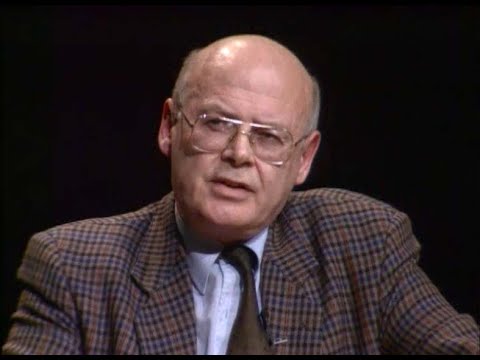
it's an honor to introduce a scientist and author whose work I've been following since my undergraduate days I know that I'm not alone in being inspired by his books The Selfish Gene for instance was a lightning bolt of clarity and forceful argument and represents an ideal good science writing his many books since have just gotten better his next book which will be published later this year is the greatest show on earth the evidence for evolution which comes out in September he possesses those virtues of being both eloquent and forthright never hesitating to say directly what he means he will probably say things which you may disagree and of course he will offer ideas with which you can cheer and so without further ado Richard Dawkins Richard Dawkins dr. Richard Dawkins for me coming back to America after a year's absence was exhilarating after the recent November election the whole world seemed to let out a collective sigh of relief it was as though a dear friend had returned to the fold of civilization and the world of science - feels a new sense of hope the ban on stem cell research has been lifted from what I understand there will be more funding for science for science and other research that has no connection with homeland defense and once again the United States can as you might say in these parts step up to the plate as leaders in the world of science but I have also been greeted with stronger reactions against science and reason some of my American colleagues have suggested that those theocrats whose sole mission apparently is to destroy the secular dream of the founding fathers and replace it with the nightmare of Stone Age morals and mysticism are behaving like cornered and wounded animals organizations such as the so-called Discovery Institute ill named and Answers in Genesis they long ago lost in the halls of science they've lost again and again in the courts of law so fear tactics and whinging about being offended is all that they have left they have hijacked terms such as academic freedom to push their own agenda they do everything they can to intimidate science teachers and professors in both public schools and universities bills have been put to numerous state legislatures in Louisiana Texas Missouri Oklahoma Florida Iowa Alabama Mississippi New Mexico Michigan but apparently not in Nebraska congratulations the wording of these bills vary but they all hit the same hot buttons academic freedom teach the controversy diversity of opinion views of the people the Discovery Institute I just mentioned a very well financed lobby for creationism has published no research papers in defense of their position they shamelessly bypass the peer review process and appealed directly to a public which is unqualified to assess the matter unqualified precisely because the very same activists deny them a proper education in science and the scientific method teach the controversy what controversy academic freedom will listen to what just happened in Oklahoma this is a portion of House Resolution 1014 to be introduced into the Oklahoma State Legislature I think it may be introduced this very day be it resolved whereas the University of Oklahoma as part of the Darwin 2009 project has invited as a public speaker on campus Richard Dawkins who's published opinion as represented in his 2006 book The God Delusion and in public statements on the theory of evolution demonstrate an intolerance for cultural diversity and diversity of thinking diversity of thinking assumedly that would include I hope you can read what it says on the blackboard of this intelligent falling theory of gravity lecture DX over DT equals 1 Corinthians 1:10 or diversity of thinking what about the stork theory of human reproduction I was viewed as an intellectual terrorist if you have questions sex theory that's it your career is over I have been told to shut up as a sex maniac I'm pretty hostile to the rival stork theory just stand up in question sex theory you'll find out how risky that is there are people out there who want to keep science in a little box where it can't possibly touch stores stork theory I mean it's a just fantasy basically scientists are not allowed to even think thoughts that involve storks delivering babies we cannot accept to treat the stork theory as an alternative scientific theory frightened by this but I'm not gonna let it stop me from investigating from speaking about it you what I call the ultimate stalk theory it's all very well to say that the stork delivers the baby but who delivers the stalk some of you may have seen the original film called expelled in which that parody is based should we invite astrologers to speak to the student studying astronomy alchemist to speak to chemistry students flat-earthers to speak to geography students in the interests of teaching the controversy contrary to the contrary and offensive to the views and opinions of most citizens of Oklahoma what's really offensive is the bizarre idea that a State University should only ever hear opinions that its citizens agree with if that principle is ever accepted you can kiss goodbye to everything that a university stands for what on earth is a university for if it only reinforces opinions that students and the public already hold and as it happens evolution is a scientific fact has securely established as anything known in science what is the purpose of purpose my Oxford colleague Peter Atkins author of a textbook of physical chemistry which is sold by the cubic yard in university campus bookstores was once invited to give a lecture in Windsor Castle which as you know is one of the official residences of the Queen Prince Philip was in the audience at the end he asked that question which has become so familiar to me as a cliche he said science can answer the Howell questions but what about the why question dr. Atkins was briefed in his reply sir the why question is just a silly question we are obsessed with the why question as a species we humans obsessed with purpose it seems perfectly natural and presented with an object to ask various questions about it what color is it how much does it weigh how did it come to be the way it is how does it work but not all questions are suitable for all objects what is the color of jealousy might mean something to a poet but not to a scientist how does it work might seem suitable for a machine but not for a lump of clay but the question of purpose which doesn't necessarily have to have an answer is one that leaps to the front of the human mind whether it's appropriate or not it does work for some things it works for any machine anything designed by a human with an aim in mind it's a sensible question for a tin-opener a mill wheel a rain gauge telescope toboggan a shoe a bicycle for some artifacts like a digital computer it is a sensible question but it has a very large number of answers because it's a very versatile machine other objects like a sextant has only one answer anyway where human artifacts are concerned no one has any trouble understanding the why question what is it for it's for whatever the designer or the manufacturer intended for objects that are neither manufactured nor living the question of purpose is simply inappropriate if not downright silly what is Ayers Rock for is as inappropriate as what is the color of jealousy what's the purpose of the matterhorn sand dunes mud the universe the Grand Canyon these are not questions that should be put it hasn't always been the case that people have refrained from questions of this sort in medieval times I suspect that you two found people struggling after serious answers to all those questions the answers would mostly have been concerned with benefits to people the stars are there to beautify the night sky streams are to provide water to quench the thirst of travellers this obsession with purpose was especially true for living things animals and plants were placed here for our use anymore in 1653 believe that cattle and sheep had only been given life in the first place so as to keep their meat fresh till we shall have need to eat them and those animals that we can't eat were placed there in some cases for the purpose of elevating our morals as late as the 19th century the Reverend William Kirby thought that the Laos was an independent was an indispensable incentive to cleanliness savage beasts according to the Elizabethan Bishop James Pilkington fostered human courage and provided useful training for war horse flies for one 18th century writer were created so that men should exercise their wits and industry to guard themselves against them lobsters were furnished with hard shells so that before eating them we could benefit from the improving exercise of cracking their claws another pious medieval writer thought that weeds were there to benefit us it is good for our spirit to have to work hard pulling them up and it's not difficult to imagine this mindset finding a purpose in mountains and margins deserts and stars as I said in my opening the human mind is obsessed with purpose and this kind of thing persists to this day you study a well-made banana you'll find on the far side thrust me ridges on the close side to ridges if you get your hand ready to grip a banana you'll find on the far side there are three grooves on the close side two grooves for banana and the hand are perfectly made one for the other you'll find a major of the banana Almighty God has made it with a non-slip surface there's Albert indicators of inward contents green to early yellow just right black too late now if you go to the top of the banana Yule financed with a soda can because they placed a tab at the top so God has placed tab at the top when you pull the tab the contents don't screw it in your face you'll find a wrapper which is biodegradable has perforations notice how gracefully it sits over the human hand notice has a point at the top for ease of entry just the right shape the human mouth is chilly easy to digest there's even curve toward the place to make the whole process so much easier seriously cook the whole of creation testifies to the genius of God's creative you probably think that some kind of spoof it's not this pair Ray Comfort and Kirk Cameron are deadly serious I how do you need to point out it's rather an unfortunate example because the modern banana is heavily modified by domestic breeding this is what a wild banana looks like you might be interested to hear that a couple of weeks ago Ray Comfort it issued a public challenge to me offering me $10,000 to have a debate with him I declined on the grounds that I was too busy debating the Flat Earth theory and and of course the stalk theory of reproduction but but I added that I would debate mr. comfort if he would make a charitable donation of $100,000 to the Richard Dawkins foundation for reason and science which exists precisely to fight wing nuts like him some creatures pretty much are for the benefit of humans because we have bred them so as indeed the banana the other of a modern dairy cow is grotesquely enlarged compared to its wild ancestor its purpose has become a human purpose a dairy cows other makes no sense from the point of view of natural selection it certainly doesn't enhance individual survival far from it a modern dairy car would be far more vulnerable to predators than a wild one largely because it would be so difficult to run with the other between its hind legs domestication is very much a special case and it will serve me as it served Darwin as a kind of transition to natural selection Darwin made great use of domestication in his books the first chapter of the Origin of Species is devoted to the power of selection in this case artificial selection domestic selection to change the form of animals if artificial selection can achieve such dramatic results in just centuries think what natural selection might do in millions of years I'm going to use artificial selection as a kind of softening up process to explain natural selection if you wanted to do an experimental test of natural selection what would you do well the essence of experiment is that you the experimenter artificially intervene you act as the selecting agent this is a an experiment carried out over some 70 years of artificial selection of maize corn for high oil content versus low oil content in the two lines on the graph that you see and you can see that in a mere 70 years there's a more or less linear increase in oil content in the high selected line and a shallower decrease does not very far to go towards zero oil humans are molding corn cobs to our own purpose nature does something very similar and doesn't that begin to suggest a special meaning of the word purpose there's a wild rose it's a pretty little flower but nothing to write home about in the terms that we might lavish on a domestic rose like peace or lovely lady or a philia and wild roses have a delicate smell unmistakable but not to swoon for like Memorial Day or Elizabeth Harkness or fragrant cloud the human eye and the human nose went to work on wild roses enlarging them shaping them doubling up the petals tinting them refining the bloom boosting natural fragrances adjusting habits of growth eventually entering them in sophisticated hybridization programs until today after decades of skillful breeding we have hundreds of prized varieties each with its own evocative name the flower of the rose even before human eyes and noses took up their work of genetic chiseling owed its very existence to millions of years a very similar chiseling very similar sculpting by insect eyes and noses well actually insect antennae because that's what insects smell with and the same is true of all the flowers that beautify our gardens we already find wildflowers attractive because insects and in some cases hummingbirds or other animals have been there before us generations of selective breeders were there before us long before human gardeners came on the scene why do the flowers do it well I'm sure you all know the answer it's of the essence of sexual reproduction that you shouldn't fertilize yourself if you did that there'd be no point in having sex at all so the flowers have somehow got to engineer that the pollen doesn't land on their own stigma and there are various ways of doing this wind pollination is an obvious way and some plants indeed do it pollen is a fine light powder and if you pump enough of it out into the air then in the breeze some of it will probably for action will probably land on the right target which is a stigma of a flower of your own species but wind pollination is wasteful a huge surplus of pollen needs to be manufactured as hay fever sufferers no need to well as you know there's a much more ingenious solution bribe an insect or a hummingbird which has got wings to carry it for you directly to the right target bribe them with nectar nectar is costly to make and it's highly prized by insects they use it as sort of aviation fuel and the way it works of course is that the insect is far more likely to carry the pollen to another flower and the other flower may indeed be one of the same species the ultimate the ideal Magic Bullet is an insect that only visits one kind of flower or only can visit one kind of flower this is an orchid in Madagascar and you can see that it has an enormous Lea long nectary dangling down below the flower the nectar II contains the nectar both Darwin and Wallace his co-discoverer of natural selection knew about this Madagascan flower and both these great naturalists independently predicted that there must exist in madagascar an insect that has a tongue at least 11 inches long otherwise the flower wouldn't have the nectar II like that it's a nice example of the fact that evolution can be a predictive science contrary to what some people say after Darwin's death but Wallace was still alive because he lived a very long time the moth was indeed discovered and its name as you see is Xanthippe Anne Morgan I predict ah if only Darwin had lived to see his prediction fulfilled I've been softening you up for natural selection humans use their eyes to breed roses dogs bees and hummingbirds use their eyes to breed flowers peahens use their eyes to breed peacocks in every case the result is that some genes disproportionately find themselves in the next generation but this non-random survival of genes doesn't have to be brokered by an eye choosing it was Darwin's great insight to see that non-random death non-random survival non-random success in doing all the things that living creatures do is another way in which evolution can be guided towards improvement in modern terms we would say that a body is a survival machine programmed to preserve and propagate the genes that write inside it the rationale is very simple the genes that exist in the present are copies of genes that succeeded in the past in surviving and making copies of themselves the vehicles of that success were ancestral bodies modern bodies have therefore inherited the very characteristics that made ancestral bodies successful in passing on their genes that's why bodies work for their own survival and the survival of their offspring another close kin for the simple reason that the offspring and kin themselves have a good chance of containing the same genes so we can call an organism a machine that's there to preserve and propagate the genes that built it notice has not the slightest implication of deliberate premeditated purpose nobody saying the genes want to survive it's just that the world automatically becomes full of those genes that as a matter of fact do survive they're the ones that we see in the animals that we look at and every species preserves its genes in a different way birds are good at flying dolphins are good at swimming molds and aardvarks digging squirrels at climbing Gibbons at swinging through the treetops and humans perhaps at thinking we too are animals we too are survival machines for our genes we do have extremely big brains for our size and presumably that must mean that we used our big brains for survival possibly for wooing mates there's a very interesting theory that we evolved big brains to outsmart each other in social competition maybe specifically we might have evolved big brains as a kind of mental peacocks tail braininess is attractive so the purpose of a wild animal is to preserve and propagate the genes that write inside it and wild animals don't waste time when they could be working at gene survival they don't indulge in self-centered hedonistic pleasures except insofar as those pleasures contribute directly to gene survival they work hard to survive they work hard to feed and protect their children often at great cost to themselves but now let's look at ourselves on the face of it we seem to be very different we do waste our time we do indulge in hedonistic pleasures and recreations which may even be risky and have no obvious connection with individual or gene survival we appear to be a serious exception to the Darwinian law it just doesn't seem to be true that we spend our time working energetically for our genes we are of course concerned with survival concern without children but we don't always work hard to get children as naive Darwinism should predict and naive Darwinism has no explanation for the widespread practice of contraception or Werth's from the literal-minded Darwinian point of view many people adopt the children of others in nature any genetically inherited urge to adopt Andrea unrelated offspring would rapidly disappear from the population ruthlessly weeded out by Darwinian selection in nature the only way to persuade another animal to look after your child is to deceive it elaborately into thinking it's their own and that's of course how cuckoos make their genetic living yet in some human civilizations the desire to adopt is so strong that the mother of an unwanted baby can sell it for money I don't for a moment wish to knock adoption by the way I'm delighted that people do adopt I'm sure there are many people here who have been adopted or who have adopted I think it's a wonderful unique feature of the human species but it's not very Darwinian there is an ambiguity in the way we use the language of purpose when we say something like the purpose of an aeroplanes tail is to stabilize it we're saying something about the intention of the designer but a bird's tail does much the same thing if a bird didn't have a tail it would pitch and roll like an aeroplane without a tail so it's natural to use the same kind of language the purpose of a bird's tail is to stabilize it the purpose of a hedgehog spines is to protect it the purpose of rabbits furs to keep it warp ins and so on but of course everything about animals and plants that looks as if it's been designed for a purpose has in fact been shaped by the slow sculpting of natural selection and I'm calling this kind of pseudo purposiveness archeo purpose it's the ancient kind of purpose before the human kind of purpose or the nervous system kind of purpose evolved it resembles deliberate intentional purpose but it is not there is no intention there the archeo purpose of a bird's wing is to aid flight and you see there for beautiful flying machines which in their different ways would excite the admiration of any aerodynamic engineer who might have designed these things these are man-made flying machines with a neo purpose the neo purpose of a wing in a plane is to aid flight neo purpose as opposed to archeo purpose is the kind of purpose we are all familiar with from our own designs and schemes and goals and my thesis tonight is that neo purpose is itself an evolved adaptation with a survival value or archaeal purpose in the same sense as a feather and I a tail or a backbone has an RKO purpose brains have evolved with various capacities that assists the survival of the genes that made them among these evolved capacities is the ability to set up goals or purposes and the ability to design machines and other artifacts that resemble naturally evolved organs like Tails wings eyes and hearts and of course artifacts that resemble brains themselves computers the brain is a kind of on-board computer used to control the body's behavior in ways that are beneficial to the genes that built it it perceives the outside world it remembers things it learns the consequences of its actions good and bad it sets up simulated models in imagination and here's the point of my argument today it sets up purposes or goals in the sense of neo purpose the capacity to have a mental goal or neo purpose is an adaptation with a survival value or archeo purpose do manmade electronic machines have a kind of neo purpose over and above the purpose of the designer who made them yes they do guided missiles track a moving target like a plane the missile is controlled by its own on-board computer which detects the position of the target by some kind of sense organ maybe a heat sensor maybe uses radar the discrepancy between the present position of the target and the missile is measured and the motions and steering surfaces of the missile are controlled and manipulated to reduce the discrepancy between the target and the missile intercept and if the target plane takes evasive action twisting and turning then a good missile automatically takes countermeasures it shows flexible versatile behavior to close the gap between itself and the target it behaves the missile behaves as if its computer contains a mental picture of its goal a neo purpose cannonballs didn't have that property they were simply logged in the general direction of the target once on their way they didn't change direction they just went ballistic Lee the cannons of course were designed by humans with a purpose in mind but the Cannonball itself is just a lump of iron it doesn't have the the the neo purpose property that a guided missile does and that about does so a bad is a guided missile it tracks targets such as insects using in this case sonar sound echoes it can home in on a moving target a target that is taking evasive action in just the same sort of way as a guided missile and so I would want to say that a bat has a neo purpose in the same sense at least as a guided missile does but that the bats neo purpose also has an RKO purpose which was previously quote designed by natural selection of ancestral bats working on ancestral bat genes even very simple living things behave in some ways as though they have neo purposes maggots move away from light their photo phobic and the way they do it is by swinging the head from side to side rhythmically and comparing the light intensity on the left side with the right side and if you have a light in the room you switch on the room in that a light in the room every time the maggot happens to be swinging to the left and switch off the light every time it happens to be swinging to the right then you can fool it into moving away from where it thinks the light is which is the left in this case I use the word think somewhat ill-advisedly animals employ a range of increasingly sophisticated guidance systems paralleling the techniques developed by human engineers dragonflies hunt rather like bats hunt ant flying insects swooping and diving on them with all the flexibility of a man-made guided missile views their large eyes their large compound eyes to detect the position of the moving target and compute in the brain the necessary adjustments to the wings in order to home in on the target and it's a sensible way to interpret their behavior to say that their brain is set up as if it had a goal or neo purpose they're not saying they're conscious of it they might be but we don't know that but they behave like a guided missile as if they're programmed with a purpose probably in much the same way as a guided missile one of the most advanced things that any computer can do that includes the on-board computer in the skull is simulation of the future computer programs playing chess have reached grandmaster standard and this is largely done by simulating alternative futures whales as you probably know use sonar just like bats and just like submarines I don't know who as as I said whether dragonflies are conscious I suspect that bats may be I'm almost sure that whales are but that's not the question I'm raising tonight they all of them are using some kind of goal seeking machinery some kind of neo purpose which has been put there by natural selection with an RKO one of the main virtues of advanced goal seeking machines with a neo purpose is flexibility these machines are easy to reprogram to seek a different goal a captured enemy missile may be reprogrammed to seek out and destroy its original creators the very property that makes the missile so effective in achieving its goal it's very flexibility and versatility that very property makes the machinery easy to subvert to a new purpose which brings me back to the problem I raised earlier why is it that humans appear to seek goals that have nothing to do with the survival and propagation of their own genes why do we set up goals like making money composing a cantata winning a war on election a game of chess or tennis why aren't all our goals related to the one central goal of propagating our genes and the answer is that it's our capacity to set up goals and to reprogram our goal seeking machinery rapidly and flexibly that's been built into us by natural selection this goal seeking capacity and its inherent properties of flexibility and reprogram ability is an immensely useful piece of brain technology useful in propagating genes that's why it evolved in the first place but by its very nature it carries the seeds of its own subversion precisely because of its flexible reprogram ability it's highly prone to seek new goals there's a paradox in this virtue of flexible reprogram ability if a machine is too ready to change its goals it will never achieve any of them what's required is some mixture of flexibility in setting up new goals coupled with tenacity and in flexibility in pursuing them our brains are flexible enough to be reprogrammed away from goals that are directly concerned with gene survival and individual survival and towards a new and arbitrary purpose which might be inspired by religion by patriotism by sense of duty by loyalty to the party loyalty to the country but they are inflexible enough once reprogrammed to spend an entire lifetime seeking the new goal and yet another paradox they can show great versatility and flexibility in the setting up of new sub goals in the service of an inflexibly pursued superior goal which may yet not be the Darwinian goal of survival it may yet be the welfare of the party of the faith of the country or whatever it is there's a hierarchy of goals within goals this subtle interplay between flexibility and in flexibility is something we need to work hard to understand because it has vitally important consequences does this posture of a hunting wolf remind you of anything sheep dog has been bred to herd sheep or other a lot of other animals making use of a hunting behavior pattern derived from the wolf ancestor the hunting behavior of the ancestral wolf has been subverted by human breeding to a new purpose there's a hunting wolf and you can see exactly the same movement as a herding sheep dog subversion of girls the patron saint of goal subversion is the Alec Guinness character in the film bridge on the river kwai Colonel Nicholson was a prisoner of war the Japanese he was a loyal British soldier he showed great bravery in the face of Japanese torture but he was also an army officer and an engineer and once he had finally been persuaded to undertake the building of a bridge for reasons that I won't go into a bridge that was for the Japanese war effort he became doggedly determined to finish the bridge er to make it the best bridge ever built he proudly imagines that the bridge now almost completely a British endeavor will last 600 years he declares we can teach these barbarians a lesson in Western methods and efficiency that will put them to shame will show them what the British soldier is capable of doing amazingly he doesn't seem to realize that he's helping the barbarians achieve a key war objective he has set up a new goal in total contradiction to the official goal of defeating the Japanese and once he set up that goal he pursued it tenaciously with intelligence versatility engineering skill all the qualities that he should have been using against the enemy the story of the bridge on the river kwai is of course fiction but the fact that audiences can empathize with Colonel Nicholson suggests that it conveys an important psychological truth we can imagine behaving as he does we can imagine setting up a sub-goal which completely subverts the main goal that we ought to be pursuing insane as that is what are some of the biological girls the natural biological girls the archeo purposes that are susceptible to subversion by neo purposes listed a few here there isn't more hunger our evolved desire for sweeps ripe fruit and fat has been hijacked to seek out super sweet and fatty foods we didn't evolve with machines and McDonald's so we have no evolved protection against overeating we eat when food is available because that would have been a good idea in our wild state now in the Western world it is always available a biologically sensible lust for sweet things is easily subverted we eat too much of it it rots our teeth and makes us fat subversion of sex well it's easy to laugh at the moose trying to copulate with the Statue of the Bison but we forget how easily human males can become aroused by a crude computer-generated image and at least the statue of the Bison is in 3d sexual sexual desires can be subverted to gain power for frustrated young men access to women is a primary goal an all-consuming purpose how easy it is for those in power to subvert it and when you think about it contraception itself is a subversion of sex from the selfish genes point of view has absolutely no virtue at all as far as passing on your genes are concerned not that I have anything against contraception as Steven Pinker rightly said of his desire not to have children my selfish genes can go jump in the lake subversion of parental care long ago Conrad Lawrence pointed out that our parental instincts are stimulated by certain young animals that have some stimuli that they that in common with human babies filial obedience which possibly has some kind of biological merit and that again can be very easily subverted the idea of God the Father the authority figure in human culture the father figure other aspects of kinship kinship is a very important principle in Darwinism natural selection favors those genes that cause animals to behave in an altruistic way a cooperative way towards other animals that are likely to contain the same genes which means normally kin brothers sisters cousins nephews nieces this also can be subverted the kind of in-group loyalty which you see in these two groups of men the ones on the Left probably really are genetic kin there will be members of the same tribe probably mostly cousins brothers nephews etc the ones on the right are not particularly likely to be kin they are exploiting fictive kin they behave as if they are kin they treat each other as if they are blood brothers it's a well-known tactic in military circles to try to arouse this feeling of brotherhood among fighting units in group loyalty and out-group hostility can be seen as a kind of fictive kin recognition assisted or enhanced by uniform habits of dress language and so on I always think that's about to turn into a Monty Python sketch not quite so much so actually is that as the banana man you saw earlier splendid scene of those two men looking completely dopey sitting on chairs in the wide open space with a sort of landscape with a lake behind them and you really expect on pleased to appear and say and now for something completely different religion consistently uses kinship terms such as father mother brother sister my child my brother in Christ my brethren exploiting kinship mechanisms that have evolved over time military organizations use the same trick and so the youth gangs in group loyalty fictive kinship can be enhanced by subversion of sexual goals an fictive kinship is readily subverted into patriotic loyalty in time of war an entire nation can be seen as fictive kin and a rival nation as subject to xenophobic hatred oh we don't want to but we make you to go for your hand your country miss you that's an actual recruiting song in Britain from the first world war it's all too easy for rival groups of humans fictive kin groups perhaps to adopt incompatible goals patriotic or sectarian claims over disputed territory and these can be especially dangerous when implacable faith is involved imagine if Muhammad Atta and his 18 accomplices of September the 11th 2001 had had nuclear weapons or modern biological weapons remember that for peculiarly religious reasons these men actively wanted to die people like that see violence and murder as their righteous obligation in a strange way they're good people they did horrific things but they genuinely and sincerely believed they were doing the right thing they believed they were doing what their God wanted they believed they were going straight to a martyrs heaven it's not all bad news there's a good side to this a version of purpose are shaking off of prahl done to the selfish genes can be seen as an exhilarating liberation as exhilarating as Wordsworth found the French Revolution bliss was it in that dawn to be alive but to be young was very heaven I suspect that our species is still young in its newfound liberation although the human brain has been capable of great flexibility for a long time the takeover by the on-board computers probably ran away with itself in a big way when the rise of language enabled large groups of people to set up shared goals which could be pursued over more than one lifetime one inventor may set himself the task of improving methods of transport and produce the wheel generations of inventors each building on the accumulated achievements of their predecessors are capable of producing the supersonic airliner and the Space Shuttle cultural evolution is a new kind of evolution superficially similar to the old genetic evolution capable of producing advances in technology which mirror the old genetic advances but at a rate which may be a million times faster the speed of this new kind of evolution coupled with the ease with which the human brain can be reprogrammed to adopt a new major goal and the single-minded tenacity with which it can pursue that goal once adopted are frightening for they could presage great danger there is of course a downside like advanced guided missiles we pursue our goals with relentless tenacity and great flexibility in setting up efficient sub goals the sub goals of war the extreme rapidity of cultural evolution driven by the cumulative pursuit of shared technical goals makes possible the deployment of devastating technical weapons we must hope that our species blissful dawn will not turn a sour as the French Revolution did for Wordsworth there are some grounds for hope that same flexibility versatility and foresight which threatens us by throwing our steakley Darwinian evolution into runaway overdrive could also be our salvation thank you thank you very much thank you very much you
Up Next
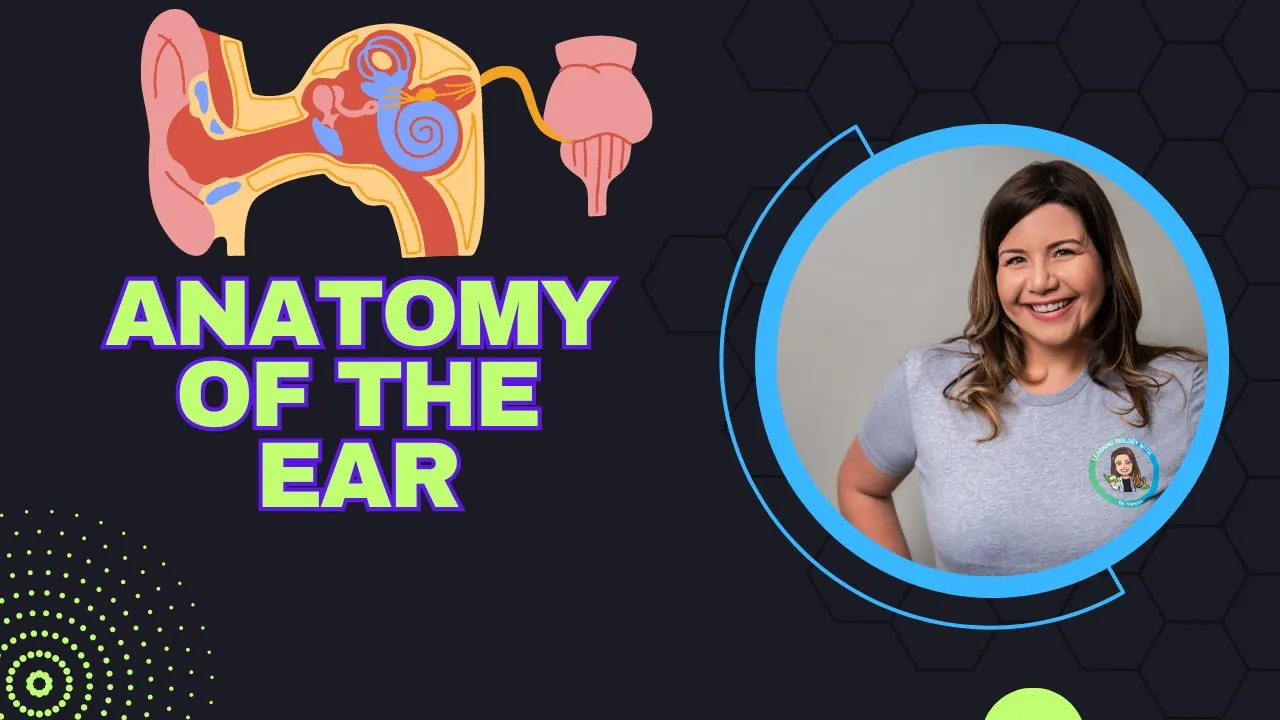
5:43
Anatomy of the Ear: Outer, Middle, and Inner Ear Explained
@DrVanessa
1.9K views•2024-04-24
22:43
Ketone Ester Treats Angelman Syndrome Seizures in Mouse Model
@epigenixfoundation5302
1.3K views•2016-07-15

5:35
Enteric Nervous System Explained: The Gut's Brain | Neurobiology Lecture
@alumniu6029
438 views•2018-09-12
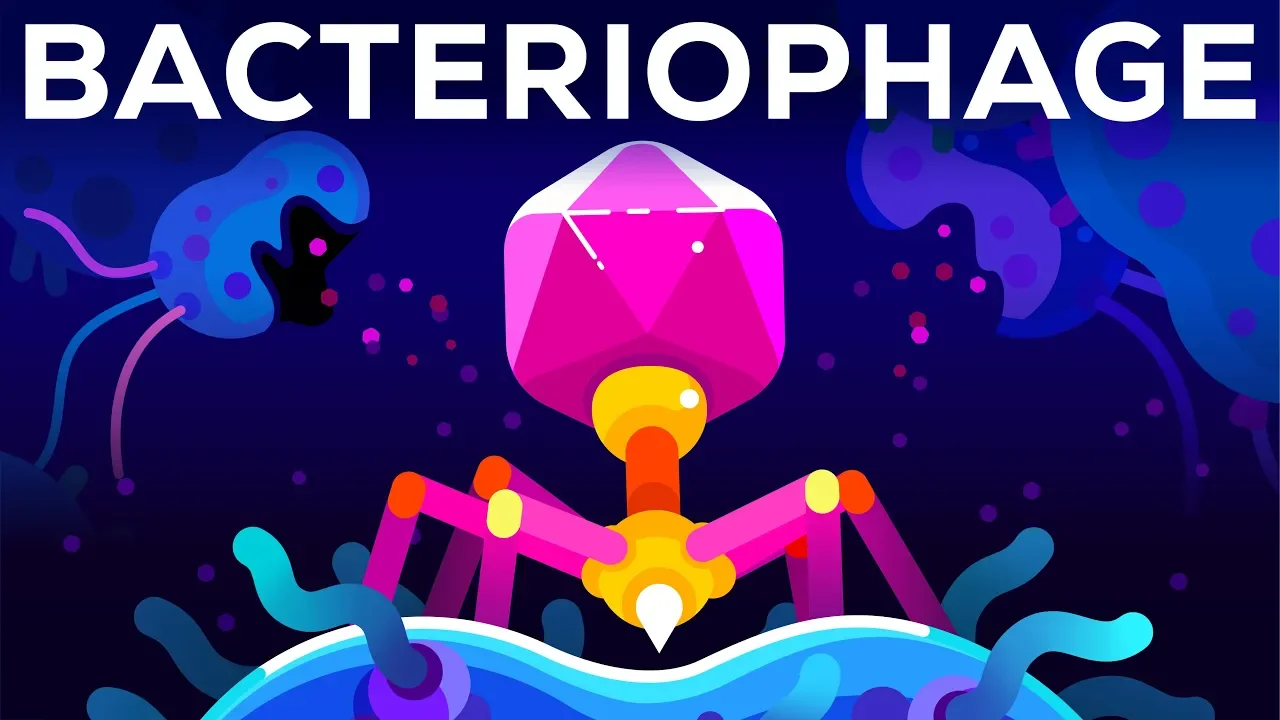
7:08
Bacteriophages: Earth's Deadliest Killers and Future Antibiotics
@kurzgesagt
34.6M views•2018-05-13
Related Study Plans & Knowledge Roadmaps
Structured learning paths in Biology
biology
Analyzing Animal Venoms: Genetics & Pharma
01Molecular Biology & Physiology Foundations
02Venom Evolution & Toxin Gene Recruitment
03Neurotoxins & Ion Channel Pharmacology
+ 2 more learning modules
18h5 modules
Explore Roadmap
biology
RNAi: Biogenesis, RISC & Gene Silencing
01Molecular Biology Foundations: DNA to Protein
02Introduction to RNA Interference (RNAi)
03Molecular Biogenesis of miRNA and siRNA
+ 2 more learning modules
10h5 modules
Explore Roadmap
biology
Mycorrhizae: Signaling, Biophysics & Ecology
01Foundations of Mycorrhizal Symbiosis
02Molecular Signaling and Root Colonization
03Biophysics and Bioenergetics of Nutrient Exchange
+ 1 more learning modules
11h4 modules
Explore Roadmap
biology
Circadian Clocks: TTFL, SCN & Periphery
01Foundations of Molecular Biology & Gene Expression
02Introduction to Chronobiology and Actograms
03The Core TTFL: Molecular Architecture of the Clock
+ 3 more learning modules
14h6 modules
Explore Roadmap