









!["Words, numbers, culture: Thinking with Sally Merry [...]" by Jane Cowan (University of Sussex)](https://i.ytimg.com/vi/7ilIJNX4ZcQ/maxresdefault.jpg)


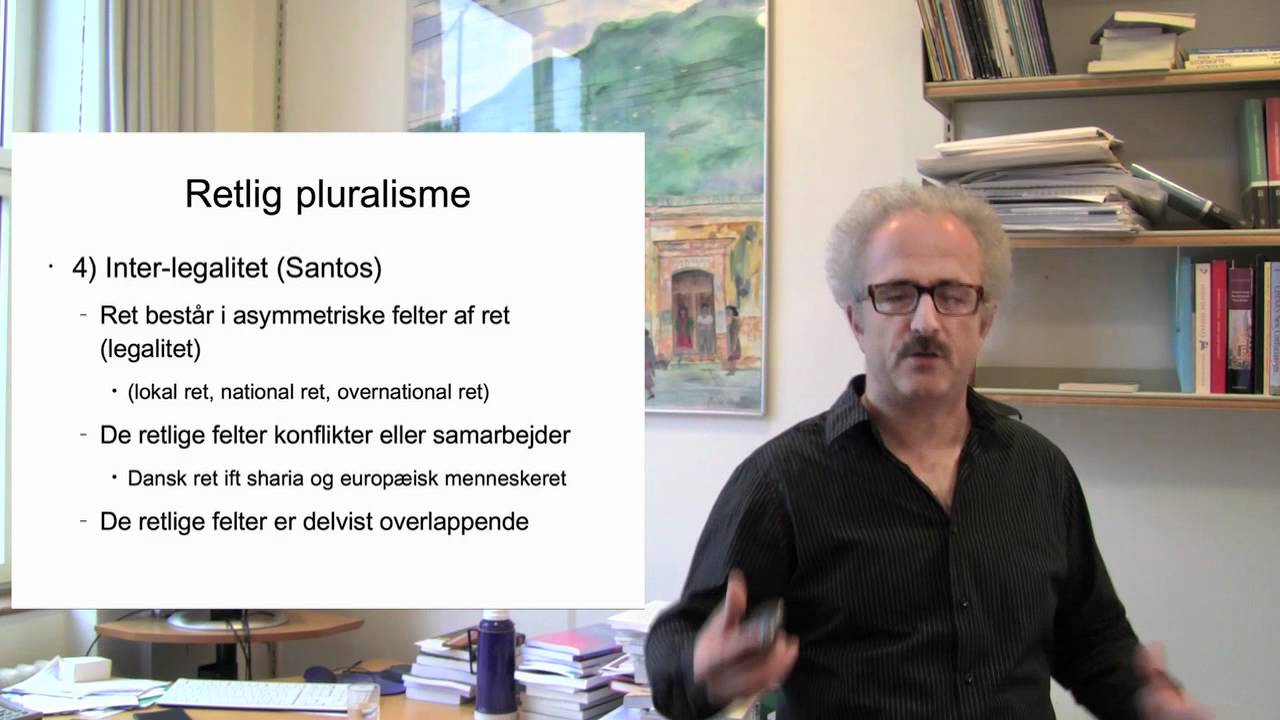



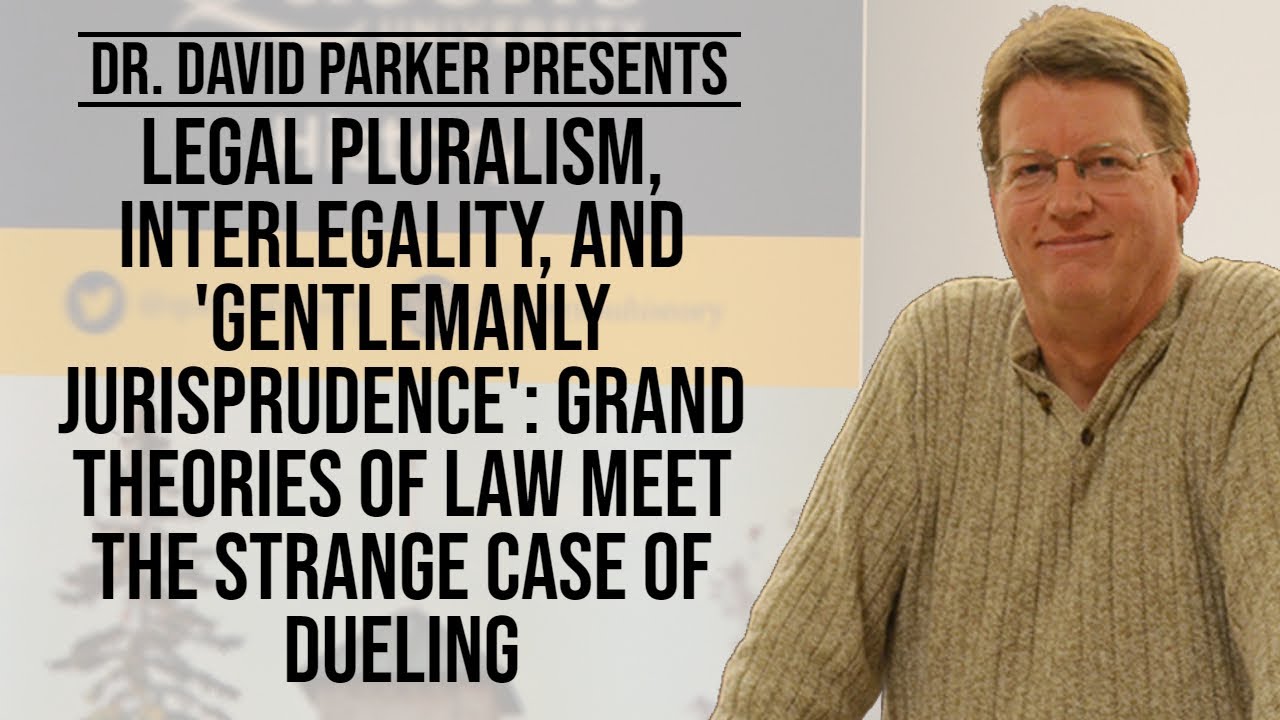
Legal pluralism, a concept Sally Engle Merry championed, refers to the coexistence of multiple legal orders within a single political space, where individuals navigate and choose among different legal frameworks in their daily lives. This concept emerged from debates about whether non-state mechanisms of dispute resolution should be considered 'law,' challenging traditional legal categories and highlighting how law operates through fragmented, inconsistent, and contradictory systems that interact dynamically. Merry's work emphasized that legal pluralism involves power differentials, as some actors have more choice and agency than others when navigating multiple legal systems. The concept has evolved from focusing on colonial and post-colonial contexts to addressing contemporary issues like globalization, human rights indicators, and the translation of transnational legal concepts into local practices, demonstrating its ongoing relevance for understanding how law operates in complex, interconnected societies.
Legal Pluralism: Sally Engle Merry's Intellectual Odyssey
Added:[Music] my name is sally engel mary and i am actually the silver professor of anthropology at new york university and and i have done a lot of research on human rights and legal anthropology where anthropology likes to come destabilize existing categories like gender and rights lawyers want to clarify categories and define things so there's a deep tension between these two fields which is quite interesting today we we have the great pleasure of having with us uh kibadvon bender beckmann who was the former director of the law the legal anthropology department at the max planck institute for social anthropology in hala kibet is an associate he's still an associate of the department of law and anthropology at the max planck institute and she's emeritus professor at martin luther university in harlem wittenberg she also is an associate of the von vodenhoven institute for law and governance at leyden university i think i don't need to you know introduce her too much because everyone knows her here but she she has conducted research on disputing social security natural resources under condition of cruel world order in several parts of indonesia and the netherlands and our most recent work has been on processes of decentralization in postswato indonesia in conversation with her we have judith bayer who is a professor of anthropology at the university of constance and nalegra editor since 2013.
judy specializes in political and legal anthropology she conducts long-term ethnographic field work in central asia and kyrgyzstan southeast asia in myanmar and increasingly in europe community practices of traditionalization statelessness and activism theoretically she's inspired by existential anthropology and ethnomethodology and she's the author of the force of custom law and the ordering of everyday life in kyrgyzstan which came up with the university of pittsburgh press in 2016 perhaps i should have said that also judy is a former researcher from the max planck institute and uh kibbett has been a phd director and today judith and kybet are going to talk about an intellectual odyssey the case of legal pluralism and to this and yeah thank you very much judy for this kind introduction um i think i'll start um with um what cubed and i have termed a conversation amongst each other so we won't have um a presentation and a discussion but a but a more informal type of conversation about one of the key concepts of sally's work which is the concept of legal pluralism and i think i can speak for quebec and myself that we have both been really inspired by the work of sally especially work on legal pluralism but as we all know it was much more encompassing than that but for this conversation we decided that um it might be worse by concentrating on this one concept so um the way we structured this conversation is that we'll start with a relationship with sally and then proceed to investigate what legal pluralism meant for sally how it came up in her work and how it developed throughout her career we have caught this conversation an intellectual odyssey and this is a phrase which sally used in an article from 1988 this was published in the law and society review one of the flagship journals as most of you know and we found that this phrase does not only fit the concept of legal pluralism but maybe also set his own career path during which she covered a broad range of very diverse topics that were always legal anthropological in its core but it always also encompassed um and reflected and and coined debates in anthropology that went far beyond uh legal aspects so um we were going through some of her publications a bit um in terms of the different themes and where we found legal pluralism um kept popping up or kept playing a role and um are going to see what type of odyssey the concept itself uh went through in her own work and then towards the end of our conversation um we hope to discuss with everyone um in the audience today the potential of reviving the concept as such um not only in sally's own work where it tended to play a lesser role especially in in the later publications of her but how it for example could also be revitalized in in legal anthropological more general maybe in your own work so but we'll start with a personal relationship um to sally and i hand over to to quebec um to to start on this okay thank you thank you also um julie for your introduction and uh you judit for inviting me for this uh this conversation um i first met sally um at a conference of of the international union of anthropological and ethnological sciences in zagreb in 1988 uh where she participated in the panels of the commission on legal pluralism and of unofficial law which uh which was i think the third conference of that commission um and uh sally later became a board member of the commission and remains on the board until she died um it was the first it it was there that when we first discussed um our mutual interest in legal pluralism we also discovered that we shared another passion passion hiking in the mountains after the conference we both but separately happened to travel to switzerland for hiking in the alps um sally i i kept on reading uh the some of the publications uh over the years and um when franz my husband and i moved to holla to the max planck institute it was very clear that we should ask um sally to become a part of the international advisory board of of the mpi and she became a great friend of the project group legal pluralism and judith also was also part of it and and turner who is in the audience uh is still a part of that group um intellectually we were close with her in regard to her work on the concept of legal pluralism uh and so that um she she attended several conferences and she was extremely supportive of the project group and showed a great interest in the young scholars and their work i was crucial in helping to establish the department law and anthropology so just um a few words on on the on the projects group it was the precursor of the third department law and anthropology of the institute and we started pursuing themes that we already had working on such as dispute management property religious law social security human rights also pursued more general uh issues such as time and space and law governance development cooperation project law a term coined by a uh developed by marcus spiderman who's also in the audience and we even had some very uncom uncommon um legal pluralist research by ima fenster on punk and skins on which he just published a wonderful book and i hope that you will read it um we are our interests did overlap with sally's work but we also took a different path in the course of time sally moved on to the study of globalization by following international ngos and other global players and in conversation with richard rottenberg and his loss group at the max planck institute she became interested in issues of translation and vernac vernacularization on accountability and indicators franz and i remained interested in rural transformations and studied globalizing developments from the very bottom perspective of farmers and local officials but what we shared with sally was an interest in how law from very different sources and at very different levels became untangled was reinterpreted and studied how some disadvantaged struggled to find a way in the highly fragmentized and fragmented and untangled legal universe in which i tried to use the opportunities that opened up what i have always admired was her clear style both in writing and in speaking without unnecessary [Music] jargon and a great strength i think was to apply new insights of anthropology and social theory to legal anthropology the study of law and legal pluralism and to see how the new developments might be of interest for illegal pluralism and the study of law interestingly enough uh sally did not have many have phd students of her own for a long time in her career because she taught it was wellesley college and not at the universe and was only until she moved to new york uh that she got phd students it's interesting to see that the same happened to for instance sally moore who also only got uh phd students when she moved to harvard and that is in striking contracts uh contrast for instance tornado who taught phd students from a much earlier phase in her career at stanford there are other uh important um legal anthropologists who also uh have did not have many phd students because of the institute their work uh work uh they have been working on so that is just um a personal view on on sally and we'll move on to give the uh where to to you did again yeah i was just thinking um listening to this last bit you mentioned whether we could uh open up a correlation between how successful one's career is and how many phd students or how little phd students one might have had and how one influences the other but maybe that would take us too far away from the topic of legal pluralism but it is indeed interesting um speaking of legal pluralism legal anthropology i think has developed into one of the most successful sub-disciplines within anthropology especially in the last 10 years i would say when i'm looking at job ads when i'm looking at the biographies of anthropologies politics has always been big but i think a lot of people are increasingly referring to themselves as legal anthropologists now i have understood that law is such a crucial phenomenon of our social world that it's worth studying on its own but um legal pluralism for example is i think less being mentioned in in the contemporary debates than it used to be and um so the the question i wanted to kind of ask you about also why why do you think she called the history of this concept in intellectual odyssey i think in the abstract we phrased it as what is so outrageous about the concept of legal pluralism why was there so much discussion about the concept in the past but maybe also nowadays so so maybe you can kind of pick up on that and um [Music] maybe not even everyone knows what the concept is about you know so there's something old-fashioned about it i have the feeling and yet um it's everywhere but um maybe we'll start out by kind of reiterating what what the concept means for you also as someone who's been so influential um in coining it and then relating it to to sally's own work okay um well one of the reasons why uh sally talked about an odyssey essay is that um by looking from uh by looking um at legal pluralism of taking a legal pluralist perspective new themes emerge all the time and we will go through a couple of them in the study of law and anthropology it took a very very long time before the notion was of legal pluralism was generally accepted uh and two basic questions always have been discussed and i hope we won't have to do to go into the discussion today but it was the first uh um question was was law the term law only the law of the state or could there be other legal orders and the second question was if you um start out from the assumption that there are other legal orders there are fuzzy boundaries and people were saying well if the boundaries are so fuzzy then everything is low and it loses its its defining um character so those um that is why and that has been discussed over and over again but it's also interesting to see that there have been different national trajectories in the netherlands for instance the the term was much earlier accepted quite generally accepted than in the anglo-american context of which sally's is writing um that has to do with with various reasons i i want to go into that right now but um there are different uh differences in the trajectories of the term and of the of not only of the term but also of the conte the concept itself um you did ask me to say a few words about about what what sally uh wrote about the concept of legal pluralism and um well in if if in very general terms but i think most people who are here know it but you'd have said it would be useful to go through it anyway so i'll do that um from a structural perspective one could say it's a coexistence of different legal orders or sets of laws within one political space whether that is the state or another political space and from action perspectives uh one could say it's um people who in their social interaction may draw upon different legal orders they have a choice though some have more now there's a long history uh uh uh of of legal pluralism of course and and uh historians of law write about it um there is um has been a lot of emphasis on on non-state law especially in the manchester school of uh anthropology and uh mary says characterizes legal pluralism by saying that law is present all over everyday life and not only in formal institutions she emphasizes that law is not homogeneous but fragmented inconsistent and contradictory a brief collage of historical legal developments uh legal systems interact and be that are not separate and completely separate orders there's no sharp line between state law and other legal orders the issue of power law defines power positions and power and relations and enables facilitates and constrains action and interaction and the issue of of choice legal on the issue of choice she says legal pluralism offers choices of forums rules and political outcomes but i would add some have more choice than others due to power differences and differences in means and resources so that is a very short um definition or a statement of modern political pluralism is i suppose yeah i think we could maybe add that um one of the final texts that um were published by sally just last year i think was on legal pluralism in a handbook on global legal pluralism and that the very phenomenon of global legal pluralism is probably the latest addition to um this array of concepts and we probably will talk about this a bit more towards the very end of our um conversation um another question i wanted to ask you quebec is that there is this differentiation which is being made very often in the literature in which um sally contributed to namely that between so-called old legal pluralism and new legal pluralism and she herself um kind of adopted or helped coined the concept of new legal pluralism and um understood this as i cite her the key concept in a post-modern view of law where the conception of different legal spaces superimposed interpenetrated and mixed in our minds as much as in our legal actions are at stake um she talks about the need for a new common legal sense um because the world where we're living in or we're engaging with is increasingly polycentric one and this concept of the polycentricity of law is sort of embedded in in the notion of a new legal parallelism versus an old one so i wanted to hear your opinion on on this dichotomization between these two different types of legal pluralism well um personally i do not find the differentiation between old and new pluralism very useful it suggests that there was first legal pluralism in in x in colonial ex-colonial states and that and then legal pluralism uh in the modern world but that is confusing for two reasons one is um there was always legal pluralism in the modern warriors world as a perhaps element that was not studied but it was legal historians have studied uh such excess extensively and there are numerous studies of the coexistence of laws throughout the 20th century though the term legal pluralism was not used until the 1970s so the concept was there before way before and all of these studies uh almost all of these studies discuss the relations between these orders what today is discussed under interlegality or and entanglement it's for older insights and yes there are are to a certain extent um mixed and interp penetrated legal orders but only to an extent and the degree to which despite of this league of uh of this um the the degree to which legal orders um uh are entangled continue to be seen as and sorry despite the the the fact that that there are degrees of entanglement uh very often the legal orders are seen are considered and conceptualized to be distinct and the way this is done differs widely across societies of course now what was new but that came long after she introduced the label of new legal pluralism was foregrounding the idea of a polycentric legal world and the proliferation of transnational law that followed from it and that became an important source of legal pluralism uh interestingly most authors discussed and and sally included discuss these issues in terms of secular law such as international transnational laws treaties and all sort of principles regulations and standards and so forth by international organizations and transnational companies this is of course very interesting and useful but we should not forget that in colonial times the world was also polycentric and that east and west india companies for instance made much law that one might call trent transnational and which was not state law um but what was not so often discussed is that most religious law is transnational law that is subject to the same process of translation vernacularization and mixing a secular international transnational law and this has been a major issue in my own work and in the work of toronto for instance and um on the relationship between state law uh customary law religious law and transnational law that france and i studied in indonesia and the netherlands so um new law is a new new legal pluralism is to my mind not a very useful concept you just mentioned um the colonial times and that the world was a polycentric one um already back then and um maybe this is a good bridge to kind of um look into this book a little bit um colonizing hawaii which um funnily when quebec and i began um to think about sally's work we both thought of that this is where it all started and then we realized actually not i mean before she she started um working on um colonizing hawaii she was working in the us and this book only came out in 1997 and then we were thinking why did we both think that this work must have come before and i think because there was um or there is a tendency in anthropology to kind of uh start in a post colony post-colonial uh theory context uh to work outside of one's own society first um to write about this and then um go to one's own society and and kind of um see whether these themes uh come up again there and and uh if yes and what type so we were thinking of laura nader's work for example which which started in in mexico and then she she went to the us and and did all of this work on on adr and alternative dispute resolution or i personally thought about the work of arjuna padurai who we all associate with this more theoretical publications on flows and so on but he started out as an ethno historian working in india producing a really densely ethnographic ethnohistorical publication on on colonial india so in her way sally's career was structured differently um because she started out in the us where she studied american community mediation or um as the title of one of her edited volumes with neil milner is called the possibility of popular justice so this was one of the um the earliest um works where she was building up on laura nader's work whom she considered being i quote on target in exposing the anti-democratic features of alternative dispute resolution an adr was shifting to focus on as she called it getting along rather than getting justice through the rule of law um and the concept of legal pluralism features very dominantly in this part of her work um smoky musaraj who was um presenting in the last webinar was also drawing um from this body of literature and um but maybe you can say a bit more about the alternative dispute resolution part um in sally's work but maybe also in um in your own or in legal anthropological works more generally yeah it's it's very interested interesting that in this early study she shifted her paradigm and hypothesis and the hypothesis that people living together in close neighborhoods tend to settle their conflicts informally that was the idea that was uh very common at that time um but she found that this did not happen people went to court and courage started to use adr as a kind of extension so that adr became more and more similar to court justice and in her quest why for why this might be the case she shifted her focus to issues related to state power hegemony legal ideologies social class and legal consciousness issues that were also discussed by critical legal scholars and legal anthropologists such as laura nader but also rick abel and and others now these themes became also guiding in her rece research on american colonialism in hawaii where she became particularly interested in hegemony and the cultural dimensions of law in relationship to violence against women law it turned out was also a system of disciplining and surveillance and this theme stayed with her in a later work on human rights in particular cedar and the um plus five conference in new york which he attended this work brought her to the study of global law and the processes of translation appropriation and application involved when global law became localized her term vernacularization became an influential metaphor for the processes of adaption adaptation offered by mediators or translators to make these transnational legal concepts meaningful full for local actors cecelia's work was premised um on an actor-oriented perspective that emphasized the agency of people generally condescendingly seen as vulnerable and as such in need of protection of and help um and she said there is much more agency in them than one would one would expect when one merely sees them as vulnerable she also discussed some of the implications of deteriorating territorialized ethnographies that study the flows of legal ideas and personnel rather than localized communities and this revealed to her the very different and contested approaches to violence against women she studied five uh these these processes in five different countries and find very different uh notions of violence and against gender sally's interest in globalizing law was a great stimulus for my own work and she was quite early in doing that among legal anthropologists but i studied it in a very different context mainly in indonesia in the constitutional reorganization after suharto's demons and the ensuing decentralization of government and in the local interpretations of islamic law in relation to customary and state law before we um maybe continue on the theme of gender which was also prominent in in her later work i i wanted to kind of share um some more information about the colonizing hawaii book because here i think many know sally's work for what she published in the last decade especially her work on quantification on indicators on human rights and so on i think this is where basically a new generation of legal anthropologists has been um reading her really thoroughly but i'm a personal fan of this older book of hers and i wanted to share with you how she how she ended up in hawaii after she had already studied um adr phenomenon in her own society she attended a conference she wrote in 1987 in hawaii and then drove around the island afterwards and i cite her and i was struck by the disparities in wealth the class differences among the residents the persistence of the plantation hierarchies and the colonial architecture i began to read the history of hawaii and became so depressed i almost abandoned the project and we're glad that she didn't because this monograph i think is a fascinating account of how law transforms family sexuality gender relations and community um in the colonizing process and as i said legal pluralism is really a key theme here and she works through the historical sources to kind of show where the plurality was brought in as a colonial part of social engineering and how people reacted towards it how they adapted towards the newly established laws and she emphasizes that in contrast to many other colonial locations the hawaiians were not expected to keep their separate legal system as we know it for example for many african contexts but they were expected to convert to christianity and thereby subjected to the new legal order that went along with land alienation and capitalist development so she always thinks these um family related issues together with law and then also with economic topics i think this is really really crucial so she has a very holistic approach in this publication already towards how how law kind of enforces order how sanctions work but also how it impacts in into all kinds of other different social realms we do not really associate with law immediately um and she detects um what those working on legal pluralism have found for other regional con contexts as well namely that it is hard to weed out customer regulations and practices as people became sophisticated at escaping new regulations so she's really interested in how do people kind of go around these new legally established orders and how they sneak out the back door how they subvert the system how they kind of play by its rules but don't stick to them and so on so um given the vast array of possible fields of application kebab and i were wondering what about other themes that sally began to work on after hawaii and um i think gender and human rights are two of um of the most prominent ones and maybe quebec you can say a couple of words on those two topics as well you have to switch on your microphone okay sorry um so it was in the middle of her work that she that we find publications on gender and violence uh of gender but then she moved on to to human rights and the cultural dimensions of human rights um and and the the the translation process that i i talked about um so it she the the way she operates operated is she she is interested in one issue and then she finds uh sets step aside and and and uh extends its to other issues and then it broadens up and and and opens up into into new issues and the latest issues i suppose uh well human rights but then uh she um she moves on to uh issues of of um of of indicators that's used by international organizations we'll talk about that later so um um i find that it it's a similar way uh in which we ourselves operated that you start out with one issue and then you see oh there are there are important issues that are related to it not and then you open you start developing that and then you uh you hit upon new issues and so forth um so um in her latest work she took violence against women as a starting point to understand uh the working of indicators as they were used in human rights and development cooperation and she wrote about the knowledge and governance effects of indicators and showed that these were decidedly western bias uh bias which make them highly problematic in other historical and cultural contexts an issue is particularly pressing because of the claim of of the university universality of human rights and she critically inquires into categories of suffering vulnerability riots violence and gender and shows that these are not at all self-evidence yet they form the basis for what is said to be objective knowledge and statistical measures and she argues that these measures make political struggles about responsibility human rights disappear behind technical questions it is it is an argument that is much broader um uh richard hartenberg also talks about that a corporate mode of assessing accounting and assigning responsibility has become the dominant mode of international development cooperation by which the difference between the state and civil society becomes blurred and local legal orders tend to become reinterpreted in these categories now for the issue of legal pluralism the problem is that what is presented as fact uncertainty crucial issues in state legal orders although not always lived up to place ambiguity complexity and context and the theories implied that are often at the core of legal orders and put at the background indicators must create their own categories that affect in various ways the categories of local legal orders these processes are highly important for the study of legal pluralism of course and the ways in which legal orders are affect each other her work is also very important for more general issues of compare comparative law and for questions related to legal transfers she does not reject the use of indicators outright and concedes that there may be useful political instruments also for the less powerful but she warned about the hegemonic forces involved and judy you i think would like to say a bit more about uh her later work yeah i think you you already started um kind of leading towards it i think towards the end of our conversation we were looking at um the latest publications for example the seduction of quantification and in particular um which i found um a really fascinating read and she argues here for example that there has been an increase in the quantification of bodies in catastrophic situations much to the neglect of qualitative ethnographic accounts and then argues that counting and accountability are intrinsically connected and that you cannot substitute uh one for the other and that um there's an ethical dimension basically within the numerical and the representational that has less to do with numbers and more to do with how do we actually reach a judgment or a decision or how do we come to value and ultimately understand the social situation so despite the first appearance that this is about quantification i think all of the ethical and moral questions that concerned her in her older work are still very dominantly there but she's exploring them again from a new perspective so for me that's another example of how she was constantly not reinventing legal anthropology but kind of constantly pushing um its its boundaries and and kind of taking it into new uh fields asking really new and and innovative questions and and kind of pushing my own thinking in these regards and um we were asking ourselves what role could legal pluralism play in this context and and mentioned already it doesn't feature essentially as it did in the earlier publications but yet the underlying theme is still there um so the question was how could these newly translated concepts affect um for example local law and i think this was the the final um question i wanted to to ask hibet so how how could we kind of detect the theme of legal pluralism in in the later work and maybe also remembering that the the final the final paper she probably wrote was again on global legal parallelism so there is this new concept of global legal pluralism or this new label if you wish because quebec has just said that it has always been polycentric it has always been global but there's a new label now um so what could we make out of um the concept in in the latest publications in her work and i think afterwards we would open up the discussion i think um what she does very well and and what has been really great is that she that she uh figured out how how transnational law and human rights are being translated and made understandable for local people and that is important but i think that is only part of the way we should to the road we should pursue because the question that follows from this would be and how are these new translated and vernacularized legal concepts how does that affect and become entangled entangled with local law or with religious laws um local conceptions of religious law and of state law for that matter in other words the process of translation and vernacularization may not end with making transnational law locally understandable in west sumatra for instance these concepts were then used in village internal debates about an appropriate village structure that would do justice to customary law to islam and two requirements of the state and uh state laws and village administration and the interesting thing was that villages came up with very very different solutions and preferences so they each um each translate it into a and adopted it into their own village structure which then became um a village structure with which the state has to deal and with a new customary law a new local law with with the state than had to deal so um maybe to conclude is that sally's work is very important also for men for more general issues of comparative law and for questions uh related to legal transfers and um it's also important for the discussions about globally further quest questions about global league of blurs and pluralism which often neglect the crucial factor of power differentials so i guess that should be is about the um introductory conversation or uh that you did and i'll prepare for you and maybe we now can have a discussion a more general discussion i have a bit of a problem that my connection is not very good uh so okay but we can hear you very well thank you so much yeah thank you thank you as you did um and i guess now we will open the floor to to question so please raise your hands and and mute yourself if you want to to intervene anyone well maybe i uh i just uh i just start uh practice that is asking a question albert okay bird go over please take the flow thanks uh just a very brief comment on this conversation which i really enjoyed listening i would like to come back to the publication judit has mentioned one of the last publications by by sally murray the the article on global legal pluralism in in the oxford handbook uh edited by uh portrait sperman uh what she did in this article and uh i kind of it kind of really touched me she tried to summarize the bug of her work in terms of legal pluralism and subsumes this in four different steps and i think that is the best way uh her work can relate it to uh to the concept of legal pluralism and so i really recommend reading this article it's it's a brief one and as usual we always when we are working on one and the same field there are always disagreements in in details and that persists that i also find very interesting and from there her research from there was actually starting her research on quantification and indicators it was a legal pluralism question how it comes that dominant normative concepts uh superimposed on on a multiplicity of concepts so she was actually there starting from a legal pluralism question and then came in touch with uh with the lost group with us and her research on on on this topic uh she became more familiar with sds literature and these kind of things and developed in her specific uh view on that and her very latest project her involvement in the new school research project on infrastructure that was the yeah said to say the last the last conversation we had uh i asked her how can you then address the normativity of and in infrastructures without the notion of plurality and she said no no no it's exactly it's exactly where we are going for and so i mean in in so far which uh in the way um i could could i relate to my own work on on infrastructure and what i call infrastructure's legal pluralism so and so far i see i see this is in her work a kind of a topic that was never abundant and was always in one way or the other connected to the topics she was dealing with bet do you want to yeah yeah i have something to say also but you go first please but you need to unmute your microphone again yeah um yeah thank you bert for for uh adding the um the discussion about infrastructure um when i when i say that in in her discussion of indicators and and so forth that um she doesn't write it so much in terms of legal pluralism although the the the idea and the the very um the starting point of her interest is of course always has been legal pluralism but she for some reason or another um the term is not used so much uh anymore and that may have to do with the um with the group of of of scholars she was interacting with that uh these scholars were not so much familiar with the concept of legal pluralism or so but again it is it this work on infrastructure is again a a um a sign that she always um caught on to broad issues that were discussed by anthropologists social scientists and then uh took a specific legal and legal anthropological um turn to it and and made it made it accessible and made it of interest for uh for legal anthropology um and also bringing into the discussion these legal anthropological issue take okay yeah i just wanted to add something first of all thank you for mentioning again this article i think it's a great introduction to legal pluralism and should be assigned um to all of the courses teaching this uh even if legal pluralism just appears as a subsection i would definitely assign it in the future because it's extremely well written and and very structured but there's one one thing where i had to laugh out loud when i read this um because it is only in the conclusion and only very very briefly that she mentions um what used to be a huge debate within um the law and society um community i would say so so she she basically just says the question of whether non-state mechanisms of handling disputes in terms of norms should be called law has long preoccupied scholars of legal pluralism but anthropological scholarship has generally focused more on the power relations among legal spheres conceptualize the semi-autonomous socials fields then on whether non-state regulatory mechanisms should be called law and that is all she says about what used to be a huge debate i mean it used i remember the conferences at the mpi where um so much energy went into debating is this law what is this um can we call this law if we call this law then what is culture then you know there's nothing left for for culture to be culture if all of this is law in your case but she doesn't even get into this discussion at all she doesn't she doesn't really um kind of find it worth uh repeating and and she cites tamannaah in the in the footnote and that's about as much as you as you get and i found this really refreshing so that's just something i liked about this article in particular anyone else who wants to to speak ask a question jane you have to unmute yourself yeah okay yes thank you and and you did really for a really very stimulating um discussion and and i i would actually like to know a little bit more about um the early part of of sally's move into legal pleura's pluralism and because this is an aspect of her work that i don't know very well and i don't know in a sense whether this was um an active issue in her graduate training um when she was at yale and later you know at brandeis i actually don't know who were her supervisors who was her committee so this kind of part of her life is one bit that i don't know very well and i think it would be interesting to know more whether you know her um drawing in this concept of legal pluralism you know is sparked by her particular individual research projects but i would have thought you know it does probably come from wider conversations and i think also um you know apart from laura nader um i mean i the the the some of these discussions were happening in britain in the context of you know the sort of um manchester school and kind of dispute settlement kind of discussions but but can you tell us anything more about uh the context uh that mary was sally mary was kind of working in as a graduate and phd student and early on that that led her to legal pluralism oh dear um i'm afraid i don't i do not know very much about her early uh development and maybe i should have prepared myself better for this conversation to uh to do that uh what i do know is that she was that adr was very very much um in discussion in the lawn society association as you probably uh know at that time there were a lot of people working on it uh rick abel was working on it um uh uh mark galanter was was working on it um i think um austin's rat and and his people were also working on it david engel of course was uh was working on also one of the of those legal anthropologists who are so important and who didn't have hasn't had many phd students um barbara inverson was working on it in in a slightly different way so it was it was part i i think mainly part of that uh of of of that um group of of of uh law and society people that sparked an interest in doing that but i'm not sure i may be wrong i'm sorry i don't know if julius you know more than quebec on that aspect perhaps not uh if it is i know that she was bestowed an honorary degree in in law in addition to her anthropological uh degrees but um and and that of course she was influenced by by laura nader and that she was was drawing heavily on on her work but i also would have to look up who her supervisors were at the different stages in brandeis and wellesley and so on it's not interestingly not part of many of the obituaries which i read most of these obituaries they also focus on what she achieved in the last 15 to 20 years i would say interestingly so there's but i think that's really a tendency within our discipline you know we were kind of reading up on the on the modern themes and and we're using all of the the recent work of of our colleagues but it's really worth investigating where it all began you know which is why i was um emphasizing that the colonizing hawaii book which which i find really inspiring but i i didn't kind of dig into uh into her past so much maybe that is something we should we should be doing for a follow-up allegra post or something after the webinar or maybe pina knows just just one thing to to to add is is that she herself thinks that laura nader was very much influential on her uh adr work but i i don't think it was lauren nader who would set her um who set her on to the the topic it was when she was working on a topic that she uh started looking at the work of a learnader and and saw how important power differentials and legendary was and so forth right thank you uh we have another question i think from sharehold family and i haven't i didn't see him the first time so i want to make sure that he can take the share or the floor is your yours thank you thank you julie uh thank you so much for everyone this is really interesting discussion well actually i'm not an expert in the florida illegal pluralism because my background is in islamic law but i want to ask about the status of each legal because when we talk of legal pluralism this is about the multiple authorities in a different source of law my question is whether the status of each legal has an equal status one to another uh looking at the uh case of in indonesia during the colonialization during the colonization there are three a different type of legals the dutch legal source and islamic law and other law and quebec no this is ethereal but what we know that when we talk about the land right for example there is such a confiscation among the state law that owned by the dodge colonial law and the uh customary law that belonged to the uh local society especially in con in the context of the uh komuna lenrai or what we call in indonesia that is so there is one uh doctrine that was developed by the dutch during the colonialization what they call that the state domain which is mean that any land and register that belong to the state so this constitution uh mostly was you know easily for the state to claim the right even though actually this right it belongs to the society and they can prove based on their a customary law so what actually you know to solve this kind of contestation among the law uh based on the legal pluralism thank you well this is of course a uh um an issue that is still going on as you know as well as i do um the the question of uh the extent to which customary communal law uh land rights are being accepted accepted by the state and here here this is one of the of the fields in which the um contradictions are are most um clearly visible that the state laws and and land rights are premised on very different concepts uh from the cons the uh customary lingual concepts and as a result uh the state claims uh authority over the colonial state but but the present state as well claims uh authority over land where the local communities say no this is customary law and you should recognize that it is still going on i'm currently part of a think tank of um the ministry of land uh the the land board national land board of indonesia uh on registration of communal land and the same issues um pop up and haven't been resolved it it's it's very tricky and very very difficult but it's exactly and and local people say well this is our our our law our land laws so please state recognize it and of course in colonial times in some areas um the state could prevail and could could impose its its its law but in other areas it couldn't um so the the question of of hierarchy is is also tricky thank you quebec i think nina wanted to intervene as well thank you very much thank you for a very interesting discussion i'm kind of thinking on my feet a bit i uh try to put a question to the two speakers which is if you work in the southern african re uh sphere region where which is highly pluralistic for historical reasons and then i we work in botswana which makes it another layer of pluralism and and yet apparently despite these very different legal uh um systems it all seems to work out in practice in court or even in customary courts and um i think one of the interesting questions that needs to be asked is first of all how is this really pragmatism managed because it is a very pragmatic solution again and again to how to reach a compromise in particular case and secondly what is the historical trajectory uh in the development of customary law in particular which is what interested me and here their interest in gender is important because one sees how notions of equality gender equality creep into customary law without being acknowledged so the thing about customary law because unwritten law it can change without changing if you know you see what i mean so what you have is a lot of uh processes that take time and they're linked to the public sphere but also to particular judges customary judges and people and i was just wondering whether this whole question of process and historical change are really thought i don't think sally marie angled sarian gomez really talks about this myself but maybe the two speakers have thought about it do you want to go ahead keep it uh july yeah you go ahead first okay thank you very much um that is a really interesting question and i think the first thing that came to my mind is that one might understand your question also as why don't we write more about failures you know if everything always works out in court or outside of court you know maybe it's because we're biased and we're focusing on on cases which are somehow resolved and maybe it's a way of of doing anthropology to do that and i have personally also thought of you know i have admitted certain cases from from my first book on kyrgyzstan where my role was too dominant you know and in the end for example there i was so much integrated into into this local court of elders which which i researched which was a neo-traditional institution that um as a farewell present the head of this court um wanted to stage a case just for me um and this has not ended up in my book and i still want to write about it because i think these are also stories that need to be told that was the first thing i i thought about when you when you mentioned pragmatism um but in terms of of process and historicization i've increasingly been interested in in what i call the rhetorical emergence of legal pluralism so how much of it is actually discussed in situ and that it's not so much the existence of plural legal orders a priori but that they are created on the spot according to how a certain case develops and that it really um depends on who's present in that situation where this is taking place if it's in a mosque if it's uh in in a mayor's office if it's outside on an open field for example and that people very much decide on the spot what law is and what type of law is going to be applied and and which type of of uh judgment is um going to succeed and that it's not even a question of whether something is codified or not but power issues again you know who are the people present in that situation and for people for the people i was working with both in kyrgyzstan and in myanmar the issue was never is this law you know so this this is a discussion that they wouldn't have had but what type of law is the the right one in this case this is this is the discussion so i'm thinking of it in terms of rhetorical emergence so um maybe this is where where i would personally um see the field developing in the future to take the situational aspects um much more seriously than than we maybe did in the past yeah you did um i have you booked for a uh a uh publication for the journal of legal pluralism on this case so you have to write it now um uh preena yes the you seem to to assume and maybe it's true for botswana that things are pragmatically managed and that it works in general and so well um in indonesia it's i would say quite different in some in some places it works in some places it doesn't work at all and uh if you if you look at it historically you can see that um [Music] it goes up and down and the reason why things seem to work may be a result of fear under the sahara regime people would not claim customary rights against the state or against large uh uh companies because it was simply too dangerous but as soon as the heart of uh the sahara regime fell all these issues cropped up again and showed that um they were very much alive uh they were still they were extremely controversial because of um mixed populations and and and the role of um of migrants and and and trans uh migration issues and and so forth so um the question as you did said some questions are why do things not work or or rather why is it that it does work in certain under certain conditions um it seems to me a miracle that it does work in some situations um i myself wrote uh in contrast to to what you that said that i did write about several many cases where uh that were not successful at all that just pended for for over 100 years and and cropped up over and over and over again um issues of of that related to slavery in the uh late 19th century that in the early 21st century cropped up again um so um i would i would i would say um be look critically at what seems to be working well and and and why that might be the case and thank you thank you um there is someone in the chat box uh uros from uh croatia who is asking this very very i think interesting nice question and i don't know if uros is a boy or girl a woman or a man but he or she is asking whether um you know whether you if you had to choose a book or an article from sally what would be the one you would pick as someone who hasn't come across her work yet um i don't know keep that and she did that is a question for you to answer well sorry i would say i would say start with this uh this article on on globally in the in the handbook of global legal pluralism because that is gives in a very s summary uh a good summary of of all of our work of all of her interests i would say what would you say you did yeah i agree i'm a fan of this article but um i was also thinking there's this one article um where she introduces the concept of vernacularization i think this is key it's probably one of her most cited ones um i would have to look up um the link once i find it i can put it into the chat or maybe someone else has it but um i would i would start from there and then since i'm a fan of ethnographic works and of books i would um i would suggest colonizing hawaii but it's a whole book not an article but it's a it's a very good introduction does anyone else want to ask a question i don't see any raised hand i'm just wanted to add to pina's question about gender equality in the the historical um trajectory of notions for example of gender equality um what i found in my own work is that gender equality kind of appears in in surprising ways in in very different ways than we might imagine and i think sally was working on this uh as well when she was um doing this comparative work in in india where she worked in in bangalore and in delhi with women women's councils um which were all about demonstrating you know how in a patriarchal society women would manage to kind of twist their role and pressure um the established male hierarchy um in terms of domestic violence many other issues um and in my own work since since i've worked with this courts of elders which was entirely male i then came across courts of elders in the capital in bishkek which were staffed entirely by women and now the the local term for for these chords is axacar chords and aksakal means white beard so it was the epitome of the old bearded elder who was to be the judge in these courts and yet there were these women and they were not only kurdish women but women of very different ethnic backgrounds and so i was really surprised like how was that possible but they basically just took on the label and said we are exercised now and that was gender equality it was a patriarchal institution nonetheless none of it had changed um the legal setup which was enshrined in state law was exactly the same but then it was completely staffed by women who had no problem of being bearded for for a while they were sitting on these cases as judges so that was that was a different type of gender equality but it worked for them well maybe just to follow up on this you did but yeah i don't want to take too much time but i mean this makes me think about my own discovery of this these sharia councils in england which came under the spotlights of the media you know after i returned from afghanistan so it was in 2005 and indeed this controversy kind of forced them to change and to include more women um and then when i started my field work there i realized that you know because i was there they felt that there was a there was a duty on their behalf also to show that they were kind of doing something about gender equality in their consoles so it's again you know a kind of reflection of how much we as anthropologists impact the field and make this you know customary laws and you know proceeds procedures change as as we enter the field uh i think we have no do we have anyone who wants to um wants to maybe not anyone else who wants to ask a question or a reflection comments no one okay yeah i have one question for judit actually and when she said um legal pluralism might be thought about as a kind of old-fashioned concept so i think i'd like you just to say a little bit more about why it has that connotation for you um i think it's a suspicion based on how little it has been used in recent legal anthropological literature um and i think it has to do with the fact that there's a very narrow working definition which people use namely the coexistence of plural legal orders full stop and then that's about it you know and this is kind of self-evident by now but i think what kevin and i tried to demonstrate by going back to sally's work is that not it's more complicated than that but it's more complex than that and there has been like a long history of um working with uh the concept there have been lots of controversies and it's constantly evolving as we just saw with the global legal pluralism uh label which which is now being used so i think what happened is that that the term or the label legal pluralism is old-fashioned because people kind of have enshrined a certain definition for it but then legal anthropology has moved on um and now we're all researching these hip topics related to audit culture and quantification and so on uh you include it but um that doesn't mean that all the old stuff is no longer relevant or outdated or not part of our complex plural reality nowadays i would say so i think part of the impetus of quebec and mine was to kind of revive or revitalize the very concept i mean usually we're very critical of revitalization when it comes to legal anthropology but maybe if we revitalize our own concept and kind of try to look at it from this perspective okay where where is legal pluralism present in our contemporary work on for example in your case ordered culture or indicators or quantification human rights in any case you know then um we might see new things you know so i'm a fan of going back to the to the roots and and and to kind of incorporate these old classical debates and and see whether something new comes up you know and very often these debates are basically hidden behind new terminology you know so only because you call something in assemblage you know it might not be very different from from what used to be a social connection you know so um maybe we're tricking ourselves also a little bit by thinking that this is a debate which is over and i personally don't think it is maybe i was wondering judith uh if if the the concept that perhaps lost a little bit of prominence in anthropology whether it hasn't been it doesn't travel to other disciplines that are picking it up a bit more systematically now i'm thinking of you know law for instance yes yeah just very briefly i mean legal prison is definitely no longer as controversial as it used to be within law in fact i have lots of legal colleagues who employ it left right and center you look like someone who wants to intervene i think that makes it even more necessary that uh legal anthropologists keep an eye on that concept because i mean what has been done with that in in legal studies is something totally different it is a normative project and no longer an analytical concept and i think we have to use that analytical concept in order to follow up this normative project this is a decisive uh trajectory we we have to look at secondly associated with that is this intense debate about legal pluralism as the means to deal with uh legal co-evilness with respect to decolonization of law and especially decolonization of the international law and i think we have we have to have to say something on on these developments and maybe finally if you want to see what we gibbet and i for instance think uh is necessary future thinking on on legal anthropology look into our contribution to the same handbook on global legal pluralism the last paragraph this is by the way something i discussed with sally mary yeah the last conversation we had that is if we talk about decolonization of international law and the concept of global legal pluralism my argument was let us look as the multiplicity of coexisting onto legalities and this is a way to bring the concept into the future so i do think we cannot dispense of at the moment because it has uh how to say taken on a life on its own and we should follow up this especially this normative project which is anything but free of power differentials and that's why we should uh yeah keep on with that thank you bert we have a few questions in a chat box so i think um we should try and uh give time to them uh there is uh i think catherine offman could keep it and judith address bodwin dupree's concept of normative plurality in the place of legal pluralism so what's what would be the difference between normative plurality and legal pluralism okay here we go um well in principle one could say uh it's uh legal pluralism is also about normative plurality dupre is is one of the scholars who still thinks that the law of the state is a is something fundamentally different from other normative orders and therefore he says you can't uh uh talk about non-state law um and therefore he says we we need we need the concept of normative plurality i disagree with that and if we look at the um at the historical background of this concept in the 1970s eight uh sixties and seventies seventies especially um it was so hard to convince any lawyer any social scientist that there was something that was very similar in many respects in in terms of of institutionalization in terms of differentiation in terms of um a conceptual set of issues and procedures um that were very similar to to the law of the state and therefore and aware of of high uh were highly important for the social interaction of of of many people that it would be um a mistake to to say that is a different totally different set of of of issues and the law of the state is one thing and the rest is we we try to convince and to say well let us see to what extent the law of the states differ from other uh uh um what we call legal orders and if you don't if you don't call that legal a legal order and and start out from the assumption that the law of the state is entirely different then you will not make these kind of comparisons and you you will um it is too easy to uh to follow the ideology of the state of coherence and and and so forth um so that is why we insisted on using the term legal anthropology rather than normative anthropology because that would cut off a discussion uh of of of the the law of the state um so that is um and i'm still i still think that is uh has been very very useful and very productive um so uh yeah well now um yeah that is um basically what i have to say about duplex um maybe you want to to add something uh you did yeah just to follow up on this um when i presented in would want to chris uh seminar in paris i think two and a half years ago um we agreed on everything and he was totally fine with my analysis the only thing he disagreed on was my usage of law and it goes back to the to the question of rhetorics in the end you know so it's it's basically a magical word you know and and it's a label you might use for something but not for many other things but why you know so um this is why i'm constantly thinking about you know the rhetorical dimension of all of this and the power of words i mean law in general is is all about words um spoken or written but um we continue this within our discipline or in the in our sub discipline by kind of conf wanting to confine certain things for this world and and exclude others and i'm totally with the kibbet and and bad in this case but uh i've been indoctrinated properly maybe i should say but um there was there was something else i i wanted to add because that mentioned decolonizing and this might actually be also another avenue worth thinking about um what happens and i mean we have this discussion about um decolonizing anthropology at the moment and there is there's something about the fact of not admitting that something is law when it is law for other people that has a decolonizing potentiality and i think it's worth exploring it also in this direction i'm usually very critical or kind of insecure when it comes to this topic but it's it's an old debate which is basically the boheme gluckman debate what type of concepts are we using when do we translate from from one language into the other what happens there in terms of power inequalities and so on but to call something law or not is also could also be viewed as um part of the decolonizing uh discourse which which we're in the middle in i mean it's not over at all and and i think a lot of other people should have a say in that and um as i said the people i'm working with in kyrgyzstan and in myanmar they they have no problem referring to this as law so who am i to say but it's not you know and this is more than just taking an emic stance um so i think there's a lot more to be discussed in this direction because there was one more um catherine hoffman she said isn't there a different moralizing balance uh and and i would say yes it's also a moral unethical question which is involved in how you how you label these things yeah okay so perhaps we leave it here there there is perhaps now some zoom fatigue thank you everyone thank you kibet and you did for a very exciting discussion it was wonderful to see all of you here today again you've become a very uh faithful crowd so it's really energizing to uh to see you every two weeks for a webinars the next one will take place on the 12th of february i'm not sorry on when is it taking place yet on the 12th of february uh the same time from 2 to 3 30 p.m cet it will be zainal ghul from john hopkins university talking about sensing the translation language and medical legal enactments of expertise in occupational diseases lawsuits in turkey and our discussant will be johanna fogicevic from the university of palermo so see you on the 12th of february and have a nice weekend everyone bye-bye thank you for your questions [Music]
Up Next

General Defenses in Criminal Law: Justifications vs Excuses
@WFLawCurriculum
3.1K views•2015-01-14
US Secondary Sanctions Impact on EU Businesses and Blocking Legislation
@Bureauvandijk
1.6K views•2019-03-20

Forensic Phonetics: Speaker Identification in Legal Cases
@nptel-nociitm9240
539 views•2025-03-19

Police Interrogation Tactics: False Confessions & Legal Reform
@LastWeekTonight
7M views•2022-04-18
Related Study Plans & Knowledge Roadmaps
Structured learning paths in Law