

















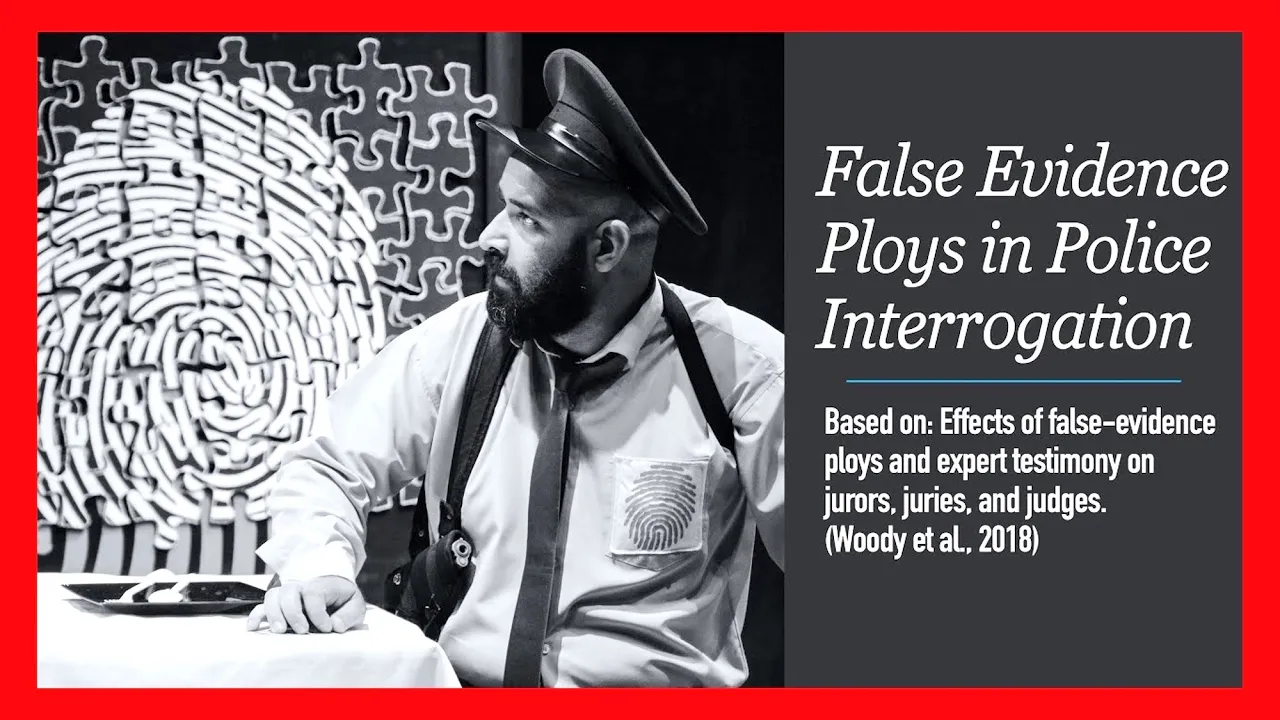





Police interrogations can be highly damaging, particularly for innocent individuals, due to manipulative tactics like the Reid Technique that use psychological pressure, permission phrases, and false evidence claims to extract confessions; research shows false confessions occur in 34% of wrongful convictions involving children and 69% involving those with mental illness or intellectual disabilities, yet only 30 states require full interrogation recording, leaving significant gaps in accountability and justice.
Police Interrogation Tactics: False Confessions & Legal Reform
Added:The constitutional protections against self-incrimination and the right to counsel, specifically the Fifth and Sixth Amendments and Miranda v. Arizona.
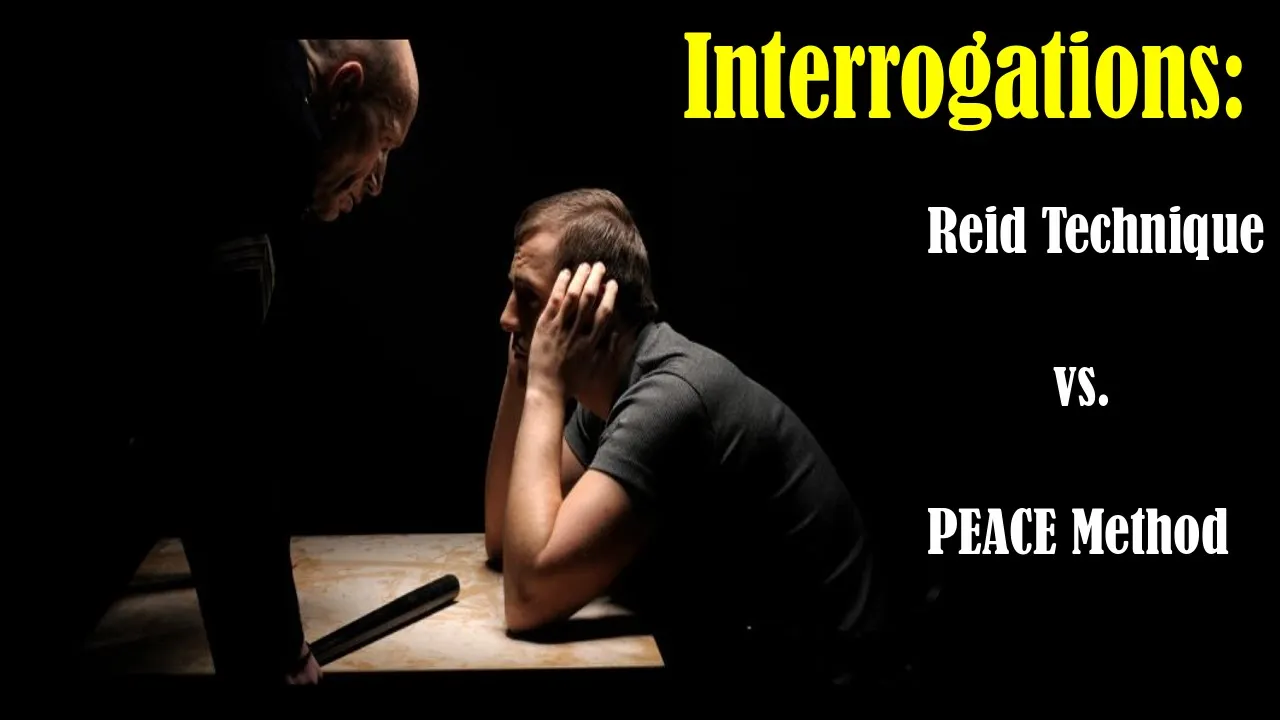
The fundamental structure of the Reid Technique, the traditional multi-step interrogation method used widely by US law enforcement.
Basic psychological concepts of compliance, suggestibility, and cognitive dissonance under conditions of high stress and sleep deprivation.
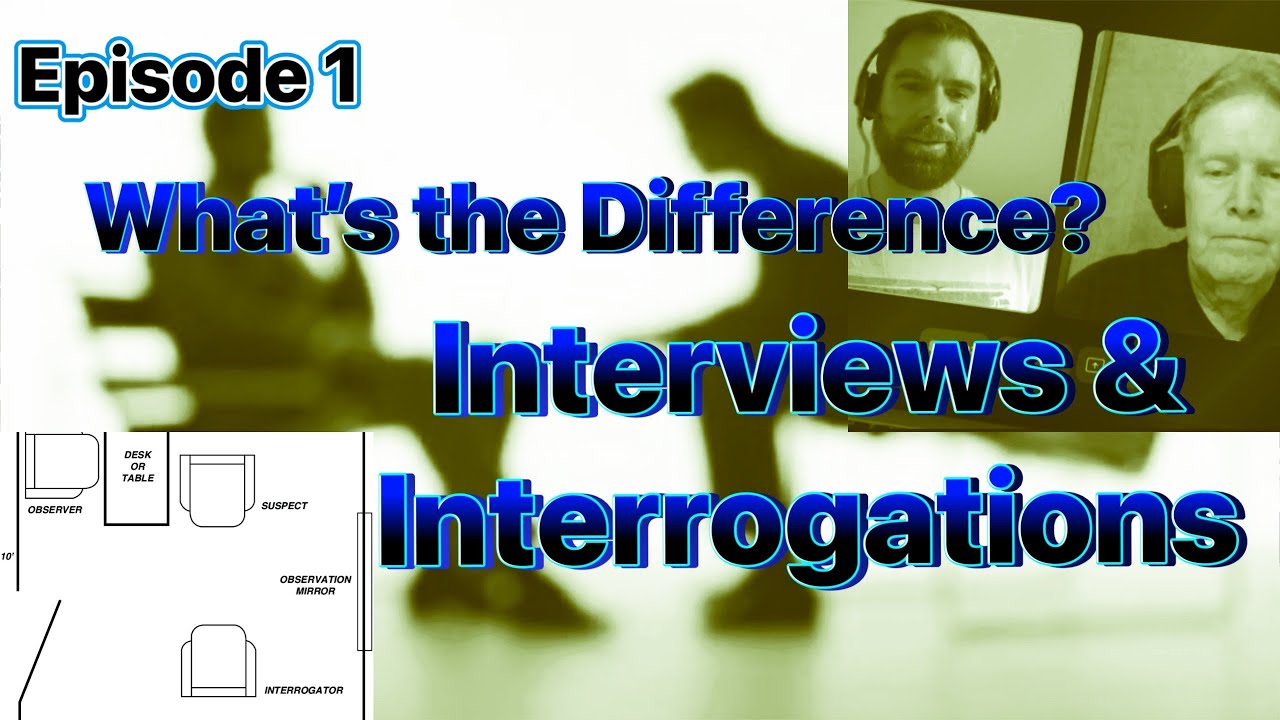
The distinction between an investigatory interview and an accusatory interrogation in criminal justice procedures.
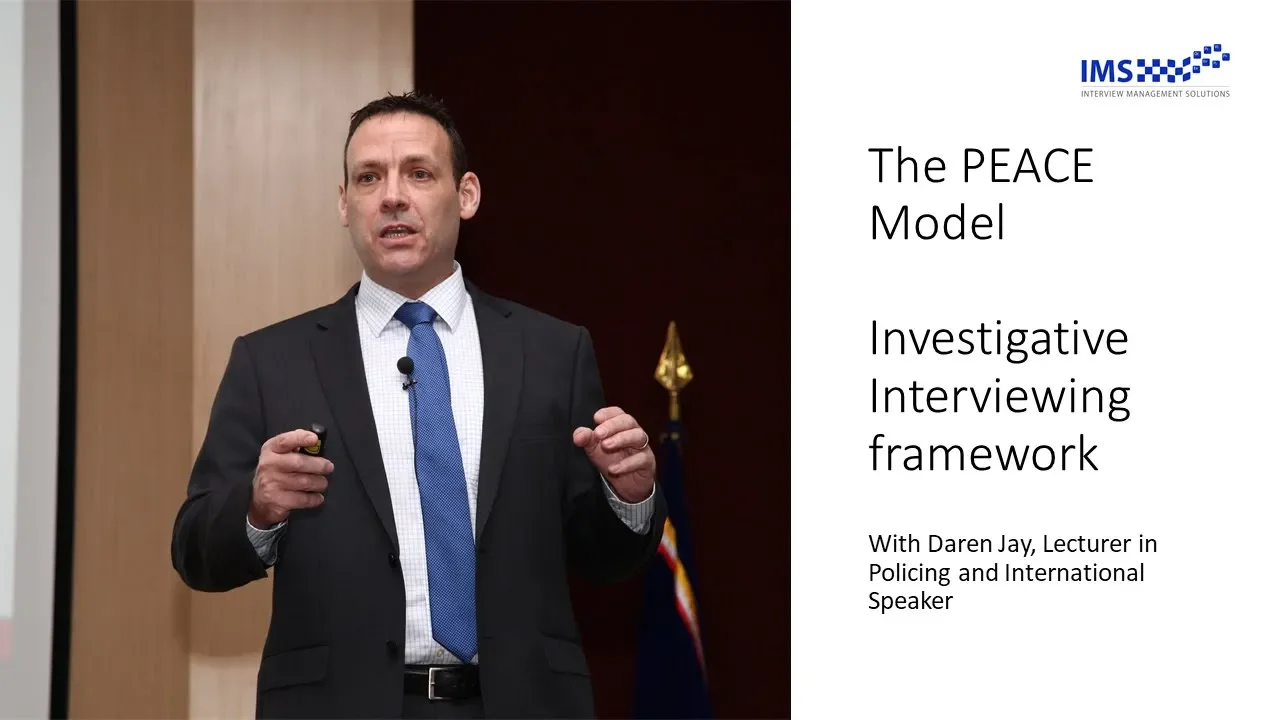
Alternative, non-confrontational investigative interviewing methodologies, such as the cognitive-based PEACE model used in the UK and Norway.
The legal standards for the admissibility of confession evidence in court, including voluntariness and reliability assessments.
The role of psychological expert witness testimony regarding false confessions and its impact on jury decision-making.
Policy analysis of legislative reforms, such as mandatory electronic recording of entire interrogations and prohibitions on police deception of juveniles.
7M views138Klikes24:42Original Release: 2022-04-18
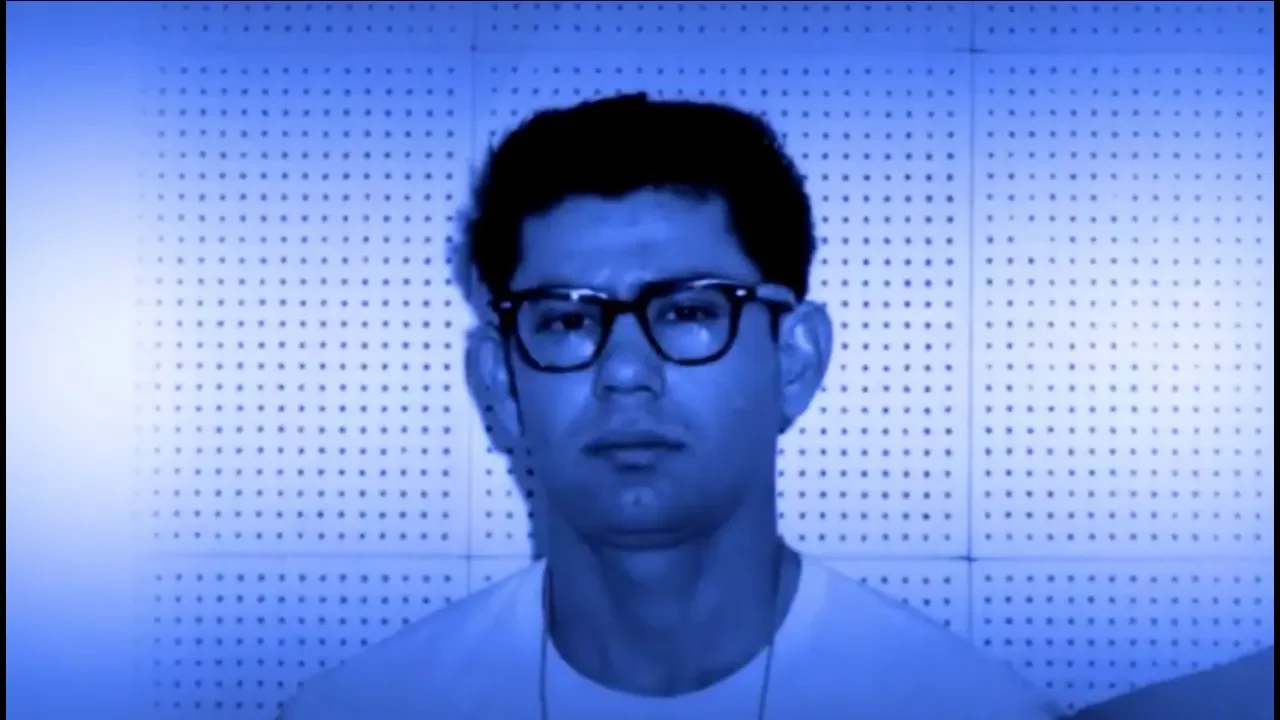
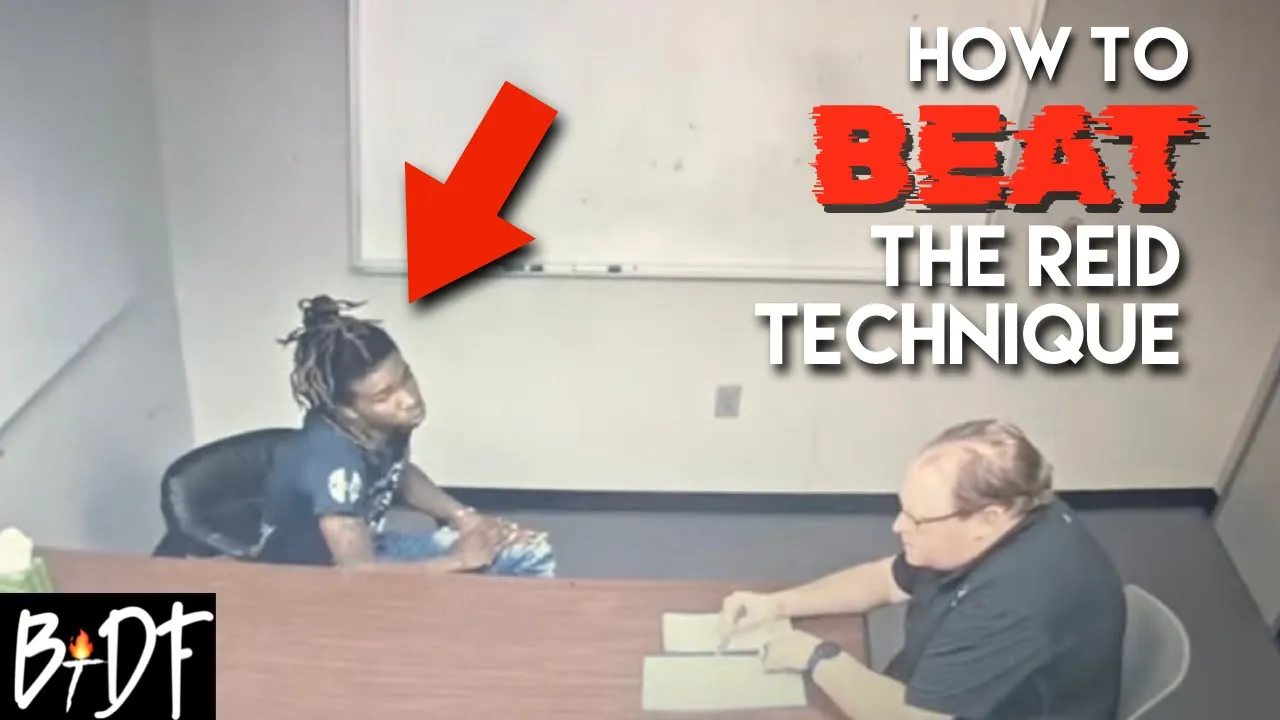
[Music] moving on our main story tonight concerns police interrogations you're probably familiar with them as they're a staple of countless tv shows including ones you might not expect did you kill your father with this axe no i didn't lie to me again and i'll arrest you for murder capisce honey i'd like a mineral water no ice and i'd like your balls in a blender but ain't like a [Music] holy pinkie pie's about to that dragon up i was not expecting a clip from my little pony to look like a deleted scene from training day but you can see why interrogation scenes are so popular on tv they're inherently dramatic and can result in a confession moving the story along but it's not just audiences who find them compelling juries do too confessions are viewed as the gold standard when it comes to an indicator of guilt as they can apparently be more persuasive than even dna evidence just listen to all these jurors in high profile trials explain the key evidence that convinced them to convict we just felt that no one would confess three times if they didn't do it he could have continued to deny it if you did not hurt that baby i mean you would go to your grave saying no i didn't it was very hard to imagine why anybody would make up something that not only incriminates them but have is full of details that sound like they actually happened yeah confessions are wildly persuasive because we think that they're one of those things that only guilty people do you know like a posting a notes app apology or refusing to answer any of ronan farrow's questions but here is the thing in all those jurors cases the confession later turned out to be false that last juror was from the case of the central park five was the now known the exonerated five in fact of all the convictions that have been overturned through dna testing 29 involved false confessions and you may find that hard to believe because it can be very hard to comprehend how someone could confess to something they didn't do just watch lester holt struggle to get his head around it while talking to a journalist who covered a false confession case the more i investigated it the more i came to believe that he might be telling me the truth there is not a shred of forensic or physical evidence but he confessed yeah like most people you can't possibly fathom admitting you did something that you didn't do nobody does that nobody would think they're capable of doing it but the truth is a skilled interrogator could probably get uri to admit we kidnapped the lindbergh baby exactly honestly a skilled interrogator could probably even get me to admit that i am the lindbergh baby it does kind of make sense considering that this body type is a physique best described as 92 year old dead baby the truth is there are a number of reasons an innocent person might confess to something they didn't do and a lot of that comes down to what happens in a police interrogation room so tonight let's talk about police interrogations what tactics they use and how damaging they can be particularly for the innocent and let's start with some history here because it used to be police could basically torture people to get confessions a practice that came to be known as using the third degree but in 1936 the supreme court declared physical coercion unconstitutional meaning that police departments had to adopt new techniques and it says something that their early attempts to do this feature some pretty basic instructions like in this film from the texas department of public safety look the suspect in the eyes to observe eye movements and physical changes that might indicate deception if you can't look him in the eyes watch an imaginary x on the forehead or knows it's the same effect once deception is detected you know you're on the right track okay hold on was drawing the x really necessary there were they genuinely worried their officers wouldn't know how to look at a forehead without visual representation because if they cannot spot a forehead i'd argue maybe they should not be trusted to spot a criminal but eventually one particular approach became the standard the read technique named after one of its creators john e reed a former chicago police officer turned polygraph expert he formed a training firm that now claims to have trained hundreds of thousands of investigators and has influenced nearly every aspect of modern police interrogations the read techniques become one of those things that just culturally comes with being a cop you know like they're fondest for donuts or their complicity in the perpetuation of state-sponsored violence and when it comes to questioning suspects there are two major phases to the read technique the interview where you determine whether someone is a suspect and the interrogation where you try to get them to confess now in the interview stage the goal is to gauge how truthful the answers you're getting are the approach is similar to a lie detector test you essentially start with some basic questions to set a baseline then move to so-called behavior provoking questions when you analyze the suspect's verbal and crucially non-verbal behavior this retraining film for instance explains how barrier postures like crossing your arms are a sign that you're lying the next two illustrations we're going to see each subject moves into a barrier posture after they were asked the critical question why do you think bob said he saw you selling marijuana hey come on how should i know i mean who who knows why people say things i sure don't mark have you ever thought about sexually touching a child no not seriously now hold on first let's acknowledge those are clearly community theater actors trying their hardest to convey guilt and we should give the first actress her flowers because she showed up to that non-union gig ready to work as for this guy he's doing a pretty spot on kevin spacey impression there between the facial resemblance the haircut and the unconvincing denials of sexual attraction to children he's really nailing it and i know that that looks dated but it's still very much in use that video is available for purchase right now on reed's website it was 100 and it was not remotely worth it but there is a big issue with relying on that sort of behavioral analysis because while reid claims that investigators trained in their technique have shown an average accuracy of 83 in identifying deceptive subjects the truth is much less impressive as this retired homicide investigator explains the read people admit that it's not based on any science whatsoever just based on their own observations the real science says it's baloney it doesn't work um and it when they've done experiments with it they pretty much show that the accuracy is like flipping a coin it's 50 50.
right it's basically chance it's got around the same accuracy as a buzzfeed quiz answer 17 questions about peter and we'll tell you which gilmore girl you are wait i'm a rory the are you talking about buzzfeed i'm a lorelei all day i talk fast i carry the weight of the world on my shoulders and god do i look good in a pea coat and i have to tell you reed and associates will insist that their interview technique is part of an overall approach that works if you just follow all of the instructions in their 400th page manual to the letter but this thing is so full of caveats and outright contradictions you can find support in it for nearly any conclusion that you want to reach for instance when it comes to eye contact it advises that when a person is being less than honest he may not maintain direct eye contact but also others may over compensate by staring meaning if you have eyes you're basically and i'm not saying that reed is the only problem here there's now a whole industry of consultants who supposedly train cops to spot liars but it's all years of research has demonstrated that behavioral cues like eye blinking and arm crossing are simply not reliable indicators of deception which does make sense people move their bodies in all sorts of ways whether they are telling the truth or not in fact the only truly honest body movement that humans are capable of is when someone accidentally walks through a spider web that's it then and only then are your gestures completely truthful and void of presence of so thanks to this junk science police can essentially assure themselves of their own certainties and if they have decided you are guilty you're in big trouble because that is when the interrogation begins and while they'll say that they are looking for the truth read trains officers to steer the conversation away from anything that's not a confession many guilty people introduce their denials with permission phrases such as can i say one thing would you just listen to me but sir if i could only explain when the interrogator hears those phrases it's important to interject yourself and stop the person from continuing because if you let him talk he'll say the words i didn't do it and the more often a person says they didn't do it the more difficult it becomes for us to get a confession oh yes the telltale signs of guilt would you please listen to me can i explain and i'm telling you i didn't do it and if an investigator is trying to get you to confess they can grind you down interrogations can last from a couple of hours to double digits one study of false confessions found that they came after an average of 16.3 hours of questioning which can be utterly exhausting innocent people can wind up confessing just to escape the stress of that situation that was the case with robert davis who at just 18 was suspected of double murder and interrogated for over five hours what can i say that i did to get me out of this people like go home huh when will i go home today like a whole town i can't promise you look when you work with me i'm do everything i can to make sure your mom and we can get you maybe get you home robert i'm gonna come straight out and tell you what i was what what i'm getting all right since you're not gonna tell me you stabbed that woman you stabbed her didn't you one or two times what do you think about me telling you this is going to be yeah he lied about stabbing someone then immediately admitted that he lied but by that point it was too late he actually went to prison for 13 years before being exonerated the notion that people crack under pressure and falsely confess really shouldn't be that hard to understand it's a concept that even children's cartoons get because remember that my little pony scene from earlier this is how it continued no no no no what do you want to hear tell me what you want me to see and i'll see it tell me what you want me to say and i'll say it i kidnap the lindbergh baby is that what you want to hear your pink psycho and the thing is people might assume that even if they falsely confess they can later recant and the real evidence will prevail and clear them but that's actually very unlikely because as soon as the police get a confession thorough investigations tend to stop and at this point i'm going to answer the question that you may have had for a while now why don't people just invoke their constitutional right to an attorney well the truth is approximately 80 percent waive their miranda rights and willingly submit to a police interrogation for a number of understandable reasons sometimes people think i don't need a lawyer i didn't do anything or they believe they're only being brought in as a witness and not a suspect but not having a lawyer makes you incredibly vulnerable because for one thing a lawyer might clue you into an absolutely insane power that police in america have been given by the supreme court in the united states a detective can legally lie about the evidence to a suspect it is lawful for detectives to turn to a suspect and say you say you didn't do this but we've got your fingerprints on the murder weapon or we have a victim who had hair in her grasp and we tested the hair it's yours or the shoe prints we found at the scene are yours or that polygraph you wanted to take you failed it it's true the police in this country can flat out lie to you to make you think you have no choice but to confess and some of the lies they tell are simply ridiculous an investigator in florida told the suspect they had a laser the kind that you shoot on star wars and with it they can actually lift fingerprints off bodies a technology that to be clear does not exist although having said that i'm now pretty sure that we're just one bad pitch meeting away from the star wars laser getting its own 10 episode series on disney plus the laser will be voiced by oscar isaac and we'll all come now allowing the police to lie to suspects is crazy most countries do not allow it and for good reason it is far too powerful a tool remember robert davis it might still be hard for you to imagine why he confessed to doing something that he didn't do but look at what the interrogator was claiming in that room i can't even have to ask dust is made of most of some human dead skin that can be picked up that's dna i'm not going to keep you from the worst robert if you don't talk to me i can't keep you from the word ronnie you were you were there that evidence shows you were there that shows i can't lie about the evidence i can't lie about the evidence he lied as he lied about the evidence and did it gesturing with all the theatrical nuance of a high schooler auditioning for a few good men the overwhelming pressure of a police interrogation coupled with their ability to invent evidence can actually make people question their own memories that happened with christopher tapp who served 20 years in prison for a murder he did not commit and was heavily manipulated during his interrogation i wasn't there wait i think you sounded to me like i was there the police told me a few times if there was something that horrific you would definitely hide it and it'd go in your subconscious it's just like me some of the little stuff that we see out on the streets my mind shuts down on me because i don't want to remember i started second guessing myself during all this i started to not believe in myself or who i was i don't know because right now everything i've been saying what i think is right in my head has been wrong that is terrible and it is more than a little infuriating how that investigator convinces him of doubting his own memory by making it seem like it happens all the time you half expect him to say you know how you can't remember if it was the berenstein bears or berenstain bears or if shaq was in a movie called shazam or maybe it was simbad and the movie was actually called kazam that's what your brain's doing right now but with murder brains are weird huh all these tactics are incredibly manipulative and they work especially well on certain people research shows false confessions were a factor in 34 of cases in which children were wrongly convicted and a stunning 69 of cases in which people with mental illness or intellectual disabilities were later exonerated and look there are some limits on what police can do some judges won't allow a confession if the police promised you leniency in exchange for it but many cops walk right up to that line by suggesting a confession might reduce prison time or spare you the death penalty you just saw that happen with robert davis when that officer told him he could keep him from the worse also police are told not to feed you information about the crime that is not publicly available as it's obviously damning for a jury to hear that you knew details only the guilty party would know but that happens all the time too one study of dna exonerations found that 94 of false confessions were contaminated by allegedly inside information and the thing is even if police engage in these tactics crucially the jury may only see the confession not the interrogation that led up to it only 30 states require the recording of interrogations at all and in the rest it's up to the police who might only record the confession that's it and you just cannot get the full story from seeing one short clip imagine if the only clip that you'd ever seen in the show one tree hill was to the this dr passport [Applause] nurse henderson [Music] do you want to know what one tree hill is about it's about a high school basketball team you'd have no way of knowing that from that clip all you would know is that it contained the most perfect 20 seconds of television that has ever existed the problem with police interrogations right now is the same problem that we have with policing at large they're emboldened to act however they'd like in a system where they hold an undue amount of power with very few protections for civilians especially the most vulnerable because there can be little to no consequences for extracting a false confession just listen to this man who was a 19 year old former special education student at the time of his arrest for raping and murdering a woman after being interrogated over the course of four days including fun fact two polygraphs conducted by reading associates he confessed under pressure and spent nearly 20 years in prison until finally being exonerated by dna all the officers that worked in my case as well as state's attorneys they've all retired with pension full pension there was no repercussion no retribution no criminal charges nothing they actually exceeded in their job they retired as captains majors lieutenants the headstays attorney michael waller retired and they gave him a plaque for a good job that is maddening that state attorney certainly doesn't deserve a good job plaque unless it came with another drop-down plaque that read at up innocent people's lives you monumental and what i've spent tonight showing you people who were exonerated there are still many incarcerated people fighting convictions that have every hallmark of a false confession like brendan dassey from making a murderer who was 16 when he confessed to a murder that he could not describe and melissa lucio whose incredibly manipulative interrogation we featured in our wrongful convictions piece and it was set to be executed in just 10 days so what can we do well we should absolutely require all interrogations to be recorded in their entirety so juries have the full context of what happened in that room we should also make it illegal for police to lie to suspects because it is madness that they are currently allowed to do that and there's actually a growing movement for some reform here these three states have now banned police from lying to juvenile suspects and new york has introduced legislation that would ban lying to all suspects and require courts to evaluate the reliability of confession evidence before allowing it to be used and that should be adopted absolutely everywhere and if you think you will hold on john how will investigators get guilty people to confess if they can't intimidate or lie to them well not to be a total but their job is literally to investigate so maybe they could try doing some of that also you can productively interrogate someone without lying to them the uk now uses something called the peace method where they ask open-ended questions and let the suspect give their own account and i am not saying that that system is perfect it clearly isn't among other things they still haven't gotten the queen to confess to killing diana on camera but it's at least a start and in the meantime there's actually a lot of cultural conditioning regarding police interrogations that we need to start undoing because think about it how many dramas have you seen on tv where roughing up the bad guy led to solving the crime how many shows have there been where the bad guy seemed guilty and the officer's gut feeling was confirmed by the end of the episode our misconceptions about police interrogations have been hammered in by crime dramas and they've been hammered in deep and perhaps one small way to help undo that damage is for shows to present a slightly more accurate picture of what can really happen in that room this fall meet two tough cops expert interrogators knock knock who won't take no for an answer you son of a you're guilty you dirty rat bastard what are you talking about you know what we're talking about the murder in the alley i didn't do no no no no i can't hear that we cannot hear you say that they're highly trained you're lying no i'm not oh you looked away that is lying now you're staring that's lying too more lies and incredibly skilled what are you doing making eye contact no you're not yes i am are you looking at my forehead no and they'll say anything to get what they need have you seen rogue one the star wars movie that star wars film i think i saw it once yeah you're probably familiar with lightsabers probably less familiar with the fact that we have them and they have the ability to pull dna from a dead body with a single i cannot lie about this it's true he can't lie about the wrong and i mean anything you ever get to work and not remember any of your commute maybe it was like that it was murder is this dress black and blue or gold and white you've got two choices confess to one count of murder two or two counts of murder one you gotta help us help you help us help you help us convict you murderer says what what well that counts that counts oh no are you allergic to your own victim did you spoil a dead body on me did you just blow it dead body on me yes yeah i got evidence coming out of every hole of my body those can't be aliens those can't be the only choice guys it's been 15 and a half hours i can't take much more of this well you know if you help me out a little bit maybe i can make sure that you get to sleep in your own bed tonight fine i did it yes ace in the hole baby sorry about the delay fellas here's your perp we don't need any more suspects the one you brought us yesterday just confessed but this was the guy you're supposed to interrogate yesterday who the hell is this i just came in here to charge my phone [Music] [Laughter] oh you're still going to jail put them in the cups [Laughter] hey don't forget your phone [Applause] i'm gonna fist the confestigators hey it ain't ruining my life you
Up Next

65:23
How Police Interrogation Works: Science, Coercion, and False Confessions
@stuffyoushouldknow
4K views•2023-03-14

4:27
US Secondary Sanctions Impact on EU Businesses and Blocking Legislation
@Bureauvandijk
1.6K views•2019-03-20
5:27
Forensic Phonetics: Speaker Identification in Legal Cases
@nptel-nociitm9240
539 views•2025-03-19

2:24
Trademark Law: Commercial Use of Landmarks and Legal Boundaries
@TomScottGo
6.7M views•2015-11-02
Related Study Plans & Knowledge Roadmaps
Structured learning paths in Law
law
Self-Defense Law: Imminence & Castle Doctrine
01Foundations of Self-Defense Law
02Imminent Threat & Reasonable Belief
03The Principle of Proportionality
+ 3 more learning modules
12h6 modules
Explore Roadmap
law
Defamation Law: First Amendment & Actual Malice
01Introduction to civil torts and the First Amendment
02Elements of Defamation: Libel and Slander
03Public Figures vs. Private Individuals
+ 2 more learning modules
8h5 modules
Explore Roadmap
law
Hearsay Rule: Trial Evidence & Exceptions
01Introduction to Trial Evidence & Courtroom Basics
02Demystifying Hearsay: The Core Definition
03Non-Hearsay: Exclusions Under FRE 801(d)
+ 3 more learning modules
14h6 modules
Explore Roadmap
law
Medical Malpractice: Law, Liability & Care
01Foundations of Tort Law and Civil Liability
02The Four Elements of Medical Malpractice
03Defining and Proving the Standard of Care
+ 2 more learning modules
12h5 modules
Explore Roadmap