
















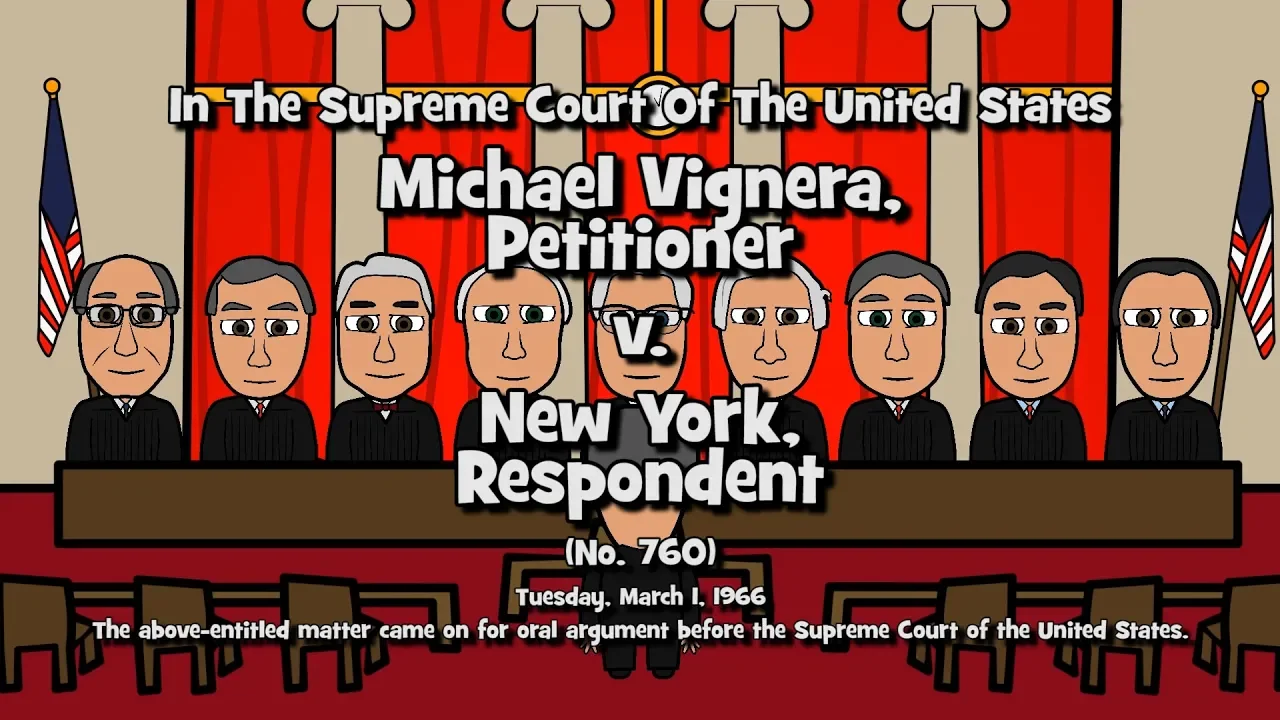








Police interrogation relies on psychological manipulation techniques, such as the Reid Technique's nine-step method, which creates feedback loops of stress and pressure to elicit confessions; however, these methods can produce false confessions, particularly among vulnerable populations like the mentally ill, economically disadvantaged, or young individuals, as demonstrated by cases where innocent people confessed due to coercive tactics despite having no actual involvement in crimes.
How Police Interrogation Works: Science, Coercion, and False Confessions
Added:Basic principles of the Fifth Amendment, including the right against self-incrimination and the origin of Miranda rights.
Fundamentals of social psychology, particularly obedience to authority, conformity, and how individuals respond to high-stress social pressure.
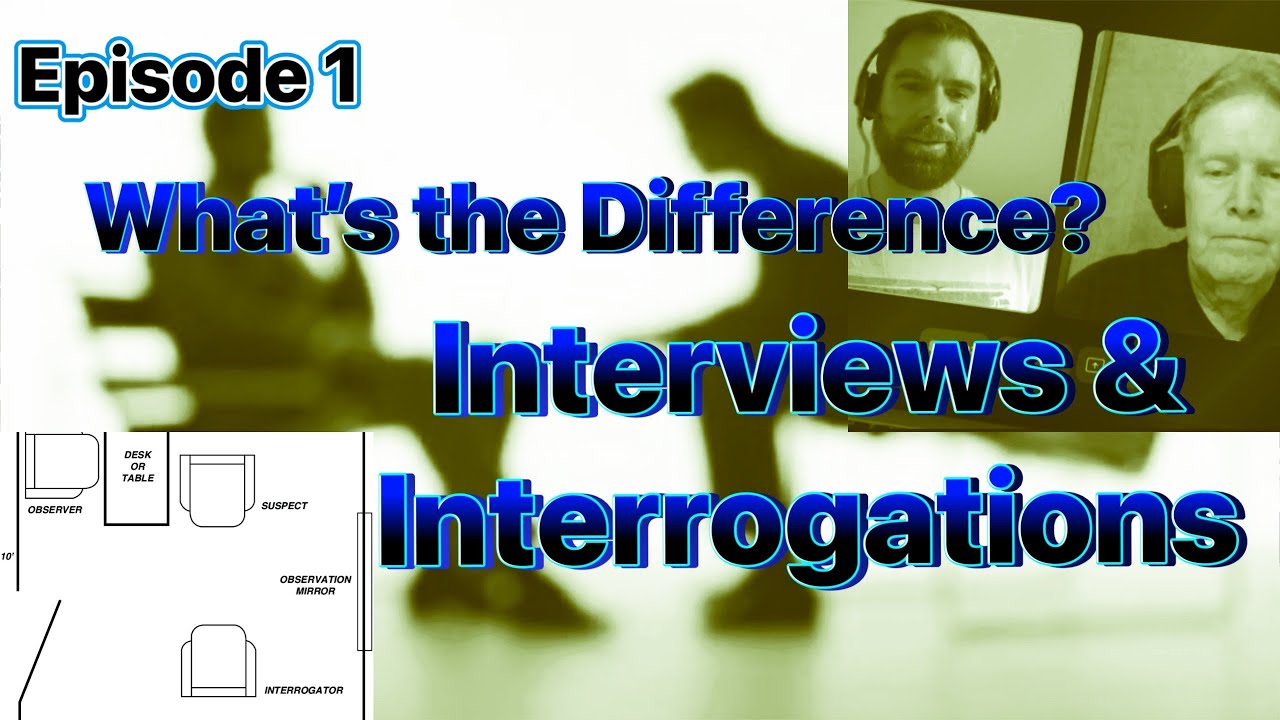
The procedural distinction in criminal justice between an investigative interview (non-accusatory) and an interrogation (accusatory).
Basic cognitive psychology concepts regarding memory malleability, suggestibility, and the impact of sleep deprivation on decision-making.
Comparative analysis of alternative, non-coercive interrogation frameworks, such as the PEACE model used in the UK and Europe.
The legal standards for the admissibility of confession evidence in court, including the 'voluntariness' test and the role of expert psychological testimony.
Policy reforms in criminal justice, such as mandatory electronic recording of interrogations and specialized protections for vulnerable populations like juveniles.
In-depth case studies of documented false confessions and wrongful convictions, utilizing resources like the National Registry of Exonerations.
4K views63likes1:05:23Original Release: 2023-03-14
hey everybody it's Josh uh and for this week's sysk selects I've chosen how police interrogation works from back in 2014 it's a really fascinating look into how the cops get people to admit that they did the worst thing they ever did in their entire life and some people who didn't do anything at all to admit that they did something if you thought that was confusing just wait till you hear this episode but it is pretty mind-blowing so buckle up hope you enjoy and as much as anything I hope it really opens your eyes welcome to stuff you should know a production of iHeartRadio [Music] hey and welcome to the podcast I'm Josh Clark there's Charles W Chuck Bryant uh and Noel I guess producer Noel is over there which makes this stuff you should know Jerry's on the beach good for her yeah and I'm Jelly yeah be nice to be on the beach right now you sure would podcasting on the beach yeah Jerry's a beach person for sure isn't she uh is she okay sure is flip-flops like in the dead of winter yeah that's true the beach person which got nice feet though can I say that I want to get fired for saying that I don't think so okay if you said it like alone in a room or something she didn't feel like she could leave you'd probably get fired for that but yeah saying it on the podcast to everybody it's probably in the clear okay we'll find out I mean she edits these so she'll say thanks Chuckers there you go so Chuck yes have you ever been interrogated by the police no that's good no it's a good way to be I was shaking down on the street once but they didn't ask us any questions stop and frisk yeah in New York in Athens just walk into the car after being out threw us all against the wall fristis then left sure was a real cop yeah they were cops man I was like what's going on I don't even know I still don't know what happened well I guess they were just stopping and frisking it little known fact Athens George is the real home of stop and frisk well five minutes after it happened we didn't care you know yeah these were College days yeah now though you must be burning with a sense of Injustice over the whole thing nah well I ask you if you've ever been interrogated by the police because we're about to talk about police interrogation so it seems appropriate and before we get started I have some side reading that I think might interest some people okay there is a New Yorker article called the interview yeah um there's one called Joe arity was the happiest man on death row it's in Westward uh there's something called Brooklyn's baddest which is in GQ and then lastly looking left or right doesn't indicate you're lying in Smithsonian so all those articles are awesome and they all have something to do with this police interrogation which is it turns out becoming an increasingly controversial subject yeah and I think this probably brings our police Suite to a close or close to it don't you think I I think so every time I know and I didn't even know this existed and then I saw it and it turned out to be one of the more interesting ones I think yeah and it it kind of falls into this law enforcement category into the subcategory of are largely debunked armchair psychological or armchair psychology techniques yes like polygraph yeah we did that fingerprints they did that uh truth serum we did that yeah like there's all these episodes that we've done out there about just law enforcement techniques we're doing them we were like oh wow this is this should not be the way it is yeah and apparently police interrogation's similar yeah it's a bit of a Shakedown so let's talk about this like in in the United States there is um a long and storied history of rather intense interrogation I think you know this this uh comes before the United States too we did a medieval torture episode as well there were plenty of interrogations going on we did the Spanish Inquisition that was pre-united States yeah I would I would uh say that falls under the banner though of our police and crime interrogation yeah right so um the United States though has what carried on the the torch of basically beating suspects up to get confessions yeah this is where the the term the third degree comes from actually like when somebody's like hey why you give me the third degree yeah they may or may not know it but they're you they're speaking about interrogation techniques the cops used to use yeah those third degree techniques a lot of them were involved deprivation uh like or you know the one where they Shine the bright light in your face that's old school yeah that's an old movie Trope yeah but uh you know no access to food and water um long periods of isolation we might Beach up a little bit we might threaten you that's the third degree right and then uh starting in about the 30s the public started to say I don't know if this is such a good idea because I might end up in a police interrogation one day and I don't want to get beat up and then uh the I guess the straw that started to break the camel's back came in 1937 in the case Brown versus Mississippi where Brown said hey uh your Thug cops tied me up to a tree and whipped me more than once not just whip me more than once strung me up in a tree to whip me more than once this happened repeatedly and I don't think that the confession they got should stand the Supreme Court said yeah we agree with you yeah it was he and his two buddies were accused of murdering uh there were tenant Farmers murdering their boss basically and of course they were black guys and the boss was a white guy so they were pretty determined then we'll see over and over a lot of these cases of uh coerced false confessions uh are mainly because someone really wants to tab somebody as the the criminal well yeah for a lot of different reasons there can be a sense of Injustice yeah there can be a genuine conviction that this person is guilty yeah um and then there can be the you know the case clearance um percentage that a cop needs to keep up with there's a lot of reasons why a cop might say you need to confess yeah I think a lot of them too that I've seen documentaries on at least are because of the public like hey man we really need to finger somebody for this yeah because people are scared right and who better than this person who might not be too smart or might but might be kind of poor and can't afford and doesn't you know representation yeah doesn't know what's going on so let's just run them up run them up bring them up sure run them up a flagpole right and see if it sticks to the wall yeah but despite the fact that it is not easy to get someone to confess uh they estimate between 42 and 55 percent of suspects do confess and that's the one thing you don't want to do and up to 55 still do it yeah so we should say supposedly up to um 80 80 of suspects in in the United States waive their right to silence and counsel yeah that's just way that's just agreeing to be interrogated right not necessarily confessing you're right yeah so but you can get around the whole idea of a false confession or of being coerced and into confessing or whatever just by remaining Silent not being like part of that 80 percent demand your lawyer I mean we're going to give you some tips um not how to get away with a crime right put some tips on if you if you are rounded up and put in a room there are some things you can do right this is a public service announcement with guitar uh by the 1950s the uh confessions that were involuntary um they consider it involuntary not just if you were beaten and threatened but if you were uh all the deprivation third degree techniques were no longer allowed like even if you couldn't use the bathroom or if you've been promised something in return for confessing sure we'll go easy on you buddy or if you'd even just been threatened that counts as coercion too yeah and so in about the 50s um the United States said hey this kind of Kinder gentler interrogation technique thing is is starting to work out let's put a bow on the whole thing and say that for a confession to be admissible the the uh the Confessor has to sign it yeah and say yeah I didn't I didn't do anything under coercion this is my own full free confession and here's my signature and um which helped but certainly didn't stop false confessions right yeah so the thing is is law enforcement replaced the physical coercion with what amounts to plainly is psychological manipulation and it's predicated on the idea that you when you are saying you didn't do something and you're guilty yeah you are going to become stressed out and the the that stress is derived from anxiety over knowing you're guilty and having to lie because when you're being interrogated and you're denying that you're guilty the cops don't just say oh okay well thanks for coming by sure if they think you're guilty or they or they want to think you're guilty they're going to keep pressing you like interrogations aren't necessarily brief things right so the more they press you the more stressed you should get and the more stressed you get under this idea of um interrogation technique the obvi the more obvious it is that you're guilty which means the more they press so this feedback loop starts right yeah I mean they're basically relying on a few basic human uh things inherent to humans Tendencies inherent to humans um one is you're gonna probably open up more to someone who's like you uh two if you start talking it's gonna be hard to stop and three if you're if you're telling the truth it's going to be harder to lie right so they kind of prey on that with some age-old techniques like the good cop bad cop right you you uh if you feel like you're being persecuted but then you're also being rescued by somebody else you're going to identify with your rescuer trust them That's a classic move and here's the thing like a lot of this stuff like the good cop part um is predicated on this complete and utter deception that that cop understands where you're coming from sure and sympathizes with you yeah the cop does not sympathize with you that cop May understand where you come from but he or she probably despises that yeah and they are not your friend yeah but the whole one of the whole points of um of interrogation is for the cop to pretend like they're they're right there with you they understand where you're coming from they feel for you yeah this is just you're jammed up and I want to help you get out of it oh yeah you see I mean if if all this sounds super familiar from every TV show or movie you've ever seen is because they it's been written so much that it's almost like they don't need to do their own like writers don't even need to do their own research into how this is done right yeah because it's just how it is in the movies yeah it is in the movies is how it is in real life right yeah when I was reading this I was like oh yeah I've seen that before yeah I've seen that technique before like it made me actually researching this article made me appreciate that there are some TV cop show writers out there who like really do their homework like like the wire sure like ever it was a little more nuanced like Law and Order um what is it uh I don't watch those the one with Vincent D'Onofrio I don't know oh I can't remember what it's called Criminal Minds something like that it's not it um like it's a little more overt right but it's all the all the factors are there yeah another one of the tried and true techniques is uh maximization that's when they try to scare you um if you've ever heard like oh you're you're pretty Josh they're gonna love you in prison I hear that almost every day that is a classic maximization uh or just you know they're going to throw the book at you for what you've done you're unless you you know start playing along right you're gonna get the max penalty exactly um they may also go the exact opposite route which is minimization which is to create the idea that Society will will commiserate with you right because anybody in your position would have done the same thing right you know like that that little old lady was asking for her purse to be taken you know in this day and age in this economy yeah that kind of thing um polygraph was used for a while and they still use that but most times um if you listen to our show on polygraphs they're not admissible in court so uh a man named John Reed he was a polygraph analyst said you know what there's a lot of things that happen during a polygraph exam that we can use Without The Machine just to root out the truth or lies yeah basically John Reed said hey I've noticed through all of my experience all of these things that a person who is guilty or who confesses at least goes through yeah and here are some ways to like really make this more efficient to make them react more strongly to get them to confess faster more forcefully and he came up with order called the read technique nine steps of the read technique registered trademark of Johnny Reed and Associates yeah really Johnny Reed and Associates is like this business that's still very much around yeah I don't know if I need to say that but it is there yeah technique yeah and they train the CIA the FBI the local law enforcement they're like the in the United States the read technique is the gold standard for police interrogation the problem is it is also being increasingly proven to be based on basically armchair psychology and not science yeah it's it's going through the same thing right now that like a lot of the forensic Sciences are going through there's like based on intuition that doesn't really hold up to scrutiny yeah and I should say the the read technique has not been across the board debunked right and it makes sense in a lot of ways but there are studies out there that have said like this doesn't really this doesn't really hold up yeah he defends it uh he says it's a very sound technique but false confession comes from improper use in bad police work yeah and it's not it's not necessarily like the the read people are treated like they're you know they're out to get anybody and everybody the read technique is criticized because the whole Foundation that it's built on is the presumption of guilt yeah and uh it has been shown to prove or produce false um confessions that's right [Music] all right if you sit down in a uh uh in a room to get interrogated by the cops one thing that they're probably going to start doing is lying to you yeah and saying we have evidence that they may not have we have witnesses that put you at the scene that don't exist basically with a few exceptions cops can lie and say whatever they want in there and that is going to make someone nervous even though you were you know surgical gloves when you broke into that house if they say your fingers are all over the place you're gonna start second guessing yourself and get nervous yeah and even if like you weren't in that house ever and you know that you weren't in that house you're going to start to wonder if maybe you suffer from blackouts and do horrible things like this cop is saying wow you're blacked out um and yeah the courts have upheld the cops right to deceive uh and I wrote about a study that found that 92 percent of 630 detectives in the U.S and Canada that were pulled say they use false evidence ploys yeah where they're saying how many uh 92 percent yeah I'm surprised it's not 100. yeah you would guess I mean maybe the other eight percent were just like they didn't even look at what they were saying you know but yeah it they you can and they do say we have your fingerprints we have a witness yeah we have DNA they can completely lie about what they have yeah and that they have it on you to get you to confess that's right so this is absolutely best and sign it it doesn't matter you can't say well that cop said he had evidence doesn't matter and the whole legal basis for this idea for the cops being letting the cops deceive is this uh long-standing notion that no innocent person yeah whatever sign a confession even if they were lied to about physical evidence of their guilt being at the scene of the crime because they're they know they're not guilty the problem is is that long-standing idea is is coming under more and more scrutiny is being found to be not the case like people it's been shown people will when lied to in situations like that they will confess to things that they did not do I know it seems crazy for people like you and me um because I know I would never do that but you know I'm not mentally challenged or I'm not poor and I haven't you know there's a lot of reasons why someone might falsely confess yeah and I think though also it's not just necessarily like going at how you are going into it like yes the a lot of the like mentally ill people um make up a a decent amount of um false confessions yeah same with um mentally handicapped cognitively impaired people oh yeah um the people of low socioeconomic status there are a lot of people a lot of factors that set you up to be more likely to have a false or give a false confession not knowing your rights but if you took if we took you yeah and ran you through a long enough um interrogation yeah with people who knew what they were doing yeah the who knows what you would sign that'd be all right we'll see but because I understand this all I know my rights I have a very strong mind well you would probably say I want a lawyer well yeah I just end it all yeah and then I'd be like hmm I don't know any lawyers do you know a lawyer I have an entertainment attorney does that count um they know lawyers yeah exactly this is the whole network so um once they bring you in the room the room itself uh and this is all from uh Reed's manual he wrote a manual 1962 with a Northwestern law professor named Fred inbau uh called criminal interrogation and confessions I imagine every writer in Hollywood has a copy of that on their shelf um but the room that you see on TV that's what they're they suggest you know nothing on the walls a very plain desk a very uncomfortable chair on one side two chairs on the other for the detectives um that one-way mirror that's gonna serve a purpose of letting people spy on you and just to make you nervous even if there's no one on the other side and um put you out of reach from this one I didn't really uh I had never really noticed but out of reads from just light switches and uh maybe the the AC uh what do you call those thermostat thermostat yeah just to make you feel powerless it's all a mind game to make you feel helpless okay so far seems pretty intuitive pretty logical sure like if you can't flip the lights on and off it's not something I would think that I would want to do right then but maybe knowing seeing that it was that far away yeah would just give me this reinforce the idea that like I couldn't even if I wanted to because it's all the way over there that's probably a smaller detective in between me and that yeah exactly but it makes sense but I point that out because that's that's the read technique right stuff like that sure keep the light switches away from the criminal because it'll make him feel helpless right does it sounds a little hinky but it it makes sense in a way sure that is the read technique encapsulated so let's continue Chuck so that was that's just the room yeah yeah that they suggest there there if you follow the read technique to a T and this is one of the saving Graces of it um you are supposed to do what's an initial interview right and if you're the detective and you go into an initial interview of an interrogation you are the re-technique tasks you with going in without a presumption of guilt yet yes that's the point of the initial interview is you're supposed to be sizing your guy up yeah and determining for yourself as a seasoned investigator right whether you think initially they're guilty or innocent I'm sure that happens some yeah there's another study that found that it's often skipped as well um and that's and they just start like hammering right away well yeah you're throwing out the the the the potential for this um this person to be treated as possibly innocent right you're not sizing up you're going in assuming they're guilty so but if you if you do go through that initial interview the other point of it is that you're supposed to be creating a baseline yeah which I think is that showed up in the polygraph one two yeah yeah which isn't surprising because John Reed was a polygraph expert for a while too yeah and you've ingratiated yourself you know in the first few minutes by this point like uh if if you're if you're in Philadelphia and your suspect has on like a Phillies cap you might talk about the game last night right exactly and that that throws back to um the suspect being more likely to trust someone that shares their same views that they feel they can identify with so the detective will do whatever they can to make it seem like oh you're Catholic I'm a Catholic too that kind of thing you know yeah and so once you've got a little bit of Rapport going on is is when you're going to set your Baseline and I thought this was pretty interesting you don't and I'm going to start looking for this on cop shows to see if they don't overtly talk about it if they're just how good they are with their you know uh what they're acting because if they're looking at the eyes um then they're gonna be accurate because that's one of the ways supposedly you can create a baseline you're going to ask some some questions that require memory recall and you're going to ask other questions that require more creativity and you're going to look at where their eyes go supposedly if your eyes move to the right that is just recall because you're I guess looking in the direction of your memory Center of your brain if it's more creative you might look to the left and then you're going to use these later on to see if your suspect is creatively making up a lie they might look to the left yeah or if they're just truthfully recalling something they might look to the right is that bunk yes all right that's very dangerous too because they that is incredibly widespread it's a popular misconception if you ask anybody if you move your eyes a certain way does it indicate you're lying most people are gonna say yes yeah it totally does I can't remember if it's right or left but if you look a certain way it means you're lying yeah so that's a long-standing thing that's based actually on a self-help Philosophy from the 70s oh really there's nothing to do with science and actually Richard Wiseman who we incorrectly said did some research that proved that ghosts exist in our ghost episode yeah that guy he's done some ones to debunk this he did a couple studies and in one of the studies he found um he he used footage of people who were holding press conferences searching for lost relatives but the person pleading for their relatives return was later convicted of like killing or kidnapping their their relatives so they were obviously lying right they were committing a huge lie right in front of the public and he found that they were just as likely to look to the left or the right there was no correlation whatsoever yeah I'm sure there are facial cues of pantomimes if you're Christopher Walken but um it all depends on the person too right yes like you could be really good at lying yeah or really good at throwing people off with facial cues yeah or the idea that your eyes move in a certain direction at all because you're coming up with a lie or because you're remembering something might not it doesn't mean anything necessarily yeah we also did want to micro Expressions this is a culmination of a lot of shows I'm realizing yeah it really is yeah so um that was another one you you've got the Baseline set you're watching the eyes even though you really shouldn't be um but for the most part you're you're seeing what you're uh suspect appears like when they're stressed sure or I'm sorry when they're relaxed oh yeah yeah and the reason you're creating this Baseline of what they act like when they're relaxed is because if you ask them questions and they answer them in appear relaxed then supposedly they're telling the truth again this is predicated on some faulty ideas because here's the problem anxiety is not necessarily linked to lying yeah like yes you may appear anxious if you're lying yeah but that doesn't mean that if you're anxious you're lying right you know what I'm saying yeah I would do that I would do the Chuck Chuck technique would be the the fast thing like I would set him up I'll come and be like hey did you watch the game last night yeah oh cool why'd you kill that old lady yeah you like the Phillies yeah yeah it was a pretty good game huh you think they're Gonna Go Far yeah did you kill your wife and wow boom that was pretty good you almost said yes yeah really and you didn't kill your wife no I mean geez that was thrilling the Chuck technique I I like the Colombo what's that oh well you're just like that's that's great I'm glad you like the Phillies I just want to thank you for coming by that's that it was good to meet you right if we if we need anything can we call you and they're like yeah yeah and they're so relieved that they get to leave and then you oh I'm sorry right one more thing why did you kill your wife is that Colombo did yeah he was a little better at it than I was no that's there's just there's one other thing that's just not making sense to me if you didn't kill your wife why were you found standing over with the knife yeah so that's how Colombo would do catch him off guard right like really get them to let their guard down yeah I like that so you said the Sun away Colombo was uh I was about to say he went on and killed his wife but that was Robert Blake yeah that's Beretta yeah what was his technique I don't know I never watched Beretta check your gun with the maitre d and then uh isn't that what he did no what'd he do I think he left his gun with the Matrix suppose or that's what he said he did like you know I'm here table for two here's my coat and here's my gun yeah will you hang on to that for me will you be my alibi um I think we're at the read technique now right we are so the um the other stuff was from the the book that's based on the read technique yeah uh criminal interrogation and confessions but now we are at the actual read technique the nine point technique yeah that is designed to maximize um discomfort which leads to more frequent confessions yeah and it's actually it's illegal in a lot of uh European countries for children um which which it should be because that's another risk factor going in that can produce false confessions is age of course yeah and we'll get to some of those later those are kind of uh maddening when you read about like a 14 year old that's interrogated without their parents for like a full day yeah but it happens uh so step number one in the read technique is the confrontation uh and this is uh after the initial interview you have you're going to present the facts of the case you're gonna tell them about the evidence um what they're faced with the all the evidence against them even if you're making some of it up you might want to invade their personal space at this time uh if you're Matthew McConaughey uh and then you start looking for things like fidgety uh suspect uh they look in their lips are they like muscle with their hair um and then if you're an investigator you might say all right I've got this guy just where I want him that guy ran his fingers through his hair he's guilty exactly and that's kind of part of the part of the um issue that a lot of critics of the read technique bring up um is that basically if you strip non-verbal stuff out yeah then you got some sound stuff there right right the biggest problem is when you're trying to read non-verbal cues because there's it's not rooted in science right rooted in in armchair psychology and pop science totally so the idea that somebody's fidgeting means they're guilty and they're lying not necessarily they could be fidgeting because any human being would be really uncomfortable when placed in that situation and interrogated by cops who are experts at it right uh so step number two is theme development and you're gonna be a little more soothing here with a softer voice and this is when you come up with some some theories and a story maybe of why they committed this crime yeah like yeah you just couldn't go on any longer knowing your best friend had sex with your wife you just couldn't live with that could you and if the suspect latches on to that in some verbal or non-verbal ways then they'll continue right they don't then they'll just create another theme yeah and the the detective will basically just kind of while they're creating this story for the for the suspect to latch onto they're also actively listening yeah to the suspect to see if the suspect will latch onto it in any way shape or form and if they don't they try another one if they do then they start to kind of beef that one up and that leads to Alternatives which actually comes later yeah but in the meantime one of the main techniques of the Reed technique is stopping denials but I didn't do it Josh listen I'm telling you I was what imagine my finger on Chuck's lips right now that's why you would never do that no you stopped the Niles because it creates a sense of hopelessness yeah like the like don't you feel hopeless with my fingers on your lips so hopeless you have no idea uh it makes you feel hopeless that you don't even have the opportunity to to reason with this cop yeah you can't defend yourself not at all so you have a sense of hopelessness plus the other upside if you're an interrogator is that you're keeping the person from Talking meaning they also can't ask for counsel then I don't see why people don't just do that the first thing over and over say I need a lawyer I need a lawyer I need a lawyer I read this article in I think this stranger aren't they out of Seattle it wasn't a great article it was kind of um it was just kind of misleading like the the author really wanted you to to sympathize with the guy who was guilty and didn't really reveal that he really was pretty guilty toward the end right but it had this this really great explanation for why people don't ask for a lawyer in this article it would seem guilty yes really and I've seen it before but this article really got the point across that this guy was like I mean he he'd done some stuff before like I think like he um he he was he dabbled in drugs and like ran an illegal like poker game and stuff like that sure light malfeasance yeah and and he so enough so that he was like he knew he was technically guilty in the eyes of the law but now for this thing that they wanted him on right um so he was he had that guilt to begin with and then these cops saying like you're gonna really look guilty if you if you asked for a a lawyer yeah that's true that's one and then the other aspect was if you lawyer up we can't help you oh yeah I've seen that one if you talk to us that's the only way we can help you get out of this Jam yeah like we we know we might we would have done the same thing you did yeah but the cops never want to get you out of a jam no that's not what they're trying to do and so what they were saying was like if you clam up this like who knows what's gonna happen to you yeah they were doing all sorts of really effective psychological manipulation and the guy they were talking to was a lot a lawyer's son yeah and this guy who like 40 years old a lawyer's son so he'd known his whole life to ask for a lawyer and even this guy didn't immediately ask for Lori because these cops got him you know I probably wouldn't either actually if I was if I was arrested today after work and obviously completely innocent of anything wouldn't that be mind-blowing if that happened and I was completely innocent I would I would at first that my first instinct would probably be like I need a lawyer I didn't do anything yeah like why why because that expense well I think that's another aspect of the initial um initial consultation yeah that initial discussion where it's like oh it's all friendly we're talking about the Phillies yeah yeah why would you need a lawyer for that right I retract my statement I get it now but you should stick to your original statement no matter what I know like if you have a right to counsel and there's no reason you should not invoke it your your punishment is not going to be worse for asking for a lawyer yeah you should open up you sound like a one of those legal commercials call Josh Clark oh that reminds me we should do and we should mention the ACLU episode that was a pretty good one too yeah man this thing is just so many tangential podcasts so the uh stopping denials that's a big part of the read technique yep and then um there's something that's similar that John Reed noticed it but is a little Nuance there's a difference and that's objections to to read denials were were different than objections and objections were something to be treated differently as a result yeah an objection the example they gave here was like I would never rape somebody because my sister was raped and it destroyed our family yeah of course I wouldn't do something like that right so to a cop that's not a denial a denial is like I didn't do that I didn't do that that that's not me you got the wrong guy those are denials and the cop would try to stop you from completing those sentences that objection you just said is a denial but it's encapsulated with um like a reason yeah yeah a justification something to it do you remember when you used to take multiple choice tests in high school they always said that if you don't know the answer usually the one with the most verbiage the one with the most words is the right one I never heard that it's true it works out it's not going well no wonder we need to get in the way back machine you can go take some more multiple stress tests knowing that now but the the I think that's kind of the same premise for an objection it's like it's not just a denial it's there's more to it and the fact that somebody put that much more thought into it yeah means that there's something to that so a cop will take that and cultivate it and try to turn that around right and they would say we I know you love your sister and you know you you stood by her while she was raped so of course this wouldn't be like a recurring thing this was just a one-time thing that you did and you were out of your head or whatever because you care about your sister so you would never do this all the time or something right exactly and so all of a sudden you're you're kind of like you're giving the suspect like a something to latch on to yeah something for them to to basically uh re-enter Society to an extent because at this moment especially if they're guilty yeah they are totally on the outs with Society sure and the sole representative of society and who's speaking with them right now is the cop that's interrogating them everybody wants to be included yeah and if you don't then you're a sociopath and they're gonna get you anyway yeah they're well yeah but they're gonna have a hard time through interrogation so number five is getting the suspect's attention is I don't know are these the real titles or is this just the Liberties of the author of this article I don't know well we'll call it getting the suspect's attention and uh this is when you pretend to be the Ally of the suspect um because at this point they're probably looking for a way out and that's when you might go hey man I get it if I caught my best friend having sex with my wife I'd kill him too yeah I understand where you're coming from yeah and uh maybe a little pat on the shoulder a little rub on a little rub on the back or maybe a pat on the back yeah and uh just some reassurance like I get to where you're coming from man it could have could happen to any of us right and you're in big trouble at that point yeah and that's probably going on like throughout yeah and the themes run these all overlap quite a bit but if if there's an objection that you've noticed that you're working you've turned around and you're working yeah that objection with an extra layer of compassion and commiseration yeah uh can I guess really kind of start to ensnare the suspect a lot more yeah it's weird because I'm I'm repulsed by a lot of this but I'm also very impressed by like what I've seen on TV what you can tell is someone who's really good at it oh yeah it's you know effective it's like an art form there's um I believe something like 80 or 76 of um suspects who are interrogated in this manner when you take out people who um invoke their Miranda rights yeah uh confess wow like it has an enormous confession right and there's a lot of people who the vast majority the study I saw or the number I saw is 99.6 of those confessions are from guilty people right something like point zero four percent are false confessions the problem is there's still such thing as false confessions there's no safeguards it's just it just so happens that like the false confessions are in that small of an amount yeah and that percentage isn't high but if you think about how many people are interrogated that's like several hundred per year in the U.S yeah up to several hundred per year right that's a lot of people investing falsely yeah and it's not like that that those people just it gets found out at trial or somewhere down the road that they're innocent yeah like those people may spend the rest of their lives in jail at the worst case they may be executed which has probably happened in the history of the U.S although it hasn't been um irrefutably proven yet yeah and you can listen to how the Innocence Project works from uh June 2010 we interviewed Paula Zahn oh yeah that's right I wish I'd known a lot more about the Innocence Project back when we did that episode yeah like I I kind of got it and understood it but just over the last few years um I've kind of I understand it even more yeah I wish I would have known better than it's still a good episode we talked to Paula Zahn she's a real Pro yeah um sister no it's not is it no okay that's how rumors get made well I just liked her like 50 more after you said that oh yeah yeah I love Steve's on yeah he's great um all right and back to the read technique at this point uh number six the sub the suspect might lose resolve and uh this seemed really obvious to me if the suspect is has his shoulders hunched or is got his head in his hands or is crying then you've got them just where you want them as an interrogator right you are going to get your confession whether it's a false confession or not that's not guaranteed by these outward signs again if you strip away the non-verbal stuff from the read technique it's pretty pretty good stuff and apparently this is where you really want to regain their attention like if they start crying like force them to look you in the eye right uh because I guess that works that increases the stress level um so remember we talked about that theme development yeah it's like here here's what happened you know yeah and they object to that and then you take that objection you turn it around yeah and they start to latch on to that theme couched in that objection you take that next and as you're developing it it becomes uh one of two or more Alternatives but basically you're taking the theme that the person latched down to yeah and you're making that the minimal um example it's almost like a good cop bad cop version of reasons why you did it exactly so it's it's um you you uh you've shot that lady in the back because she was a horrible person yeah nobody is gonna think that you did it because you just wanted the insurance money exactly yeah anybody in your position would have done this and everyone's gonna understand this is why you did it yeah not this horrible reason this reason this reason Society can live with yeah maybe you'll go to jail for a year or two who knows but when you come out everybody's gonna say hey that Bernie guy is okay I would have shot that old lady in the back too did you see that movie yeah that's good uh it's not hey that Bernie guy needs to burn in hell for the rest of his life because he killed some poor old lady for her insurance money you know so with the cops sitting there saying here's what we're saying you're agreeing to yeah here's this horrible interpretation that I can't control but this I've created and sculpted with your help right so let's throw this horrible big thing away and this thing that doesn't seem nearly as bad is what the Press will hear yeah I'll start to put it down on paper you yeah but here's what you're not thinking about what you're doing is it's the same in both cases if you're confessing to a murder right and you are just at a point to where you're you think man that sounds way better right in a newspaper yeah and this other thing and also it's coming out of the mouth of this detective that is um that is appearing to commiserate with you that has empathized with you that maybe told you on the side like hey I hated that old lady too and I'm glad you did it yeah pop can totally say that and and to win the trust of the suspect so all of these factors combine all of a sudden you have a story you have a narrative you're working out with the cup you may not even realize that that's what's going on and then the cops going to say I have a piece of paper and a pen here and I want you to write down what we just talked about I want you to write down your confession yeah well they're going to bring someone else in there first well there's probably already someone else in there they may bring a third per a new person in there yes uh to try and force them to retell their story which they probably won't want to do uh and that's when you can introduce like hey you don't want to tell the story again to this new detective I know you're tired just here take this pen exactly don't stab me with it by this time the person will likely want to do just about anything to get out of that room and from writing and signing this this confession there's salvation on the other end there's a light at the end of the tunnel even if it's possibly jail yeah they can get out of this room they can get out of this horrible interrogation yeah they may promise like a hot meal yeah like something as simple as that uh can can get someone to sign a confession at the end of a long long day right so you've got the the written confession you have it signed uh they probably have to sign an additional waiver that says I didn't write this under coercion or else they'll include that in the confession and then you have basically what amounts to a slam dunk conviction in court yep and that is the read technique uh and we're going to talk about some real cases of interrogation right after this break [Music] foreign [Music] technique yep you've got your perp super effective um and it has been used in plenty of cases like we said the number that I saw was like point zero point zero four percent of confessions or false confessions um which is extraordinarily small which means that a lot of truly bad guys get caught through the read technique right that's right um and there's this one in this article on how stuff works um how police interrogation works and it's with a woman named Nicole Michelle Frederick it's between her and a detective named Victor Lauria and it takes place in Detroit in September of 2003 and um Nicole Michelle Frederick was the Stepmom to a two-year-old daughter and the two-year-old daughter had shown up in the hospital I believe unresponsive yeah with bruises all over her body uh had clearly been physically abused and the Stepmom was saying she falls down a lot like I don't think anybody heard her yeah like she just gets bruised like that and uh it certainly wasn't me but not only was it not me I don't think it was anybody the little girl just falls down she does it to herself and with that detective Laria took her to be blaming the victim that she was trying to go free by blaming this little girl for being clumsy well clumsy and difficult yes which a detective can then latch on to as reprehensible as that sounds yeah uh by trying to get some empathy going like hey I get it you know like this is a tough baby yes and it's I'm sure it's trying and it's very difficult so all of a sudden uh detective Laria has has this uh I guess this theme this justification that was set up by the suspect yep and he he he starts to play it out he's saying like this this girl she was a difficult baby she's crying you lose your head for a minute and you get a little rough and you know it could happen to anybody and um uh Ms Frederick says nah that's not right at all yeah nobody hurt this kid I I don't understand why you don't believe me you seem to be not listening to me which is from what I understand that's you're in the danger zone right there in your interrogation sure if somebody's saying if they're pressing back their own reality onto you the detective you are not in control right then yeah they are so uh Lauria started to look for another theme and it was along the same lines but rather than losing your head for a minute it was a Split Second something happened in the flash of a minute or flash of a second and she perked up a little yeah she started to latch on to that one yeah so then he knew he had her you know in a pretty tough spot and um she started nodding her head he sets up the alternative and said you know what uh he if if you don't explain this thing everybody's gonna everyone's gonna just assume that you're this awful abusive person um I think people might understand more though because everyone's been there if we paint you know if if it was just a split second thing and you lost control people are gonna get that so those are the Alternatives all of a sudden and then it came uh it came out that the uh her daughter had had uh had brain damage and was likely not gonna die and then all of a sudden the suspect started saying oh I I they're gonna get me for murder yeah well he pointed out to her he's like by the way you haven't even asked about the condition of your daughter right and she was like no I haven't totally have and he's like no you really haven't and she's like well how is she yeah he's like she's not gonna make it and that's when she goes oh no yeah I'm gonna be tried for murder and she was and found uh guilty um she she confessed I believe right uh yeah she admitted to shaking uh shaking the baby and then said out loud I killed the little girl I killed her right so um she was convicted of killing her two-year-old stepdaughter and uh last I saw I found an appeal in 2005 that was denied that was the last I saw of her after her conviction so it does work and detective Laurier followed all of these steps yeah um and got a bad guy in this case yeah and so a lot of times it goes down just like it should but it is super controversial uh which we've talked about some and you mentioned at the beginning one of the biggest problems is it's guilt presumptive it's they go in there thinking all right this person's the goal of the of the interrogation is to get a confession not to find out whether or not someone did something right in most in many cases they they go in there thinking this person's guilty and if you're going in there thinking you're guilty even if you don't mean to you're gonna start to filter out any reasons why they might be innocent even if they're good reasons right and valid reasons yeah and that ain't no good no it's not that's um that's well it's pretty huge flaw really even if it does result in only point zero four percent of false confessions yeah and you also mentioned that um the whole purpose of the interrogation is to make someone stressed and uncomfortable and then when you notice people behaving stressed and uncomfortable that's a presumption an indicator of guilt supposedly when it's like you said we should call a feedback loop right so you know I want to make you stressed and uncomfortable you're being stressed and uncomfortable that means you're guilty exactly yeah it's an odd way to approach things it's coercion um and then there's also been a lot of people to point out that a lot of these techniques are the same thing that are used in brainwashing which we did a show on yeah July 2009 did a brainwashing show invading a personal space not allowing the person to speak using contrasting alternatives to have them come to uh make them feel like they're making a decision or that they have a choice or some sort of power I think you brainwash me in that episode too right yeah we did a little role play yeah it was awesome man um I turned you into a prep that was five years ago yeah uh and then um positioning confession as a means of Escape oh yeah that was like the uh the last step I think before resolution right was to say like just like denounce your family or whatever and you'll be saved or something right or in this case it signed this thing and man you're gonna get that hot meal and that cigarette I promised you yeah the thing is is like we said it's uh it does produce false confessions and I I saw somewhere that 20 to 25 percent of people who've been exonerated with DNA evidence um gave a false confession wow so people go to jail for years for this kind of thing well here's a few of the more famous cases uh Peter Riley in 1973 it's an 18 year old who uh whose mother was murdered um I think no siblings and no father so like the only parent he'd ever known and after eight hours of interrogation by Connecticut police he confessed to brutally murdering her murdering her and uh was convicted on manslaughter based on the confession alone was no evidence no motive medical findings suggested that there were at least two attackers and uh the town really got behind him apparently and like so this kid didn't do this he's not that kind of guy and let's have bake sales and raise money and oh nice Arthur Miller uh the famous playwright lived in the town and he championed it uh because he did a lot of work with ACLU and um eventually new evidence uh came out that exonerated him and he was set free after three years in prison three years not too bad it's better than Earl Washington Jr yeah who in 1982 he was described as in police everybody I'm using scare quotes here he was described by psychologists as mildly he had an IQ of 69 which is a whole other kettle of fish that doesn't mean anything anyway sure but um he confessed to raping and murdering a 19 year old woman under interrogation he was convicted on the confession alone right yeah just on the compassion well a lot of these are and spent 18 years in prison some have been on death row and was apparently rescued from the um executioner with like nine days to go yeah but at the same time like as a jury what are you to do when someone says I did this you know yeah I mean hopefully I don't know maybe maybe add some other evidence too no I agree uh the the thing is is Earl Washington's um thing he he was uh somebody else was caught doing it using DNA yeah that's that's been a huge change to this kind of thing it's at least exonerated people like free and clear sure but that's that brings up another problem with false confessions not only do innocent people go to jail guilty people stay free and they accumulate more victims over time you know yeah like um how how many more children would that that lady in Detroit have abused if like she'd gotten off or something you know I mean like and the guy who created um the read technique actually had a uh false confession and wrongful conviction under his belt the the a guy if you read the article um the uh the interview yeah the New Yorker the first thing it talks about is this guy in the 50s who was in jail for 2 20 years for murdering his wife even though he didn't do it who was interrogated by John Reed himself wow yeah so the guy who actually did do it went on to rape pregnant women and commit all these other horrible crimes wow that he wouldn't have he wouldn't have done had he been caught the first time or had the cops still been looking for him wow yeah that's a huge point I mean like it's not just innocent people in prison it's guilty people out still yeah if you really want to see uh this all firsthand I highly recommend the documentary from Ken Byrne Sarah Burns and David McMahon uh the Central Park five and this is the famous story in 1989 of uh five young African-American men who were set up the river for a rape in Central Park and they did not do it and uh it's a great documentary and it's it just summarizes how you can get a false confession very nicely and it all plays out and you see these interviews and get really angry and uh but that was a definitely a case of um sort of like with the Atlanta child murders like people are scared to go into Central Park now and we've got these five youths who aren't so smart and they're poor and we can we think they did it and I don't care what the evidence says we need to finger them for the crime and put them all over the news yeah so people will feel safe again yeah but they were eventually exonerated uh thanks to DNA again um and they spent depending on which guy between six years and 12 years in prison yeah and uh really great documentary I think it's on Netflix it is it is have you seen it yeah yeah it's a good one um so Chuck this we've basically been talking mostly about the Reed technique but there are alternatives there's uh some law enforcement agencies have lost faith in um the Reed technique uh and in Britain apparently in 1990 there was a bunch of false confessions that came to light and the British government said we need to figure something else out so they created a blue ribbon task force and said come up with an alternative to the Reed technique yeah which ironically is a technique in the read technique but what they came up with was called peace which this is the worst acronym of all time but preparation and planning engage and explain account closure evaluate clearly spells peace yes um so they they came up with it after a couple years and by 2001 it was pretty widespread but the peace sneak is predicated on the idea that you're not going after a confession I love this technique like you as a an investigator an interrogator you're going in to just get the whole story out and it's yeah much detail as possible and you're not going after a confession you're not accusing the person of the crime you're being polite and you're here's another thing and a lot of people think that this will cure false confessions almost in and of itself yeah videotaping the confession from beginning yeah to end yeah and so what the cops do is they interview the the suspect they say well what about this here's a discrepancy what about this and they're not being accusatory they're just putting everything out there and letting this person explain it in front of the videotape or in front of the video camera and then the tape is shown to a jury and the jury apparently decides whether the person is lying or not yeah and this is all built on the uh what I think is a pretty Rock Solid theory that it is really hard to lie and lie and lie and keep it all straight and keep it all and that that congruous line that's believable at some point if you keep talking and you're lying a bunch you're gonna mess up and that's what they prey on especially if you've just spent the last eight hours like drinking cruddy coffee and eating a few ho-hos and being asked questions by interrogators even if they're being polite like yeah you're gonna have a really hard time keeping up with what you've already said yeah like you've got to be a real skilled sociopath to lie for hours and hours and hours yeah uh and then they'll bring them again and again a week later and say you know let's have some more tea and let's sit down and talk and uh a week later you might forget some of the things you said oh yeah and um and the cops have the video and they're writing down all the details seems pretty solid to me yeah so good on you Britain and there are some people here in the US trying to teach it to cops here yeah but apparently it's just like word of mouth and the the particular jurisdiction has to be down with it and support it and uh it's just not super widespread here yeah well I mean the read technique isn't the force of law it's just the gold standard it's the one that everybody uses and they're like I want to be like the cops on the shows well yeah exactly I don't want to do the peace technique um the the in Canada I found a completely different technique too it's called the Mr Big technique have you heard of it no it's it's extremely involved basically you the suspect will meet an undercover cop who's posing as a criminal while you're out and about and free and easy or whatever maybe while you're being booked whatever and you guys are going to become friends and over the course of the next several months this undercover cop is going to gain your trust and get you to ultimately confess that's just how little crime there is they're like so would you cut down your neighbor's dream right exactly for like they can spend like three months on on a single confession you know wow yeah but it's called the Mr Big technique and it actually the reason it's called Mr big is uh in its ideal form you um the suspect are become like kind of criminal compatriots yes this undercover cop who then introduces you to Mr Big this Crime Boss who wants you to step up to the next crime while but it's gonna get you to talk about this murder that you did or whatever and then you confess it and you're being secretly taped and you don't know it and you've just entrapped yourself I love Canada Mr Big I might have to move there man yeah are you gonna stick around after uh Toronto or Vancouver just uh so he said earlier we were going to give some tips I think we'd be remiss if we didn't um these seem a little silly but they recommend you just don't talk you don't talk they said imagine the words I invoke my rights to remain silent painted on the wall and stare at them yeah uh ask for counsel ask for a lawyer and then the number five thing they say to do is cultivate hatred for your interrogator who who's that from peace help beagle or something weird like that it's yeah it's for recommendations for animal rights activists who get arrested oh gotcha so yeah he seems kind of basic to me it is but I think it's one of those things where they can easily go out the window when you're in that situation you know yeah and again if you're in the United States and you invoke your right to counsel that's that like the cops are they have to stop and if they don't that's a that's a big problem I kind of perversely want to know how I would hold up I know it's no laughing matter and I shouldn't joke around about it but I would like to be interrogated huh just to see uh so uh I guess that's it if you want to learn some more about um police interrogation check out this article police interrogation on how stuffworks.com it's a good one um and you can find that by using the search bar of course and since I said that it's time for listener mail I'm going to call this jittery Joe's oh yeah coffee uh Hey guys hope all is well my wife Cassidy and our big fans y'alls and uh we've been listening for years this summer we took a two-month honeymoon to Southeast Asia it was a blast your podcast kept a sane thanks for that we sent you a postcard from uh Angkor Wat and Cambodia uh it was bought there written in Borneo and mailed from Malaysia I remember so it was well traveled um anyway we live in Athens and love to hear your stories about Athens we actually live in Five Points on the shortcut Road where Chuck told about his mystery creepy old lady ghost story I drive by there every day and I always keep an eye out for her so scary but my day job is with jittery Joe's Coffee Roasters a local Athens institution and um he brought a huge box of yeah coffee good stuff and shirts and hats and hand delivered it to the office and uh I think he was surprised to know that I remember when jittery Joe's first opened so he's like oh well that was before my time I think he didn't think I was as old as I was but I remember jittery Joe's opening up it was a big deal it's like the first kind of good Indie coffee announcing that happens I didn't know they were the first but I'm not surprised the first one I remember at least yeah but He suggests the Sumatra wahana he said it's unlike any coffee I've ever had yeah people either love it or hate it so um that is from Mike Lord and you can just look up jittery Joe's online I'm sure you can order this stuff yeah you definitely can thanks for the coffee Mike it's good yes and thank you uh to your wife Cassidy for all the support yep uh if you want to give Chuck and I free stuff we are happy to accept it you can get in touch with us to ask for our physical mailing address and we'll give it to you okay yeah I have to say showing up at the office unannounced was a little weird but uh since he had a huge box of coffee it was all forget oh yeah yeah if you come bearing gifts it's like yeah yeah it's a social lubricant yeah gifts are uh especially good ones like jittery Joe's Coffee uh you can get in touch with us via Twitter at sysk podcast you can join us on facebook.com stuff you should know you can send us an email at stuffpodcastworks.com and as always join us at our home on the web stuff you should know.com stuff you should know is a production of iHeartRadio for more podcasts my heart radio visit the iHeartRadio app Apple podcasts or wherever you listen to your favorite shows [Music] oh
Up Next

88:13
Interrogation Psychology: Analyzing a Felony Murder Suspect
@DamonVerial
535.9K views•2023-04-26

4:27
US Secondary Sanctions Impact on EU Businesses and Blocking Legislation
@Bureauvandijk
1.6K views•2019-03-20

5:27
Forensic Phonetics: Speaker Identification in Legal Cases
@nptel-nociitm9240
539 views•2025-03-19

24:42
Police Interrogation Tactics: False Confessions & Legal Reform
@LastWeekTonight
7M views•2022-04-18
Related Study Plans & Knowledge Roadmaps
Structured learning paths in Law
law
Self-Defense Law: Imminence & Castle Doctrine
01Foundations of Self-Defense Law
02Imminent Threat & Reasonable Belief
03The Principle of Proportionality
+ 3 more learning modules
12h6 modules
Explore Roadmap
law
Defamation Law: First Amendment & Actual Malice
01Introduction to civil torts and the First Amendment
02Elements of Defamation: Libel and Slander
03Public Figures vs. Private Individuals
+ 2 more learning modules
8h5 modules
Explore Roadmap
law
Hearsay Rule: Trial Evidence & Exceptions
01Introduction to Trial Evidence & Courtroom Basics
02Demystifying Hearsay: The Core Definition
03Non-Hearsay: Exclusions Under FRE 801(d)
+ 3 more learning modules
14h6 modules
Explore Roadmap
law
Medical Malpractice: Law, Liability & Care
01Foundations of Tort Law and Civil Liability
02The Four Elements of Medical Malpractice
03Defining and Proving the Standard of Care
+ 2 more learning modules
12h5 modules
Explore Roadmap