![AP Psychology Unit 2 Review [Everything You NEED to Know]](https://i.ytimg.com/vi_webp/d6ED_JTH3PQ/maxresdefault.webp)
![[다큐/강연추천영상] (TED) 심리학자 로프터스 - 기억의 허구성](https://i.ytimg.com/vi/kQ6A_QDAfA0/sddefault.jpg)




![[Psi.Sos. 07] Pengaruh Sosal](https://i.ytimg.com/vi/kBVVFtgzUeA/maxresdefault.jpg)
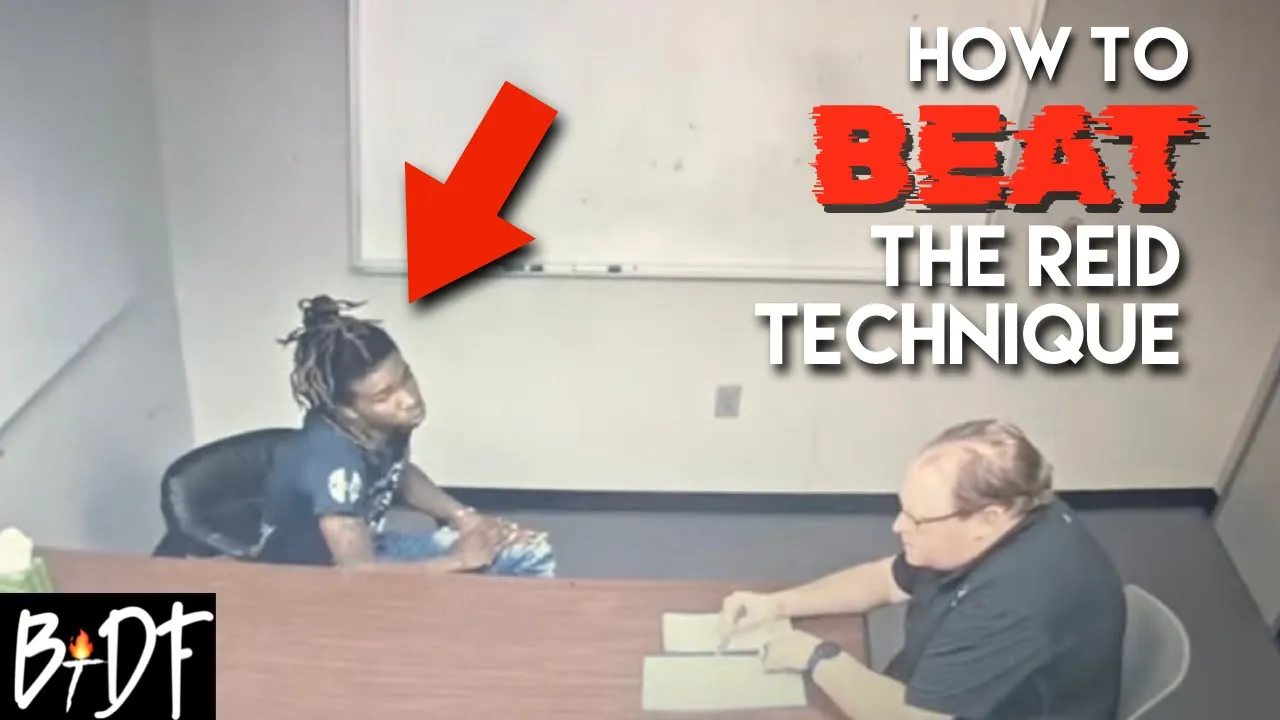














False confessions occur when innocent individuals admit to crimes they did not commit, and they can be categorized into three types: voluntary (given without external pressure), coerced/compliant (given to escape interrogation), and coerced/internalized (where the person genuinely believes they committed the crime). Research shows that approximately 25% of wrongful convictions involve false confessions, and individual factors like suggestibility, compliance, fantasy proneness, low IQ, learning disabilities, and mental illness interact with situational pressures such as maximization/minimization techniques, fatigue, and isolation to increase vulnerability. Despite advances in ethical interviewing frameworks like PEACE/PRICE, false confessions still occur because once a confession is obtained, other evidence becomes largely irrelevant to juries, who are heavily influenced by confessions even when instructed to ignore them.
False Confessions: The Psychology of Innocence, Guilt, and Interrogation
Added:hello again everybody and another very warm welcome back to skeptics in the pub online um we now have a fortnightly format as you all know because everyone is beginning to think at last of meeting up again in real life in pubs chatting sharing drinks and just getting back to normal and it's a tantalizing thing so fortnightly is heading there in the meantime we are still meeting fortnightly and um welcome uh just a few usual housekeeping tips first a reminder that if you would like to donate to us the link will be underneath the screen and also if you want to ask questions in the slido tonight um moving on to the main event which i'm doing quite quickly today because i can hear barking in the background and it's stressing me out slightly sorry about that we've got faye skelton who's going to be talking to us tonight about when innocent becomes guilty the psychology of false confessions um this looks to be a really interesting talk i'm quite excited for it actually and faye completed her phd in face recognition at lancaster university and then she worked there for over 10 years at the university of central lancashire after that they moved to her current post of lecturer and she's also a public speaker at edinburgh napier university where she has a special interest in face perception recognition and memory she applies this mainly in the forensic field to cognitive cultural and ethical aspects of the legal system there is also investigating ways of improving police facial recognition composites that are otherwise known as efits in terms of how to recover information from memory best practice for system use and ways of improving recognition of the facial image princess caricatures um faye's also interested in miscarriages of justice she's currently exploring experiences of wrongful imprisonment with dr mandy winterton on a british academy levy hume funded project finally and slightly sideways she's written and performed several shows for the edinburgh fringe including fitness to witness suspect confessions and pants on fire so please put your hands together virtually and in real life why not for a very warm welcome for dr fay skelton play over to you thank you cleo uh welcome everyone it would be nice to see your lovely faces but alas that's not where we are at the moment so maybe one day soon in a pub near you so as as cleo said i have um quite broad interests um within the area of forensic psychology really in psychology in the legal system and um i became interested in in false confessions probably about 15 years ago when i was just asked to cover a lecture for a colleague and like many people around 95 of people i thought well you'd never confessed to something that you hadn't done particularly if it was a really serious crime you just wouldn't confess to a crime that you hadn't committed because the repercussions the consequences are far too serious and the vast majority of people think they would never do that [Music] however um around 25 of wrongful convictions involve a false confession or a false admission of guilt so it is a pretty significant factor in wrongful convictions um and it does contribute to people going to prison for crimes they haven't committed now when we're talking about false confessions this definition is is what we're working with in psychology really so the confession is false if it's given in response to a demand for a confession we never demand confessions we shouldn't do that and it's either intentionally fabricated or it's not based on actual knowledge of the facts so there are a number of ways that false confessions can arise and i'm going to go through these um in the course of this talk [Music] but first of all how do we know whether a confession is false well police officers and jurors can't distinguish two from true from false confessions they're actually not much better than the lay person at um detecting whether a confession is true or false similar to how well we can detect lies for example we're just not very good at it so we need other ways of detecting that a confession is false so firstly if there's no evidence that a crime has been committed and that might be one way but then some crimes you wouldn't necessarily expect to be able to find clear evidence particularly if a long time had passed sometimes there'll be scientific evidence or something like dna evidence which will exonerate the person that confessed and perhaps implicate somebody else known to the authorities um the real perpetrator might be apprehended by some other evidence they might be linked to the crime also sometimes the real perpetrator ends up in prison for something else and then says oh yeah that was me as well um and there might be other non-scientific evidence that proves the confessor's innocence and so there's a number of ways that we might know that a confession that's been given isn't a true confession but that doesn't always mean that the person who gave it is exonerated and set free so there can be lifelong implications for people that falsely confess so i'm going to look at three different types of false confession the first is voluntary and by voluntary we mean that there's no demand from the social situation there's no external pressure on the person to confess and there's coerced or pressured compliant coerced isn't a preferred term anymore because it suggests that people have been forced uh whereas pressured is a little bit more along the lines of somebody might have been heavily persuaded and but in a coerced or pressured compliant confession this is where somebody will provide a confession to get out of for example quite an unpleasant interrogation and then once the interrogation or the interview is over they will say actually i just did that to get out of the room i didn't really do it um and they're not often believed so there is that and the third kind of false confession is coerced or pressured internalized and this is really serious because this is where the person the innocent person actually becomes convinced of their guilt and they genuinely believe that they have committed the crime that they've confessed to and that might only be temporary but for a period of time they believe that they committed what is often a horrendous crime so i'm going to look at each of these in turn so turning first to voluntary false confessions so these are false confessions that are given without any external pressure no demand from anybody else on the person to confess and a couple of examples you might be aware of uh charles lindbergh jr i think was a two-year-old boy was uh so son of the famous aviator uh was was kidnapped in 1932 um i think it was march 1932 i think his body was found around may time and the investigation went until 1934.
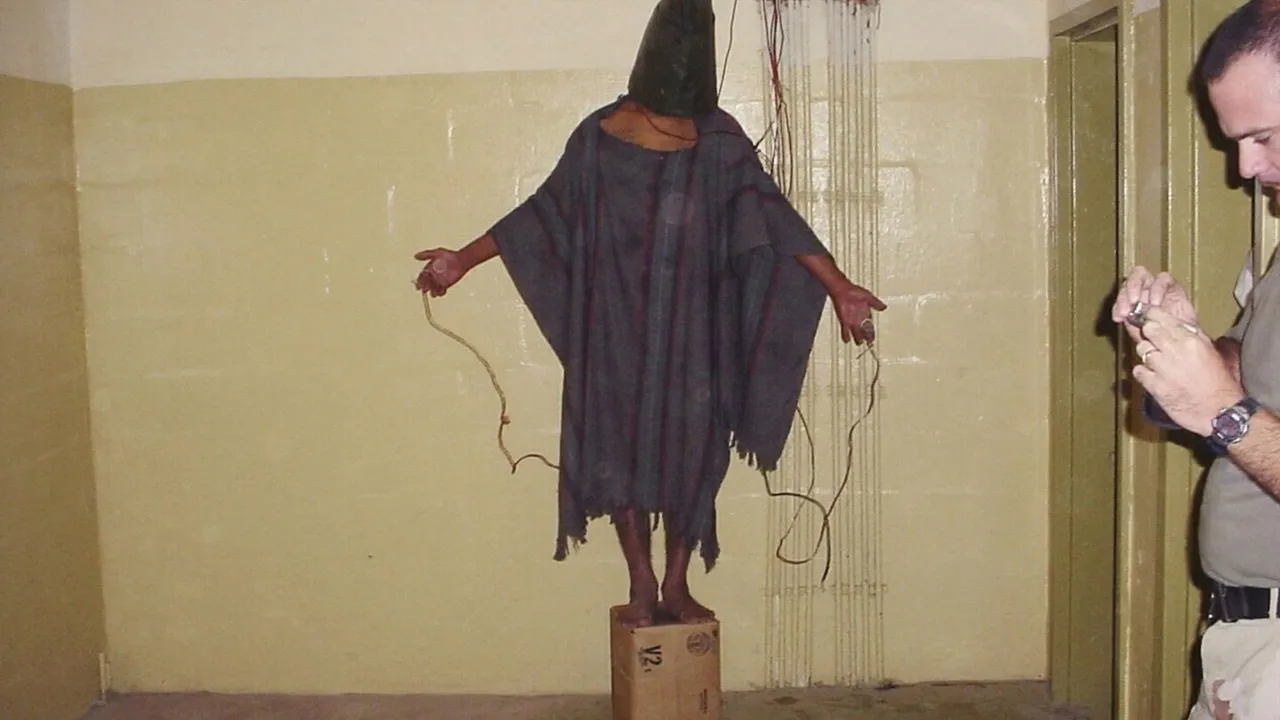
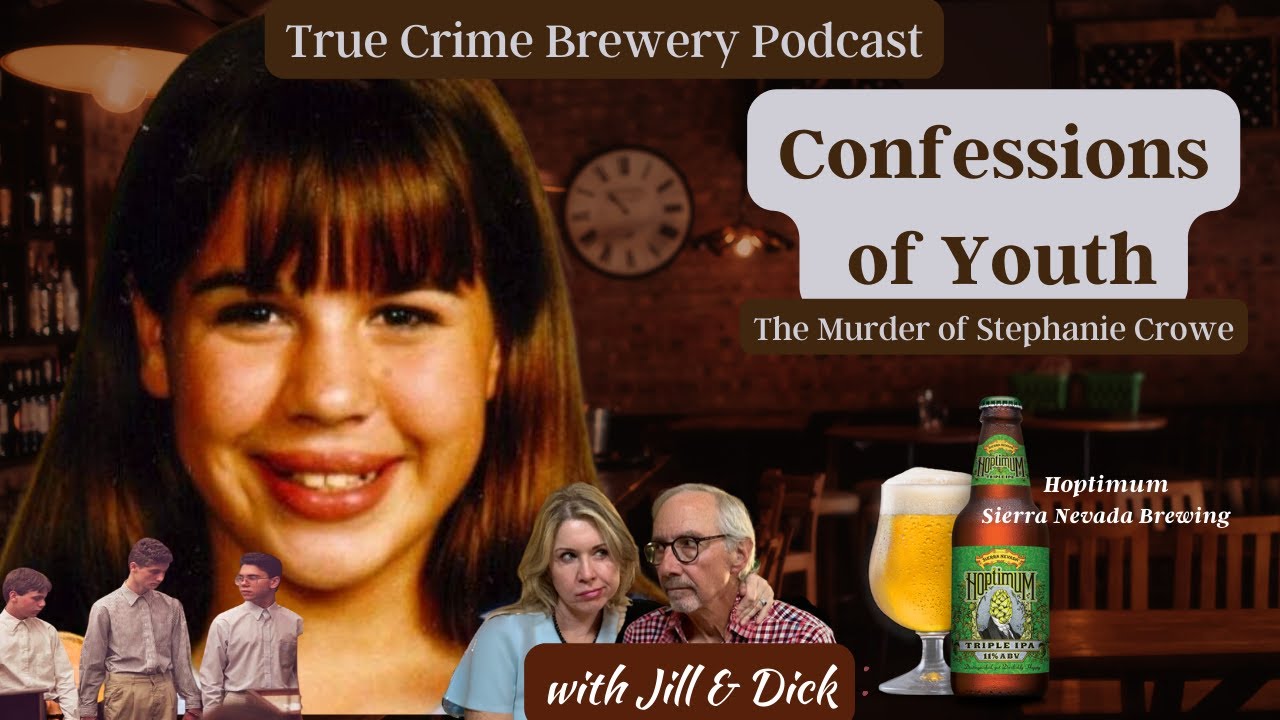
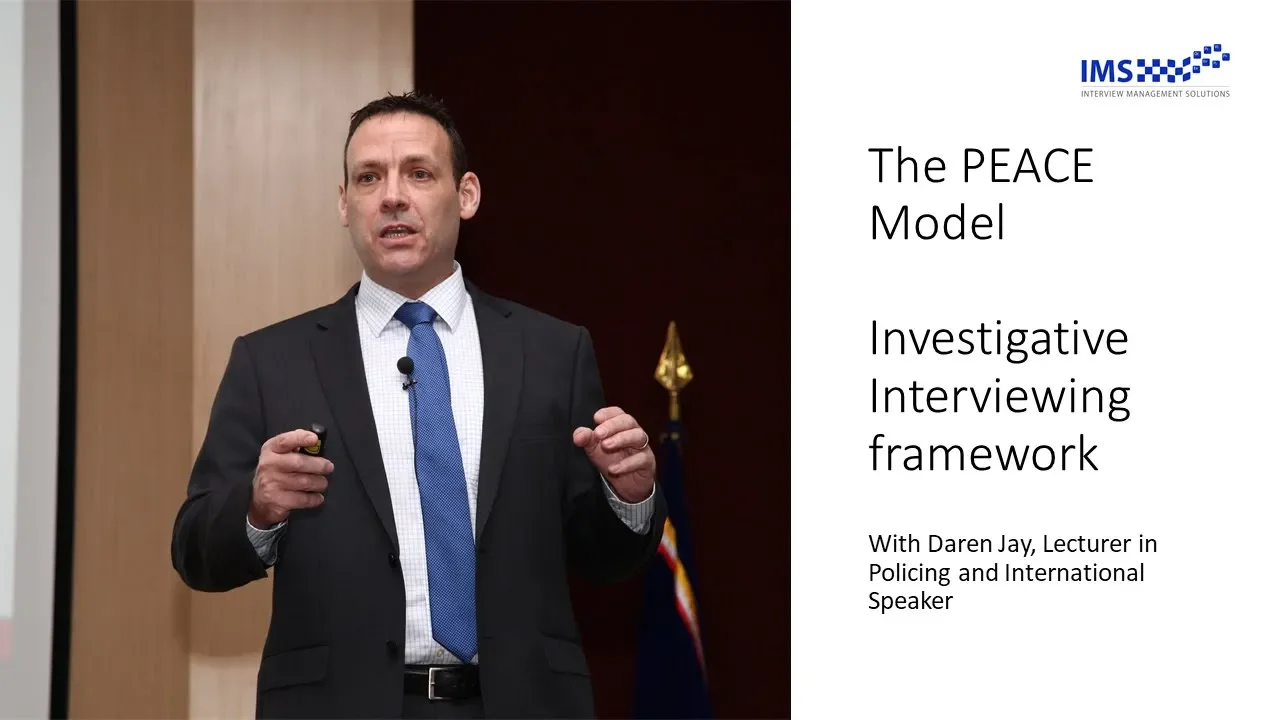
over the period of the investigation around 200 people confessed to kidnapping and killing um the baby and obviously they were false and the real perpetrator the person we believe the real perpetrator was convicted and sentenced to death the following year uh jonbenet ramsey a more recent case probably you've heard of she was known as being um like a a beauty queen i'm a little bit uncomfortable with that term for a a young child or any child in fact but um yeah she took part in in beauty pageants and she she vanished from her home i think there are a number of different kind of ransom notes and letters left and um ten years later a man named john mark carr um contacted the police and said that um he and jean bernard ramsey actually had a physical relationship and he had murdered her or rather he'd killed her accidentally and but the dna evidence that the police had ruled him out and so thankfully he wasn't wrongfully convicted as far as i'm aware they've not quite they've not caught the real perpetrator and there's some discussion around oh was it the parents wasn't it the parents as you do get with these things so um a couple of examples there of people who have volunteered confessions um without any external pressure to do so they've not been interrogated they've come forward to the police and said yes i did this so it sounds ridiculous you probably can think of no situation in which you would ever do that but there are some people who just want to be famous some people want to protect the guilty person so a parent for example might step forward to protect a child or people might confess to one thing to relieve guilt for something else that they've got away with and talking about people with a desire for fame there was a very famous person in the united states called henry lee lucas um and he confessed to something like 600 murders many of which there was no evidence had ever been committed but he had a desire to be notorious he liked the police attention that he got when they kind of chatted with him in the interrogation he could have a coffee and a cigarette with them um and it was quite pally you know really liked that attention and some research conducted with um people in prisons shows that those that have been actively involved in criminal activity are more likely to falsely confess so um this study by secrets and and johnson these were icelandic prison inmates and 12 of them claimed to have given at least one confession to the police there's also people who have a lessened grip on reality so what we call impaired reality monitoring and they don't necessarily they can't reliably distinguish between what's real and what isn't real so um that might come about for example through a mental illness or it might come about through um you know overuse of certain substances and but if you can't distinguish what's real from not um you're perhaps less certain about what you did and what you didn't do and there's also some evidence that some people with obsessive-compulsive disorder have um enhanced feelings of responsibility for harm coming to other people and these sort of faulty appraisals of responsibility might lead them to confess to crimes that they haven't committed so a number of different reasons there as to why somebody might voluntarily confess to a crime that they haven't committed moving on to look at coerced or pressured compliant i've got a quote here um so um i recollect him one of the police officers describing at least one of the defendants being taken into a room being taken to a window accompanied by a suggestion that he could be thrown out i recollect him saying that he held a gun to the heads of more than one of the defendants he said it was an unloaded gun and that he had pulled the trigger i remember him gleefully relating terror on the faces i'm sure it was in the plural when he did this so this is a um a quote from a detective constable with lancashire cid and i believe that this was about the birmingham six case so probably all of you will have heard of the birmingham six and probably to perhaps not as well known but very similar cases the guildford four and the tottenham three so these are cases in the 1970s where um police were a little bit more free and easy with their interviewing and we didn't have the guidelines that we do now and there were you know what we would call third degree techniques where people were um you know kept without water they might be beaten and certainly if you've ever heard um paddy hill from the birmingham six speak i was i was fortunate enough to see him at the fringe a few years ago the the things that he experienced uh under interrogation from from the west midlands uh serious crime squad were absolutely horrendous so mock executions threats to hurt loved ones um the worst pressure that you can think of um and so a number of the birmingham six but importantly not all of the birmingham six a number of them provided um confessions even though they were innocent of the of the pub bombing similar with the guildford four the tottenham three uh stefan kishko i think i know this case quite well because i grew up in rochdale and this this is a case that happened in rochdale so um a young girl called leslie mulceed was um was murdered in the 70s and stefan kishko was interviewed and came to give a confession after denying that he'd been involved he came to confess to her murder and i think it took his mum something like 17 years of campaigning to get him out of prison to get him exonerated and then you know within a few months of him being released um she died and then he died which is awful and um a more recent case brendan dassey so those of you that are familiar with the making a murderer netflix series and the case of stephen avery brendan dassey brendan dassey is steven avery's younger nephew who allegedly had some part to play in the um in the assault and bird of of teresa holbach but there are all sorts of of red flags around that case and and this is an ongoing case so a few there that you you may well have heard of so what goes wrong in in these cases and again there are a number of things or it's perhaps more easy to see why somebody might confess under this sort of pressure so in a number of these cases there was evidence that the police had colluded that they'd altered suspect statements that they'd suppressed evidence that proved the innocence of the suspects um stefan kishko was a vulnerable adult he had learning difficulties uh brendan dassen it was a minor so he was 16 when he was interviewed and he has a low iq and they should have been interviewed with a solicitor present and now they'd need to be interviewed as well with an appropriate adult present but this didn't happen so you've got people perhaps with a lesser understanding of the consequences of the situation or a lesser understanding of the severity of the of the situation and being treated like regular adults and being subjected to that kind of pressure um not so much now um hopefully not now uh certainly not in the uk now but um we had third degree tactics so um people alleged that the police beat them and threatened to hurt their families and carried out mock executions and so all of these external pressures create a situation that is so unpleasant a situation where the the suspect can't see a way that they can get out of that situation unless they give the police what they want uh and and so they they cave in they get out of the interrogation room the interview room and think well i'll deal you know i'll be able to retract it evidence will exonerate me um you know we'll figure it out but first i have to get out of this room and because a lot of these high-profile cases in the 1970s the police and criminal evidence act came in in 1984 which had quite strict guidelines about what was and what was not allowed and we've we've made a lot of developments even since then in terms of how we interview suspects um and i will come to that later on but i think it's it's easy to see um in these situations how the situation could be some becomes so unpleasant that confessing might seem your only way out but some people are more vulnerable than others so just going on to look at some of the individual factors one of the first ones is suggestibility so this is a concept and described by gizlig johnson and suggestibility concerns a person's vulnerability to leading questions so going along with a question that suggests the answer and also their vulnerability to changing their answers when they are prompted to change their answers or you know be told um do you want to have a go at answering those questions again and try to get more of them right this time or that's when i was looking for do you want to try again so people who are more suggestible will be more vulnerable to going along with with um giving the answers that um that police are are demanding or that police seem to want so out of the birmingham six the ones who did falsely confess scored higher in suggestibility than the ones that didn't and there's even recent research evidence from henry utgard's lab that high levels of suggestibility are significantly associated with increased likelihood of false confession a related concept but a different concept is um that of compliance compliance is a less significant factor in false confessions but it it does still contribute compliance is the extent to which you try and avoid conflict and you want to you please people because you want to avoid conflict so it's easy to see i think how in a really unpleasant pressured interrogation where the police are telling you that you've done something wrong that you've answered the question wrong they might be shouting at you and you want to get out of that situation you want to give them what they want you want to avoid any sort of conflict and so that might um enhance your susceptibility to confess into something that you haven't done and fantasy proneness is another one so people who have uh you know as i say a lesson grip on reality people who are more prone to um kind of wandering off mentally not quite connected to where they are now um imagining um alternative versions of events um and i'll come back to that in in a little while there's also if you have a low iq or a learning disability or mental illness um and also there's some some evidence that um youths and particularly young men uh are much more vulnerable and lindsey malloy does really good ted talk on this um so you know the role of age involves confessions but these groups typically have a lesser understanding of the situation that they're in uh and of the consequences of of what's happening they um typically will be more suggestible and more compliant and they'll be more vulnerable to social influence and they'll be likely more intimidated by the situation so if you think about you know a regular person with average iq no known learning disabilities you're put into a police um interrogation and there's all of this pressure on you it's really unpleasant people start shouting at you people start demanding certain answers of you you're going to feel threatened you're going to feel intimidated now imagine if you've got a low iq or a learning disability or mental illness that is just going to enhance those feelings of vulnerability and intimidation in terms of situational factors we can take a closer look at what actually happens during the interview so there are particular techniques that might be used um there's recent publications that that show that really there's there's not much evidence that these sorts of things are happening in the uk anymore but we know that these sorts of things are happening in other parts of the world so um please can give pressure put pressure on via maximization and minimization techniques so by maximization techniques we mean in the interview they might say things like we've got really strong evidence that you did this um it's a really serious crime the judge and the jury are absolutely going to have no sympathy with you whatsoever you're going away for a really long time but if you confess we might be able to um lessen the sentence um in the states i believe it's still it's still legal to lie about evidence so the police might say oh that lie detector test you took you failed it as much as anyone can fail a test that doesn't detect lies but they can claim that they've got dna evidence from you when when they haven't so you can imagine how somebody might come to believe that you know actually it's not looking very good for me and maybe if i plead guilty i'll get away with something a little bit less bad but they can also apply minimization techniques minimization techniques might be things like victim blaming so come on you know he'd had a go at your misses he was asking for it he provoked you anybody in your situation would have done exactly the same you just lashed out in the heat of the moment you know the judge of the jury will absolutely understand that so all you need to do really is confess that you've done it um you know and and you'll get a lesser sentence so these two techniques work in different ways but the ultimate aim is is the same and it's to get people to confess the suspect might be tired they might be hungry and they might be afraid so in the uk we do have limits about how long people can be questioned for and they must they must have breaks but you know even a couple of hours of being questioning you're probably um you know needing a drink exhausted can't remember what you said 20 minutes ago excuse me it's it's a really scary situation it's also probably quite an unfamiliar situation if most of us found ourselves in this situation um i think it would be unfamiliar for the vast majority of us and so you don't really know what's going on and this can overwhelm you cognitively so ultimately people either don't understand the consequences of what's happening or they think that the short-term benefit of confessing and getting out of the interview outweighs the long-term costs essentially confession is the best way forward that's the that's the logical step for them um and you know it's bizarre to think that people get to that point but you know plenty of people do get to that point there's also subtle things like the type of question that's asked so that we have open questions we have closed questions so open questions invite somebody to give a free answer they can tell you what they know about whatever it is you're asking about them a closed question invites really a yes or no answer it doesn't really give you opportunity to clarify or to um to justify or to give caveats or anything like that and then we have leading questions which are essentially prompting the suspect in a particular direction so in this example tell me what happened at the king's head on the evening of october the 31st the presumption there is that the person was in that pub on that date but they might not have been they might have been in the pub not on that day they might have never been in that pub but the way that the question's worded means that if the person answers um there is a it's almost like they're kind of going along with the question they're kind of admitting um that they were in the pub on that night so if you say well i don't know then that doesn't tell anybody that you don't know what that that you weren't there on that day this is an example of um or it's a very very short segment of an interview of brendan dassey so from the making a murderer case so at this point you can actually find these transcripts online if you've not seen them they are they are available and i think the recordings of some of it is interviews are actually on youtube um at this point the the officers have worn brendan down so he's denied that he had anything to do with this murder he's denied that he even saw the woman um but they've got him to a point where he's talking about um a fire pit out on the on the family's land uh but you know the family have like a car sales yard and a like there's a junkyard part of that and so regularly there would be bits of cars and tires and and rubbish burning and what the officers are doing here is you can see all that brendan says his toes and i seen um but at the end of this segment one of the officers is saying the body parts that you saw were they on top of the tires or underneath the tires and in context you can see how brendan's never told them at all that he saw a body within this fire uh they've presented that information to him and when he said no i haven't seen that well we don't believe you we don't believe you what did you see um so they've they've pushed him into this situation nudging him further and further down this direction until eventually uh you know brendan is essentially admitted to uh taking part in the assault and murder of teresa holbach and uh you know and and that's why he's still in prison now the really scary the last one wasn't scary enough the really scary kind of false confession is is where somebody actually might come to believe that they committed the crime and there's a couple of examples of that so the quote here i'm not sure how i did it all i know is i did it um i think michael crowe came to believe that he'd stabbed his sister to death uh after police told him that there was evidence that proved his guilt and there wasn't and thankfully they found the real perpetrator and the charges against him were dropped but many people aren't that lucky so there's a couple of cases here really bizarre cases you almost can't believe that they happened so paul ingram was a church minister who was accused of abusing his daughters and over a period of five months he was interrogated 23 times this included being hypnotized um by his by a member of his church so they hypnotized him they told him that um satan distorted his memory um that sex offenders often repress memories of their crimes and through hypnosis um managed to get paul ingram to to kind of generate tales about all these crimes he'd committed so as well as um abusing his daughters he admitted to murdering infants in satanic rituals um crimes for which there was absolutely no evidence he attempted to retract his guilty plea so although he he did believe that he'd committed these crimes after he was out of the pressure of those kind of continued interrogations he realized that he hadn't done it but he served 20 years in prison now like hypnosis is pretty dodgy uh in my personal opinion it is pretty dodgy uh the british psychological society say that if you are going to use hypnosis it should never be used to try and recover memories that the person doesn't seem to have any knowledge of so if somebody has knowledge of something and they might want to get more knowledge of that thing there is a possibility that hypnosis could be helpful but if somebody says i never did that i have no memory that that happened you don't hypnotize them to try and get them to remember it because once they're in that state it's a lot easier to take on suggestions and and then to have false memories um the second case billy wayne cup another bizarre case his daughter was raped and murdered in 2001 but there was no evidence that anyone had broken into the house and so the police said well you were in the house you must have done it and they said he didn't look um he didn't look distressed enough when he called the police he didn't seem distressed enough and um they got dna evidence and it didn't match him so you'd think brilliant that's um that exonerates in them um but they they found a match to the dna dna evidence and they identified the person that had left the dna at the scene and they concocted this story whereby billy wayne cope was was in cahoots with this man that he'd never met and he'd allowed this man to come into the house and rape and murder his daughter um they got him to you know reenact the scene of the crime his part in in the crime um you know he offered to take a lie detector test which which he did um and they told him he'd failed the lie detector test and he very sadly died in prison in 2017 and his wife died from i think complications from surgery believing that her husband had murdered their daughter so absolutely horrendous uh these are both cases from the united states um and they i think they're quite extreme cases but you know some people don't have confidence in their memory or they're not as connected to reality and so perhaps they are more susceptible to having their reality distorted to taking on suggestions to internalizing those suggestions and remembering things that didn't happen and there are additional risk factors for this so there are some people who have what's called memory distrust syndrome this is people who don't really have a lot of confidence in their own memory so they feel their internal cues of what they remember unreliable so they tend to rely on external cues instead so if they hear suggestions from other people or if they hear snippets of other people's accounts they're more they're likely to attach more weight to those than they would to their own memory people who are dissociated have a lesser connection with reality and so um it might be easier to um think that something that's not real is real or to not be quite so firmly planted in what is real and dissociation is actually something that we all experience so if you're a driver and you've ever driven from a to b and have arrived at place b and have no recollection how you've got there that's an example of dissociation uh and and you know it comes comes with knowing the journey and kind of doing things automatically another example is like you know if you walk into a room and you forget why you've why you've gone into the room which i do at least daily um these are markers of dissociation there's a particular kind of dissociation index but these are all examples reading a page of a book and actually not being able to recall a single sentence that you've read they're all indicators of not quite being connected to what's going on at the moment but some people are more dissociated than others [Music] humans are typically not brilliant at source monitoring so we might know that we know something but we might not be able to tell where the information came from so i've had examples where i've gone to the office and told a colleague something that's happened and then a couple of months later they've said oh yeah i was talking to my friend last week and they told me this and i know that i've i'm the person that told them but they've forgotten that it was me that told them um the problem with poor source monitoring is we don't know whether an item of information has come from our memory um or particularly our original memory of the event or whether it's being incorporated into our memory by reading something in a newspaper seeing something on tv hearing another witnesses version of events um imagining that something might have happened differently so these are all ways that um you know we alterations in memory can happen but we don't necessarily know that they're not part of the originally encoded event we we don't know where to attribute them to and um particularly salient to the paul ingram case is that if you have repeated interviews or interrogations and particularly where you might be asked to think about alternative versions of events or you're um you know you're told that you did something this increases the familiarity the salience of that information and the confidence that that it actually happened so repeated interviewing is um it can be helpful in some respects because being interviewed can recover information once that information has been recovered that kind of serves to rehearse it and you might be then more likely to recall it later on but if any false information gets in there you you're also more likely to recall that false information later on and to be more confident that that false information is accurate so it is it is a tricky one now we can even look at false confessions in lab studies so this particular case by um sol cassin and and his colleagues they had um a lab set up where they had participants come along to the lab and they were asked to type letters on into a computer keyboard and these letters would be read out to them at either a slow or a fast rate so they would but they were told whatever you do don't press the alt key if you press the alt key the computer will crash all the data will be lost you'll have ruined our experiment and it's going to be the end of the world so the participants get away with typing the keys the computer of course is time to crash and they're then told well you must have pressed the alt key and for some of those participants there was a confederate of the researcher in the room who said oh yeah i saw you press the alt key and the participants were asked to sign a confession so they had to say yes i pressed the alt key and when they left the room they were asked by somebody outside the room who was another confederate but pausing as another participant they were asked what all the commotion was about and this research showed that the the more difficult task so and where they were typing at a fast rate and they were perhaps more likely to make errors and where somebody else claimed they'd seen them press the alt key this increased the rate of confession of internalization so saying well i must have done it and confabulation which was measured by you know to what extent they concocted a story to tell the person waiting outside and this research was kind of critiqued as well there's not really any cost to it so um you know if there's no consequences so what um but it has been reproduced and the findings reproduced even when there's a financial cost so even when people um lost i think it was ten dollars um you know these factors are still important in um confession internalization and confabulation so this this sort of research i mean it seems fairly innocuous but it's quite difficult to do uh false confession research in an ethical way um and you can't do ecologically valid false confession research in an ethical way and so there's not heaps of lab research because you know it's it's not considered acceptable to uh trick people into confessing to things they haven't done or even worse you know getting them to believe that they've done something that they haven't done but um this is just one example of how it has been done this is another example so this particular study by marianne gary and her colleagues they had participants come along to the lab and they they completed what's called a life events inventory and they um rated these different life events for the likelihood that they'd experienced them themselves two weeks later they were invited back to the lab and they were told to imagine some of the events happening in as much detail as possible so who was there with you what happened and can you remember the sequence of events so really to imagine in great detail uh how some of these things might happened um and they were asked to imagine events that hadn't happened to them they were then asked to complete the life events inventory again so they were told that the original one had been misplaced please could you please can you complete it again and what they found was that the events that had been imagined the participants actually were um more confident that those events had actually happened to them whereas previously been very confident those events hadn't happened to them so this is the idea of imagination inflation where we imagine things being different we imagine things happening and that that imagining essentially becomes a version of the event um and you know it becomes accessible to us in some cases as a memory as a false memory um but still it's it's quite risky and you can see how this might be very dangerous when combined with things like hypnosis and repeated interviewing so if you're asked to imagine or consider alternative versions of events time and time again um over a period of weeks or a period of months um you can probably see how somebody might shift from being really convinced that something didn't happen so you know maybe it did actually happen i'm not so sure anymore i'm not going to dwell too much on this but um across the pond um thankfully now the read technique which you can read all about online the read technique is now being um moved away from um in a number of states it's being held up as an example of bad practice in a number of places and so it looks like the us are kind of shifting away from this technique but this technique um asks the officers it is basically it it brags about its proportion of confessions that is a problem to start with because the aim of an interview should never be to get a confession it should be to get information that leads to solving the crime the confession should never be your aim but the read technique um starts off with some initial questions asked of the suspect and officers on the basis of the suspects answers to those questions and how they've behaved decide whether they're innocent or guilty you know based on do they look a bit shifty or do they look all right and then what happens is if they've decided they look a bit shifty the the interrogation that follows presumes guilt it um doesn't really give them opportunity to make any denials or it cuts off any denials and the focus is very much on um you know narrowing the suspect down to a confession and that might involve lying about evidence it might involve maximization or minimization techniques um a variety of kind of deceptive and underhand tactics to get a confession but once you've got a confession the case is solved so everyone's happy right um there's also what are called enhanced interrogation techniques which is uh a slightly more pleasant way of saying torture and you can read about these online there's there's nothing enhanced about them um it's basically you know waterboarding and keeping people in stress positions subjecting them to horrendous noise depriving them of sleep it's all part of the enhancement the mr big technique which is um it's illegal in the us but i think still possible to use in canada this is a kind of cover investigative technique whereby people are kind of tricked into giving confessions in cold cases um so some fairly shifty stuff going on there um and in this research this showed that detectives in north american um detectives in north america were more likely than not to pretend to have evidence of somebody's guilt to isolate them from their support network to try and gain their trust which on its own isn't a bad thing but when you gain their trust to manipulate them that's that's not so good um appeal to their self interest offer sympathy etc so really iffy um practices so how should suspects be interviewed well we have within the uk what's called the the peace framework this is promoted by the home office and within scotland we have the the price framework which is essentially the same which involves you know planning the planning is to get information from everybody who's been interviewed um establishing rapport with the person that's been interviewed which means engaging them in the purpose of the interview and you know trying to speak to them on on a level that they can understand trying to find some common ground explaining what the purpose of the interview is um the interview itself has a number of what we call mnemonics to try and enhance people's memory so give them the opportunity to recall everything so completely free recall without being interrupted mental reinstatement of the context which can be the physical context of the crime the emotional context what they could hear what they could smell etc and changing the order of recall and changing the perspective so trying to think about what they might have seen if they've been stood somewhere else and um these are both ways that research has shown we can tap into different memory traces and so they might trigger something in one trace that wasn't available via another so um this kind of cognitive approach to interviewing does does rely on having a cooperative suspect or cooperative witness but is very good at getting accurate information from people um there's then the kind of the closure phase of the interview where you know people are thanked and they're explo you know it's explained to them what happens next can they be expected to be contacted again and so on and then the officers will go away and evaluate the information that's been gathered and work out you know where the gaps are and so on and this outline by shepard just really highlights the importance of of ethical interviewing so the focus should be on getting as complete an account of the event as possible we don't presume that anybody's guilty um the interviewee is a participant in the conversation they're not a suspect they have a very important part to play and if somebody's resistant to confessing or resistant to giving information it doesn't necessarily mean they're guilty it might mean that everything's moving too quickly and they can't keep up the interviewers not listening to them suggesting suggesting things that aren't true or that they're being interrupted so somebody being uncooperative doesn't necessarily indicate that they're guilty and so these are the principles now by which we're supposed to be interviewing uh and we have come a very very long way in the past 30 odd years um in terms of our interviewing and the uk now is actually held up as an example of good practice in terms of ethical interviewing but you know false confessions do still happen it's really important actually because once you introduce a confession any other evidence kind of becomes irrelevant so if somebody is confessed to a crime that they haven't committed it's almost like it doesn't matter what the other evidence is because we still overwhelmingly believe that innocent people don't confess to crimes they haven't committed so and some research by drison and leo showed that uh 81 of false confessors who went to trial were convicted and even where the jury are told that the confession was pressured or coerced were they told that the confession is therefore inadmissible and they shouldn't pay any attention to it they were still likely to convict and they claimed that the confession didn't affect their decision so they were very much influenced by it but didn't seem to be aware or certainly didn't want to admit that they had affected their decision making so minimizing false confessions well video recording of interviews helps um because first of all it might give anybody with um you know untoward tendencies towards going for a confession it might make them think again but also it means that we've got a recording of the process and that recording can be reviewed and any problematic aspects of the interview can be picked up audio recording has been in place since uh 1984 uh in the uk so so this is one way that um you know we're able to at least detect them if not prevent them um investigative interviewing similar to what i've outlined is an ethical way of interviewing it's much better than interrogating which is a guilt presumptive pressured way of interviewing we do have increased awareness of why particular people might be vulnerable and how those vulnerabilities might interact with characteristics of the interview and also in scotland we have a requirement for corroboration of evidence although that is a controversial thing in itself um and so i guess the the end message is you know when the suspect is being questioned they might actually think that falsely confessing is the rational thing to do and some people are particularly at risk due to the interaction of their individual characteristics and characteristics of the situation and so you know psychology is doing a really good job but we need to pay a lot more attention to the factors that increase the risk of them and that is me thank you very much well thank you very much for a really really scary talk i was i was listening to that thinking i could just hear myself going oh for goodness sake all right then i did it you know it's you can imagine how how easy it is to do that um so yes i'll i shall need a drink before we meet up again um so before we uh close for a break just a reminder that we'll be meeting in the pub afterwards there will be links to that in the chat and if you haven't asked any questions do head over to sitp online forward slash ask to either ask some more questions or to upvote the questions that you like um one more thing before we finish with just a reminder about next fortnight's talk that will be by ian keeble and he's going to be talking to us about a century of deception the birth of the hoax in 18th century england and from what i can see it may be a little lighter than tonight because one of the things he's talking about is a woman who could apparently give birth to rabbits um so we are meeting again at ten past eight so please go and refresh your drinks think about questions and i look forward to seeing you again later thank you hi welcome back everyone i hope you've all got refreshed glasses and that none of you need a wee anymore and it's just really nice to see you back so um we've got some really good questions as with all the best talks it was really quiet and then suddenly all your questions have been tumbling out during the break um so we'll get straight into them and the first one i'm going to mention rather than ask i have to say is can we see your pets now the reason for that is because faye has two cats with her one of them is apparently office tits on catnip and not likely to be available um the other one may be in and out so rather than try and grab him now what we've had is a promise that if a cat sort of hoves into view we'll get to meet him so that's uh that's that's pets and i can look at the questions igor has been uh really very busy and everyone likes igor's questions so his first one here is given that human memory is basically rubbish and that it's very easy to deep fake any video what will happen to the judicial system in future that is a really good question and one that i have no idea what the answer is because um well i mean i think yeah if you can deep fake videos then you can produce false evidence which might um which might implicate people um in fact there was a really good series on tv last year and i can't for the life of me remember what it was called but it was it was very good and it was about deep fake video and um implicating someone in something horrendous um i think it's just going to become more and more difficult to establish what is real evidence of what is false evidence and without i mean i'm technically terrible i don't know whether there will be any way in which the the magical wizards that understand these kind of things are able to determine what has been tinkered with and what hasn't been tinkered with but i think it's going to get a lot more difficult and the thing is if it's more difficult to um to kind of deep fake videos you also get trial by social media whereby these things get circulated people will believe pretty much anything you post on facebook for example i know young people don't use facebook anymore but i'm not young um so people post crap on facebook um stick a caption on it and everyone circulates it as though it's real without actually checking anything so i think with you know fake video evidence these kinds of um you know media friends is going to get worse and obviously that brings pressure with it as well that brings pressure on the police if if the public are up in arms so i don't have the answer but there are some of my ponderings right i mean we we have some of these wizards uh they are our tech guys so i suppose that's a question we could put back to them at some time they might you know they really might know more about it than we do um the next question comes from parrot lady and she asks how is mental capacity assessed before an interview and who makes the decision on an individual's capacity especially when it comes to learning difficulties this is a really good question so um within the uk the people that are involved in uh dealing with a suspect or dealing with a witness and should have some training or some knowledge of what to look for um in terms of assessing whether somebody is um is fit to be questioned as is or whether they might need some additional support um if they are assessed as needing additional support then we do have special measures that can be put in place um you know if someone's if someone's going to court we have we have things that can be done with the courtroom uh vulnerable witnesses vulnerable suspects should have somebody with them everyone should have a solicitor but some might have an appropriate adult as well somebody that knows them or knows when they might need a rest but as you can imagine um there is quite a lot of variability in the extent to which this is done and i can't remember the complications but i think that there are um difficulties in funding these measures and i can't remember whether they have to be funded by the particular um you know um particular station or particular location that the police are in or whether it comes from a bigger pot and i can't get into it too much but the the provision of special measures and the provision of support for vulnerable people is something that needs a lot more attention because it it can be done but it is not done consistently and a lot of vulnerable people are left without support that they need so the um dave who's managing slido today has found another question which is very similar but slightly different so it's worth asking them together and that's um are there systems to protect impressionable neurodiverse or psychologically unstable people or other vulnerable people from coerced fault false impressions the i mean the way would be just to make sure that they've got an appropriate adult with them um trying to make the questioning simple um so questions can be very convoluted there can be questions embedded within other questions so there is there's good practice that can be followed so make sure people have breaks make sure that people for example understand the difference between a truth and a lie um you know making sure that people understand whether something is real and not real and making sure that they have support and that might be from a member of the family it might be from a social worker but someone that can look out for their welfare make sure they get breaks and make sure that they're they're not pressured externally and but of course they might still be vulnerable to confessing even where there isn't that external pressure so would these these things that you're suggesting would that be only for people who'd been deemed vulnerable or is that the reason i ask that is because um i've certainly seen papers showing that a ridiculous proportion of people are capable of vivid memories of things they haven't done and that's not emotionally vulnerable so is it just the vulnerable who are supported or would it be the likes of us if we turned up who i reckon we're probably just as potentially as as vulnerable as they are to remembering things we haven't done you would need to be assessed as being vulnerable so vulnerable in um you know of kind of a lesser cognitive capacity to understand the situation to understand what you're being asked so they don't do suggestibility tests and then go this person's quite suggestible we'll get someone in to make sure that they're not going along with suggestions it would be people with um a lessened grip on reality and people who perhaps so for example people who um are in particular phases of schizophrenia um people who have um other mental illnesses uh people who have a low iq it would be those people that don't have a grasp of what's going on and really what the consequences are and how serious it is so we're talking children and and what we would know as vulnerable adults as you say rightly we're all most of us will be vulnerable to this kind of pressure in an interview situation but those sorts of mechanisms if they are in place would be put in for people that are clearly vulnerable and as i said it's not really consistently done even for them you just make me more and more scared about the whole thing i hope i'm never arrested for something i've not done and can't prove it just it's really scary um uh igor another question from him who asks are they still using unscientific means of interrogation like lie detectors to coerce people and should we do something about it if they are so in the uk we don't use lie detector evidence it's not admissible as far as i'm aware however there has been over the past couple of years um discussions of um probation services using it uh checking that people aren't reoffending and using it in that kind of context which you know lie detectors do not exist and that they don't they don't detect lies it's a whole other talk entirely but methods for detecting deception don't actually detect deception and so it isn't a technology even the newer technologies like mri and um so-called brain fingerprinting they're not even reliable mechanisms they're still not detecting lies so no we shouldn't be using them my understanding is that in other parts of the world yes lie detectors are used and they may be used as evidence and no they should absolutely not be used as evidence there is now a lot of empirical research that shows they do not detect lies and they're they're unreliable um you know they i think give more false positives than false negatives and again there's different ways different questioning techniques that you might use with a like a polygraph for example but they're unreliable and they absolutely should not be admissible as evidence and and they certainly shouldn't be admissible as any sort of evidence on their own yeah absolutely not all right thank you so um sticking with russia quite more questions coming from russian nadia here asks are practices like meditation helpful in improving dissociation and further making yourself less vulnerable to questioning methods that is a really good question and i don't know um yeah because i think there is a kind of an idea that meditation is kind of dissociating but it's not is it it's about being very present in the moment and being connected to what's going on now so um i don't know how kind of meditation and um sort of mindfulness would would interact with those sorts of um variables i don't i don't know of any research that's done it there probably is some but i'm not aware of it um but i will actually make a note to to kind of go away and have a read up on that i'm sorry i don't have the answer for you just now it does yes i'm fascinated if there isn't any research there should be and and sticking with dissociation then um garnet who is fascinated by the idea of dissociation asks is it a transient estate or can it be protracted or even permanent dissociation for most of us is trans well we become more or less dissociated so there will be days when i'm able to focus on a chapter of a book and remember what's been written and days when i can't and there'll be times within that day when i'm more or less aware of what's going on and i think that is normal for everyone so we're all vulnerable to dissociation but our levels of dissociation will fluctuate that i said there are some people who may be um who may spend more time in a dissociative state or for whom the dissociation is more pronounced so for example um people with schizophrenia who are suffering from delusions are dissociated from reality and that they're experiencing these these other things as real so there will be individual differences within the individual but also between individuals and i mean essentially it's a kind of a disconnecting of conscious awareness so if we think at it like that then yes it would be possible to be permanently dissociated if you had a disorder of consciousness but people with disorders of consciousness are not generally sort of walking around and and being interviewed so i think um for most of us who might end up in this situation it's a it's a kind of fluctuating thing yeah i always think of dissociation as that coming around in the car where you've been quite happily driving thinking where am i i don't recognize this and i say oh there i am i'm halfway home but i can't ima it would be awful to be in that state for longer than that because it's quite quite disconcerting isn't it um another question from igor so we've gone from portsmouth back to russia uh is the classic advice of never talk to the police without your lawyer applicable outside the u.s i would always say this um and i've said this before now at you know when i did this show in edinburgh glasgow and actually when i did it the at the edinburgh fringe and people always come back with but you know if you say you want a lawyer that suggests that you've got something to hide it makes you look guilty but sensibly i know that you should not talk to the police unless you've got a lawyer because once you've started giving those answers it's very difficult to stop you you can find yourself kind of um in a position where it's then difficult to get out of the situation so i myself i'm quite compliant and if a police officer said can we just ask you a couple of questions i'd probably go oh yeah of course you can because i know i've done nothing wrong and i've got nothing to hide but in my head i know that you you know it what is it about um yeah if i have to come to the station that's absolutely fine and i'll make sure i've got a lawyer because a lawyer has experience of being in that situation they will have experience of how interviews go and you know things that have happened that i won't know about and they um they will be much better able to advise me than my my panicky brain right and just so that i'm set up for this future arrest i've started anticipating does that hold even if you're not being questioned under caution so if they just say can we ask you some questions you're not under arrest is that still no comment or i think it depends on what they're asking you questions about so if you're under caution absolutely no i would you know i would say don't answer any questions without a solicitor present if it's just a you know plastic passing police officer who wants to know whether you saw something then you know i would probably be less inclined to insist on a solicitor but if you're under caution i would yeah absolutely insist all right thanks so okay i'm i'm getting it now i'm i'm prepared you're going to go out and do something now aren't you um moniker asks and my contact lenses are furring up oh here we go she said you said that interrogations got better in the uk but are police forces interrogation techniques checked and evaluated regularly and by whom and are they really better so there's been a lot more um collaboration over recent years between academics and police and the majority of police officers i've ever spoken to and the ones i'm knowledgeable about don't want false confessions they actually want to find out what's happened because they want to solve the crime if somebody falsely confesses you probably get a load of crap further down the line and it looks really bad and i you know i've certainly been in situations where the audience have disagreed with me but i believe that i believe that the majority of police officers and police interviewers want to get information from witnesses they want to get information from suspects and they don't want to bully innocent people into confessing and i may be called naive but that's that's what i believe and um the research that we've got coming out of the uk so there is academic research where they've collaborated with police departments they've had access to recordings of interviews recordings of videos and they've said these these coercive tactics that i've talked about are almost non-existent now so yes you can question well what was the sample who decided what videos they were allowed to watch who's monitoring them i understand that the police do do checks um so they will have people checking that nothing unto orders happened as to how regular that will happen i'm unable to say but um i do think we we are a lot better in the uk than we've been in the past um and you know i have to believe that it's still not perfect at all and miscarriages of justice are still absolutely happening so there's still a long way to go so um they're doing a really good job here of picking up questions that are linked so we're still on um police questioning here and it's a question you asked himself he says is there any data on countries where compliance is more expected than in the uk countries with less freedom there probably is some data i can't think of it off the top of my head but certainly where you've got cultures where it's less acceptable to question authority and it is more the norm to to go along with the majority it would be something quite interesting to look at confession rates um but i don't know off the top of my head right but the advice is get arrested in the uk rather than fine and yeah the uk um possibly norway or um australia right because i think norway and australia are using similar sorts of models to to the ones we're using sadly very few countries by the sound of that yeah yeah certainly don't get arrested uh in you know anywhere near guantanamo bay so chromium 52 asks should we have a justice system where a guilty plea doesn't automatically mean conviction but evidence still needs to be evaluated by a full trial yes is the is the short answer um i don't think that a guilty plea should mean you know oh that's it you're convicted and you've probably got a lesser sentence than if it had gone to trial because people will enter guilty pleas for all sorts of reasons um not necessarily because they've had a confession pressured out of them but i do think that confession evidence is just one line of evidence and we should be looking at everything else and if it doesn't stack up we we shouldn't be we shouldn't be paying attention to it right and and anonymous here asks a question where he takes this whole thing to its logical conclusion or she and asks would it be practical not to allow confessions as a factor in the determination of guilt would it be would it be possible i mean i i don't know really the the um the ins and outs of of trials um and i've not even been on a jury myself i keep hoping that i will get called for jury service and it's never happened i don't know that we will ever get to a situation where confessions aren't considered um i think if confessions tally with other evidence then um that's something but knowing that other evidence can be suppressed or doctored or you know chosen strategically then it does beg a much bigger question there will be people far more knowledgeable than me that could answer what the what the likelihood of this ever happening is and what other complications it would cause i don't think in my lifetime we'll see it right our coercive false impression uh confessions actually admissible in court um well yes because confessions are admissible and even if you can show that um the person may have been persuaded by a line of questioning and you can say well this person's been persuaded and the confession has been pressured out of them um it well it could be it could subsequently be ruled inadmissible but you can unknow something so even if you've heard the evidence even if the judge says okay that is that is inadmissible because we agree that it's coerced or pressured the jury can unknow that information it's already had an impact on them didn't you say 87 of people who um where they were told it was inadmissible still got convicted i think that was some high number like that yeah and then the jury will say well i was told it was inadmissible so it didn't factor into my decision making um but the evidence is is that it does and actually juries don't have a great insight into their own decision making and being aware of something doesn't make you immune to it so that's you know right so so talking about um confessions paul uh aka picticule i just a really interesting question he says has the incidence of false confessions diminished in the modern world with smartphones and their digital trail of text photos and videos oh so getting back to the the techie stuff i i don't know um it out they're thinking in terms of well the the suspect would have proof that they didn't do it oh there's less there's fewer ways in which they might be tripped up um i don't know i guess yeah if you've got your smartphone then there's there's likely to be evidence that you weren't somewhere if you weren't there so it's just another line of evidence to draw on isn't it i think um but i don't know what impact it's actually had i suppose it could help you say if you were beginning becoming convinced that you had done something you hadn't you could get oh yeah actually i wasn't even there because you got the evidence on your phone so that might be um the next question yeah sorry yeah sorry i was just agreeing with you yeah i'm thinking out loud um the next question is from chromium 52 and i think you you did talk about this little in in the talk but he's asking or she i'm not sure uh is asking about recovered memory therapy and false confessions and wondering what you think about the what's your opinion on on those and he mentions specifically the thomas quick case in sweden who confessed to eight murders under recovered memory therapy um i would not advocate for recovered memory therapy um why didn't you it's um yeah i mean anything where somebody is um you know in even even if they want to remember something anything where a memory comes about through um you know someone being in some sort of dissociative state or um repeated imaginings um i i'm just really wary of those because it is so so easy to have false confidence that something happened or genuine false detailed memories and so i'm yeah very wary of that and i wouldn't go for it do we know how common it is to have detailed false memories i think detailed false memories it's fairly low so a lot of the research has used this kind of confidence that an event has or hasn't happened and you say well becoming more confident that something happened doesn't mean you've got an actual memory for it it just means you're kind of less certain it didn't happen maybe um but some of that research was was criticized for those reasons and so other researchers said well actually we want to try and get people to generate these details so tell us who they were with when this happened what date it happened what had happened beforehand i think it's a fairly small percentage and but still even if it was two or three people in a hundred that is a lot of people in the grand scheme of things yeah and um dave j asks again uh about suggestibility he says is it the same thing that makes somebody suggestible as that makes people susceptible to hypnosis i can see how i don't think suggestibility and sort of susceptibility to hypnosis are the same things but i i can see how they might have similar kind of underpinnings it's also things like um compliance and going along with the situation so it may be more related to compliance than to suggest ability itself but hypnosis definitely increases your suggestibility yeah right and the next question is from garnet who asks is there any form of standard review process for the for the inter sorry my contact lenses are getting dry i'm going to start that one again uh is there any form of official or standard review process for interview evidence or confessions to red flag possible false confessions before the court so does or cps is there anything to to flag do we know it is there any way of knowing whether something's likely to be a false one i think realistically it's not likely that every interview is reviewed it's highly unlikely that every interview is reviewed because we know what pressures police forces are under and i think it would come about where uh only in cases where somebody either the suspect said or suspect solicitor or somebody said actually there was something untoward here let's look at that so i think there would need to be a prompt and then it would have to be reviewed but as a matter of course i doubt very much that that is feasible yeah it's the kind of thing that would require quite a lot more manpower than the police have got isn't it really absolutely yeah so the next question i'm somebody who i'm guessing must work for the nhs because they've named themselves my name is steve hello sounds like the badge um he asks 200 confessions to the murder of charles limber jr seems like an awful lot any explanation about why so many um i think it was it was a mixture of factors really and i don't know that there's information on you know every case but i think it was it was such a well-known case um it was it was so notorious that uh you know and there was kind of mass panic about it i think there would have been a lot of people who just kind of wanted to be famous who just you know who just wanted to um who just wanted to be connected with the case in some way i mean it it does seem like a really odd reason you just go well who on earth in their right mind would volunteer the information that they'd killed a baby who would do that why would 200 people do it but it's it's really difficult to understand is that something that police forces is it a problem that they have people ringing in and say oh that thing that you asked for information about it was me i don't think they're inundated with with false confessions or false admissions of guilt i think it's in high profile cases it's much more likely um but then you get you get a lot more false leads in those cases anyway um i don't i don't think it kind of happens in the day today i may be wrong if there's any police officers on the call feel free to tweet me and tell me i'm wrong right um really interesting question from anonymous what sources would you recommend for further reading on this topic oh um well false confessions there's only really kind of academic uh textbooks but you can probably find some um stuff on google scholar so uh authors like saul cassin um who's listed in the slides and gizly good johnson um they are kind of the the authorities i guess on on this kind of thing and also you know information on how memory can be um manipulated so there's quite a lot of open access information about you know memory and manipulation if you're interested particularly in kind of psychology and the law and coercion i have a couple of recommendations so this is a book called unjustifiable means by mark fallon who was i believe a cia agent and this book documents some of the absolutely horrific things going on at guantanamo bay and at um abu ghraib so this talks about goes into detail about the so-called enhanced interrogation techniques i referred to and actually um ashamedly some of the psychologists that were involved in developing some of these techniques and secondly sorry name again just in case that that hasn't been caught by the mod so i'm not sure the the author is mark fallon f a double l or n um so really fascinating book unjust unjustifiable means um but horrific sorry as a former ncis special agent um yeah it's it's really i mean i guess we all know in our head that this was happening but it's really horrifying and something else i would say is worth reading is books you probably can't see it very well books by the secret barrister so the secret barristers on twitter and i don't have any background in law at all and you know i found this pretty horrifying so this book is stories of the law and how it's broken i've read that one brilliant um i have the second book but i've not got around to reading it yet so those are two on my bookshelf that are immediately relevant to this area but actually if you you know if you if you're really interested you're welcome to um to tweet me or to you know to send an email to my institutional email address and um i will try and direct you in in the direction of something kind of free to access and um you know super interesting i mean it's all super interesting isn't it but and frightening yeah they inherited the first book you mentioned i'm not sure it's the kind of thing that you think you ought to read i'm not sure i could bear it um and uh the secret barrister yes that's that is on my that is apparently on my shared kindle and i keep being told to read it so it's really good yeah um we've saved i uh a question till last this is the last question it's by don who is otherwise known as steel wolf and he says um g'day i'm not going to do the rest of it in australian accent however tempting that might be do you watch any of the police procedurals and um ncis csi lawn or csi law and order that kind of thing and are they thought or are they far too close to reality or far too or far too removed from reality for you to enjoy um i can still enjoy a drama and those particular i used to be a huge csi fan i watched i watched a lot and um but i had a friend that worked in forensic science who told me this is absolutely ridiculous and this would never that thing they get done in an hour actually takes about three weeks and of course it's even worse now in the uk because you know this was gone back 15 years or so um so i yeah i kind of have to watch them with a healthy dose of uh reality suspension but you know my husband will sometimes say it's just pretend fair you just have to let it go it's for entertainment it's not a documentary because i i i can be heard shouting and swearing at the telly quite a lot like on coronation street last night that question's leading him ran and you know better just stop it i was uh just about to ask you if you ever found yourself shouting at the television quite a lot yes i'm i i know that it's not real um but i still can't quite you know disconnect myself from it right okay well that that brings us to the end of the questions then and to the end of tonight's talk so uh a huge round of applause please in our twitch chat for dr fay skelton who's given us the most engaging talk uh and one which will send quite a few of us certainly me searching for more information as i said i am i'm geared up now for my arrest um so thank you very much for your help with that one and yeah thank you very much for a fascinating talk just uh as i say two more reminders next fortnight two weeks away from our next talk on uh deception in the 18th century and if you want to look again in twitch chat and head on over to our lock-ins razer for a drink tonight i do apologize on facebook apologize on facebook for the uh for the cats deciding to wander off but another time so once again thank you very much you follow me on twitter i will post pictures of them thank you so much for that thank you thanks for having me it's been a pleasure cheers enjoy your drinks everyone thank you you
Up Next

Criminal Interrogation Techniques: Inside the Houston Homicide Box
@ABCNews
210K views•2010-09-01

Cognitive Skills for Differentiated Instruction | Teacher PD
@BrainWareLearning
631 views•2017-12-17

Thinking, Fast and Slow: Daniel Kahneman Animated Book Summary
@FightMediocrity
2.3M views•2015-06-05

The Nocebo Effect: How Beliefs Can Cause Real Harm
@CGPGrey
10.4M views•2013-12-23
Related Study Plans & Knowledge Roadmaps
Structured learning paths in Psychology