








![[김재윤형법] 파이널 ufc 형법 적중특강_1강. 빈출지문 443~](https://i.ytimg.com/vi/xfjsdNfJUE0/maxresdefault.jpg)
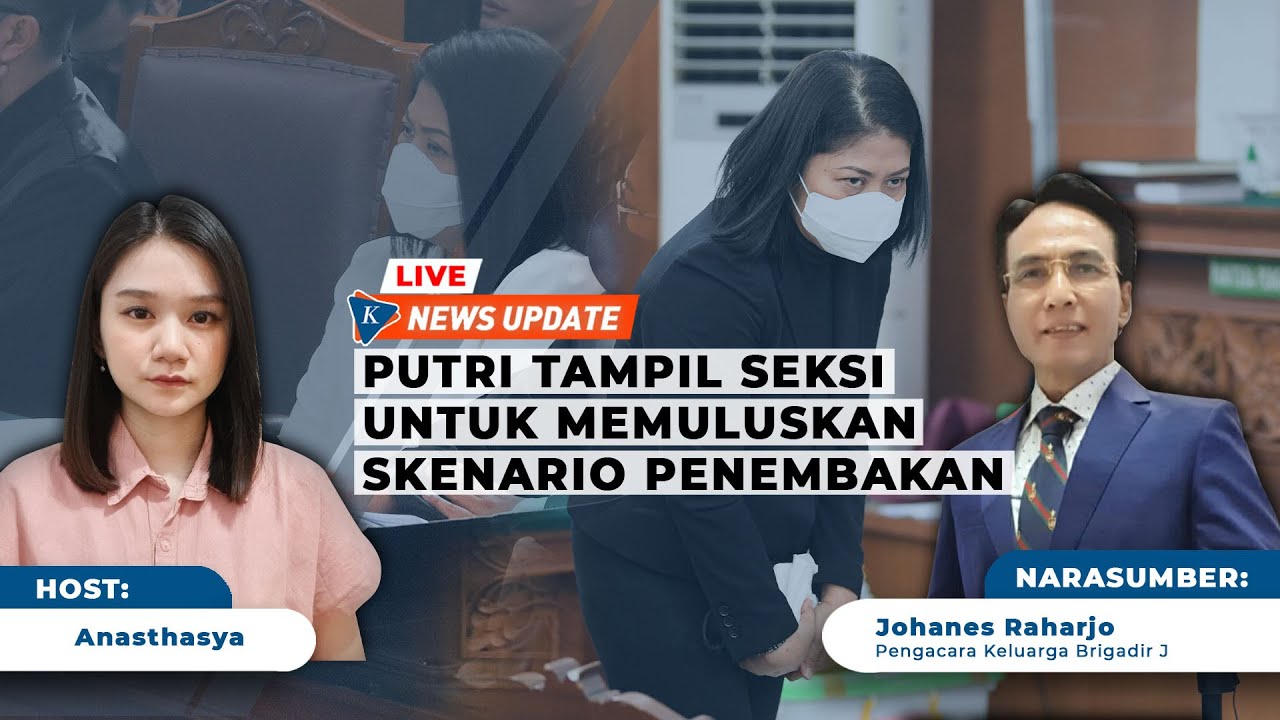




















DNA testing has revolutionized criminal investigations by enabling the identification of suspects through genetic evidence, even when crimes occurred decades earlier. In the case of Gail Eastwood-Ritchey, who abandoned her newborn baby in a garbage bag in 1993, DNA analysis 26 years later revealed her as the mother. The case demonstrates how advances in forensic science can solve cold cases and how childhood trauma and personal insecurities can contribute to criminal behavior. Gail was convicted of murder and sentenced to life imprisonment with the possibility of parole after 15 years.
The Real Crime Psychology: A Mother's Deadly Secret - Geauga's Baby Case
Added:Understanding the psychological distinctions between filicide (the killing of one's child) and neonaticide (the killing of an infant within 24 hours of birth).
The psychological phenomenon of pregnancy denial, including how cognitive dissociation and fear of social stigma can lead to concealed pregnancies.
Basic principles of criminal law regarding homicide, specifically the elements required to prove intent (mens rea) in cases of newborn abandonment.
An introductory understanding of how forensic science and DNA profiling are utilized in cold case investigations.
Analyzing the role of forensic genetic genealogy in resolving cold cases, including its ethical implications and legal boundaries.
Evaluating the historical development and efficacy of 'Safe Haven' laws and infant abandonment legislation enacted to prevent neonaticide.
Advanced study of psychological compartmentalization, exploring how individuals can maintain functional 'double lives' after committing severe undisclosed crimes.
Comparative analysis of judicial sentencing and psychiatric treatment outcomes for maternal filicide offenders across different global legal systems.
272K views4.4Klikes1:41:39Original Release: 2023-12-05
I did the same thing.
Put it in a garbage bag.
What did you do with the garbage bag?
I left it.
The woman you just saw is Gail Eastwood Richie, a 49-year-old wife and mother of three who lived in Uclid, Ohio. But as you go through this video, you will unravel a whole new side of this innocent looking woman.
On March 25th, 1993, a month before she turned 23 years old, she tossed her newborn baby boy on a discrete side of Sidley Road in Giaga County, Ohio.
She heartlessly wrapped the child in a garbage bag a few moments after it was born and left it in a remote area hidden from unsuspecting passing vehicles. The next day, two newspaper delivery men found it and called the police. The child was left with no chance to survive and unfortunately was found dead. But this stirred very strong emotions in the people of the county and the case became very popular at the time. The community even came forward and raised funds in order to have a proper funeral and tombstone for the baby.
And since the baby had no identity, the tombstone called him the Giaga's child, named after the county that claimed him as their own.
All efforts were made to locate the mother of the child, but to no avail, and the case went cold. But this was until 2019 when DNA testing brought about big revelations.
By this time, Gail was happily married to her husband, Mark Richie, who had been her boyfriend at the time of the crime and also the father of the baby.
The DNA of Giaga's child was put through the system, and the police quickly narrowed down the mother and visited her home for further inquiry.
Hey, how you doing? Good. This is the kind of sheriff's office and we just want to see if we can talk to you for a couple minutes.
Well, yeah. Okay. You have any idea what we want to talk to you about? Cuz I kind of think you might. Well, my parents said that you were at their house. Mhm.
And what do you think that's about?
It was about a baby. Yeah. What about a baby that was left? Mhm.
Can you tell us about it?
We're not here to judge you, Gil.
We don't know what was going on at the time. We don't want to speculate either, okay? So, I don't think you want us to speculate. We're not here to arrest you, okay? We are here to take your DNA, okay?
and we would like for you to tell us your side of the story because we'd like to know. As of right now, you're not under arrest. You're not going to be arrested today, but we want to know what was going on. I think after 26 years, it's time, don't you?
It's had to be weighing on you.
Should we go inside? Well, what we'd like to do is get your DNA. Okay. And then we would like for you to come back to our our sheriff's office so that we can talk. You're not being arrested.
Okay?
But we need to sit down and we need to hear your side of the story.
Okay.
All right. So, I'm going to get my stuff real quick. We're going to take your DNA here. I have a signed search warrant from a Kyogre County police judge. Okay?
And I will give you a copy of that.
Um, you will have a copy for you to keep. Um, the the DNA process is a very non-invasive process. I just I'm sure your parents probably told you. Um, just u swipe a Q-tip on the inside of your mouth. We'll collect it real quick. Then we'll go back to the sheriff's office.
At some point today, we'll we'll bring you back here. Okay.
On May 21st, 2019, the police finally came to the door of Gail Eastwood Richie. She lived in a suburban area of Cleveland with her husband, Mark Richie.
Gail's parents had been contacted by the police almost 2 weeks prior to this visit, so she had been expecting them.
So far, the officers suspected her, but her reaction was a confirmation of her culpability. They would still do a direct DNA test of her and Giaga's child to confirm that Gail was in fact the mother. There's an evident change in her expression. Her forehead was wrinkled and her eyes are distracted. She is finally revisiting the time she discarded her newborn child 26 years ago. To the detective's surprise, the couple only lived half an hour away from where the baby was found.
You okay?
My partner is coming in.
Is there anything else we can get you?
Do you need to use the facilities or anything, Gil?
No. No. You sure you're okay? There's some tissues there for you. Um, as we indicated, Gil, um, at the house, our our intention is at this point not to arrest you. You're not under arrest.
Okay. And, uh, we would like to give your side of the story, though. um we just didn't want to do it there in your house if your kids come in or anything.
That's just not a good situation obviously with the topic at hand. But I do need to um you know because we brought you back here um you know I want to go over a couple things. You know again at this point you're not under arrest. Okay? You are free to leave.
Okay? So I'm going to just read you your rights real quick. You have the right to remain silent. Anything you say again can will be used against you in court of law. You have the right to an attorney.
We'll provide one free before any questioning if you desire. You could stop answering questions, Amy. And do you understand that? Yes, I do. And with that being said, we do appreciate your your cooperation. Um, even before bringing Gail in for questioning, officers make it a point to assure her that they only wish to find out the truth and not judge her. The topic at hand is very sensitive. There could be a lot of reasons why Gail did what she did in 1993, and an empathetic approach will allow her to open up more. The detectives have to explore the possibility that Gail may have been in a vulnerable position herself when she abandoned her child. The technique of interviewing being used here is the peace model. This is an interviewing technique that is used to ensure that the interrogators produce evidence while still taking a more empathetic approach.
It has five stages. Preparation and planning, engagement, account and clarification, closure and evaluation.
We will discuss each stage as the detectives apply them in real time during the interrogation.
The first stage begins with mapping out an interrogation. They have already reviewed existing evidence and suspect information. It will help them determine the objective of the interview and what questions to ask. In this method, the interrogations are more like interviews as they are much less harsh.
You know, obviously you had indicated that your parents had had told you that we had been out. So, I'm sure that you had kind of knew that this day was coming, uh, that we were going to be coming out to talk to you. And, you know, that we we got their DNA, which is, you know, what ultimately led us to you.
And what we would like to do is we're not here to judge you. We don't know what was going on in your life at the time. we know that, you know, there probably weren't as many options for for people at the time, you know, and uh but but that being said, we'd like to, you know, get your side of what happened.
So, at that time, my husband and I were dating. Mhm. We were sexually active.
Mhm.
They did use contraceptives, but apparently one didn't work.
I did not know I was pregnant at the time. Okay. I still had my menstrual cycles and then my menstrual cycles end up stopping. Okay.
I don't know how long they were. You need to know that. I I don't know. But at some point during the pregnancy, they stopped.
Yes, it stopped.
Um, do you know about when that would have been? They don't in relation I mean was it winter time or was it I mean is there anything you could kind of put to it that would tell you as about when those menstrual cycles stopped? Um, I want to say about 3 months before the baby was actually born.
Um, I honestly do not remember the date or the day when the baby was born. I do know it was in winter. The second stage, engagement, begins with the interrogations, conveying the expectations of the interview to the interviewe. Ensuring Gail that the detectives only need her side of the story has helped a lot. From the beginning, they do not face any resistance from her, and she starts to confess immediately.
However, one shortcoming is that there are no female detectives present at this scene. However, this is not essential and the interrogation will continue smoothly. But it can be seen that there is some hesitation from the officers.
When an uncomfortable or more feminine topic arises, all three pick up a water bottle at the same time. It creates an awkward air in the room, but as the interview moves along, the interrogators will continue to show utmost professionalism.
I was at work.
I was a nanny for a family of Shaker Heights.
Um, I was waiting for them to come home from school.
I hadn't been feeling well at all that day.
[Music] The next thing I knew, I was giving birth to a baby in the toilet.
I didn't know what to do.
Kids haven't gotten home from school yet.
The only thing I can think of baby [Music] I have no idea what was. I never looked at it.
I took it out to my car.
I placed it in the trunk.
I cleaned up the bathroom.
Was the baby still in a bag at that time or did you put it in something else?
Bag like a garbage bag. Mhm. Okay. Yep.
Then I went home.
Where were you living at the time? My parents. I was still here. Yeah. Okay.
I wasn't sure what to do.
No one knew then we had and I don't know the time frame from when to when but um camps that were associated with Quinia out here. I came out with our youth group for a weekend.
I I didn't We got in my car.
I left the camp for a while. I got in my car from Camp Coia. Yeah. I have trouble sitting there. Yes. Um I got in my car and just drove.
I don't know where I ended up.
And I just ended up stopping on a road. I don't know which road and I took the bag out of the trunk and I laid it in the woods.
This is a woman who is speaking about throwing away her newborn baby, but you will not see any expressions of grief or guilt unless she talks about herself. It is shocking that she's been described as a loving mother to her three children when she was capable of such a monstrous act towards her first child. In the clip shown, she cries a little, but that was not in reaction to the baby, rather because she's looking back at the time and feeling bad for herself as she did not know what to do. When it comes to the baby, she couldn't care less. Gail does not even remember the day her child was born, regardless of what she went on to do with him. Her demeanor is so cold towards the baby that when she references him, she will use it to address him. The reason for this may have been the fact that she did not even look at the infant's gender. And later, she never followed the news enough to realize that her baby, Giaga's child, was a little boy. She had wiped the child from her memory.
I didn't know what to do.
about how far from the camp were you? I I have no idea. I I really don't know. I I don't Other than driving to the camp.
I really don't.
You couldn't too far cuz you didn't know the road. So, how would you get back, right? I guess.
Is anybody with you in the car? No. No.
No. I was by myself.
About how far off the road do you do you remember you went like with with the bag? Like how far from the roadway you would have went or was there anything specific by there?
Nothing specific. No.
Um, not that generation.
No.
Um, I just I remember stopping on the road.
There was a lot of snow. I I do remember a lot of snow.
and I walked in as far as I could and and I left the back.
Did you ever follow or read any stories or anything, you know, in the news or see any news clipping, you know, stories or anything like that about anything? I did not. No, I I did not know the baby was found.
At what point did do you know that the baby was found?
Did I mean was there was it recently?
Was it a long time ago or No, you were at my parents. So that's the first time that you had known that the baby was found that a baby was found.
Now getting back to uh you said you were at this this family's house in Shaker Heights.
when the baby was born, right? Yeah.
Okay. Do you remember their name or where they lived at?
I do. Okay. What was their name?
I'd rather not.
And why is that? Just I I Well, I you can understand, Joe. We We need to kind of verify some things. And I'm not trying to give you a hard time, but you know, obviously what you've told us, but we need to go back and try to verify some of those things. Um, it's been a long time. So, um, you know, and you said it was during the week, correct?
Because the kids weren't home from school yet. That is correct. So, you were kind of a nanny in the afternoon. I was a nanny all day. All day. Okay. But you said some some of the kids weren't went to school. There were two children.
There was two children. And they would go off to school. Yes. And then what time would they come home from school?
Um maybe 3:30.
And you would stay till about what time?
6. Usually 6. 6:00. And then you would go and that's when you went home from there. Yep. Okay. Um so do you remember what day it was? Was it Thursday maybe or Friday? I honestly don't remember the day or the month, but you said you went to a weekend camp that that weekend, right? And I don't know if it was that weekend. It may have been a whole week. Okay. Gail is upfront about giving the information herself, but the detectives find it difficult to get her cooperation when they ask about other people's statements. She refuses to give the information of the family she babysat for at the time because she does not wish to embarrass herself. Her expressions become painfully cold when asked to share the identity of that family. You'll also notice that she does use the word baby sometimes, but this is in repetition after the detectives. When they use baby to refer to the child, then she does too. But when asked questions that require thinking, she will again refer to the baby as it.
Later, she picks up on this and starts using baby herself.
And you said that you were in the in the bathroom of the home. Yes. When the baby was born, but but nobody else was home at the time. No. No. You were by yourself? Yeah. Okay. Um obviously there would have been, you know, the afterbirth and the umbilical cord. How were you able to um you know cut the umbilical cord? And I didn't. You didn't cut the umbilical cord? No. No.
Okay. You did not. So you left just basically everything attached to the baby. I did. the the after birth everything was was still attached to the baby.
Um and obviously um you know that the the baby was born alive.
I I don't remember I don't recall it ever crying. Okay.
But it's not like it was still born or anything. I mean the coroner's report shows that it it actually was breathing.
Okay. So, um, at some point you I mean there had to be some something kind of that you heard or or saw and the baby had to be moving or it it's possible. I I don't I don't remember.
I I remember picking it up and placing it in the bag. Did it actually fall into the toilet when you when you gave birth?
Yes. So, everything just kind of fell into the toilet? Yes. Okay. And not onto the floor or anything like that? No.
Okay. So, the baby was actually in the toilet. Yes. Okay.
And then where did you get the bag from and all that kind of stuff? Um believe it was under the kitchen sink. Under the kitchen sink. So, just a normal trash bag. Yeah. Do you remember what color it was or anything?
I'd say it could be clear, white, black.
I believe it was black. It's like a dark colored trash bag. Yes. And everything was still attached to the baby when you when you Yes. And when you put it into the bag, was it still moving or anything? I I don't recall it moving.
You don't recall? No. Okay. You said you were able to to clean the bathroom up prior to the kids you were nanning returning home? Yes. Okay.
And did you after after you put the baby into that bag, did you immediately take it out to the car or was there some time lapse while you were cleaning?
Um, I probably cleaned and then took it out. Okay. I I don't I don't remember what I understand. It's been 26 years, you know, and I don't even remember what year it was born.
After this point, the third stage, accounts and clarification, begins. The investigator tries to clarify necessary details and encourages further conversation. Sometimes this stage may include adversarial techniques such as the use of close-ended questions or the investigator challenging the subject regarding any inconsistencies in their account. In this stage, the assumption is that even though the subject has opened up and seems to be sharing details, there are aspects of the crime that are being hidden. So they probe into the same events over and over again so that small inconsistencies can cause slip ups. How long before you moved into the house do you say the baby was born?
Was it months, weeks, years?
Well, it was in the winter. It was in winter.
So was it like that winter before you moved in or was it a couple winters before?
It may have been January of that year. I I don't But you think it was that year in 93 when you moved into the house?
I I don't I don't remember what year it was. Okay.
But it was cold and snowy. I guess it could have been at the end of 92, maybe December 92. But um the kids would have been home for Christmas break. So it must have been January of 93. January of 93. Somewhere around there that the baby was actually born. Yeah. Okay. Were you active with anybody else besides Mark prior to that? I was not. No. So you're you're confident that Mark is is the father?
father. Okay. Um, now getting back to the um like how the baby was born and placed in the bag. I did not cut it. Well, how did that umbilical cord get cut down? I I don't know. I didn't I didn't cut it. You didn't cut it? No. And you're positive that I am. And obviously we're talking about 26 years. So there's, you know, as you said, you know, some things that you're not real. Yes, I understand.
But there's no possible way that you cut that in vocal cord.
Almost certain I didn't.
Is it impossible or are you positive that you didn't cut that vocal cord?
cuz there's a couple things Gail you've told us a lot but there's a couple things that I am kind of struggling with and some of that is is you know to do with the baby because um you know a full autopsy was done the the baby was found obviously that's clear um and the ability vocal cord was cut and the corner's report can show that the that the baby was born alive. Okay. And that the baby had taken breaths. Okay. So that tells me that the baby was moving and and there had to be some type of screaming or something that you heard or saw. This case is very challenging for the detectives because more than two decades have already passed and they have limited physical evidence. So it is necessary they align the old evidence with Gail's testimony. Giaga's child was found with a severed umbilical cord and according to forensic evidence it was alive. Another indicator was the presence of oxygen in the lungs. A common practice to see if a child had been alive at birth was by floating the lungs in the water. If they float, then it means oxygen content was present, meaning the child was alive. But Gail's statement differs from the evidence at this point. A simple explanation is that the umbilical cord may have shed off while the animal dragged the corpse towards the road. And despite the lungs having oxygen in the baby being alive, the cause of inaudible cries could have been a birth defect. This explains why the child was breathing and still could not make a sound. This proves the baby was alive at the time of birth and allows the officers to press charges for murder. I don't know if that's just something that you don't want to remember, obviously due to the circumstances. It's possible, but I I really don't remember it ever making a sound. How about in the bag? Was it still moving around in the bag or had it kind of maybe drowned in the toilet or was it still kind of moving around in the bag?
Well, I can tell you it didn't dry drowned in the toilet because it didn't have water in its lungs. Um, so no, I don't think it stayed in the toilet long before I put it in the bag.
So, even in the bag, it's it's got some oxygen in there. It's it's it's breathing. It's taking some breaths.
It's probably moving.
It's got to be making some kind of noise.
I really don't remember it making noise.
I really don't.
Do you remember the bag making any noise? Was the bag moving crinkling?
Not that I'm aware of. I suppose it could have been when I put it in the car. Mhm.
But either in the toilet or when you quickly put it in the bag, it be making some kind of noise or moving around or but ultimately due to your condition at the time, your intention was no matter what, you weren't going to keep this baby.
I didn't know what to do. You didn't know what to do.
But under I mean because of those circumstances you didn't know what to do. Was it because you were young because you weren't married?
Um you know you're afraid to tell your parents. I understand you're Baptist. I was definitely afraid to tell my parents. My father was very adamant about not having children before you're married.
Um because the sister and nieces all had children and didn't want that. I can understand that stereotype.
What else was going through your mind at the time? Why you why you said, you know, I don't know what to do. I'm not keeping this baby. What else was going through your mind at the time? Well, I think part of it was more of just where I was at and worried about the kids coming home and I didn't know what to do.
Establishing the motive is perhaps the most crucial part of an interrogation.
It can help the officers to build a very strong case or it can help the perpetrator form a very strong defense.
The smallest differences within the statement can lead to big differences in her prosecution. If she knew the baby was alive after birth, that would lead to seconddegree murder charges. However, if she claims in the interrogation that she did not know that, then it could lead to a more lenient charge. So far, the motive that Gail is trying to present is the one that detectives expected, it would make sense at the time that a child outside of wedlock would not have been approved.
Um, but you had known for some time that you were pregnant. At least a couple months when you're me and you're afraid to tell your parents that you were pregnant. So you had known for some time that you're pregnant. So at least for a couple months, correct?
Can we say that you said initially you didn't know you were pregnant? You were still having your menstrual cycles and that does happen. Um, but and I also I think because of that I didn't know how far along I was.
But you hadn't told anybody? I had not.
And you weren't sure what to do? I was not. And I mean was was I mean did did you intend on having the baby or I mean what were your intentions? Should it kind of come unexpectedly that day? But um it sounds like you you had made your mind up that you know you weren't in the right spot at the time. You weren't telling anybody this was kind of what you were planning on doing for a lack of better words.
I suppose I mean had you plan on I mean what were your plans when you found out you're pregnant? And I I I don't I don't know.
I don't know what I don't remember.
They don't know what my intentions were. I mean, were you going to I mean, at least for some period of time, you know, you're pregnant and you're going to you're going to keep this baby or you're going to tell Mark at some point?
Um, or you just going to get rid of it and act like it never happened?
I'm I'm not sure. Um I've never been never been good at confrontation. Mhm.
Um so I think I always tend to keep things to myself to avoid confrontation.
Um, so I'm I'm not sure what I don't know if I ever had a plan or what I was going to do or I don't I don't remember. What do you think Mark would have said if you would have told him at the time?
I'm not sure. Had you thought about that? like what you're going to tell Mark or when the baby came.
I I don't even know if I thought about it.
Um I I don't know. I don't know if I was going to tell him or Did you think there was going to be confrontation with him when you told him?
Um, not in a in a bad way, but I've I've always had trouble um dealing with things that situations.
If the murder was planned, this changes everything in the interrogation. The role of the investigators is to ensure that they are getting all the relevant information and that nothing is left out. But the fact that Gail was menstrating for some months after the pregnancy is in her favor. It's possible that she did not expect to deliver the child when she did and discarded the baby because she was shocked and illprepared. If that was the case, it's possible that the sudden surge of stress may have caused her to shut down and become detached. However, it's hard to ignore her reaction as she's making her statement. She has had a lot of time to process her crime, and even today, she lacks remorse. She piercingly looks into the eyes of the interrogators, and she gives the most bleak details of the day.
I I I don't know. How long had you and Mark been dating when this happened?
When When did you meet Mark?
Um, we went to church together, so I'd known him most of high school.
Um, and then, um, I'm going to say I liked him when I was 16. Do you remember that? Um, and then we separated for a while.
And then I want to say when I was 17, we kind of hooked back up again. You guys have been dating ever since. Pretty much dating or married since 17. And when were you born? 1970.
So 87ish you guys met. You were still in high school, right? I was. Yeah. And he was out of high school. Yeah. Okay.
So he had been dating for a couple years. Yeah. at that point. Yes. And I would say later that year you you moved in together and found year you got married, right? 93. You moved in together and then you got married in '94. Yeah. Okay.
So, how do you think he would have taken it at the time? What do you think he would have said? Were you afraid that he was going to leave you? What what was your concern with telling March?
Um, I can understand you said your dad didn't want you to have kids out of wood.
I It was probably Yes. I was probably afraid that that he would he would leave.
They want nothing to do with that.
I think I was afraid also for what his family would think.
Um so I always go to the worst scenario and not the best scenario. And what was the worst scenario in your mind? Him leaving me. Him leaving me. That was the worst scenario. And you didn't want him to leave you.
So your in your mind the way to keep him is to not have this baby because you wanted to keep him around, right?
So that's why you hadn't told him and that's why you hadn't told your parents.
And I'm not trying to put words in your mouth. So, it seems like this was kind of your plan whether or not it happened that day or another day, but this is what what you had anticipated happening or the outcome being. You weren't going to tell anybody. You weren't going to let anybody know that this was happening. And whether it happened that day or another day, this was your intentions because you didn't want to lose Mark and you didn't want to upset your families.
I don't want to put my Was that your intention?
It would appear that way.
Cuz in your mind, if you tell Mark, he's going to leave you. If you tell your parents, you're going to be ashamed. And if his family finds out, you don't know what they're going to say.
And we're not here to judge you again, but if that was your intention, I don't think it was my Had you seen a doctor at home? No. No.
Detectives realize they have information regarding the details of the event, but the motive remains unclear. By asking more about Mark, his temperament, and generally understanding their relationship, they hope to get a clear picture about the situation that Gail was in. Any good interrogation should allow the victim to prove their innocence and justify their actions.
It's understandable that Gail was afraid of Mark and his family's reaction at the time. However, even if she had been in the worst position and the only option was to abandon the child, there were better ways to do that. She could have left the baby outside an orphanage or somewhere with authorized agencies that could have taken care of the child. But she chose to do the most despicable thing she could. So for basically the last 26 years, you've just kind of kept this bottled up inside.
Have anybody that you've confided in or knew that you were pregnant or I have not.
Nobody knew that you were pregnant.
Nobody knew I was pregnant.
You've never told anybody about it?
Never told anyone about it.
How about Mark? How How do you think he's going to deal with finding out what happened? I'm not sure.
What do you think he's going to say about it?
I'm not sure.
How do you think he should go about finding out?
hoping that I can tell them. Okay. And what would you say to him?
Think I would just go through what we just went through and tell him. And you're not sure how he's got picked up?
Sure. He'll be in attack.
Do you think he deserved any any decision back then or any right to know and be a part of that decision that he made for the two back then?
I didn't I didn't know what to do.
Today it's a whole different understand that you may have made a different choice knowing what you know now, but do you think that it doesn't really answer the question? Do you think that he deserved a right to have a choice in that decision that you made for the two of you?
Yeah.
What do you think his choice would have been back then? If if he would have known, you have been accepting of it.
Wasn't really given that opportunity.
Is it because he would have wanted you to keep it?
Yeah.
So, you would you think he would have wanted you to keep it?
Probably.
Detectives have realized that Mark is Gail's stress point. Any extraction of information can be done by leveraging Mark's name. For 26 years, Gail has kept the biggest secret imaginable, but she does not break down. One of the few instances in which we see a reaction from her is when she is afraid that she may upset Mark with her actions. She has mentioned that in her mind, the worst case scenario while abandoning her child was Mark's reaction, and that he may have left her had she not done what she went on to do to the baby. She confesses that she regrets not telling Mark about the birth, but not because she's guilty, but rather because she's scared that he will leave her now that he hears about what she did. Even though she tries to make Mark look like the motivation behind her killing, that is barely a passible excuse for what she's done.
So, is that why you didn't tell him? Cuz you didn't want to? because you weren't sure what to do and you didn't want him to have you keep it cuz you weren't ready.
Um, that kind of makes sense why you wouldn't I don't think it makes a whole lot of sense that he wouldn't that he wouldn't stick with you because he married you, you bought a house together, you had kids together.
So, I think his intentions were that, but I don't think you were ready for a child at that time. And he was obviously a little bit older, so maybe I was more scared um about being a mom. No, no, I worked with children. I I was okay with having children.
I think I was more concerned of his loving me if I always been in the back of my mind. So, do you think he would have loved the child better or more wanted his attention? No. No. No. I um it's really the only man that ever loves me.
Um and I wasn't sure if we'd get married.
Um I was always afraid of of losing him.
So, I didn't want to lose them.
And I think back then my thought must have been that I would lose him cuz I didn't know any better. It's baffling to see what Gail reacts to.
We're halfway into the interrogation and she's not said a single word of remorse when it comes to her own child. However, she's clearly worried when Mark is brought into the conversation. You'll notice she immediately replies when asked about the baby or the events of the crime. But when she's asked about Mark, she takes time to answer. This is because he's a stress point for her and she starts to consider the consequences she'll face in regards to Mark. He's the only thing she cares about. She says that she was not afraid to be a mother as she used to babysit children. But it's a shock that a woman as cold as this towards her own child could take care of other children.
So, right now, the only people that you've ever talked to about this are the two of us sitting here in this room.
There's no one outside of this room you've ever spoken to about this or that would know about this. I have not.
The uh the house that you said you you gave birth at? Oh, yeah. Where where was that located at? Shaker Heights. Shaker Heights. Woodbury Avenue or Woodbury Road. a very road. What was the the name of the owners? The last name of the owners? Um, Caner McNelte family. Caner McDonald family. How long had you worked for them when when this occurred?
Um, well, I worked up, let's see, um, my twins were born in 97, and that's when I left.
I stopped working in June of excuse me June of 97 or May of 97. Um and I had worked for them for 4 and a half years at that point when you left in in 97. Yes. You worked for four and a half years? Four. Yeah. Four and a half.
may have been. Yeah, I think it was four and a half at that point.
So, you you stayed working for them for the duration of time then after all this occurred until you said the birth of your twins? Yes. And those are your your oldest children of the twins? Yes. Okay.
Um back back to the the day of the birth. Um you said you retrieve the bag from under the kitchen sink. Is that correct? Yes. Okay. What method of closing the bag up did you use when you put it in the trunk of the car?
I think I just tied it in a knot. Just tied it shut. Mhm. And it was a a plastic and you said a black plastic trash type bag. Is that correct? Yeah.
Okay.
And you said you can't recall if it was in the trunk for a week, if it was a week had gone by prior to when you went to the the youth retreat or just a few days. That's correct. I don't don't remember the time frame at all. Would anyone else have driven that vehicle?
No, that was your your car. You owned that car. Okay. What kind of car was it?
Do you remember? Um that time I had a Ford Tourist. What color was it?
A tan. A tan for Taurus. Mhm. Was it Did you purchase the car or was it something your parents bought and it was just you were the only one who drove it?
No, I'm pretty sure it was in my name.
It was in your name. Yep.
So, this was 93. So, what year would that car then? Was it newer, older? It was older. It was a used car.
I don't remember what year it was. Do you remember how long you had it for?
Did you still have it when your twins were born? Oh, no. No, no, no. Um, I don't even think I don't even know if I remember if I had it while we were married.
It wasn't a very good car. It was over.
It was.
What year did you get married? 94.
October 1st. October of 94. You said you moved in what? September 93. And that's to the house that you currently live in now. Yeah.
During during your pregnancy, Mark never knew that you were pregnant. He he could never tell.
Did you remain active with him during that time frame? I believe so. Yeah. And you could never tell that you're pregnant. and it never came up like um he never said anything.
Initially, Gail resists sharing information about the family for whom she was babysitting, but now they've managed to get her guard down by distracting her. They've focused her attention entirely on how Mark will react to this, and she subconsciously shares all the information. She's gone into a stressful state, and she's willing to share more details. This is especially apparent from how slow her body movements are right now. It's also interesting to see that when asked about the birth of her baby, she cannot even accurately remember the year. But when she's asked about details that relate to Mark, like their wedding, she has updated answers. Obviously, at that time, you guys had to be talking about some type of a future together cuz just a few short months later, you kind of moved in together and within a year and a half, you're getting married. So, there had to be some kind of talk. So, we did purchase the house in 93.
Um, but he never let on that um that he was going to I had no idea that he was going to propose to me in December of 93. So, it wasn't even something that you guys had talked about about having a future and kids and never came up in conversation. It just kind of came up out of the blue, right? Um, and we had we had talked about it, but he was because of purchasing the house, um, just felt like it wasn't time that he could purchase a ring or anything like that. Financially, he was kind of Yes. He felt strapped. Um, to kind of come up at conversation like I'm sure it did. Yes. And and what was I mean was he always of the opinion he wanted like a large family or what what did you talk about? I think we both agreed that we thought three children was a good nice number of kids. Um so you both had wanted kids. Yes. And and talked about having a couple at least three. Yes. And it was a good number. So yeah. And it had come up throughout your dating.
Um, periodically. I mean, it wasn't quite a conversation all the time. No.
No. I'm sure it wouldn't be, but you guys talked about having a future together and Yes. and raising a family. Yes. So, it seemed like you wanted to have kids. Yes.
And eventually you you did have kids.
Yes.
So again, you what is it that that was going through your mind during March that that made you think if if this was coming up in conversation when you guys were talking about having a future and getting married and having three kids, but what what is it that and he wants kids when you guys are dating? You're talking about it in the future. What is it that made you not want to tell him? I I really I was I was scared. I was scared as to what my father would think. Um the motive was already unclear, but the more information Gail shares, the less her statements make sense. It's clear that Mark and her wanted to go on having children and they were planning a future together. So why not just tell him about the pregnancy?
And it's legitimate to be afraid of her father as well because a child outside wedlock was strongly critiqued at that time. But when she gave birth, she was already 22 years old, turning 23 in a month. She was independent enough to raise a child despite the disapproval from her family. Detectives will have to inquire further if they need a better understanding of the matter.
I was scared just because we weren't married. And you knew you wanted kids to Yes.
I didn't know that. Yeah.
You told us earlier too that you think had you told him at the time that he would have wanted you to keep the child.
It's possible. Yes.
But I don't think that was what was going through my head.
That wasn't going through my head. I understand you said you're scared, but I I just don't quite understand what you're afraid of other than I understand your parents knowing that that you're pregnant out of wedlock. But as far as, you know, telling Mark, you guys are dating for four, five years at that point at least.
Mhm. You guys are talking about having a future. You're talking about occasionally, not not every day, but talking about getting married, talking about having kids. You both want kids.
You know, later that year, he buys a house and proposes to you. Mhm. Um it it doesn't I I I'm I'm struggling with the fact that you're you're scared to tell her.
Um it's you know it's just left or isn't one night standing. I know. I I I don't It seems like there's more. and and you're giving us a lot, but there there's just something else that was going through your mind at that time.
And I don't know what it is. If you know, again, I don't want to put words in your mouth if you just weren't ready at the time or um you know what what what was going through your mind.
I could see if Mark's saying, "Listen, I don't want kids. I never want kids.
We're never getting married." But he's talking about it and you guys are having conversations about it. You guys are even talking about we want three kids and lo and behold, you have three kids.
Um, and very shortly after you're moving in, you're getting engaged, you're within a year and a half you're you're married and living together.
I'm not sure really.
The detectives really try to give Gail the benefit of the doubt in the interrogation. They're open to the possibility that keeping the child may not have been possible, but her vague answers do not help her case. The more vague she acts, the more they believe that there are aspects of this crime that she's not sharing with them. This will only stretch the question.
Other than I was afraid of losing him because of it, but again, he's talking about he want to have kids. I I understand. Like I would think most women would think opposite that it was a way to keep him that it would almost be a way to keep him. We have a child together and it's it's kind of a way to but I I don't understand how how that would make you afraid to lose you guys have had a relationship for several years. You're you're in a relationship. We we Yes.
Yes. We were in a relationship.
Um, good.
It's just I I was afraid I my father finding out.
Um it's all I can think of. I was afraid of losing him.
I was never ever ever felt certain that he loves me.
[Music] I can understand. Never the prettiest girl. I wasn't skinny. I wasn't the smartest girl.
I never thought highly of myself.
Was there a concern that it could be somebody else's?
No.
Yes, I could see that if you're worried that, you know, maybe it was somebody else's and you're afraid. Not at all.
I just really struggle with that, seeing that, you know, just in a few months you guys were moving in and getting married.
Well, we weren't even looking at houses.
I understand that. But but again, it had to be coming up a conversation, you know, even if it's just occasionally. So it's you guys are building a relationship. I've been together I took me a long time to feel truly loved by. From the facts given by Gail and Mark's testimony, there seems to be no reason why Mark would leave her at the news of a child. As mentioned earlier, not only did he want children, but announcing an unexpected pregnancy is also a sure-shot way of solidifying the relationship with another person. This would almost certainly have ensured a marriage between the couple at the time of the crime. But when the detectives were exploring that possibility, Gail opened up about her insecurities, and that fit into the puzzle of her motive.
She had low self-esteem and already did not believe that Mark truly loved her or that she was attractive. Most likely at that time, she did not want to do anything that would cause Mark to leave her. Additionally, it's interesting that the thought of her insecurities makes her cry, but not the torment that she put her baby through. What's kind of taken a little while is um we also had a search warrant for your husband's DNA, too. Okay. Because we believe that he was the father as well. We kind of connected some family members on his side of the family as well. not not as um extensive as we had on your side of the family. We've actually been working your side of the family for quite some time.
We have probably 13,400 people in a family tree that we amassed um you know working the the DNA back until we recently I would say made contact with your parents but we believe that he was you know related to the baby as well. So we made contact with him. He had made some statements that were a little contradictory to what you had told us. Um, had you ever been pregnant prior to this pregnancy?
No. No.
There's besides your three children that you have in this baby that we're talking about today, is there any other pregnancies or children or anything besides those four? No. throughout throughout your whole you know life up to this moment even prior to 93.
No.
Cuz your husband indicated that he was aware that you were pregnant at some point and that you told him that you were going to a doctor and that you had told him that you were pregnant.
We have other investigators that were out with us today and they're actually speaking with her husband right now and have been for quite some time.
In the fourth stage, closure, the detectives try to give more clarity to Gail. They tell her how she has been tracked down with the help of DNA testing. They also tell her that they are currently speaking to Mark in another room. New information has come to light in this process and they have to align the facts that they have derived from the two statements. Her husband is evidently a very big trigger point for Gail, and this takes her reactions to another level. She's become even more closed off now. When asked about any other possible pregnancies before that, she gives a faint and unconvincing no for an answer.
Was there ever a time prior to the incident we're talking about today that you ever thought you could have been pregnant?
You said that you uh you and your husband did you like him when you were 16? Did you guys date a little bit when you were 16? We did. What uh what caused you guys to separate? You said you separated as well. Didn't didn't ask me out anymore. Okay. So, you went on like a couple dates or were you guys kind of, you know, exclusively seeing each other?
Oh, yeah. No, just a couple dates. On a couple dates. Mhm. Okay.
You guys have like an argument or a disagreement over something specific?
He was never called to ask me out again and then I reached out to him after a period of time. And how long was that period of time? Oh, I I don't know. I I was 17.
What made you What made you reach out to him?
I liked him.
I was curious if he'd go back out with me again.
And you said obviously during the time around this event and before that you were you were active with with your husband now, your boyfriend at the time.
When when were you guys first active?
Um, not until maybe 18. When you were 18?
Yeah. Okay. In light of new information, the way the prosecution can proceed has changed. According to Mark, Gail had told him about a pregnancy before, but this was way before 1993 when Jayaga's child was found. She also told him that Gail had been seeing a doctor regularly for the same reason. He knew this for a fact and told the detectives that he had been regularly taking updates from Gail for the same. But according to Gail, not only had she never been pregnant before 1993, but Mark was also not aware of this. This makes the detectives believe that Gail must have rendered the same fate to another innocent life. But if she did that before, it will prove that the murder of Giaga's child was premeditated. If she had done this before, then this would significantly change her prison sentence. she would no longer be able to defend herself with the argument that it was due to shock that she had acted in such a cold and detached manner.
You were you were functioning that weekend as a youth counselor. Is that correct? Yes, I think I had a couple of teens there. Okay. Was there any other counselors with you that weekend or were you the sole? No, I think I was the only one. How many How many teens do you think would have gone with you with just one counselor? There were three or four girls. It was like a weekend long retreat or so you stayed a couple nights. Yes. Okay. Do you remember any of those girls names by chance? Yes.
Yeah. Who would they have been? Um at the time when they were teenagers, it was um Erica and Monica Wilkins.
And I don't recall Oh, their older sister might have been there. Chris, what are Erica and Monica's names now?
Do you know what their married names are? Um, one is Stol and um I'm drawing a blank on Monica.
How old would they have been? Um, you said they were teenagers. Maybe 16, 17. It was cold. Like winter time. What was was there any any kind of a special purpose for this camp? It was probably a winter retreat. A winter retreat. So, it would have been like spring break maybe or No. No. Just a weekend getaway, right? Okay.
The most challenging part of this case was collecting any kind of evidence.
Thankfully, the detectives already had all the forensic evidence from the baby.
However, that was not enough to get a conviction. Witnesses, accurate timelines, and statements are all required. At the time of the crime, Gail was the only counselor in the camp.
Detectives ask about the girls that she can recall that were present in the camp, but this will most likely be feudal. Getting statements from them will be tough because so much time has passed and it is unlikely they would have paid any attention to a counselor in a camp.
As we told you earlier, Gail, we don't want to see that. We're not here to judge you.
No, there's a lot of other people judging you right now. And like who who's judging you right now? Well, myself.
Yeah.
God that my husband knows.
Oh, that is our concern at this point is your safety not only from yourself but from other people.
Do you how do you think Mark will react to this? I mean, are you concerned that he has he ever been violent with you?
No, never. No. He's been a wonderful husband and father.
Couldn't have asked for a better person in my life.
And that's why I struggled so much with trying to tell him or By this point, Gail has become very nervous. Detectives assure her that they only need the evidence and will not be charging her for her crimes. She says she does feel judged by herself and God, but it is truly unexpected as to what registers as shocking to her. She still does not show remorse, but seems more nervous about being judged publicly. She starts to show signs of anxiety, like playing with her hands. But this is when the detectives talk about Mark. She will continue to be aloof when it comes to her baby.
What about his family? Are they Oh, God.
We have a wonderful family.
But how do you think they're going to react? Would you be concerned for your safety from their family?
Safety. No.
No. I just I think I'll be spoken to again.
Where do you think the safest place for you would be right now?
We're not so sure it'll be back with Mark. We're not saying it it's not safe, but you know, we're not sure how he's going to deal with that. This is something obviously you've known this and battled with it for 26 years. This is something that has been literally dropped in his lap today out of nowhere.
And I I don't know how he's going to react to that.
We're concerned for him and for you.
We have no intentions of running out of here telling anybody what what the crux of our conversation was today. However, you have to understand over the last 26 years, this was a very big case. And and and in that regard, I don't know how you didn't know about it. There's been news stories, newspaper article, a news story that some of the original investigators uh did on the news. It was probably a 12, 15 minute um article that they did on the news. So, this is something that, you know, was and is something today very big in the community here in Jerby County. There's people that, like we said, you know, donated clothes, they donated the burial expenses. There's a headstone. Yeah, there's a headstone in a memorial. They they they did a ceremony and and did a headstone memorial and uh your child is is referred to as Job's baby because so many members of the community donated different things for your child and that and they maintain that that grave stuff. So um this is something that is very big in the community and with that being said um you know we are concerned for your welfare and you know what is the best place for you. So where do you think the best place would it be with your sister maybe?
Probably not. No. Why why do you think that?
We have not told her. We did have a search warrant for her DNA as well, but we did not execute that today.
So, we have not made contact with her.
We've only made contact with you and your husband today.
At this point, she is extremely triggered because now for a while they've been talking about how her husband will react and from the start that has been the most dire consequence for her. But Gail is not prepared for what's coming next. She has not even started thinking about the reaction from the community. This is the same community that was so involved with the baby from the minute it was found. They had been stewing in anger for years and finally the culprit had been found. They did not know that the culprit had been living amongst them all along. The detectives fear for her safety as she will not be arrested for now. They expect a very aggressive reaction from the community.
Where do you think you'd be safest?
Gail.
Are you still having thoughts or or considerations of ending your life or harming yourself?
I guess not. It's all out on the table.
I guess probably not.
Do you feel better that it's all out on the table?
In some there's got to be some burden left off to you. You know, it's something that you've kept in for 26 years.
It's only been something that I've known.
I mean, sometimes a lot of burdens.
What other burdens have you dealt with?
Growing up wasn't easy in in my house.
Why is that? My father was an alcoholic for 16 years of my life.
It's very easy to be wor. No, he is verbally abusive.
So when I said I never thought highly of myself, that's where that comes from from dealing with alcohol.
And speaking to a lot of your family, I understand even though your dad was adopted, that was something that was, you know, his parents were were not known to be great parents.
I didn't know this.
As you know, your father and two of his siblings um when your grandmother passed, they were given up for adoption.
Your father was only 18 months old, I believe, and he was given up from that.
Is there a place that that you can be safe tonight or that you would feel safe?
I don't know.
Am I allowed to see Mark?
Um, I don't know how that's going to go.
Have to check on that. Yeah, I'm not going to tell you yes or no, but again, we don't know how Mark is taking this because we haven't seen him yet. He's not here right now. And and obviously, if he's highly agitated, I don't want to expose you to any type of of risk of harm. Our concern and our responsibility is your safety at this point. And where is the safest place to be? not only from other people but from yourself.
In in talking to you, you've already had thoughts of harming yourself.
Today, I'm going to venture to guess was not the first time that you consider taking those pills. It was It was the first time. Did you Did you consider harming yourself any days prior to today? No. What What triggered that today?
Um, just thoughts in my head.
What were those thoughts? Just trying to spare, family embarrassment, shame, and didn't want my kids to see me.
Your kids still love you again.
It's not going to change your love for you. You're still their mother.
Some crimes can never be justified.
However, there can be many reasons why they occur. The things that a criminal is exposed to from the start will form their psyche, and the experiences they have had in their lives will dictate what they go on to do. Finally, Gail has shared something that resembles a motive, or at least we can dive into her thoughts and make sense of her actions.
She has already mentioned that she was scared of her father, and based on that, she made the decision to abandon the child. She also talked about her insecurities and how she never felt she was good enough. In the context that is being provided right now, those things make a lot more sense. Our childhood is a very important period of our lives and what we face in that time always remains in our subconscious mind. If her father was in fact an alcoholic and verbally abusive, this would explain why she had such low self-esteem and why Mark became such an important figure to her. Women who have an abusive relationship with their fathers either become extremely aggressive towards male figures or become very submissive. The same is true for Gail. It explains her fixation on Mark's reaction because she seeks his approval. He represents a stability she did not have in her childhood.
What was it specifically about today that changed though? Cuz you've kind of known for probably close to two weeks that this day had to be coming, right? I knew that what you just said.
Yeah. And I don't know. I just going over in my head what what to do, how to tell Mark.
Did you tried to tell him and I for um I've tried in my head to think how to tell him. Yes.
Like I said, I've never been good with confrontation.
I've gotten better over the years.
Good.
ultimately didn't want to do it just because I don't want my kids coming home and finding me.
You need to think about your kids cuz it's going to harm them even worse.
What's done is done and the mistakes you made. But to do something like that is only going to hurt them even worse.
Have you ever see seek any other mental health professionals or seen counselors or anything? Alanon, AA, anything like that to deal with some of the issues from your father?
previous was to be spoken of. It was just Have you ever previously had thoughts of harming yourself? Yeah. No, it's never been an issue.
What is it about your sisters that you don't think will be safe?
supposed to be saints, but her husband's a police officer.
Some do you get along with him? Yes, I get along with them fine.
Do you think he's going to I mean, is your concern with him or I mean he he's still your brother-in-law? I know, but I don't want to take this into their hands.
You don't think you'd be safe at your parents house?
Well, they probably would, but they don't know yet.
We haven't told them. I don't know if they've put it together. I don't think that they have.
Is there anywhere that you could think of that you would be safe?
Guess I don't want to take my mess into anyone else's house.
Well, as we told you earlier, our intent was not to put you in jail tonight.
But we do have a duty for your safety as well.
Gil, if we if we had to talk to to a mental health professional, would you be willing to do that? Would you speak with someone if we were able to find someone to talk with you? Sure.
Let's see if we can get something set up. Yeah, we we we have genuine concerns for your safety at this point.
You may not think so, but we do.
So, we need to see if we can get something worked out for you.
So, if there's anything you could think of, I understand that you don't want to bring your issues into somebody else's house, and I respect that, but we also don't know. I mean, your kids don't know. Your husband just found out. We don't know how it's going to go.
Okay. When was the last time you ate today?
Half an hour before. We'll see if we can you see you do something. Well, we'll see if we can get you something and then it's your choice if you want to do it.
Okay. The fifth or final stage is called evaluation. Here, the investigators believe they've collected enough information on the crime and they try to assess the information and how well it fits the evidence. They'll revisit the topics that they are not entirely satisfied with at this point. They need to ensure that they have covered all the bases.
The detectives not only worry for her safety from the people in the county, but also from herself. For the past 2 weeks, she's also been considering taking her own life. Her safety has become a priority at this point.
Is the fact that obviously, you know, now we had a search for your DNA. All right? And we have your DNA. And that is not only going to be compared into the the the child but also into the database and there are many unfortunately other cases out there and your your DNA is going to be in the system. It's going to be compared to all those cases and now is the time if there is anything else that you need to get it out there.
You've come, you know, uh clean with this what's happened here. You've told us what hap what's happened. Um, if there is anything else that your DNA is going to link you to, um, because unfortunately there are other baby cases that happened and those are still open.
And then there's other homicide cases here in Jagi County and in Asheville County like and now that we have your DNA, it's going to be compared to all those cases. It's going to be in that system. So, if there is any other issues out there that we need to talk about, now is the time to do it because I'm not getting a warm and fuzzy that this isn't the only time that there may be some more times and it's going to be compared to all those other cases, Gail.
you know, last thing you want to do is say that you came in here and be honest with us because, you know, part of what happens is, you know, truth and sentencing and showing genuine remorse and coming clean. And if there are other issues, now is a time that we need to talk about.
And I truly believe that you know that there is other issues and we're here to listen. We're not here to judge you. We're not yelling and screaming, but you know, and I know this isn't the only time that there's more times that this has happened.
And now is the time that you need to tell us about those.
How many other times has this happened?
One other time.
One other time.
And when was that?
Was it before or after this child?
Before. Before. Is that what Mark was talking about? The 1991 cuz he he had told our investigators in 1991 that there was another pregnancy that he was aware of.
I didn't tell him. Okay. I was pregnant.
So he may have known. Finally, Gail has confessed to killing a second infant.
When the detectives asked Gail prior, they stressed on it because it is their responsibility to explore every angle.
However, they did not expect it to be entirely true. There were aspects of Mark's statement that did not fit Gail's confession. Mark was aware of a pregnancy at some point, but it was before 1993. Detectives thought that Mark may have confused the year and it may be a dead end, but Gail has put that suspicion to rest and confirmed the facts of a second murder. The detectives are shocked, but they try to maintain a professional demeanor.
When was his previous pregnancy?
Probably about that time. About the 9091 time. How How old were you at the time?
Would you remember that? Would it be easy to remember?
20 21. Okay. 20. They explain that situation to us. Tell us what happened.
Is there Mar's child as well? It is.
Okay. And tell us what happened on that on that situation.
Um, pretty much the same situation other than um I had the baby um at his rental house. Where's his rental house? It was Uklid. Uclid. Is that in Haritch?
Huh? What street was it on? No. Um, it's where he was living in um 248th Street. Okay. He rented from his brother. Mhm.
Um, she gave birth to it in the toilet.
Is it a boy or a girl? I I don't know.
You don't know? I never You didn't want to know? I never looked.
They don't know. What What happened after you gave first a child?
I did the same thing.
Put it in a garbage bag.
What did you do with the garbage bag?
I left it.
What do you mean you left it? What does that mean? I took it and left it over by medical buildings in where where did you leave it exactly there?
Um there's a road called Brush Road.
Um goes up behind very tall medical buildings that are there.
Um and I just left it over in the tall grass kind of like field area. You left it in tall grass. Yeah.
What time of year was this?
Um, summer.
I think it was summer. Summer. And you think you're 21? What? Do you remember what year it would have been?
Gail's family and close friends spoke highly of her and were in disbelief that she was capable of this. They spoke about her good temperament and how dedicated she was to her role as a wife and a mother. People were stunned when they heard that she killed not one but two of her babies. This baby, too, was wrapped in a garbage bag right after birth and thrown out in the wild like its unnamed sibling. Giaga's child had a sibling, one that met a similar fate.
And the worst part is that at least Giaga's child was loved and remembered, even if it was by strangers. It has been so long since the first infant was dumped that the likelihood of finding even the remains of the baby is near impossible.
Mark, their three children, and other family members will have to now live with the fact that they will never be whole. Part of their family was kept a secret from them, a decision that Gail took alone. Okay? Cuz like like detective Seaman explained to you, your DNA hit the database in a matter of days.
It's going to connect to all those files, all those missing unidentified persons. So, if you're not being honest with us, we're going to know. So, now is your chance to be able to to get on the front end of this.
There's nothing else you need to tell us.
Okay.
I recall.
You forgotten another incident? No, I don't think so. Can you kind of draw us how that like shows us where like maybe where Richmond and brush is over you? Okay.
I brought you a couple extra didn't make enough room for a two building. That's right. One. Is it by that first building? I think so.
So, the baby was here. Yeah. Somewhere in there. So this is this is part of brush road or is this like a driveway for the building? Oh, this is this is brush and that's the driveway, right? So that's a driveway right there. And the building's here and the other building is like right here. Yeah. All right. Was there anything over in this field at all?
No, just really tall grass.
There were houses here. There were houses kind of behind here. Mhm. Right. Is there anything else distinguishable about the area?
No. No, it's that's what it is. So, and you birth that child as a full-term baby, I believe. So, but it looked fullterm. I don't think I even looked at it. Well, you had to I mean, you grabbed it, you moved it, you had to have seen it. whether or not you're blocking that out of your memory because you don't want to see it, but you did see it. Okay.
Um, but it was You believe it was a full-term baby?
That's true. Well, I'm not sure. Um, you went into like normal labor, right?
I think so.
Right. That was 1991.
And How do you know the difference between that child and the child that we found?
I mean, what what is so distinguishable?
Was it because of the location? That's what remembered or reminded you of, you know, the child that you birthed on 248th and the child that you birthed at the home in Shaker Heights.
But it's very similar in nature how it happened, right? Yeah.
However cold Gail seems, these events have had an effect on her. You can see how slow her motor activity has become.
Even as she signs the document, she slowly drags her hand away with disinterest. We cannot claim to know what has truly affected her and what has not. However, her body language said a lot in its own way. She was most triggered and bothered when Mark was brought up and was disturbingly unconcerned with her dead babies and the complexity of the situation she was in.
We understand from her accounts that insecurities are the reason for this insanity. But was it justified in the end? Though Jayaga's child went without justice for 26 years, fortunately there was enough forensic evidence to prove the facts of the case. Advancements in DNA testing brought Gail, the culprit, in front of the jury, and the fact that the baby had been alive after he was born was enough to present this as a murder. The remains of the first child were not found, and hence they were not presented. The decision was made to not reference the first baby, so it could not influence the jury. Finally, 51-year-old Gail Eastwood Richie was convicted of murder and sentenced to life imprisonment with the possibility of parole after 15 years on May 24th, 2022.
Judge Andre, who gave the ruling on her case, had the following to say in the end. Your wrongful efforts to conceal what happened in February 1993 did buy you 29 years of normal life where you got the chance to get married, raise children, and do some good works.
But ultimately, you gained that time on the back of a helpless infant whose body you concealed in the woods.
Ironically, Jo's child did more for you than you ever did for him. Probably your freedom is over. It is finally time to atone for these awful, unnecessary deeds committed three decades ago. So, I sentence you to life in prison. Life in prison with the possibility of parole in 15 years.
The county of Jiaga was already heartbroken when they discovered an infant on the side of the road in 1993.
There were numerous possibilities as to what brought this child to an untimely fate. But at least there was hope that maybe somewhere out there, a mother missed her child.
But this community of big-hearted people took it in as their own. But when the truth came out, it was worse than their imagination. A monster of a mother who did not care enough to look at the baby, let alone name it. Do you think that Gail got the sentence she deserved, or should it have been harsher? Or perhaps you think she was the victim after all?
Share your thoughts below and if you have any such cases that you want us to cover, add them in the comment section below. Like, share and subscribe to our channel for more such content. We hope to see you in the next video on our channel.
Up Next

10:25
Understanding Limited Liability Companies: A Guide to LLC Formation
@ElizabethPW
15.5K views•2023-01-31

4:27
US Secondary Sanctions Impact on EU Businesses and Blocking Legislation
@Bureauvandijk
1.6K views•2019-03-20

5:27
Forensic Phonetics: Speaker Identification in Legal Cases
@nptel-nociitm9240
539 views•2025-03-19

24:42
Police Interrogation Tactics: False Confessions & Legal Reform
@LastWeekTonight
7M views•2022-04-18
Related Study Plans & Knowledge Roadmaps
Structured learning paths in Law
law
Self-Defense Law: Imminence & Castle Doctrine
01Foundations of Self-Defense Law
02Imminent Threat & Reasonable Belief
03The Principle of Proportionality
+ 3 more learning modules
12h6 modules
Explore Roadmap
law
Defamation Law: First Amendment & Actual Malice
01Introduction to civil torts and the First Amendment
02Elements of Defamation: Libel and Slander
03Public Figures vs. Private Individuals
+ 2 more learning modules
8h5 modules
Explore Roadmap
law
Hearsay Rule: Trial Evidence & Exceptions
01Introduction to Trial Evidence & Courtroom Basics
02Demystifying Hearsay: The Core Definition
03Non-Hearsay: Exclusions Under FRE 801(d)
+ 3 more learning modules
14h6 modules
Explore Roadmap
law
Medical Malpractice: Law, Liability & Care
01Foundations of Tort Law and Civil Liability
02The Four Elements of Medical Malpractice
03Defining and Proving the Standard of Care
+ 2 more learning modules
12h5 modules
Explore Roadmap