







![Phonology: Intro to linguistics [Video 3]](https://i.ytimg.com/vi_webp/1JYahvKUvPU/maxresdefault.webp)
![[WEB] Introdução aos Estudos Linguísticos](https://i.ytimg.com/vi_webp/UJvwAMWWyH0/maxresdefault.webp)






![SFU LING 100 - [10] Forensic Linguistics](https://i.ytimg.com/vi/3QHl5HfG5V4/hqdefault.jpg?sqp=-oaymwEmCOADEOgC8quKqQMa8AEB-AH-CYAC0AWKAgwIABABGHIgRSg9MA8=&rs=AOn4CLAjUAeBLnbV2sFTOFIwSaksjwFuRg)


Forensic phonetics is the scientific study of speech sounds applied to legal contexts, combining acoustic analysis and spectrographic techniques to identify speakers, analyze voice recordings, and provide evidence in criminal investigations and court cases, as demonstrated in landmark cases like Queen v. Gilfoil (2001).
Forensic Phonetics: Speaker Identification in Legal Cases
Added:Basic acoustic phonetics, including concepts like fundamental frequency (F0), formants, and how to read spectrograms.
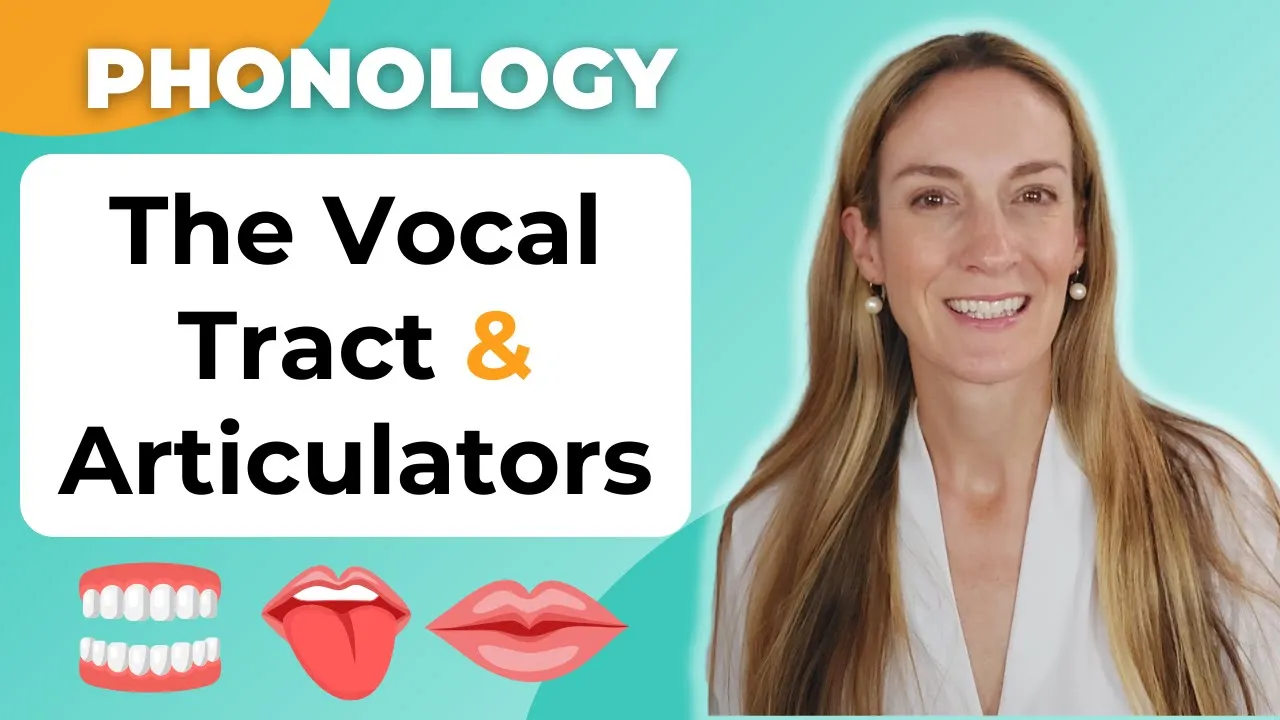
The anatomy and physiology of speech production, specifically how the vocal tract, larynx, and articulators unique to individuals shape voice quality.
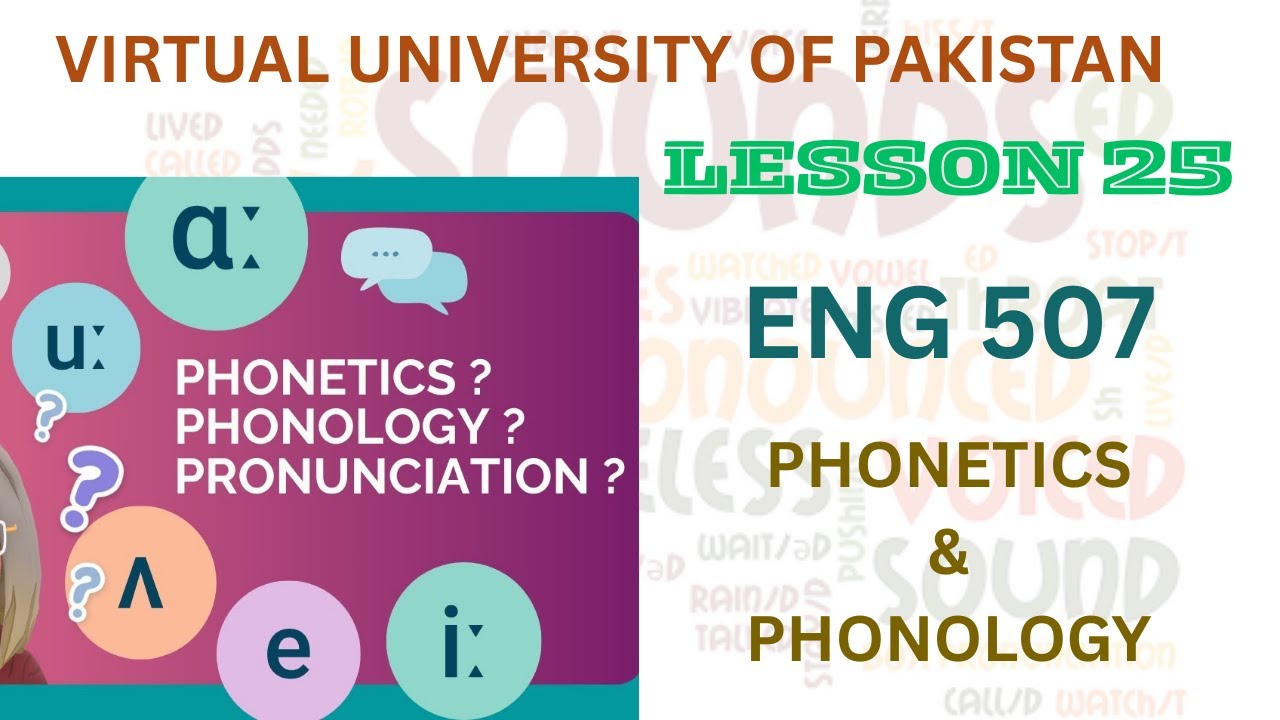
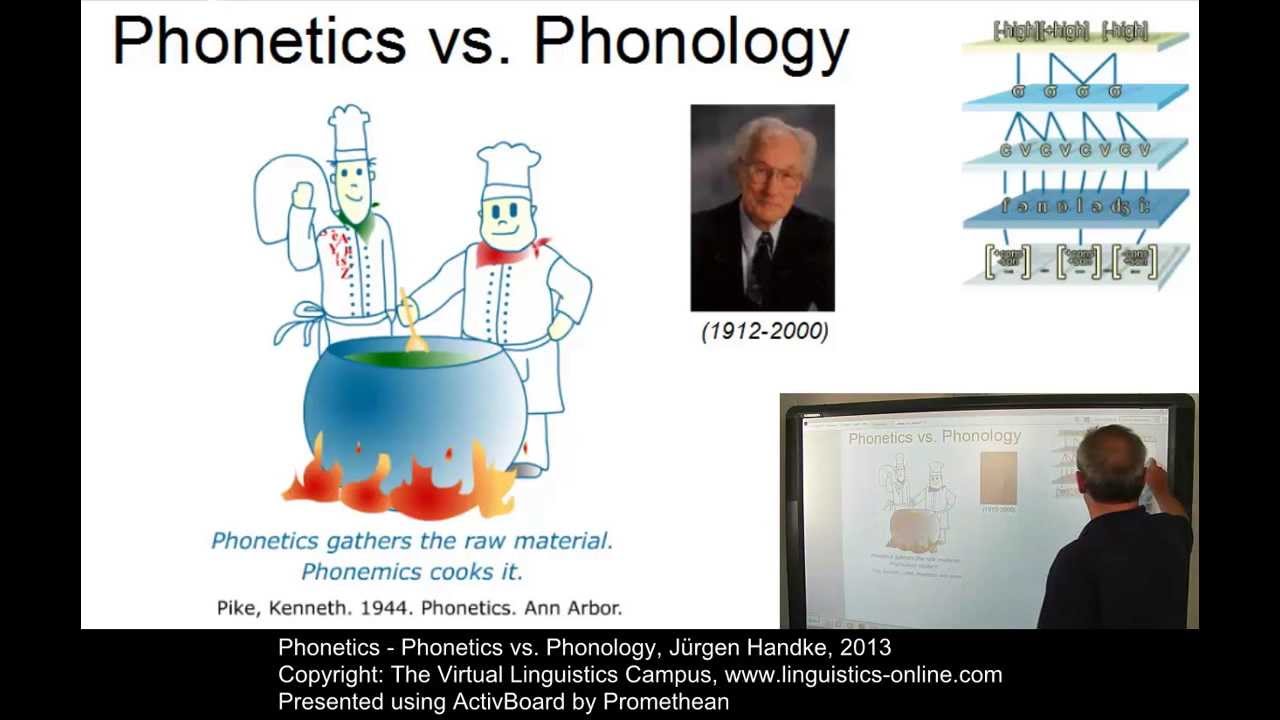
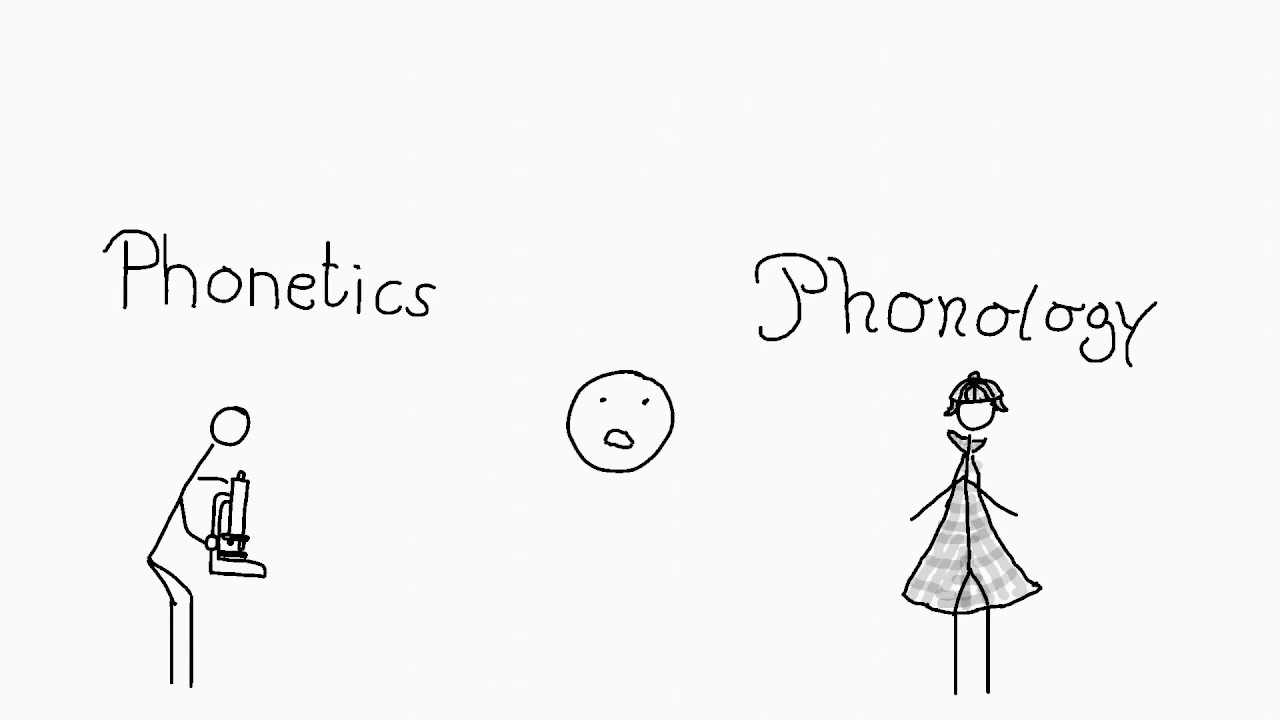
The distinction between phonetics (the physical sounds of speech) and phonology (the cognitive systems of language sounds).
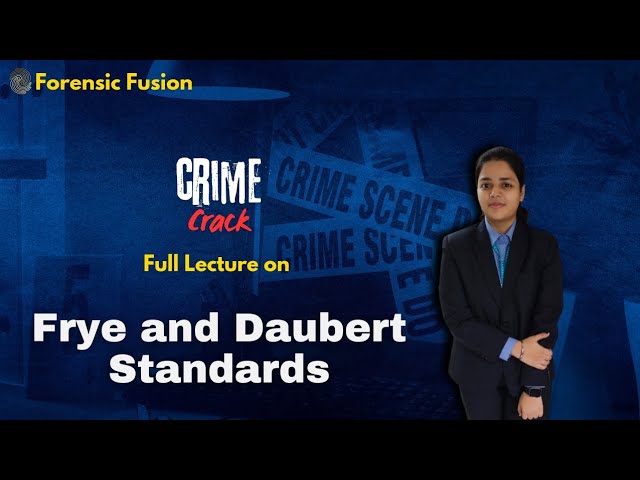
An introductory understanding of legal evidentiary standards (such as the Daubert or Frye standards) regarding scientific evidence in court.
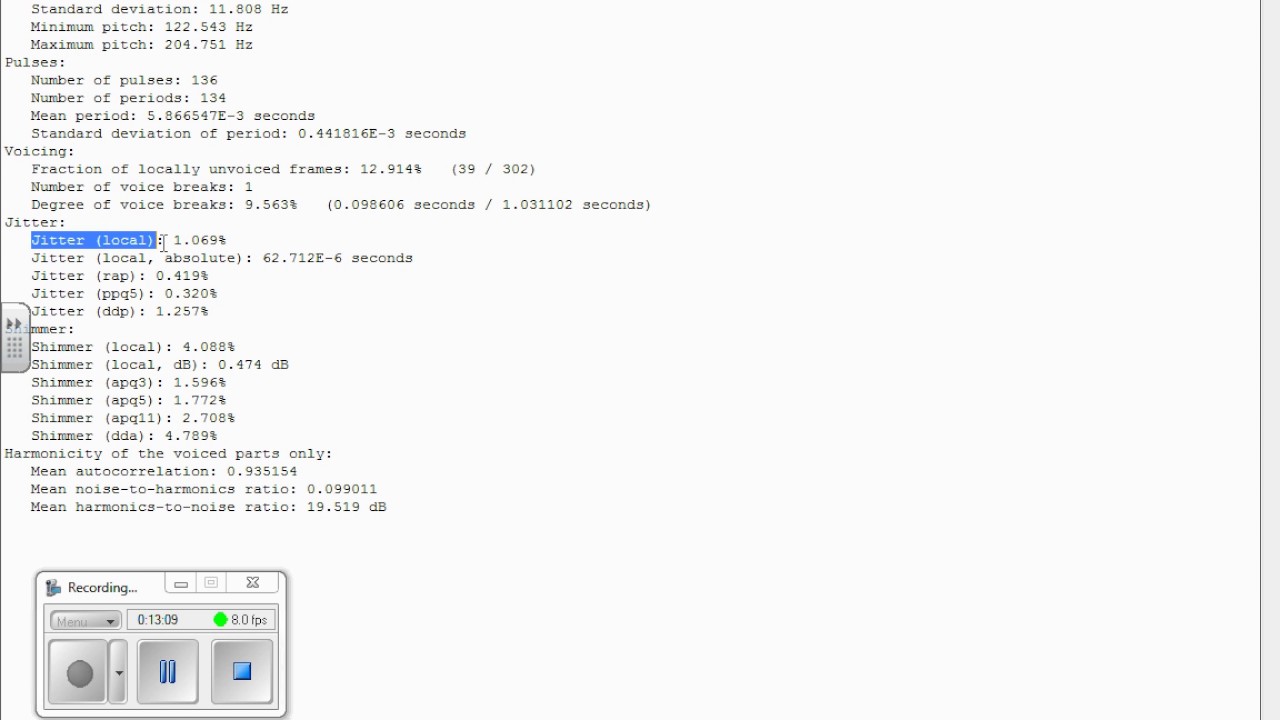
Practical training in speech analysis software (e.g., Praat) to extract, measure, and compare acoustic parameters from real-world audio samples.
The study of Automatic Speaker Recognition (ASR) systems and the application of machine learning and biometrics in voice classification.
Analysis of speaker profiling, voice disguise, and the acoustic impacts of transmission channels (such as cellular network compression).
Exploring the psychological and cognitive biases associated with earwitness testimony and auditory perception in forensic investigations.
539 views4likes5:27Original Release: 2025-03-19
[Music] namaskar friends I welcome you all again to this online certificate course on Forensic Linguistics I'm Dr deep mashu from National forensic Sciences University Gujarat bat today we'll explore forensic phonetics where the sounds of speech beat the world of low let's dwell into how this field helps in criminal investigations and in legal matters we'll start with understanding the basics of forensic phonetics forensic phonetics is all about speech sounds it includes studying the physical properties of the sounds and how they are organized in languages you'll be happy to know that it's a mix of Art and Science both we'll start with the first one the first branch of phonetics that is acoustic phonetics in acoustic phonetics we examine the physical aspects of sound waves in speech this includes looking at how loud or high pitched the sounds are it's like a detective examining clues in a sound one major use of forensic phonetics is identifying who is speaking experts analyze recordings to figure out if they are from the same person or not it's crucial in resolving crimes in legal cases phoneticians analyze speech recordings this could be in court trials or emergency calls they help understand what was said and who said it now if we discuss about phonetic transcription and spectrographic Analysis dear friends transcribing speech is converting spoken words into written form spectrograms which are visual representations of speech assist in detailed examination it's like translating sounds in the pictures let us discuss the famous case study queen versus gilfoil is of 2001 A case where phonetic analysis played a key role a supposed suicide kns authenticity was questioned and fans helped solve this puzzle you must be surprised that what were the techniques we'll talk about techniques in speaker identification in speaker identification we use techniques like acoustic analysis looking at voice features format analysis which looks at sound frequencies helps dis distinguish between speakers when it comes to Advanced voice comparison methods spectral analysis creates a visual of the sound making it easier to compare voices voice Biometrics technology uses unique wal features to identify people but there are challenges in voice analysis how we can overcome such challenges in voice analysis voice analysis isn't always straightforward forward people's voices can change based on emotions or health poor quality recordings can also make analysis stuff so there are some Channel you know even you can see that the quality of my voice has been affected because of the health let's talk about phonetic evidence in crime scene investigations in criminal investigations phonetic evidence is key analyzing threats or Ransom calls can lead to identifying criminals it's not easy it's like finding a needle in a h but that is possible too now when it comes to Legal admissibility of phonetic evidence in court phonetic evidence must be reliable and clear experts have to explain their findings well to judges and juries it's about making complex sounds understandable when we focus on ethical considerations in forensic phonetics forensic phoneticians face ethical choice es they must stay unbiased and respect privacy it's about balancing the search for truth with respecting individual rights but one cannot ignore the significance of forensic phonetics forensic Fanatics is a vital tool in law and Justice from solving crimes to influencing Court decisions the power of speech sounds is undeniable I believe that by evolving Tech Technologies the role of forensic phonetics will also be changed in our legal systems stay tuned for more videos please refer to our econtent share your feedback share your queries in the Forum stay tuned search for such cases and we'll meet again in the next video till then Happy learning thank you very much [Music] everyone
Up Next

67:58
Forensic Linguistics: Language Analysis in Criminal Investigations
@hofstrauniversity
22.7K views•2020-06-12
4:27
US Secondary Sanctions Impact on EU Businesses and Blocking Legislation
@Bureauvandijk
1.6K views•2019-03-20
15:29
Growth of Intellectual Property: Patents, Trademarks, Copyrights
@nptel-nociitm9240
10.4K views•2019-05-06

24:42
Police Interrogation Tactics: False Confessions & Legal Reform
@LastWeekTonight
7M views•2022-04-18
Related Study Plans & Knowledge Roadmaps
Structured learning paths in Law
law
Self-Defense Law: Imminence & Castle Doctrine
01Foundations of Self-Defense Law
02Imminent Threat & Reasonable Belief
03The Principle of Proportionality
+ 3 more learning modules
12h6 modules
Explore Roadmap
law
Defamation Law: First Amendment & Actual Malice
01Introduction to civil torts and the First Amendment
02Elements of Defamation: Libel and Slander
03Public Figures vs. Private Individuals
+ 2 more learning modules
8h5 modules
Explore Roadmap
law
Hearsay Rule: Trial Evidence & Exceptions
01Introduction to Trial Evidence & Courtroom Basics
02Demystifying Hearsay: The Core Definition
03Non-Hearsay: Exclusions Under FRE 801(d)
+ 3 more learning modules
14h6 modules
Explore Roadmap
law
Medical Malpractice: Law, Liability & Care
01Foundations of Tort Law and Civil Liability
02The Four Elements of Medical Malpractice
03Defining and Proving the Standard of Care
+ 2 more learning modules
12h5 modules
Explore Roadmap