![Phonology: Intro to linguistics [Video 3]](https://i.ytimg.com/vi_webp/1JYahvKUvPU/maxresdefault.webp)





![TTR S2-[PASS/LAS]-UE(T3) / Anatomie - Introduction à l'anatomie de la tête et du cou 5](https://i.ytimg.com/vi/DyObDC4I7Bs/maxresdefault.jpg)
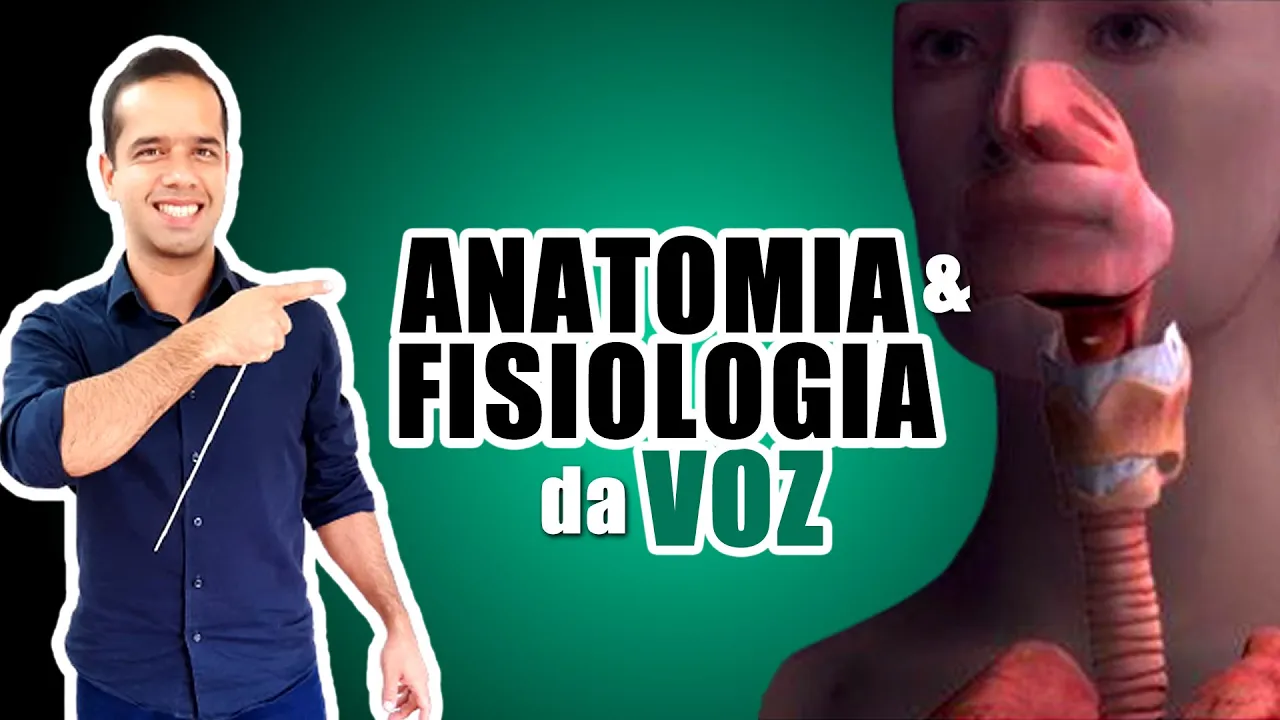





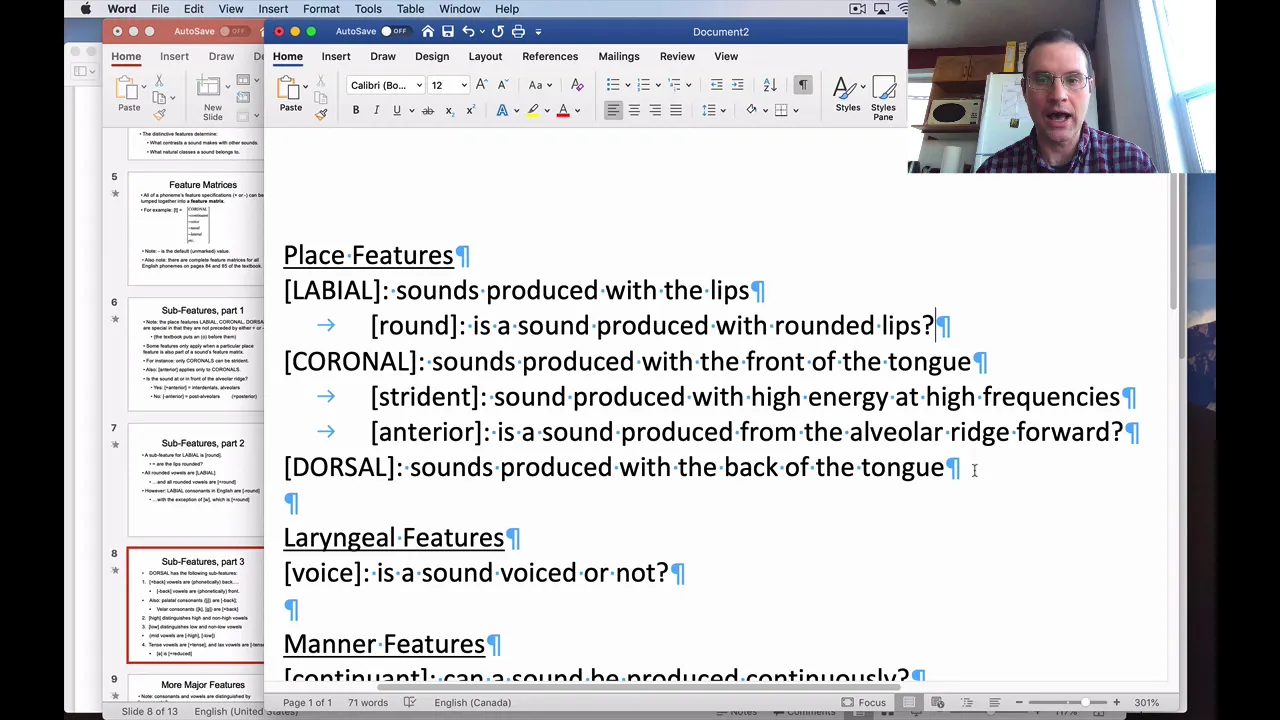
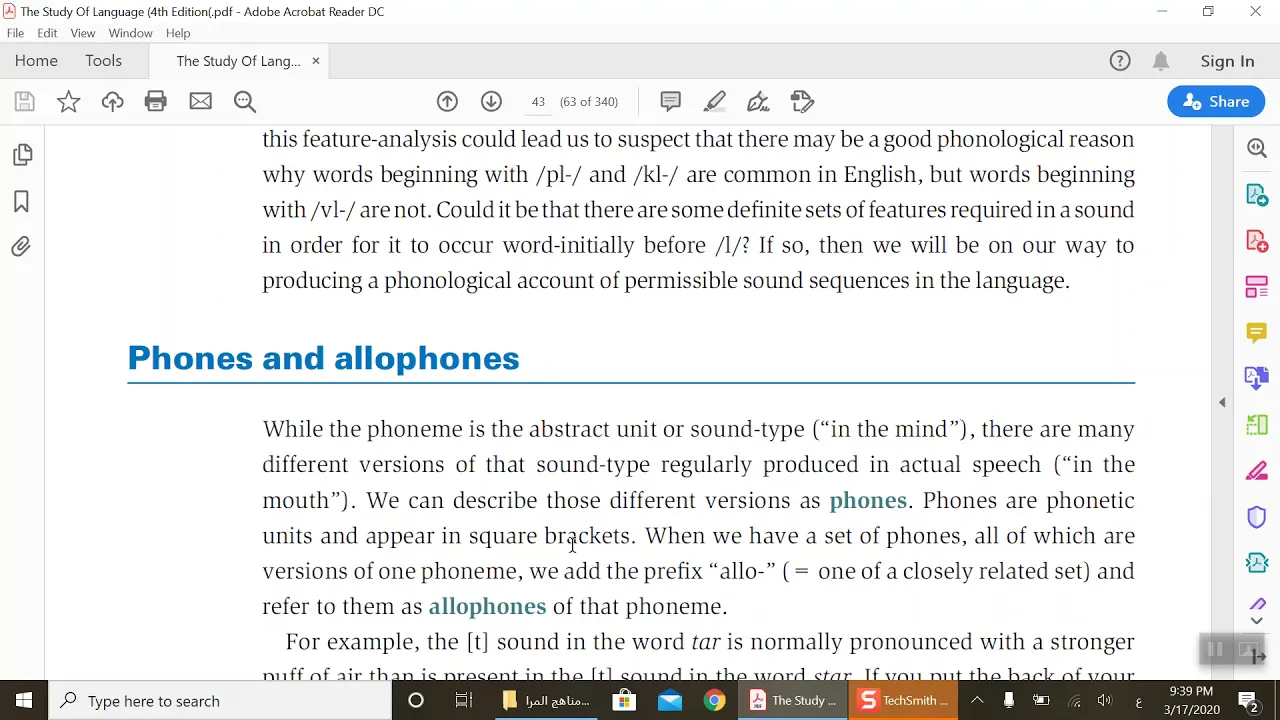


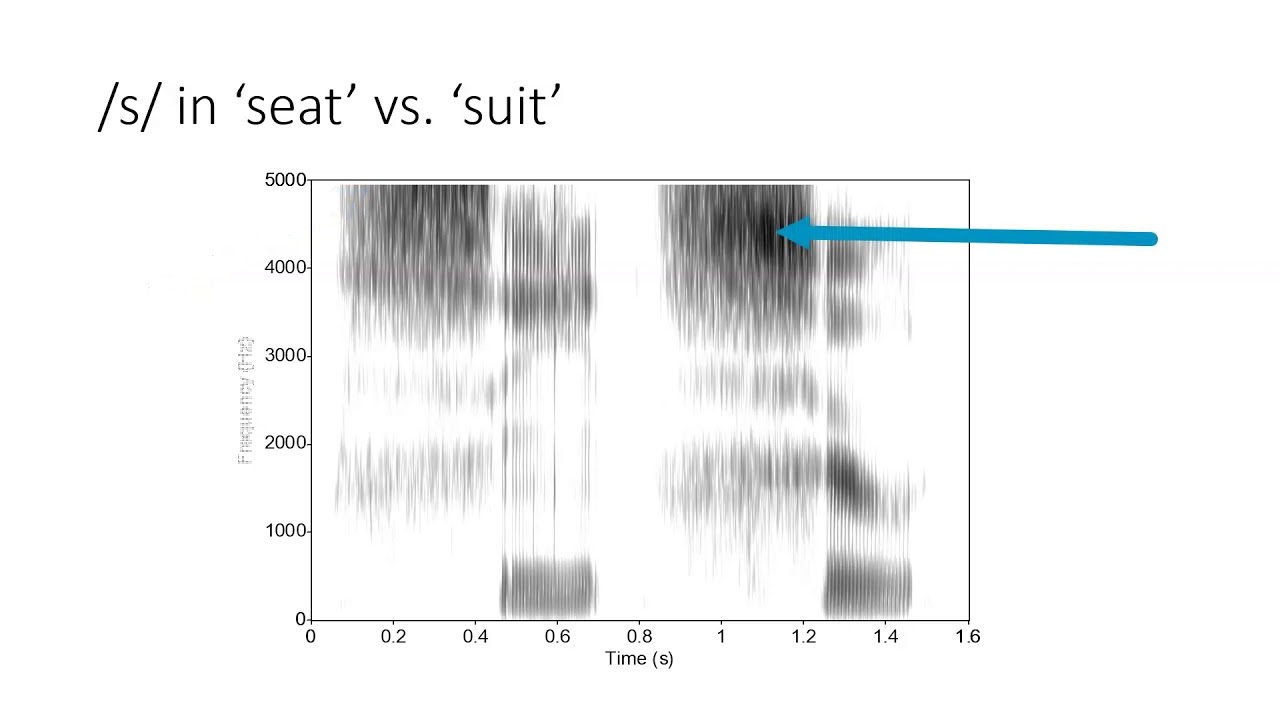


The vocal tract consists of the oral and nasal cavities, pharynx, larynx, and trachea, and contains both active articulators (movable parts like the tongue, lips, epiglottis, and glottis) and passive articulators (stationary parts like the teeth, alveolar ridge, hard palate, soft palate, uvula, and pharynx); active articulators move toward passive articulators to form sounds, such as when the tongue (active) moves toward the alveolar ridge (passive) to produce the plosive sound /t/.
Vocal Tract & Articulators: Active vs Passive in Phonology
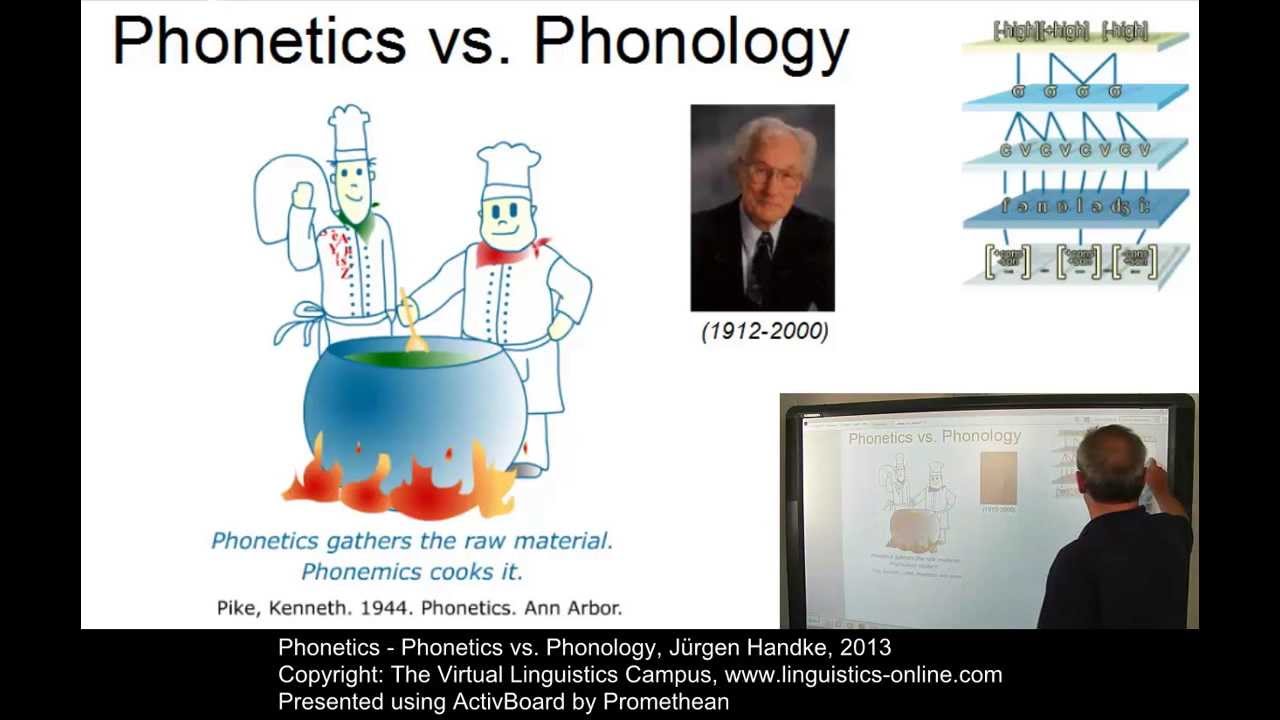
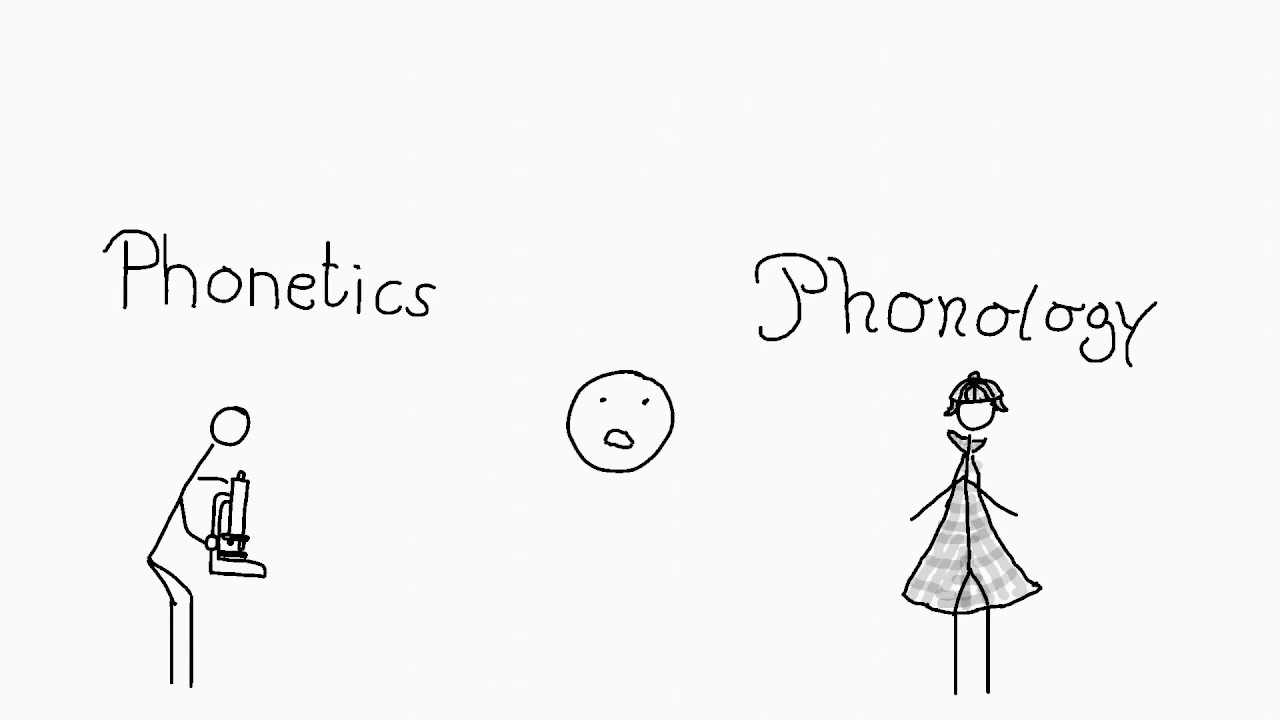
Added:Basic distinction between phonetics (the physical production of speech) and phonology (the cognitive system of speech sounds).
The fundamental concept of the pulmonic egressive airstream mechanism, which powers most human speech sounds.
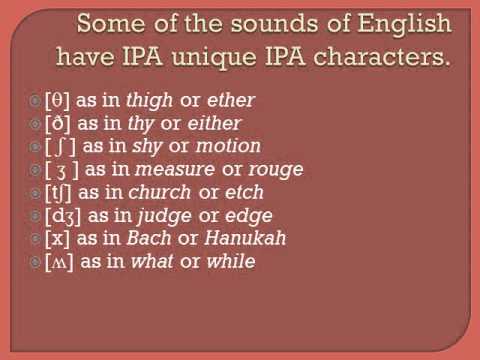
Familiarity with the concept of the International Phonetic Alphabet (IPA) as a tool for transcribing sounds.
An introductory awareness of the general anatomy of the human head and neck, specifically the respiratory and vocal organs.
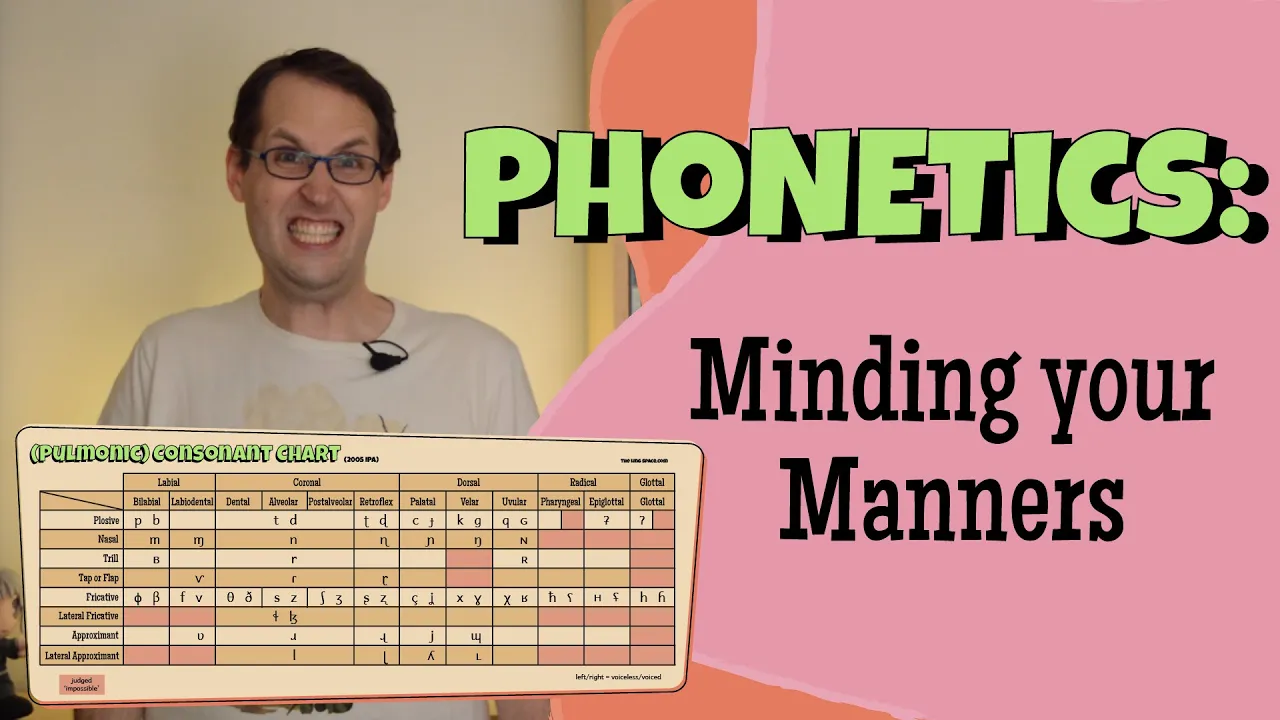
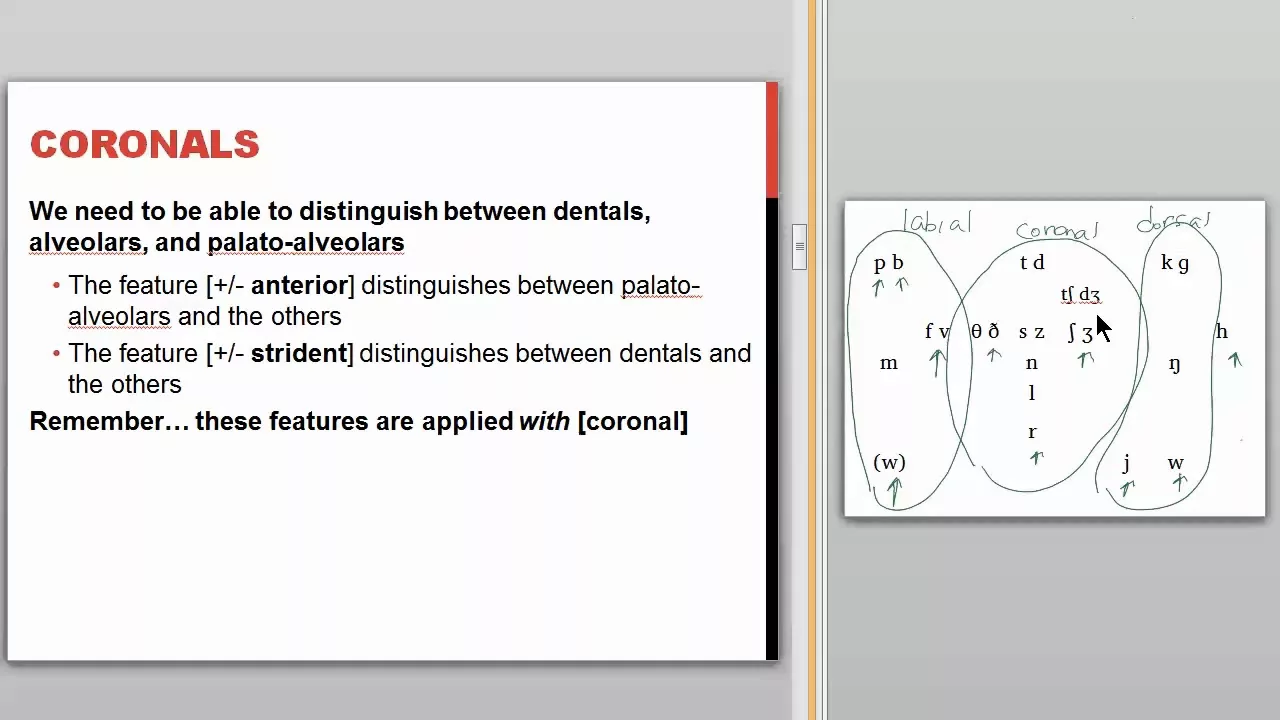
Detailed classification of consonants based on precise Places of Articulation (such as bilabial, labiodental, alveolar, and velar) and Manners of Articulation.
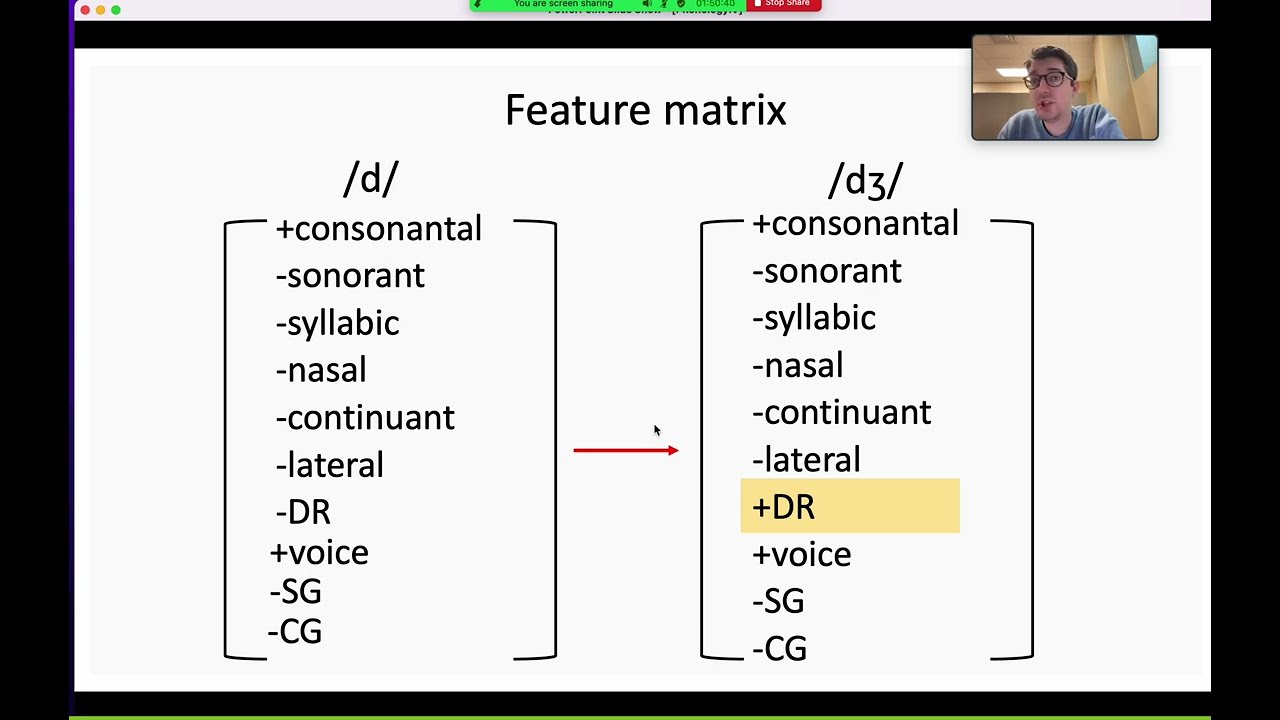
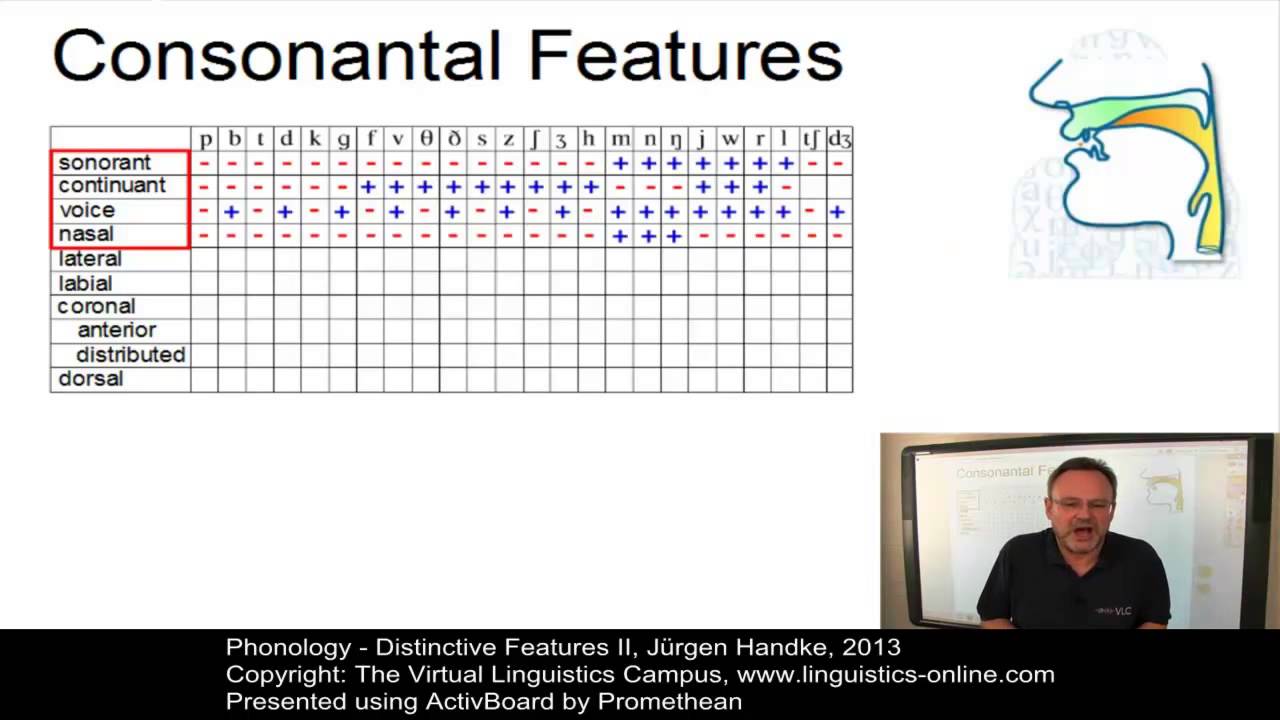
The concept of Distinctive Features in generative phonology, which classifies speech sounds into natural classes based on articulatory parameters.
The study of coarticulation and assimilation, analyzing how active and passive articulators overlap and influence each other during natural, rapid speech.
Practical applications in clinical linguistics and Speech-Language Pathology (SLP) for diagnosing and treating articulatory speech disorders.
50.7K views1.5Klikes16:02Original Release: 2023-09-22
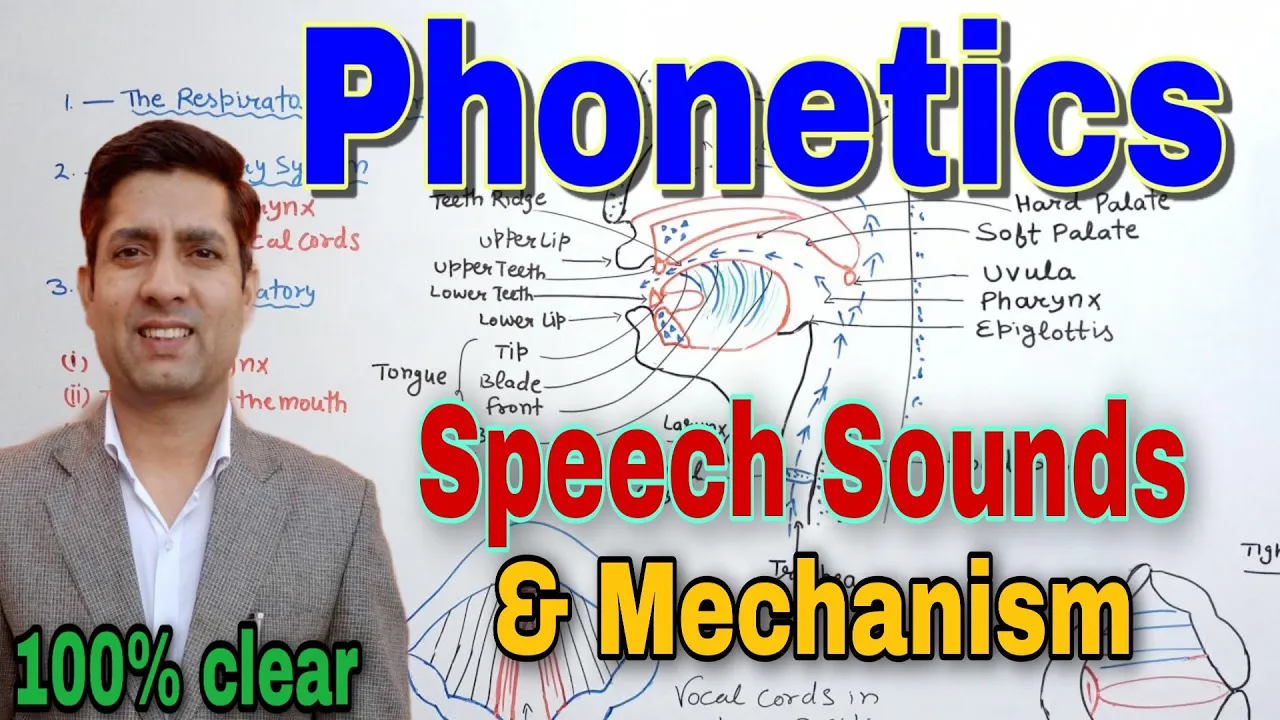
hi everybody welcome to this video today we're going to have a look at the articulators and the vocal tract so what are the articulators that help us speak now you might have heard about these terms vocal tract active articulators and passive articulators and we're going to have a look at all of the in this video so first of all the vocal tract this is really the space in our bodies where the sounds are produced and formed and part of the vocal tract is the oral cavity and that really we usually just call our mouth you can see in the cross-section on the screen that I put little orange bar where the oral cavity the mouth really is so we have the oral cavity and then we also have the nasal cavity and that's actually quite big as you can see on the diagram and this forms also part of the vocal tract next we have the upper throat and again have a look where that is on the diagram and the upper throat is also called the farings so you probably see this word being used in your literature and then we have the larynx which is really um the part where the vocal cords are and the glottal and the glotus sorry where we form the glottal stop so the larynx is a little bit further down in our throat and it's the part with the vocal cords and you can see those those are the little chords in black on the cross-section let's have a look at the function of the vocal tract now the vocal tract helps create our voice it also makes the sound louder and usually we use the word amplify here so it amplifies the sound and it also helps us form the sounds into speech and instead of form we often use the word modify here so quite a lot of things happening in the vocal tract and the articulators play a crucial role because they help form the sound within the vocal tract now they also help make the sound resonate it's another important word for you let's have a look at the articulators next um so those are in general just parts or places in our body that help us form sounds and most of them are located here in the vocal tract really um so we're going to go over those step by step first of all very very important without this articulator nothing would happen that is our tongue and again have a look at the error I will always point to the different articulators in the cross-section so we have the tongue and of course we can also divide the tongue into um smaller sections so there's the front or the tip the body or the blade of the tongue and then also the root of the tongue and you sometimes see different words being used but it's quite common when we talk about the tongue to differentiate further and have different sections just because it's actually quite a big and large articulator and then we have our lips the upper and lower lip and they are both involved as articulators to form sounds we also have the teeth but especially our upper teeth they help us form sounds as well next we have the alv ridge now this you might think okay I can see this eror pointing but where exactly is this it's this little sort of bump in your gum just behind your teeth so if you just use your finger it's here just behind your teeth and um it's involed when you say for example sounds like T the tip of your tongue touches um this little Ridge then a little bit further back on the roof of your mouth you have the heart palette palette and if we go a little bit further back even the soft palette sometimes also called the vum and then we have the uela and that is the little bit that is freeh hanging um that you can also see when you open your mouth wide and you say ah and you go really close to a mirror you can see the UA hanging freely in your mouth and then we go further down now this part you can definitely not see anymore even if you have a mirror and this is the fings so this is really um going further down to U when we breathe and then obviously also when we when we eat or drink um so our food our drink passes this part as well the firings we would just usually say your throat and then you have a little flap sticking out here here and this is the epiglottis and this little flap has a very very important function because it moves down to close the windpipe and the windpipe is um the tube where the vocal cords are and this is obviously the tube where that goes to our lungs eventually where we um where we get um where we breathe and so this little flap is important because it has to close whenever we swallow food or drink because we don't want that to end up in the wrong pipe um and so this is also the one that can sometimes swell up in an allergic reaction and it's really really dangerous because you can see if that flap were to be closed the entire time we could not breathe um and so this is open though uh when we speak um because obviously we need the wind to go through and and then we have the glotus and the glotus is um not so much a body part rather than a place uh because it is the space between the vocal cords um so you can see they are open those are two chords two little strings more less and they are elastic and they open and close and vibrate when we speak and so that space in between them is called the glotus now there are a couple of things to remember when we speak about articulators and that is that many of those can be divided further I explained this before with the tongue very often in literature you will see that the tongue is then divided into the tip or the front the blade or the middle bit and the root the back of the tongue and that is quite normal and also there is no strict separation between some of these areas so it's not like okay here's where the tip ends and the blade starts or this is where the the soft palette ends and the hard pette starts so those um transitions are a little bit fluid so what about the larynx you might wonder because you probably heard this word before if you are studying phology or if you're interested in pronunciation you might have heard this word now the larynx is also called the voice box so this is just a synonym for the voice box where our voice is really created is a vital part really and it's this entire area all the way from our epiglottis um further down into the the windpipe really um so this entire part the epig GLS and then the GLS with the vocal cords all of that together is called the voice box or the larynx and some people also say that the larynx is an articulator but but really within the larynx you have a couple of articulators and there's another word that you might have heard as well the traa again funny spelling all of those words so what is the traa I haven't mentioned this yet because it's not really an articulator um this is really the windpipe it's the tube going from your vocal cords all the way down to your lungs where the air is really coming from where it's going to and fro and so the traa is your windpipe so like I said the traa is not usually classified as an articulator it is an important part because without it we don't really have we need this this tube to carry the air otherwise without air no articulation at all but it's not really an articulator and it doesn't help us form or shape um the sounds that we use to speak um we mentioned earlier active and passive articulators and so all of those articulators that I've just mentioned can be separated into active and passive articulators and so what is the difference let's start with the active articulators um those are all the articulators that are movable so they can move around and take on different forms and shapes so obviously the main one is the tongue it's really flexible you can make different shapes with the tongue move it to different parts in the mouth and that was Will greatly impact the sound that is produced so that the front the body the root all of those are movable the tongue is an active articulator so are the lips they are also part of the active articulators and also the epiglottis because obviously can be open or closed and so it forms part of that as well and of course the glot is that little space between the vocal cords because the vocal cords are actively opening and closing they're vibrating and so the glotus is also an active articulator so that leaves all the rest to be passive articulators and they are stationary so that just means they don't move around um they just in your mouth in that place that's it and so all of those are again a vital part of our articulation process and you have to remember the reason why we um separate them into two groups is because the active articulators always move towards the passive articulators to either form a complete closure like we have implosives and stops or to come very close to cause air friction INF fricatives or to do something else but the active articulators they move and they move towards one of the passive articulators to form and shape the sound so remember it's all the ones that we didn't mention in the active list so our teeth the Alva Ridge the hard pette the soft pette and of course the UA and the fings as well so here's a summary of a crosssection of a head um with all the different articulators and parts labeled so just take a look to to take this in so see if you can find the face is is basically it's facing this way as you can see the nose and at the front we have the lips and then we also have the bones where our teeth then are you know located into so we have the teeth and then it says jaw that's the Jawbone at the bottom but also at the top right so we have the teeth behind that we have the tongue you can see what a big articulator the tongue is it's probably one of the largest I think of all of them and um the tongue is a muscle remember it's a muscle that's why I also always say when you practice pronunciation um and you form a sound or a sequence of sound that you find oh it's really difficult for me in this new language to form these sounds it's because your tongue most likely is always involved usually is not used to the movement or to forming this shape maybe the shape is entirely new for you in your tongue and so just just like with all your other body muscles you need to practice make it stronger make it get used to these different shapes and moves just like you would if you were to go to the gym and train any of your other muscles in your body so we've got the tongue you can see the oral cavity that is the mouth and the nasal cavity above and in between we have the heart palette the soft palette the uela and then it goes down into the fings the throat you can see the IG glotter again and then really this is where you know the little flap that can go down and then close off the the larynx and and the the area that goes then down into the trachea the windpipe and just before we have the glotter with the two vocal chords um did I miss anything out I think I've mentioned all of those again and so hopefully this has been helpful for you to get a bit of an overview of what we mean by vocal tract and what different parts are our articulators and why we separate into active and passive articulators and make sure to subscribe to my channel because very soon I'll be publishing a video on the places of articulation and also the different manners of articulation that we have in English and why not visit my channel you can find many more videos on English pronunciation and phenology for example on the glottal stop on pitch on the IPA transcriptions word stress and many many more topics make sure to subscribe leave me a comment you can also ask me any questions you have on the topic or also make suggestions for future videos
Up Next

9:11
Praat for Beginners: Audio Analysis Basics (Upload, Pitch, Formants)
@meganholloran373
3.4K views•2021-11-22
36:52
Constraint Interaction in Optimality Theory: Epenthesis & Deletion
@Vidyamitra
180 views•2018-08-20

14:20
Syllable Structure Explained: Onset, Nucleus & Coda in Phonology
@BillieEnglish
103.2K views•2023-05-26

21:32
Accent Expert Explains U.S. Regional Dialects | Part 1
@WIRED
9.3M views•2021-01-21
Related Study Plans & Knowledge Roadmaps
Structured learning paths in Linguistics
linguistics
Optimality Theory: Tableaux & Constraints
01Phonological Basics: Sounds, Syllables & Rules
02Foundations of Optimality Theory: GEN, CON, and EVAL
03The Constraint Inventory: Markedness vs. Faithfulness
+ 2 more learning modules
15h5 modules
Explore Roadmap
linguistics
Morphosyntactic Alignment: S, A & P Systems
01Foundations of Syntax: Transitivity and Arguments
02The Linguistic Variables: Mapping S, A, and P
03Nominative-Accusative Alignment
+ 3 more learning modules
12h6 modules
Explore Roadmap
linguistics
Analyzing Sign Language: Phonology & Syntax
01Foundations of Sign Language Linguistics
02Phonology: The Five Parameters of a Sign
03Morphology: Word Formation and Classifiers
+ 2 more learning modules
14h5 modules
Explore Roadmap
linguistics
Pragmatics: Speech Acts, Grice & Politeness
01Introduction to Pragmatics: Meaning in Context
02Grice’s Cooperative Principle & Implicature
03Speech Act Theory
+ 2 more learning modules
14h5 modules
Explore Roadmap