![Linguistics 101: The scientific study of language [video 1]](https://i.ytimg.com/vi_webp/sGWpbDI11Ik/maxresdefault.webp)



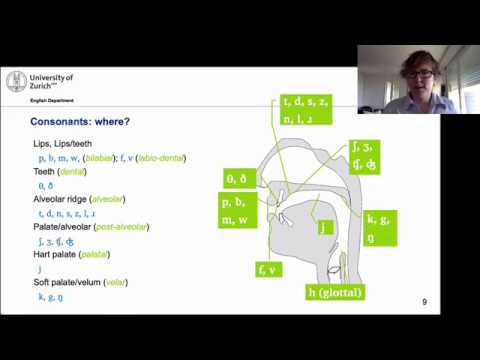













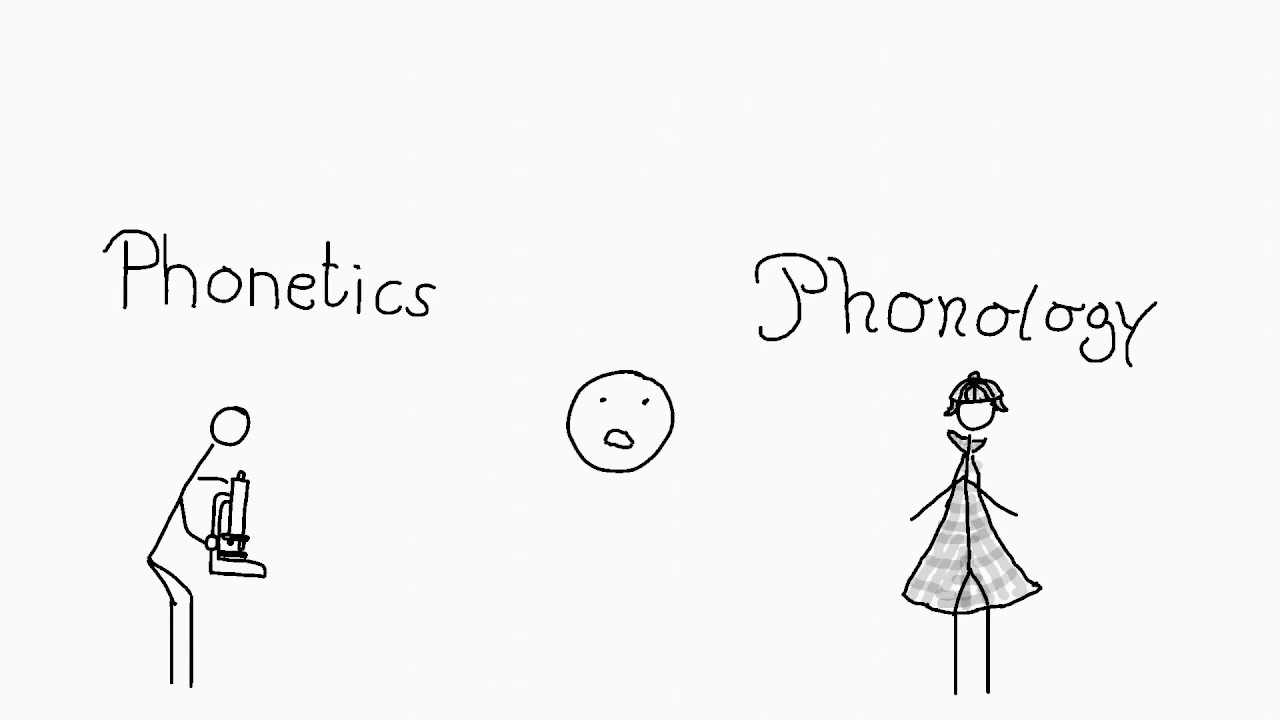
Phonetics studies the actual physical production of speech sounds, including articulatory and acoustic properties, while phonology examines which sounds matter for meaning in a language; the International Phonetic Alphabet (IPA) provides standardized symbols to represent these sounds, organized by place of articulation (where sounds are produced in the mouth), manner of articulation (how airflow is obstructed), and voicing (whether vocal cords vibrate).
Phonetics vs. Phonology: The IPA Chart Explained
Added:Understanding the basic definition of linguistics as the scientific study of language and its primary domains.
The distinction between orthography (spelling) and pronunciation, specifically how written letters do not have a one-to-one relationship with speech sounds.
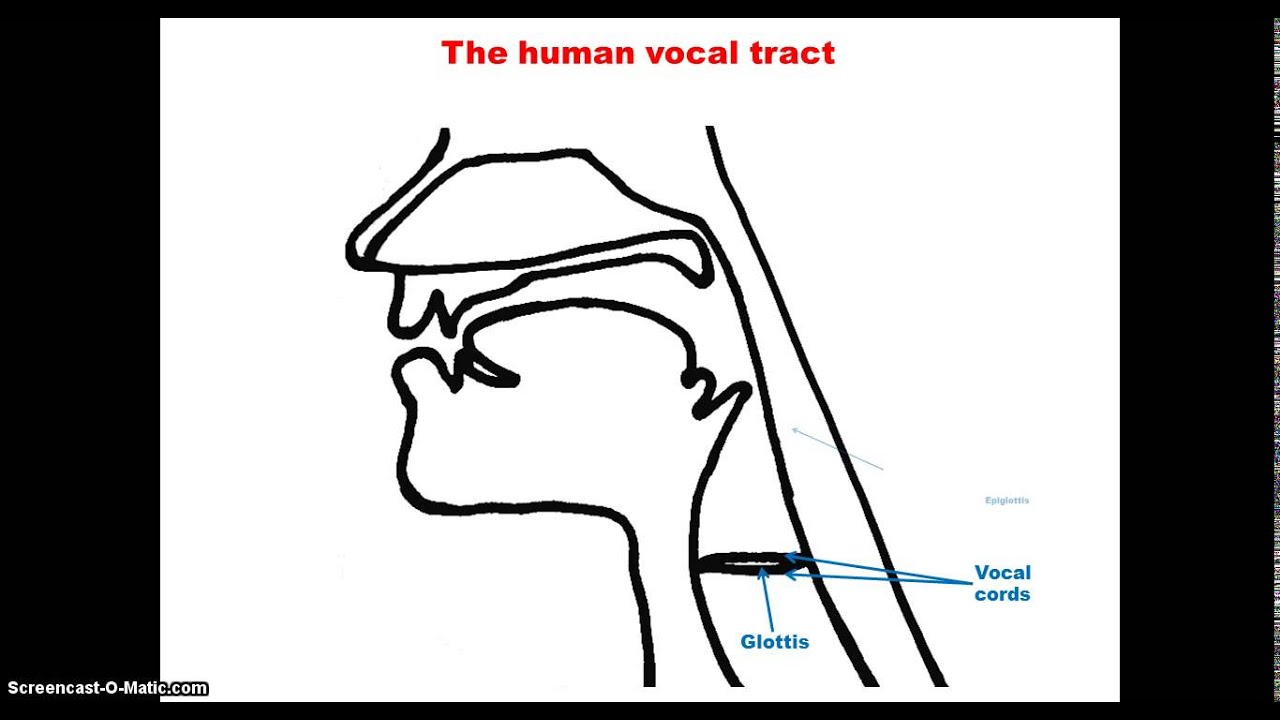
Basic familiarity with the anatomy of the human vocal tract, including the larynx, vocal cords, tongue, lips, and palate.
Mastering phonetic transcription using both broad (phonemic) and narrow (phonetic) notation with IPA diacritics.
Studying phonological processes and rules, such as assimilation, elision, and neutralization in connected speech.
Exploring acoustic phonetics, including how to analyze speech waves and read spectrograms using software like Praat.
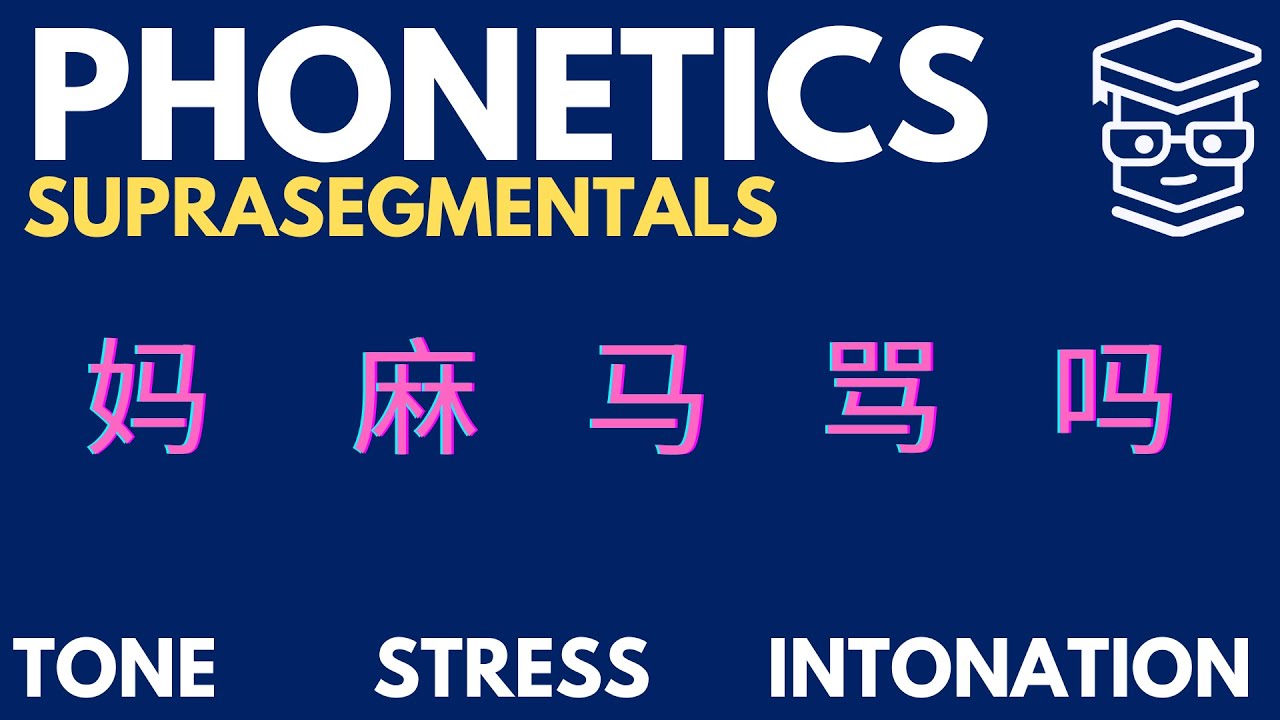
Investigating suprasegmental features of language, such as stress, pitch, tone, and intonation.
Applying phonetics and phonology to real-world domains like speech-language pathology, accent modification, or natural language processing (NLP).
355.6K views3.6Klikes20:06Original Release: 2013-06-26
well welcome back the purpose of this second presentation is to give you an overview of phonetics and phonology the readings that you want to pay attention to related to this are chapter six out of thinkers book I think the sound of silence I think it's called and the the chapter by Johanna Lubov out of the book language in the real world which is up on blackboard those are really the the content of this unit but to fully understand especially the Lubov chapter I want to give you an overview of what's called the international phonetic alphabet or the IPA and that's that's going to be that what we end up focusing on in this in this talk as you listen to the rest of this lecture I'd recommend that that you have a copy of the the IPA chart handy now I've got the full chart up on blackboard you can take a look that if you want but there are a lot of symbols on that chart that we're never going to use in this class there's a lot more there than there than we need a more streamlined version is on page 47 of the Lubov article you might want to take a look at that have that handy as you're going forward with this presentation so that you can refer back to it the chart out of the Labov chapter really has just about everything that you're going to need for this course so that's probably a more handy one I wanted you to have the full one just as a reference but I think the one on page 47 is probably your best bet so so then phonetics and phonology are both in some sense the study of the sounds of language and what differentiates them is what aspect of the sound of language they look at phonetics really looks at the actual sounds that are coming out of your mouth there's there's articulatory phonetics that studies how sounds are produced and acoustic phonetics that studies how sounds resonate and how that how they're transferred we're not going to worry about that distinction within this course and we'll just say that phonetics deals with the actual sounds of language if you recall from the previous lecture and the distinction that so Syrah made between parole and long phonetics is kind of like parole in that it's the actual sound of language phonology which I'll say something about in a minute is really more about the systems but but why should you pay attention to the actual sounds of language well one reason is that you the actual sounds of language are quite different than what we we think it makes up language at what we hear in our heads give you a couple examples of that if you hold your hand up in front of your mouth and you say the word top you'll feel a couple puffs of air one of them comes right after the initial T and that puff of air is called an aspiration aspiration is just something that we do when we pronounce a TP or K at the beginning of a syllable when it comes with a vowel right after it it's just something we do in English it's an accident of the pronunciation now there are other languages where whether you have an aspirate sound or not makes a difference in meaning but in English it doesn't make any difference and therefore we don't hear it phonetics doesn't care about what we hear it pays attention to what sounds are produced and so phonetics will tell you that there's an aspiration after the the T in the word Tom but it but interestingly not in the word stop if you hold your hand up in front of your mouth and you say the words stop you you'll still feel the puff of air a fat P but not after the T and that's something else phonetics would notice a second example of things that you say without probably realizing it is if you pronounce the the school Clemson if you if you say it like a good southerner and you say Clemson you put a P in there and then there's no P in the word if you look at it sometimes people from up north will pronounce it Clemson with a Z and there's also no Z in there phonetics would highlight the difference between Clemson and Clemson and and maybe I guess the way it's quote-unquote supposed to be pronounced which would be Clemson which is it's really hard to say and no one in their right mind actually says that so phonetics pays attention to what's the sounds that are being produced there phonology on the other hand studies not just which sounds are being produced but which sounds that are produced actually make a difference within a language and end them which sounds don't make a difference I mentioned on the last slide that we've got the aspiration after T's sometimes in English but in fact we have actually six different ways at least to pronounce the I guess I'll call it the letter T for now in English I mentioned the the aspirated top as in as in top and then non aspirated as in stop you can see the letters in brackets their letters and brackets are phonetic symbols indicating the actual sounds and the superscript H after the T indicates the aspiration all right so that's two ways that we pronounce a T in English but also well sometimes not release the air at the end of the T at all so if you say the word pot and sort of leave yourself dangling there at the end it you still hear it is a T but if you you know talk into a microphone and display on a computer the the graph of the sounds coming out of your mouth there's a pretty significant difference between an aspirated T and unaspirated T and then a closed-off T which is this this third item here there's also something called a flap and in particular this is an ovule or flap and you'll see that on the on the chart at least on the full IP a chart I don't think it's on the chart in LaBeouf's book in LaBeouf's chapter excuse me the the middle sound in the word like little or ladder or ladder you spelled with T's or DS they're pronounced the same we hear it as a T but it's actually acoustically it's something different we can sometimes pronounce the T as what's called a glottal stop that's when you stop the sound in the back of your throat light as in the word kitten right there's there's there's a stop there almost like a hiccup you can say kitten but it sounds sounds a little little formal little stuffy most people if they're speaking normally or casually at least in the American dialects will say kitten and with that with a stop in your throat there that glottal stop and there are some times when in in normal speech you'll pronounce a T by not pronouncing anything for since if you say the word hunter there's no T at all in that word although it's it's there in our brains we're just not actually realizing it so phonology would look at these six ways of pronouncing T and say okay acoustically phonetically they're different but in terms of the the difference they make in your language they're not different they're all what what are called allophones of the sound T and phonology looks at how the sounds are grouped together which sounds which different sounds matter which different sounds aren't really different in any sense and this brings us to the the IPA the international phonetic alphabet the the readings you've done and just from your own con sense you know about the problems with English spelling in terms of conveying how a word is pronounced through through the sound system um English spelling is is is notoriously bad although Pinker has some nice things to say about I think he's right about that still there's a big difference between the way that we spell words and the ones and and the actual sounds again these are the consonants from the IPA chart again I've put this chart of a blackboard for for your references you can see a lot of these symbols will look familiar and they will look like in English letters because a lot of them are English letters but a lot of them are not familiar and so I want to go through now what are some of the sounds in English that are the show up in the international phonetic alphabet less familiar sounds that might be less familiar so we've got we've got the the theta as it and this is the sound as in thigh or ether and next to that on the chart is you can call it a thorn as in thigh or either and and if you take the words thigh and thigh or ether and either and say them you can hear that the only thing difference is is that one sound otherwise they're all the same so those are the those are the sounds for but usually it's spelled th the sound as in shy or motion is unfamiliar you will sometimes see this as an S with a little caret over the top of it but I'll be using this symbol this one is G as in measure or Rouge then we have some sounds that are combinations of sounds if you see if you say two and Shh it and say them very quickly together you get the what we call the CH sound in English as in Church or edge similar to that but slightly different is the just sound and as in judge or edge and again if you say edge and edge or what one right after the other you can really hear the difference between the Chuck and this symbol I don't think Labov puts is on her chart but it is on the the full IPA chart this is not an X the way we use in English it's an X it's a it's a velar fricative as in the german name bach or some pronunciations of Chanukah right it's not a sound we have in english but it's one you'll sometimes see in exercises so I wanted to draw your attention to it and specifically to be aware of that it's not X s ound it's a sound not all dialects in English have a voice list W of course the thing that looks like a W is a one and that's that's familiar that's no problem some dialects have a voiceless well and I'll talk about voice in a second but you'll sometimes see this written in in words like what or while not something that you really need to be super familiar with if it is on LaBeouf's chart but i want you to to recognize it in case you come across in your reading one thing that can cause confusion for some English speakers is the yeah it's not a judge it's a yeah as in yes or as in million and then last is the own sound as in the word sing some people will pronounce a G on the end of the words they sing but most English speakers most I'll most I elective English we'll just say sing without a G on the end of it and so that's that sound you'll also hear that word and thing it's not not technically it's an N it's actually a velar nasal but we'll say more about that in a second so if if you look at the IPA chart the symbols are not grouped randomly they are they're grouped in order they're grouped according to a logical order but by place manner and voicing and for the next couple slides I want to talk about what that means um for a second just pronounce the sound mm and buh and think about what part of your mouth are you using and if that answer is not immediately clear think about the the sounds oh right front puttan buh you notice you're using your lips for all three of those sounds and first and you're not using your lips you're using either the middle of the back of your mouth and in the case of H it's it's a throat so um this really gets at the idea of place of articulation the place in your mouth where the sounds are articulated something but our our water called by labels or sometimes just labels because they use your your your lips so they're different time different places of articulation that you should be aware the the labels are by labels sometimes as I've mentioned the labiodental where your lips and your teeth are both involved if you say if you notice you put your top teeth on your bottom lip the dentals sometimes you'll see them called the inter dentals the right that's with your tongue slightly between your teeth violas are articulated at the alveolar Ridge which is kind of the top of your mouth but not all the way in the top a little front of that if you feel with your tongue the division between them the hard and the soft palate you can feel feel that's basically where you articulate the and the duh and the flap and the this little and ER and then a little bit behind that our sounds like Shh and Changjo the sound yeah is it's what's called a glide and it starts at the very top of the mouth the palate and so it's called a palatal sound and then sounds that are in the the the back of the mouth near the vellum Orca and then the the voiceless one and then whoa and then finally there's the sounds that are made it with the glottis the glottal stop we talked about which is kind of like the hiccup in your throat and then the the sound huh birds which is made with just a passing air through this rope another way that the IPA chart groups up sounds is not just by the place of the articulation but the manner of articulation in other words how does the mouth obstruct the flow of air as its pronouncing a consonant all consonants involve some sort of obstruction of the airflow but but how that air is obstructed affects the sound of the consonant so for instance in some some letters some sounds the sound the air stops completely but duck right that's a complete obstruction of air and then a release some sounds that are called fricatives and that means there's friction but the air doesn't stop completely and these are sounds that you can pronounce for a long time you can say for example but you can't elongate a be sound any longer than an instant but right because it relies on the air stopping and releasing fricatives involve friction or flowing in the air affricates and here's where you need to be following along the chart affricates are combinations of stops and fricatives socha for instance is a combination of the T and the sound cha nasals no surprise articulated with the nose and if you look at the chart you can see the nasals are going to be the mMmmm right there in a single row on the chart whichever chart you're looking at there are a couple other manners of our manners of articulation excuse me but I'm not going to worry about those too much laterals and approximate those are kind of beyond the scope of what we're going to be doing in this course and then finally constants are also grouped according to where that they're voiced or not voicing refers to whether your vocal folds are vibrating if you put your fingers lightly on the side of your throat while you pronounce and you'll notice it that your throat is vibrating for this but not for this right the vibration is in your vocal folds and that's that's voicing um some sounds are voiced some sounds are voice lists on the IPA chart whether that's the one from the Labov chapter or the one the full chart when two consonants are in the same box the one that's on the left is voiceless meaning the vocal folds are not vibrating it's unvoiced and on the one on the right is is voiced meaning in a gauge the vocal cords bowels tend to be a little bit trickier but there you can read them off the chart based on the same principles if you look at the full vowel chart which I've got here you'll see there's a lot more vowels than we have in English although English has a pretty robust system of vowels we have a decent number compared to some other languages they're grouped by the location whether it's your mouth is closed or open whether the vowels articulate in the front of the mouth the back of the mouth and also whether your lips are rounded or not I'm less concerned for this course about vowels but I do want to draw your attention to the vowel symbols that will you be using and that I want you to be able to recognize so the vowel symbols that you need to recognize are are these there's what we would call in English a lowercase I is a seat the e sound as in seat and if you've taken Spanish or to some degree French the sounds of these owls will be familiar they're quite different from what we have in English but they're they're pretty standard across Romance languages and and some other languages too so e then there's a a as in sit which which has a looks like a capital I so there's e ay ay as in say to a as in set aa as in sat oh as in suit well as in suit Oh as in soaked and I realized that so tis not a word but just for comparison I wanted to keep the the words similar so so tour boat or it's the what we call sometimes when we're learning learning our letters the long o sound o oo as in salt now I should tell you that some dialects of English don't have this sound anymore so for instance sawed and sawed might be pronounced the same or caught as in I caught him red-handed and caught as in they put up a cot for me to sleep on some dialects of English would pronounce those both as caught I in my dialect of English I do have the off sound in fact it's in my name so so it's it's it's it's out there but but it may be hard for some people here because some speakers may not have that Val and then there's the ah sound as in soft or pop there or cot as in the example I just gave there's a as in sudden and I believe this is on la bas chart yes it is as a low mid back about it this is the UH sound when it's emphasized as in sudden or Hut there's also the schwa sound which you've probably seen in dictionaries it's an unstressed neutral Verrill just in the middle of the mouth as in the first syllable about or the second syllable in sofa those vowels are technically called monophthongs because they consist of one sound a lot of English vowels especially in the south are actually dipthongs meaning they're a combination of two different sounds so for instance if you say ah and ya together i-i-i-i and and you run them together it produces what we call the long I sound in in phonics sometimes you'll see it written as the as either the ways that I have it there but this is the sound as in mice the the vowel o plus the Glide oi sometimes it's written the second way with the oh and then the e as in moist now English speakers again we hear these as single vowels because we treat them as as phonemes the they're a single sound in the system of our language but phonetically they're they're distinct sounds there's aw or another way another way that it's sometimes written down as oh they're as in excuse me but I've mispronounced that that's that's ow you
Up Next

14:20
Syllable Structure Explained: Onset, Nucleus & Coda in Phonology
@BillieEnglish
103.2K views•2023-05-26
36:52
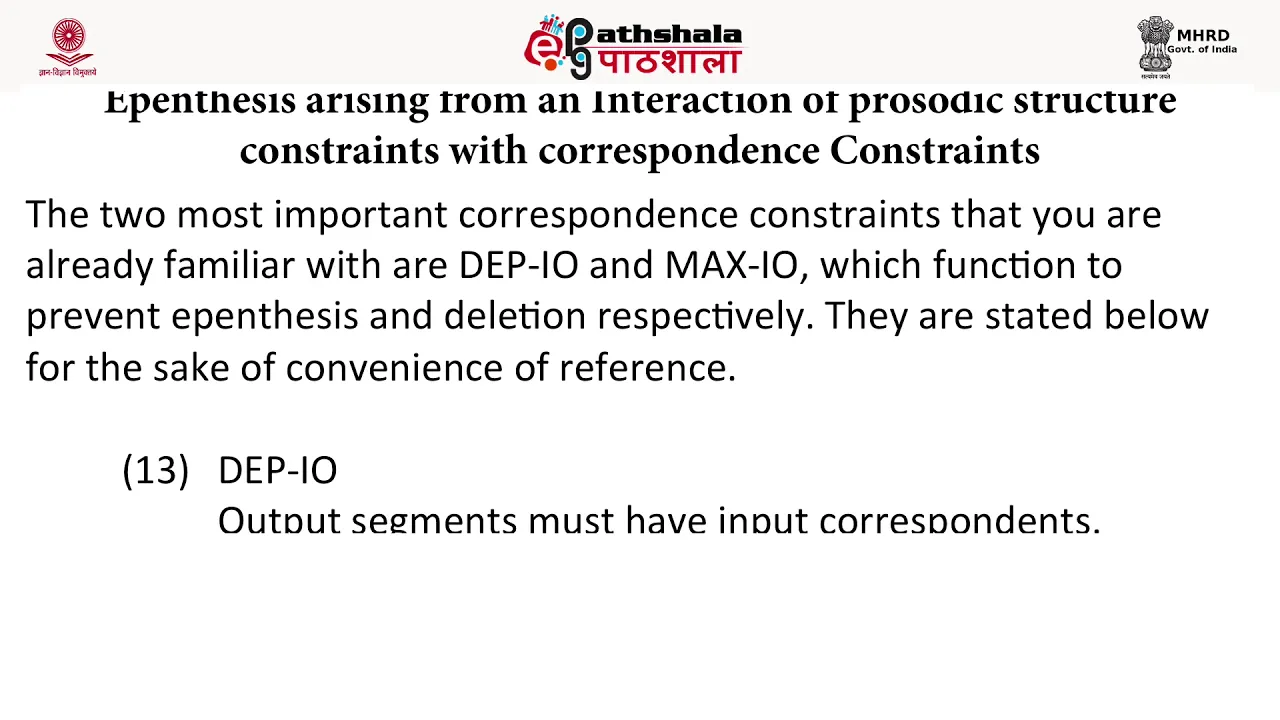
Constraint Interaction in Optimality Theory: Epenthesis & Deletion
@Vidyamitra
180 views•2018-08-20

8:59
Forensic Linguistics: How Language Solves Crimes | PBS
@pbsstoried
1M views•2024-01-25

21:32
Accent Expert Explains U.S. Regional Dialects | Part 1
@WIRED
9.3M views•2021-01-21
Related Study Plans & Knowledge Roadmaps
Structured learning paths in Linguistics
linguistics
Optimality Theory: Tableaux & Constraints
01Phonological Basics: Sounds, Syllables & Rules
02Foundations of Optimality Theory: GEN, CON, and EVAL
03The Constraint Inventory: Markedness vs. Faithfulness
+ 2 more learning modules
15h5 modules
Explore Roadmap
linguistics
Morphosyntactic Alignment: S, A & P Systems
01Foundations of Syntax: Transitivity and Arguments
02The Linguistic Variables: Mapping S, A, and P
03Nominative-Accusative Alignment
+ 3 more learning modules
12h6 modules
Explore Roadmap
linguistics
Analyzing Sign Language: Phonology & Syntax
01Foundations of Sign Language Linguistics
02Phonology: The Five Parameters of a Sign
03Morphology: Word Formation and Classifiers
+ 2 more learning modules
14h5 modules
Explore Roadmap
linguistics
Pragmatics: Speech Acts, Grice & Politeness
01Introduction to Pragmatics: Meaning in Context
02Grice’s Cooperative Principle & Implicature
03Speech Act Theory
+ 2 more learning modules
14h5 modules
Explore Roadmap