Hearsay Rule: Trial Evidence & Exceptions
Learning Goal: Mastering the hearsay rule and its primary exceptions under the Federal Rules of Evidence to determine the admissibility of out-of-court statements in civil and criminal trials.
- Prerequisites: None (a basic familiarity with legal trials and courtrooms is helpful but not required).
- Estimated Total Study Time: 14 Hours
Module 1: Introduction to Trial Evidence & Courtroom Basics
To master the hearsay rule, you must first understand the structural environment where it lives: the courtroom trial. This module introduces you to how legal trials are structured, how physical and testimonial evidence is admitted, and the core philosophies undergirding the Federal Rules of Evidence (FRE).
Recommended Videos

Why this video: This quick, conceptual video establishes the roadmap for the Federal Rules of Evidence (FRE). It details how the rules are organized into distinct articles (such as Article 1 General Provisions, Article 4 Relevance, etc.), helping you visualize where the hearsay rules (Article 8) sit within the grand architecture of trial law.
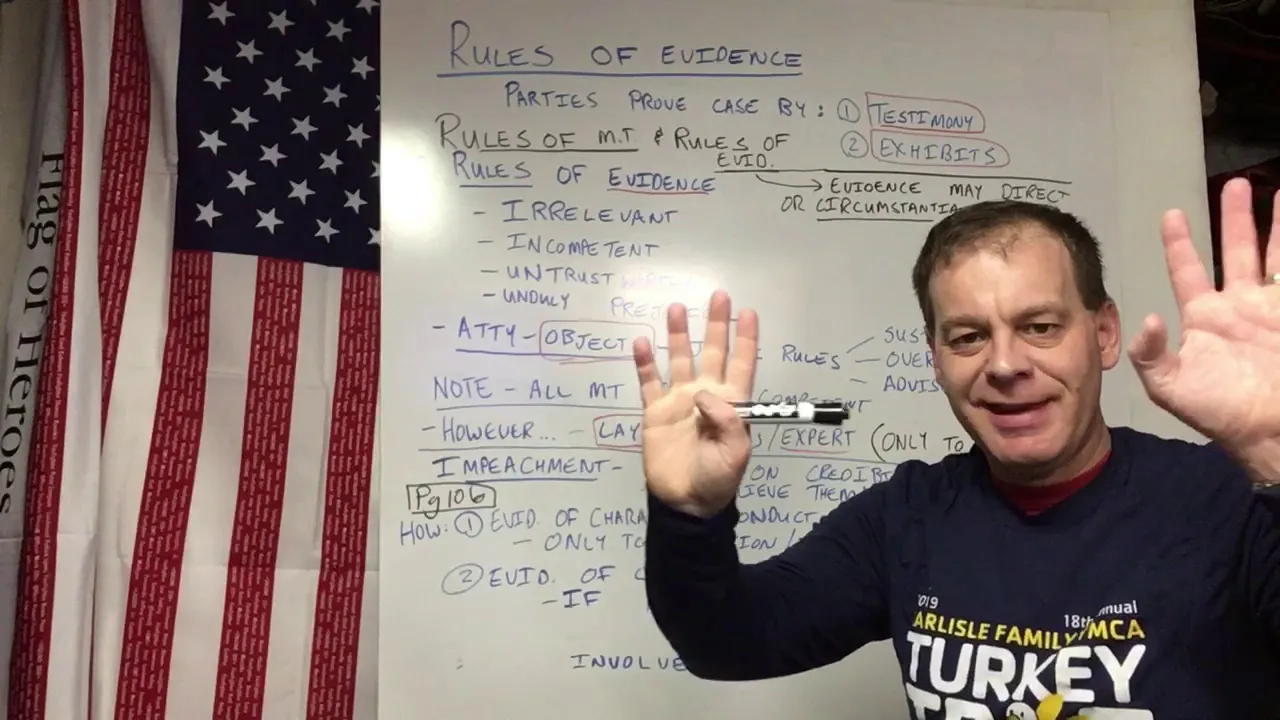
Why this video: This mock trial guide offers an accessible yet legally precise introduction to witness competency, relevance, and the risk of unfair prejudice (balancing probative value vs. prejudicial effect). It bridges the gap between static rule books and active courtroom execution by distinguishing direct evidence from circumstantial evidence.

Why this video: This real-world court clip illustrates the mechanical process of introducing evidence. You will observe how an attorney physically shows an exhibit to a witness to establish recognition, builds a foundation, and formally asks the judge to admit the item into the record.
Knowledge Checkpoint
- Understand the basic structure of the FRE and identify which Article governs hearsay (Article 8).
- Explain the difference between direct and circumstantial evidence.
- Distinguish between relevant evidence and prejudicial evidence.
- List the steps an attorney must take to formally introduce a physical exhibit into evidence at trial.
Module 2: Demystifying Hearsay: The Core Definition
What is hearsay? At its heart, hearsay is an out-of-court statement offered to prove the truth of the matter asserted. If a statement is offered for any other purpose, it is not hearsay. This module breaks down this crucial distinction, teaching you how to identify the "declarant," isolate the "statement," and evaluate the "purpose" of the evidence.
Recommended Videos
Why this video: This comprehensive, academic lecture is an outstanding deep dive into the formal definition of hearsay. Perfect for law students or bar examinees, it thoroughly details the definition of a statement under FRE 801, what constitutes an out-of-court setting, and how to spot statements that are inherently inadmissible unless they meet a designated exclusion or exception.

Why this video: This video focuses on the why of the hearsay rule. It explains how the rule preserves the constitutional right of cross-examination by ensuring that witnesses testify based only on firsthand knowledge. It also introduces how the law treats oral, written, and non-verbal assertive conduct.

Why this video: Designed for legal prep, this video teaches you to identify the three distinct forms a "statement" can take under the law: spoken words, written words, and assertive non-verbal conduct (such as nodding or pointing to identify a suspect).

Why this video: This clip provides an incredibly clear and simple breakdown of the phrase "offered to prove the truth of the matter asserted." It explains how to determine the exact purpose for which a lawyer is presenting a piece of evidence.
Knowledge Checkpoint
- Define "hearsay" under FRE 801(a)-(c).
- Identify who the "declarant" is in any given evidentiary scenario.
- Explain what "assertive conduct" is and provide a non-verbal example.
- Determine if an out-of-court statement is being offered to prove its truth or for another non-hearsay purpose (e.g., effect on the listener, legally operative language).
Module 3: Non-Hearsay: Exclusions Under FRE 801(d)
Under the Federal Rules of Evidence, some out-of-court statements look exactly like hearsay but are legally categorized as "non-hearsay exclusions." Under Rule 801(d), there are two major classes: prior statements of testifying witnesses and statements made by an opposing party (admissions).
Recommended Videos
Why this video: An exceptional, highly academic video that maps out the structural mechanics of FRE 801(d). It systematically explains the distinction between an "exception" to hearsay and an "exclusion" that makes a statement completely non-hearsay from the start.
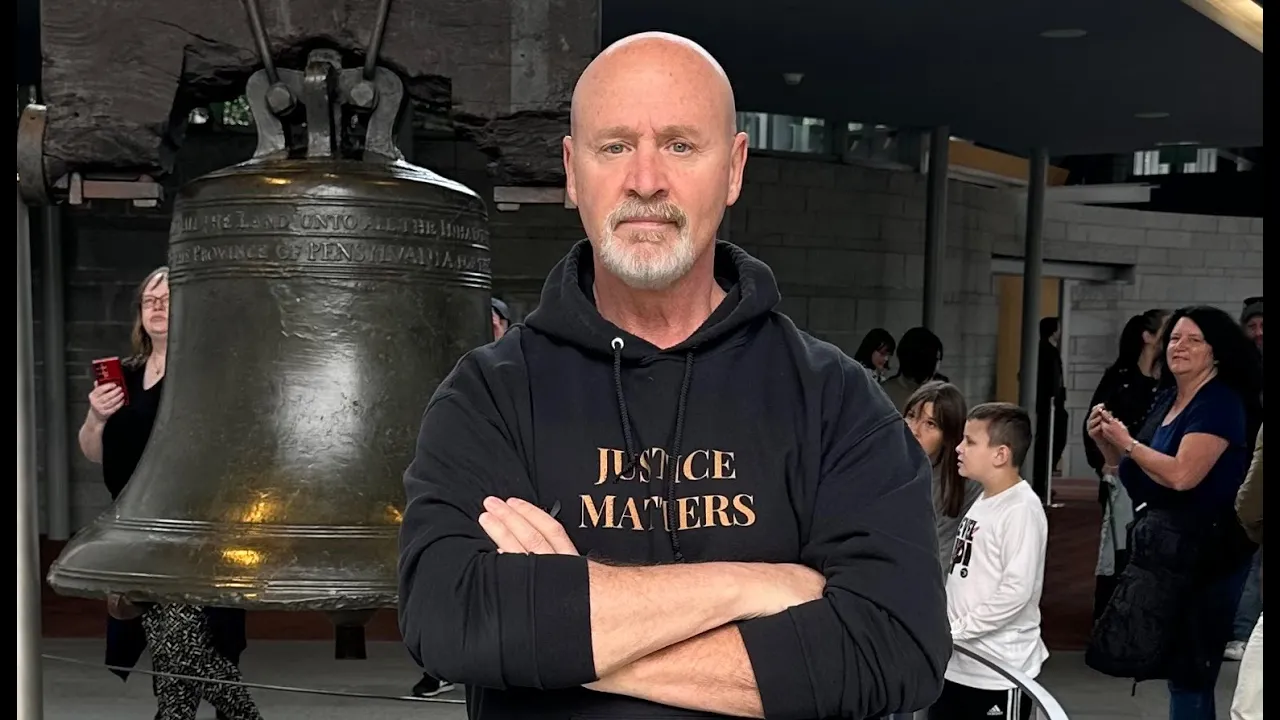
Why this video: This video provides a practical, real-world application of FRE 801(d)(2) (Statements by a Party-Opponent). Former federal prosecutor Glenn Kirschner explains how a defendant's own out-of-court statements are completely excluded from the hearsay bar and can be introduced directly by the prosecution.
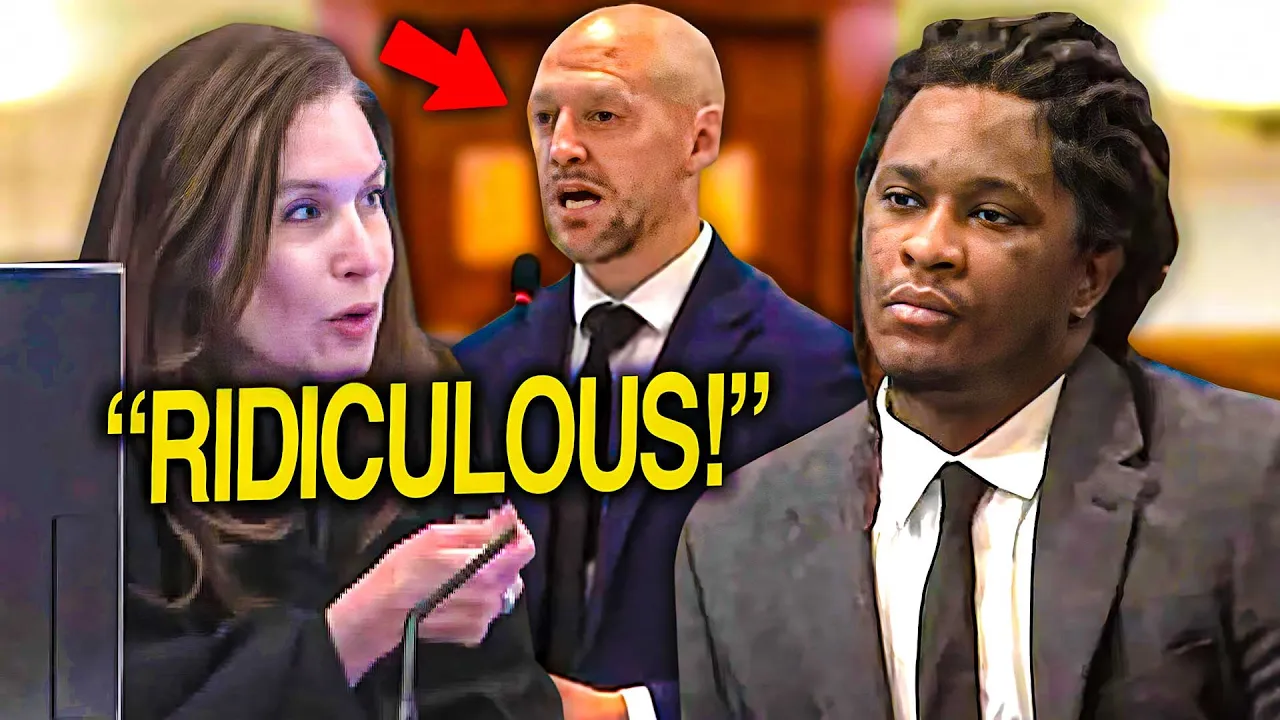
Why this video: This short video highlights a real courtroom debate surrounding FRE 801(d)(1)(A). You will witness the legal team argue over prior inconsistent statements—specifically how and when they can be introduced for substantive truth rather than just impeachment.
Knowledge Checkpoint
- Differentiate between a hearsay "exception" and a hearsay "exclusion."
- List the requirements for admitting a witness's prior inconsistent statement as substantive evidence under FRE 801(d)(1)(A).
- Define the "Opposing Party Statement" exclusion (FRE 801(d)(2)) and explain why a party cannot introduce their own statement under this rule.
- Identify a co-conspirator statement and explain the foundational requirements to admit it against other co-conspirators.
Module 4: Hearsay Exceptions: Declarant Availability Immaterial (FRE 803)
FRE 803 lists exceptions to the hearsay rule that apply regardless of whether the declarant is available to testify in person. These exceptions are deemed reliable because of the circumstances under which the statements were made (e.g., in the heat of the moment or in the ordinary course of business).
Recommended Videos

Why this video: This academic lecture provides a deep dive into two of the most heavily tested hearsay exceptions: FRE 803(1) Present Sense Impression and FRE 803(2) Excited Utterance. The video carefully explores the subtle distinctions between them, focusing on the element of time and the level of excitement required.
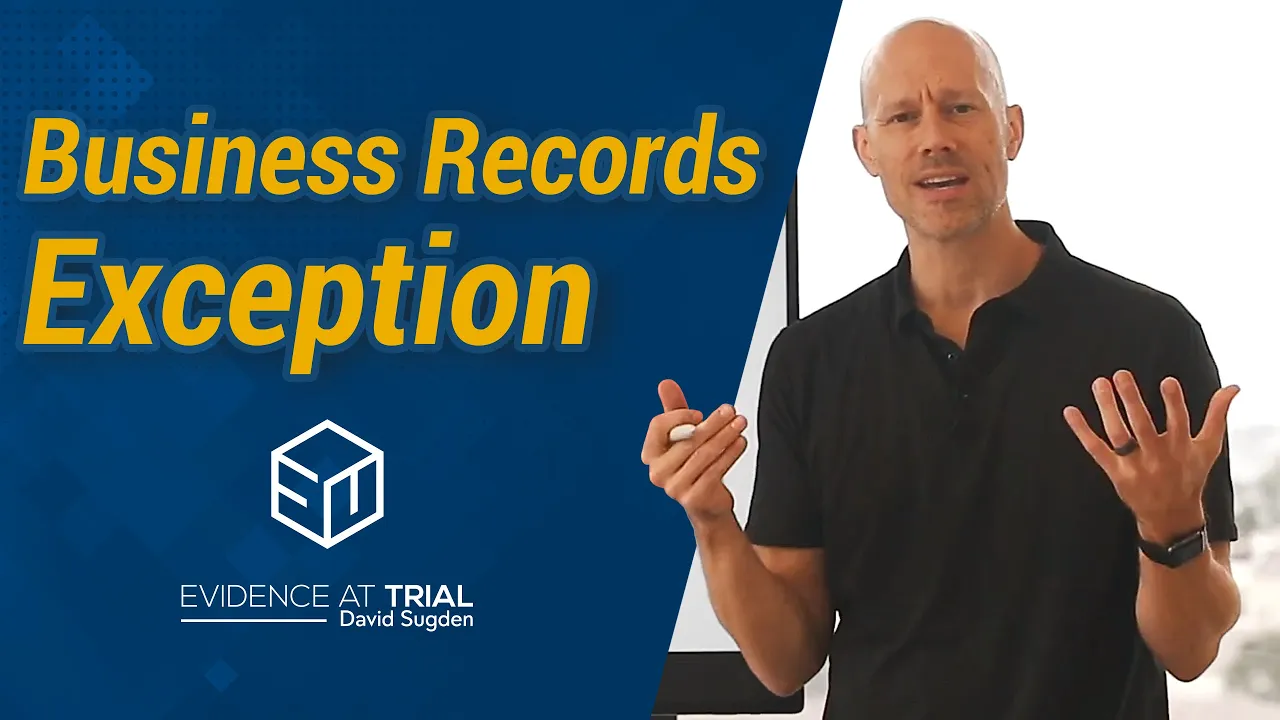
Why this video: This video covers the highly complex business records exception (FRE 803(6)). It walks you through how to establish a foundation for documents prepared in the regular course of business, highlighting the role of the custodian of records and the requirement of trustworthiness.
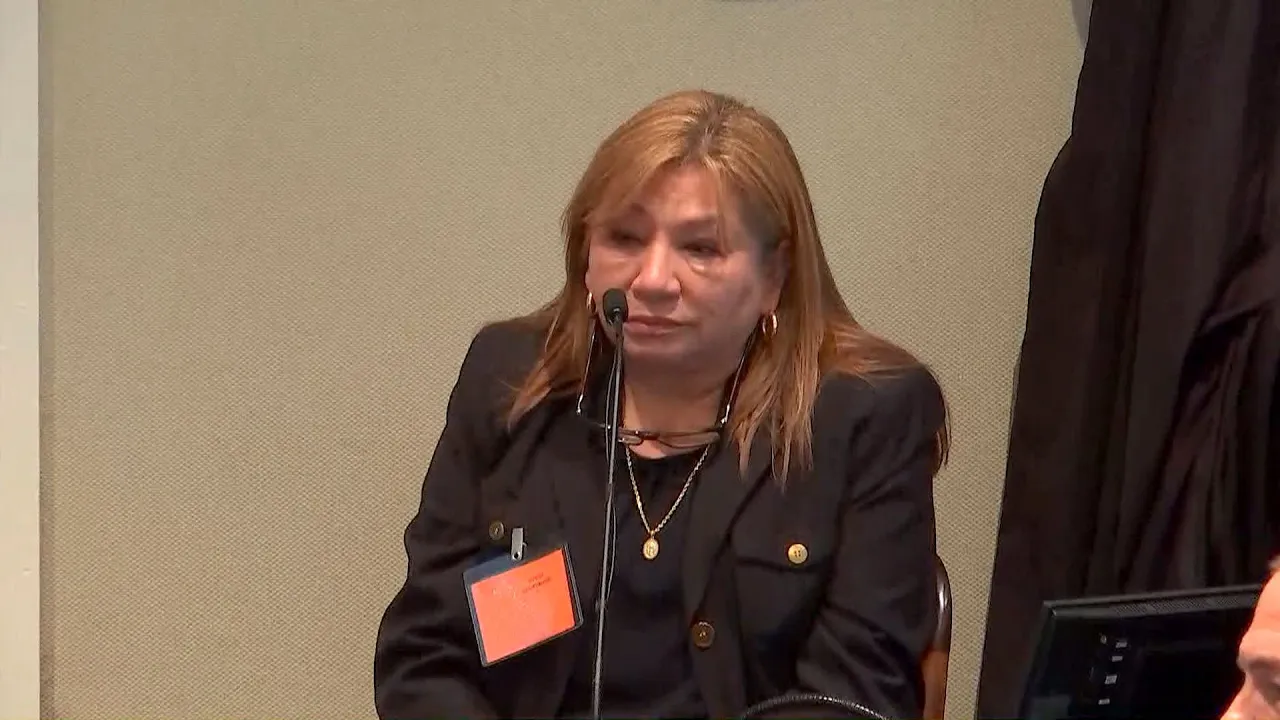
Why this video: Featuring clips from the high-profile Alex Murdaugh trial, this video focuses on FRE 803(3) (Then-Existing Mental, Emotional, or Physical Condition). It shows how a declarant's state of mind, intent, or plan can be introduced under this exception.
Knowledge Checkpoint
- Contrast Present Sense Impressions (FRE 803(1)) with Excited Utterances (FRE 803(2)) based on timing and emotional state.
- State the five requirements for admitting a document under the Business Records Exception (FRE 803(6)).
- Explain how a statement showing state of mind (FRE 803(3)) can be used to prove a person's subsequent actions (the Hillmon doctrine).
- Identify statements made for the purpose of medical diagnosis or treatment (FRE 803(4)) and what information within them is admissible.
Module 5: Hearsay Exceptions: Declarant Unavailable (FRE 804)
Unlike the exceptions under Rule 803, the exceptions under Rule 804 can only be used if the declarant is legally "unavailable" to testify at trial. This module covers what qualifies as unavailability and explores exceptions like dying declarations and statements against interest.
Recommended Videos
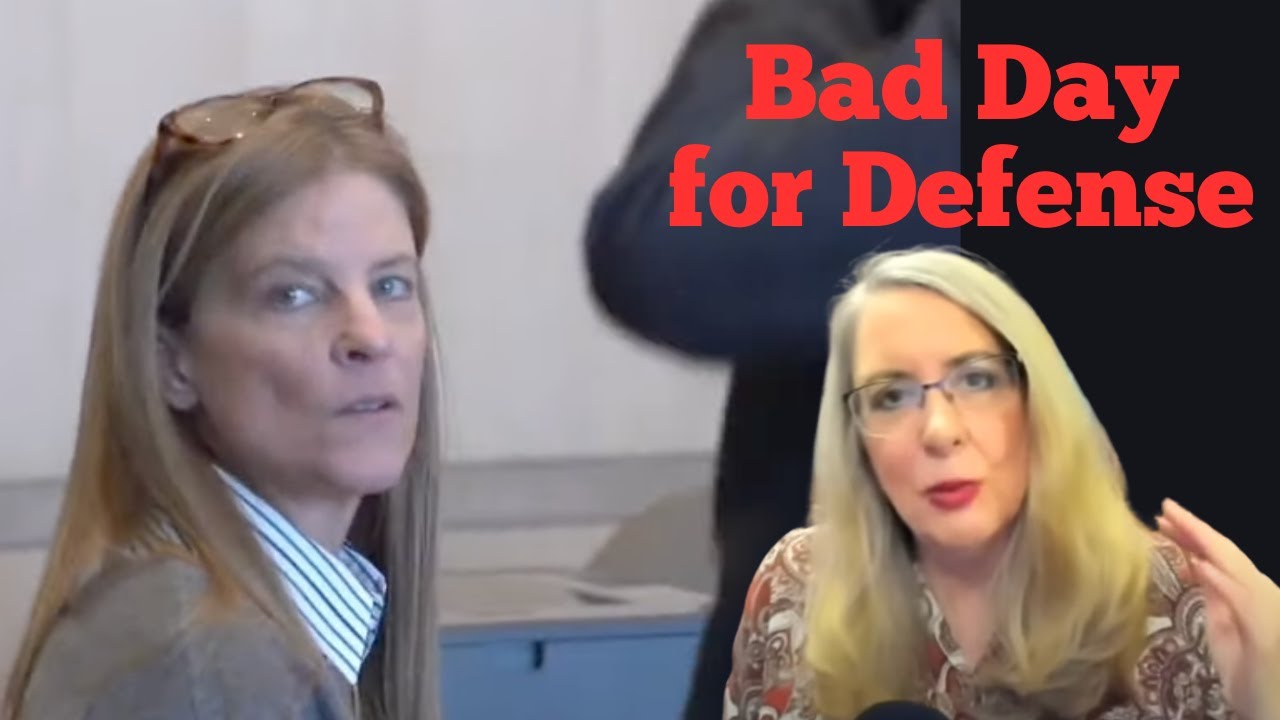
Why this video: Using real-world case analysis, this video walks through the Dying Declaration exception (FRE 804(b)(2)). It highlights the crucial requirements: the statement must be made while the declarant believes death is imminent, and it must concern the cause or circumstances of that impending death.

Why this video: This clip provides a quick, practical comparison of Statements Against Interest (FRE 804(b)(3)) and Admissions by a Party Opponent (FRE 801(d)(2)). It highlights the key differences: a statement against interest requires the declarant to be unavailable and must have been against their financial or penal interest when made, whereas a party admission has no such requirements.
Why this video: This trial clip demonstrates the court navigating hearsay exceptions where the declarant is deceased (and therefore legally unavailable). It shows how a witness can testify to statements made by deceased family members if they fit specific unavailability criteria.
Gap Coverage & Self-Directed Study Guide
⚠️ Note on Video Pool Limitations: The video pool lacks a long-form, pure academic lecture covering the full statutory text of FRE 804. To completely master this topic for professional practice or exams, please supplement this module by reading the text of Federal Rule of Evidence 804 directly. Focus on:
- Defining "Unavailability" (FRE 804(a)): Memorize the five ways a declarant can be deemed unavailable: Privilege, Refusal to testify, Lack of Memory, Death/Physical Illness, or Absence (cannot be subpoenaed).
- Former Testimony (FRE 804(b)(1)): Pay close attention to the requirement that the party against whom the testimony is now offered must have had an opportunity and similar motive to develop the testimony at the prior proceeding.
Knowledge Checkpoint
- Define the five grounds for legal "unavailability" under FRE 804(a).
- Explain why a dying declaration (FRE 804(b)(2)) is admissible in criminal law only in homicide prosecutions, but admissible in all civil cases.
- Distinguish a Statement Against Interest (FRE 804(b)(3)) from an Opposing Party Statement (FRE 801(d)(2)) based on declarant availability and identity.
- Understand the "Forfeiture by Wrongdoing" exception (FRE 804(b)(6)), where a party intentionally makes a declarant unavailable to prevent them from testifying.
Module 6: The Confrontation Clause and Practical Hearsay Analysis
Even if an out-of-court statement is admissible under a hearsay exception, the Sixth Amendment's Confrontation Clause can still bar it in a criminal case. This module explores how the landmark Supreme Court decision in Crawford v. Washington changed how courts analyze hearsay, and walks you through a step-by-step roadmap for resolving hearsay issues in real trials.
Recommended Videos
Why this video: This excellent, engaging educational video breaks down the landmark constitutional case Crawford v. Washington (2004). It clearly explains why the Sixth Amendment's Confrontation Clause bars "testimonial" out-of-court statements from being introduced against a criminal defendant unless the declarant is unavailable and the defendant had a prior opportunity for cross-examination.

Why this video: This case study shows how Crawford v. Washington works in practice. It focuses on a famous trial involving a letter written by a victim before her death, demonstrating how the court evaluates whether a written document is "testimonial" and how that affects its admissibility under the Confrontation Clause.
Why this video: This clip shows a modern trial where attorneys debate the Confrontation Clause in real time. It illustrates how courts handle witness stand refusals and prior out-of-court testimonial statements in major criminal prosecutions.
Why this video: This compilation shows a series of fast-paced hearsay objections in court. By watching Camille Vasquez, you will see how trial lawyers make split-second decisions to object, how judges rule on those objections, and how attorneys rephrase questions to bypass hearsay rules (e.g., introducing a statement to show its effect on the listener rather than its truth).
Gap Coverage & Self-Directed Study Guide
⚠️ Step-by-Step Hearsay Analysis Roadmap: When analyzing any evidentiary statement, always apply this 5-step checklist:
- Is there an out-of-court statement? (Written, oral, or non-verbal conduct).
- Is it being offered to prove the truth of what it says? (If no, it's non-hearsay. Stop here).
- Does it fall under a non-hearsay exclusion? (Check FRE 801(d)(1) and 801(d)(2)).
- Does it fall under an exception? (Check FRE 803 if availability is immaterial, check FRE 804 if declarant must be unavailable).
- If it is a criminal trial, does the Confrontation Clause bar it? (Check if the statement is "testimonial" under Crawford).
Knowledge Checkpoint
- Define "testimonial" hearsay versus "non-testimonial" hearsay.
- State the rule of Crawford v. Washington and its impact on the Sixth Amendment.
- Explain how the "primary purpose test" is used to determine if a 911 call is testimonial or non-testimonial (e.g., resolving an ongoing emergency vs. gathering evidence for prosecution).
- Run an out-of-court statement through the step-by-step hearsay analysis roadmap.
Course Map
Key People Index
- Justice Antonin Scalia (Supreme Court of the United States): Author of the landmark majority opinion in Crawford v. Washington (2004), which reshaped criminal procedure by basing Confrontation Clause protections on whether an out-of-court statement is "testimonial."
- Professor Porter (@professorporter): Academic legal educator specializing in evidence law, recognized for clear lectures detailing present sense impressions, excited utterances, and the statutory mechanics of the FRE.
Final Self-Assessment
Complete this comprehensive self-assessment to verify your mastery of the hearsay rule and its exceptions:
- I can state the full legal definition of hearsay, including the three forms an assertive "statement" can take.
- I can analyze a statement's purpose to determine if it is being offered for its truth or for a non-hearsay purpose (such as proving notice, motive, or effect on the listener).
- I can explain the legal difference between a hearsay exclusion under FRE 801(d) and a hearsay exception under FRE 803 or 804.
- I can determine when a prior inconsistent statement of a testifying witness can be used as substantive evidence.
- I can establish the foundational requirements for admitting a document under the Business Records Exception (FRE 803(6)).
- I can explain the requirements for the Excited Utterance exception and how it differs from a Present Sense Impression.
- I can list the five ways a declarant can be deemed legally "unavailable" under FRE 804(a).
- I can determine if a dying declaration is admissible based on the type of case (civil vs. criminal homicide) and the declarant's state of mind.
- I can apply the Crawford v. Washington framework to determine if admitting an out-of-court statement would violate a criminal defendant's Sixth Amendment rights.
- I can use the step-by-step hearsay analysis roadmap to quickly evaluate any evidentiary statement in a trial or exam setting.