

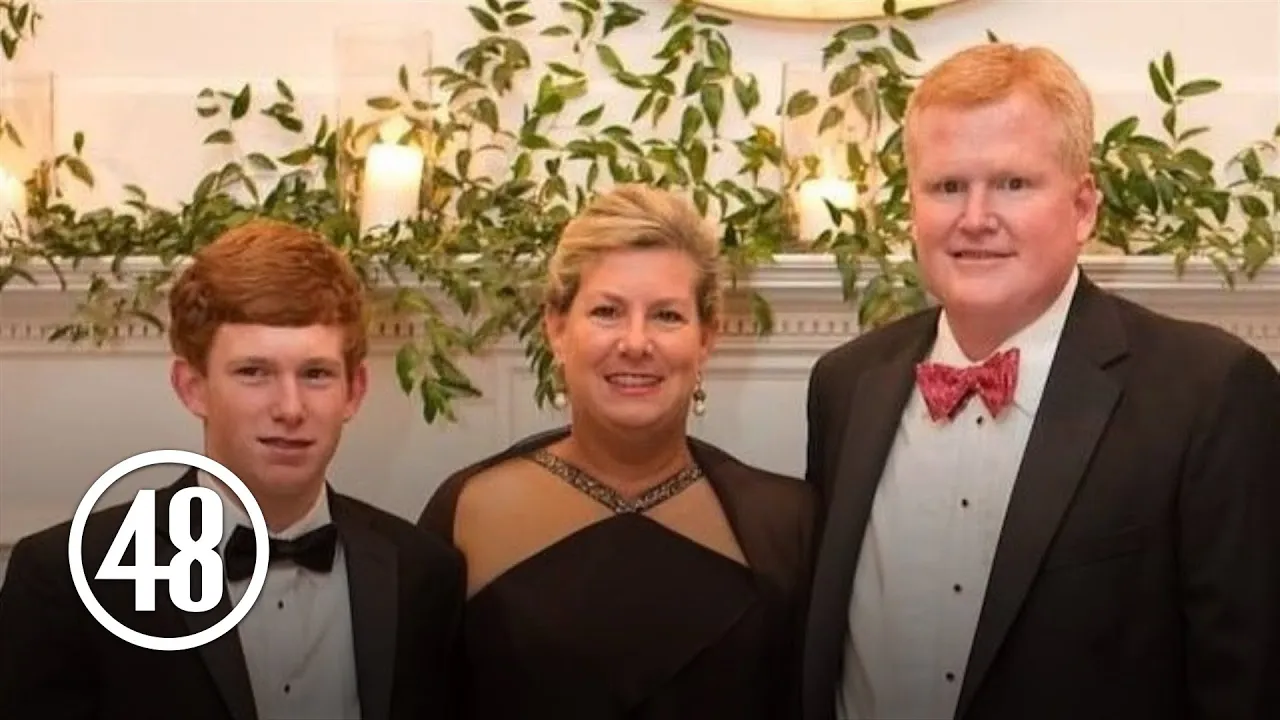


















In criminal trials, eyewitness testimony about specific details such as clothing, personal items, and unusual circumstances at a crime scene can provide crucial evidence. The witness described Alex Murdaugh's clothing (khaki pants, seafoam polo shirt, blue sports coat, brown leather shoes) and noted unusual observations including pots in the refrigerator, pajamas in the laundry room doorway, and a damp towel in the bathroom, which helped establish the timeline and circumstances surrounding the murders.
Murdaugh Trial Testimony: Housekeeper Details Missing Clothes Evidence
Added:The background context of the Alex Murdaugh double homicide trial, including the key figures, timeline, and location of the crimes.
The distinction between direct and circumstantial evidence, particularly how the absence of physical items can be used to infer guilt.
Basic courtroom procedures regarding witness testimony, including direct examination, cross-examination, and the role of the prosecution.
The legal concept of 'consciousness of guilt' and how actions like disposing of evidence can be interpreted by a jury.
Analyzing prosecutorial strategies for establishing a chain of custody and proving the destruction of evidence without direct physical recovery.
Studying defense tactics aimed at undermining the credibility or memory of domestic staff and household eyewitnesses.
Exploring how digital forensics (such as cell phone data, GPS, and fitness tracker steps) are integrated with witness testimony to build a timeline of events.
Investigating the psychological aspects of jury decision-making when presented with highly publicized, high-profile circumstantial cases.
5.1M views16.8Klikes2:17:05Original Release: 2023-02-10
my name is Blanca Tu rubiate hyphen Simpson t-u-r-r-u-b-i-a-t-e hyphen s-i-m-p-s-o-n good morning good morning it's just difficult for you to be here today yes will you please tell the ladies and gentlemen this jury uh Mr Simpson about yourself where you're from your family if you want to and um just kind of what you've been doing in life leading up to the day generally please I am I'm originally from Brownsville Texas I joined the military at the age of 17.
um I was in Norfolk Virginia for approx almost nine and a half years I was stationed on the USS Puget Sound USS Shenandoah Naval Air Station Oceana right before I left um what'd you do there heavy equipment operator okay and um my husband was also heavy equipment operator we were both in the same field um we decided that the military was just not going to be um good environment for raising children so we made a decision instead of moving to Texas we moved to South Carolina where he was from and um we have five children 34 31 23 21 and a 17 year old that are all been raised down here in South Carolina any of them still at home yes sir 17.
um where was your husband from you said he moved back home where was he from um my husband's originally from Gifford South Carolina say it again Gifford Carolina and um what does he do he's a police officer for Hampton when you came to South Carolina you never never been here before correct no sir um what did you do when you got here besides the hardest job in the world being a mom and raising kids what what did you what else did you do when we moved here we had enough leave that we didn't have to work for almost two months so I went to um after about a week I kind of got bored because I'm used to having Hands-On doing something so I went to the local Piggly Wiggly store in town and I asked the I didn't know he was the owner at the time I realized he was the owner after if I could get a job because I was bored and um how many kids do you have I have five okay but I only had the two oldest ones at that time and uh so he said the only job he had was a stalker and I actually had no idea what that meant because I had just graduated high school and went in the military so I didn't know but I told him I would take it as long as it would get me out of the house for a little bit so so um I took that job and then within a week I got a call from another job that I had put in where it was brazing or welting at Scotsman which is in Allendale County and I figure well it offers benefits and it would be better transition for the kids dental you know that sort of thing so I went there after about two weeks another job called me and had better dental medical benefits for my kids so that was the first time I ever well I went to work for the South Carolina Department of Corrections I opened up Ridgeland Correctional Institution I was a first class to graduate from Arizona Correctional Institution I worked my way up from correctional officer to Sergeant I manage the outside details and the work road crew on the interstate also a crew that would go out to Hunting Island for maintenance to assist with the park rangers um in 2001 I was offered a job at the Federal Bureau of Prisons and I accepted the job so I left Ridgeland Correctional Institution went to work for fcis the Federal Correctional Institution Estill South Carolina where I stayed until 2007. my job basically I started back from the bottom as a correctional officer and before my years up I got promoted to the special investigative support to tech office where I was responsible for managing well producing reports weekly reports and also profiling the Hispanic ganks because there was not a lot of staff members that were bilingual so my job basically became profiling interviewing um and associating members the anime population with gangs and how long did you do that from 2001 to 2007. not that anybody cares for this that when I first met you yes sir did you help me arrange a meeting with a prisoner I need to interview yes sir and why did you leave that job just burned when you're the only um one of the only ones in the office that's that's bilingual and you're constantly getting called out for different incidents dealing with a Hispanic population Hispanic population that had grown up quite a bit from the time I got there um and still having to do your daily duties in the office and nobody's helping you if you tend to burn out pretty quick so um I made a decision to leave so it's an incident happened when they needed a translator I was I had to stop what I was doing and respond to whatever incident dealing with the Hispanic inmates what did you do after that I went into real estate for a little bit which was not so good because that's when the market crashed and again for well for the jury's edification what year is this when you quit the prison 2007.
and you're living where in Brunson I'm sorry Brunson so how long do you stay in real estate year and a half um your family's grown at this point I presume yes sir okay and um did there come a point that you met the defendant Alex Murdock yes sir can you tell them how that happened to the ladies and gentlemen how that transpired when I when I first moved to um Gifford with my husband um like I said I was born so I went to work at the grocery store at the grocery store um and during the time that I moved there was not a lot of Hispanic families living in that area it has since grown in the Years I met a I met a lady who I befriended you know she was Hispanic and um we started talking because she was the only other Hispanic person that I had actually seen in the area so we started talking back and forth and it was nice nice to speak in your native tongue with somebody um and her son had an accident at the school on his way after school walking to the car and he had gotten hurt one of the ladies that worked at the school had recommended that she used an attorney from Walterboro and um a couple months had gone by and I noticed that um there was a she was under a lot of stress and as she as um as I talked to her she said I just have to get all these documents I don't understand she still she spoke English but it was very broken English so she was having a difficult time explaining what she needed for the attorney so I told her I said well I said I'm going to find you an attorney I'll um I'll look around I said and we'll go ahead and fire that attorney and hire you a new one and um because we didn't want the statue of limitations to run out on her case so at that point I started looking around and I happened to walk into the law firm and it was the old offices where I met Alex just walked in and that's where you met the defendant Alex Murdock yes sir okay and you were trying to assist this individual who was having trouble communicating with her prior attorney don't mention whoever that attorney was but you helped her get a new attorney yes sir um did you help with that case that particular case with this friend yes he told me he would um take the case who is he Alex told me he would he would as long as I translate it and help them with the details um because he didn't have anybody in the office that was bilingual and I agreed you were a hot commodity weren't you I mean there was a need for translating yes sir um so you helped with that case yes sir did you assist in other cases with the yes sir I did at times Alec would call me and ask him if I could assist in translating or um when there were accidents and the folks were um injured um and if they were not and if they did not speak the English language he would ask me to translate and were you getting paid for this service yes sir and he would it wasn't a set fee it was just depending on the case you know whatever I did whether it was to get them signed up with a law firm um basically you know or if I had any um type of um in in the Hispanic Community when you when you are in trouble or you're in need of something and a lot of times those accidents when they happen in the area they are not um from here the language barrier is a is a big thing for them so my instinct was more to make sure that they were well accommodated and they whatever they needed so sometimes um he would reimburse me for my out of pocket whenever I help the individuals you know who were in the accident and that went on for a period of time when you were assisting either Alex murder on the law firm is that correct yes sir did that change into a um caregiver if you will or respectfully I don't mean housekeeper or whatever term you'd like to call it for Maggie Murdock yes sir um Alex had called me and said Maggie was looking for um a person a helper in the home and at that point real estate wasn't really doing much for me and so I told I couldn't find anybody I I had asked around um and at that point I told him I said well I'll help her and he was like are you sure I was like yeah I'll help her I said it's no big deal to me it's honest work so um I said that I would help her you were clearly qualified yes sir yes sir um so what did you start doing for eign Maggie Murdoch I started helping the other ladies in the house with the cleaning with running errands um going running to the bank for her um whatever she needed me to do and when did that start Miss Blanca in 2007.
and were the two young children or the two children all in Buster murder were they younger obviously they were younger yeah so they were young and would you have interaction with them and or Alex murdaugh during this time period yes sir how often were you working for the murdocks at that point it was maybe every other day um depending on how how often she needed me where was that where specifically were you working where was there at the house in on Holly Street in Hampton how long did that go on before you stop for and tell them why you stopped I'm I I work there with them on and off like not on and off I shouldn't say that um every every two to three days you know or it wasn't a daily thing at that point then I did go probably about Maybe I I can't recall it was a few months later or a couple of or a couple of weeks later there was an incident at the house and um somebody had tried to burn the house so that's when I actually went and started helping her more full-time because she had to go through a lot of a lot of the damages and all that helped her I helped her document a lot of whatever damages were done from the diesel and stuff that was spilled all throughout the house by the individual and maybe I wasn't clear in my question did there come a point where you had some health issues yes sir um at one point um I suffered a stroke and I had to stop working and go through rehab for a while and what year was that um fifth 17 and 18 Maybe yes sir yes sir so prior to your stroke and you had to go to repad rehab how long would you work for the murders I was a few years would you out after you had your stroke Blanca Maybe almost four years did there come a point where you went back and started working with Alex with the Bernal family yes sir and tell these folks when that was um shortly after the shortly after the boating accident um I reached out to Alex and Maggie and I told them if they needed anything that they could um call on me and at that point Maggie said that she would like for me to come back if I was able to so I told her I would at that point I was feeling better so I I told her that I would go back and once I went back it was like I actually never left I was just informed The Struck was in 2015 not 2017. I apologize so after your recovery you started working and actually called them the Murdoch family and said if y'all need anything if y'all need anything I don't think anybody will dispute that was in February of 2019. yes yes so when you went back to work with the family after the boating accident tell tell these folks what were your duties then what was your job um I started right back at the same thing I was helping with the cleaning I was helping running errands I would cash checks I would um and what I say by cashing checks for Maggie sometimes she didn't have time or she was busy doing other things so she would send me to the bank to cash checks um to pay the people that were that she had working around the house the main yes sir the maintenance line you know that sort of thing whatever she was doing around the house where were they living the Murdoch family at this point in 2019.
both places okay tell the folks we're in both places Moselle and so you're working at both residences yes sir I both did there come a time where they moved exclusively for the primary residents to where was their primary residence their primary residence was Holly Street and once they sold the house they moved straight into Moselle full time we hadn't heard much about Maggie and I'm limited what I can say though murder case but did y'all get um fairly close yes sir and when you had quit working for her and had your stroke did you ever see her during that time period when you weren't working for it yes sir Maggie would um I would see her in town and she would often uh signal me to pull over so we just used to stop sometimes and just talk and see how things were going at the local CVS ketchup just to catch up and see how everybody was doing and prior when you were working and after would you and I'm not asking to say what but we all got close and we'll talk personal things yes sir I'd like for you to go back in your mind now and take this jury back to um June 7th 2021.
you were working there for the murders in yes that's a Monday do we all know that June 7th yes sir when had you worked prior to that Moselle property for them Friday and at that point had you seen what family members did you see at Mozelle on Friday which would have been the June 4th of 2021 do you remember Paul and um what was your interaction with Paul that day Paul walked through the door his usual self I was walking out of the laundry room coming into the kitchen and Paul came in the front door and he was holding a a laundry basket full of full of clothes and uh as he was approaching me he saw me and he said what what's up Miss B and uh I just looked at him I said boy I said if you got all them dirty clothes and you want me to take care of that I said I'm getting ready to leave he's like oh come on Miss B you can help me out he said I need him for the weekend he said I said well just pull a couple of them out what you need and I'll I'll take care of it and uh I ended up staying late to make sure that he had his clothing ready for the weekend so you did you wash the clothes for the entire family was that part of your yes I did and did Paul leave that Friday yeah I saw him leave I don't know whether he was actually gone for the weekend or if he was still no sir did you have um regular hours in June of 2021 that you worked at Moselle for the Murdoch family you weren't really set hours Maggie was pretty um just easy going if I had stuff to do if I had stuff to take care of she wasn't really too keen on any specific hours um so you know if I had a doctor's appointment or if I had anything she'd be like okay no her main thing was her main comment to me always was no worries no worries no worries well June 7th specifically will you scheduled to work at Mazel yes sir did you have contact with Miss Maggie murdaugh sometime prior to getting to Mazel that morning yes sir yes and I think it's in evidence but tell these folks what contact you had with her um she texted me and asked me if I could stop at the um grocery store on my way to Moselle because Alex wanted some Capri Suns get some what Capri Suns um and she said apple and I believe she said Pineapple first and then they changed she came back with another text and said no he wants orange I believe that's what he said that's what the text said I'm gonna did you try to get some orange Capri Suns yes where'd you go I went to the Food Lion and were you successful in your search for orange Capri Suns no sir I'll show you what's Mark States 54 stalker excuse me Defenders 54. for the record did you have any other text with Miss Maggie before you got to Mazel yes Maggie um Maggie told me she had to go to a doctor's appointment and she said that um in the text Maggie said Alec wants me to come home and she said and in a phone conversation she she told me she said I left some food in the refrigerator is there any way that you can cook Paul likes the way you cook so um she said because I don't think I'll be back in time so I said yeah sure I said I'll do it so it was nothing I finished what I was doing then I started cooking making sure the meal was ready for when Paul and they arrived at home well that afternoon and we had another conversation on the phone where she told me she said Alec wants me to come home and she kind of sounded like she didn't want to come home and uh she because she really liked being at Edisto and they had a lot of work that was going on and she was trying to make sure everything was ready um for the Fourth of July Gathering that they she was planning so she wanted she was very detail orientated so she wanted everything perfect so she was kind of she sounded like she was a little disappointed and then she said well um Alec asked Paul to come home too because he's got to fix the mess up out there that the um that CB had done um the CB Road yes sir and he said Alan Alec I told Paul to come and fix it because they were planning on uh having a hunt that weekend so he wanted everything ready and good to go so he'd asked Maggie to come and then he hit ask Alex to come that's what Maggie Paul that's what Maggie told me over the phone and looking at States excuse me defendants 54. uh can you read that text he said thank you I'm waiting at Dr Alex wants me to come home I had to leave door open at Edisto but trust Mexicans to shut and lock for me his dad is back in the hospital the last doctor claims not cancer it pneumonia and then she's got some emojis she said Alec is about to die hope he doesn't go down there to sleep needs to take care of himself as well and when she said I trust the Mexicans leave the door open that didn't bother you no sir okay um my when she said I guess my question is you said you didn't think she wanted to just about as you're standing in front of the jurors when um you had just testified you didn't think she wanted to come home what she get was work being done at that stuff yes sir okay and did she like being at Edisto yes sir she did and when would she stay in Edisto any chance she had okay where was a time of year that she liked being there more than other times yes sir I've come around spring um Summer she preferred to be in Edisto and I guess was she at Edisto the night Saturday night do you know where was she Sunday night I'm not sure unless she knows she can ask her if she knows I'm not sure [Applause] were you on schedule June 7th time wise were you running late were you what time were you supposed to be there I didn't have I didn't have a set time to be there after you and Maggie taught and texted um did you go to Moselle yes I did and when you got there was Maggie there no sir she had just left was Paul there no uh was defendant Alex murdaugh there yes he was okay when you walked in the house was he up no sir he was in bed based on the time you spit there and your experience with the defendant Alex murton was he a morning person yes sir no come on were you there working before you saw Alex Murdo that morning on June 7th of 21.
couple hours and can you tell these folks that there come a point that morning where he left the house Alex Murdock did he leave and go to work yes he did okay and can you tell them what he was wearing Alex murdaugh best of your memory when he left Moselle he had a pair of khaki pants um uh green greenish I call it seafoam color um polo shirt and he put a sports coat blue sports coat over in and he put his shoes on which were usually right there next to a dresser that they had right there in the in the living room area that's where his shoes used to go right there so he just used to kind of slide his shoes on on his way out the door you remember what type shoes he had on on June 7th 2021 when he left his regular work shoes that um the brown there was a pair of brown leather shoes was it a long sleeve shirt or a short sleeve shirt he left them the pole is a short sleeve shirt and um staying out of everybody's View do you remember anything specifically about that shirt um as he put his coat on he was putting his shoes on and he was trying putting his coat on um and he was getting ready to walk out he turned around and I said Alec I said um hold on a minute I said your collar's sticking up so I I um he turned around and I fixed his collar inside his jacket because one collar was sticking up so you actually helped I'm sorry but you helped move his yeah yes I did and you said it was a long or short sleeve I'm sorry Polo is a short sleeve and did it have buttons on part of it or or do you know just from from here to here and was it a blue blazer on top of it it was a dark color he put it down he doesn't have a tie with that on no sir I'll just Maggie had asked you to fix dinner for the family did you do that I did can you tell them what you make um she called it steak burger but it's cube steak engraving some white rice and some green beans you're a good cook aren't you did you see or talked to Maggie ever again after this text or this phone call before I left Mozelle I texted her and I said um the dinner was on the I believe I texted to the effect that I left dinner on the stove for them and um that I I can't really remember the text but I did text her and let her know that the dinner was ready and then I was leaving and you said one of the phrase she uses no worries had she said that to you that day yes when was that um I can't remember you got a family of your own right yes sir you left Moselle what did you do pick up my son it's uh your husband's working yes law enforcement yes sir yeah when you got home that night um did anybody call you that night no when did you hear about the murder at Moselle of Paul and Maggie Murdock the next morning when I was getting ready to go out there the next morning yes sir how did you hear Alex called me and and what did he tell you he didn't come he called you the next morning he called me early the next morning and what he said he um he sounded shaky on the phone you could tell he was his voice sounded really shaky um and uh he said um B they're gone they're gone and at my initial thought was did she go back to Edisto um I that that thought didn't cross my mind that he meant that they were dead at that time you just didn't comprehend me no so I did not so he told me again he said no be they're they're they're dead um and at that point I don't remember because I believe I dropped the phone my husband got the phone I don't remember after that that literally dropped the phone yes and did your husband get on the phone I had I don't I don't remember I I don't remember I I all I remember is when he said that they were dead I I dropped the phone and I believe I said I'll be right over I'll be right over um but uh did did he the defendant out with murder I'll tell you which way to go when you got to the house he said him and Buster were at Almeda so I told him I was going to Almeda you know I wanted to make sure they were okay and and um so I went from my house to Almeda and then um when I got ready to leave Almeda he said well when you go to the house go in the front because there's a lot of sled agents by the kennels you can't go in that way and he said just try to straighten up the way Maggie liked everything you know in the house he said you knew her the best he said you know how she likes stuff so I I did I went to that so you went to um I went into Moselle to start with yes I did to check on my Buster and Alec to comfort him yes sir and um at his request you went to Moselle to start cleaning up and getting the house in order yes sir he said there was going to be people probably stopping by and um bringing food and and stuff he said I just want the house to live the way Maggie would like for it to look so I said okay and I went to the house I I am did you have a usual way that you went in to Moselle entrance wise from the house I would if I was coming from my house I would come in on the I call it the Miley's side so I would actually enter the property through the Kennels and um if I was coming from Hampton or if I you know in that the other direction then I would use the front entrance but normally I use the kennel entrance coming from my house when you got to Moselle we're now in the morning of June 8th right of 2021. yes sir did you see anybody in the property before you got to the main house no sir um and when you got to the main house take us right there like it right now as you're walking in the house what were your observation it was hard because I know she wasn't going to be coming back and I didn't want to move I didn't want to move her stuff foreign it was just a weird feeling going through when I walked when I unlocked the front door to get in it felt cold you really cared for early I did what'd you do when you got inside um when I got inside I am I didn't turn on any lights I didn't do anything I want I walked through the front door and I went in the kitchen you know I was kind of I was kind of when I looked in the kitchen I kind of got it kind of just stopped in my tracks and I looked at the stove and I I was kind of I don't know what what the word is when I looked and I noticed the stove that there was no pots on the stove it was kind of unusual because usually when they ate dinner um when they ate dinner the night before the pots usually stayed on the on the stove very very seldom which he um put you know certain meals in the refrigerator a lot of times it was just left on the on the stove um until the next day and um the pots were not they were not in the sink and they were not on the stove and then as I walked through I um walked if you walk through the kitchen like you're going to from the kitchen if you walk through the kitchen if you go to the left there's two freezer and a refrigerator and the laundry room sat right there to the left there's a back door to the back porch and then there's the laundry room door they're both right there and as I turn to go to the laundry room I noticed that there was her pajamas were in the middle of the doorway um it right in the middle Laden neatly in the middle of the doorway going into the laundry room it was her pajama pants a pair of underwear and her um her pajama top was that unusual that was very unusual um because she would she wouldn't lay her clothes out like that not in the middle of the door like that it just didn't look right to me and you took care of the house yes you took care of the clothes yes not to get too personal but sometimes you can't have it with the underwear there with the pajamas unusual yes why she didn't she didn't wear underwear with her pajamas underway the pajamas but that struck no under clothes with a pajamas but that struck you as unusual they were there with the pajamas yes sir because the underwear appeared to be clean not not dirty they still had like fold marks in the pots and I may have just missed it you said where would the pots end up when you found them after I I looked at the pajamas on the on the floor the way that they were set I turned around and I said well I wonder where the pots are so I happen to I opened the refrigerator door and the pots were sitting inside the refrigerator with lids on them and I was like you know who did this um I I don't know at that point but that was not normal for the pot the whole pot to be sitting in the fridge did you make any other observations in the house the bathroom or anywhere else in the in the master bathroom um was um her clothes were sitting next to the the tub it was a small pile of clothes right there next to the tub um and to by the shower um if you walk in the master bedroom there is a big garden tub spa spa type and then right here is the shower and there's a window on the floor next to the shower was a slight puddle of water a towel and a pair of khaki pants and then and then um as I went to the left to see if there was anything else that was out I um looked in the closet and in the closet was a white uh damp towel on the floor and there was a and I'm pretty sure the T-shirt was white at one time but you know they get kind of dingy after a few years but that it appeared that a t-shirt had fallen off of the stack of t-shirts that were on top of the shelf right there in the closet um it was laying on the floor next to the towel when you took care of the home was that to tell us how the clothes are laid out the shirts the shorts were just saying up on the Shelf with shirts in the closet there was a shelf um there was some shells smaller shelves right here then there was some long ones Maggie used to keep her clothes on these and then there was a shorter one kind of like little box looking you know Alex used to keep his clothes his belts and stuff in that um and then on top there was also an area where he kept t-shirts um they were folded and they were kept on the Shelf say t-shirts I know what a t-shirt is but I mean with a t-shirts like I'm wearing right now where they t-shirts with pockets because usually they would um be t-shirts like if they would go like when you go to a restaurant and they have like that logo of those type of t-shirts he he had a big collection of those and would you put them on the Shelf yes sir I did did you iron t-shirt yes sir I did and you you washed all the clothes yes I did did you have a certain place that he kept shorts versus long pants yes sir when you walk in the master bedroom there when you enter the master bedroom the bed the bed was right here at the foot of the bed you had a dresser here and a dresser here um the right dresser on the top drawers were usually his underwear his socks the next drawer was his t-shirts and the bottom drawer were the pajama pants that he would wear or his shorts that he would wear to sleep in in the left drawer and one sits on this this side of the door going into the bathroom and the other one's right here on the left dresser he kept his white t-shirts that he would wear under when he wore a suit he would wear the t-shirts were in one of those drawers and then the other two drawers were shorts um the dressier shorts and then the um The Not So dressier shorts you know that so you test out a shirt looked like it had fallen when you saw it this morning yes sir June 8th 2021 okay was it still clean yes sir did you put it back yes sir my boss stands in Lincoln just reminded me that the food that you um cooked did you look and see how much was eating in the pots no sir I did not now you said there was a damp towel where was that in the closet on the floor and I know what that means but when you touched it did it feel it was damp what did you do with it took it to the laundry room and you said there were some pants there yeah so there's a pair of khakis by the shower and what'd you do with those took them to the laundry room did you watch them yes sir foreign thank you you may proceed me and Mr Waters if you all to be seated sorry honey Miss Simpson I think where we left off well let me kind of try to refocus myself I'm going to show you what's in her to Stage seven just can you see those pants in state seven yes do you recognize those pants yes sir you recognize those pants in state seven yes how do you know those how do you recognize I took care of the laundry have you cleaned them yes sir okay where were these pants um kept in state seven the left um the left dresser and the third drawer third third or fourth drawer they weren't in the ones where um he had one drawer with shorts that he would usually wear on them on the weekends you know the dressier ones those were kept in the drawer underneath that specific drawer so you know what droverse these were in yes if you know from being there and taking care of the clothes and taking care of the family with these these shorts he liked to wear a lot or not did you see him in these shorts much no and were these shorts clean the last time you saw them yes now this shirt that's also in States seven had you seen that shirt before yes sir okay where was this shirt kept in the closet at Moselle the the top shelf um above this when his clothes hanged the top shelf there was a shelf up there and you've testified it looked like a shirt had fallen from that shelf when you got there on the morning of June 8th correct yes sir okay well this shirt kept in that same place as the shirt that had fallen yes sir and the shirt that had fallen what did you do with it after you picked it up I folded it back up and I put placed it back on on the Shelf was it clean yes sir I just apparently have a personal conversation but you need to speak into the mic yes sir all right look at me that's what I'm sorry had you cleaned this shirt this thing it's in state seven prior to June 7th of 2021 I probably did and where would it have been placed after you cleaned it where would you have put it up up in the closet if there was no more room in the drawer now could we please uh play States 306 please foreign can you see can would you look right there at your monitor Mr right there now this uh who's in the picture Alex okay okay and and can you tell what kind of pants he's got on khaki pants okay can you tell what kind of shoes he's got on from that Miss Simpson it appears to be the a pair of loafers loafers house house shoes loafers okay well tell me what you mean by house shoes um just his shoes that he would usually wear around the house if he was wearing shoes wear them inside yes sir but these appear to be those shoes it appears to be yes and and this shirt that Alex murdaugh is wearing on June 7th depicted in States 306. had you seen that shirt prior to June 7th it was in the closet okay and what type of shirt is that the Columbia shirt Columbia shirt yes sir okay and how many of those type shirts did he have he had a few in the club like a greenish Aqua seafoam color why do you keep using the term seafoam I'm not fussing I'm just asking the term seafoam when Maggie was looking at different color palettes to paint that color came up in one of the color palettes so we would refer to it as a seafoam but that's the term that was used for that color in one of the color palettes um that she had after June 7th of 2021 did you ever see that shirt again no sir there was like a pink one a white one a baby blue in the closet I do not remember that shirt being in there and on June 8th of 2021 in the morning hours when you came back over there was that sheriff there no sir were these shoes that you stalled house slippers were those there no sir did you ever see those house shoes again no sir and where did he usually keep them in the closet did he have any other type shoes canvas or any kind of boat shoes he had a lot of shoes in the closet do you remember any shoes that were canvas type shoes the boat shoes like the Sperry Sperry shoes yes sir and do you remember those yes sir they used they used to sit in the closet they used to sit in the closet after June 7th of 2021 did you ever see the Sperry boat shoes again no sir I don't know recall cm in the never ever no sir foreign did you stay on and work for a period of time for Alex murdahl at the Moselle yes sir I did and did your day-to-day functions change after June 7th as far as Moselle itself yes sir they did well tell them how that happened and what the change was um after Ally after Ally after Maggie and Paul were um were killed um Alec um did not stay on the property on the 10th when I believe his father passed away after that yes I believe after the service that we had for him at the cemetery Alec called and asked if my husband and I would um stay on the property because him and Buster were not going to be able to stay there so we agreed to take care of the property and and maintain it while he he said until he decides what he's going to do with it and did in fact you and your husband start residing there for a period of time we did and what uh were you were you paid for that yes sir okay well do you mind telling them how much he would give me 1500 a week to make sure that anything needed for the farm was taken care of and my husband and I would maintain cutting the grass on that property which is a lot of grass out there and it would take in excess of two days to cut it yes sir my head I would help my husband were you also taking care of the dogs yes sir tell these folks what were the dogs names Grady and Bubba Brady and Bubba yes sir um you fed them yes sir took care of them yes sir where is Bubba what's today whatever today is where's Bubba today he's with me so you have Bubba in your home yes sir I do did Bubba have his own pen yes he did in I don't know if you've seen but at some point I'll keep going to the video of um well could we play that now please and of great before we get there when and I'm sorry I'm going back to this real quick is that the shirt he left for the office in that day no sir okay go ahead you ever seen bubble with a an animal in his mouth yes sir all right tell them about that please please um when Bubba was running around if I would if I or anybody we if the chickens were running out of the coop he would chase the chickens and he would just go after the chickens or the guineas whatever was out there and would you ever catch him yes he would and how would Bubba the chicken get out of Bubba's mouth and you have to make several attempts to to get the chicken out of his mouth and at points he would growl at you if you tried to take his toy basically that's what he in your experience in being there was it easier for a family member or somebody Bubba new to get the chicken out it if he he's stubborn yes sir but would it take a period of time to get the chicken yes it would foreign did you have a conversation with Alex murdaugh about a shirt yes I did and let's go back where did this take place at the little house all right what do you mean the little house [Music] um after Paul and Maggie were killed Paul Alec was not staying at Moselle my husband and I were and he would often stay in different places but all his clothes and toiletries and everything were placed in the house that sits between Mr Johnny Parker and his brother Randy there's a small two-bedroom house right there and that's where all his belongings at the time went and where is that located in Hampton and who furnished this little house with clothes and toiletries and made sure stuff was there I did and who was Alex murdaugh staying there with when he stayed there if anybody he never stayed there he would just go and get his clothing and eat whatever you know if he would have a snack or something he wasn't really eating or during the month of August do you remember him having a conversation with you about a shirt yes sir did you find that to be unusual yes sir tell them what the conversation was and why you found it unusual please he he walked in um to the little house and I was almost I was getting ready to leave and um he said B I need to talk to you and he said come here sit down so I went in the living room I sat down and he was pacing back and forth in the in the living room and he said I got a bad feeling he said I got a bad feeling he said something's not right and then he said um he said well you know um there's a a video there was a video that was out I hadn't seen a video and he said you remember the shirt I was wearing that Vinnie Vine shirt those were that's what he said to me and uh in my mind I was saying I don't remember of any Vines sure it was the polo shirt but I didn't mention he said well you know what I was wearing that shirt he said um you know in the um that day and still I I was just I didn't say anything but I was kind of thrown back because I don't remember that I don't remember him wearing that shirt that day when he left I know what shirt he was wearing because I fixed the collar and the collars are different material and I don't know what a vidivine shirt is but when he left that day was he wearing of any Vine shark I was wearing the collar you've described it was a polo shirt it's using your common sense that it appeared to you he was trying to tell you to say I was wearing the shirt production is sustained as a form of question how did you take that conversation I felt like he was I felt like I felt confused at first and then I know what he was wearing the day he left the house and I was basically confused I didn't really know whether he was trying to get me to say that that shirt if I was if I was to be asked that if that was a shirt he was wearing the day foreign 457 for ID only okay do you recognize these and do they relate to your testimony without saying what they are on September 4th of 2021 did you have a conversation with defendant Alex Murdoch I did okay and what did he ask you to do he asked me to um send him copy send him a photo of the insurance cards do you know what day of the week that was and I'll go back here so you can talk I I don't remember the day all I know was it's on it's on my phone he asked you to send him a copy of his medical card oh it was on a Saturday morning because the next day was my daughter's birthday that early that morning when he called me he he asked me um when I sent him the picture of the plastic insurance card um he said no I need the cardboard one well the cardboard one was in Maggie's purse um it wasn't in the area where I usually kept the cards in the cabinet so I told them I said it's in Maggie's purse he said well go ahead and get the um get the cards and send me a picture of them and I asked him if he was okay and he said um well I'm just getting some routine exams done he said and I need the number so I could go ahead and schedule these appointments and it was a Saturday because I was um I was thinking where is he going to go to get lab or you know appointments done on a Saturday um but I didn't say anything I made I went and I took pictures and I sent them all the copies of the cards that I found we'd offer say 4.55 first of all we obviously he consulted with me about this as he walked up to me a moment ago I don't quite understand the relevance why him asking for you want to tell me I'm sorry I'm just if you could just consult with me for a moment tell me what the relevance is but he hadn't told me your permission yes sir your honor we sort of just talked a surprise subjection what previous objection yeah I apologize I had no previous made objection to this document concerning this issue I apologize you did it without objection 455. I'll stand right here okay were you texting with Alex murdaugh about sending these cards yes I was and that's the text and is that the this medical card you send him a picture one of the medical cards I sent him a picture of yes please listen to me carefully don't go any farther than my answer ask okay yes sir after this date September 4th of 2021 the junior husband quit living at Mozelle a couple other questions and I know everybody glad I'm sitting down um in addition to cleaning the house did you ever look at Maggie's Mercedes to try to clean it afterwards I did yeah what if anything you find as I was cleaning the vehicle removing her date or at least a range of days that was about a week after okay after the murders when did you do you remember when you claimed her car I I cleaned the car when they asked me to pick it up from the um shares the impound sheriff's department and and who asked you to pick it up Randy and his wife had dropped off Paul's truck and they were getting ready to leave to go out of town so he asked if my husband and I could go pick up the Mercedes from the impound and bring it back to the house and did you clean it after that I did and what did you find if anything well she still had paint um for the Edisto house that she was trying to touch up some areas at the at the house and add us she had some pillows that she was gonna return and as I moved the seat to clean um to vacuum underneath the driver's side seat I found um her ring or what her ring her wedding band now did Maggie based on your time with her and experience like being at Moselle by herself no and leading up to the murders was she anxious about anything she had a conversation with me she had a conversation with me um a few months prior um I I walked in the house and Maggie said hey Blanc he said she said I got to talk to you I got something to tell you and so um she said let me make some coffee and she went and made a pot of coffee she made me a cup she made herself a cup and we went she said let's go talk and we went into the hunting room and she closed the door because Alec was sleeping in the bedroom which is on the other side of the house but she closed the door when Maggie closed the door um more spots judge I think was she anxious about money issues I object I know you're objected and but he is I understand your objection well I don't care what you're doing uh there's an objection to the previous question the objection is sustained while entertaining the objection you cannot pose another question the objection has sustained and I apologize Legacy now hesitate but this is a matter that needs to be put on the record all right ladies and Gentlemen please not discuss the case yes sir if everyone will be seated get to a conversation we're aware of that conversation but objective knowing where he was going which was and in that same interview by the way that she gave about this statement where Maggie said that she was concerned about money she also indicated Maggie was never concerned about money either way it's hearsay he said before your honor ruled was she concerned about money or wasn't she concerned about money he testified which is to hearsay I would move from mistrial I think this unduly prejudicial based on the last three weeks we've heard of financial uh misconduct and a part of the defendant um and and I would move for a mistrial I would move um that it's not mistrial because I don't think even if you give this jury an instruction you can't unring the Bell um you can't correct that um and now I've had to draw attention to it even more so by objecting to it he knew that was wrong thank you your honor Mr matters when I hear about apologies and I can't help it um judge under 803 and what I should have brought to the Court's attention first 8033 we think this would be admissible hearsay exception then existing mental emotional or physical condition the statement of the clearance then existing state of mind emotion sensation or physical condition we think it fits under that rule how she was and that's all I was going to enlisted that's it I won't go in in hearsay was coming out a little bit there a lot of hearsay's come out in Australia they wasn't objected it just was rolling I wasn't trying to plan that part ahead but I do think respectfully it comes in there we'd like you to consider under 8033 jokes and that's what I should have said before I asked the question again for the record Samsung 8033 the following are not excluded by the hearsay rule even though the declarant is available as a witness a statement of the declarance then existing state of mind emotion sensation or physical condition such as intent planned motor design mental feelings pain and bodily health but not including a statement of memory or belief to prove the fact remembered or believed unless it relates to the execution revocation identification or terms of declarance will all right Mr Harper I obviously Iran I don't think that's covered by 803.
um why not well because it's the declarance and maybe we need to ask her exactly what you said before we can rule on that um the only testimony we've heard on that point is a question then an objection and then another question while the court was listening to your objection yes uh so we'll have a proffer of this testimony and see where it was going yes sir she was worried because a lawsuit had been presented stating that they wanted 30 million dollars Maggie was crying Maggie said I we don't have that kind of money block and that's what she used to call me she said we don't have that she said if I can if I could give them everything that I got and make this go away she said I would do it in a heartbeat I'm not she said I'll start over we'll start over she said I just want it gone listening to a proper go ahead would that be a instead of that long would that be like money issues that she was worried about the money issues dealing with the lawsuit and you know that's all I was going to offer or I asked about money issues I wasn't looking to even go in detail of what she said there yes sir I don't quite understand how this fits into first the what you allowed in under 403 404 B and raced yesterday right um it is her perception that the law her perception that the lawsuit you know for 30 million dollars putting Financial stress on her uh there's not any she's not relating that Alex has any stress on him he's the one on trial her perception that the 30 million dollars is making her was concerning her I mean she's not accused that is Maggie Murdoch not the defendant here there's no connecting it to the defendant I don't understand what I mean not only is it hearsay it's not relevant to the issues being litigated here her State of Mind her State of Mind on financial issues I don't know how that how that relates anything further we've had testimony elicited by the defense that are out the trial from Witnesses portraying the family as a loving loving and happy marriage a question posed to Mr Gibson I believe it was and to the other friend of of Paul's and and Busters as to whether the family was anxious or seemed to have any concerns or issues going on at the time and I find that this testimony properly responds to it to that testimony and the objection is overruled anything else all right let's take a one minute stretch before the jury comes back thank you the last objection um is overruled and you may proceed Simpson in the days leading up to the murders of Paul and Maggie murdaugh based on your time with her was Maggie Murdoch anxious about anything she was concerned about the amount of money that they were requesting on that lawsuit 30 million is what she told me it was marked two nines this was a question there's an objection the court overruled the objection and do you want the witness to answer the question that you posed yes sir the question yes and I thought she had answered you said she was worried about 30 million can you explain that moment your question that there was an objection to if do you withdraw the question that you posed prior to the court for ruling on the objection or you forgot the question to the world yes proceed she was what she what was she anxious about she said she knew the amount of money that they were asking but she felt that Alec was not being truthful to her with regard to what exactly was going on with that lawsuit she said he doesn't tell me everything okay Bubba this is a chicken strip off catch quit foreign had you seen that before yes sir okay and and I think maybe in Prior statements or something that had you said do you recognize voices on there yes sir who do you recognize it's Paul Maggie Alec and now previously have you said a memo or a memorandum in interviews that you thought you may have heard another voice yes sir I did um at a at a distance but having listened to it again Have you listened to it this week I mean it's not a on TV have you seen it I have there's only three voices Alec Maggie and Paul so after hearing it several times is that your conclusion yes sir just a few more questions um would miss Maggie mardol did she go down to the kennels at Night by herself no sir and you say that emphatically why why do you know that she was scared it got dark out there so would she go down there by herself no did she like to go down there when it wasn't dark she did and did she like playing with the dogs she always took the dogs with her which dogs were hers Grady and Bubba were always with her okay so when she was at Edisto where would Grady and Bubba be she would sometimes she would take both of them but the majority of the time in the last few months she was um alternating she would take one or if not the other can you tell us about the defendants did you ever see him with his cell phone Alex murdaugh did you ever see him use his cell phone yes sir can you tell the jury his habits with the cell phone would he have it a lot did he use it a lot yes sir he did okay he was always on his phone I'm saying that again he was always on his phone but Paul were you familiar with his habits as guarding cell phones the times that here at the house he was um always on his phone if he'd go in the shower or whatever he'd play his country music on the phone um but that's the extent that I know from what I what I observed being there in the house and when you were on June 8th and you've talked about it and I'm not trying to rehash that but on June 8th of 2021 when you went to clean up the house is that pretty much what you saw in the bathroom the pants and the damp towel yeah so there was a there was a rug right as you step out of the shower and um there was like a slight puddle of water a towel a white towel and then a pair of khaki pants you didn't see any bloody clothes or anything like that beg course indulge is just a few seconds judge I did this I'm sorry judge is the individual in States is that individual in the courtroom yes sir okay and and would you please is it Alex murdaugh sitting between Mr Harper yes sir and the record is reflecting thank you judge have you ever ever seen that blue that shirt again no sir not to not to my knowledge have you ever seen these shoes again that he's wearing here no sir and the Sperry cloth you said the Sperry shoes have you ever seen those again no sir that's all thank you and my name is Dick Harper and I represent the man you know is Alex right yes sir I mentioned people I don't think we've ever met before have we yes we we've met yes or at the house Maggie's funeral oh they Maggie's funeral yes I apologize a lot of people there that day yes sir Alex has always referred to you when people ask who you are as his friend correct that is correct never called you his house Speaker keeper right that is correct uh he always when when he introduced you as his friend that is correct now um you've also I think in multiple interviews with um sweat and other folks described I think that the words were Maggie was his all and that didn't that what you told select yes sir what does that mean Maggie was his all he he adorned her he loved her he adored her worshiped her I mean just treated her as somebody he adored correct exactly yes sir now I think they also asked you if you ever saw them have any arguments and I did not ask that objection you restate the question please sweat asked you if you've ever seen them have any arguments don't quite understand the basis of the objection you're on you restated the question you may respond what was the question again sir did you ever see them have any arguments I never saw them have arguments it was just minor disagreement because of the remodeling and I think you cite specifically they had when you said they had arguments it was about the paint colors for instance one of them was Maggie was set on getting a certain white and Alec was saying just get whatever white basically you know he didn't care she wanted a specific wipe and he just didn't you never saw them have any violent arguments or argue about money or argue about relationships it was all the minor things that most couples go through picking paint colors and those kinds of things is that correct yes sir to to some they would disagree on it wasn't that they disagreed the only thing that I remember Maggie saying was that she just wanted him to sit still and listen to her for at least 10 minutes at a time because he was always on the go common complaint between husbands and wives or wives to husbands I want you to just listen to me is that right she just was she would get frustrated because of that right you ever tell your husband that just listen to me I said all the time okay so um let me talk a little bit about the morning of the seventh yes and then the morning of the eighth because I understand you left before um Paul Maggie or Alec was on the motel property on the seventh correct yes sir we're going to talk about those texts in just a minute between you and Maggie but you'd fix some dinner for them I did and did you set a table or did they have to go get their own place and put them no I left the food on the stove right um and and normally the next day the pots are still be on the stove right yes would they clean up their plates or leave those in the sink or how would that go sometimes um the place would be in the living room there was no plates in the living room um they were in the sink okay but when you got there on the morning of the eighth the plates were in the sink they were not in the living room okay now are you aware of how many people were in there how many friends law Partners his sister who was in the Moselle house on the night of the seventh no sir okay if I told you there were 12 to 15 of them that surprised you I mean Maggie and Paul just killed was he very close with his law partners yes sir okay his sister Lynn do you know Lynn I don't I met her and um Maggie's when made passed okay um and would it surprise you to know that the uh Jack well the objection is sustained you cannot testify I'll make it more General than this do you know if anyone that evening of those people moved the food from the stove top to the refrigerator I don't know okay um now let's talk a little bit about the um the um room the the bedroom and well let me ask you this let's back off just a little bit you drove over from his mother and father's house correct that is correct that morning the eighth to Moselle right yes sir instead of coming your normal way which would have been the entrance by the kennels where there did you see all the police down there no sir I didn't know okay you drove up to the main entrance that would go straight up to the house or if you took a right on that road you'd end up back down the kennels right yes sir and you came up that where their police around the the house up there not around the house did anyone question whether you should go into the house or not no sir were there any was there anybody in the house other than you no sir it was me so did you find it strange that this was a crime scene good to hear the question I'm sorry the question would be did you find it strange there was no law enforcement present at the house that morning of course go ahead it wasn't strange because there was law enforcement all over on the kennel side it wasn't strange that they allowed me to go into the house let me ask you this did anybody from sled show up while you were there that morning I believe there was an officer I do not recall the officers you remember somebody coming in to search the house while you were there were several agents that came through right but okay but you'd been there for a while before they got there yes sir did they ask you about clothes you'd found or did they ask you about anything that you found out of the ordinary anything like that I didn't ask any questions they didn't ask me they just went about doing what they were doing and were they going from room to room are they looking for things under the bed do you remember it appeared that that's what they were doing okay but that was after you got there and picked up the bathroom picked up the the towel no sir I hadn't picked up anything at that point because I was still in shock and I was still trying to process what had just happened to my friend so they would have seen the khaki pants on the floor objection do they go into the bathroom I couldn't tell you something the the laundry room sits on the other side of the house and I had to take some time to process what had happened to Maggie and Paul I didn't I know I saw agents that went upstairs to Paul's room I I saw them walking through the house or but I don't I don't know what they took what they didn't took all I can tell you is what I saw when I got there okay after while they're there or after they left is that when you went into the bathroom and saw the khaki pants somebody taking a shower um there was a towel on the floor khaki pants on the floor was that before after they left okay so all those items would have been they would have been there for those folks to see as far as you know yes sir now let me ask you a couple of things and and and about what you saw the they keep showing you this picture by the tree of Alex and he appears to have on a khaki pair of pants in that picture correct yes sir and um I'm sure he had a number of different pairs of khaki pants but were those khaki pants similar to the ones he has on in the picture could they be the same ones they could be but he had several right um and in terms of um somebody had taken a shower it looked like there was water on the floor yes sir now did Alex take a number of showers every day was he a prolific shower taker not that I'm aware he would get up in the morning take a shower and go to work but did he take showers other times during the day I wasn't there in the evening hours okay so but it was not wasn't unusual for when you got there to find a towel on the floor and water on the floor for him having taken that wasn't unusual okay okay and um I think that when you were asked about a shirt and we can pull this if you want to go back to whether there's a shirt there also you said you couldn't remember is that correct with regard to whether there was a shirt with the khakis on the floor you said I couldn't remember I cannot remember whether there was a shirt with a khaki pants all I remember is a white damp towel sitting there okay and the khaki pants yes sir but you don't remember the what was it I think you told the Grandeur I don't remember whether it was a shirt or wasn't a shirt correct that is correct and that's today you can't tell this jury there wasn't a shirt on the floor you just can't you can tell them you don't remember correct what was your question you can't tell this jury there wasn't a shirt on the floor because you can't remember whether there was a shirt on the four or not isn't that what you told the grand jury yes sir okay so we know there's a pair of khaki pants there may have been a shirt and those shoes well let me ask you this do you know on the night of the seventh yes sir Alec had left correct he wasn't there when you got there the next morning no sir he wasn't there okay a matter of fact he never spent another night at Mozelle she knows you're honor I can answer if you know whether or not he's ever spent another night after the murders did he ever spend another night at Moselle to your knowledge he did not so when he left that night on the night of the seven and went to um his mother and father's house you don't know what clothes he took with him what shoes he was wearing you have no idea correct that is correct um and um were you aware that sweat had confiscated the clothes that he had on at that moment I didn't we are now yes sir I do know a white T-shirt pair of shorts that he showed you and um whatever whatever shoes he had on some sneakers right I didn't see the sneakers but I saw that clothing item okay and um so he had to put on if they did that other clothes to go over his mother's house correct would it stand a reason he'd have to put on other clothes or go in his underwear I would assume so yes okay do you know what he wore over at his mother's house no sir do you know whether he wore those shoes no sir you don't know so my objection to objection based for the objection so which question to that last one's shoes I don't know what specificity he says to those shoes I don't know I'm sorry the shoes that you say you saw in the Snapchat photo you say you never saw again right that is correct okay you don't know whether he wrote he wore those shoes the night of the seventh over to his mama's house do you I don't know that I wasn't there and you don't know what he wore over there correct that's correct I wasn't there he may have even worn that shirt that you said you never saw again correct objection s right correct okay now if somebody alleged that hit those khaki pants what was at what Alex was wearing the night of them I need to hear the question I I can't finish the question I'm sorry let me State this if somebody were to say that Alec murdaugh as ridiculous as it sounds was wearing those khaki pants when he objection rejection sustained let me put it this way did you see any blood on those khaki pants Nelson he washed them right yes sir did you put anything on him to get blood stains out I mean would there be are you been saying did I did I remove blood stains off of khaki pants I'm asking you rhetorically I'm asking you did you see any blood stains there appeared to be no blood stains on those pants and in the bathroom did you see any bloody footprints I did not did you see any blood on that towel no sir did you see anything indicating to you there'd been anybody wearing bloody shoes or washing off washing blood off or anything that would indicate that somebody after a murder had gone back to that room changed clothes covered in blood took a shower and changed clothes did you see anything that would indicate that Jackson's overall go ahead this is the first time that I have ever been in a situation where somebody was murdered right I didn't know as far as what you're asking me if there was anything bloody in there no it did not appear to be anything bloody in there did you clean the shower that day yes sir I rinsed it off you rinsed it off nobody told you not to rinse off the shower no sir and again nobody from sweat as that group went through asked you you know did you see bloody Footprints did you see any evidence that there was anything bloody in that that bathroom did anybody ask you that no sir and your testimony is those khaki pants were there after sweat left and maybe even a shirt you can't remember yes or possibly a t-shirt but I did not see it that I don't remember okay you don't remember what kind of shirt if there was a shirt not objection the objection is overruled thank you do you remember you know I'm doing like Mr Meadows now I forgot the question but let me see if I can get this back on track this these interruptions are getting me a little askewed um thank you so I think you've already asked and answered that now let's talk a little bit about let me talk a little bit about the cell phone service in Moselle you had a cell phone yes sir and the servicer was who what what was it Verizon the cell phone carriers were Rising yes okay and so did you ever have any trouble getting a signal anywhere on the motel property up at the house down at the dog kennels was it sporadic yes sir it was okay and sometimes you'd be talking to somebody and they'd drop off the call would end not because you ended it because the service was bad yes if you were moving around in the house certain areas you could not get a signal what about down from the kennels it was it was touch and go in the Kennels you you really you once you've got signal you better stay where you were at because if you moved you were going to lose your signal okay so it would not be unusual at the kennels if you did move um that if you were having a conversation or getting texts or trying to answer a text you wouldn't be able to do so like I said it depends on where you where you kind of knew the areas at least for me I already knew that if I had to make a call or send a text I would walk out the kitchen door straight to the edge of the corner right there on the porch and make my call and not move if not I would lose a call or I would I would not be able to make my call what about at the kennels and the kennels like I said it depends on the area where you were at and once basically everybody we all kind of knew that if you moved out of a certain area and went to another you were going to lose signal okay now at the kennel do you know what area you could get a call keep that I mean it was very you just talked about up at the house there was a sweet spot if you'll of course yes was there a sweet spot down at the kennel or do you know I I'm not I'm not sure at the candles but I do remember Mr CB saying that the signal out there was horrible for making calls or getting calls for making sending texts or getting taxed exactly okay now um let me let me talk to you a little bit about this conversation in August of of 21 after the murders yes sir Mr Al came over and was inquiring of you what shirt he had on that day correct it didn't feel like he was inquiring it felt more like he was trying to convince me of the shirt that he was wearing did he tell you that he just finished I'm sorry I'm just asking if he told you something objection cross-examination got object into hearsay for the record I need to hear the question um number two is cross-examination go ahead did he tell you that he just finished meetings do you want me to pose the question you're on or not all right I'm going to send a jury to the Jury Room please notice this case well at least seated okay what is the question just wait one second you're on it let me see if I can get back on track when you were talking talking with him in the little house in August as we were talking about a moment ago and he was talking about the shirt did he tell you that he had just been interviewed by swed en who'd shown him the Snapchat photo and he was attempting to figure out what he was wearing that day I mean it's in a photo did he tell you that the what's the specific question did he and the con when he asked you the question about the shirt did he tell you he just come from being interviewed by sweat no sir he didn't tell me that and what is the objection is respectless hearsay statement is hearsay that if he wants to do that he can take the stand and do it he's trying to offer the defended statement without him taking the standing it's offered for the truth of the matter asserted that's my objection all right in the response my response is if you can't ask Witnesses about what the defendant said to them they're going to have a rough rough rough row to hold going forward because um it's a statement by the party um a party opponent if you will I think they argued earlier on when we objected to one it's not hearsay there's an exception to hear Say by a statement by one of the parties it's Alex by the party opponent being a statement by the party opponent the defendant Mr Murdoch statement to this woman now this matters I've been doing this 35 years he's on trial we know that but I'm just saying this it's not a part of your opponent he's trying to get in a statement from the defendant uh statements against interests that the state there is a difference between the state asking what the defendant said and the defense and if they hadn't objected some they thought that's their prerogative that they're trying to offer the defendant statement in evidence without him taking the stand and and it I respectfully think that's injectable is hearsay he's a defendant on trial they're offering for the self-serving hearsay uh they're offering for the truth of the mouth asserted and I respectfully think that he's got to stand take the stand get that information in maybe he'll make this sense did he tell you about talking to sweat that day no sir he did not 801 D2 allows us to ask the question and not the defense he could get his whole case through Witnesses and he wouldn't have to take the stand absolutely and that's not a Fifth Amendment right no so not take the stand that's right but you can't I think Brett will let you all debate the issue between the two all right all right thank you the objection is sustained your next question support your honor yes sir so um this conversation occurred I think did you say prior to them going on a golf tournament going to a golf tournament yes sir he said Randy had just dropped him off so that he could get his clothes because they were him and Buster and Randy were going golfing him and Buster and who Randy Randy okay we're going to a golf tournament that weekend I don't know if it was a golf tournament or what but I know he said they were going away they were going golfing um and speaking of Buster um can you point Buster out in the audience for me please you're back there okay I'm sorry stand up please yes that buster yes you already had a great relationship right yes sir okay I'm sorry he's a good kid he's a good kid okay so um one of the other questions I have is do you ever see Paul with any guns yes sir no yes sir I'm sorry and did he have guns around all the time yes he did matter of fact they're all guns all over that place right in the vehicles on the car sometimes in the hangar so um did uh Paul ever leave guns Just where instance down at the uh the hangar would he we've had guns down there I have found one occasionally out there a pistol or rifle a rifle you know what kind it was no sir okay and um do you know if he ever left any down in the feed room not in the feed room I'm not sure you never saw anything with me um I believe in one of your statements I read that sometimes he'd leave him somewhere in those actually there'd be rust on the rifle or the shotgun or whatever he left it on the on the golf cart outside he would sometimes leave it Laying across and I would get it in the morning and all ready to do what it would rust off and that would be a golf cart he would drive down to the kennels for instance yes sir whichever one he was in and he preferred the gas the gas one is usually where I used to find gas go golf course okay and so that would be a way he would get down to the um candle sometimes sometimes the majority of the time he was either either in dolly or in his own truck in what Dolly what is Dolly um the F-250 I forgot y'all name all your trucks or they named all their trucks right yes okay so um most of the time he would be in a truck but sometimes he would take the golf cart if you will down there yes sir and apparently sometimes he had guns in the golf cart yes okay um now let me touch a couple of other things um did that day you saw the sled folks in there um did you see them taking any pictures or do you remember I believe some of them were taking pictures but I'm not I'm not positive um you were showing a picture of a rain jacket yes where I was okay and had you ever seen that rain jacket at the house not at Moselle no sir correct yeah and what size clothes did um did Alec wear 2XL 2XL not just a large would anything a large fit him I don't think he he might have had one or two items that were that size but most of the clothing was 2XL 2XL um how about would you put uh exhibit number yes please okay how about make that bigger for me please no no not the rain jacket I'm sorry the um Snapchat picture well wait one sec do you see that rain jacket on there yes that's you've never seen that according to your statement never seen that at first I've never seen that jacket okay and you knew pretty much everything every piece of clothing that was there right for the most part yes yes okay and how many rain jackets did uh did Alex have you remember too many to count okay but none of them look like that no sir okay how about blow that out for me please can you make it any any better closer yeah that's good right there um and that shirt is is that the one he was wearing that morning no sorry it was not it's not no sir that was not the shirt he was wearing you understand this is 7 40 P.M uh that evening when he's out with Paul I wasn't there then okay but that's not the shirt he was wearing when he left that morning that is correct no it's not the shirt one moment um you were aware he had clothes at his office kept closing his office yes sir among other places where else would he leave [Music] you having a car yes sir where else um in Edison sorry in Edisto in Edisto okay but if he was in the Moselle area if he was going to change his shirt from in the morning would he have changed it at the office or got something out of his car I you don't know I don't know okay okay um now let me show you [Music] 107.
foreign can you tell the jury what that is please the text messages from me and Maggie 27th 2021 right that is correct and the first one I'm just gonna try to hurry this up a little bit she asked you to stop yes sir she says will you stop by this is at 705 am stop by the store and get Alex Capri shot he likes orange and pineapple flavor plus mountain cooler thank you I'll pay you back you say I will she says thank you get to Boston now after that conversation there's a taxes at 3 28 pm Blanca dinner's on the stove just left so you left there at about 3 30. correct yes I sent the text before I actually walked out of the house I had a habit of sending her the text make sure everything and then locked up before I left but at that time I wish I had gone upstairs to drop off some clothes and I noticed that Paul's truck or a white truck was sitting at their kennels so I left the the front door unlocked at that time instead of locking but you didn't see Alex anywhere there no sir okay okay she didn't see his vehicle no sir okay and she says at 3 40 thank you right yes sir okay then at 354 you said you're welcome I just made your deposit Maggie then says I guess this is a fun exchange thank you I'm waiting at the doctor Alex wants me to come home I had to leave the door open at Edisto but thrust the Mexicans to shut and rock for me yes sir um and then she says Alex's dad back at the hospital the doc the last doctor claims not cancer pneumonia Alex is about to die hope he doesn't go down there to sleep now you know what she meant by what she meant was she used to Maggie used to get frustrated she said every time something happened at Almeida with his dad or his mom that Alec would get called and nobody else that they always called Alec to go to the house and she did get upset over that that the family was basically putting all that on Alec and he wasn't getting enough rest so when she said he's going to die she's worried about his health she was worried about his health yes and she says Alex needs to take care of himself as well and that's consistent with what you just said correct yes um and you said yes he does he told me he was tired when he left I hope they can treat Mr Randolph Maggie says I'm scared for him and Alex and all of us what you mean by that because Alec hadn't had much sleep they that was her main concern was the fact that her main frustration was the fact that in the middle of the night or whenever you know if Mr Randolph or Miss Libby were uncomfortable that they would always she seemed to think that they always called Alec and there goes Alec you know to take care of it and she felt that it wasn't fair that he was the only one having to take him your response to that is I know just pray about it and hope he gets a little better is that what you said yes sir and and you say Alex and you really need to relax always being on the go with a little or no sleep is not healthy remember I have a doctor's appointment in the morning in Beaufort I get done early I'll go to Moselle I'll let you know and she says no worries right yes um now take that for me and hand it to thank you okay so she preferred to be in Edisto correct that's correct but she was going that day based on your all your texts she was going because Mr Randolph had been put back in the hospital and she was worried about Alex right I mean she was heading to Moselle she preferred to be in Edisto but she was heading to Moselle because Mr Randolph had been put back in the hospital and she was concerned about Alex isn't that what this is the rejection is sustained um she indicated to you that Paul was coming in your telephone conversations correct that is correct and did she indicate in your telephone conversations uh that she needed dinner for her Paul and Alec right yes she did and did she indicate in any way that she did not want to go to Moselle to have dinner with Alec Paul um that night her conversation with me was that Alec wanted her to go to Moselle that day and she was concerned about the workers that she had in Edisto and she would have preferred to be an Edisto taking care of the final but for but for Mr Randolph's condition being done and leaving the house open in Edison she wasn't concerned about Mr Randolph I mean she was but her concern more concern was that her house was open now um I mean she preferred to be at Edisto in the summertime as opposed to Moselle at all correct that is correct um now um let me ask you um did sweat ask you about the at any point about the clothes that uh Alex was wearing on the seventh at some point did they ask you that not until recent recently right yes yes and um is it clear to you I mean you've been asked recently to recollect something happened in June of 21 which is almost two years ago is it did they did they ask you other questions about what happened on June 7th when they asked you about the close they asked me where I was um they asked me what I was doing they asked me when I saw Alec leaving that day my discussions with Maggie they requested to see my phone which I gave them um so they could see the text messages phone calls that we had had um you and Maggie were very close we were you and Alex were coached also were you not yes sir um and did you feel like a member of the family yes sir um had you ever heard uh from anybody about any well strike that did you indicate that Maggie one of the things Maggie told you was that she was not after the boat case she was not being treated very well by the people in Hampton correct that is correct um they shunned her they were rude to her those kinds of things that is correct does she also indicating you that that that she was concerned about Paul because he received a bunch of threats Jackson's Overworld did she ever indicate to you she's concerned about Paul because Paul would receive threats beg the course Indulgence I apologize I moved 107 into evidence any objection without objection okay um that same morning of the eighth did you clean the Gun Room I didn't go in the in the Gun Room I went I went in there but I didn't do anything in the Gun Room didn't pick anything up no sir okay and when you went into the kitchen that morning was there anything that would indicate to you that other people been there the night before like glasses or bottles of water or anything no sir thank you foreign clothes in the closet on June 8 2021 you remember this and he asked you if they could have been another shirt in the room and was your response maybe maybe a t-shirt yes sir okay did you see another dress shirt there no sir and while we're getting to that did you work at Almeda no sir did you ever go there no I have been there one occasion previously and I don't remember what I had to drop off well that blue um Poncho rain jacket Mr Harpoon can show you that was at Alameda wasn't it or do you not I don't know where that came from but you never saw that at mosels right that is correct and State seven well first of all this is stage two States 306 have you ever seen that shirt again since you went back the eighth the ninth until today have you ever seen that shirt again once I um moved all a lot of the belongings to the little house um he had packed some of the clothes up but over the weekends and stuff when they were going from place to place they I noticed that he was purchasing different clothing items shorts shirts so there was a couple of new ones in there which still was not that shirt it was a lot of some of the newer ones it was proteins purchasing a lot of stores in church Alec after this event after after the murder yes or on the weekends when when they were gone with the family um that he was going different places he would come back like that Monday or Tuesday and it was like new items within the close new shirts new shirts new shorts yes you know what kind Vineyard Vines that were vines mini Vines yes yes after the murders yeah so there were like Polo type Vineyard Vines and what shirt did he suggested to you he was wearing in August on this day what shirt had he had just suggested to you he was wearing Vineyard Vines Vinnie Vines in state seven she said you recognize these shorts and shirts yes sir where was this shirt kept on stage 107 in in mosaic and uh in the closet if there was no room in that drawer on the shelves yes or on the shelf and looking at 306 is that outfit different from this outfit yes sir it is 107. whose idea was it for a Maggie murdaugh to come to Mazel on the evening of June 7th projection you're on you can testify if you know testify if you know Maggie texted me that Alec wanted her to come to Moselle and is that on 107 that Mr harpootley had just put in yes sir that's all thank you foreign just a couple questions um after Maggie's death and Paul's death did you notice he was losing weight yes sir he was dramatic loss of weight right yes so the clothes he uh we could see him in that picture that is a long word but overweight kind of guy big guy before she go up and die right there okay now the um so he needed to buy new clothes because the other clothes are falling off of him right I I assume so yes sir so it wouldn't be unusual for him to need to buy new clothes because he's losing weight I guess okay now this is um three oh six this is the picture and you say this is a shirt like a Columbia shirt right yes sir now a Columbia shirt don't they have a logo that says Columbia yes sir the sleeve or see one on here I don't I don't see anything on this shirt I'm just style a shirt it's a Columbia style shirt that's not a you're not saying it was a brand name Columbia shirt you're saying it was a Columbia style shirt yes sir okay and um your testimony again is this is not the shirt he walked out with that morning he did not walk out with that shirt that morning but those could be the Khaki she walked out with that one possibly yes and when you say you never saw that shirt again you did see those khakis again did you not yes sir I watched those khakis they were in the bathroom I'm assuming it was the same pair because he only had a few that he wore right okay and in addition your testimony would be that the only well I guess you're saying that morning he didn't have that shirt on but he had those pants on could possibly have those pants he had several okay um and would you scroll down to the Footwear please okay those are loafers right yes sir and what do they seem to be made out of like soft leather so your testimony is that he those were shoes he only wore around the house he had like house slippers usually when Alec would go outside he had them Georgia boots that he would wear or the duck boots and those would be left by the front door when I would walk through the door and the next morning in June it was pretty hot down there in Moselle yes sir but those were his go-to shoes when he would go outside or mess around like he said with Paul that day what kind of shoes was he wearing when he went to work that day the dress shoes a pair of brown leather now when were you first asked about what he was wearing that day a couple maybe a couple of days when they interviewed me when they interviewed you the first time yes they asked you what he had on yes sir okay thank you you may step down
Up Next
62:06
Troconis Trial: Major Pretrial Motions Ruled
@harvardlawyerlee
56.2K views•2024-02-22

6:55
Understanding Copyright and Fair Use in the Digital Age
@techquickie
144.1K views•2016-07-22

5:27
Forensic Phonetics: Speaker Identification in Legal Cases
@nptel-nociitm9240
539 views•2025-03-19

24:42
Police Interrogation Tactics: False Confessions & Legal Reform
@LastWeekTonight
7M views•2022-04-18
Related Study Plans & Knowledge Roadmaps
Structured learning paths in Law
law
Analyzing Mergers: Clayton Act & FTC Rules
01Introduction to Antitrust Law and Market Competition
02Corporate Mergers and Section 7 of the Clayton Act
03Defining Markets and Measuring Concentration (HHI)
+ 2 more learning modules
10h5 modules
Explore Roadmap
law
Self-Defense Law: Imminence & Castle Doctrine
01Foundations of Self-Defense Law
02Imminent Threat & Reasonable Belief
03The Principle of Proportionality
+ 3 more learning modules
12h6 modules
Explore Roadmap
law
Defamation Law: First Amendment & Actual Malice
01Introduction to civil torts and the First Amendment
02Elements of Defamation: Libel and Slander
03Public Figures vs. Private Individuals
+ 2 more learning modules
8h5 modules
Explore Roadmap
law
Hearsay Rule: Trial Evidence & Exceptions
01Introduction to Trial Evidence & Courtroom Basics
02Demystifying Hearsay: The Core Definition
03Non-Hearsay: Exclusions Under FRE 801(d)
+ 3 more learning modules
14h6 modules
Explore Roadmap