











![Eps 5: ODPP Café - CRIMINAL APPEALS [With Hassan Abdi, Head of the Appeals Division]](https://i.ytimg.com/vi/o0tCm-AqnMw/maxresdefault.jpg)






In criminal trials, the admissibility of hearsay evidence is governed by specific exceptions to the hearsay rule, such as the dying declaration exception (statements made by a victim near death about the cause of their death) and the residual hearsay exception (statements supported by equivalent guarantees of trustworthiness). Courts carefully weigh whether introducing certain evidence, like a deceased defendant's suicide note, would serve justice or prejudice the trial. Defense attorneys strategically argue for the admission of exculpatory evidence while challenging the prosecution's case through cross-examination and motions, highlighting how evidentiary rulings significantly impact a defendant's ability to mount an effective defense.
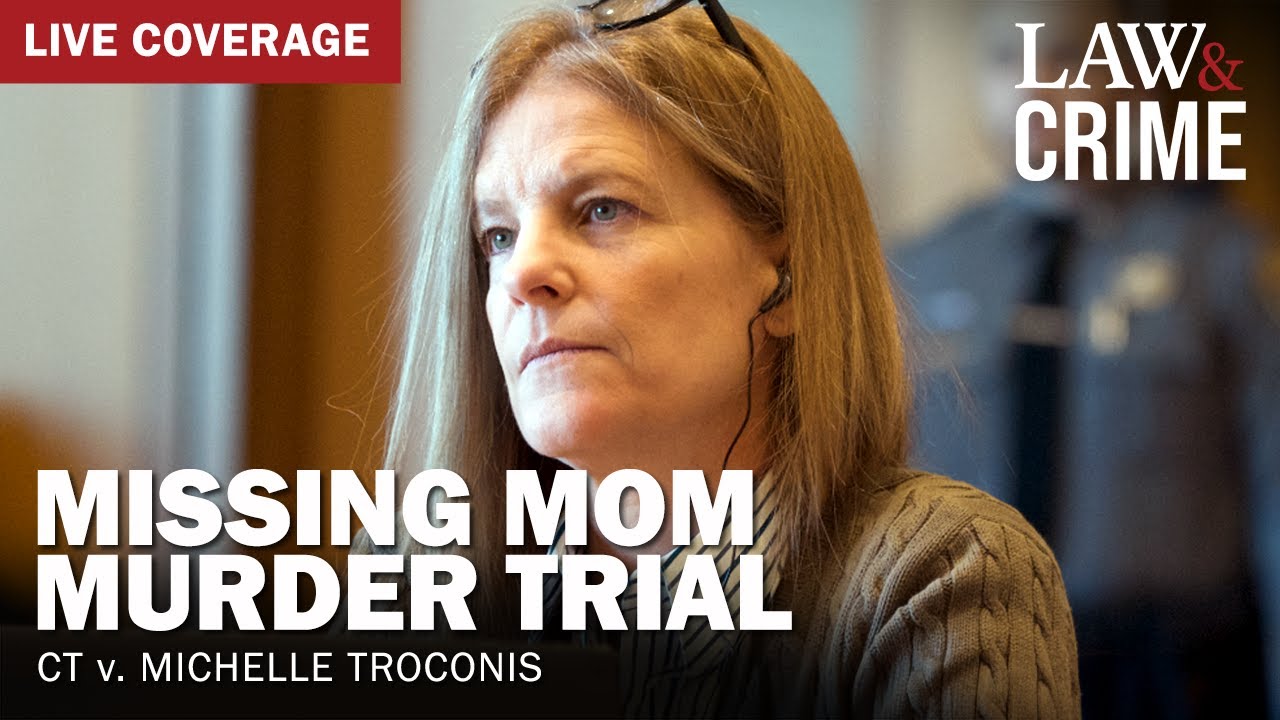
Troconis Trial: Major Pretrial Motions Ruled
Added:The purpose and legal mechanics of pretrial motions, such as motions in limine and motions to suppress evidence.
The evidentiary rules governing hearsay and the specific exceptions under which out-of-court statements can be admitted.
The legal definitions and elements of conspiracy, tampering with evidence, and hindering prosecution in criminal law.
The Confrontation Clause of the Sixth Amendment and its application to statements made by unavailable co-defendants.
Analysis of defense adaptation strategies and trial tactics following severe adverse pretrial evidentiary rulings.
The grounds and legal standards for filing criminal appeals based on contested pretrial evidentiary exclusions.
The impact of high-profile media coverage on jury selection (voir dire) and the administration of a fair trial.
Comparative analysis of how different state jurisdictions handle exculpatory notes or suicide notes of deceased co-conspirators.
56.2K views4.3Klikes1:02:06Original Release: 2024-02-22
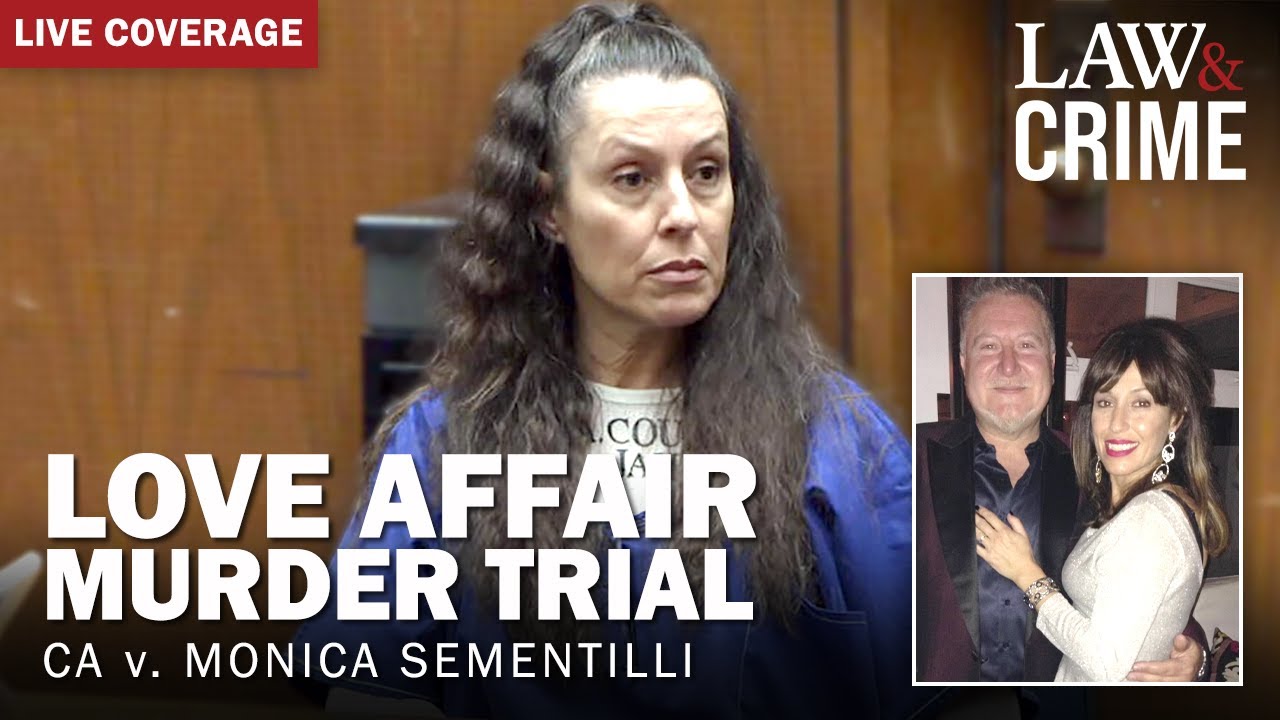
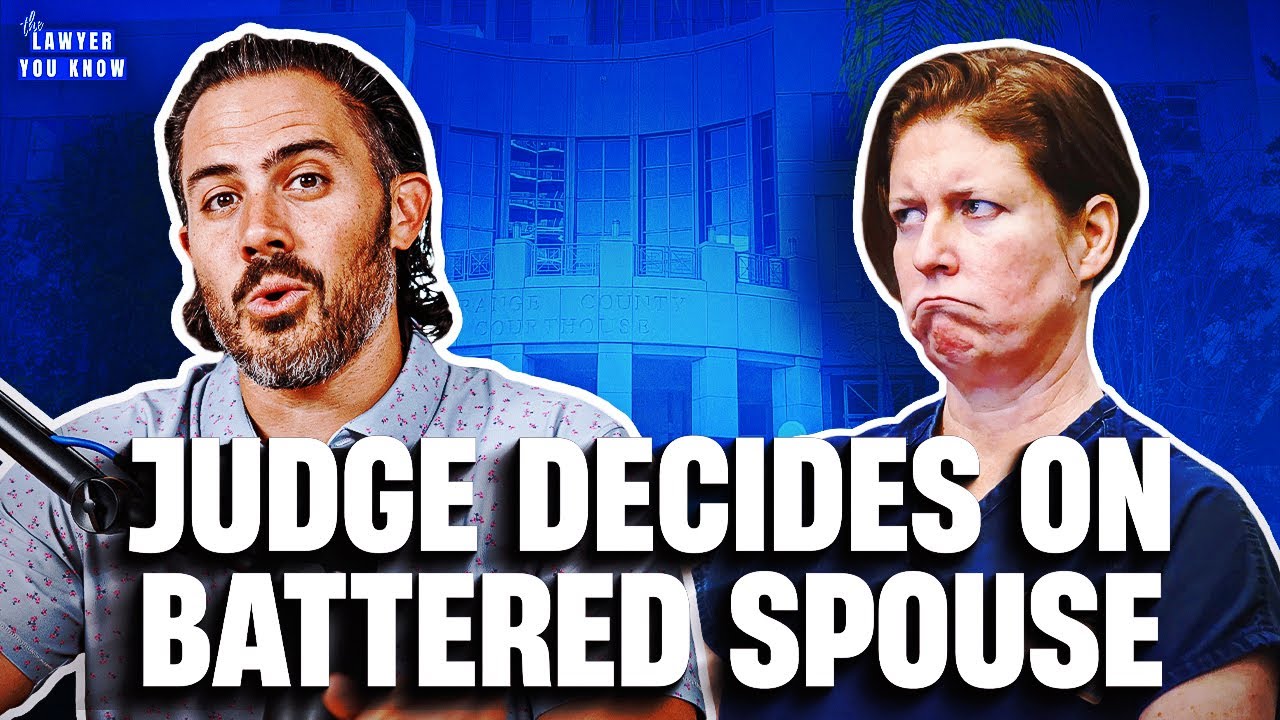
hi y'all and welcome to tonight's live stream it was a tough day for Michelle tronus and her defense team they lost several major motions and it didn't help that Jennifer's mother Gloria Farber came to trial and testified the most important motion that they lost would have to be fotus dulos's dying statement that Michelle tronus was not guilty is not coming in we'll talk about what was said how it all came about and why it's not coming in so happy Wednesday everybody we are in the middle of the Michelle Trona trial she is charged with conspiring to murder her her boyfriend's wife Jennifer doulos Jennifer and fotus Doos were still married they had been married for many years they had five children together but they had been separated for about two years and now fotus doulos was accused of murdering Jennifer he was with Michelle by this time they've been together for a year and were living together in the house where fotus and Jennifer doulos used to live so um we today the prosecution rested and the defense made several motions which it lost and we'll talk about those and then we moved straight into the defenses case so we are in the defenses case right now tonight we're going to cover four areas the first is the critical motions that the defense lost what they were why they lost and why they matter why they really do matter the there are three of them fuses requests for the divorce attorney the motion for Judgment of acquit and most importantly of all that death letter but the second thing we're going to cover is that it was not all bad news for the defense we're going to talk about uh a piece of really good news for the defense and also about some key points of the defense made during the cross-examination of detective Kimble yesterday that was probably the most critical cross-examination of the whole trial from the defenses perspective and then the fourth thing we're going to talk about is what to expect going forward so at the end I'll take questions so please save up for then I'll tell you when to put that in now um and just as a side note I am going to give you more on Michelle alon's third interrogation wh which was absolutely pivotal from any perspective what she said was critical but as we've seen in the prior videos the audio is very difficult to understand so I like to put words in so you can read along and understand it a little better and that takes some serious investment of time I do a first run with AI but then I go back through and try to make it a little more coherent because AI does get some things really wrong sometimes we've we've used some of the AI bloopers because they can be pretty funny so I will be doing that but it just takes more investment of time than I've had time to do so we'll get back to that I owe a couple of uh very grateful appreciations from last night that I didn't get to one was to Robert Bates I thanked him once but he actually gave me two very generous super stickers and I appreciated that very much there were three that came in toward the end and I wanted to say thank you to Janet she said I was the most mannerly and thoughtful YouTuber she watches which I thought was a very nice compliment and then Ruth Noak for the very generous super sticker and JJ I'm appreciative for all of those and what I want to do is get started with the Motions I also want to say thank you to Marlon for gifting a lawyerly membership we love our members and really appreciate having them we have some really great emojis you can use in the chat as part of our communication so let's get started with what it was what these motions were about that the defense lost either today or yesterday some some of them even began yesterday okay the first one from today was and and it all does blur together because I'm watching it trying I'm always a little bit behind but Mike Rose was fotus dulos's divorce attorney that's huge because that was one that it it's huge from everybody perspective the prosecution believes that it was that contentious divorce and custody battle with Jennifer doulos that drove fotus doulos to kill Jennifer but Michelle Trona says that doesn't make sense because fotus doulos did not have any reason to kill Jennifer now Michelle says that and several people testified to this it wasn't just Michelle Michelle hasn't testified but she said it in the interrogation and we've seen well we've seen three of them at trial and we talked about two and a half of them here on the channel so uh she what Michelle said was that there was a pivotable report from the divorce proceeding that said that Jennifer doulos had mental health issues fotus was convinced from this that he was finally going to be granted at least part and probably total physical custody of his children at law and last he thought this was the big turnaround this was when things were going to go right for him and the defense wants to know why if if he thought everything was going well why would he kill Jennifer now that just doesn't make sense it would be one thing if he did it when they were in the middle of things being really bad for fotus but it doesn't make sense the defense says for him to do that when it turns out that things are going better for him but the problem is from the defense perspective the court has said that divorce proceeding that's off limits you can't bring that into this case and that report that's sealed and you can't bring that into this case the whole contempt thing that we're going to talk about later relates to that very report that was blown up extra large on Michelle tron's screen the prosecution says she was trying to communicate and delak this sealed document that's why she's going to be prosecuted or um cons the court is going to hear contempt uh contempt charges against her and that I'll talk about that um toward the end so the defense says even though we know judge you've ruled that the divorce proceedings out we know that you've ruled that we can't put that report in we still want photos's divorce attorney named Mike Rose we still want Mike Rose to come to trial because there are things that he can talk about that aren't off limits they mentioned something about a text between the attorney and fotus about his haircut I don't know why fotus was texting his attorney about his haircut but anyway we don't know what that is about and maybe that would be allowed so this is kind of how it happened the defense says we we want some information that we think is not off limits now attorney Mike Rose sent an attorney of his own to the hearing and the attorney said hey we believe attorney Rose everything he knows that would be relevant is attorney client privilege he not have to testify that's what the prosecution wants too so the court did not grant that request from attorney Rose to not testify at all instead what the court said is I'm going to give a protective order about what he can talk about I'm going to limit what he can talk about so Hand in to me something that would describe what you think would be reasonable and I'm going to issue that order so the the defense did not complete lose that motion in other words because attorney Rose is coming but it's going to be very limited it's going to be extremely limited not including any of the things that the defense would really like to get in and that the defense thinks is important the second big motion that the defense lost was the defense motion for acquittal they argued that the prosecution had not presented enough evidence to go to the jury the judge should just go ahead and Rule based on what had come in so far that the defendant should be acquitted the case ultimately would not even go to the jury that's a really important motion but it very rarely wins it's always a lawn shot I mean you can kind of think about why by the time the case gets to trial it's been through law enforcement and then the prosecutor and a grand jury or uh some kind of preliminary hearing and then some pre-trial motions so it may not be a winner it may be that the defendant will be acquitted but it's usually not an obvious 100% loss but what the defense does at that stage is say look the the prosecution has now put in everything it had it hadn't held anything back this is its whole case and if you just look at that judge you can see that clearly there's not enough evidence to convi the defendant that's the defense argument so the judge made quick Ord of that and the judge said no there is plenty for the jury to make a decision that Michelle conspired to murder Jennifer if they choose to do so and remember there are two other charges too more than two but there are two other categories of charges hindering prosecution and tampering with evidence so the judge just ran through a list of some of the key pieces of evidence and said look the jury could look at this and that first was Michelle told pavl gumeni and and employee of fotus doulos that Jennifer doulos should be buried next to the dog now there was more context around that the dog was was the family dog the Doo's family dog and elderly and dying fotus wanted the kids to be able to come and say goodbye to the family dog and Jennifer said no you're not allowed to have visitation and they can't come fotus was angry and that's what Michelle was talking about nonetheless it's a pretty intense comment to say that someone should be buried next to the dog and they end up dead shortly after that obviously timing was very significant the judge said look that even happened before Jennifer doulos disappeared so we're counting that as something the jury could look at and say hey she was involved the second thing he mentioned was the blood on the cut garments as he called them in the trash on Albany Avenue the prosecut tion's biggest piece of evidence probably is the videotape of photus dulos with Michelle in the passenger seat driving around Hartford Connecticut throwing trash bads into random street trash cans and inside those it were an many items but two of which were a cut cut straight up the front bra and shirt of Jennifer doulos covered with blood and Jennifer dulos's DNA and it was traced right back to fotus doulos Michelle was in the passenger seat and so the judge said look we've got these as a connection clearly the jury can decide it would not be irrational to decide will they decide that's a completely different issue is it Beyond A Reasonable Doubt different issue this is just can we even show the jury this case can we even let them make a choice then the third thing he mentioned was that Michelle told law enforcement that fotus doulos was at home on the morning that Jennifer disappeared now later Michelle took that story back and said well he may not have been at home come to think of it she didn't really know if he was at home or not and that could mean she knew the judge said that she was covering for photus dulos the fourth thing the judge pointed out was the fact that Michelle drove with fotus doulos to the car wash now this is a little more complicated because what they were washing was a red Tacoma pickup truck that belonged to that employee mentioned a minute ago pavl gumen according to the prosecution they believe that fotus doulos borrowed that red pickup truck and used it to drive down to new Canan which was about an hour and 20 minutes south of where he lived with Michelle and to commit the murder of Jennifer doulos and the judge said look the jury could conclude could decide that when she went to get that pickup truck not just washed but detailed knowing that that truck did not belong to either her or to uh to fotus dulos it belonged to pavl gini then the jury could conclude she knew exactly what she was doing but in my view the worst by far of the Motions that the defense lost was related to what I'll call the death letter and I'm calling it that for YouTube reasons fotus Doos unallied himself but he left a note when he did and I am actually uh let me share my screen with you and I will show you that this is the document that fotus doulos left that he left um he when he unived himself and it says and we're just going to read a couple of sentences of this he said I refuse to spend even an hour more in jail for something I had nothing to do with enough is enough he also said I want to I want it to be known that Michelle tronus had nothing to do with Jennifer's disappearance and neither did Kent maywin who is a third person charged with the conspiracy and he said the state will not rest until I rot in jail my attorney can explain what happened with the bags on Albany Avenue everything else is a story fabricated by law enforcement so obviously Michelle would really like to get that letter in right because it suggests she had nothing to do with the well not just suggests it states she had nothing to do with the death of Jennifer Duos or The Disappearance of Jennifer doulos but it's heay she wants it in for truth that she really did not conspire to murder Jennifer doulos and fotus doulos is not here to say it so the defense tried to figure out very hard how they could get that letter in it could be hugely important to the jury but it's hard to figure out for a defense how they're going to get this in they said in court that they considered using the dying declaration exception that's what it's called to the hearsay rule that really applies though when a victim is dying if someone had come upon Jennifer and she had said you know and and she was near death and said oh my God it was fotus that would be a dying declaration but the defense said that we're not even trying that because fotus is not a victim so this one doesn't really fit then the second thing they said they considered trying was a Sixth Amendment right to present a defense exception in other words we need we have the right to defend our client from a serious charge like murder and everything related ought to be coming in if this if it would help then that should be fair gain because this isn't just playing around this is a murder charge and therefore if this letter would be of help it should come in that is a I can see a strong argument for that that they will likely make on appeal but what they said at the time was Judge we acknowledge this is not something in Connecticut yet there isn't a six Amendment right to present a defense exception to the hearsay rule so we're going to have to argue that on appeal in other words it's not probably something you can grant to us that's at least how I heard what they were arguing then the third thing they wanted to talk about was or or they did argue was the residual hearsay exception and let me uh tell you a little bit about that okay so this is the Connecticut residuals here say exception and you might kind of call this the miscellaneous catchall right that's sort of the equivalent a statement that is not admissible under any of the foregoing exceptions in other words this is the last place you go if you can possibly think of another reason you do but if the court determines there is a reasonable necessity for the admission of the statement and and this is the one everybody focused on in the argument the statement is supported by equivalent guarantees of trustworthiness and reliability that are essential to other evidence admitted under traditional exceptions to the hearsay rule so the court said look with this note there really aren't any a special guarantees of trustworthiness I mean that sort of residual exception that might work if someone CA if fotus came into court and said in the middle of Michelle's trial and said look I did it I did it it wasn't Michelle she had nothing to do with it it wasn't Kent it was all me me me I'm sorry and the judge said look that would be a situation where fotus comes in and it's against his what the judge kept referring to as penal interest because he could end up penalized for it he could end up with consequences for it but here fotus exonerated himself and Michelle and Kent maywin so it wasn't as if he was accepting blame in any way he wasn't he was deflecting blame he was saying I didn't do it and they didn't do it what another thing nobody mentioned but that did occur to me is if in fact fotus did not do it well how does he really know that Michelle and Kent May winny did not do it because he wasn't there he doesn't really know what happened he knows for sure he didn't do it but he wouldn't know that nobody mentioned that but it did occur to me that that might be another problem with admitting the evidence so the court just looked at this and said look there's nothing about this that is trustworthy and I'm not going to let this note in I'm not going to allow it so all they got in all the defense got in was the death certificate for fotus dulo saying he's no longer alive really meager compared to the note saying Michelle didn't do it that really obviously is not going to be all that significant to the jury and this was a really important piece of evidence I think the Judge ultimately had to make the ruling that the judge did I do think that they will have an argument on appeal related to that Sixth Amendment right to present a defense I think that'll be something that we'll hear more about in the future so I want to say thank you to M Spunky for gifting a lawyerly membership thank you I appreciate that and thank you to posy Vibes who who gifted five memberships that's awesome it is so so awesome to see y'all working with other people and bringing more people into the fold because it's a lot of fun we've really enjoyed the membership we just started on Friday so it's a new thing but we've really been enjoying all the Emojis and all of that so I don't want to leave the impression though that everything went poorly for the defense because there were a couple of really important pieces of information that came out that were good for the defense and probably the most important was the fact that Kent May Winnie will not testify the prosecution had Kent maywin on their witness list Kent maywin is the third concern cons spirator also accused of conspiring to murder Jennifer Doos it's always been a little unclear to me exactly what it is that Kent maywin did as part of the conspiracy it was never fully clear to me he has not been granted immunity he is being prosecuted but there was a lot of speculation that maybe a deal was being struck between the state and Kent and that he would come and that he would testify against Michelle tronus it's not clear what happened in that did they even try to reach a deal that was just the rumor but in fact what happened was the prosecution announced Kent May winny will be taking the Fifth Amendment and therefore will be deemed not available because he's not actually going to say anything if he comes he'll just take the fifth amendment that was a piece of good news for Michelle's team because obviously having a quote co-conspirator someone directly accused of conspir with you come in and say these are all the bad things that she did and all the ways that she conspired would have been really significant with the jury and now that won't happen I also want to take you just very quickly through some key pieces of cross-examination that the defense did during the testimony yesterday of detective Kimble he was the person who put in that third interview with Michelle and he kind of put together a lot of the evidence that the state has been talking about he was the lead detective so he was the person to synthesize everything and sort of explain what how it all fit together at least to some degree so there were several ways that the defense did their cross-examination and I wanted you to know where they were headed and what their arguments were one was they argued look Michelle was trying to be helpful she never got up and walked out she never said no I'm not going to answer that I I'll answer this and that but not this one she answered everything she stayed there she didn't take a break other than you know restroom break and she answered all your questions the second thing they talked about was that the detectives themselves had admitted several times at least Kimble had making some mistakes during the interrogation that was essentially what Michelle was doing that's the defense argument defense so Michelle made some mistakes let me give you a couple of examples and explain to you how the defense argued this so the detectives for example Michelle said and at my daughter called me at 12:59 a.m. the morning Jennifer disappeared and I went down to sleep with her in her bedroom she was scared it was thund there was a thunderstorm she got scared so I went down with her therefore I didn't wake up in the same room with photus initially she said he was in the house then she said he wasn't in the house of course the prosecution believes that's the very morning when fotus doulos drove down in UK Canan murdered Jennifer doulos and did something unknown with her body which has never been found so Michelle says to the detective my daughter called me I went down to be with her because of the thunderstorm and detected Kimble said no that we know you're not telling us the truth we know that for sure because of the fact that I've looked up the weather and there weren't any thunderstorms in the area so this is this is false why are you lying to us tell us the truth we know there weren't thunderstorms now the detective later admitted that he had gotten his data from from a weather source that had ended up referring him I think it was 24 miles away something like that to an airport in fact weather was presented weather data was presented for the area where Michelle actually lived and there was in fact a storm that night the defense even presented video of that so that was the kind of mistake that I'm talking about where they were very strong that there was no rain and then it turned out okay there was rain another example of that would be that the detective during the first interview detective Kimble said to Michelle's attorney let me stop and say something to your attorney I think it was Kimble said I let me say something to your attorney I want you to know she's saying she's Innocent but there were 30 different stops in Hartford 30 stops and which sounds appalling like why why would there be 30 stops storing out trash in Hartford and the the at that point the attorney doesn't really say anything but it turns out that that was incorrect there were actually three and possibly four that they have video for there may have been others but that that was all that they actually had evidence of and the detective said okay you know mistake I don't remember exactly where I heard that but I did hear that so there were so the defense argued look if you can make mistakes and say okay I'm not lying I just made a mistake why can't Michelle say that why can't Michelle say I wasn't lying when I said photus was there I just made a mistake what's different about it and of course you can think of your own arguments about why it would be different but that's the def that's the argument that the defense made during the cross-examination and the third thing that they approached was or that they talked about was that it wasn't really Michelle's fault that she didn't volunteer some useful information because detectives didn't ask her about it when they did ask her she told them the answer and they argued that sort of throughout that cross-examination of detective Kimble I'll give you a couple of examples of what the defense was talking about so the they did not the defense is saying if you wanted to know about some of these things you should have asked she had no way of knowing they were important an example would be where Michelle was on May 29th and about the car wash that fotus and Michelle went to now we we know we talked about it just a few minutes ago about the fact that this the what was being washed was not fotus car it wasn't Michelle's car it was the employees pickup truck that the that the prosecution believes was used to commit the murder but how was she supposed to know that that was relevant it was five days after Jennifer disappeared it was a car wash and the defense argument was look if you didn't ask her about the red Tacoma how was she supposed to know that this red Tacoma was important how was she supposed to know that you thought this car wash was important it seemed really mundane and ordinary to her now the prosecution of course believes there's nothing ordinary about what detailing someone else's car that's really weird behavior and so they think she should have volunteered that but the defense argument was look if you she answered absolutely everything that you asked her so you can't say oh you didn't volunteer these things if she didn't know they were important another example would be about the fires in the fireplace would it and the defense argument is okay so she didn't mention that but is it really all that natural to say oh just in case you were wondering I had some fires in the fireplace on the day that Jennifer disappeared the but they weren't connected don't worry so the defense says you know it's not normal to volunteer that you should have asked a fourth thing that they did on cross-examination and one of the most important I thought was to point out where the the law enforcement officers detectives elected to give false information to try to pull out some information from Michelle and one example would be when detective clabby talked about the blood on the door we played a clip of that last night and about the because Michelle said she and fotus had sex in the side of the red Tacoma pickup truck and the detective I said we we shown luminol there there was blood there that was Jennifer's blood you know what do you think about that and detective as it turned out though the luminol showed blood but it ended up not testing positive for genifer dulos's DNA it could have been that it showed up because of the fact that bleach had been there it had been cleaned it doesn't mean that the prosecution was wrong but the defense argument was look that was false information that you gave her the the fifth was that the defense argued look she gave you a lot of your very best information she didn't hold back she told you who was in the car she in each of the cars that went back and forth to we talked about this last night between AD mountain spring and Jennifer sorry Michelle and fotus his house and she volunteered that she picked up the phone call from Andreas Tardis the Greek friend of fotus she gave you this didn't hold it back and that was their argument so now I want to I want to do a little oh I have a bunch of people to thank thank you Sarah I appreciate that super sticker very much and I will get I will get to each of these and but I want to do a little bit on what we can expect and what's coming up so the defense said it's going to take about three days to present the defense side of the case they expect to be finished on Friday the judge like well things take longer than you think maybe Monday so somewhere in there then the court said that he is going to take a break for the contempt hearing he wanted to give the attorneys time to prepare for that contempt hearing Michelle has been accused of showing this sealed document to the courtroom blowing it up big in an attempt the prosecution says to leak this document that she knew wasn't allowed to be in the public domain and the judge Randolph said look I don't want to interrupt the defense you're in the you're I want this to go straight through prosecution defense but I do want to take that out before the case ends the best guess them would be that Friday or Monday the defense is going to rest and then the state is going to have some rebuttal case but they said not a lot don't expect a lot to come out during that period so on Monday the judge said I'm expecting us to have the charge conference now what's that that's you you may have seen the judge read charges to the jury at the end of a case and that says here's the law here's what you're going to do as the jury he's and before that happens the two sides get together and they argue about what the courts should say in that charge it's one of the most important if kind of technical things about the whole case what exactly will the jury hear right before they go deliberate that they ought to do what are they going to hear the law is going to be and how they ought to apply it so the charge conference is when everybody talks about okay what's going to be said to the jury so they're going to have that charge conference then they're also going to have the contempt hearing now and the judge mentioned taking a break to allow Council to prepare but then it also sounded to me like he planed to go straight into that so I don't think it'll be all that long so he said he said this quote we're going to be here a lot longer than March one which kind of surprised me I I'm not really sure that it would take all that long but I thought that was a really interesting comment if there is a finding of contempt and he's going to have a whole hearing on it he said that sanctions are going to be imposed when the verdict is returned whether guilty or not guilty on all counts so the hearing will be held he's not going to rule right then and there he's going to wait until the verdict comes back and at that point it could go a couple of different ways what let's say Michelle is found guilty she might still go to jail for 90 days or whatever he chooses for the contempt but if she's found guilty he might did I say not guilty that's what I meant I'm not sure which I said if she's found guilty then the judge might say well uh I'm G to run it concurrently I'm going to send it to you to X number of days but I'm running it concurrently that could happen or could say it's going to be added onto the end any of those things could could occur but in any event we won't know what the ruling is on that contempt motion until we get to the end of the case that's when he's going to do it we also got word from Felson and that the two attorneys Felson and shorn for Michelle tronus had decided they cannot represent Michelle tronus in the contempt hearing that she's been reaching out to other attorneys and is trying to hire someone to represent her Shan horn said look this happened and he said this several times this happened during my cross of a witness in other words I had nothing to do with this because I'm off here cross-examining the witness and she's over here doing this I had no idea I'm not paying any attention I'm really head on into my cross-examination I am not involved in that he and I don't think he would have said that if he weren't at least a little bit worried about what's going to occur so and Shan horn also said it somewhat put us in a position that we may have information and therefore we can't be the ones to represent her and go ahead I'm going to run through these questions and super stickers and then go ahead and put your questions in the comments if you would put question marks at the beginning that really helps me notice them spot them if you have if if you're a member and you have our emojis you can put the question Emoji in and I will I will look for that too okay Debbie Jay thank you for your very generous Super Chat and she asked the question thoughts on the dialogue from the defense Witnesses for from today so Debbie as usual I am a little late and I I'm always a little bit behind because I watch some and then try to prepare and watch some and prepare so I'm always a little bit behind I know that in general what they talk talked about it really did seem like there was a a significant attempt to show fotus Doos as a good dad and someone who loved his kids and wanted to be with them more a nice guy in other words I that's what I could tell so far but I will delve into that tomorrow and answer your question more thoroughly when we get to that tomorrow and let's see Brian thank you very much for the super sticker I appreciate that very much and nightwood I appre apprciate that very generous super sticker so I have I'm going to flip over to some questions uh leaving that up for just a minute and see what people had to say oh wow lots of questions okay I don't think we'll be able to do them all but I will do as many as I can all right let's see so here we go Greg Peters has one to start with okay do you think the Michelle tronus interrogation audio is better for the jury than what it is for us I know right I do think so I've heard that I've heard that it's clearer for them I really hope so they're sitting right there in the room if it's not that's just brutal right because honestly I I have the AI do the interpretation and then I sit and I listen to it over and over and a lot I'm like what was that and sometimes you can guess and sometimes you can figure it out sometimes you have no idea you can see a lot of places in there where I just put question marks like I don't I don't know they said something but I have no idea idea what it is there were even sections where I'm like you know no one can understand that I'm just going to cut that out because I'm editing it down anyway just for the highlights and it's unintelligible I don't think anybody can hear that there have been occasions we saw in the adelon case where the court allowed the jury to have a transcript they were actually able to see the words written out someone did that it would be super helpful I can also see where it could be somewhat controversial because people can hear different things but it would be really helpful I think having the words makes a big difference for me um I've noticed too when I listen to the audio of her interrogation like I usually listen to this at Double speed or at least you know 1.75 because I'm always behind and trying to catch up and but not that I mean I have to listen to that at equal speed I sometimes slow it down to0 75 trying to hear what on Earth are they saying it's very difficult to hear and to understand okay now lost my place back in the back in here we go okay so questions all right I'm looking for all the question marks at the beginning per usual okay Chris show block has uh show block has shalock sorry I'm not getting that right I wonder what they would have found out had they offered her immunity when fotus was still alive and she knew she wouldn't go to jail good question it really did appear and the defense pointed it out when they had that second interview they brought in the state's attorney who's heads up the prosecutors for Connecticut and that State's Attorney they when that when Michelle and her attorney left and law enforcement and the state's attorney talked about the case they talk some about Michelle she they said something like she would be really good or something like that and they really seem to be considering whether she could be the person to testify against fotus but they gave her three CH es to turn States evidence against him and she did not huge argument for that is the defense argument the reason she didn't is because she doesn't have anything to tell them if she had anything she'd have turned it over she was so dumb with fotus dulos she wasn't with him anymore she wanted out of this she would have cooperated in any way possible she just didn't have anything she didn't know anything that would give evidence against him and you do hear that a lot in the interrogation with somebody said she seems like she sees them as her equals she very much did seem like she was working with them let's work together let's figure this out what can I give you what can you give me how can we figure out and prove fotus did this so I I do think that it it would have been very different I don't think she would be prosecuted in this same way if I think there would have been some kind of deal struck if fotus had been alive but without that she really really did not give them very much related to photus and they really wanted that and they made that very clear is it because she chose not to because she couldn't that's exactly what the jury is going to decide all right I'm looking for the questions I may have gone too far back oh here we go P Lola's mom says did fotus dump Michelle or did Michelle move out and dump photos and if they committed unliving why would they break up someone knows the other's secret well there's a good point so she's saying and this would especially be true for fotus wouldn't he let's say fotus committed the murder wouldn't he want to keep Michelle close but it it became pretty clear that Michelle they told her law enforcement told her there he even last night I keep going back to other things he took a picture we we I showed this part in the video he took a picture of photus and machine and he tore it in half the lead detective did Kimble and he said this is no more the two of you that's not a thing anymore and she said it's not it's really not and law enforcement made it really clear you need to not be with him and we're expecting you to not be with him so I think that that I feel like Michelle dumped fotus I don't know all the ins and outs but she certainly made it clear that she wanted nothing to do with him during the interrogations was that true was it just a representation that part I can't I can't answer but she definitely made that clear okay looking for more questions let's see and I think I went too far back because I know y'all and you always have more questions than this so all right I'm looking for the question marks said what no one have any questions oh wow there are a bunch more left to go I think I went way far back okay Real Deal wants to know about Jennifer's mom why didn't the prosecutor prosecutor ask if Michelle ever gave her money for the mortgage she was paying where she and fotus were living I am guessing that Jennifer's mother would not know about so I think what real deal is is saying is that the that I'm not sure I really understand your question real deal maybe if you could write it out again I'm not sure exactly what you're asking me so I'm not sure how to answer that and I don't really know for sure that she paid any part of the mortgage or didn't pay any part of the mortgage I don't know she did talk about the expenses she paid and it sounded like photos covered everything except anything personal for Michelle or for her daughter Nicole KAC hobo wants to know about whether the camera has accidentally showed members of the jury to the viewers and if that happened could the trial continue I as far as I know that absolutely hasn't happened and it would really hurt whoever did that because they really rely on a good reputation when Court TV or law and crime shows up they have their reputation is their coin in trade so they you know we were always very careful we broadcast this in a way that doesn't do any harm to the process we don't show the jury we turn it off when they're private conferences with the court or at the tables we don't listen in on things we shouldn't so they're always suggesting to the court you can trust us so I think it would be unlikely that there would be any accidental showing into the jury and yet didn't we see that in the Murdoch case we did see a fleeting accidental showing of the jury at one point could the trial continue yes I don't think that would be a reason to stop the trial I don't think it would be a reason for a mistrial in this particular case I don't really see that there would be any danger or harm to the jury but I'm sure the court would look into it very seriously especially if the court thought there was any reason for that Andrea Benson has a very good question she wants to know how did Michelle get that seal document and that's not entirely clear whether she had that and gave it to her lawyers it wasn't really clear the lawyers for for Michelle said they had a copy and they said they said the prosecution had a copy but they didn't really explain kind of how it all happened we didn't get all of the details about that okay P let's see Kim Harts wants to know what's your take on the fotus doulos Note why wouldn't he be completely honest theories you know a lot of people I think feel like he would be honest it was his last chance to communicate with anyone why wouldn't he be honest I guess you could argue reasons he wouldn't be since you're saying you know speculate Lee so I guess reasons would be he wanted to have his kids not to have a bad impression of him he didn't want to leave them with the hey I did this to your mom he wanted to go out saying I didn't do it but he wanted he knew that this could have implications for Michelle for Kent and he really needed to do something about that 0723 Trinity wasn't fotus dating someone else at the time of his death yes someone named Anna Curry who looked a whole lot like Michelle that was one of the things that the pro that law enforcement asked Michelle about in that third interview we'll play that little clip probably tomorrow well I mean not tomorrow remember we are not going live tomorrow night at 7 we'll next be live on Friday at 7 taking the day off tomorrow Annie K do you think the defense will have valid appeal based upon what was not allowed in trial and why is some defense evidence off limits if the prosecution had to paint a complete picture I do think that they have some significant grounds for appeal because a lot of evidence has been kept out and anytime you have significant evidence kept out there's going to be grounds for appeal somebody could feel differently about it the appell at court could decide that should have come in there were some significant things that were kept out and so do I think they have a valid absolutely valid appeal now winning appeal valid appeal somewhat different and I think that most appeals the majority of appeals don't win so the chances are always low the chances are always less than 50% that you're going to win an appeal but I think that they are significant ah Momo shark reminding me we please do hit the likes up per usual I forgotten to ask for that and if you are not a subscriber we would love to have you as a subscriber please hit that button too Nina Brown wanting to know has anyone explained to Michelle why she was not allowed to be present during visitation she seems to feel like it was personal that she had to leave but it was just one of the rules you know I think nah one of the things that kind of came across to me through some of the testimony and through the interrogation it wasn't just that she wasn't allowed to be there when the children came whenever the children came Michelle and her daughter had to leave which was sort of you know humiliating they had to leave their own house they had to go somewhere else so photus could be with his kids sort of as if there was something wrong with Michelle wrong with her daughter but it was that it lasted and lasted and lasted so it had been a year a year and she still that they had not been allowed to be together and I so I think the prosecution point was it wasn't just that Michelle wasn't allowed to be with the kids it's that it didn't seem to be changing the court wasn't doing anything different all right let me now every time I do that I do have the regret of then I lose my place so okay no I'm okay Trudy wants to know can she still be offered a plea deal it's possible I think that's pretty unlikely at this stage I don't think they would have gone all this far if they could have reached an agreement on what would happen so I think that it's not very likely at this stage Jennifer wants to know is there ever a time a judge could get into trouble not allowing relevant evidence that could affect the outcome so let me let me kind of break that down Jennifer it's a real interesting question so trouble if by that you mean could the judge be chastised by the appell at court like you know that was really a bad idea like you should have let that in that would be really rare normally the court would say okay this was what the trial court said this wouldn't come in we believe the court got it wrong so it's being sent back down for a new trial or for a decision based on our decision as an appell at court saying you were wrong you sometimes they get a little testy in the way they write it you know and make it real clear that they strongly disagree with the trial judge but it's usually fairly clinical they said this we think that's wrong here are the cases usually it's it's pretty dry it's not normally something where they they say anything negative and that would just be saying something negative now if there ended up being some kind of long-term proof of some bias that might be a different issue but it would not necessarily be inside of one case it would have to probably be more than one case I guess maybe well we'll be talking more about the deli murders case and there are allegations by the defense that the judge in that case is biased against them it's not just that she's biased against defendants in general but against them specifically so that might fit what you're talking about however may I say the appell at court said they weren't taking her off the case all right and yes I know there's yet another motion by the the defense to take her off the case but that not very likely given the fact that the courts already the pallet courts already ruled on it once all right I thought law enforcement could lie during interviews Laura B asked can they well they certainly made a point here that they can and they were they said that openly in court they said it's absolutely allowed they talked about aruse where you can say one thing when really something else was true I do have some questions about whether it's a society we think that a good or reasonable idea do we believe that law enforcement should be allowed to lie to people who are being interrogate it maybe we do there are reasons to do that say to force a confession to find a body to figure out what happened but as a general rule is that something we want I I thought about doing a whole video on that and I I may still if that really interests y'all would you about like the lies that were told to Michelle tronus and is that appropriate or reasonable if you mention that put that in the comments and I'd be interested to know how many people would like to see that patrioti act wants to know will the jurors be told about the contempt hearing I don't think so I don't think they'll know anything about it I think it'll happen in its own little world but they'll be there at the at the time that the judge announces what he's going to do because he said he's going to do it along with the verdict the verdict and then he's going to announce uh The Traveler says it takes a lot to only have supervised visitation did fotus have a History of Violence I didn't see anything that suggested History of Violence it seemed to relate to what fotus was saying about Jennifer and he he was he not only about Jennifer but also he told one of his sons Michelle was there she wasn't supposed to be there and he told his son don't tell anybody that Michelle is here don't tell your mom M and that was one of the reasons there was also some kind of threat that he would take the kids to Greece and be gone with them and they wouldn't be around I don't know the details about what happened in that hearing but that those are all the sorts of things I think that caused the supervised visitation okay I answered Trinity's question if she's convicted how long will she be sentenced in your opinion a very very long time that's that would be my guess evet marel wants to know if she's convicted oh same question okay see wolf blue and may I say it does depend on what she gets convicted for it's an entirely different thing if she gets convicted of hindering prosecution and not conspiring to murder Jennifer versus she's convicted of all of them those are all different sorts of things yes Michael l wants say says well fotus has been mentioned all trial law by the prosecution even when Michelle was not a part of it why then isn't his cause of death relevant to her defense including his note that he left you and the defense are of one Accord on that and I I personally if I were a judge I I I think I would be inclined to let that in but I understand the reasons not to if I can see reasons though strong rep pellet Arguments for that Sixth Amendment right to be able to defend yourself and so I I would be very interested in what the arguments are on that Jackie Corbett says would a mental health diagnosis a personality disorder have had much influence on Jennifer having custody would or would her known ability to care for her children hold more strength that is a question we honestly can't answer but since we not only don't have the report but we don't have sort of all the information around it how was it going this report included information about Jennifer and the kids was it going well would there have been evidence of that maybe so in which case it might have had very little effect but we this is such a black box for us with not a lot of information that it's really hard for us to have any idea what would have happened the one thing we know is that several people have come in and told us fotus was real excited fotus thought it was going to all be okay and he was finally going to get his chance to be with the kids more to get either full and he maybe even full physical custody according to Michelle at one point she said he asked her are you ready to be a mom of six because it would be her daughter and his five kids and so he thought this was coming she said it was on the way um Kelly asked me about why the judge paused so long during the afternoon session prosecution responded with awkwardness I am not sure about that section like I say I'm a little bit behind so I possibly miss that that so let's see uh Robin asked me uh could you please define contempt of court so it was where um you the court has said to do something and you showed contempt by not doing it so or doing the opposite in this case the court has said this is a sealed document it's not going to come in the trial and it's going to be kept sealed and you show it anyway and it's doing something that shows your contempt literally for the court that you are acting in a way that shows that you don't intend to obey you aren't obeying what they have said and what they have asked you to do all right I am going to answer just like two more questions and I have a couple more people to thank as well Stephanie wants to know have they even tied her to the actual murder and they have not Stephanie and I don't think they're even trying to because they didn't charge her with the literal murder which is is what they charge fotus with now he's not around to face the charges but that is what he was charged with the actual murder instead she's charged with conspiring to murder Jennifer so I don't and she had a very strong Alibi she was shown on video at stores around there she went to see people in the area she it's clear that she wasn't in UK Canan kidnapping and murdering Jennifer doulos that never happened so but they do think she was in on it that she conspired that's what the prosecution charges are and let's see Bri wants to know did she have to get another lawyer for the contempt hearing because her defense attorneys gave her the report that was on her screen it's a very good question Bri and we don't know how she got that report that is undoubtedly one of the things that will be discussed during the contempt hearing they said it was because they felt like they had a conflict of interest that their interest might be in this direction and then there might be but that she might need to argue a different thing and therefore they didn't feel like they could represent her because they might be involved or they said we might have information related to it that we need to present or whatever so for that reason it really did seem like they are they felt like it was more a conflict but they didn't say specifically how she got that report I don't know if they provided it to her and they shouldn't have that's an argument we we just don't know the answer on that yet so I don't think that I thanked uh nightwood for the very generous super sticker thank you I appreciate that I also want to thank Brian cedarland thank you very much and Greg has one and oh no I did answer that one I know for sure because we talked about the audio and Anna Banana wants to know do you think Kent has pleaded the fifth as a deal with Michelle so that she doesn't testify could they be protecting Each Other Well I that raises an interesting question Anna about whether she might do what Catherine magbanua did which is strike a deal afterwards to testify against Kent maywin my guess is they're not really going to try they tried pretty hard to get her to say something about fotus and either she didn't know anything or she was just not going to do it so I don't know how successful she would be at that could Kent and Michelle be doing a standoff I'll take the fifth if you take the fifth maybe could be I don't their attorneys may have talked I don't know what the I don't know what the inner workings have been on how how they've done that but it is interesting and Debbie what do you think would be the reprimand on the contempt if deemed to be content and thank you for the generous super uh chat you know Debbie I would not be surprised if what the court is going to do is and you know we'll never know we will never know whether the court did this or not but I can see the court saying if she's convicted then contempt is just piling on and I'm not going to do it I'm I'm gonna maybe I'll find her guilty but I'm going to say 90 days running concurrently or if she's found not guilty then I am frankly pretty haed off about this and it was really wrong and I'm giving her 90 days even though she otherwise would have gotten nothing at all because this was a big deal I would not be surprised if that's sort of what the judge is thinking is but and that that's why he's going to wait until then to make his announcement but we will never know and it that may be totally wrong that's just my thought based on having watched him he seems like a judge who is who who cares about the individuals so that is one of the things that I think he might be thinking about well we will be live again on Friday please remember oh last night Mandy strong asked me a question and I didn't answer it in a Super Chat why did fotus use Michelle's name for the car wash and was he setting her up possible I think the prosecution would suggest maybe that is exactly what happened but I had another thought Mandy you know they had taken his phone and he now had a new phone and apparently a new number because he was giving out this number to people so what if he I mean have you ever forgotten your own brand new phone number it did occur to me maybe he just forgot that and he wrote Michelle's or gave them Michelle's number because he remembered that one but unless he was asked that very question in an interrogation which is not available to us we don't know the answer to that and I guess we won't since he's not here to testify about that I want to thank Marlon and Mama pain for moderating please be sure to hit that like button on your way out and subscribe we are covering this trial we go live Monday Wednesday and Friday every week talking about legal cases that are in the news but this one's a big one and we are glad to have you with us prosecution showed it to jury and so you can get a pretty good look at it too read blood likee substance on it he said it was even wet and leaking everywhere that was Bo zip ties a razor blade why were these items [Music] there and in the back window is a bobblehead of Alec Murdoch going back and forth [Music] this [Music]
Up Next

16:39
FRE 803(1) & (2): Present Sense Impressions & Excited Utterances Explained
@professorporter
4.8K views•2020-10-02
4:27
US Secondary Sanctions Impact on EU Businesses and Blocking Legislation
@Bureauvandijk
1.6K views•2019-03-20

5:27
Forensic Phonetics: Speaker Identification in Legal Cases
@nptel-nociitm9240
539 views•2025-03-19

24:42
Police Interrogation Tactics: False Confessions & Legal Reform
@LastWeekTonight
7M views•2022-04-18
Related Study Plans & Knowledge Roadmaps
Structured learning paths in Law
law
Self-Defense Law: Imminence & Castle Doctrine
01Foundations of Self-Defense Law
02Imminent Threat & Reasonable Belief
03The Principle of Proportionality
+ 3 more learning modules
12h6 modules
Explore Roadmap
law
Defamation Law: First Amendment & Actual Malice
01Introduction to civil torts and the First Amendment
02Elements of Defamation: Libel and Slander
03Public Figures vs. Private Individuals
+ 2 more learning modules
8h5 modules
Explore Roadmap
law
Hearsay Rule: Trial Evidence & Exceptions
01Introduction to Trial Evidence & Courtroom Basics
02Demystifying Hearsay: The Core Definition
03Non-Hearsay: Exclusions Under FRE 801(d)
+ 3 more learning modules
14h6 modules
Explore Roadmap
law
Medical Malpractice: Law, Liability & Care
01Foundations of Tort Law and Civil Liability
02The Four Elements of Medical Malpractice
03Defining and Proving the Standard of Care
+ 2 more learning modules
12h5 modules
Explore Roadmap