WTO Dispute Settlement: Rules, Panels & Cases
Learning Goal: Deconstruct the dispute settlement mechanism of the World Trade Organization (WTO) to analyze how trade disputes between member nations are adjudicated, evaluated, and resolved under international law.
- Prerequisites: Basic understanding of international relations, macroeconomics, or global trade concepts.
- Estimated Study Time: 9 Hours
Module 1: Introduction to the WTO and Global Trade Rules
This module establishes the foundational knowledge of the multilateral trading system. You will explore the transition from the post-WWII General Agreement on Tariffs and Trade (GATT) to the establishment of the World Trade Organization (WTO) in 1995. This historical and legal overview explains how core trade principles, such as Most-Favored-Nation (MFN) and National Treatment, govern modern trade relations and require a centralized dispute resolution mechanism to prevent unilateral economic conflicts.
Recommended Videos
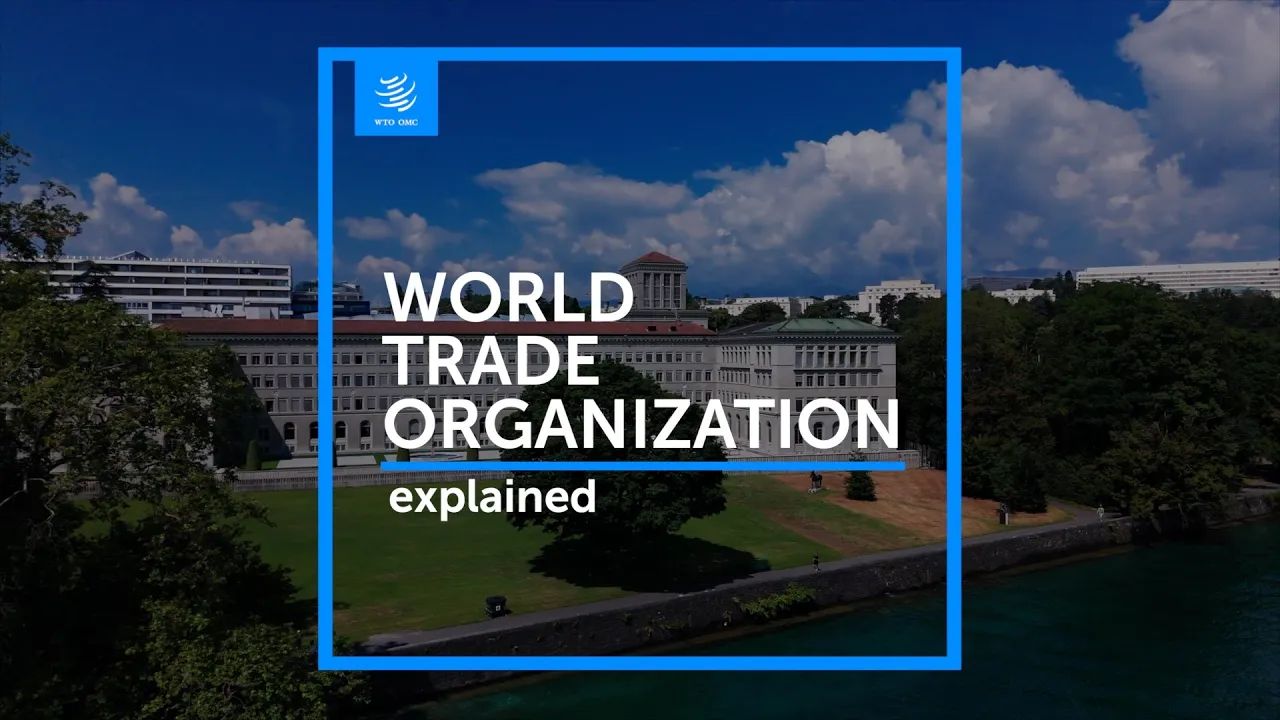
- Why this video: Produced by the WTO itself, this video serves as a concise primer on the organization's structure, its 160+ member states, and the administrative mechanisms used to maintain free, fair, and rule-based trade across the globe.
- Knowledge Checkpoint:
- Explain the core mandate of the WTO and how it facilitates trade liberalization.
- Contrast the legislative power of the WTO with other international entities like the United Nations.
- Define the relationship between the WTO administration and member governments in decision-making.
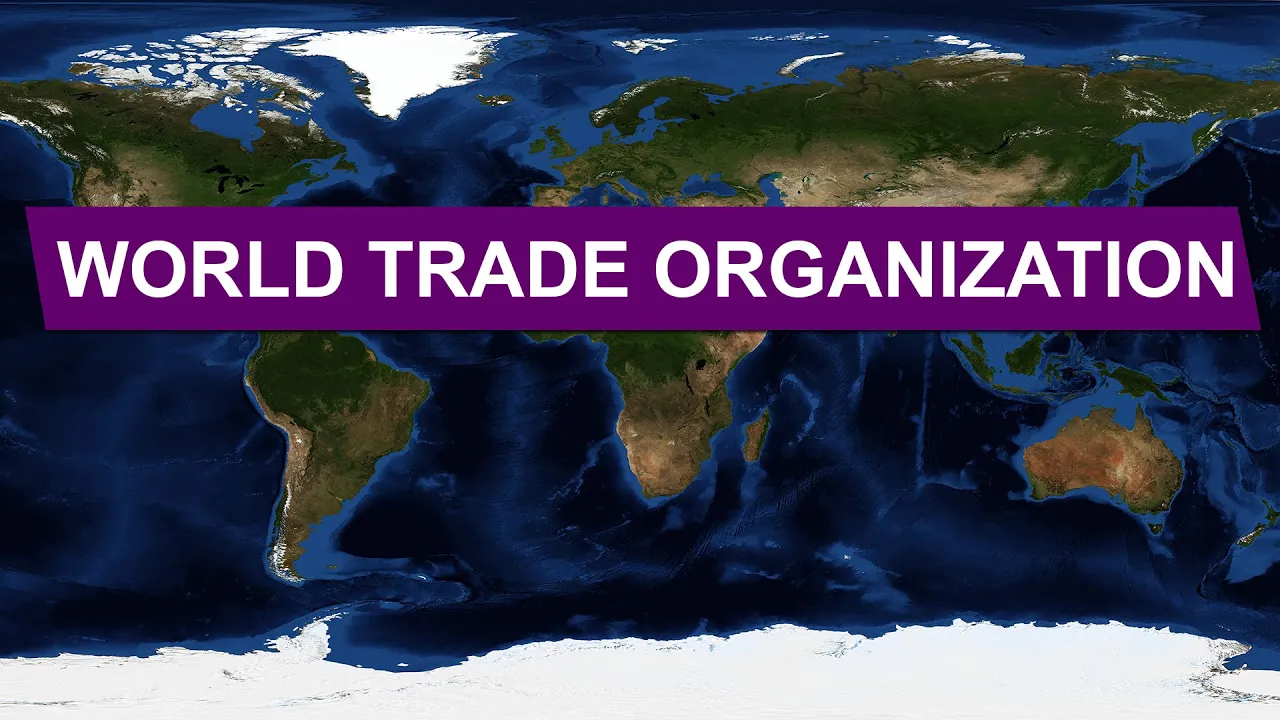
- Why this video: This video uses geospatial visualizations to clarify how the WTO manages global trade flows. It details the structural change from GATT to the WTO and introduces core trade principles like Most-Favored-Nation (MFN).
- Knowledge Checkpoint:
- Identify the city where the WTO is headquartered and trace its membership footprint.
- Define the "Most-Favored-Nation" (MFN) principle and explain how it prevents discriminatory trade practices.
- Differentiate between the MFN rule and the "National Treatment" principle in domestic market access.
- Why this video: A deep-dive academic lecture analyzing the legal evolution from the provisional 1947 GATT framework to the full institutionalization of the WTO following the historic Uruguay Round negotiations.
- Knowledge Checkpoint:
- Analyze why the provisional GATT structure was legally insufficient for handling non-tariff barriers.
- Explain the significance of the Uruguay Round (1986–1994) in expanding the scope of international trade law.
- List the structural differences between GATT as an agreement and the WTO as a formal international institution.
Module 2: The Dispute Settlement Understanding (DSU)
This module shifts focus to the constitutional framework of WTO dispute resolution: the Dispute Settlement Understanding (DSU). You will analyze the role of the Dispute Settlement Body (DSB) and learn how the DSU differs from previous, non-binding GATT dispute resolution models by introducing a unified, mandatory process for all WTO agreements.
Recommended Videos
- Why this video: This video outlines the institutional context of the DSU, explaining how it emerged from the 1994 Uruguay Round as one of the most robust and enforceable systems in public international law.
- Knowledge Checkpoint:
- Explain what makes the WTO dispute settlement mechanism uniquely enforceable compared to other international courts.
- Define the role of the Dispute Settlement Body (DSB) within the general council structure of the WTO.
- Explain how the DSU prevents member nations from taking unilateral retaliatory actions outside the WTO framework.
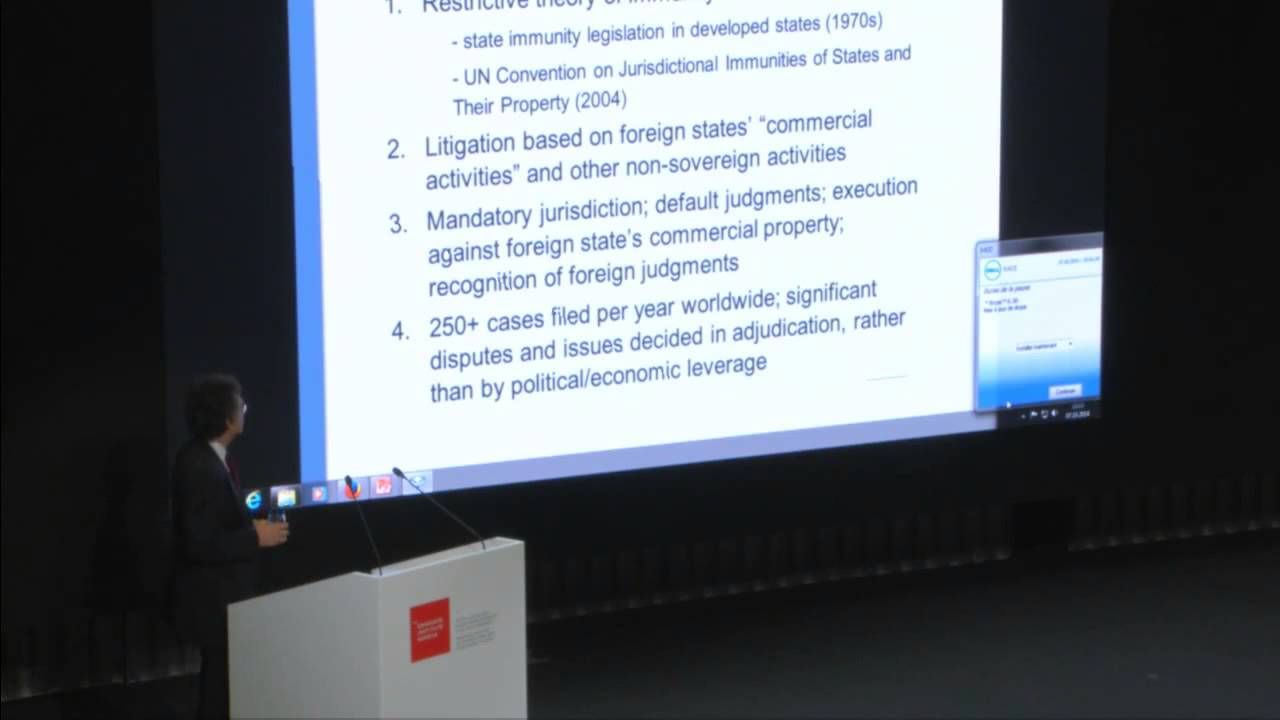
- Why this video: This lecture segment from international arbitration expert Gary Born highlights the transition from the old GATT consensus model to the mandatory, binding nature of the DSU's jurisdiction over member states.
- Knowledge Checkpoint:
- Contrast the "voluntary" compliance model of GATT with the "compulsory" jurisdiction of the DSU.
- Explain how DSU rulings establish binding obligations on sovereign WTO member states.

- Why this video: This video provides a conceptual breakdown of how the DSB operates, outlining the role of neutral third-party experts in resolving conflicting claims about trade obligations.
- Knowledge Checkpoint:
- Describe the neutral third-party concept underlying the WTO's judicial philosophy.
- Identify who can bring a complaint under the DSU and explain how national sovereignty interacts with this process.
Module 3: The Dispute Lifecycle: Consultations and Panels
This module breaks down the early adjudicative phases of a trade dispute. You will study the mandatory bilateral consultation phase, learn how panels are requested and formed when consultations fail, and analyze the technical criteria used to select independent panelists and manage the panel proceedings.
Recommended Videos
- Why this video: Featuring veteran trade negotiator Jonathan Fried, this interview explains the strategic intent behind the DSU's initial consultation phase: resolving disputes through mutually agreed solutions rather than prolonged litigation.
- Knowledge Checkpoint:
- State the primary objective of the consultation phase under Article 4 of the DSU.
- Explain why mutually agreed solutions are preferred over formal panel rulings.
- Analyze how negotiators use the consultation window to clarify facts and narrow the legal scope of a dispute.

- Why this video: This video provides a clear step-by-step flowchart of the transition from bilateral consultations to the establishment of an adjudicatory panel, including critical procedural timelines.
- Knowledge Checkpoint:
- Specify the exact timeline (typically 60 days) allowed for consultations before a complainant can request a panel.
- Explain the "reverse consensus" rule and how it prevents a defending country from blocking the establishment of a panel.
- Why this video: A comprehensive academic lecture dedicated to panel selection, panel composition, and the rules governing ad hoc panels of three or five independent members under the DSU.
- Knowledge Checkpoint:
- Explain how panel members are chosen and describe the restrictions on appointing nationals of the disputing parties.
- Describe the step-by-step procedure of a panel proceeding, from written submissions to the issuance of the final panel report.
- Identify the legal status of a panel report before it is formally adopted by the DSB.
Module 4: Appellate Review and Compliance Enforcement
This module covers the post-panel phase of WTO disputes. You will study how panel decisions are appealed to the Appellate Body on points of law, how the DSB monitors compliance with adopted rulings, and how the DSU administers authorized trade retaliation when a member nation fails to bring its laws into compliance.
Recommended Videos
- Why this video: This video explains the transition from the panel stage to appellate review, detailing how the seven-member Appellate Body was designed to function under normal circumstances.
- Knowledge Checkpoint:
- Explain the difference between the factual review conducted by panels and the legal review conducted by the Appellate Body.
- Identify the number of members on a standard Appellate Body division assigned to hear a single appeal.

- Why this video: This lecture covers enforcement under the DSU, explaining its hierarchical remedy structure: withdrawal of the non-compliant measure first, voluntary compensation second, and authorized retaliation third.
- Knowledge Checkpoint:
- Detail the sequence of remedies required by the DSU when a member state fails to comply with a ruling.
- Define "suspension of concessions" (retaliation) and explain how its volume is calculated to match the level of trade nullification.
- Explain how the modern DSU enforcement mechanism corrects the structural weaknesses of GATT's Article 23.2.

- Why this video: This presentation reviews the success of the dispute settlement system, highlighting its high compliance rate among sovereign states while addressing areas for reform in implementation and compliance monitoring.
- Knowledge Checkpoint:
- State the historical compliance rate among sovereign states in implementing WTO rulings.
- Explain how compliance is monitored by the DSB after a final ruling is adopted.
Module 5: Landmark Cases and the Appellate Body Crisis
This module analyzes real-world applications and the modern political challenges facing the WTO. You will examine the 17-year Airbus-Boeing subsidy dispute as a case study in high-stakes trade litigation. You will then explore the systemic crisis caused by the United States blocking the appointment of new Appellate Body judges, and evaluate the Multi-Party Interim Appeal Arbitration Arrangement (MPIA) as a temporary workaround.
Recommended Videos
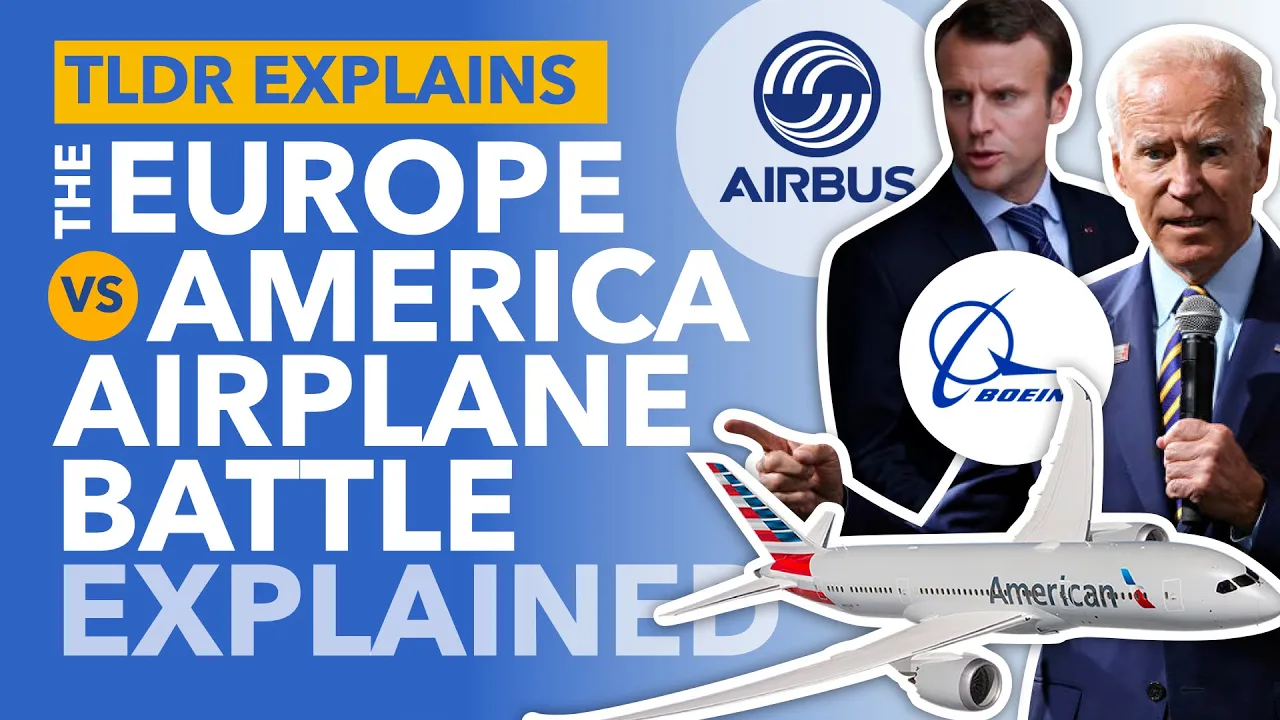
- Why this video: A clear overview of the longest trade dispute in WTO history, explaining how both the US and EU used the DSU process to challenge illegal aircraft subsidies.
- Knowledge Checkpoint:
- Summarize the core legal arguments raised by both the US and EU regarding state subsidies for aviation.
- Describe how the WTO authorized billions of dollars in retaliatory tariffs for both sides in this case.
- Explain how the Airbus-Boeing dispute was ultimately settled outside of litigation through a cooperative framework.
- Why this video: This investigative report details the diplomatic impasse at the WTO, explaining how successive US administrations blocked appointments to the Appellate Body, rendering it unable to hear appeals.
- Knowledge Checkpoint:
- State the minimum number of judges required for the Appellate Body to function, and explain how the US block reduced this number to zero.
- Summarize the US criticisms of the Appellate Body, specifically regarding judicial overreach and timelines.
- Describe the legal impact of "appealing into a void" on pending trade disputes.
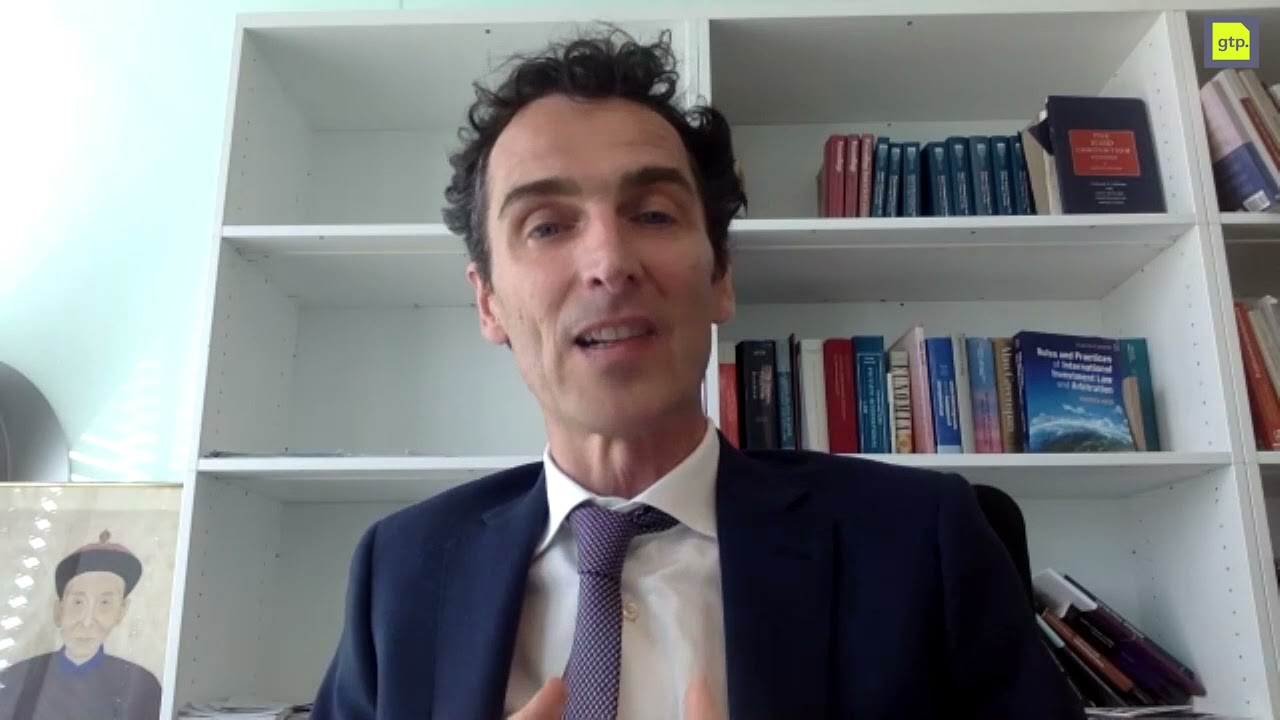
- Why this video: Led by international law professor Joost Pauwelyn, this video explains the Multi-Party Interim Appeal Arbitration Arrangement (MPIA) established under DSU Article 25 as a temporary workaround to the Appellate Body crisis.
- Knowledge Checkpoint:
- Define the MPIA and identify the article of the DSU that provides its legal basis.
- Explain how the MPIA functions as an interim arbitration mechanism for participating members.
- Differentiate between the binding nature of the MPIA for its signatories and its lack of universal jurisdiction across all WTO members.
- Why this video: This video analyzes the global impact of the dispute settlement crisis from the perspective of developing nations, detailing the choices members face between reforming the Appellate Body and relying on the MPIA.
- Knowledge Checkpoint:
- Analyze how the paralysis of the Appellate Body disproportionately affects developing economies in disputes with larger trading partners.
- Summarize the primary proposals for structural reform of the WTO's dispute settlement mechanism.
Course Map
Key People Index
- Jonathan Fried: Veteran Canadian trade diplomat and negotiator. He provides practical insights into the strategic value of WTO consultations and mutually agreed solutions.
- Gary Born: Prominent international arbitration attorney and academic. He analyzes the transition from GATT's voluntary model to the compulsory, binding nature of the WTO DSU.
- Prof. Joost Pauwelyn: Professor of International Law at the Graduate Institute of International and Development Studies in Geneva. He is a leading expert on the design and implementation of the Multi-Party Interim Appeal Arbitration Arrangement (MPIA).
Final Self-Assessment
- Explain the historical and institutional transition from the 1947 GATT to the 1995 establishment of the WTO.
- Contrast the principles of "Most-Favored-Nation" and "National Treatment" under international trade law.
- Describe the legal structure of the Dispute Settlement Understanding (DSU) and the role of the Dispute Settlement Body (DSB).
- Outline the timelines, procedures, and core goals of the mandatory bilateral consultation phase.
- Explain how panels are established, how independent panelists are selected, and how the "reverse consensus" rule applies to this process.
- Differentiate between the scope of review of a WTO panel (facts and law) and the Appellate Body (law only).
- Detail the hierarchical sequence of remedies (withdrawal, compensation, retaliation) available to enforce compliance with DSB rulings.
- Explain the key legal issues in the Airbus-Boeing dispute and how it was resolved after 17 years.
- Analyze the structural reasons behind the current Appellate Body crisis, focusing on the US block on judge appointments.
- Explain how the Multi-Party Interim Appeal Arbitration Arrangement (MPIA) functions under DSU Article 25 as a temporary workaround to the Appellate Body's paralysis.