
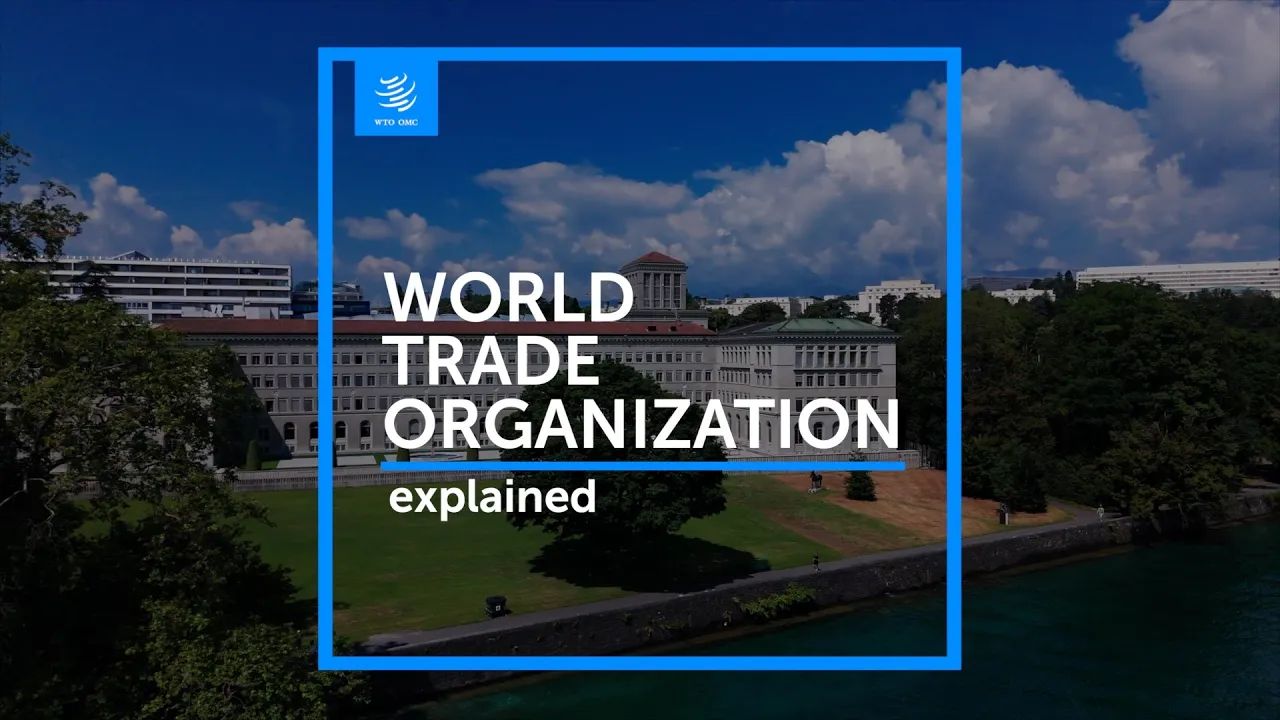























The WTO's Dispute Settlement System, established in 1995, has achieved remarkable success with over 90% compliance rates among sovereign states, but requires reforms in three key areas: enhancing transparency through open hearings to build trust, improving process efficiency without compromising decision quality, and expanding compliance remedies to better serve developing countries who currently cannot effectively retaliate against non-compliant members; monetary compensation proposals face criticism for potentially allowing wealthy nations to circumvent obligations, whereas existing compensatory measures like tariff suspensions offer viable alternatives.
WTO Dispute Settlement System Reforms: 21st Century Challenges
Added:Understanding the foundational structure and mandate of the World Trade Organization (WTO) in regulating global trade.
Familiarity with the design and traditional workflow of the WTO Dispute Settlement Mechanism, including panels and the Appellate Body.
Basic principles of international trade law, particularly the concepts of non-discrimination, national treatment, and the Most-Favored-Nation (MFN) treatment.
Awareness of the modern institutional crisis of the WTO, specifically the gridlock regarding the appointment of Appellate Body members.
Analyzing the Multi-Party Interim Appeal Arbitration Arrangement (MPIA) and its effectiveness as an alternative dispute resolution mechanism.
Evaluating how regional and bilateral trade agreements (such as the USMCA or CPTPP) handle dispute settlement outside the WTO framework.
In-depth research into trade remedies, specifically how compliance, retaliation rights, and trade sanctions are legally authorized and calculated.
Assessing the geopolitical impacts of proposed WTO reforms on the bargaining power of developing nations versus major economic powers.
9.4K views64likes10:00Original Release: 2009-07-31
hello and welcome to WTO Forum today's topic reform of the dispute settlement System since its Inception in 1995 the wto's dispute settlement system has been acclaimed as one of the most effective means of international dispute resolution ever created now 10 years on WTO member governments and legal Scholars take the view that reforms are required if the system is to better meet the needs of those who use it with us today two distinguished experts on WTO law John Jackson professor of law at at Georgetown University and Bill Davy law professor at the University of Illinois Professor Jackson are reforms required today well I think required is too strong a word in fact the system is working very well there's quite a bit of an acceptance uh by the diplomats worldwide uh in a particular study of the institutional system called the southern report there was a consideration of these ideas uh so I think you could say the best thing to do is to avoid doing any harm and to try to reform in any degree or length or extent could indeed do harm for instance there are proposals that would tend to reintroduce certain kind of political advantages into the process of the dispute settlement system that I think would be basic basically undermining The credibility of the system but having said that of course one can always uh think in terms of things that um could be better uh one of the aspects that um I personally think could be much better is basically the um the the the ability to have open hearings for instance at the first level panel the transparency question because I think there is a lot of Suspicion about what goes on in the dispute settlement system because of the closed hearings and that is really unnecessary um both bill and I have had our experiences he more than I in actual panel processes and um it really is pretty admirable the way things move forward and I think it would be better if the world could actually see that going on but nevertheless there are some other things I'm sure bill will will have some ideas I think the system is indeed strong it is quite powerful ful it has a power because of mandatory jurisdiction and timelines and a final result that is an international obligation to comply which scares some people and there is a certain imbalance between that the dispute sement system and the rest of the organization in that regard Professor Davey well I would agree with John that the system over time has worked quite well in fact the compliance rate is really amazing given that you're talking about resolving disputes between sovereign states who can't be forced to change their measures or their policies but nonetheless are willing to in most cases 90% plus um as a result of uh the pro the dispute settlement process so in that sense the system is quite admirable but there are some problems I think um one is that although the compliance record is very good in the end it sometimes takes a long time for compliance to occur and I think there are a number of changes that could be made that would speed up the process if you look at various aspects of the process there's kind of time that is uh wasted I think uh and so one area of Reform I would be interested in is trying to speed uh up the process another area of Reform is the area of Remedies what do you do if a state is very slow to comply at the moment the only remedy is to uh authorize retaliatory action by the winning member the problem is that's of interest to the US and the EC who are very powerful uh members but not often for the rest of the membership and as a result there's a bit of imbalance and I think consideration ought to be given to uh providing monetary compensation perhaps uh to developing countries for example who can't uh otherwise uh really Avail themselves of the retaliation remedy um those are kind of uh somewhat technical proposals though uh I agree also with John on the transparency issue transparency uh could be enhanced and there's nothing for the system to hide and I think it removes an argument that is sometimes made against the system uh at no cost to the system at all so uh my final assessment basically is the system operates quite well but it could improve its timeliness and probably improve its remedies Professor Jackson does it need to be speeded up this process well it would help to be speeded up what one of the things that's quite interesting is how fast it is uh compared for instance to many national court systems that there is this is really a very Speedy process in fact there is some argument that it's a little too Speedy because that can undermine some of the quality of of the operation after all it takes a great deal of work to to for the panelists and then the appet body to work through the the really intricate um uh um fact situations and concept situations and so on let me just add one little thing about Bill Bill and I don't disagree too much but I probably disagree with him on this question of monetary compensation because what really bothers me about that idea is that it could work to the benefit of the rich countries to buy out of their obligation and then uh not only is it the disputing party that is going to be harmed by the lack of compliance but it's the whole rest of all the other partners and and the participants the market participants and so on so I I think we really should focus on compliance on getting the wrong change and not have go the root of a monetary compensation do you share that view there is a chance that the rich countries could indeed buy their way out of their obligations that's a potential problem but you have to remember at the in the first instance they're not complying so they're not complying with their legal obligations and the question is what can you do to compensate those that are hurt by that and give the countries an incentive to comply uh monetary compensation benefits those who are hurt by the non-compliance and to the extent that you structure it in a way that it increases over time uh perhaps allows other countries to bring cases quickly so that there's additional compensation due I think you can see that there could be a way to make it ever more expensive not to comply uh but uh remember we're we're talking about ways to try and solve a compliance problem usually we don't have those problems most problems of non-compliance in fact don't involve developing countries most uh cases of non-compliance in fact have involved the United States and some of the other major trading countries absent a monetary penalty what sorts of means are available to encourage compliance well we do have a a a fair amount of very interesting uh new measures in the current version of the treaty the dispute settlement understanding Landing uh as compared to the Gat for instance and these are Provisions that allow governments to take so-called compensatory measures that is to to suspend certain advantages of low tariffs or other things to the culprit country during a a temporary period of time this is not supposed to relieve the the wrongdoer so to speak of their obligation to perform according to compliance but during the temporary time when they're not doing that then they're then it's wise to have various devices if possible to uh to encourage them and sometimes by ordering um the allowing the possibility of the plaintiffs if you will the complainants to uh to take measures of uh that will be against the trade of the culprit country that does provide some incentive now there are lots of different ways to do that and Bill can probably tell you some of those and and better than I can Professor Davey in a brief period could you sum up your thoughts on the way forward for the dispute settlement system here at the WTO well as I I've said it's working well right now uh but it it could be improved I think in a number of ways uh the principle ways of improvement are transparency as we've both mentioned uh speeding up the process but doing it in a way that doesn't threaten the quality of decisions you can save time in non- decision-making periods um and improving compliance through I think expanding the range of Remedies developing countries at the moment uh can't retaliate effectively there needs to be some alternative that benefits them Professor Jackson the last word for you well Bill Davy has said it very well and um my my own feeling is that this this measure this type of device or what we would call a juridical institution is extraordinarily important it's important to Traders in the world to merchants the predictability and security which is the language of the DSU is extremely important economically and I think it's being emulated in other institutional Frameworks um perhaps other organizations like who and wipo and so on as well as in many of the free trade areas two perspectives on how the wto's dispute settlement system can be enhanced and improved thank you to our two panelists and thank you to all of you for watching
Up Next

6:34
Immigrant vs Nonimmigrant US Visas: A Legal Guide
@MarinaShepelsky
1.4K views•2022-08-16

4:27
US Secondary Sanctions Impact on EU Businesses and Blocking Legislation
@Bureauvandijk
1.6K views•2019-03-20

5:27
Forensic Phonetics: Speaker Identification in Legal Cases
@nptel-nociitm9240
539 views•2025-03-19

24:42
Police Interrogation Tactics: False Confessions & Legal Reform
@LastWeekTonight
7M views•2022-04-18
Related Study Plans & Knowledge Roadmaps
Structured learning paths in Law
law
Self-Defense Law: Imminence & Castle Doctrine
01Foundations of Self-Defense Law
02Imminent Threat & Reasonable Belief
03The Principle of Proportionality
+ 3 more learning modules
12h6 modules
Explore Roadmap
law
Defamation Law: First Amendment & Actual Malice
01Introduction to civil torts and the First Amendment
02Elements of Defamation: Libel and Slander
03Public Figures vs. Private Individuals
+ 2 more learning modules
8h5 modules
Explore Roadmap
law
Hearsay Rule: Trial Evidence & Exceptions
01Introduction to Trial Evidence & Courtroom Basics
02Demystifying Hearsay: The Core Definition
03Non-Hearsay: Exclusions Under FRE 801(d)
+ 3 more learning modules
14h6 modules
Explore Roadmap
law
Medical Malpractice: Law, Liability & Care
01Foundations of Tort Law and Civil Liability
02The Four Elements of Medical Malpractice
03Defining and Proving the Standard of Care
+ 2 more learning modules
12h5 modules
Explore Roadmap