





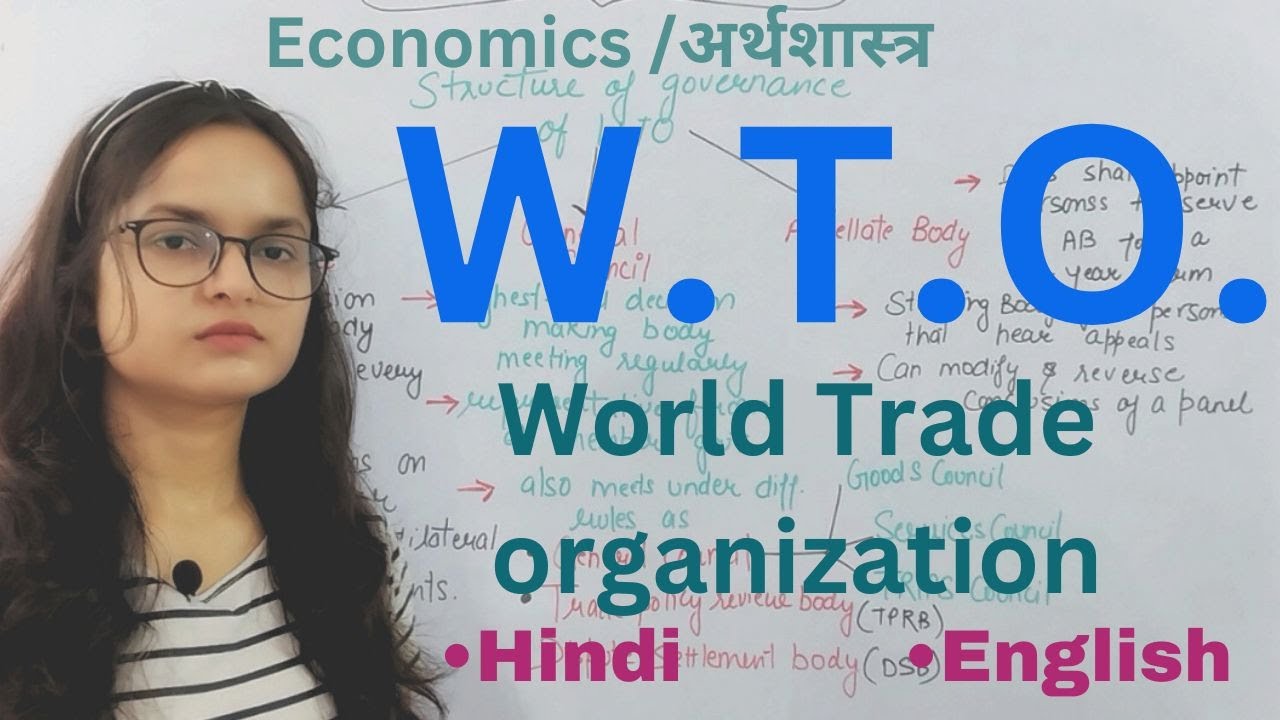












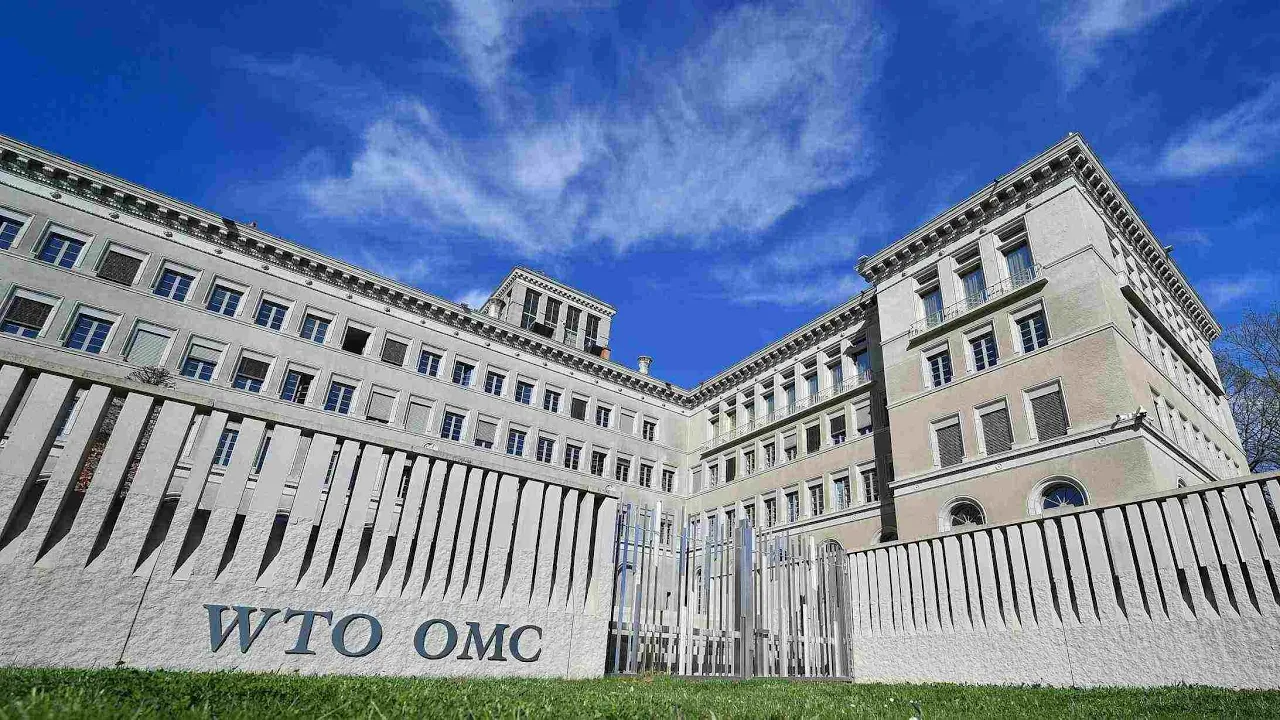

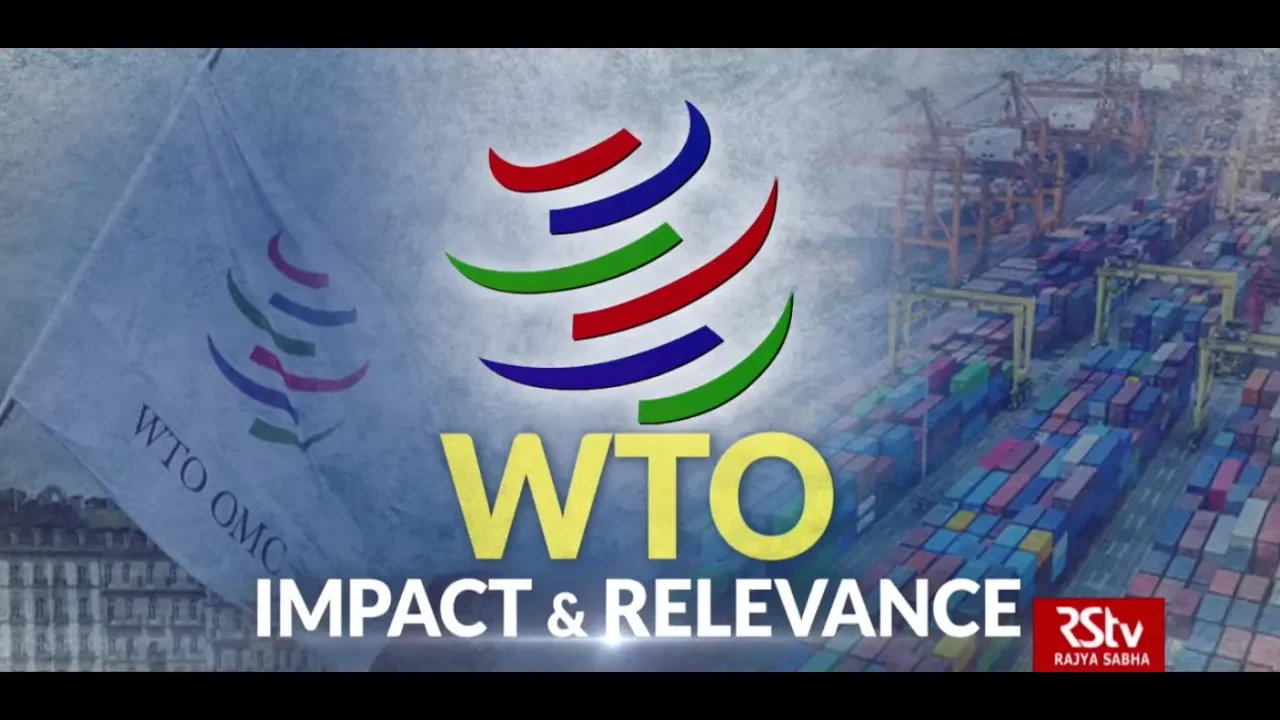
The World Trade Organization (WTO), established in 1995, is an international organization comprising over 160 member governments that establishes rules for global trade to create a fairer, more open, and more predictable trading system; its core principle of non-discrimination ensures that trade privileges granted to one member must extend to all, while the organization supports sustainable development, helps developing countries integrate into global markets through special provisions and technical assistance, and addresses modern challenges including digital trade, green technology, and food security through multilateral negotiations and dispute resolution mechanisms.
Understanding the WTO: Functions, Rules, and Impact Explained
Added:Basic concepts of international economics, including tariffs, non-tariff barriers, quotas, and the balance of trade.
The economic principle of comparative advantage and how international trade theoretically benefits participating nations.
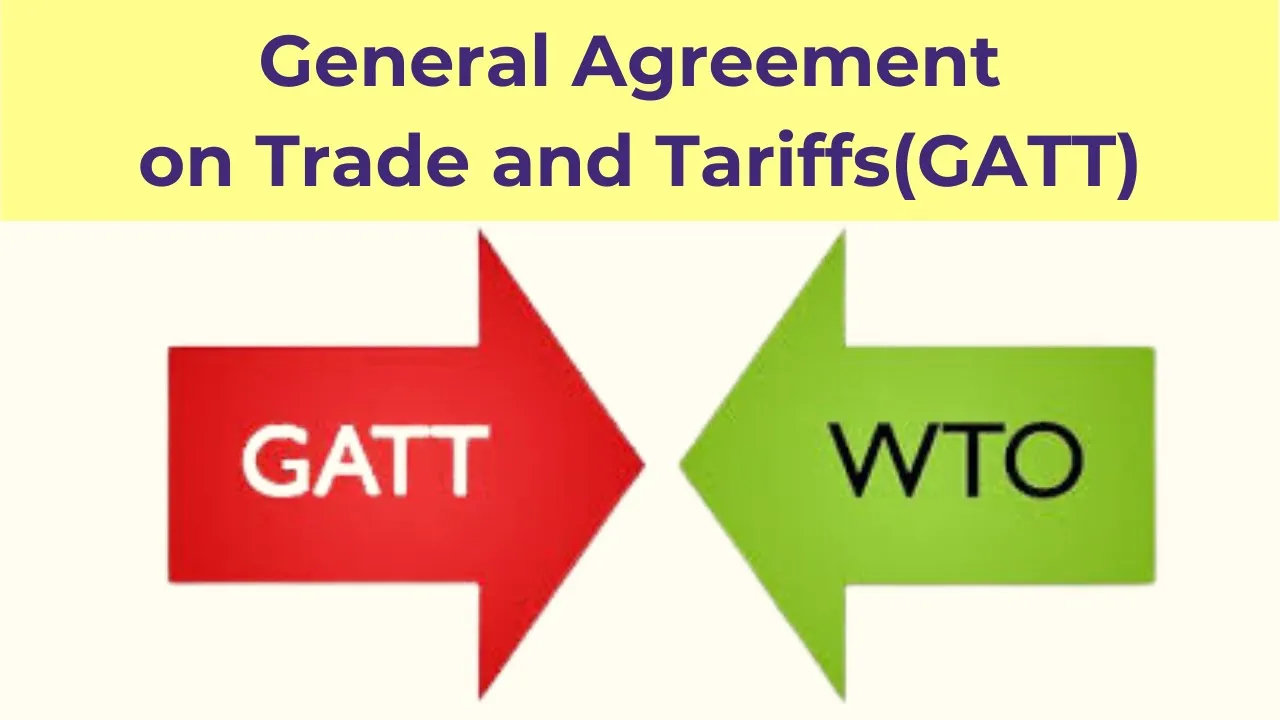
The historical transition from the General Agreement on Tariffs and Trade (GATT) to the establishment of the World Trade Organization in 1995.
The fundamental difference between bilateral trade agreements and multilateral trade systems.
Analysis of the WTO Dispute Settlement Mechanism through real-world case studies, such as trade disputes over agricultural subsidies.
The interaction and tension between WTO rules and preferential regional trade agreements like the USMCA, CPTPP, or the European Single Market.
The challenges of updating global trade rules for the digital era, focusing on e-commerce, international data flows, and the TRIPS agreement.
The ongoing institutional reforms of the WTO, particularly addressing the paralysis of its Appellate Body and rising global protectionism.
69.2K views688likes5:38Original Release: 2024-09-27
[Music] the objective of the WTO is to help members and countries use trade to enhance living standards create jobs and support sustainable development the WTO is where government set out the rules for global trade these rules are designed to create a fairer more open and more predictable World Trading System and to ensure that all countries rich and poor can reap the benefits of trade the WTO is run by the more than 160 governments that make up its membership members take the decisions they negotiate the rules we at the Secretariat in Geneva are here to assist them the WTO was founded in 1995 to make trade work for people and the planet countries have used open Global markets underpinned by WTO rule tools to accelerate growth and development over the past 30 years World Trade has nearly quintupled and helped more than 1.5 billion people out of extreme poverty the WTO is first and foremost a forum for trade negotiations to set the economic rules of the road decisions in the WTO are taken by consensus among all members [Music] a recent example is the WTO Fisheries subsidies agreement to end the worst forms of Fisheries subsidies all WTO members undergo periodic reviews of their trade policies and practices giving them feedback on their performance in the system if trade issues between members fail to be solved through consultations they're channeled into the wto's dispute settlement process where specially appointed independent experts decide whether the measure or policy complies with the WTO agreements rules-based trade is about creating predictability and stability in business relations the basic rule of the WTO is non-discrimination when one member grants a trade privilege to another member it has to extend that privilege to all ensuring a Level Playing Field smooth trade flows and Stable Market access conditions encourage investment create jobs and ultimately benefit consumers as increased competition leads to better prices Services trade is on the rise as digital networks travel and payment systems bind the world closer together intellectual property rights encourage Innovation and promote new technologies that will help us face the challenges of today and tomorrow WTO agreements cover all of these important areas the global economy is evolving and the WTO needs to evolve with it fortunately we have a compass to guide us the mission defined by our members in 1994 to improve people life everywhere and promote sustainable development through trade rules the wto's mission aligns with a sustainable development goals promoted by the United Nations the WTO can and must help our members Leverage The Power of trade to confront the global challenges facing the planet take food security trade in food allows country to respond quickly to supply disruptions crop failures and conflicts to keep vulnerable populations fed take decarbonization fostering investment and dis mination of Green Tech promoting green energy and reducing emissions are concrete ways trade policies can help any country or territory that manages its own trade policy can ask to join the WTO and then negotiate their membership over 3/4s of the WTO members are developing and the least developed countries WTO membership gives developing economies the opportunity to expand their markets integrate into Supply chains and claim up value chains opening up requires adjustments that's why o WTO agreements contain special Provisions for developing economies such as more time to adjust to new obligations the WTO provides technical assistance and training to help them build their trade capacity the WTO also encourages the economic empowement of women's through trade and the integration of micro small and mediumsized Enterprises into the international trading system the multilateral trading system has delivered but there's a lot more to do many poor countries and people within some rich countries have not shared adequately in the gains from trade that needs to change we need to work together on trade the future of trade is Services it is digital it is green and we insist it must be inclusive [Music]
Up Next
30:09
Business Newspaper Roundup for UPSC CSE | Dec 9-22, 2019
@BYJUSIAS
31K views•2020-01-13
5:07
Impact of Yuan in Indo-Russian Trade Amid Sanctions
@WION
261.9K views•2022-07-01
10:33
Behavioral Economics Explained: Rationality, Nudges, and Risk
@crashcourse
1.1M views•2016-03-12

113:18
The Age of Easy Money: Fed & Inflation | Full Documentary
@frontline
21.2M views•2023-03-15
Related Study Plans & Knowledge Roadmaps
Structured learning paths in Economics
economics
Sovereign Debt: Defaults, IMF & Restructuring
01Introduction to Sovereign Debt & Government Bonds
02Debt Sustainability & Credit Ratings
03Anatomy and History of Debt Crises
+ 2 more learning modules
12h5 modules
Explore Roadmap
economics
Market Design: Matching Theory & Gale-Shapley
01Introduction to Market Design and Price-Free Markets
02Two-Sided Matching & The Gale-Shapley Algorithm
03School Choice Systems and Mechanism Design
+ 2 more learning modules
10h5 modules
Explore Roadmap
economics
Impossible Trinity: Forex, Capital & Policy
01Introduction to Monetary Policy and Central Banking
02Exchange Rates and International Capital Flows
03The Mundell-Fleming Model
+ 2 more learning modules
8h5 modules
Explore Roadmap
economics
Healthcare Economics: Market Failures & Systems
01Introduction to Healthcare Markets and Market Failure
02Asymmetric Information and Adverse Selection
03Moral Hazard and Insurance Design
+ 2 more learning modules
12h5 modules
Explore Roadmap