













The WTO panel process is the initial adjudicatory stage of dispute settlement under the Dispute Settlement Understanding (DSU), where ad hoc panels of three or five independent members (not nationals of the parties) are appointed to examine disputes through written and oral submissions, issue interim and final reports, and have their findings adopted by the Dispute Settlement Body through negative consensus, making them legally binding on the parties involved.
WTO Dispute Settlement: Panel Proceedings Explained | IP Law
Added:Understanding of the World Trade Organization (WTO) structure and the foundational role of the Dispute Settlement Body (DSB).
Familiarity with the TRIPS Agreement (Trade-Related Aspects of Intellectual Property Rights) as the primary framework for international IP standards under the WTO.
Basic concepts of public international law, specifically the nature of state-to-state dispute resolution as opposed to private legal actions.
Familiarity with standard international treaty interpretation principles, such as those outlined in the Vienna Convention on the Law of Treaties.
The WTO Appellate Body process, including legal standards of review and the current institutional challenges facing the appellate system.
The enforcement phase of WTO disputes, including compliance panels (Article 21.5) and the authorization of retaliatory trade sanctions (Article 22).
In-depth analysis of landmark WTO IP dispute case studies, such as those concerning pharmaceutical patents, geographical indications, or copyright exceptions.
Comparative analysis of IP enforcement and dispute settlement mechanisms in bilateral and regional trade agreements (FTAs) versus the multilateral WTO system.
406 views3likes22:29Original Release: 2024-04-05
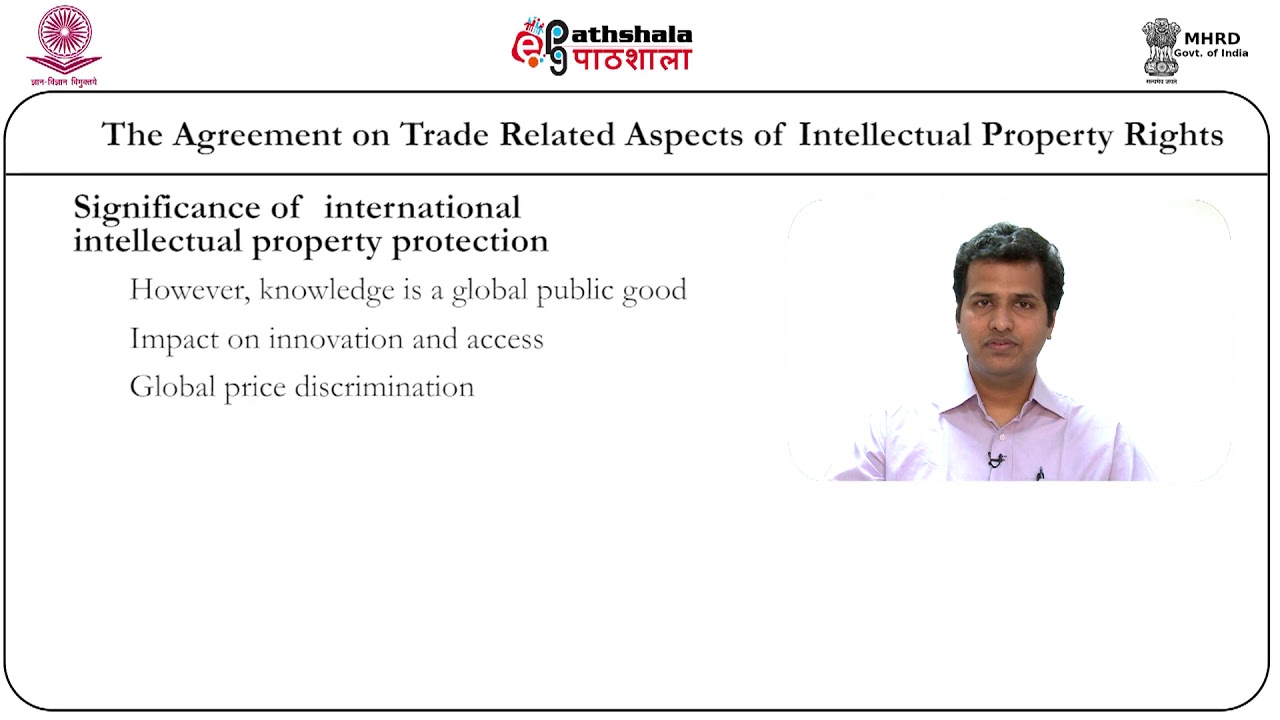
[Music] dear students this class we are going to discuss about the panel process the enti panel process which is provided under the WTO dispute settlement understanding so panel is the preliminary body adjudicatory body in all the cases to be dealt by the panels and they come out with reports and which may be appealed or which may not be appealed if it is not appealed then it will be adopted by the dispute settlement body and it will become a final ruling so if if it is if any one of the parties preferred an appeal it will go to the uplate body so here we can see the panel process is a very simple process which is different from the Gat process so we said that the Gat they even though they started the adjudicated system through third parties that is the panels and there was no procedural aspect which was prescribed specific aspects was prescribed or specific qualification is prescribed usually the government officers they sit as panel members and they come out with reports and in the W system it is not a permanent panel is not a permanent body but it come outs with independent panel members which are not related to the parties so these panel members this the panel system is the initial stage initial stage of of dispute settlement the first stage of dispute settlement and the DSU encourages members to settle their disputes through consultations before the panel is formed and the WTO director General Also may offer his good offices or mediate to achieve a solution through conciliations and panels are considered to be a CI judicial bodies or tribunals and the members adjudicate the disputes and normally they composed of three members and exceptionally five members purely appointed on ad hoc basis for individual disputes so it is not a permanent body and they are absolutely appointed as ad hoc bodies for a particular case and no permanent panel members and different panels for different cases are formed so the qualification says they are well qualified and independent people can serve as panelist and the persons the panelist those who are well versed in international trade law or former diplomats also they can become the panel members or those who have worked in the secretariate so those who have taught or published on International Trade policy trade Law Senior trade policy offic po senior uh the the officials of the governments they can also become the panel members so always the WTO secretary maintains a list of names nominated by the governments non-governmental persons so the panelist may be drawn so the panel WTO members can propose the names for inclusion in the list and approves their inclusion without any debate so that means the panel members so the every country can propose the panel members as a potential panel member in specific disputes so after the consultation failed if any member wants to constitute a panel so the request a specific request is to be sent in writing so it shall it should indicate the details of the consultations when it is made and identif ifying specific measures at issue or which are the agreements and the provisions violated by the other member and also the summary of legal basis of the complaint it means Not Mere allegations or conjecture clear clearcut identified legal basis of the dispute to be presented along with the request and then the the panel members is as we already said that they may be well qualified governmental non-governmental people secretary officials or trade academicians lawyers and they will be appointed by the WTO the dsb for adjudicating a particular case and the most importantly reason the most important criteria is that the panelist shall not be the Nationals of of the parties it means that they are going to be 100% independent they are not going to be belongs to a particular state of parties those who are in dispute and the third parties the third parties can join those who are interested in the particular dispute can join us third parties so the parties should ask the WTO director General to appoint a particular panel and then it is like it works like a completely a Judicial body so there will be oral statements return submissions and AD use of evidence and even the panel can use the support of experts experts scientist and there is there can be an interim report and there can be a final report then finally the adoption of the report by the dispute settlement body in short the P process and finally the reports will be adopted so all these are going to happen only if the consultations the the there is no agreement was you know concluded after the consultations so the the violations should be very clearly mentioned and also you can see that the teres of reference of the panel should be clear early mentioned now we see what are the powers of the panel members what actually they are supposed to do we said that adjudication of the particular dispute which is given to them but what are the principles to be followed by the panel members what are the powers of the panel members so the basic rules of panel proceedings are found in the article 12 of the DSU and the article 12 says that the panel should follow the working procedures prepared by the WTO contained in the appendix to the dispute understanding and so they the the panels are authorized to to adjudicate the dispute see one of the first cases India patent case the appet body has mentioned appet body has clearly elucidated what is the role of this panel and what is the power of the panel and what are the duties of the panel I quote although the panels enjoy some discretion in establishing their own working procedures this discretion does not extend to modify the substantive provisions of the DSU to be sure article 121 of the DSU says panel shall follow the working procedures in appendix 3 unless the panel decides otherwise after Consulting the parties to the dispute and that is all that it says is nothing in the DSU gives panel The Authority either to disregard or to modify other explicit provisions of the DSU so the upate body made it clear that the panels cannot exceed the working procedures may have to follow the working procedures under article 121 mentioned under article 121 so the panel should act according to the working procedures so the procedures unlike the G dispute system the procedures are clearly mentioned and third parties third parties are a group of countries those who join a particular dispute other than the disputants any country those who are interested in a particular dispute can join as third parties and submissions of third third parties also will be accepted by the panel and opportunity of return and oral submissions are also to be made and what is the impact of these written and oral submissions are not clear but definitely the panel is going to consider the return and oral submissions of the panel like the disputing parties because they want to protect their own interest that is why third parties are allowed so they should be heard they should be heard before the panel come out with the reports and the panel reports are adopted by consensus we said that by negative consensus and it is once it is adopted by the DSP it takes effect that is binding on the parties to the dispute and also the duties of the panel which we said what theate body clearly said their powers their powers are very limited to the extent of the working procedures and article 11 clearly says what they have to do article 11 says the panel should make an objective assessment of The Facts of the case and applicability and Conformity with the agreements so the panel really look into the facts of the case as well as the law violation of the provisions so and ask the member countries to in compliance with the procedures so mutually agreed Solutions can any point of time they can come out with mutually agreed Solutions s so if the parties have any dispute with regard to the implementation period they can go on with arbitration procedures under article 21 and in case of non-compliance a review panel will be formed and the review panel can give compensation under article 213 or order for suspension of concessions we talked retaliation cross retaliation the members the the the review panelists have the powers to go on with retaliation and you know even cross retaliation so the parties will be given only one chance of arbitration article 213 not two chances and the this arbitration panel have the power to authorize suspense concessions so it means that arbitration panels are very powerful and there is no appeal which you can find it from the arbitration panels so arbitration and and article 25 says that so these arbitration should be promoted outside but no members will go outside and they will come back to the the panel uh the arbit and the panels will sit as arbitrators even though they are used other mechanisms of arbitration that they won't do we already saw this particular uh you know the flow of process consultations panels then the terms of reference will be uh given then panel of uh you know the the panel will be given and then the panel will examine or or they you know adjudicate the case they come with an interim uh review then they come out with the final report the panel report then panel report will be circulated to the members and finally the panel report is adopted by the DSP members and if the report is adopted if the parties are not going for appeal otherwise the parties go with their own appeals so the the total time frame is mentioned clearly mentioned and first stage is the hearing of the complaining parties and there can be rebal by the opposite party then we said that the panel have the powers to appoint scientific or other techn uh experts to consult the experts and to take advisory opinions of these particular experts then the first draft of the report will be ready and then interim reports will be issued then the period of review two weeks time is given then the final report and the report become a ruling once it is adopted by the DSP this is the panel reports and return submissions the the members we are given ample opportunity of two return submissions to the panel and the panelist meet twice the parties to the dispute so and accept and definitely the parties the deadlines are to be met by the parties and then all the deliberations of the panel are confidential and the panel report is drafted in the absence of parties it means that it is a completely independent adjudicatory bard body without any kind of interference from the parties and the panelist they used to met and draft the report and interim review is very important once the draft is complete then they they they look into the factual aspects and the the uh law the violating law and then the the comments will be accepted from the parties and the comments will be considered by the panel after the intering review is done and the final report is again you can see that at you know in in main languages W2 languages and it circulated to the WTO membership once it is circulated to the membership so it it is it's an unrestricted document once the report is circulated to the members and available to the public so all the panel reports are in the WTO site and the hard copies are published by the Cambridge University presss volums so all the final reports are in the public domain so if the report if if any party is want to go for appeal within a period of 60 days it's intention is given to the panel and then they go on with the appeal so the the within 20 days of time the reports once circulated they have to show their intentions they have to uh you know send their intentions for appeal to the uh panel and the Appellate stage the operate body considers the appeal and gives the final upate body report and we will see in the next class so adoption of the report here also is very important so the the the nobody have only again the WTO members meet together and automatically it is adopted on negative consensus basis and once it is adopted by the DSP and the report is legally binding on the members and so as as I told you if the report is not going to be adopted report is not going to be adopted if there is no complete negative consensus as it is reported that only once it is happened in the indor WTO period the report adoption is not happened so the rights of the parties are very clear in in the rights of the parties are very clearly mentioned a right to fully participate in the process so giving written submissions oral submissions and making objections and also after the interim review report is circulated the the comments also is to be submitted so the panel report is you know the amble opportunity is given to the parties for uh submitting their views and we always say that there are special there are special Provisions which you can find it for the developing countries and there is special provision here also you can see but what kind of special concessions will be given to the developing countries is not clear so the the provision says that the the consultation time consultation time special consultation to be given to the developing country members their problems their interest but even though it is a hard La provision most of the developed countries considered as a soft law provision and they don't give any special concession to the developing countries so it is always the special and differentiate treatment become uh only in the papers so and yeah so we talked about special and differentiate treatment and in in many cases for example in the India quantitative restrictions case India requested for the panel so additional time as a special and differential treatment and additional time in order to prepare its first return submission so so United States actually objected to the request of India so even there is a provision article 12 very clearly says that special consideration should be given to the developing countries but mostly the developed countries rejects as I told you in India the the US made objections to for some additional time for submitting return submissions and as I told you these special Provisions even though there are lot of special Provisions in other uh agreements also uh these Provisions uh the developed countries uh don't give any kind of concessions to the developing countries so but it is always considered as a dead letter so when we consider the dispute settlement as a panel you know the the panel is the third party adjudicatory independent body independent preliminary body in in the dispute settlement the contribution of panels so far since 1995 is immense and the contribution of panels and its impartiality and transparency made it is very important for the uh independent of this entire dispute sment system and the Reliance on this particular system by the member countries overwhelming Reliance of W2 members in this particular dispute settlement body so there is so far there is no complaint neither of corruption nor of partiality came to the WTO dispute settlement panel PS so the panel members are highly qualified experienced people those who dealt with the cases and mostly uh the provision very clearly says that no member country uh the panelist can sit in uh their own represent their own country so always the other country members set for the dispute resolution which increases the credibility of the system which increases the predictability of the WTO dispute settlement system so thus the panel formation is absolutely different from the Gat in WTO and there is a written rules and working procedures for the panels and the panels can only look into the violations and related facts and also the violated laws and the panel don't have powers to exceed the working procedures so there is a clear framework of working of the panel and within the written rule based system so I would say that in conclusion and panel is working so far very well within the WTO system and unfortunately only panel is there now in the WTO disput system so in the next class we will talk about uh the the the dep of WTO operate body and how the operate body worked so far thank you
Up Next

40:23
Enforcing WTO Dispute Rulings: Remedies & Retaliation
@Vidyamitra
1.7K views•2015-12-28
4:27
US Secondary Sanctions Impact on EU Businesses and Blocking Legislation
@Bureauvandijk
1.6K views•2019-03-20
5:27
Forensic Phonetics: Speaker Identification in Legal Cases
@nptel-nociitm9240
539 views•2025-03-19

24:42
Police Interrogation Tactics: False Confessions & Legal Reform
@LastWeekTonight
7M views•2022-04-18
Related Study Plans & Knowledge Roadmaps
Structured learning paths in Law
law
Self-Defense Law: Imminence & Castle Doctrine
01Foundations of Self-Defense Law
02Imminent Threat & Reasonable Belief
03The Principle of Proportionality
+ 3 more learning modules
12h6 modules
Explore Roadmap
law
Defamation Law: First Amendment & Actual Malice
01Introduction to civil torts and the First Amendment
02Elements of Defamation: Libel and Slander
03Public Figures vs. Private Individuals
+ 2 more learning modules
8h5 modules
Explore Roadmap
law
Hearsay Rule: Trial Evidence & Exceptions
01Introduction to Trial Evidence & Courtroom Basics
02Demystifying Hearsay: The Core Definition
03Non-Hearsay: Exclusions Under FRE 801(d)
+ 3 more learning modules
14h6 modules
Explore Roadmap
law
Medical Malpractice: Law, Liability & Care
01Foundations of Tort Law and Civil Liability
02The Four Elements of Medical Malpractice
03Defining and Proving the Standard of Care
+ 2 more learning modules
12h5 modules
Explore Roadmap