











![‘Rap on Trial’ [audio]: So to Speak podcast](https://i.ytimg.com/vi/5kMxKqzYwjc/maxresdefault.jpg)


In criminal trials, prior convictions of non-testifying codefendants are generally inadmissible as substantive evidence against a defendant due to Sixth Amendment confrontation rights, as established in Jefferson v. State (2017), which limited the holding to exclude evidence of third-party gang members' convictions used to prove elements of another defendant's crime, distinguishing it from RICO cases where conspiracy members' acts are imputed to all participants.
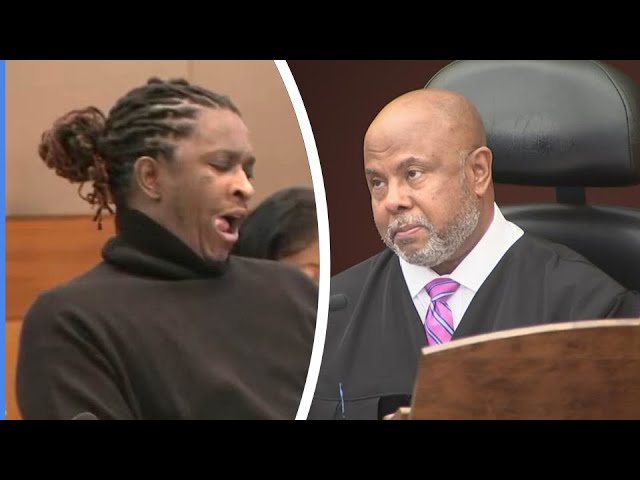
Young Thug YSL Trial: Legal Arguments on RICO Evidence and Confrontation Clause Issues in Court
Added:Understanding of the Racketeer Influenced and Corrupt Organizations (RICO) Act, specifically how it is utilized to prosecute ongoing criminal enterprises rather than individual, isolated offenses.
The legal concept of 'predicate acts' and how the prosecution must establish a 'pattern of racketeering' to secure a conviction under RICO statutes.
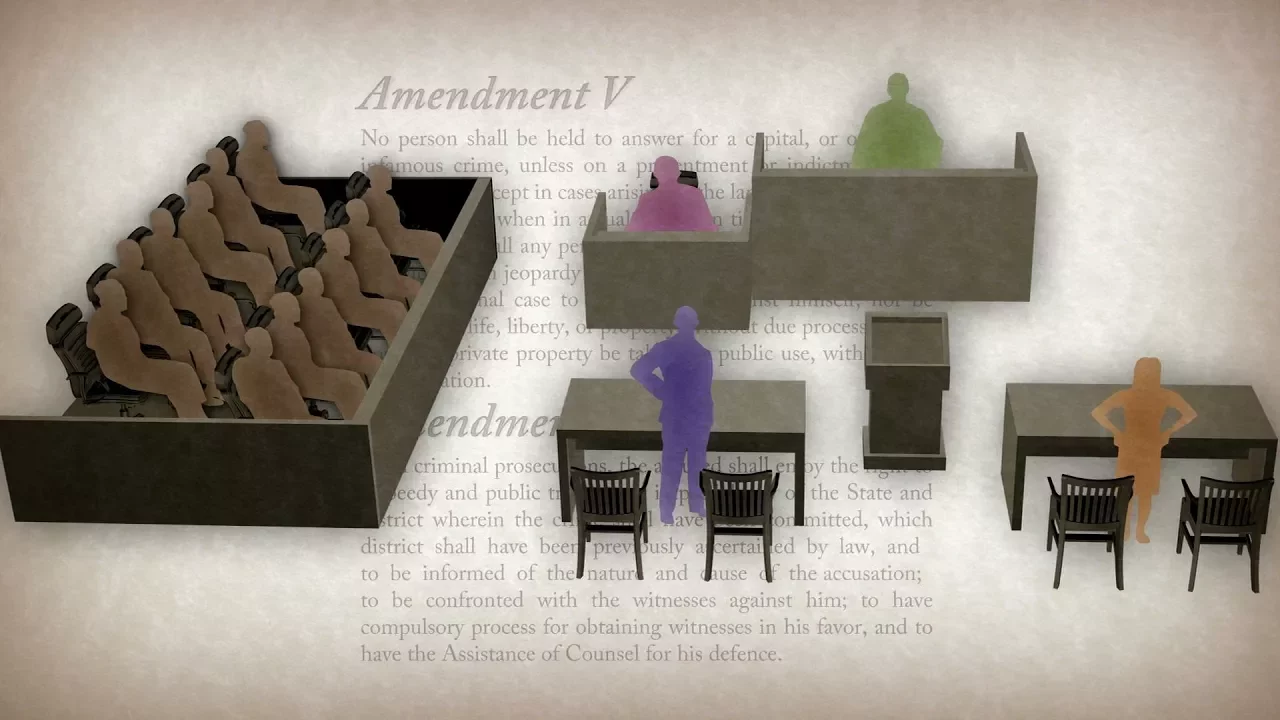
The fundamental principles of the Sixth Amendment's Confrontation Clause, which guarantees a criminal defendant the right to cross-examine witnesses testifying against them.
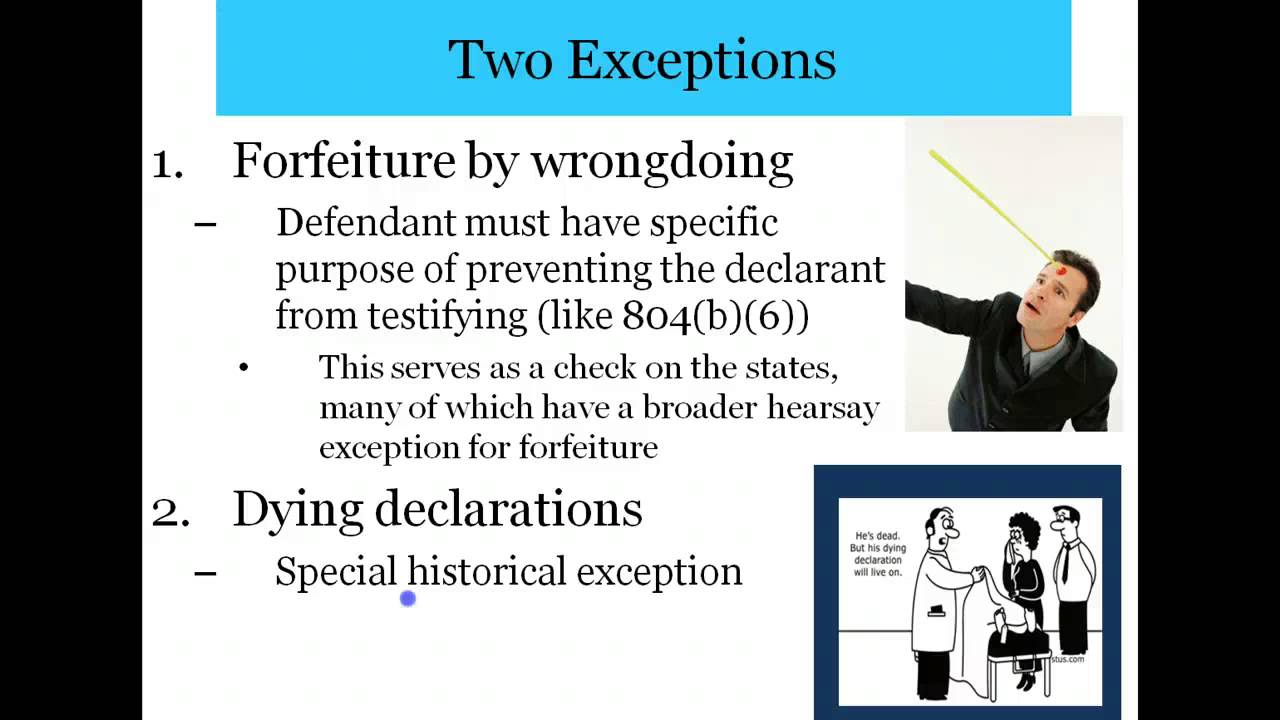
Basic rules of evidence governing hearsay and the landmark Supreme Court precedent set in Crawford v. Washington regarding 'testimonial' statements.
An advanced study of the Bruton Rule (Bruton v. United States) and how courts handle the admission of a non-testifying co-defendant's confession in joint trials.
Analysis of procedural strategy regarding 'joinder' and 'severance'—the tactical and constitutional decisions behind trying co-defendants together versus separately.
Exploration of the legal and ethical debates surrounding the use of artistic expressions, such as rap lyrics, as evidence of criminal intent or association in gang and RICO prosecutions.
Examination of the appellate process, focusing on how errors in admitting co-defendant convictions or violating confrontation rights serve as grounds for overturning trial verdicts.
13.7K views94likes8:43:53Original Release: 2024-05-16
14 F3 was it decided on the 20th of March of this of last year no year honor okay um all right give me the citation then 14 F3 881 at pite 888 you 14 F3 yes your honor 881 at page 888 for the proposition that prior convictions are routinely admitted into evidence at uh subsequent Rico trials what where the court says as an as an ordinary piece of evidence a judgment is subject to evaluation by the FactFinder who can accept or reject such evidence as it deems appropriate I'll see when the court is ready I'll site the next case you're talking about starting yet specifically e now e e because it looks like the district court um 88 you said 888 38 is that it yes in the next than okay for what Al conv Ence of this so um the Bal T that's what that's the that's and and so your honor to um continue with that the government May introduce evidence of Prior conditions to establish the commission of predic Acts and a RICO prosecution that the court would see United States versus too t c 200 yes 200 F3 41 at P 417 do one thing or the other okay I can read this or I can listen for for for for for all right I've I've read I've pide 47 so you're saying the pleas re can be used to attack witness credibility that is that what you're indicating U your honor the District Court's admission of defend conviction was permissible to establish predicates because the evidence was noted as collateral that's where is that it is I got I see I see it I see it Toco I'm quoting from United States versus Toco um and that's 200 F3 401 Toco argues that the government is not permitted to rely on the judgments of conviction to prove the predicate acts of aico charge such use of those convictions he claims institutes improper offensive collateral stop relying on the reasoning in United States versus pulo 14 F3 881 third in 1994 in pulo however the District Court held of the previous conviction of a defendant established the existance of a predicate act under Rico and the court instructed the jury to recognize that predicate act as a matter of law cow4 F3 at 889 pinside 8 889 to 890 the instant case is different because the district court here entered entered into evidence the con convictions of toco's codefendants who had the opportunity to show the jury um that he was not involved in the crimes furthermore that Court did not give a collateral stoppable instruction as the court did in poo the government explained that whether or not Mr Toco was connected to that is a jury question for the jury to determine also there was one other there was other evidence that cooperated the information about the convictions in question thus because no collateral stole effect was given the challenge evidence Cho's argument is unfound and your honor further um the 11 circuit in United States versus Gonzalez at 921 F second 1530 10 sites 1535 through 1539 and analyzing United States Supreme Court case of Garrett versus United States which I'll give a site for let me have gal how do you spell gonzale g o n z a l e z and the site is what is this 11 circuit case it is 921 f second3 and pight the cour is ready 15 you said 1530 yes John like 1535 1539 1535 yes so which 1535 to what matter through 1539 addresses another argument made in opposition to PRI conviction forming the basis where in there does it address that because You' got a lot of flags you got a lot of red flags within that section so which one are you which one are you referring to where the court found no of the double jeopardy Clause PR convictions form the basis of act and subsequent that is your honor I don't believe any of our arguments are based on Double Jeopardy at this at this exact moment and with respect the purpose of giving these case sites to the court is to show the permissibility of using a certified copy of Jimmy W's conviction for this event this pred act that is in our indictment so it's to show that there is legal support okay all right also judge United States versus spara s a r p a n the last name please Charlie Alpa Romeo Papa Al and the citation is um is it uh 8613 59 or is it 91 3 F 993 9 you said 913 F second yes 9934 hold on get looks like was over by another case on another ground okay so what is what is the uh it essentially is it's echoing what um the court found in the previous case in Gonzalez and scarper what do you ask me what do you what pin say you ask me to look at 103 10 14 all right all right this deals with the basically the strike portions of the indictment um courton Scarpa disagrees motion to strike surpluses from the indictment will be granted only where the challenge allegations are not relevant to Crime are inflammatory or prejudicial and they site um United States versus napoo 552 F 563 580 um southern district of New York 1982 it says evidence evidence of an allegation is admissible relevant to the charge and regardless of how prejudicial languages may not be stripping United States versus theama and that's uh 561 f f f 778 7 97 that's a southern district New York case 1978 uh Reco cases courts refus to strike allegations of organized crime connections that to identify the Enterprise and the means by which its members and Associates conduct various criminal activities um now the court will note that there is an overruling risk in from the poano in Illinois versus Gates um which was decided June the 8th of 1983 are you certain that that none of those will affect this affect this is that what other grounds are you talking about um in particular within Scarpa where the courtes United States verus p s i at 774 F second 30 32 that your honor I be heard it it it's like the state just put in Rico and indictment and they just giving you a bunch of cases these cases have nothing to do with our argument well that's that that's that's your that's your assertion sir well is correct assertion and you're sir sir let me just tell you if you could take down the rhetoric just a little bit I mean I can hear you I'm GNA listen to you you may not dis you may disagree but attitude's everything okay I'm just tell I'm just telling you that our argument is based on the confrontation clause Crawford was a seminal case for the confrontation clause it changed the way we analyze the confrontation clause that's from 2004 they are citing cases from the 80s which are prec Crawford and also have nothing to do with the confrontation clause the the the bottom line your honor is there's a case Jefferson that is directly on point that and what is Jefferson State V Jefferson it's from oh is that one of the cases Mr steal sided yes it's okay I have I have I have it it's from this state it's 2017 it's post Crawford and it's directly on point and well I I'll leave it at that but if we have to go further there's other differences between our situation here with Mr Winfrey make giving an offered plea which is not an admission um and I can cite cases but it's still a guilty admission or not it's still a guilty well I don't want to I don't want to Sidetrack because I think we should stay focused on Jefferson but I do have cases that um address uh 403 balancing of an offer play as well but I I can we can get to that later if we need to but State B Jefferson is directly on point your honor I think that um Jefferson is quite distinguishable in that in Jefferson State allow I'm sorry am I allowed to speak yet just just give me a minute I have i' I've considered Jefferson already so I'm just circle back she for for for for for for for for for for for super uh okay I had a chance to relook uh Jefferson Jefferson sites some it is um Jefferson CES some fairly whole law but uh Kirby back in 1889 but basically it says that an attempt to by the United States introduce certified copies of conviction the three uh individuals for theft of government property evidence Kirby for being received of stolen properties improper as that production of such evidence violated Kirby 6 Amendment rights it looks like under and under Jefferson know that 16 159 was that they asked our appell court to have it declared unconstitutional um also but hav I was going to ask you as it been has been updated since then but I've Tak look at it but it seems to be that Jefferson indicates as shown above the United States Supreme Court's decision Kirby is controlling this case and the Supreme Court has not abandoned his prior holding in Kirby in 100 plus years since it's SED C Crawford Supra 541 us at 64 mes Diaz Supra 557 us at 314 cting Curby with approval and Davis super 547 us at 825 of sections 3A to the contrary high court has consistently reaffirmed this holding in Kirby and the continued viability importance of that cases made only evident by the circumstances created by ocga 16159 because 1659 on his face deprives criminal defend of the fundamental Right of Confrontation and violation six Amendment to the Constitution US Constitution statute cannot pass constitutional muster and must be declared void with extent that it authorizes the admission of convictions of non- testifying parties as evidence of criminal Street gain sites our constitution George Constitution 1983 Article 1 Section 2 paragraph 5 so it would appear to me Miss love and Mr yowy that if if if Jimmy winrey testifies that's one if he doesn't testify by C Jefferson tells me that you don't get to introduce the conviction for the purposes you wanted [Music] to okay speak up please uh your honor when it comes to Jefferson um we have an update from our appell courts in the form of State V Thomas I just want to point that to you 364 okay hold on what's let me get to Thomas and the the point I'm going to cite Thomas for is that Jefferson is a a limited holding according to our Appel at court okay what is the what is the uh that's for Thomas right so 364 Georgia appeals 148 at 148 yes sir pinsight 150 and I'm just quoting the relevant language go okay it looks like Thomas was um affirmed in part and reversed in part and remand with Direction so what are you trying to um to get me to look at or consider um let me so the part at 150 is just a quote that says indeed the Supreme Court has repeatedly emphasized the limited scope of Jefferson's holding which is what we discussed right a plea a conviction can be considered testimonial in nature but it says here that Jefferson operates to exclude quote evidence that third party gang members have committed any of the offenses in ated in 16153 for use as proof against a particular defendant so you know and Thomas they were trying to prove the existence of a gang by way of a conviction of a non- testifying thirdparty gang member um and the and the appell court specifically said that this was a limited holding so this being a RICO uh takes the discussion I mean the discussion exists within Jefferson but it's more than just Jefferson and that's why early we reciting that federal case law but it looks but it looks like been looking at Thomas here um judge Pipkin writing for the court indicates that um in Jefferson our Supreme Court considered the constitutionality of ocga 1659 ultimately deeming an unconstitutional to the extent it authorizes the admission of convictions against non- testifying parties non- testify nonp parties as evidence of a criminal Street gain and it sites Jefferson 302 Georgia at 443 as the court explained convictions of third party gang members that are used to show an underlying element of another defendant's crime or among the types of plainly testimonial statements that cannot be admitted in evidence without running a file of sixth amendment protections where the defendant has not had a prior opportunity to conduct cross-examination the witness and witness unavailable accordingly the tri Court's finding that prior convictions of one defendant are inadmissible against the other remain against the remaining C- defendants represents a faithful application of Jefferson so we can we affirm the that portion of the trial Court's ruling we cannot however affirm the remaining portion of the trial Court's ruling namely that the defendant's own prior convictions are inadmissible against the same defendant at ael's joint trial as that ruling rest exclusively on an over broadly overly broad reading of Jefferson a reading that is contradicted both by Jefferson itself as well as by subsequent decisions of our Supreme Court see it at 442 Note 6 807 Southeast 2 387 indeed the Supreme Court has repeatedly emphasized the limited scope of Jefferson's holding Jefferson operates to exclude evidence that third party gang members have committed any of the offenses enumerated in the statute 16153 for use as proof against a particular defendant Anthony versus the state 303 Georgia 399 2409 8 Note 16 81 Southeast 2 399 2018 and our Supreme Court has been quite clear that Jefferson is not implicated ated where a defendant objects to the admission of evidence of his own criminal activity and not the criminal activity of third party gang members so there you go so that therein is the difference that's where this is a different case because it's a RICO the acts of one whether they result in convictions or not are properly imputed to the members of The Conspiracy as found by the jury so Jefferson being a limited holding it's it's not a RICO case it's about a gang it's about a gang count um and the discussion is relevant but it's not it's just one piece um that's why we revert to this Federal Authority that says routinely prior convictions are used as substantive evidence that's the issue right here can this come in as substantive now whether your honor later on we have a jury instruction under 105 uh that says hey this conviction is admissible against Winfrey who is still a party to this case although he's not sitting at any table that could be used as proof of a predicate that's the federal Authority we cited it's um and then the the testimonial aspect if we are admitting proof of a predicate act in this case over act 39 we're admitting it against Winfrey but if the jury by other evidence says yeah we think Winfrey did this I mean and they're free under that discussion of collateral stoppable they they're free to disregard the conviction and they actually could be properly instructed on that at the end of the day but if they think the conviction as well as all the other evidence including Alvin Lewis detective racy Etc does add up to um here on I mean Thomas says therefore the tri Court abuse the discretion by relying on Jefferson to exclude evidence of a defendant's own prior convictions for use against that same defend in a joint trial so we reverse that part of his ruling yeah they were it was AB discretion to exclude the conviction not to admit itude the that was on Tri Thomas say we should have cited Thomas and I apologize because Thomas reaffirms Jeffy which is that third party convictions should not be admitted and the state is arguing well it's admissible against Jimmy Winfrey Jimmy Winfrey is not sitting here so if they wanted present evidence that's in Miss against Jimmy Winfrey it's totally irrelevant it's toly irrelevant it fails 401 because he's not sitting if4 fre of course but but Thomas just reaffirms what we're saying in Jefferson you're you're honor you're right on it you what you read was exactly the point the third party convictions of Jimmy Winfrey who's not on trial admitting those would be a stitutional error in violation of the confrontation cause if Jimmy Winfrey were sitting here in trial with us um perhaps the state would have a better argument I would still have issues with it of course but perhaps they would have a better argument he's not sitting what they're trying to do is clearly in violation of the six Amendment clearly in violation compation clearly violation Jefferson clearly violation of Thomas and it needs to [Music] be so Winfrey is not a third party judge he's a co- indite under count one these people in these cases were Co and but I think your honor gets the gist of he's still a defendant Mr that's that's that's the problem for for you for you he and and I respectfully disagree I mean the fact that he's not he's not here sitting here he's still a defendant but in all these cases Jefferson I mean in all these cases people are defendants they're SED out they're it's no difference in wa and the states Alliance on cases they keep going back to cases that again I assert do not say what the state's claiming they say and do not address our six Amendment arguments but also they're prepr they're useless at this point was 2004 I have some recent uh Georgia Authority on that point your honor if you if you'd like to delve in but it looks like it looks like um you know judge Pipkin and Thomas says we emphasize our holding here is confined the narrow issue of whether Jefferson requires the wh set of exclusion of ael's Prior conviction while there be may be some there while there may be good reason to exclude evidence of one defendant's own prior convictions for use against the same defendant at ael's joint trial we only conclude we conclude only that Jefferson does not supply such a reason and because our holding here is limited this decision should not be read to express any opinion concerning whether the evidence or the prior convictions should ultimately be excluded a question which is reserved at least in the first inance to the trial court in its sound discretion so it it looks like that that um Thomas is indicating and judge p is indicating that uh that they're not go they're not willing to go that far that a defendant's own prior convictions are inadmissible against that same defendant in ael's joint trial they would indicate the court that they are admissible defendant's own prior conviction so thus Mr Winfrey's conviction in cob would be would be admissible against him here in Fon he's not trial so it has no applicability in no even if I conce it's admissible he is not on trial so it has no relevance of these individuals because Thomas and make it clear it's not admissible and should not be considered against any of these and that's and so it would just relevance 403 Bal yeah I guess so judge can I refer you to a post Crawford case regarding specifically a codefendants plea allocution okay that's United States versus Bruno no 383 fed 365 383 fed third what 65 United States versus Bruno B Ru n o okay what does Bruno indicate that a The Plea and plea colloquy of a non testifying code defendant violates the confrontation clause post offered okay um give me about five minutes okay e e e e e e e e e e e e e e e e e okay all right um Miss love you rising to say something M yes your honor just that the state um will not introduce that document today and um we're withdrawing our efforts to do so so you're not going to have um detective not detective agent racy cover it at this point in time for okay all right all right well that that uh and that that resolves my issue of having a rule on it then at this point in time so okay all right anything else I also understood that the state was moving I think today I'm not sure depending upon the length of the the cross and redirect um the um CAD reports about some of the other incidents that were not prosecuted or may have been prosecuted is that today it it could be uh if I may address the court it could be today your honor um but it won't be with this witness and I believe that there will likely be a significant amount of time before we actually get into that so I don't think that that is something that we should delay okay I mean that's fine I just want to there's an issue with regard to those that I'm going to have so before um the introduction of those and I know the witness that's coming Miss latner Right Miss lner's yes um so before she comes on um I'd like to address that please thank you okay all right we can hold that until a little bit later until before Miss lers rejoins us and uh okay all right um anything else if not let's go ahead and summon our witness please uh agent Ry agent and then go ahead and uh s ham if you could uh promoted you again you go ahead and uh get our jurors ready sir hey morning as long as it doesn't involve our witness here he's already okay what's your question sir there is a profim why are you bringing up Lawrence Zimmerman I love La I don't he's got a terrible tie on he's he's always he's always you know pontificating and whatever the life Mr Zimmerman you're always welcome as a public spectator good welcome sir yeah cker [Music] has I sherff said as long as you can get space allocations that's fine okay is a jury okay all right anything else before I bring in our jurors okay all right our jurors please sir Chris I'mma give this back so I don't lose it it may have been marked as an exhibit anyway ladies and Gentlemen please be seated all jurors are present sir yes sir okay thank you sir all right ladies and gentlemen jury good morning morning all right sorry for the delay we it took a little bit longer to take up our business this morning so we appreciate your patience in that respect um agent Ry good morning again sir and uh just a remind you're under oath and um Miss Hilton you may continue Madam I Mr Ste Mr steel I'm sorry Mr steel you may continue your examination good uh good morning your honor thank you so much good morning agent morning sir morning Mr Ste all right um I believe yesterday we stopped uh we were talking about if I could just refresh your memory um and if I leave something out just tell me but um I believe we're at Brian Williams phone that's what I remember or or the phone that we've through your investigation attributed to Mr Brian or Birdman Williams is that okay yes sir all right so I'd like to um discuss that and just for the juror's edification that should be the number 2920 is that accurate I thought we were doing the 8553 was the number 8553 I have that as Jeffrey Williams purported phone yes is that what you're asking I'm sorry um no I'm going to yes we'll use those records yes that okay yes I see what you're saying yes we we will use the records and I think it's on the screen already um let me get the exhibit number that should be exhibit number 137e your honor and it should it's displayed is that okay your honor yes sir okay it's already admitted all right on those records now I'd like to talk about the gentleman uh known as Brian Williams or Birdman is that okay yes sir and through your investigation uh did you look into that gentleman's background what do you mean by background um what he does for a living his occupation I know his occupation yes okay tell the jurors if you don't mind I mean he was a music artist and then um at least owned Cash Money Records I guess it would be a manager or producer I don't know the exact title at that point in time but he certainly owned that and then had artists signed underneath his is label okay and those artists include people that you've discussed in this case Miss some of them have have been discussed in this case at least one of them has been discusting and tell the jurus who that one is um so under Cash Money Records there'd be the YMCMB which is well without going into that it would be Dwayne Carter Little Wayne would be signed underneath uh the Cash Money Records through the YMCMB okay and um Birdman Williams excuse me Brian Williams performer known as Birdman 2920 correct is that I believe that is correct 2920 just make sure I I'm I'm I'm sure it is okay let's talk about those using um as you said Jeffrey Williams records that are inevidence under one States exhibit number 137e um if you don't mind let's do a search for how many times that they uh that they correspond or connect I think is the right word right is that true I would say just connect yeah okay um if I can ask Haley to do that search and then you help us okay do you see the number there I do the same issue it looks like the one sl9 so possibly nine times throughout the entire document okay and the jurors probably remember but just for Simplicity Jeffrey Williams records go from January 1 2015 to July 15th 2015 I believe it was so we have nine contacts and if you don't mind we're going to go through those okay yes sir all right so the first Contact if Haley can take us to that you see where it's highlighted and jurors you can help them that should be item number 1125 or 1 1225 is that fair to say agreed yes sir and that's January 28th 2015 it appears so and then it's 1905 so you have to do these are 18t records so you have to do the conversion is that correct four yep yes so minus four just do it for them or I could do it but either way so 19 minus 4 would be 15 and so converting 15 into um Eastern Standard Time or excuse me from military time to uh the 12h hour clock which just be 3:05 p.m. okay and that is a 1 second seizure time meaning as you looked on your cheat sheet or the AT&T codes that's how long it took um for the correct the dial time would be the seizure time from what we learned and the key and then the ET would be the the time of the actual connection or yeah the connection of the phones whether it be voicemail whether it be communication through voice that's just the connection time okay and in this one it shows one second uh from the the person press the send and um and then it had zero so there's no connection is that fair to say yes that look appears correct yes sir okay and just for um correctness that would be Jeffrey what I'm calling Jeffrey's phone I understand that you know it's the phone that you designate Jeffrey Williams the 8553 calling the 2920 so calling Mr Brian Williams phone fair to say it appears that way yes sir okay if we can go to the next one okay and this one is um number item number 3758 3758 Fair yes and again we're talking about couple of months later so we're in March 30th 2015 yes and then that one is at 241 if you can do the conversion okay so minus 4 again would put us at uh 22 uh so that would be what would be 10 p.m. um but then you obviously you have to convert it from 2200 into Eastern stand time so it's 10: p.m. about 10:41 is that fair to say yes1 correct sir and then now we have a 12 second uh elimination time from the time the person hit the send it it was trying to connect for at least 12 seconds is that have the record reads correct and then the connection 4 seconds yes sir and there's a 4 second connection that again the way I read it is jeffy's phone the 8553 number calling Mr Birdman Brian bird mayor Williams phone 2920 is that correct that appears correct okay then you have um I believe right under it do you see uh the next line it's uh line number 3759 yes sir same date and it's 7 minutes later fair to say fair to say and this is a 18 second trying to connect but no connection it's it says zero uh conversation okay and then this is the opposite this this is Mr Brian Williams phone calling Jeffrey Williams phone fair to say yes and for the juror's edification through your investigation do you have any evidence that Mr Brian Williams is related I say related I mean blood relation to Mr Jeffrey Williams yeah to my knowledge no familial relation okay um the next contact is right underneath it 3760 3760 you see that I do and we're talking about the exact um same date and same time you see that I do and then we have the same thing Mr Brian Williams performer known as Birdman 212 his calls trying to get through to Jeffrey Williams phone it doesn't connect is that okay yes we see what it did there below it but yes it didn't connect okay it rolled rolled the voicemail okay and that's the next number correct so that's where like that you see the D and the F so it forwarded to that number which is uh going to be AT&T is probably voicemail number and then we see that actually on to the right which it's highlighted yep um yep we see that it says VM so it's indicating that it roll to voicemail so that's what we see with those extra kind of D there you know this is a small print can you just point to the jurs what you were just referring to the VM if you don't mind behind you on the screen so these kind of codes right here that VM in the middle is voicemail and that's kind of what we're seeing here the D is for the number dial F is for the call forwarding and then we see that that is the actual connected number and that's likely we could look in the key and we can look in the information but that's likely going to be just AT&T's roll over to voicemail uh number and again we see that that indicates voicemail we see that it was the number dial the number forwarded and then all that sequence that is another contact according to the records that's why we had nine right yeah I believe that's correct yes sir so they they're kind of clustered but that explains your records so okay you're talking about the 2920 while we see this cluster here yeah like the three what you're looking at the items starting at 3758 going through three I see what you're saying those are clustered yes sir I see what you're saying so even though it says nine contacts you know the contacts could be right up against each other that's correct all right next one if uh you don't mind the next one goes to actually today um nine years ago is that correct May 16th yes sir 2015 and that's item number 1945 is that true correct sir it looks like we went from the call logs to looks like I think we went to the text logs here the smst it looks like we got a different description code there so this isn't going to be that's why we're not seeing the dial time seizure time we're not seeing that so it looks like we rolled over to another part of the records aent would you do me a favor just point all that out to the jurors if you don't mind explain to them you know the difference earlier that they've been seeing and what they've seeing now so it kind of looks different if you're paying attention but what we see here under the description SMS the kind of old school for text message and then uh a t on the end so the description code changed we no longer see like the dialing time and the uh connection time we only see connection time so that's just going to be the time that uh the text went through presumably um but obviously the document just kind of appears different because we rolled over for the part of the document that was doing the call log to now we're into the text log of these records is that sufficient sir yes sir yes sir I appreciate it um and then the next one the ninth one contact is right underneath it it's 1946 is that fair to say yes sir same time and it's also Mr Brian Williams texting um Jeffy Williams phone is that how it reads yes sir so just in summary we're really talking about um contact on January 28th 2015 then March 30th 2015 where we can show no real conversation according to these records uh according to these records that's correct records I'm not saying they don't have contact I'm saying according to these records these records yes sir on these numbers yes sir and then um we jump to May 16th for two texts from Mr Brian Williams to Jeffrey Williams that's what we got appears so sir all right and that should be nine of nine according to the screen is that fair yes sir all right I'd like to go and and you explain it to the jury but you went pretty fast I mean not you know not fast but earlier when you were um doing your direct examination with the honorable prosecutor you also gave us insight into a phone that ends in 5979 do you recall that one yeah yes and if you're looking at something it's no problem but just tell the the jurors what you're looking at so they can uh follow along if needed I'm just trying to find it so I could speak accurately on it 5979 you said sir if you don't mind it's your [Applause] cross-examination here we go yes it's going to be States exhibit 138 Echo and then the echo Alpha and continuing but yes now tell the jurors um the reason based upon your investigation that you sought those records and who they potentially you know I understand all the caveats but who they potentially align with yes so this is the one that I did just a subpoena for uh so did not get location data dat um from these records and then it's the name associated with it is the YSL Duke name as the the registered um the party the contact name on it and and that's fine we could talk about that one you said 5790 correct sir I if I did we because we already talked about that other one right okay I was talking about 5979 and if I said 5979 okay I'm sorry yes and then tell us that code as well that when I say code I meant I should have said States exhibit number oh you have more okay in your honor for clarity can we have the full number of what number Mr steel is referencing if you could give us the number please um I I can absolutely do that um it is 504 723 5979 yeah I I don't believe we tendered an exhibit with those phone numbers I I don't see up here Mr steel I think right unless I don't have all of them I don't think we have them that one okay well let's do it this way is that number come up in your investigation can I refresh my memory by before because I if it's not here and we haven't talked about it recently then of course and I I'm not telling you I'm right but it may be around page 13 of your report if that helps you and again it is 5979 unless I'm looking in the wrong place Mr steel I don't see 57 or 59 5979 yes sir it's it's not on page 13 I don't see that [Applause] sir give me one second you're on me just have one second yes you can sir okay I was right near it page 68 68 okay you should have known by my my uh I started questioning myself over here oh don't question yourself page 68 that was nowhere close to 13 and what were you saying the last four were sir 5979 5979 that's correct okay so according to the report that's going to be another a contact number for the account associated with Brian Williams that 2920 so that name is entered into the subscriber information as a contact number for the Brian 2920 phone if that gives you so just for completeness I want to run those numbers on Jeffrey Williams records which has already been aditt in Evans okay okay all right uh Haley if you can help us and show the jury and again your honor with showing states exhibit 137e with the Court's permission it's already in evidence yes sir did you find that number I know you said it's associated with Mr Brian Williams um cash money is that what you told the jurors earlier it's listed as a contact number for the 2920 account okay and the 2920 is what we just talked about that's Mr Brian Williams or Birdman performance that's the number that I had problem caused and got a search warrant for and reference this investigation okay so yes sir and I just want to be complete because it has something to do with Mr Brian Williams so Haley I think just run you could check it um according to Jeffrey Williams records tell the jurors whether Jeffrey Williams has any contact with the association number of 5979 of Mr Brian Williams it appears not all right let's go to um you know a person who um um you um had a through your investigation a cell number for a gentleman named um Shannon Stillwell um I don't know if we have it in evidence but I know the name came up in the investigation yes sir can you look it now page 13 if you don't mind page 13 tell me if that refreshes your memory all right and what that number is or numbers are we're going to have to spell out those numbers for the jurors too if they haven't heard him before so uh if I recall correctly Shannon still also goes by Shannon Jackson okay correct sure um and so that name I do have a phone number listed um if you don't mind me just for ease just reading it off yes please 404 just go slow because people are writing 957 3059 is what we have for Shannon Jackson and that's just under the name portion of the report okay does he have two numbers in your report and if not it looked duplicative it looked like it was the same number on there twice can you just look closer and if they are different just read them both we'll do them both so there's a digit change 404 951 3059 I think would be the other one so so it's same area code same last four digits the middle digits have changed okay and and look I'm not looking at the document right now so help me yeah first number you just read or the number you just read can you repeat that number one more 404 957 3059 okay and then the second number is 44 951 3059 okay all right we're going to search those numbers is that okay it's your cross examination sir all right well I appreciate if I said no do you said no that matter um it could matter actually knowing me it could matter all right um if Haley can run it the um the last four digits of the same or however you just make it complete she putting in 3 59 correct is that the number number that you just gave us the last four both those numbers that's the last four might need to put in more yeah the okay can you put in more pul it looked like it pulled the area code of not the correct phone number that look like the right number it does okay and how many results on Jeffrey Williams cell phone records 18t January 1 2015 through the 15th of July 2015 again for these records it shows no no contact for these records okay and then I think there's a second number that we should we should try shouldn't we is that just for completeness so and that's the 957 3059 same answer same answer sir all right okay now I'd like to um go to Mr Winfrey's cell records if that's okay with you and your honor that is already in evidence I hope and me make sure you're on 133e yes thank you sir all right sir and may um may we put it on the screen your honor yes okay and these are going to not be AT&T records these are going to be Sprint records is that I correct that's correct Sprint records and with Sprint records um explain to the jurors whether we need to do that conversion or if it's going to come up in Eastern Standard Time so Sprint should come back Eastern Standard Time per these records okay if I recall correctly perfect and that's why the records I assume look a little different just because it's a different company is that different company different way of of analyzing the data different key um using telling you how to analyze the data now I I wanted to use his records because um you made a decision you know you you didn't you know as you walk through this some of some of its dark and you shine lights on it through your investigation but you got April 1 2015 records to April 30th 2015 records fair to say that's fair to say and you weren't trying to limit yourself that's just at that time you were targeting the 25th day of April 2015 going to 26th day of April so you've got that whole month yes so the basically like the investigative strategy is I kind of didn't know what I had at the point we just learned of Winfrey being a potential suspect got probable cause on it I'm targeting a smaller window once I start explaining the investigation I then have justification like prob cause justification to kind of expand some searches um so yeah these records for him were very specific to that kind of that window of time that I was investigating and looking for and just for the juror's edification you did not go back I'm not I'm not casting Spurgeon at all but you did not go back and get additional records this is the records we have this is the record correct this is the records I have I didn't do a secondary search warrant expanding anything larger on him all right and I just want you'd explain to the jurors from this one month of April 2015 help them understand how many um entries or contacts does Mr Winfrey have in that 30-day period and Haley's going to show it on the screen with your permission but you're looking at the document itself is that fair to say yes there's 97 pages in this document that looks like the complete records and I'm sure this will be different format this will tell us 4,3 62 is what's highlighted okay and that's within 30 days so just quick math if you can 4,362 divided by 30 how many calls is that approximately a day I'm not a math guy who that's hundreds a day be safe to say all right okay and these records um for that one month for jeffy's phone I just want to show them on jeffy's phone what I'm calling jeffre phone 8553 fair to say yes sir so if Haley runs that search we get one contact you see that I see the one contact she could scroll do me a favor Haley please show every page it won't be all that long I don't see like contrl f like the box that we had on the other set maybe it's just because Excel searching differently okay you see that that's yeah it's only toggling between the two yes sir and that's item number just for the jurors 4,297 and it is um Mr you you may have to go to the top but if you if you know it if you don't know don't agree with me please don't agree with me um but that should be um Mr Winfrey's phone calling what we're calling jeffy's phone fair to say and if if you don't know just say I don't that's the left column is calling number that second to the left which is the middle for the phone number digits is the called number so the number they're attempting basically they're connected to and then the third one is the dial digits is what Sprint is calling it so often times they'll be the same kind of the same thing maybe something's forwarded maybe someone has something like that so you'll see a difference but these are the same so the the number dialed is the number that received or connected to if you want to say it that way and the date of that call that's going to be April 28th 2015 okay and the time of that call and I know it's military but then make it into yes that's just 2010 but we don't need to do the conversion um so 20110 is going to be 8:10 p.m. Eastern Standard Time and the jurors may remember otherwise we could show it again if you don't remember but that corresponds with Jeffrey's records of that that A10 attempted contact by Mr Winfrey to Jeffrey fa I believe that's correct yes sir okay and then that is uh the only contact for 30 days between Mr Winfrey's phone records according to this right that's correct sir all right I'd like to go back to it just seems easier for me anyway Jeff's phone records if if I may and that is uh your honor number admitted into evidence States number 137e okay thank you sir so on the screen should be if you can Orient yourself you see that to be jeffy's uh well we're calling jeffy's phone records yes all right um and with this if you Haley if you don't mind putting in for the agent uh Mr Winfrey's contact I know we did it before but now I want to be specific okay um if you could put in his phone number which ends for the juror's edification again the 3383 number fair to say yes sir all right and you see the 78 contacts yes all right I'd like to go through them it should not take all that much time but if you can help the jury understand it okay first Contact is it fair to say it's it's item number 522 yes and that's on January 9th of 2015 yes and uh we got conversions here right for Eastern standard time that's correct all right so I'm going to ignore the conversions for now on this exercise because thank you you're welcome thank you but the jurors will know that if they want to look at these records they will have to subtract the four hours fair to say yes sir so just for the first one you would say that's 311 contact correct subtract four hours it would be 1111 at night correct all right okay and that is Mr Winfrey calling Mr Jeffrey Williams prepare to say yes all right and that was no connection you see the 0000 Z I do all right and then the next one is the same date at the same time but another call Mr Winfrey not connecting with Jeffrey Williams is that fair to say yes all right let's go that was let's go to the next one that's number three same date same time you see the top is uh 524 I do and again you have uh Mr Winfrey calling Jeffrey Williams and you explain the voice mail you see that in the line to the right yep the feature under features tab we see the VM and then we see the the number dialed and the number 4 to2 yes sir and then the next one is 525 and again the same date January 9th 2015 a minute later so it says 312 we understand the conversion um and that again has no connection with Jeffrey Williams fair to say that's fair then the next one next several ones is again Mr Winfrey um same date a minute later calling Jeffrey Williams phone no connections fair to say yes all right and if we go to the next round that's uh going to be 22115 and it's Mr um Winfrey calling jeffy's phone you see that I do and that has a 34 second connection doesn't it yes all right and that could be a a call could be a voicemail but it could be a call we we believe it's a call we don't see VM notated under the features so we believe it's a called it fair to say fair to say okay and then the next one is um same time and it it seems to be exact it's the same date same time uh same amount of time lap so for whatever reason that's how the records read fair to say correct it correct can you explain that cuz if you can please do yeah I I would I don't want to make assumptions um and I'd have to like start digging in it's there's two entries there um two different seizure times two different call times so it's it's possible that the second phone call was at the same minute time it's just two different phone calls maybe elapsed over into the next minute there could be a explanation in there but we'd have to dig and read the key and and get super in depth into it but the bottom line would be to to to be fair it may be a 34 second call correct okay um the next one it's Mr Winfrey again calling Mr Williams and that's the same date of February 21 2015 you see that I do and that's no no duration fair to say correct and the next one is a little lower the next day is February 22 2015 and again Mr Winfrey's calling Jeffrey Williams no D no connection that's correct and then the next one is about the same time Mr Winfrey's phone calling Jeffrey Williams phone no connection fair to say yes that's fair and then the next one is about the same time it looks identical actually um and it's a 7c connection but that's what you explain to the jurors could be a voicemail it it appears the records indicate that it's there's a voicemail okay and then Mr Winfrey um you know I don't know what is that 21 minutes later same date though February 22 2015 you see that calls again um Mr Williams Jeffrey Williams phone but no connection fair to say correct and then the next one and I'm on 2093 on February 22 2015 again no connection Jeffrey Williams phone was called by Mr uh Jimmy Winfrey correct correct and then the next one is going to be the same time same date February 22 2015 and again that's the voicemail that you explain to us correct all right and then the next one is going to be the same same date but later um and you have Mr Winfrey again calling Jeffrey Williams phone no connection corre then the next one is the exact same date and there's a 1 second connection and Mr Winfrey again calling Jeffrey Williams right correct and then the next one is the um same date maybe an hour and a minute later Mr Winfrey again calling Jeffrey Williams no connection right correct now we're on a two a two days later it's February 24th 2015 Mr Winfrey is connected to Jeffrey Williams phone for a minute and six seconds correct okay is that the first time that the two phones connected so far uh through these records for phone calls yes sir okay all right then the next one that we see is um the same exact day which is February 24th 2015 you see it yes and then same exact time the 2323 see that I do and then for whatever reason one of them says a minute 6 when says a minute five you see all that yes okay that's that seems like same date same time and a second off the connection correct different dial length of times but second off to connection time yes can you explain that without you know with all your I mean we' probably have to dig into more but it would be an assumption um on my part without having digging into the records AT&T and studying how they do it more but it could be just when the calls connected versus it hangs up and then calls again um it could be something internal with AT&T um why it's duplicating in such a manner but there's a different dial length of time and there's a different connection time is what we're seeing there um okay yeah the next one is a day later it's again Mr Winfrey calling Jeffrey's phone right no connection yes sir and then right under it same same scenario same date same time but it's no connection basically Mr Winfrey's calling Jeffrey Williams fair to say correct so far has Jeffrey Williams called Mr Winfrey ever objection ever on these records standing objection is form excuse me I'm obviously talking about the records um agreed on these records what we're looking at we have not yet seen uh the other number calling the 3383 the 8553 calling 3383 and just because I'm a named person the number that you've Associated through your investigative Jeffrey Williams so far not saying it doesn't change by the way so far has not called Jimmy Winfrey's number that we associate with Jimmy Winfrey correct all right let's go to the next one if that's okay are we at the next one okay I'm sorry I lost my way okay now it jumps to let's see see the April 29th 2015 correct now I want to take a second on this if you don't mind the other Jimmy Winfrey cell phone showed it was April 28th 2015 contact do you remember that yes can you just explain to the jurors how these records align even though one says April 28th 2015 one says April 29th 2015 it's just that UTC thing again just explain it to me if you don't mind this is showing the 29th because it's basically 12:10 p.m. UTC is what or a.m. excuse me 1210 a.m. for that GMT UTC time um and the other records will likely show for 2815 because it's already converted Sprint's already done the conversion to Eastern Standard Time so although it looks like different dates it's actually they're actually talking about the same same time okay and thank you so much and then the next one that doesn't connect again right that's Mr Winfrey calling Jeffrey Williams right correct oh the phone's associated with them and then the underneath it it's the exact um same time and duration but they have it as two different contacts you see that correct all right next one I think goes to the top that's uh we we jump from like 28 to 78 I think can we do that again thank you can you go back to 28 you see what I'm saying Mr I I see what you saying you have the physical records in front of you no not for the whole spreadsheet they it's it's on a disc they didn't give me the whole spreadsheet for that see if she can do it this way I'm sorry 23 is it says 429 2015 can you get to 24th okay thank you all right and thank you so much all right the next one is May 6 2015 you see that I do and and just for completeness item number 6163 right correct all right and that again Mr Jimmy Winfrey calling Jeffrey Williams phone yes and no connection fair to say correct the next one is the same date May 6 2015 a minute later it's the same thing Mr Jimmy Winfrey calling Mr Jeffrey W what we're designating for the purpose of this communication Mr Jeffrey Willams phone correct correct and no connection right is that true yes I'm sorry now we have on May 6 2015 this should be the first time if I'm wrong correct me but this is Jeffrey wood willam's phone calling and connecting to Jimmy Winfrey's phone for approximately 5 minutes or 4 minutes 52 seconds does that sound right that appears correct yes all right and is that the first time that you remember the jurors will remember too that Jeffrey Williams phone called Jimmy Winfrey's phone I mean from what we've done today yes okay and that would be May 6 2015 right correct all right great okay the next one should be right under it you see that May 6 2015 yes sir and that is pretty much after that call ended that 4 minute 52 second call now we're at 2006 is that fair to say yes sir and that's Jimmy Winfrey calling Jeffrey Williams phone a minute and 16c connection presumably a contact correct all right and then the next one is again the same date it has the same time and it has the same duration at one minute 16 seconds you see that correct all right so I I can't explain I know you said you could assume but you have to dig in yeah same answer okay the next one is again May 6 2015 7 minutes later and that is again Jimmy Winfrey phone calling Jeffrey Williams phone connection of 56 seconds correct the next one is the same date the same time with the same duration 56 seconds we're going to have the same answer correct you have to dig in okay May 6 2015 again Mr Jimmy Winfrey is calling Jeffrey Williams and that's a minute and 3 second connection phone conversation that we're we're assuming phone conversation okay the next one is May 6 2015 again and you have the same exact duplicate that we've been talking about correct okay so whatever it is then the next one is May 6 2015 two minutes later and Jimmy Winfrey is calling Jeffrey Williams phone no connection correct and then the next one we have is item number 6173 again May 6 2015 and it's Jimmy Winfrey's phone calling Jeffrey William's phone no connection fair to say correct and then it's same thing same time and it goes to voicemail as you explain to the jurors correct and it's Mr Winfrey calling Jeffrey Williams phone and call forwarded the whole thing you explained before correct all right let's go to the next May 6 again again Jimmy Winfrey phone call and Jeffrey Williams phone no connection that fair to say correct again May 6 2015 Jimmy Winfrey's phone call and Jeffrey Williams phone no connection correct the next one is number 617 77 May 6 2015 again Mr Winfrey calling Jeffrey Williams phone no connection fair fair and the same is going to be for the next uh number and then the next one is going to be that voicemail as you explained to us so Jimmy Winfrey is calling Jeffrey Williams phone and presumably I'm not saying he is but leaving a voicemail correct or voice message understand yes sir okay and then the next one if you don't mind it's May 8th now it's new date 2015 is line number 6346 and again Jimmy Winfrey's calling Jeffrey Williams phone no connection Fair yes sir and then it's the same quadrant we're in because um they're similar but Mr Winfrey's calling on the next number 6347 Mr Jeffrey Williams phone no connection and then Mr Winfrey leaves a voicemail according to these records correct all right the next one now we're at May 15 2015 and this is Jimmy Winfrey calling Jeffrey Williams phone no no answer or no connection fair to say correct and the same thing for underneath it that's correct and then it's just kind of a pattern the next one Jimmy Winfrey leaves a voicemail of six seconds fair to say correct all right now we're up to today's date but nine years ago and again Jimmy Winfrey's calling Jeffrey Williams phone and there is a conversation for three minutes or 2 minutes 59 seconds you see that I do and then underneath it it's the same phenomena that you said you'd have to dig into but it's the same date and time in the same elapse time 2 minutes 59 seconds Mr Winfrey calling Jeffrey Williams phone you see that correct all right and then underneath it three minutes later you have Jimmy Winfrey's phone call and Jeffrey Williams phone for three seconds no connection true that's correct and then that's going to be the same for the next item a 6C dial but no connection Jimmy Winfrey's phone call and Jeffrey Williams phone right correct and then on item number 6938 we again we have a 5-second connection but you explained that that's a voicemail that is left um presumably left by Jimmy Winfrey or the holder of that phone the the 3383 on Jeffrey Williams phone 8553 Fair correct all right we go to the next one now we're up to May 21 of 2015 again you have Jimmy Winfrey calling Jeffrey Williams phone and that's a 16c connection Fair yes sir all right the next one we have uh May 21 again you have Jimmy Winfrey's phone call and Jeffrey Williams phone for 15 second connection right corre and then the next line Jimmy Winfrey is calling Jeffrey Williams phone May 21 2015 no connection that's correct and that goes on for the next uh two calls and then again we have the voicemail from Jimmy Winfrey to Jeffrey Williams correct all right the next one is May 21 2015 you see where it says Jimmy Winfrey's phone does not connect with Jeffrey Williams phone correct and then the same thing for the next call fair to say and then you have that voicemail phenomenon 8 seconds correct correct and the next one is on on the same date but later and you have uh no connection between the two phones fair to say correct and then you have on May 21 2015 line 7390 you have a 7c connection for the phenomenon of the voicemail that you explained it's yes I don't if it's a phenomenon but the the code the code the code yeah all right and then the next one we have Jeffrey Williams phone on May 21 2015 calling uh for 17 seconds Jimmy Winfrey's phone you see that I do all right and that relationship between the calls of Jimmy Winfrey to Jeffrey Williams is about a minute later correct all right and is that the second time that Jeffrey Williams phone called Mr Winfrey phone what we seen today yes sir all right okay the next one would be May 21 2015 again no connection but Mr Winfrey's phone calling Jeffrey Williams phone correct and the next one is right underneath it same exact response and it looks similar I'm not saying it's the same but it looks similar no connection okay now we're up to May 21 2015 you again have Jimmy Winfrey's phone leaving the voicemail for Jeffrey Williams phone 4 seconds fair to say yes sir then the next one would be May 22 2015 that's Jimmy Winfrey's phone call and Jeffrey Williams phone there is a 1 second connection it says no elapse time whatever whatever that is that's what the record right correct but underneath it it has a voicemail component to it Jimmy Winfrey's phone call and Jeffrey wam phone same time same date okay the next one now we're at May 24th 2015 you have Jimmy Winfrey's phone call and Jeffrey Williams phone and that's a looks like a conversation potential conversation 37 seconds Fair yes and then right underneath it um it's the same exact um information except one says 10 seconds and the other one says 14 otherwise they both have 30 seconds that's correct sir 30 7 Seconds okay next now we're up to June June 1st now you have Jeffrey Williams phone calling Mr Winfrey's phone and it's a connection for two seconds you see that I do and then right away you have Mr Williams phone being called by Mr Winfrey's phone and there's a conversation appears to be a minute 40 prepare to say yes sir and then the records seemingly I'm not same there's not a reason for it but they seemingly duplicate that same contact correct sir all right and now we're in text messages yes sir so this would be a text message from Jimmy Winfrey's phone to Jeffrey Williams phone on April 5 2015 and looks like consecutive item number 1073 and 1074 Fair yes all right and that just picked up that item number just picked up the FR number okay and then you have we went backwards um we have at the bottom of the screen that's the end okay that's back to beginning so from all of that information there are two I call them text messages but I think you said SMS messages correct and that's on April 5 2015 correct correct and they're at 1428 so you subtract the four hours so we're talking about what time 1028 in the morning something like that yes sir okay and they were both from if you didn't notice they were both from Mr Winfrey to Jeffrey Williams fair to say I believe that that is what I recall yes sir okay so out of the 70 plus hits we have Jeffrey Williams calling Mr Winfrey a total four times three times I believe that's accurate yes sir on May 6th 2015 for 4 minutes 54 seconds remember that yes sir on uh May 21 2015 for 17 seconds and on June 1 2015 for two seconds yes sir and no text messages from Jeffrey Williams to Mr Winfrey according to these records on this phone for this service that's correct sir I just want to put in perspective I standing objection but you do have Mr Jimmy Winfrey calling whatever I know he has 4,000 calls in a month but calling Jeffrey Williams um the number of times that we saw over 70 right correct sir most of them went unanswered and not replied to according to these records on this record for the service that's correct sir all right and you're saying that because you want to be accurate because you don't know if there's multiple phones other types of connections that's what you're you're you're just saying on these records that's what that shows correct correct I'm qualifying it because that's these records there's apps there's FaceTime there's other methods of communication that aren't captured on these records with this data so that's why I'm qualifying it and you want to be fair to the jurors to know that this is the evidence we have correct this is this is AT&T records for standard phone calls and standard text messages but there's other applications other services that can be utilized to communicate that aren't captured on these records right but we can't and other phones and we can't like you said we can't speculate so this is what we have these are the records that were collected from AT&T yes sir okay now I'd like to talk with you about um the sister of Jeffrey Williams okay do you know and I I heard you say you can't differentiate the people that doesn't matter for purpose this but do you know um the sister with the 1990 number do you know who you would refer that person as no I just know the the two Greer sisters and I know the name I me a Diop um that the records were in um but no I I did not do a a deep dive into the sisters or anything like that okay um the 1990 number that is um that is um you got phone records for that number didn't you we did okay and that's been admitted I believe check me if you if you can one States exhibit number 134e just tell me if I'm wrong though please 134 e that appears correct okay can we show uh 134e States exhibit it's already been admitted into evidence yes you can thank you [Applause] sir okay and I think that Haley just put it on the screen you see where it says and she highlighted it for us I just unhighlighted but you see where it says the uh phone number there I do sir all right and this number was also used a lot with the uh graphic you got um cell site cell historic cell site location data for that phone didn't you historical cellsite data yes sir and that's how you were able to show um the towers and the towers that were employed by that phone when it connected to and you did it you gave us different areas on the uh CC map yes scripture all right now were you aware that or do you associate this phone with a a woman known as Dolly by any chance Jeffrey sister Dolly and if you don't that's fine I've heard the name come up but again my part of the investigation in reference to this incident I didn't dig deep into you know the sisters or the the names sir okay that's fine well can we just call it one of Jeffrey Williams sisters phones that's fine where the sister's phone just ease is that okay this the YSL Enterprise phone yes sir and through your investigation you believed that it was used by um Jeffrey Williams system fair to say that's fair to say all right now this phone is clearly in Atlanta because you were able to get the cell site historical data that's correct sir all right and this phone um also was called in a jail call if you remember that you explained to the ladies and gentlemen jury there was a a discussion and what is the number and that number actually the 1990 number is actually on and captured on a jail call that L and gentlemen jury HT fair to say that's correct and during that jail recorded call um Jeffrey Williams actually gets on that call do you remember that I do and he was at an event they talk about in that call an event for the free Rosco campaign do you remember that I do remember free Rosco being mentioned yes sir and there were various people on the call um but they were saying that the event is whatever tuned up or whatever but popular it was going on right then and there correct that Park yes sir all right now did you know Dolly excuse me the sister um had a relationship with Jimmy Winfrey in 2015 were you aware of that objection I stand objection through your investigation did you gather evidence that Jimmy Winfree and the sister were in a relationship no sir do you remember on a jail call if you remember um between Jimmy Winfrey and the sister talking about you cheated on me and it's we were going to get married remember that I don't remember that sir okay during a break or in front of jury but I I may one you heard jail calls on this case right I did listen to jail calls yes sir I may refresh your memory and then or try to refresh your memory I stand objection I will come okay I will come back to that do you know as you sit here now the relationship between the sister and Jimmy Winfrey in and around April 2015 no sir I was my investigation was Focus focused on basically the shooting and what happened and who did it at that time I didn't investigate the sister or anything like that no okay obviously the sister is not I shouldn't say Obviously in your investigation was the sister phone um in the same location as the Jimmy Winfrey phone on the early morning hours that you helped us with on April 26 2015 with they the same like vehicle let's say OB being the same I stain the objection according to your investigation and the plots that you showed us were those two phones together object to speculation together a standing objection based upon your work in this case did the two phones diverge meaning one is hitting off the cell phone that the other one is not that's correct they're at the same time at basically different Towers I would say do you have any evidence that the sister was in the white Camara on or around the 25th day of April 2015 going into the 26th day of April 2015 I don't have any evidence that the sister was in the Camaro all right and there were a lot of contacts and we'll go over them that the state put on the board and you helped us create that board between the 1990 phone and the 3383 phone so the sister phone and the Jimmy Winfrey phone um during April 25th going into April 26th and and around that time is that fair to say correct do you know what was the discussion between those two phones or the parties on those phones I have no way to know the content of those phone calls okay all right now I'd like to go through using this the 1990 AT&T records and for AT&T records we do have to do that conversion I'm not going to ask you to do it but the jurors will remember fair to say fair and this is the sister well I'm calling but you investigated the sister's phone and it's is that fair to say yes all right so if we can put in the contacts between the sister's phone and Jimmy Winfrey's 3383 and see how many contacts we have now to be fair tell the jurors because I should have oriented them what are the dates of these records that you got for the 1990 phone oh we see January 1 so I span it to there um let me see if probably easier the see on the screen yeah the person operating it might be able to do it faster because we only did the snippet of the records here so it's ending on uh May 27th 2015 so so this one's going January 1 2015 just about six months right right before June 1 2015 but specifically May 27 201 that's what we see here on the screen yes sir all right so if we could go back and between those dates approximately six months I know it's not perfect but according to these records and you've already explained some of the records seem duplicate but according to these records it's going to be 367 contacts between the two of them in um the approximately 6 months fair to say that's where these records show all right hold on one second now we have the total hits of 367 if we go to April if you need to see anything else just let us know to explain it to the jury to make it complete but we go to April 2015 okay you sir and look at the first hit when I say hit I'm talking about the connection so we got there you see it for April yeah okay so we start with the first day of April and you have Mr Winfrey calling and I'm not going to go through all these but a general scenario you have Mr Winfrey calling and you'll see Miss we're going to go through them you see Miss um or the sister's phone trying to call Mr Winfrey from if we're just going to go through them okay okay and if if uh see anything um that's of interest just stop me but I'm just going to scroll there's no contact so far and from it went from from April 1 to April 5 fair to say yes in these records that's correct and then we're going to go again well we skipped so let's go back so you have April 5 and there's communication um between both phones and they're calling each other did you notice that the phones are the 1990s calling the 3383 and the other way 3383 is calling the 1990 fair to say correct okay and sometimes they connect sometimes they don't connect sometimes it's for 4 minutes sometimes it's for 3 minutes sometimes it's zero fair to say I think that's fair to say okay and then we're at 45 at item number 11560 11,560 you could continue now we're 46 OR7 now we're at 48 49 the next day so far these phones I'm not changed every single day but they connect a fair amount is that fair to say for someone in a relationship I don't want to judge that um but they connect okay they connect throughout the month but okay I don't know if it's a a lot or not a lot I don't fair enough and if people are together they don't have to use their phones potentially that's also true and then next one is 412 and it it's just and then we're going to stop um and look at some of these documents but they they're speaking and then you explained to us the 426 connections didn't you and if not we can go through them you told on Direct yes yes we talked about the 426 connections all right then I'd like to go to um Mr Ste before you transition I on good authority we need to take a comfort break so why don't we do that for 10 minutes so ladies and gentlemen we're going to take a comfort break for 10 minutes and then we'll see where we go from there okay all right we're in recess all rise than all right ladies and gentlemen our jur has left us so we'll be in recess for 10 minutes thank you e e e e e e e e e e e e e e e e e e e e e e e e e e e e e e e e e e e e e for all right ladies and Gentlemen please be seated pres all right thank you s Ingram um ladies and gentlemen I have it on good authority that um some of you were hungry and want to eat so we're going to go ahead and yield to that request and uh break for lunch at this point in time so if I can have you all come back for it's it's 12:45 this morning time 1:45 and we'll get started shortly thereafter okay all right all right so we'll be recess until 145 all rise all right ladies and gentlemen our jury's left us uh we're in recess until 145 okay all right thank [Music] you e e e e e e e e e e e e e e e e e e e e e e e e e e e e e e e e e e e e e e e e e e e e e e e e e e e e e e e e e e e e e e e e e e e e e e e e e e e e e e e e e e e e e e e e e e e e e e e e e e e e e e e e e e e e e e e e e e e e e e e e e e e e e e e e e e e e e e e e e e e e e e e e e e e e e e e e e summon our jurors please sir for for all right ladies and gentlemen count FL [Music] all right Mr Matthews senior good afternoon sh all right um okay Mr Ste you may resume your examination sir so I'd like to show you what I Mark as Mr Williams exhibit number two um to refresh his memory you remember we talking we were talk I was asking you questions about whether you knew that the 99 excuse me that's wrong 1 1990 number Jeffrey sister's number belonged to a woman named Dolly do you remember that yes okay and you said I believe I wasn't sure I just called her sister something like that something like that yeah Dolly sounded familiar but yeah she wasn't the target of my investigation sure I'm not I'm not suggesting she was and then um do you remember me ask you about whether you um had information that Dolly and Mr Winfrey Jimmy Winfrey were in a relationship remember that yes okay and do you remember that as you sit here now or if they're in a relationship or not yeah I I don't know it wasn't again it's not the focus of my investigation let me show you what um with the Court's permission what I've marked is Mr Williams number 224 and it's Slide Five I believe from your PowerPoint you know what I'm talking about uh the PowerPoint yes you do a PowerPoint show it to the yeah show it to the the state did you did you already show it to the state yeah Okay ladies have you seen it yes okay all right good yes sir you may approach approach yes sir number of seeing if you recognize it refreshes your M did I write this sir listen if you don't recognize it and I know it's a long time don't worry about it if you if it does not refresh your memory just say it does not help my memory yeah I I don't recognize this as being a my work product okay then just we'll just put it aside for the court reporter and just ignore that okay okay thank you for looking at 224 224 Jeffrey 224 for identification okay no it's just been it's been identified for the record all right um I want to go to the 1990 the the dolly or the sister whatever you feel comfortable with yes sir records and we were in April I believe is that your memory yes sir when we broke okay now you talked about um we were up to April 18th and the real relevant dates that you focused on is April 25 and April fair to say that's fair to say that was the main focus of the investigation yes all right so let's just go through this again just showing the context but I'm going to then stop at the April 25 April 26 okay these are the contexts between uh the one that's on the board showing um in States exhibit number 134e is at um a it's number one or 14091 and it's April 18th 2015 and it's the dolly number or the sister number calling Jimmy Winfrey number 3 second connection you see that I do and that's um next one is 4 18 and this is the same thing no connection but it's again the dolly s sister number calling the Jimmy Winfrey number fair to say yes all right the next one again the same date 418 but this is the Jimmy Winfrey number calling and connecting for 46 seconds as far as we know according to the records with the um the sister's number right that's correct all right we're getting close here next one is 419 and again it's the sister's number connecting or calling and connecting 1 minute 59 seconds with the uh number to Jimmy Winfrey yes correct yes sir all right now again 49 it's the same scenario sister calling Jimmy Winfrey 14 seconds right yes next one is 420 and we are at 34 second call and again it's the sister calling Jimmy Winfrey yes the next one is a 3 second call of same date 420 sister calling Jimmy Winfrey yes the one after that is again uh later that same day 2 second connection same situation fair to say yes right then we go to 423 and you have the sister's number calling Jimmy Winfrey that's a 7 minute 5sec communication as far as we can tell from the records fair fair all right and then the next one again is later at 423 it's a 2 minute 14 second contact and that has Mr Winfrey calling the sister yes all right the next one is the one 1,00 or 15,3 42415 and that's a one minute connection and it is the sister calling Mr Winfrey yes now we're at 4 26 and we have to do the conversion for these records fair to say yes so even though it says 426 at 306 you move back 4 hours so we're really right before midnight 11:06 okay at night 11:06 at night correct 11:06 Eastern and we're really on Saturday the 25th of April fair to say correct and that is the sister 2 second connection calling Jimmy Winfrey right correct okay and then they talk or try to connect whatever the right word is but the phones on the record shows some sort of attempt um later that day and that's right after midnight and you went through these calls with the state fair to say on direct examination so the jury see it we did all right I'd like to use um these records if I could for the call between the 1990 number the sister's number and the Martinez Arnold remember talking about that with district attorney on direct for the jury yes and Martinez Arnold correct me if I'm wrong but I'm going to tell you I 790 if that's wrong just let me know that sounds correct okay and if you need to check it I'm sure it's in front of you just please make sure all right so if we look in April you focus on um and this is exhibit number 139 134e um [Applause] and this is April 26th and do you see that 5790 YSL Duke yes all right and that's at 7:07 and that's important because if we subtract the three hours excuse me excuse me subtract the four hours we're at 3:07 a.m. that's correct on the day of the shooting and we know from your testimony and from the jurors heard the 91 call that's a 314 911 call fair to say that is correct all right now analyzing this and it's lit up by Haley as uh item number 15,24 you see that I do and this is a call presumably from the 1990 sisters number to the um YSL Duke phone fair fair and I know I'm not going to ever repeat it we don't know where the YSL Duke phone is or who hasn't fair to say fair to say all right and that is a 3 second total connection correct all right then immediately um underneath that is the uh 15, 241 so it's the next entry you see that I do and this is what you discussed with the uh prosecution as well it's exact same time right 307 307 correct and it's the exact same duration of the initiation of the call the two seconds fair to say that's correct and then it has an extra second of the elapse time that's correct so it has four seconds correct but this one has an F do you can you look at your cheat sheet for the this is 18t record correct correct can you just figure that out for us if you don't mind so the cfnr which we see to the right is the furthest right thing highlighted that stands for call forwarding no reply so it it attempted to call forward and no reply is what explain it to the jury just so people may understand that but some people may not well attempted to call forward and to my I guess it would be Assumption of AT&T without asking AT&T what that specifically means but it's it's call fored and there's no reply so I guess the voicemail did not answer the voicemail did not pick up I'm not sure what that means okay and we don't see the YSL Duke phone number ending in 5790 should be we don't see that connecting to the dolly number the 199 or the sister number 1990 fair to say and and what we're looking at that's fair to say correct okay all right I'd like to ask you um on these records just going down now and if it's important to say who the person is calling you know that the numbers just say that but I just want to continue if you don't mind it goes from you see it's 7 7 which I know is 407 in the morning so which about 7 minutes before the 911 call fair to say yes all right um and then the next one is 708 you see that it just went away but we're still talking about the 5 5790 you said anything important but you're specifically talking about 5790 5790 just the use of the phone is what I'm saying okay so it went it was used at 307 I I'm doing the conversion I'm I'm tracking I'm just trying to make sure I understood your question about importance because the next one is to Jimmy Winfrey's number is uh 708 correct or let me the 708 time yes I I see what you're saying yes which would be now 608 which is 8 minutes before uh no six minutes before the 91 call correct all right and if we go down to the next one okay and it's item number 15,246 see that now it's 714 which would be 314 314 which is identical to the time that we believe the 91 call fair to say fair and that is again calling the Jimmy Winfrey phone from the sister phone right yes and then 715 you have the same um Jimmy Winfrey phone calling the sister phone and when I say 7:15 we're subtracting three hours so it's a minute after the 911 go okay and then it's there's the usage at 716 or 316 then 318 then 10 minutes later 328 7 or 336 and the jurors can see it but up until uh 7:38 the the phone was being used except that 10-minute break pretty much uh every minute fair to say according to the records say that question one more time that up from what time to what time was being used every minute you see the 10-minute break from 728 to 736 yes yes that's what you're talking about yes and then you have 737 737 738 738 that's what I was just saying yes and then there's another break for approximately an hour and a half well the 738 to the 753 and then I missed it thank you I apologize I apologize explain that to jury no you after the 738 which is 338 there's the jump to what is that like 15 20 minutes whatever it is after minutes yeah um and then we get to 753 where the 5790 connects so that's 353 well again connects is they tried to communicate but it looks like it it didn't go through and it hit the call forwarding again okay all right with regards to um Jimmy Winfrey's phone so so this phone the 1990 the sister's phone according to the records the phone is being used or trying to be used meaning trying to connect during a relevant period of time that we believe the shooting is occurring or has occurred is that fair to say correct around that approximate time yes do you have any evidence that that you've done through your investigation that any app or FaceTime or anything that doesn't show on records was being used by that 1990 phone during this time I have no way of showing that okay if we go to the well before we leave the dolly excuse me the sisters records um can you just do me a favor I'm going to go back to the Shannon Stillwell or Shannon Jackson rather um number I think that's the number that you said ends in 3059 correct that's just the number we had in the police report I didn't do any legal process on that that phone number so and by that just to J understand there's a good faith belief you wouldn't put in your report I'm not saying you'd make up that that's a number associated with Shannon Jackson or Shannon Stillwell but you didn't verify that beyond that is that what you're saying so that phone number may not may or may not be his phone number at the time of the incident the way that our records management system works is when we're putting in the name or they're getting entered from Patrol or an investigator it goes through a name candidating process so you don't have duplicate entries for the same David Ry and so if the name has already been entered and it's being entered in again it'll pull the information from that prior entry so that phone number just because it's in the police report that's just a phone number that's associated with them somewhere in cop County records somewhere somehow sometime but the accuracy of that I have no way of knowing if I didn't do a legal process on it or didn't do an independent investigation trying to query it then um that could be inaccurate for Sharon Stillwell's phone number or it could be accurate because it came in there somehow some way whether an accident report a ticket whether it can come in there multiple different ways into the record management system with that background with your permission I just want to search that number you can search that number yeah absolutely okay um Haley do you mind searching that thanks and just make sure she putting the correct um number if you don't mind that look right page 13 I'll just check it just for accuracy page 13 according to me yes sir yes that appears accurate and then just tell the jurors and thisable Court what the result is on the dolly record well excuse me I I keep mixing the sister record 1990 no matches were found all right I'd like to do um now go to Jimmy Winfrey records if you don't mind in your honor that is in evidence and that is 133e with the Court's permission yes sir thank you and this should be the 3383 number fair to say 3383 and just for orientation this is the 30 days April 1 to April 30th correct sir 2015 okay now if we can just do a quick search for Shannon Jackson or Shannon Stillwell's number with the caveats that you gave us sure Hal if that's okay do you need the number again and this is showing on this this honorable Court's screen for the honorable jury this is Mr Winfrey state exhibit number 133a the 3883 okay yes sir all right did you do this that because it's cover okay um we can scroll down did you hear what she said I heard what she said she said do you have no that's okay that's okay um she just scrolled down for that one month do you see any connection to the Shannon Jackson Shannon Stillwell potential I'm using that word phone number here in these records and for clarity which of the two numbers are we using and are we searching both numbers we do both okay thank one second I say but just show the jury the whole month and then there's if there's something lit up or something not lit up and then run the second number as well agent do you know the second number can you announce that I think there was one digit off 95730 59 have you noticed anything highlighted no sir okay okay now staying with the Jimmy Winfrey um records and these are the Sprint records correct Sprint yes sir okay now um going at the time the what I'm going to call the relevant time jurors obviously make that decision though but from the night late night on the 25th of April going into the early morning hours the 26th of April so Saturday night to Sunday sure if Haley can help us out with those dates okay okay you see where okay let's just Orient every well when she stops let's Orient everybody you see um are these these don't you tell the jur do these need to be converted for hours earlier or these already in Eastern Standard Time no as we stated before the Sprint already converts it to Eastern Standard Time so starting W the top you see the item number 3796 yes okay um and that is April 25 2015 at approximately that would be 10:28 in the evening correct all right and then just seeing the flow there that is um this is uh Mr Winfrey's this are Mr Winfrey's records correct these are Mr Winfrey's records okay three well we're calling Mr Winfrey record 3383 okay and then Mr Winfrey if you come down and I'm just skipping just for ease to um 426 and I'm getting close to the time of the shooting if that's okay you can stop there if you notice there was a lot of trying to connect either one way or the other people calling that number the 3383 number or the 8 3383 number using the phone to try to connect to someone else is that fair to say there's a lot of communication going on on the phone I faar to say and then I skipped ahead but um looking at let's say starting at 2:45 that morning which is number 3845 you see Haley just highlighted yes then we see that um there are calls to that 3383 number and calls from that 3383 number starting and I'm just look at the times now in column should be in column e is that correct yes all right so we have 245 a.m. then 248 a.m. then 2:49 a.m. then 255 257 258 259 then 3 o'clock in the morning which is 14 minutes before the 91 call fair to say yes and then 302 303 304 307 you see where I am at at item number 3 867 okay and then again at 307 and 308 um numerous times and then skip 6 minutes approximately 3:14 the time of the actual 91 call you see that yes sir and then it goes again 314 and then it continues in the the jurors can see you know 315 and 326 you see all that I do okay now there's a call in there to the number that's 2920 what we called the Brian Williams performer known as Birdman that's correct and can you show that to the jurors do you see that anywhere on here yeah it's she has it highlighted okay and that is a call for and you told the jurors do you remember how long that call is approximately 535 seconds give me an estimate so whatever that comes out to be 60 seconds per I think comes out to be like what is it 8 minutes or something like that yeah just under 10 minutes 10 minutes would be 600 so this is 535 yeah so like eight and a half minutes whatever it comes out sure okay now that is that call that is on sound Court's screen for the jury on uh exhib States exhibit 133e that is originally made according to these records 3 minutes after the 911 call and it that's correct and it's about an 8 n minute call whatever whatever the 535 seconds is right that's correct do you have any evidence that the Jimmy Winfrey phone was using any app or FaceTime during this relevant period of time to share with the jury again we don't get that in these records these are for call data and Text data records that's the information that's requested if if we request data we don't know what type of data is being used it could be YouTube it could be an internet search it could be an app we would have no way of knowing what data we'd have to have a physical device to say you know what apps are on the phone what information's on the phone but according to these records that phone was using the phone in the typical way I might say typical way just hit send that records would pick up during the relevant period of time of 307 to 314 fair to say correct standard phone calls are like pretty much what we're looking at right here okay do you have any evidence that Mr Winfrey's call phone excuse me 3383 was using one of the apps International apps um FaceTime whatever the apps are do you have any evidence again I don't have that in these records that's not the information I have in these records so the answer is no I don't have any information regarding that all right do you have any evidence that Jeffrey Williams phone was using any type of app FaceTime that would not come up on his records during this relevant period of time again I have no way of showing that no do you have any evidence that Jeffrey Williams was awake during the relevant period of time of the shooting I mean I don't know if someone's awake or not can make assumptions off the F phone records if if you want but I have no idea of knowing that okay I'd like to go to Jeff's phone records which is the 8553 number if I'm wrong you got to correct me but that's what I believe is true I believe that's correct I'd just like to look in the April 2015 phone activity between the Jeffrey phone the 8553 and the sister Dolly phone the 1990 okay for April and if Haley can do that that would be great okay she put in the 1990 and that's the phone we're using for the sister fair to say yes sir and for the jurors to know this is uh what we're calling Jeffrey Williams uh number the 8553 and it's in evidence States exhibit number 137e your honor it's on your screen yes okay the first one is April 6 2015 do you see that I do and that is the dolly excuse me the sister phone calling Jeffrey's phone it doesn't connect according to these records fair to say yes and then on the next line it's the same exact time the 20 26 and when I say line entry number 4,21 19 yes and that again is the 1990 or the sister phone calling without connection to jeffy's phone fair to say yes and then the next line is the same dat um and it's 4220 it's the next entry and that one goes to the voicemail like you explain the jurors yes and it's again it's the sister phone calling the Jeffrey phone fair to say yes and then the next one is um again the sister phone it's a entry 4221 same time it's a connection of 3 seconds you see that I do all right let's see the next time that these phones connect now we're skipping a week on these records right from 46 which is April 6 2015 now it's going to 4:13 which is a week later fair to say yes and again you have now the two phones and this is jeffy's phone calling without connection the 1990 phone the sister phone fair to say correct and then on the same date same time it looks like the same exact replica of um 16 second call no no connection is that fair to say cor all right and then the next time that these phones connect we're in the month of May is that fair May 9th yes okay okay so according to these records jeffy's phone and the 1990 phone connect twice but don't I'm not saying they speak but they try to connect twice the 6th of April and the 13th of April right correct utilizing the normal voice to talk absolutely okay you may I approach and you're thank you sir know you help prepar you mind taking a PE this sure just [Applause] [Applause] I'm skip this because this is not your testimony okay [Applause] this is part of your testimony fair to say yes okay when you went through the Jimmy Winfrey call um the 1990 what you were call him then YSL I called it the sister's phone yes fa to say on this entire page do you see any connection to the you may have to help me with the number the jeffreyw 5883 number 8 553 I thought it was thank you apologize do you see anything dealing with the Jeffrey Williams no from these like location plots no that would do am I correct that's correct same thing with number eight correct we were [Applause] correct and then was this you too that one was yes and this is the we're going to come down to it's not numbered but um at the bottom of this page yes does this have a exhibit number it does not okay I'm using just for reference you're on the U demonstrative chart which one written on number 1 so you want 176 okay all right you can refer to as76 and what this is showing it says the 8553 number on this date I believe is in Baton Rouge if I'm reading it wrong you have to correct me that's correct that that's what that that's all that is is that true correct that's from my memory and this is the way that you said you can go two different ways if you're driving this is the lower way to go yep the spot checking and approximately where was driving that's correct and that's how you knew do you know who Jeffrey Williams was driving with on April 25 200 15 going to 26 2015 from the trip from Louisiana to Georgia I have no idea who's in the vehicles with them or who's driving I have no idea do you know whether the YSL Duke I I'm need help on the number um is that phone is in the car with Jeffrey Williams I have no way I'm knowing that when I say Jeffrey Willam Jeffrey Williams the phone associ Jeff okay um I'm just going to the next page anything here to do with the 8553 number Jeffrey Williams no this was just for recollection this is where we were spot checking um location so it wasn't all comprehensive search of phone numbers but this was just the spot checking that I did nothing in my notes nothing to do with Jeffrey because his phone's not even in Atlanta right correct this is this was for the location of the 1990 phone is what we were doing there okay now I'm going to have the same question nothing to do with Jeffrey correct that was about the location of [Applause] stand objection does this next page have anything to do with Jeffrey willam's cell phone no that was a demonstrative for the location of the 1990 F then this same page same answer same answer that's it okay thank thank you very much okay do you have any evidence that you can share with the jury that Jeffrey Jeffrey Williams my that that's what I'm focused on asked any person to go to Club Compound on April 25th 2015 with a firearm I have no information in reference to that do you have any evidence that on April 25 2015 that Jeffrey Williams asked or encourag any person to go to Club compound at all I have no way of knowing that do you have any evidence to share with the jury that Jeffrey Williams requested ordered um did anything to encourage um anyone to fire a weapon at a tour bus again I have my investigation did not include that information there's it could be information unknown to me but do you have any evidence um whatsoever that Jeffrey Williams knew about that tour bus shooting until the next day when he got back in to the I st your question the last I have no way of knowing ladies and gentlemen you're to you're to um disregard the witness's last statement do you have any evidence that Jeffrey Williams knew that that tour bus was shot at any time before 6 o'clock 7 o'clock a.m. on Sunday April 26 15 again I have no way of knowing what was said on on the phone calls or what information was passed there's too many variables in there the answer is I don't have any information regarding that okay um I'd like to use this KN is not here um do you remember the post the public post that you helped us with about the Holly Grove I'm coming do you remember that yes I need to just get the stakes exhibit number because I need to uh have that for the jury you don't mind you I may I had just one moment you may sir for 117 would you be able to play part of yes uh your honor with the Court's permission it's already in evidence and the state is um State's lawyer is helping me out I appreciate it now Mr Atkins and it's 117e may I ask Mr Atkins to publish that to the jury and it's yes you may sure you're on it's in two different versions he told me this is the compilation to the putting together the whole thing you're saying that's what I was told but I'm just going to refer to that one first it's your examination sir I thank you okay so the jurors have seen this but just to refresh the memory you found this or you were given this or somehow you came across this during your investigation and it's two different ways I believe one way is just on its own and then you found it with a blogger that's why it's it's spliced together with other videos fair to say yes you weren't trying to trick anybody that's just how you found it but you made it clear that these are separate videos correct someone else did the compilation correct okay so I'm just focused on the first part of it and I could do the time for the record but um if you could play that if you don't mind if you can stop it at the end of the first that would be great and I've asked just for the first one to be played okay yeah y coming out Friday first show [ __ ] beat me with them dicks okay and it stopped at and I couldn't see the time but it stopped right at the end of the first one year on you have time 16 seconds your honor stopped at 16 seconds all right sir I just want to ask you a couple questions about that okay sure that video if you know through your investigation that was um posted approximately a week or so I'm not saying it has to be perfect but approximately a week or so before the um performance in Holly Grove Louisiana at the college on Saturday evening April 25 2015 does that sound accurate that sounds pretty accurate certainly before I don't don't remember the time frame I don't know if it even gave the reference time frm that sounds pretty accurate all right two we I'm not trying to yeah yeah it was before and yes it was shortly before I would agree with yes okay did you ever seek to investigate through your investigation anybody with Jeff's management like Amina di remember using her name yes whether anybody authorized or told Jeffrey he needs to do that video do you did you do any of that type of work no I have no idea who authorized or told me to do that video did you ever do a part of your investigation try to speak with somebody in Jeff's management as to why that video was made video audio posting was made no did you do any um type of effort or research or um attempt to learn about um promotion for musicians specifically rap artists did I research how they do promotions yeah did you talk to any experts did you go to any business people in that industry did you do that as part of this investigation no okay did you ever do any type of research about artists um assisting themselves with promotion of their brand and getting into what they call rap battles did you ever do that did I conduct formal research no did you ever speak with the artist the incomparable artist known as lne Dwayne Carter um about this video did I ever interview Dwayne Carter no did you ever interview him at all no now when you I'm I'm moving on now I'm I'm moving to another section it's approximately within a couple hours or an hour maybe after the 911 call that you arrive at the scene at the hotel in Buckhead about an hour and a half later yes something like that I'm sorry I didn't mean yeah something like that hour and a half hour something like and um at that hotel you were able to speak with the security manager law enforcement officers uh Mr Lewis uh and I'm not crime scene people I'm not trying to stop the people but you did not speak with the artist Lil Wayne or Dwayne Carter is that true that's true he had left the scene and went into the hotel prior to my arrival did you knock and when say you it can be your teammates did you knock on the door to ask him to speak with you or did your teammates if you know no I spoke with the security manager in reference to that and I was advised that he didn't want to speak with me okay you have ways when I say you law enforcement has ways of like like you got these records of subp people or the this returns office Cana to the grand jury are you aware of that so yeah I don't control was Mr Dwayne Carter to your knowledge ever subed to come and testify at any type of hearing objection stain objection may I respond all right do you know if today uh Dwayne Carter is uh Living in America if you know yeah I don't know that all right are you aware through your investigation whether Jeffrey and the artist known as Lil Wayne Dwayne Carter did and do music together I stand rephrase okay I'm going to rephrase it based upon your investigation do you have any information and did you look for any information that Jeffrey and the artist known as Lil way Dwayne Carter do music together like have historically in the past at any time or or at this time of this incident let's do any time and then we can narrow that so I know as of recently there's been music that they've done together but at the time of this incident back then I'm not aware of any doing music together at that point in time okay um did you do a deep dive on that I'm not questioning your investigation or did you do a deep dive on that no like into I've listened to their music I've looked at their albums um but like a deep historical dive if they've ever been in like a studio together I wouldn't be able to tell you that now when you looked at their albums together did you know on the album cover there a snake and a goat you know what I'm referring to the Little Wayne and and Young Thug album has um symbol of a steak and a goat did you see the album cover that you were just referring to I never bought like the CD I listen to like on iTunes or or something like a streaming service I I never bought the physical disc okay did you see on your iTunes when you watch it whether the album artwork was there it probably was um it probably was but I can't tell you right now is there if I show you something with the Court's permission I'm going to try to refresh your memory okay I stand if I showed you the album cover could it possibly refresh your memory yeah I mean if you showed me something you're on me I have one second yes approach the state and permission yes sor 221 C which exhibitor you own are you showing Jeffrey Willam number 221c I say have you seen that have you seen it yes okay all right Mr you going to close okay did that request your m one 221 no that I've never seen that before okay thank you sir um I noticed that you put into evidence certain Instagram you did an Instagram return on jeffy's account fair to say yes and that's the Thugger Thugger account I'm going by my memory but I think that's right that is right you also did a Twitter um subpoena um to obtain all the Twitter records is that fair to say yes I think I did yes and you received those too yes um and have you reviewed those not recently no at the time I would have reviewed it but not recently okay let me see if I could show you something okay yes sir you just step away yes sir y may I have Mr cooko approach again yes just ch going look at all y I need to find the return from Mr rard yes sir and then we'll come back to okay um through your investigation in 2015 the nine months um is it fair to say that you learned that Jeffrey Williams through your investigation was on tour in 2015 I think that's accurate yes both in America and in Europe is that fair to say I think I do recall that yes okay now you mentioned to the jury that YSL functions as a criminal Street gang these are my words criminal street gang as well as a lawful musical entertainment business something to that effect is that fair that'd be fair and you mentioned earlier um the name Walter Murphy remember that I didn't remember the name yes okay now how much contact personal cell phone social media whatever um through your investigation did Jeffrey Williams have with Walter Murphy um in 2014 15 did I say you said 14 15 um I know the name came up in the investigation I can't tell you that there was the amount of contact it was certainly wasn't a focus of the investigation how about travius Stevens I don't I think that had the name might have came up but it wasn't a focus of the investigation I'm give you another name okay okay tick yeah again uh I don't think that one was the focus of the investigation either or slug slug um again I don't think that was part of my investigation okay okay let's discuss Jimmy Winfrey and Jeffrey Williams contacts with him we we went through the cell records fair to say yes and I'm not going to belabor it but you know there was um a lot of calls from Jimmy Winfrey goes unanswered that you went through you helped us understand going to the records right yes what we can see in the records yes all right now did you ever learn through your investigation how Jeffrey Williams met Jimmy Winfred I don't know that okay um did you ever learned through your investigation that Jimmy Winfrey is um associated with Brian Williams a performer known as Birdman or an Entertainer I should say known as Birdman that Jimmy Williams Jimmy Winfrey is associated with him I do know there was association yes and in fact shortly after the 911 call goes out Jimmy Winfrey's phone is connecting with Brian Williams phone fair to say Brian Williams has a call that goes to incoming to Jimmy Winfrey after the incident yes they speak I forget the number but eight eight nine minutes eight and a half minutes N9 minutes yes something like that and you told the jurors that when you took out the warrant and it was supposed to be under seal but somehow I'm not suggesting how but somehow it got leaked you found out through your investigation that Jimmy Winfrey was actually in Miami Florida that's correct it was I think it was like Urban week or some celebration in Miami Florida at that time period is what I was my information that I have and you know that Brian Williams entertain known as Birdman he has um connection residence whatever you want to call it to Miami Florida area that is correct and then Jimmy Winfrey voluntarily turned himself into custody in cob County on about the second day of or on that cob County warrant your warrant on about the second day of June 2015 somewhere around there yes all right now with regards to um bankr Mafia Have you seen that in Social posts that you helped Orient the jury to yes and you looked into what bankroll Mafia is fair to say again not an extensive Deep dive into the organization or what it is um only surface level that it's it's on Instagram and on social media okay did you um know bankroll Mafia to be a um any type of um business a business I'm talking about a lawful business yeah I I don't know if it's incorporated or LLC I I don't know that did you know that bankr Mafia um was a musical group through your investigation I mean I know they said it they would say it during like music or it would be on clothing um during music but yeah I beyond that I don't know know did you know through your investigation that bankr Mafia um had artists you know who Clifford Harris is TI I know ti. I've heard of that or him the performer it goes to bankroll Mafia That's has been played I'm going to goes to the entity bankroll Mafia and what it is I stand the state has shown multiple exhibits with pound bankr Mafia I ask the court to reconsider its ruling oh the objection um you can you can ask a question thank you um he's a well-known accomplished artist musical artist TI I guess his real name is Clifford Harris yes sir yes did you know he was a member of the musical group bankroll Mafia I don't know that did you know that you ever hear outcast I've heard of outcast you know that Outcast was a member objection so beond which you wanted to ask did you know that Jeffrey Williams was a member of the musical group bankroll Mafia I I don't know that did you know that bankroll Mafia put out an album based upon work in 2014 15 and 16 I I don't know that did you know that it was very popular that music he didn't know objection through your investigation did you know that it was very popular music did you know that Jimmy Winfrey was a member of the musical group bankr Mafia ask I stand objection to this day as you sit here before this jury nine years later did you know and any music by the group bankr Mafia again I'll sustain that objection did you know that bankr Mafia was a musical group OB I sustain the objection did you know that bank through your investigation did you ever consider looking up what bankr Mafia was no it wasn't bankr Mafia was not a focus of my investigation um yeah okay besides the music industry do you have any evidence that Jeffrey Williams knew Jimmy Winfrey in any other matter I mean besides the music industry yeah that how how they met no I again I don't know how they met but outside the music industry we have the association through the cell phones and through the investigation but yeah I that's such a broad question I don't know what you're trying to ask all right let's go to the free Rosco campaign if you don't lie okay now this is um something that Jeffrey put on his page when I say his page he he's very popular artist in 2015 fair to say I mean I don't know what you mean by popular I'm sorry go more popular than me but probably less popular than others I mean I I don't know lots of followers on social media certainly more followers than me do you remember how many followers Jeffrey Williams had in 2015 I st Jeffrey Williams put on his page you showed some of them the free Rosco campaign right that's correct and they were selling T-shirts believe that's correct and hats I believe that's correct how much money through your investigation was collected on behalf of this free Rosco campaign objection they brought I stand the objection let's move on how much money from the free rasco campaign went to Jimmy Winford objection I think it's relevant to the way the state brought it up your honor it played an entire recorded jail call about oh I I'll Ru the injection you can answer that sir if you can I have no idea I didn't investigate how much money was raised by a campaign I have no idea do you know whether a penny I'm just saying any money went to Jimmy Winfrey or his family from the free rasco campaign from the fre rasco campaign I have no idea about that specific campaign okay I'd like to talk with you about Jimmy Winfrey being incarcerated in the cob County Jail okay and the use of the phones okay okay so if you know did you collect hundreds if not more than a thousand jail calls involving Jimmy winre there's certainly a lot of jail phone calls yes sir he's a he's on the phone a lot fair to say I agree with that okay and a total tell ladies and gentlemen total how many times to through your investigation he has uh spoken with Jeffrey Williams um I don't know the total because I can't tell you I've listened to every single phone call um I know that I identified a handful a couple of them um that I know basically per fact or with certainty that they spoke but I can't give you an exact number the hundreds of phone calls okay would it be fair to say that the the total is four or less objection I'm objection through your investigation and your work and your focus as well as your co-workers on this case the jail calls from Jimmy Winfrey that are recorded involve the voice of Jeffrey Williams again I I didn't listen to every second of the as you said Poss thousands of phone calls it be impossible for me to do that so I can't give you a definitive answer um but I did identify phone calls that we did find relevant or I did find relevant at the time oress with Jeffrey Williams something like that yes I I only bookmarked like I'd say probably 25 or less phone calls out of the total body okay but again I can't tell you that I've listened to every single phone call all right let's talk about these phone called you played I going to say you played you help play you know you were the witness that it was played through yes and if if some of these dates are wrong please correct me because I may have converted the time wrong but June 5 2015 you remember that call approximately 8:40 in the evening I do remember we had a June 5th call I don't remember the exact content but yes and if you need to hear it it's inevidence so it's not a problem you're fine sir okay um and this is approximately if it's June 5th three days after Jimmy Winfrey turned himself into custy fair to say fair to say and do you remember Jimmy Winfrey is speaking with his aunt or Auntie that I there was a phone call with her yes and it's about a car and the car must be returned the car must be moved from the studio you remember all that the jurors heard the call I do okay um what evidence do you have that Jeffrey Williams knew about that phone conversation or the topic of that conversation that specific phone call I don't know that he did okay and um on that phone call um that has nothing to do as far as the phone call itself with Jeffrey Williams is that a fair statement that's correct I have no way of knowing if he had knowledge or had anything to do with it all right the June 6 2015 again my times may be wrong 511 in the afternoon so correct me do you remember a discussion uh Jimmy Winfrey's recorded call that was pled for the jury um deal within OJ say that one o de OJ remember that I do remember the name OJ yes and that um that same call the vehicle has to be put from Uncle Paul's name into Jimmy Winfrey's name do you remember that I do remember OJ I do remember discussion about the uncle yes okay nothing to do in that call with Jeffrey fa I have no way I'm knowing but from what we heard in court is that a true statement correct from what we heard the St in court correct all right June 6th the same day 7:58 p.m.
um there's a discussion about um people in the jail and they have tattoos and YSL tattoos on their body and do you remember that conversation my I do remember that conversation yes okay um and there's all slimes in the jail all YSL in the jail remember Jimmy Winfrey was saying that yes I do jury okay um do you have any evidence that Jeffrey Williams knew any of those inmates in the jail I don't know how I would know that I don't know the total jail population I don't know the names I that' be impossible for me to say the June 6 2015 10:13 p.m. call that the jurors heard that's about the car and the car is now in the garage and I believe he's speaking with his aunt someone named Rashard I think you said yeah it was Shard or Rashad something like that yeah okay um and that's after hearing that that's how you got the search want to go to the house correct and you seiz the vehicle that's correct okay and when I say the vehicle the white Cam yes then was played um October 22 2015 9:33 p.m. jail call and that's about once relas released I'm not quoting by the way once released is $250,000 in a Porsche you remember that I do and um that was made on someone else's pin someone else's phone code that's correct and um I think you said you don't have any evidence that Mr Winfrey received any valuable $50,000 or AB Porche is that true correct I have no way of knowing okay and that phone call doesn't mentioned Jeffrey does it uh not specifically no okay we only have the reference my boy ain't changed okay then um we have a June 13 2015 phone call that is with Jeffrey Williams 539 that's when we talked about at the event the free rasco event at the park you remember that yes okay nothing back pay for my lawyer or anything like that it was free rasco campaign is really uh booming these are my words really taking off right yes uh correct then we have a June 28 2015 3:27 p.m Amina diet remember talking about her yes and she's a manager you found out through your investigation for Jeffrey Williams yes she is associated with wsel Enterprises yes the musical group as you said or the Entertainment Group her her name is on records uh indicating she's associated with wildell Enterprise okay her name is on the Facebook his Facebook social media and on the cell phone returns as well and did you know her to be a manager for Jeffrey Williams at that time I believe so I mean she's putting stuff in her name for YSL Enterprises so I I mean she was she was listed as a registered agent for the company now if we could pull up that jail call and if you could give me the number if you don't mind and help me play it is that something you can do yeah I have uh 3:27 in the afternoon maybe we don't have to replay it if the states have a hard time let me ask you if you remember if you don't we're going to play it do you remember Jimmy Winfrey asking Amina di diap if um he can borrow $25,000 from you all because his uncle left him $225,000 Uncle Paul do you remember that I remember he said something about needing to pay $100,000 he had 25,000 he needed uh someone to pay the other 25,000 and then he would get on payment plan for the arrest I think it was something like that do you remember him asking specific kind borrow the money I mean I remember he said someone needs to put up the money I don't know about the words borrow but to the effect of he needed the money play okay do you remember later in that same conversation Jun Winfrey saying if uh you cannot let me borrow the money the $25,000 just let me know um that possibly is in there yes all right we'll have to play because it sounds like we need to hear it directly there's a lot it's hard to hear sometimes the words but yes then remember Jimmy Winfrey saying I need paperwork to make this not look like street street business yeah remember that he asked for someone to put his name on some paperwork to look legitimate because he didn't want to look like Street business I do remember that through your investigation did YSL give Mr Winfrey any type of um notation that he's an employee or anything like that I didn't receive anything that that indicated as such okay do you buy any chance you're awesome can you give me the number sure and then could you give me the time ladies and gentlemen while they're trying to find that um to play for you any you need to take a comfort break yes how about we take 10 minutes all right we're going to be recess 10 minutes all rise [Music] all right ladies and gentlemen our Jury has left us you're in recess for 10 minutes all e e e e e e e e e e e e e e e e e e e e e e e e e e e e e e e e e e e e e e e e right all right ladies and Gentlemen please be seated Pres all right thank you s Ingram all right uh Mr Ste you may continue sir it's already in evidence so I'd like to play I'm not going to play the whole thing just a portion of uh Stakes exhibit number 140 EB and if I could ask the honorable prosecutor assist me Echo Bravo yes we yeah we and your honor that's a good point thank you um we're starting at two minutes we're going to three minutes and I have 30 seconds so a minute and a half your honor with the Court's permission yes sir do me a favor agent just listen closely you know it's hard to hear I know you've listened to it a lot of times and then just help me break it down with the jury okay for for the jury thank you so I'm assuming that yeah so I got to get the people on 40 or 50 50 Grand he wanted 100 but I told I got to work out a payment plan with so I going try to borrow 25 from y'all and then I going I got money the insurance left my uncle left and I other 25 that way yeah and when I was telling the nephew they that's they pulled me out made me call the PC know [ __ ] my lawyers can't see stuff and the lawyer the lawyer is Manny and Lauren Zimmer what's his name Lauren Zimmerman and Manny war and yeah yeah sorry call phone yeah but um they can't do it just let me know and I have to go my way Auntie all right laen Zimmerman I can okay and you're on sto D at 330 thank you so much um were you able to hear that again yes sir all right and is it fair to say that that is a person that you believe to be aminaa diap speaking with Mr Jimmy Winfrey that sounds right and it's the same date as we said before June 28 2015 correct and did you hear Mr Winfrey asked to borrow I'm stressing that word borrow $25,000 from sound like to me like you all and if I'm wrong just tell the jurors what you heard it sound like yall correct and um that the lawyer woned 100,000 but Mr win3 may have worked down to 50,000 and he has 25,000 from his Uncle Paul P been passing from insurance correct and then um he was asking to borrow the 25,000 that's what it sounded like yes all right and do you have any evidence to share with the jury that $25,000 worth loan given anything by YSL to Jimmy Winford I have no way of knowing how money transferred all right and then uh we went to 3:30 and towards the end of that call did you hear Mr Winfrey say if you canot um these are my words lend me the $25,000 just let me know or something to that effect yeah he'll have to do it his way or through his aunt something like that but yes all right all right thank you um I'm not so sure I have any other questions may I just have a minute yes you miss thank you sir do you remember speaking with Mr Jeffrey Williams basis you can step down e e e e e e e I'm just going to wait for a gentleman okay oh be helpful all right sir now I think you can start thank you sir okay thank you so much agent your honor thank you all right sir any further examiners all right Mr Matthew senior go right ahead sir agent RI yes sir good afternoon sir Kon Matthews here represent Mr Mar quavius huy have a few questions for you uh concerning uh cell phones you've spoken a lot about your knowledge of cell phone uh information and evidence and investigations correct sure yes all right you've talked a lot about uh call detail records in terms of of it gives us a lot of information in terms of When Calls were made correct yes sir how long the call took place correct yes sir let's kind of shift into U text messages uh you have knowledge concerning text messaging correct yes sir in reference to call detail records yes sir can you tell the jury how long in from your experience text messages are available to be uh retri GED when under a subpoena are we speaking about content or we speaking about just the fact that text messages were sent let's talk let's take them in uh categories let's talk about uh first of all let's talk about the text message itself in terms of the communication not the content but the communication how long does that hang around depends on the subscriber okay uh do you have a range in terms of from from subscriber to subscriber so we utilize a cheat sheet that that I have on my desktop computer but um it's a work product that FBI cast has put out but it tells you each subscriber and their duration of time in which they keep those records it varies from some subscribers for one year um or it could be extended more um a handful of years um they've well they've drawn back over the last few years because the amount of text measures have been sent are larger nowadays versus 20 years ago right um so if changes but um I at least say a year per company you they at least keep it about a year so fact that a text message is sent from one device to another device that actual communication or that that that print would hang around for about a year or so correct and and to be specific we're talking about traditional text message utilizing service providers now we're not talking about WhatsApp or encrypted application but just standard text message to text message um typically it's at least a year um just the fact that a text message was sent yes okay let's shift over to the substance or the content of a text message yes tell the jury how long would the content or the substance of a text message how long would that hang around so it's pretty much not anymore there's uh they used to again probably years ago um when I first started started my law enforcement career um you were able to get a search warrant and see content um again it was dependent upon company and there's a million different caveats in there um but over the years as text messages grew more frequent text messages than the actual our phone calls people send more text messages and so service providers stopped retaining that data it's just too much data um there might be one company I'd have to look at the cheat sheet but there's one company maybe out there that retains it maybe for three days and you'd have to have a preservation request in or just get lucky with a search War within 3 days but that might have changed since the last time I've looked at that cheat sheet so from the outside sending a legal process to a service provider you don't expect to see content anymore in investigations okay if you actually let's say you're investigating a case and you actually have a phone of interest uh the contents of that particular phone provided those contents are not deleted they would remain in the phone is that correct so there's caveats and everything in investigations first you have to be able to have the physical device then you have to be able to access the physical device is it encrypted what type of passcode there's a million caveats in there is it a four-digit passcode a six-digit passcode is it alpha numeric 15 digit there's a million caveats but if you can get into the device there's settings within your phone that you can have text message delete after 30 days there are we talking about iPhones are we talking about Androids there's so many caveats in there um but can you in the perfect situation get a phone have the password or be able to bypass the password dump the text messages absolutely you can do that um there's so many caveats and we're speaking broadly so I don't want to give an answer that locks it in but that's only like one specific situation um but there's a lot of caveats but yes theoretically you can get a cell phone right get a tool get a tool and extract text messages yes right so if you have the password and you have the access um you should be able to have that content in that in that particular cell phone right again there's a million caveats out there so I don't want to lock in the the tool the forensic tool that's being utilized such as sellbrite or Axiom they also have to have compat compatibility with that device I've had it where I've gotten a search warrant had access but those tools aren't compatible with the cell phone so there's inability to actually extract the data again it's technology there's a million caveats out there um but theoretically yes if you have access you have a passcode you have a legal process it does fit the the software does fit compatibility with the forensic tool yes you can plug it in and yes you can download that information in that scenario now in terms of tracking uh the cell phone as it relates to the phone location that obviously would play into where the tower is located in terms of where that range of where that phone's going to be located again there's another caveats in there so you have um cell phone what we call cell site historical cell site data that tells you where the cell site is and without going into it a direction an asmith a cell sector but then there's also phone companies that do things called rtt NEOS and um there's another one I think PTT I'm might be mistaken it but rtt stands for realtime tracking AT&T does NEOS so for example NEOS AT&T now more modern days they will send a ping to your phone every 15 minutes and so that is a ping that is not cell tower data so today if I were to get a search warrant on an AT&T phone for example ask for cell site data and ask for NEOS data I can get both cell tower cell sector information and I can actually also get those 15minute pings which is not cell sector that is a ping on the device um so again you're getting into the technology of it but there's there's a lot of caveats in in what we're saying so when you're having a conversation with uh your person that you're that you're uh targeting if you would and you have their phone U you're looking through their phone um and when when you know through your investigation through maybe even a conversation with uh your target uh that they arew um they are located where the um the alleged victim claims that they were meeting um cell phone evidence is less probative correct when it comes to cell phone technology and locating phones and tracking them uh you're not you're less concerned about tracking the phone when uh there's no disagreement about the location of the two people correct I mean I think I know where you're going with the question so the value of evidence can change based off of certain external information certainly um yeah I would just leave at that the value of of the evidence certainly matters upon external information if that makes sense if that answer makes sense okay and basic good police work uh if you have the phone in your possession uh of your target uh you're going to more than likely print out those text messages if there are some correct not necessarily there's so again every investigation is different I don't want to comment on every investigation everywhere all the time it depends on um in my experience I've been a patrol officer I've been a Narcotics agent I've been a crimes against person's detective and now a special agent with the federal government there's different different types of cases different importance of cases volume of cases there's there's a lot of factors that go in there um so I I can't you can't box in and say you do this every time as a matter of investigative practice I can't tell you that I do dump cell phones every single case that I do even as a federal agent I don't do that on every case right but if if uh if one of your if you're if one of your parties is telling you that just for example if objection speculation I stand objection if there's a conflict in the versions of events you would certainly want all of the evidence that you can to uh if there's a conflict in in in events agent Ry you would want every medium of uh evidence that you can get your hands on in terms of cell phone technology to help clear it up terms of whatever that conflict is correct stand thank you agent Ry yes sir any other examiners defense examiners all right Mr Weinstein good afternoon your honor let me just speak to the state for one moment I'm GNA need y's help to pull up the jail calls 140 e specifically the June 6 20115 1958 call okay and you want to cue that up to 14 minutes I think thank you for your help good afternoon agent racy good afternoon sir it's good to see you again yes sir um I have a question about your testimony from this past Monday yes sir do you recall on Monday listening to a jail call with Mr Winfrey from June 6 2015 um at 1958 hours I remember that yes and do you remember testifying that you heard someone that identified themselves as Yak or who was called Yak States quote roll out the red carpet for Rosco unquote I do remember uh the red carpet and that yes yes sir okay what I'd like to do is I'd like to play the portion of that call starting when Yak gets on the call and I'd like you to ask me to stop when you hear roll out the red carpet for Rosco okay yes sir okay okay one moment please e e e we're going to play 140 Echo Bravo I believe this clip we're about to play is the clip that I was looking for if it's not I'll stop it and we'll figure it out okay thank you [Music] [Applause] yeah you [Music] what I ain't doing [ __ ] man just holding it down got St all yeah I go to court on the 16th or the 17th La what the lawyer say we they for motion I just call checking on your ass what got going everybody [ __ ] do hey man you w believe this [ __ ] [ __ ] got got about y on bup man little young [ __ ] he got a picture yet what yeah peso yeah young we up they got huh what say bro you understand you understand you dig what the [ __ ] I'm saying [Music] hey man Tre [ __ ] like the pop in him man yeah know your [ __ ] man man whole joint the whole joint Blood Out everybody got Star right here you know wecking listen dog the whole [ __ ] joint bro the F SL out everybody SL bro yeah heyen man everything outy everything man going back and for about your [ __ ] got picture crew you got a PCT call Y Malik the big homie they call you the real big homie yeah yeah [ __ ] [ __ ] strong he got man got the Wi on his back everything H got the y in the star in the five star man got when I see your like hell can't be like can you pause it just a second okay now did you hear that that he said here's Yak right here yes okay so it sounds like Yak is about to get on the call correct presumably yes okay can you continue playing Mr ains [ __ ] I ain't talk about nothing bro got Rel got rhy Court they for that beginning of the month so [ __ ] hopefully by then they let me out of [Music] something [Music] yeah that what's up what hey yeah you got f s y music bro good man the F singing Music Man the FK beating the whole wall down from 11 to 5 in the morning [Music] man the there man what y'all boy no got my man you know goture I think you was at the had that weed out on the stone out on the stone out [ __ ] holding it down [ __ ] man no time back for a major comeback you did okay did you ever hear what listening to it again even though you testified on Monday that you had heard Yak say roll out the red carpet for Rosco did you hear Yak say roll out the red carpet for Rosco right then on this J call no you did not okay thank you I have no further questions any further ex defense examiners all right any redirect from the state yes agent Ry yes ma'am on Cross examination Mr steel asked you about a phone number 50472 35979 you recall that 5979 yes okay and you said that it was a contact number for 504 319 2920 yes what does that mean for it to be a cont do you know what it means for it to be a contact number for 504 319 2920 so it was just in the subscriber information as probably just a secondary phone number listed with the subscriber with the provider excuse me okay now do you remember when um Mr steel asked you to look at specifically I believe the 1990 phone record and believe we said it's the sister of um Mr Williams phone record and see how many times that number called 3383 I do recall that and specifically in the month of April there were several dates in which those two phone numbers made contact with each other do you remember that I do when looking at that record if you remember were there more calls between that number those two numbers on April 25th and April 26th than what occurred prior to those dates yes there was more frequency around those dates than PR previous prior of that yes okay and on April 25th and April 26th was that the night in which you were investigating that's correct Mr still um also asked you about Shannon Stillwell's phone number do you remember that I do and do you remember speaking about um how you may have obtained those phone numbers yes that they're just listed in cop County RMS I'm not yeah is there any reason why you didn't do legal process on the Shen and still phone numbers well um to be able to get legal process you have to have an investigative reason a basis um to get a search one you have that probable cause if if I don't have information that I can use to justify either getting a subpena or getting a search warrant then I can't go down that investigative path um so if I don't have reason then then I'm not going to do it and is that why you didn't do it correct I I tried to utilize the best investigative methods that I could with the information that I had and did you ever try to confirm a phone number for Shannon still well I don't think I dug deep into Shannon stillwells and why I didn't have probable cause or information at that time to to push me in that direction um do you recall when um Mr steel asked you whether or not you had ever interviewed Dwayne Carter yes throughout the course of this investigation did you try and Inter sure do you remember when Mr still asked you like throughout that in throughout your investigation if you had ever interviewed Dwayne Carter I do remember that okay did you try and interview Dwayne Carter after leaving the Mandarin Hotel yes I made phone calls okay and were you successful in being able to interview him I was not and do you recall a series of questions from Mr steal regarding whether or not certain videos are Promotional and things of that nature you hard that I do recall that did your investigation regarding the shooting on the morning of April 26 was that a real life shooting and not a promotional video it was a real life shooting yes now we spend a lot of times on phones so I going to ask you some questions about some additional questions yes ma'am do you recall Mr steel asking you a series of questions regarding going through the records of certain people's phones and seeing that certain numbers were in the records do you remember that yes ma'am do you personally know how many phones Mr Jeffrey Williams had on April 26 2015 um would objection I don't know how many phones Mr Williams had in your investigation did you ever look at the records for a phone number 504 975 3904 did I look for it or did I go ahead yeah so that number was in my records yes um but I didn't investigate that number did that phone number ever come up in your investigation regarding the April shooting no it didn't come up no and I know looking at this board when you mean when you mean which this board which which one are you talking about yeah walk up to the board looking at Stacy 139 Echo Alpha do you see those last four digits 3904 looking at Echo EXC Echo Alpha you see 3904 I do see it at least in one place yes okay and where's it um it looks like the first one on April 26 2015 and does the call connect on that day uh it looks like it's Z seconds so it likely did not connect okay yes now once you do me a favor can you look at States exhibit 135 Echo Charlie [Music] right3 give me one [Applause] moment 134 oh I'm sorry 134 x Charlie yep thank you just to confirm is that the record ending in 1990 it is yes ma'am okay can you find that um call from that first call on April 26 that last 29 seconds to the 3904 number 3904 [Applause] thank you I appreciate it you see that number 3904 I do okay what is the phone number that is called it's a 504 975 3904 now on this board which is the um 139 Echo foxtrot do you see the 3904 number on here yeah there's a an error okay the typographical error where is the typographical error uh it has a four there instead of a five okay so this should be 975 3904 based on that record that's correct okay and when I say that record 134 Echo Charlie that's correct all right did you during the course of your investigation the that 504 975 3904 become relevant your investigation uh not not during my investigation no I stand objection now looking at um 134 Echo Charlie are you able to see what type of phone um that 1990 number had an Apple iPhone 6 okay and we've talked about Mr um still ask you some questions about FaceTime do you recall that yes okay have you been trained on FaceTime calls and if those types of calls appear in call detail records yes you wouldn't see FaceTime calls on call detail records it's data communication versus phone call communication what do you mean well so these are again traditional phone calls that's what we see call detail records FaceTime utilizes data it doesn't utilize like the self traditional self phone network so we're not going to see Communications between phones touching through these records um it would just show up as data um to the company okay now are you able to do a search warrant and get like what FaceTime calls are made from one phone to the next you'd have to have the device I would imagine you'd have to have the device and actually get a search warrant on the device to see FaceTime data you wouldn't be able to serve to my knowledge um like AT&T and be able to say that phone was using FaceTime at this time why is that I just don't think it's data communication versus like a a cell phone log communication um it's it's it'd be like trying to get a search warrant from AT&T to say how what internet searches the person did I I don't think they retain that data like that at least not to my knowledge and training I've had so in order to see the FaceTime communication you would need a stand obje would you need the actual phone in order to see if someone is FaceTiming another phone to my knowledge yes that's correct with Dolly with the phone number associated with Dolly did you ever have the physical phone no I did not what about the phone associated with Duke did you ever have the physical phone no what about the phone with Winfrey did you ever have the physical phone no what about the 8553 phone did you ever have the physical phone no what about the Birdman phone did you ever have the physical phone no at this time do you know if from your investigation if the Jeffrey Williams 8553 number called any of those people via FaceTime I have no knowledge of that no what about the Duke phone do you know Duke called any of those people via FaceTime again I have no knowledge of that the dolly phone same question same answer the Cash Money burnman Phone same question same answer ma'am what about things like WhatsApp signal all these other um ability to call people that's not the traditional way are you able to get records for that again so um each one is different um some of those are in in encrypted some of those you'd have to have the actual physical phone device some of those service providers are overseas so even serving legal process on them wouldn't work um because they don't honor American legal process um so there's a lot of caveats in there kind of like previous answers um but yes generally speaking you have to have the actual phone in order to extract that data can you tell looking at the call detail records whether Mr Williams spoke with Jimmy Winfrey through a third party such as duke or Dolly I I can't tell that I believe Mr still asked you with a line of questions um Regarding why I sell Duke's phone communicating with the Jeffrey Williams phone do you remember going through yes why so du to Jeffrey Williams yes specifically around the time of April 25th and April 26th yes do you remember that video seeing them on stage together yes if two people on stage together in the same city at the same time do you expect them to be talking to each other on the phone I withdraw now do you remember a line of questioning from Mr steel regarding any evidence of Jeffrey Williams encouraging anybody to do something you remember that line of questioning I do ma'am as far as this investigation what did your investigation reveal as to who had a beef with little Wayne basis rules sir rules overruled um the investigation revealed um that the beef was between Jeffrey Jeffrey Williams and Dwayne Carter do you remember States exhibit 117e the compilation video yes yes in that video is it is Jeffrey Williams the one that says can't name the mixtape Carter 6 because these [ __ ] ass [ __ ] trying to sue just like some hoes I'm a big old blood so I'm going barter six on the [ __ ] way I do recall that yes did your investigation reveal who had a series of albums called The Carter prior to Mr Williams I am aware of who had the album's Carter before who was it that's Dwayne Carter had the Carter series and did your inter did your investigation reveal if Little Wayne at this time of your investigation was in L litigation regarding his album the card or the name of his album I am aware of litigation in regarding the quarter six album yes in the in the midst of this beef between Little Wayne and Jeffrey Williams were the associates of Jeffrey Williams based on your investigation at Club compound the night of April 25th into April 26 a stand objection were there individuals in the course of your investigation who had made contact with Jeffrey Williams via the telephone at the club Compound on the night of April 25th and April 26th that's I'll repas oh yeah I'll send J where their phone numbers of individuals IE Jimmy Winfrey contacting a phone number of a YSL associates's phone that was in Baton Rouge at any time did you see contact or Dolly's phone contacting the 8553 phone phon or any of those individuals at the compound on April 25th through April 26th no I object sir I stand as the form of questions compound need bre sure throughout your investigation interviews phone records your entire investigation not just the phone did it reveal that people who were associated with Jeffrey Williams was at the compound on April 25th and April 26th your entire investigation OB I'm overrule the objection Mr Ste over sir yes and were there individuals phone numbers number of individuals associated with Jeffrey Williams their phones pinging off Towers following the same direction of the bus as it was traveling back to the hotel on the morning of April 26 bis question what's the basis of objection sir that's not an that's not an objection sir you got another if you got a proper objection like to poose I'll I'll listen to it Mr Mr Shar I'll suain as a you can rephrase the phone number associated with 1990 is that one of the Greer sisters yes is that individual based on your investigation the sister of Jeffrey Williams yes okay is that phone pinging off Towers following the bus going back to the hotel or sir yes it's pinging along the same route is the phone that's associated with Jimmy Winfrey the same Jim Jimmy wiy he was on to fall with on a jail call with Mr Williams is that phone pinging in the same direction of the bus going back towards their hotel yes in the direction of the bus oh rule sir yes is the 1990 phone which is associated with one of Mr Winfrey sisters and the phone number associated with Jimmy Winfrey the person that he talked to on the jail call calling each other before and after the shooting at around 3:14 yes and when those calls are made are they in the same area based on your investigation where the bus is located at the time the bus is shot yes during that window of time yes that we're speaking about yes and after the 911 call is shot I mean is made are there phone calls at least an attempted phone call between the do career number the 1990 number and the YSL Duke number after the shooting question I stand objection after 3:14 a.m. is there a call between the 1990 number and the number associated with YSL yes that's not an objection Mr steel ruled that's better I still and is based on a video that you saw an individual named Duke with Jeffrey Williams in beton Rouge Louisiana yes and after the shooting is the 1990 number pinging off a cell tower or hitting off of a cell tower in this general area that the Jimmy Winfrey phone is pcking off of another cell tower in the same area near the Vault Studios basis uh it's B I was stand sh is the 1990 phone number pinging off a cell tower near Metropolitan Avenue after the shooting yes is the Jimmy Winfrey phone number paying off of a tower near Metropolitan Avenue after the shooting yes and is a vault Studios based on your investigation in the metropolitan area off Metropolitan Parkway yes it's address yes and did you have evidence that individuals from YSL were at the Vault Studios before and after this shooting based on your investigation you're in the quick case I I'm over the objection Mr steel do you have an objection sir same basis no okay all right okay yes and for your portion in this case were you were you primarily focus on the shooting of the Little Wayne bu and it's been as and it's been asked an answer so outside of that investigation did you have any other involvement in this case stand objection did you have did your excuse me did your investigation end at the conclusion of this case yes have no further question all right before I offer a recross if any um it's been brought to my attention that some individuals need to take a break so um take comfort break so what's just being recessed for about 10 minutes okay all right all rise oh my goodness I was stretching and I kicked it all right ladies and Gentlemen please be seated um okay you're in recess for 10 minutes seated now it's just stretch I guess can e e e e e e e e e e e e e e e e e e e e e e e e e one time yes like to where the agent leaves um ask him questions about topics that would be under the rule of completeness I heard what you said I respect what you said I'm not trying to get the ey of the court I'm not saying you're upset I'm just saying to me it's relevant right now like Mr steal we sir can you step outside for a second please stand stand fast okay the the whole premise Mr steel is that it's selfs serving at this point in time for you to be able to elicit that particular information if and when you decide that you should call wish to present a defense on behalf of Mr Williams then I will make rulings as to the rule of completeness and other grounds it's just not just not presentable now I'm not saying you can't but I in no way want to to for me for you not to understand and for the court to impress upon you you don't have the right you don't have the responsibility to present anything right now I know you told me well it's going to be 7 months before we get a chance to to do that to elicit this particular evidence but the court recognizes your right at this point in time to not present anything and the burdens the states so we've covered that in great detail a number of times I'll respect I'll give you continue objection on the issue but um that's my ruling at this point and I understand can I just give a one example and then I will do it in writing so you're still going to ask me at this point in time to I mean even though we've covered this we've covered the same issue at least at least seven or eight times at this point in time because you've made this point at critical I would say critical Junctions that uh that that that you believe are important so I'm I'm fully aware of the issue I really am well okay I will put it in writing it's just to me when the state this is what I wanted to say I'm going too far I'm not trying to waste your time or anyone's time when the state says you notice that there was a beef I think that's the word between and the answer is Little Wayne and Young Thug or Jeffrey Williams I believe that under the rule of completeness I could put in a statement of Jeffrey Williams on July 15 2015 with this detective with Excuse me yes you can and to quot a famous politician yes you can but you just can't can't do it now now but I'm going obviously go with the okay yes you can but you it's just the law doesn't provide you the ability to do that now because it's self- serving okay um I'm not it's self- serving and VI and but like I said if you make that decision at some point in time and uh at the appropriate time that you wish to do so then I will of course um then at that point in time uh permit or allow you to uh allow you to present that particular evidence at that point okay I understand okay all right sir my yeah it's Contin sir though okay thank all right can we call uh detective agent racy back someone our jurors okay for all right thank you s angram all all right who do we leave off with again I'm sorry Mr steel I would like yes hello again hello again sir um I just wanted to ask you questions the 3904 number that you referenced just now yes I believe it was stated I'm not saying that you said this this what I heard that it was a 29 second call did you you didn't did you say that no I believe we said it's a Zer second call no connection we unless we need to go back to the records again but the demonstrative shows zero seconds just want to make sure thank you um okay you mentioned um on your direct examination days ago that there was a lawsuit involving the uh performer known as Lil Wayne Dwayne Carter do you remember that between uh Dwayne Carter and Birdman Brian Williams correct yeah Brian Williams Entertainer known as Birdman right correct that did not involve Jeffrey Williams fair to say correct not he wasn't a party to the lawsuit to my knowledge correct tell the ladies and gentlemen jury any lawsuit that you know about through your investigation it dealt with Jeffrey Williams and um Mr Dwayne Carter performer known as I don't know of a lawsuit between Jeffrey Williams and Dwayne Carter all right I forgot earlier I asked you about the Twitter account yes I want to show you um the return Haley do you have it you're may I ask Haley to approach for one moment yes I'm sorry your honor I don't hold on one second please may I step back yes sir for m presy yes e e e e e e e e e e e e e e please your honor based upon this honorable Court's ruling I will uh have no other questions for now and then I do would would like to have the court not excuse okay the agent any other examiner for recross any other redirect not conversation all right um agent Ry you are going to be subject to recall so please don't discuss test money by accept the attorneys in this case okay but I'm going to release you for now we'll give you enough time if if and when that should become necessary um give you enough lead time for you to come back okay yes sure all right okay sir thank you very much don't discuss testimony anybody except the attorneys in this case yes sir all right thank you sir all right ladies and gentlemen the hour being 5:05 we worked a full day today a full work day so um we're going to go ahead and recess for today and if I could have you all come back for tomorrow morning um Friday at 8:30 for anticipate 9 o'cl start time we will have an abbreviated day we'll probably go from that time till um somewhere around the noon time hour then we're going to recess for the for the day and then consistent with the court early directives um you will have some administrative days through the uh 28th Memorial Day holiday and we'll reconvene that Tuesday one more days is the 27th we'll resume on that Tuesday the 28th but um ladies and gentlemen any Minister inquiry of me at this point okay all right let's go through our uh customary um admonitions remember leave your notepads in the basket in the back um do not discuss this case as you go amongst yourselves or Wednesdays and Tuesdays or as you're going any place in the courthouse or Transportation wise or you sit back there in your headquarters that jury the the Jury Room remember it would be a violation for you to recap handicap summarize or otherwise uh review or anything that you have covered or heard at this point in time remember you can only begin to consider this case when the court tells you it's appropriate to do so and then I will instruct you on how you to begin that particular delivera process but until then it's it's it's forbidden for you to for you to do that also remember it would be it would be a violation for you to go to any third party sites uh to augment or otherwise um add to your understanding about what you may have learned within the four walls of this courtroom you can only consider what's been lawfully presented within this courtroom um you cannot go to any other sites or any other persons or documents to to Aid in your understanding um remember if any third party were to try and reach out out to you by any means um of communication personal or otherwise it will be your duty to let myself and Sergeant Ingram know immediately and remember do not go to any third party sites or or or view any news accounts or any other accounts on any medium otherwise uh in regards to the uh trial of this matter again you can only consider what's been um presented uh within the within this courtroom ladies and gentlemen don't go by and visit the scenes that may be depicted or you may have learned about while you're in this while you're in this courtroom and um ladies and gentlemen again thank you so much for your patience that you that you've given us and the patience that you'll continue to give us as we continue um with this matter okay so ladies and gentlemen unless you have any other inquiry of me we'll see you tomorrow morning for 8:30 and then we'll like I said we'll get started and tomorrow should be a pretty short work day for us all right okay all right all rise all right ladies and Gentlemen please be seated our Jury has left us okay um tomorrow short work day um who do you plan on calling the mo State um you have some relatively short Witnesses we do um okay it it will be U Miss latner and um officer Clinton Hayes officer who Hayes a y es Hayes okay all right and at the appropriate time your honor there's just two other matters I just wanted to bring to the Court's attention Okay um given the fact that Miss lers is going to rejoin us um the issue of the cad reports is that going to come up tomorrow yes potentially yes all right and um what other issue do you have for my consideration so that was half of the first one that we were entering into another um series of Acts um starting with January the 6th going through January the 10th um so that's one portion of it um the second I think most pressing portion however your honor is the fact that we would be asking that the court release agent Rey from the state subpoena he is making himself available to be subpoena by Mr steel if he so chooses but if he were to not appear the state would not be seeking a material witness warrant because we are not um we were not planning on calling him again um just to make it legal and proper we would ask that the court require if Mr Steele plans to call agent Ry in his or if he so chooses at some point in the future um that he just put a subpoena in his hand okay I've made that decision I'm going to go ahead and just leave him under subpoena at this point in time given given but I've already stated for the purposes of uh the record that um that's on if uh if Mr steel and his client decide they wish to U present a case then um then the court will make him otherwise available given the issue of his Federal subin and availability oh and I don't think that he um requires a twoe letter he didn't require okay as long as he's being questioned about his cob County about this case yes he does not need a two letter he does not have to Mr steel or no one else has to go through those steps all right so I'll leave him under The subpoena at this point in time if now if Mr steel decides he does not wish to make a present a case which he can make that decision at some point in time if if if that's the case then I will release him at that point in time okay all right what else did you wish to ask me um it was only that to tell the court that we were getting into another series of Acts this was the January the 6th um and then January the 8th these are those series of Acts that we intend to introduce evidence of and those are the ones that the cad reports pertain to it was just an announcement that we were entering into a different series of Acts can I is the state a question about tomorrow since you've already got risen yeah I know I'll go ahead and do it um do it are y'all planning on introducing the booking report tomorrow on Mr Kendrick a possibility okay Witnesses lien from the county sheriff office I'd be requesting some r actions to that booking report would you like me to put those in writing now or you want to address them later offline okay great that's fine thank you for for for for for for for for for for keep hey hold on the yes for [Applause] all right [Applause] um okay Miss um uh can I see the cad reports you're you're looking to there in got attempting to Inu tomorrow have they already been shown to defense councils can you show them and make sure it's the same ones they have okay gentlemen and ladies if you wish to come up and have a look at that we so we have service Cas number 5294 is Pages I'm sorry pages and is Lab One tangle call for service for incident number 15629 is a two page document and it is Tango bra call for service for incid number [Music] 15894 it is a two page document as well lab labeled one Yankee [Applause] Alpha call for service for incident number 1 15831 28 is a two page document as well and it is labed India India sub Alpha Al service for incident number 15008 313 is a three page document label 62 India India Bravo call for service for incident number 159 [Music] 329 is a two-page document which is labeled Stace exhibit one Yankee Bravo St um the service for incident number10 2106 is a four six page document which we have labeled face exhibit to Yankee and I believe that that number okay I'm about to okay thank you as well as your we just passed out um the exhibit list as well can you just tell me the time I'm not doubting that it happened I'm just try it'll be easiest if it it came from Mr Atkins so if you search Mr Atkins for May 6 would have received it but it believe it's around 4:22 p.m.
you should be getting it believe they're passing it out right now yes you did yes I did yes your honor just one additional thing um for Mr Shard if they've received the exhibit list the C report for Exhibit 2 y or two two Yankee will be in the Dropbox link that was provided last week on um sat on Friday last Friday at about 5 o'clock p.m. everything else will be in that email add just um stated thank you Miss Hilton for for for for for strcture all this what's spe e question of uh the forementioned documents is referenced by the state uh from so I believe Mr Harvey you indicated you want to have discussion on this so I'll let you have the first go answer I I assume others will make the same objections or add when I feel to include everything my recollection was that the these incidents were mentioned as course of conduct during the course of the investigation to explain perhaps the course of the investigation I recall that everybody joined in a um objection to the admission of each one of these and it's a January 6 2015 two January 63 um third is January 8th 2015 two of them January 8th January 8th J then January 9th and January 10th I think we made objections under the old case Teague versus the state at 252 Georgia 535 252 Georgia 535 yes 534 sorry sir the newer case is Davis versus the state at 307 Georgia 746 307 Georgia what I'm sorry 307 Georgia 746 okay the objection was course of conduct um is still hearsay the second objection was confrontation and I'll get to both of those in a minute um but each one of these events as I understand it and y'all can correct me if I'm wrong are unindicted acts unindicted acts to explain the course of the investigation I believe I joined in the hears saying confrontation objections I also added my hey um prejudicial spillover this is getting way beyond anything that Mr Nichols may be responsible for at this at this particular point and if it was being admitted solely for the purpose of showing the course of Investigation but not for the truth of the matter ofer then then I asked for a 105 instruction I don't believe that any of these can be admitted for the truth of what happened because we don't have the right to confront any of these people and these are testimonial statements because they're coming from individuals to law enforcement so as to each one of of these on behalf of Mr Nicholls I maintain my objections to each one of these non indicted acts that were originally admitted for course of conduct over objection and now we have additional um um CAD reports that are coming in that have nothing to do with Mr Nicholls sorry renew my motion for severance I I renew everything that I've said before and if they come in please again I'm asking for a 105 instruction so help me out here folks that's it okay sir so you're asking for uh for again for severance an 105 is that right asking for three things that's what I wanted to make sure yes number one to prohibit the admission of these especially for the truth of the matter asserted if they're admissible man let me just add that if they're admissible you wish the court to give a 105 instruction what else uh and renew my motion for severance okay based upon prejudicial spillover for these unindicted acts coming in um from nine years ago okay all right sir I'll note that just give me a second until till this time as I as I've been able to consider that um okay for go e e e [Applause] before I go any further just love what what is the state's um rationale for for the attempted admission of one Tango Alpha One Tango Bravo One Yankee alp Al 62 um lima lima Alpha 62 lima lima Bravo One Yankee Bravo Two Yankee and two Yankee Alpha through through foxt uh two I'm sorry two Yankee Alpha through um to ankee golf um what's the state's purpose for admitting that particular or or seeking the admission of that particular evidence these are all events that preceded the January 10th um murder of Donovan Thomas that we believe are relevant and pertinent to the case at hand um starting um back on January the 6th there was and we also know that information um was disclosed during interviews with various um people of interest during the investigation of the case that allowed law enforcement to go back to the January 6th date um at that time there was a fight at Club crucial and after that fight shots rang out and defendants Martinez Arnold and Damonte Kendrick were stopped speeding away from the location where the fight had broken out and shots have been fired with an orange cone caught underneath their car at the time that they were stopped they um I believe at least Mr Kendrick ran and was subsequently apprehended um he got out of custody on the 8th and on the 10th um when Donovan Thomas's murder occurred there were calls made from the jail by Mr Arnold to persons outside the jail which um who were in the presence of Mr Kendrick on that night the two CAD reports relating to the January 6th incident both involve a fight in progress and then subsequently um a fight with a weapon so the shooting um the shooting that occurred after that um was related to the fight inside so it's not to explain the course of okay I but what's your what's your theory of admission for these particular records one as to the admissibility of them um I would site for the court kamoko um and that would be kilo Alpha Mike uniform Sierra Oscar kilo oscar versus the state 360 2 Georgia app 276 and in coko the Court addresses the admissibility of CAD reports notwithstanding the defendants or the appellants assertion um that the court trial court aired in denying his motion and limony seeking the exclusion of the police dispatch reports or CAD reports courts claiming that the state had failed to establish they were admissible under any exception to the hears save rule the court turning first to appellant's argument regarding hearsay concluded that the trial court did not abuse its discretion it admitting the cad reports into evidence at trial under the excited utterance exception um the court went on to address um that the statements major in the 911 calls are by officer reporting to dispatch personnel and detailed in the cad reports were related to a startling event or condition um the offenses committed by the As salant and the statements were made moments after or in close proximity to the time of the offenses indicating a sufficient assurance that the statements were trustworthy with respect to relevance um the cour so you have the the the 911 calls correspond to the reports no we have the cad reports themselves okay in some instances we have 911 calls um for the murder for the um CAD reports that we have labeled and identified for the court we have the cad reports um the court found that the reports were relevant to show the timeline of how long it took to locate the suspect in so far as it rebutted one of Defense council's opening statements regarding the amount of time that had passed um the court found that the reports were relevant in demonstrating the circumstances of the offenses specifically the existence nature and location of the appellant's crime spree his flight from officers and his eventual apprehension in our case your honor the feud between YSL and if gang here in Atlanta was alleged to sort of um I'd argue that it reached a pinnacle with the murder of Donovan Thomas but there were events that led up to that and events that occurred after that and the January 6th through January 10th incidents are the events that we alleg led up to that so the cad reports aren't meant to uh explain a course of conduct they're meant to give background to the jury of a series of events that led up to another major act alleged in this indictment so it gives context in our opinion it gives context to what is going on on the 10th and it's relevant for those purposes um for whatever value that the jury gives to them okay Mr Steel [Applause] your honor so I too was going to site to you the same case of the state sites and it's in division two which one is that sir Kam Kamas suo exactly it's 2022 so your honor division two it is it's in two and then it goes on to a talks about um hearet yeah I see uh I see what it says here say return Kam's argument that the cab reports her inter because hear exactly and then they go through um the court goes through excited utterance um and I believe pres sense impression but definitely excited other on yes sir so I also would like you to look at footnote three of that opinion if you don't mind your honor you mean c makes no distinction between any particular statements or declarant yeah okay I'm and therefore you know he did not he you know he did not preserve the issue for the appell court to Ru on but what um I thought was interesting to our discussion is the next sentence after the hunt hun decision is mentioned it says in addition if you see that your honor yes sir although kuso mentions in passing that would ever was said to the 91 operators was filtered through people who did not testify a trial he fails to include either citation to Authority or meaningful legal argument that the cad reports were admissible because the 911 operates or other persons writing down the declaring statements did not testify a trial therefore he abandoned it the reason I do that is my understanding your honor is what the state is trying to do with these specific exhibits that you mentioned is well that we mentioned earlier is put in the actual written document but without the 911 call without the 911 caller how are you as the as the uh finder of of the law supposed to say yeah this is an excited utterance or a present sense impression you you have all you have is a document you don't know if this was an hour after it you don't know if the person's laughing on the other end of the phone you don't know we don't know anything and that's my problem with the admission of all this this is just a trial by a document without a witness without um um even the 911 call which 911 call don't have the witnesses but at least you have like you did earlier in the trial you can say hey this is confrontation clause under pit so this is not you know this is just here say so I just want to point that out to you I don't believe that it's admissible without more context because all it is is the cad report as Miss latinis has said many times it's just another person who is filtering information from the police and from uh um the 911 callers and going back and forth so we really don't know okay you are those are so your specific objection is to the reports themselves yeah I mean without the 911 calls what about the 911 calls themselves they don't have them well they've got calls in in 2 Yankee Alpha through 2 Yankee uh golf and it's the same thing we did earlier I'm sorry let me correct myself two Yankee Alpha through two Yankee Echo there there's a series of five audio 911 calls you need to make the call is it admissible or not under pits you know we went through that whole ramification whether this is for to catch somebody and is it a crime that already pres sense impression or not versus is it confrontation clause you know just hey like in pits hey he's he has a parole hold that was in pits he is a parole VI yeah okay yeah that's yeah but you got to excise that I understand I understand that's my my point is we have no Witnesses here there's zero Witnesses for for these events and I don't even know how it came in except the state you know argued successfully to this honorable Court hey that goes to my investigation but they need to bolster this some way well here's the thing with David Davis which Mr um Harvey that's it yeah yeah that's that's the guy all right Mr Harvey referenc to the court which um which is this the um successor of Teague but it you know Davis Kind of indicates to um to the court that fatig I should say I apologize um applying the rule in teue we held as air for the trial court permit the state to elicit testimony from the investigating officer as to a conversation that officer had with a third party for limited purpose explain the officer's conduct and continuing the investigation of robbery because such information was not relevant to determine defense guilt or innocence I've argued that right however we ultimately affirm the defendant's conviction and they were holding it was harmless but they the court goes on in Davis to indicate that um they they talk about the investigatory actions need not to be explained um and in that particular case because of the investigation was not itself was not ATT tag all right however um in terms of and and you mentioned footnotes three that um Davis also contends this testimony violate his right to confront accusers this argument fails for a simple reason that Lynn did not testify to the substance of what any of the more than Witnesses told her but that's where we get this yeah that's exactly what I'm saying yeah so as long as they're not stating you know that particular I mean that particular issue or not you know not admitting those for to VI to violate your confrontation clause then that certainly would be um would would be would be appropriate however um um before I I'm going to pause on the cad reports themselves um that's the ones one Tango Alpha Bravo One Yankee Alpha 62 uh lima lima Alpha and 62 lima lima Bravo and uh one Yankee Bravo and two Yankee um at this point but let me listen to the two Yankee Alpha through um Echo calls thank okay yes these are the 901 calls the Donovan Thomas murder and and Mr Atkins is logging back into Zoom so that the court can hear them and your honor while Mr Atkins is logging back into Zoom if I may um just take a moment to um say to the court that Davis um is distinguishable from what we're doing here we're not eliciting any kind of um statements from officers on the scene from people to explain anyone's conduct notwithstanding what has been asserted by um my esteemed colleagues on the other side of the aisle we are showing intrinsic evidence which arises from the same series of transactions as a Charged defense um that is necessary to complete the story of the crime but if I'm the defendants I don't have the ability to cross-examine any these folks I don't I mean in terms of in terms of the in terms of just the police reports them not the police reports I'm sorry the cad reports themselves and you're on a um Kam Soo addresses that where um in the portions that I read it would be at Hite 28 280 through 281 starting at paragraph 2 two you said 280 yes so the site was 362 Georgia app 276 so specifically and I will give to I I I have two I'm sorry I I I found it I have it so okay so uh paragraph two where it starts by saying um according to it starts by saying kamoko asserts that the trial court AED and I'm dropping down to the second uh sentence in that paragraph according to kamoko the cad reports included who said what to whom and what was said to the N oper okay yes the state failed to establish that the cad reports were admissible under any exception to the hear rule right and then kamoko argues that also argues that the cad reports were not relevant so and then dropping down to sub paragraph a the court said okay he sir I'm with you um they turned to the argument with regarding he say and concluded that the trial court did not abuse this discretion in admitting those reports into evidence at trial under the excited utterance section and we would argue as well the present sense impression how I supposed to that based upon a police report in the same in the same way that number one for police report CAD report okay so in the same way that because I'm I'm I'm just going to pick one I'm gonna pick one Tango Alpha all right it's a three-page document how am I supposed to decide other than the only thing that I see on here that is fight in progress right uh as part of the call information and then on the third page it's got a cad narrative running on Hall Street um and running on Paul not Paul Hall then it's got running on Paul Street but how am I supposed to be able to determine whether or not that is an excited utterance or presence is impression not excited utter two imp three ways I'm glad the court pointed this one one we will have a responding officer testifying two we will have a witness further down in the trial who will talk about the fight and the incident that what ensued after the fight um it's included in two of our Witnesses uh or at least two statements that were given to the police recitation of what led up to the Donovan Thomas murder okay I think you going need to lay a foundation for that that I mean I if if you're cering that then that's going to require a little bit of foundation soering you that that you're going to have an officer testify about this call like for example on6 2015 yes on 16 2015 you're going to have somebody testify about that then certainly [Music] um one 6 2015 these particular calls if you're going to have uh the officers testify about that that issue at that point in time and yes I believe that they would probably be that that it would go it would help the court in terms of um of those particular that particular theory of admissibility and so if you're and your honor just to um and the issue that Mr steal is distinguishing is in Kamas suo unlike what he's trying he's objecting to now they didn't preserve any of the of that particular issue of um for pellet review because he he because Kamas suo mentions in passing that whatever was said to the 911 operators was filtered through people who didn't testify a trial and they and he didn't include any uh citation or authority or meaningful legal argument and you these cads were un admissible because 911 operat or other persons writing down the declaring statements did not testify at trial so it's it's helpful if you got live testimony or if you have have for example a cad Report with a 911 call like I was able to look at last time I can listen and as a threshold matter make a determination if it's a site utterance or present sense impression because I can hear for myself the the the naked paper documents don't really give me anything without any testimony so that's why I'm saying I would defer ruling on those for the time being so your honor if I may just briefly um with respect to the naked paper as the court has cited um if the court looks at the times of the statements that are made um during the cad report or even the January the 6 incident not withstanding um the fact that we will have that we intend to bring in um one of the responding officers um your honored specifically um some of these calls are self initiated by an officer and so there will be there will not be a 911 call there were officers who were working at um Club crucial the night that this occurred at the court will look at the source on page one of States exhibit one Tango Alpha it says Source under caller information self-initiate so uh an officer has called in that there's a fight in progress um at 240 uh 248 and 42 seconds a.m. so you're going to have officer Jones or officer Pender come in those were the responding um officers um or is it officer Canon so your honor the state's intent was not to bring in officer Canon um the one of the people that we have coming in is Officer Hayes who who will be um testifying about the events um that led to the apprehension of Mr Kendrick if the court um looks at the at the um words The Narrative if you will as to which one on the same one so um stes exhibit onep yes um the 248 22842 a.m. the remarks are running on Hall Street of 20t advis s69 on back seat 238 hour Hall Street M um and then we have at 255 a.m um running Hall Street 20t advis s69 on back seat uh 238 hours um they then go and advise that at 2:58 a.m. that there's a tow we have a Connect connection with respect to the next exhibit States exhibit one Tango Bravo where within the report the the two are sort of are sort of linked um if the court notes that on the first page of one Tango Bravo down below the cad narrative in the C narrative portion at 2:29 and5 a.m. there's a call that's coming through at 2517 Don Le Hollowell Parkway at 230 and 28 amm um The Narrative reads at Club crucial advis for black males have two guns outside ja5 first stocky has on all red and this is 2:30 and 28 a.m. going on to page two the rest have on all R advised they are still on and then related RI related number 1 1500 60294 which is the one that I read to the court just a second ago that's uh one Tango Alpha correct your honor okay so ultimately like I said U Mr Kendrick and Mr Arnold are apprehended officer Hayes was one of the apprehending officers and he would be in talking about that but aside from his testimony honor just from reading the um narrative associated with this CAD report the court uh can ascertain circumstantially that these are these are um called one from Law Enforcement Officers self-initiated um calls as to States exhibit one tangle Alpha regarding the fight at at Club crucial and subsequently your honor the information relayed to the court in one Tango Bravo is relayed in a tight span of time 22915 22938 23017 23028 I don't have any issue with that the issue that I'm trying to figure out is whether or not what what theory of admissibility will it come in on that it would um that and I forgive me if I don't respond I I'm not sure exactly that I'm going to respond to the Court's question the pertinent points of the Court's question but our assertion is that this is intrinsic evidence that these are statements of present sense impression by an officer who is calling in to the radio to dispatch to have units come out to Club crucial and in an overlapping period of time like a minute later the court gets a 911 call that culminated in defendant Kendrick and um coite Arnold being apprehended and we have um the the the case um that we have cited for the court Kam Soo says that you can look to the totality of the circumstances to make that determination um specifically in division 2A where they are talking about the excited utterance exception and the fact that um the basis for it is that statements are given under circumstances that eliminate the possibility of fabrication coaching or confabulation and that therefore circumstances surrounding the making of the statement provide sufficient Assurance uh that the statement is trustworthy and that cross-examination would be Superfluous of whether a hearsay statement was an excited utterance is determined by the totality of the circumstances and in this regard and I'm at penite 282 the critical inquiry is whether the declarant is still in a state of excitement resulting from that event when the Declaration is made and this is just relating to the excited uh utterance exception and the court goes on to say that in this case the cad reports detailed facts provided to dispatch Personnel by the witnesses victims and officers attempting to apprehend the suspect responsible for several offenses in the same vicinity around the same time the statements made during the 91 calls are by officers reporting to dispatch personnel and detailed in the cad reports were related to a startling inventor condition the offenses committed by the ass and the statements were made moments after or in close proximity to the time of the offenses indicating a sufficient assurance that the statements were trustworthy in this particular case um your honor the statements or the commentary that was made regarding the fights the fact that a call was initiated regarding the fights and the fact that um and the fact that defendant Kendrick and defendant coite rather um Arnold are apprehended we would argue that since all of this provides relevant uh information relating to events that preceded um well events these events themselves are intrinsic to count one in this indictment this is Martinez Arnold Deonte Kendrick uh information will come out at trial later on as well that um this fight was actually information has already come out through investigator Dennis that the fight at Club crucial was sort of a precipitation of other events so we're not there's nothing in the these reports that uh incriminate or in some way suggest that other than the acts that they were arrested for which we will have officers here to testify about that either um Damonte Kendrick or Martinez Arnold did um or precipitated or started the fight but the fact is that a fight happened the fact that a fight um was reported by an officer and that you have this flight from the location afterwards it could have been that Mr Arnold and Mr Kendrick were being chased by someone but they are fleeing the location and in that fleeing of the location they're stopped by Officer Hayes as one of the officers what they did and what happened after that officer Hayes is going to be able to testify about so the the preceding information regarding the calls that came in we argue is relevant because again it it's background contextual intrinsic information relating to uh one at least one defendant specifically sitting here and in that because it's related to a co-i and um a group dispute with another group it is relevant to prove a portion of an element in count one a material element in count one all right I believe that um our folks here need to take a comfort break I've been asked to do that so why don't we do that and come back okay okay I'll finish up okay all right we're in recess for e e e e e e e e e e e e e e e e e e e e [Applause] spe e I think ni all right sorry what about now sir okay all right so may I m l i I've had an opportunity to kind of consider this all right and and I'm gonna tell you where I am this SL given uh Davis 307 Georgia 746 and Kamas suo at 262 Georgia 2 76 I'm not I am I am of the opinion that based upon our court of appeals' decision in this particular case um I I'm I don't believe that as written these would be admissible under the excited utterance um um exception to the to the hears rule or listen or the Pres sense impression no I was going to point to 248 8036 your honor which is it is the hearsay rules exception reg um declaring available records of regularly conducted activity you honor in I understand I understand I understand I understand that but I can't make a determination I mean it's one thing about the records themselves Miss lner can come in here and authenticate your records I don't have any issue with that um the the the challenge is that they have inadmissible at this point in time things in them at this point I can't make a determination as to whether or not they fall within any one of those exceptions and that's what the appell court seems to indicate to me that I'm that that that needs to occur and that's what kamuka waved in in this particular in this particular appell opinion he didn't preserve it the defense has put you on notice that they're objecting to that so I'm you and you've got confrontation issues of confrontation clause issues these reports are made for the purposes of prosecution they fall squarely within Crawford for that particular reason actually judge they said otherwise in um Kamas suo if I may um they said that um well if you if you don't if if I can make that determination about them and falling an exception yes but at this point because I can't make that determination and I I just and you honor for CAD reports I just point out that we normally do not have the person making the call okay and you know what you may be able to get these in later if you're going to have the officers testify about these particular instances I don't know it's being nine years ago whether or not you're going to be able to do that but you know the defense in these particular ones is made a is made a pretty valid um objection in the Court's opinion now I haven't heard the 911 calls I mean they're a little different I can make a determination on the admissibility of those under Kamas suo um and under Davis there wasn't for for the first one you're honor there wouldn't be a States exhibit I think we named it one one Tango it's a self-initiated call to dispatch it's not a 911 call okay an and I'm saying that the court would not hear I think what the court is referencing in terms of whether it's urgent or not this is a call made from an officer to get other officers out there obviously to respond to a fight in progress okay but you don't have anybody to explain that and it has hearsay in it I mean Kamas sudo suo tells you that you know the cad reports have um so hold on hold on CAD reports have include statements made by victims Witnesses and officers to the 911 dispatchers so um in this particular case the court didn't abuse his discretion admitting them because under the excited utterance exception but I don't have any way to kind of do that because I can't I can't listen to the 911 call and make that independent determination as a gatekeeper for myself that's the challenge we we dealt with this case dealt with the situation a little bit earlier I was able to do that um and then you had somebody test to it so miss lner lays a foundation are you going to have anybody testify about one Tango Alpha uh your honor one tangle Alpha is connected to one tangle Bravo are you gonna have somebody testify about yes about one Tango Alpha and one Tango Bravo so yes in the same way that we have previously put up the cad report and then brought in the information so you're going to have an officer come in who was a part of this particular um in on6 2015 yes that's what officer Hayes is Clinton Hayes Clinton Hayes going is where is he in um where is he listed on one tangle Bravo I don't know his Kate his um number his uh State service number uh the the wait a second the from looking at this the primary unit was 1109 and officer one and name was U Graham Willis Willis Graham that's the officer I don't know who unit 1109 is [Applause] but okay so if you are in the middle of tangle Alpha page two close to the bottom I'll say the last one3 of the page okay at 1108 RT 16 215 2015 258 on page two or page three page two um the court sees Kendrick damante date of birth um hold on one second I do so officer hey is the officer who was a part of that apprehension of where's Hayes is he listed on the on this CAD report I don't know Hay's number Hayes is the what I'm trying to get at your honor is that the per there will be an officer who will be testifying about the events of this particular incident and the that along with the fact that this was made solely for the purpose of bringing officers out there to respond not not for the purposes it's not testimonial because they were not making it for the purpose of um l in anticipation of litigation they were making it to respond to an ongoing emergency as events by the call type and description there's nothing in the cad report that um counters that assertion that we are making that it's not being made in anticipation of litigation it's being made simply to respond to um this ongoing emergency as the court can tell by what is happening after after the call is made um that people are running um that they are running and that there is an s69 on the back seat um that they're running all this relates to Mr Kendrick and Mr Arnold's apprehension and that's what officer Hayes was physically present during irrespective of where his number or if his number and I think his number will ask something else if he's going to testify that why do you need the cad report because de honor the C report is the time it gives it it gives all the information in a business record that is kept in the ordinary course of Business by the Atlanta Police Department 911 Center 911 call center it's under 80 248 803 it's records of regularly conducted activity and just pointing to that's that that gives you the foundation mam it just does and authenticity of the record you still got to overcome the hearsay exception of whether or not it is whether not it falls under one hearsay exception um is it a present tense impression is an excited utterance um I still have I still have I still have to be comfortable with that I mean because judge they because they had you know not because CAD reports include statements V victims Witnesses and all that so we don't have any victim statements in here we don't have any witness well they're hear but they're hear safe they're hear sa but they it's got to fall within an exception in order for me to for me to omit it okay or not to admit to admit okay admit it so what is that what is what am I looking for present sense impression okay how am I supposed to determine is the president sends impression without listening to it you honor the court does not have there's never any requirement that the court listens to anything to decide whether something is a present sense impression I tell you what if you lay the foundation as to these two documents the alpha and Bravo um one tangle Alpha and Bravo I I'll certainly cons I'll certainly consider it but um and um thank you judge thank you for that and also um I would just and I'm going to take my seat I'd just like to point out that at the very least if the court does not wish that we include in the reporting or in in speaking to the jury information contained within the narrative portion at the very very least the fact that the call was made in um was called in that the 911 call or that the self-initiated call was made and at what time and what address it was made um we would ask that in instances where the court finds that there's concern about any aspect of um Foundation or um anything else that court allows us to get that part in custom miss lner's you know being a codian comes in here and she can certainly testify about what the what the codes are and what are what okay what what what things are on that particular I know I know we get objections to that but she's Nar she's the person that is qual is qualified to testify about that but okay but um the narrative in terms of uh I think there's a valid objection as to unless unless it falls under an exception so okay um so judge we can we can um we can follow the Court's instruction as relates to anything of course but um we we don't have any problem with that I think that um I I think we can work with that I think we can yes so the cad reports themselves and the the call itself the fact of the call and all of that is permissible under you lay the foundation I mean to um to the reports themselves and the information that is contained contained there in unless the narrative unless it's got some type of hear if you got some type of here say um object I hear say exception that that this court can can rule upon or consider but it would seem like that you know Miss Miss lers comes in here and she ordinarily she's she's the custodian for these particular records yes she can testify about all the codes and everything else that are on here because she's certainly qualified to do so but the other things that are on here in terms of terms of statements unless they fall within an exception got I'm going to exclude those and your honor I would also point out that um we have as the court is aware we have considerably paired down the list of witnesses that we intended to call initially for trial um some of them have been included in these incidents themselves we have paired it down for that reason it will be adding to the witness list if we were to put back in some of the people that we intentionally took out in order to facilitate the furthering along of this case at a well remember what I said earlier if that's the case I mean I mean depending upon what on I mean you have indicated that to the court in terms of your your the your uh presentation of the case but um you know you can't have it both ways I mean so if you if you believe you need to you need to call live Witnesses in order to establish these instances that's that's within your call and your I mean if you if you you talk if you talk with your colleagues across the bar and they're willing to they're willing to um to to make something type of accommodation that's fine but understand they don't have to they don't and we can and if they object to it well then you certainly have to you know you have the responsibility of strict proof of uh and uh presentation so you you you'll just have to decide what you're going to do at that point in time understood judge and I thank you for allowing me to speak on the matter all right so what about these anybody else in terms of the police mean the the cad report or anything such as um I'm going to depending upon Foundation uh unless the The Narrative portions have some type of exception um I'm going to have those excised out depending upon what is testified to your honor um regarding the the codes the the codes what we just said about the codes concerns me a little bit sure because if if the state just says well what was the code reported on the call from APD CAD report 1 1500 60294 for example I mean then sh Miss latner is going to say well the code was this well what does that mean oh it means fight it fight in progress or whatever and it's still relaying hereon so I mean that's admissible because she she can testify about what's in the records themselves she's the custodian she knows all the codes I mean and and and that's part of her her language and Linguistics I mean so um I so certainly that's that's a different that's a different basis I respectfully I I disagree I and I'll note your objection for the record in your honor I I'll just point out that we talked about one ta and one TB one Tango Alpha and one Tango bra one Tango beta Bravo beta's beta's Greek alphabet Oh I was okay all right um so the state saying that they have a an officer for th those two events I am dubious of of whether that they are going to have any Witnesses well for some of these other ones later on well that's that that's that's the whole that's the whole point of it is that um certainly um we'll just have to kind of see what uh see who they see see who they present and what and uh what they have to say right so I I'm just I'm just putting it out there for your honor that there's going to be objections and I think the safest course of action is to prent provide Witnesses and present Witnesses then figure out where we are with these C reports after that's Stu all right sir anybody else in terms of cab reports okay okay all right so subject to foundation and the Court's rulings um um we'll we we'll we will we'll take it as it as it U as is presented what about the um the audio calls the audio 911 calls okay so we are still waiting do you want us to email those to you oh you know you're in a are they in a drop box link and your they're in a Dropbox link that we provided um last Friday and um that you were included in but we can definitely play them tonight but if you wanted to listen to them but judge if you want to listen to them how how how many calls are you looking at five calls and how long are they five two or five minutes one is which one is which one's five minutes yane Al yane Bravo is a minute and 1 seconds next one yane Charlie is a minute and 4 seconds the next one yane Delta is a minute and 18 seconds to Yankee Echo it's 5 minutes and 37 seconds so those two minute calls all right Mr steel and everybody else if you listen to the calls already because you were providing them last week on so you've listened to them okay all right based upon you're listening sir are there any things that I need to excise out in terms of information right that moment I caller is I do believe that we so could if the would allow us to Simply allow the to the calls at Court's pleasure it's I think easily enough addressed first thing the morning because I think that the court will be able to ban from the cuse you know at the Court's Leisure what consider testimonial not testim but what iters um non testimonial or testimonial I I don't think that um it's necessary to play them now for the court unless you just want us to but I think that the court can get a accurate understanding of the nature of the cause just they're they're all trying to get when your send that Friday 5:00 drop and we're going to just send you the calls and sales audio files rather than the drop we'll send it to your honor Council all right why don't you do that right now that would be fine I'll listen to them and uh we'll uh doing that right we're sending it now Under The Heading 91 you I did I have so I think sorry n yes sir cover up direct you all come tomorrow morning for 8:30 um I'll take up the phone calls at that point in time I'm going to listen to them and determine whether or not um they fall within that Mr steel if you want to flag um because I know you don't sleep so go ahead and flag what you think that I should be able to consider so you have it it's out per call um you I be I'll certainly be able to list you know to look at that after I've listened to it already Okay yes I'll so you don't get okay 8:30 no I if you could do it tonight so I can see them um I'll because I'll hear I'm gonna listen the calls won't take me long to listen to you got maybe about 14 15 minutes worth of call so I'll do that this evening but if I have if you have some specific objections to to those particular calls by call you know if you'll flag in terms of to Yankee Alpha which what are you saying should be excluded that would be very helpful yeah if you could get that to us that that that to me um as soon as possible that would be that would be great thank you sir all right Adra message request yes um tomorrow I haveing ex to okay Mr still you okay with that okay all right okay all right unless there's anything else I'll see youall in the morning at 08:30 all right we're in recess Chris Chris e e e
Up Next
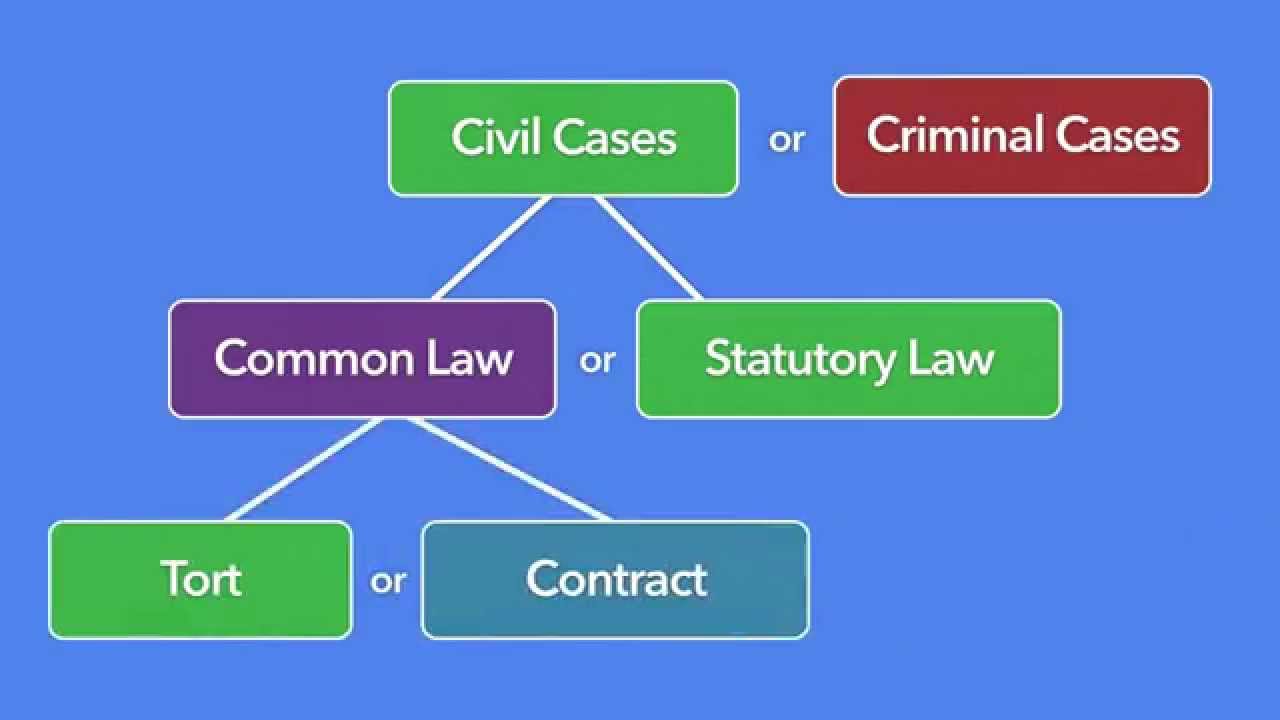
10:20
Understanding Torts: Civil Wrongs in Law | Episode 1.1
@centerforinnovationinlegal3204
755.6K views•2014-07-30
4:27
US Secondary Sanctions Impact on EU Businesses and Blocking Legislation
@Bureauvandijk
1.6K views•2019-03-20
5:27
Forensic Phonetics: Speaker Identification in Legal Cases
@nptel-nociitm9240
539 views•2025-03-19

24:42
Police Interrogation Tactics: False Confessions & Legal Reform
@LastWeekTonight
7M views•2022-04-18
Related Study Plans & Knowledge Roadmaps
Structured learning paths in Law
law
Self-Defense Law: Imminence & Castle Doctrine
01Foundations of Self-Defense Law
02Imminent Threat & Reasonable Belief
03The Principle of Proportionality
+ 3 more learning modules
12h6 modules
Explore Roadmap
law
Defamation Law: First Amendment & Actual Malice
01Introduction to civil torts and the First Amendment
02Elements of Defamation: Libel and Slander
03Public Figures vs. Private Individuals
+ 2 more learning modules
8h5 modules
Explore Roadmap
law
Hearsay Rule: Trial Evidence & Exceptions
01Introduction to Trial Evidence & Courtroom Basics
02Demystifying Hearsay: The Core Definition
03Non-Hearsay: Exclusions Under FRE 801(d)
+ 3 more learning modules
14h6 modules
Explore Roadmap
law
Medical Malpractice: Law, Liability & Care
01Foundations of Tort Law and Civil Liability
02The Four Elements of Medical Malpractice
03Defining and Proving the Standard of Care
+ 2 more learning modules
12h5 modules
Explore Roadmap