





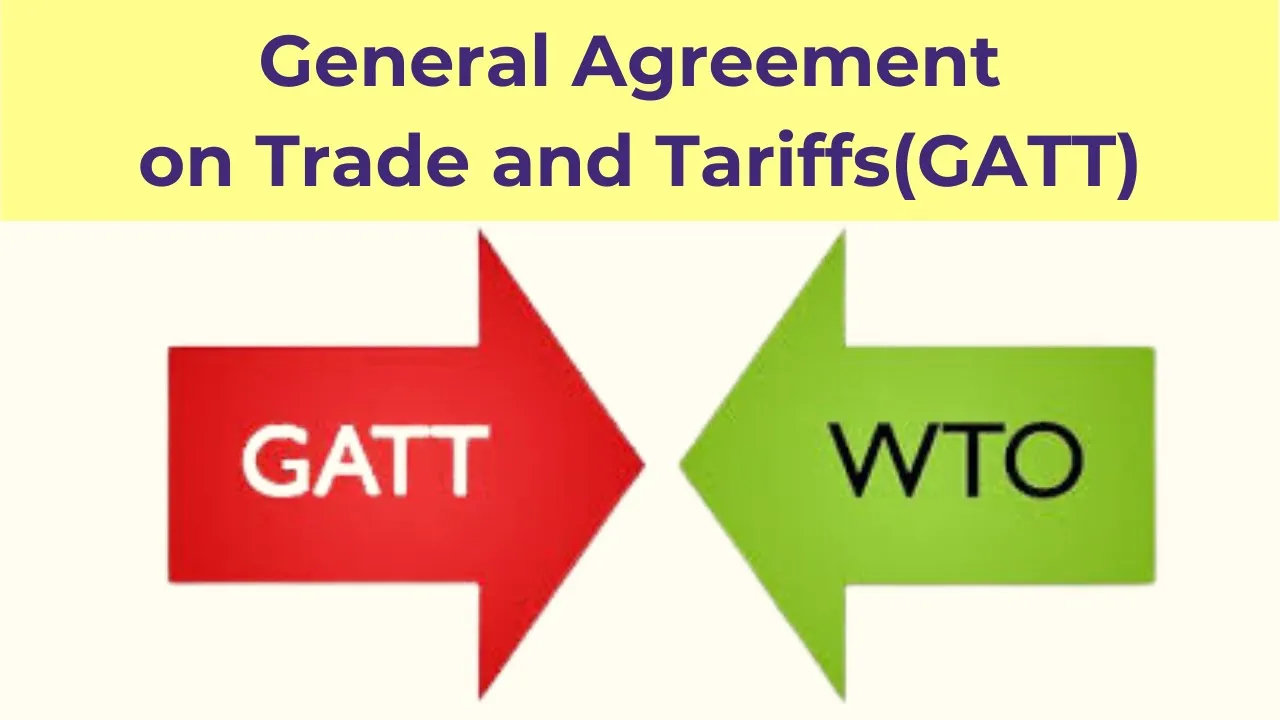















The WTO Dispute Settlement Body (DSB), established in 1994 through the Uruguay Round, represents a rule-based international adjudication system that evolved from GATT's predecessor framework. The DSB combines ad hoc panels with a permanent Appellate Body, operating on reverse consensus (negative consensus) rather than traditional consensus, which prevents any single member from blocking dispute resolution. The system maintains three types of claims—violation, non-violation, and situation complaints—while introducing strict timelines, appellate review, and eliminating unilateralism through Article 23.1. Panels objectively assess facts while the Appellate Body focuses on legal interpretation, with the standard of review requiring neither de novo nor total deference. The DSB provides security and predictability to the multilateral trading system, though debates persist regarding the relationship between WTO rules and broader public international law.
WTO Dispute Settlement Mechanism Explained | International Trade Law
Added:e [Music] hello everyone my name is ganjali Sharma I'm a graduate of Cambridge University having specialized in the field of international economic laws and dispute settlement I'm pure before you to present the module on dispute settlement mechanism at the World Trade Organization at the outset I would like to state that owing to the vast nature of this discourse the topic has been struck ctured into two sections the first part of the module would deal with the evolution and key features of the modern WTO dispute settlement mechanism including the dispute settlement body and the dispute settlement understanding the second module would then deal with the various remedies that exist under the WTO dispute settlement understanding to begin with I would first provide a brief overview of the dispute settlement mechanism and of the WTO and where it stands WI a other International tribunals and adjudicative bodies in the vast sea of in the vast sea of international tribunals including tribunals such as the international court of justice the international Tribunal for the law of C or International Convention on settlement of investment disputes the dispute settlement body of the WTO is fairly young as it owes its origin in as it as it ow its origin in the era of 1994 with the Uruguay round of negotiations being concluded however only in a few years of its operation it has emerged as one of the most enforceable and strongest of international dispute settlement adjudicating agency WI a its sister Tribunal there are several reasons that make the WTO dsb or the dispute settlement understanding which is the framework very unique in the structure of international adjudication the fact that the W dsq is premised on a rule-based organizational structure focusing on the predictability and sustainability of modern trade era it clearly sets itself apart from the traditional model of power and diplomacy and inequalities that were persistent during its predecessor organization which was Gat therefore the rule-based organization and its values provide great tooth inale to the functioning of the modern day dsb similarly the panels a combination of both panels which are ad hoc bodies and the existence of an appet body at the top of the panels which exist as a reviewing agency which is a permanent tribunal makes it a blend of both temporary and permanent further giving it itself a more structured and Method and meaningful fun manner of functioning having said that now we shall move to the second aspect of the presentation which deals with with the evolution of the modern modern day wto's dispute settlement body clearly the dispute settlement body which was born in 1994 Bears great historical linkages to its predecessor organization which was Gat and the working parties and thereafter the panels which functioned during the Gat era it would therefore be knife to say that WTO was was born only in 1994 as its foundations and core structures were late as as late as back as in the era of 1947 and the 1994 agreement only incorporates some new rules and procedures to further strengthen and elaborate the existing Gat framework the very linkage of the modern DS modern day DSP with its Gat with its gats instit ution is highlighted in article 3.1 of the dispute settlement understanding further we move to the core articles in the Gat 1947 agreement which laid foundations for the modern uh modern dsb the two articles to be mentioned here are articles 22 and 23 of Gat these articles set forth three types of claims that members may take forth before the tribunal in order to adjudicate them the three sets of claims include first the violation complaint a violation complaint is premised on the fact that certain benefits which were conferred upon the members have been nullified or impaired by the conduct of other members through a direct violation of the terms of the Gat agreement which is a literal violation of any of the core obligations of the Gat similarly there also lies window for non-violation complaints where members can challenge measures that do not violate the text of the Gat articles but in some manner cause nullification and injury to the other members similarly there's a third aspect of complaint which is also known as the situation complaint which however is sparingly used as it is a catchall provision and deals with any situation that may be presented before the dispute settlement body if it leads to nullification or impairment having laid out the three different forms of complaints that were prevalent before the Gat era we now see that the three sets of complaints also find a presence in the modern DSP for instance article 3.8 of the dispute settlement understanding makes a rebuttable presumption of nullification or impairment of trade benefits that may exist pursu to which direct complaints or violation complaints can be launched by the member states furthermore even before the modern day panels and appet body the three sets of claims as mentioned before remain admissible further it's important to note that the aims of the modern dispute settlement understanding are premised on the protection of negotiated balance of concession and benefits that were involved between the WTO members therefore the core value of the WTO the modern WTO is to protect these negotiated balances moving to the second aspect of comparison between Gat 1947 and the modern day panels we see that the modern day panels owe their existence and origin to the old Gat concept for instance in the Gat era as per article 23 Clause 2 there was a framework for working parties to exist now these working parties consisted of even the disputing parties who were in in the dispute uh before the working parties and they are they were the ones who made the decision now gradually in the 1950s the concept of working parties got replaced with panels panels comprised of experts and other and experts and other uh skilled people who would adjudicate the claim but not including members from the disputing party country therefore panels emerged as neutral adjudicating agencies WIA the working parties that existed before the concept of panel was further modified in the era of 1994 where panels today exist in the form of an ad hoc panels today exist through ad hoc basis uh where the selection happens through a list of roster where skilled skilled panelists are chosen for specific disputes we now move to the aspect of decision making and a comparison between the old and the new approach in the gold old cat era the decision making was premised through a process of consensus the process of consensus ensured that at two stages first being the process of establishment of panel and second being the adoption of a final panel report any party of any any party of the Gat era could block or veto that establishment of panel or any such adoption this was a major shortcoming of the Gat era which resulted in the lack of adoption and the and the wide bars of members especially the losing member in a dispute and its ability to block the reports which caused uh troubles in adjudication similarly o to this drawback several disputes especially politically sensitive trade disputes went nonadjudicated as members did not have the incentive to make claims for such disputes as the opposing party would inevitably block the establishment of panel or block the adoption of such reports this shortcoming further led to an Era of increasing unilateralism in the Gat era which is considered to be the biggest drawback of that era for instance countries such as the United States of America by virtue of their legislations for instance section 301 of the US trade act 1974 adjudicated and legislated upon claims unilaterally holding other members to be liable for certain breaches of trade violation or breaches of intellectual property claims such a method of both legislating and adjudicating upon the validity of a conduct of other members measure went unchecked in the old cat era a problem which persisted till the adoption of the new system in 1994 however despite the lack of enforcement and the problems in adjudication one would be surprised to note that the Gat system worked just satisfactorily even though members had the ability to block the establishment of panel or the final reports such AO power was not exercised at at every instance as members were also sensitive towards the long-term systemic interests that are involved in the the the trading of in in World Trade similarly there were incentives for then working parties which now had taken the shape of panelists to rule on legal merits of the claim rather than purely craft diplomatic solution solutions to the problem this novel in this novel incentive was further given tooth and nail in 1994 when modern day WTO especially the dispute settlement body was being uh introduced therefore we see that the background history and the positives and the negatives that existed in the Gat era did play a very vital role in the formulation of new rules of dispute settlement body in 1994 we now move to the different characteristics of the new system under the WTO adopted in 1994 first as opposed to the non as opposed to the consensus involved in creating panels panels today are Quasi automatically created and reports are even adopted as we have moved from the system of reverse consensus or negative consensus from the old system of consensus that existed in that era we shall revisit the topic of reverse consensus and its details in a few moments the second benefit and Innovative concept introduced by the modern day dispute settlement body is adherance to strict timelines of various stages of dispute settlement processes involved similarly today there is a possibility of an appellate review unlike the Gat era where the panel decisions were never appealed or rather did not have a mechanism of appeal today there are avenues for a reassessment on legal facts where the appet body in several instances has been able to complete the the analysis and findings of the panel and lead to proper adjudication of disputes last and most vital the modern day dispute element understanding has done away with the concept of unilateralism we must note the readings the the wordings of article 23.1 of the dispute settlement understanding that holds that WTO members must take course and abide by the rules and procedures of this understanding clearly their adherence to the rules and procedures established by dispute settlement understanding triumphs over any Act of unilateralism which could be resorted through legislations or other measures apart from the four advances and innovations that have just been described the WTO dispute settlement body has also been beneficial in several other aspects we shall take a brief look at a few provisions of the dispute settlement understanding and understand their Vitality in promoting fair and more efficient system of trade adjudication article 3.2 of the DSU recognizes dsp's role in providing security and predictability to the multilateral trading system it is the premise of this security and predictability that provides a fair standing to all countries including developing and least developed countries before before the system of international adjudication and by virtue of this value of dispute settlement understanding members are treated fairly in modern day trade adjudication second article 3.2 of the dispute settlement understanding also provides room for interpretation of Rights and obligations of members under the covered agreements which is the Gat agreement and its Allied agreements under the WTO by providing a Clarity to the existing Provisions by seeking the aid of customary rules of interpretation of public international law therefore it is very natural for both panels and appet body to refer to customary principles of international law especially the ones in the ram of treaty interpretation for example the Vienna convention on the law of treaties while they are interpreting the wague provisions of the WTO or providing a purposive interpretation whenever required last article 3.7 and 3.3 of of the dispute settlement understanding aim to secure a positive solution of the dispute along with prompt settlement overall combining all these features the modern day dispute settlement body has taken a great leap in adjudication of claims WIA its predecessor in the Gat era now moving to the next aspect of my presentation where I shall be highlighting upon the role of the panel and appet Body in settlement of international trade disputes first the panels are the panels are members who are members belonging to the non-disputing member states who are chosen to objectively assess facts presented before them and appet Body on the other hand is a permanent tribunal which comprises of Seven Persons with a tenure of four years each each whose role is to limit the analysis to the issues of Law and reinterpret if required the decisions of the panel having given a brief structure of the panels and the applet body which together comprise of an integral system of the dispute settlement body we now look at the core features of the wo adjudication as are exercised by the panels and the appol body first first the aim of the WTO adjudication is to provide access to WTO members it is important to note that the WTO system is a government to government mechanism which does not allow private parties to have a standing before the WTO either panel or appet body therefore even though trade disputes concern industry associations or private Traders It could only be invoked before the WTO if the claims are espoused by their member states who thereafter bring the claim before the organization second by virtue of article 23.1 of thisp dispute settlement understanding members are given compulsory adjudication compulsory jurisdiction to adjudicate claims with respect to those arising from within the word agreements of the WTO coming to the third aspect of applicable law even though there is a strict Mandate of exclusive jurisdiction of the WTO and appet body pertaining to trade related agreements there is no rule for applicable law that exists in the WTO that exists in the dispute settlement understanding since there is no restriction on the applicable law the only hint that we are given is by virtue of article 3.2 of the DSU which states that panel and and the appet body while adjudicating and ruling cannot add or diminish the obligations provided in the covered agreements therefore an apparent conflict is has evolved with respect to the status of public international law and its role as an applicable law before WTO these conflicts aggravate when disputes in the nature of trade concerns WI a their conflict with regional trade agreements or trade concerns Vis A their conflict with other health and environment obligations under public international law arise it is a topic of academic debate as to where this issue stands now however there are three broad opinions which the author would like to highlight before the audience today the first is the opinion that the Universe of relevant public international law did not die with the emergence of WTO in 1994 and with decisions such as us gasoline which have stated that Gat does not exist in clinical isolation it is quite natural that these rules of public international law must interplay with the WTO system even though WTO adjudication is limited strictly to its covered agreements the second opposite spectrum of this debate were Scholars such as uh pin opine that it is very vital for public international law aspects to public international law issues to become applicable defenses with when such disputes arise before the member states somewhere the other view which also emerges is the fact that the WTO that wto's exclusive jurisdictional mandate is very limited and by virtue of a broader set of applicable law disputes cannot be adjudicated which are outside the purview of uh the WTO covered agreements however other Scholars also opine that apart from just being a defense in case there is an apparent conflict between a WTO Rule and a public international law rule which is apparently colliding with WTO by virtue of article 3.2 and article 19.2 of the dispute settlement understanding the WTO rules must Triumph amids This sea of controversy and experts and opinions provided by different Scholars I could would say that there is no reasonable solution that have been provided to this academic debate Now we move on to the last uh aspect of adjudication which is standard of review article 11 of the dispute settlement understanding deals with a standard of review principle where panels and appet body are to make objective assessment of facts of the case and its application and confirmity with the relevant trade agreements uh decisions such as the EC hormones have highlighted that the level of standard of review is neither D noo not total reference but must stick to objective assessment of facts the issue of standard of review becomes even more relevant when one looks at the specialized standard of review Clauses in other WTO agreements for instance article 17.6 of the anti-dumping agreement which has its separate stand standard of review Clause a question arises whether such a clause would complement or collide with the general rule of article 11 of dispute settlement understanding though no satisfactory answer to this debate has so far been provided panelists have interpreted the nature and scope of article 17.6 of the anti-dumping agreement to mention that panels an appet body could only involve itself in independent fact finding and look into facts in an unbiased and objective manner notwithstanding any level of denovo or deference which should be provided Now we move to the interesting aspect of reverse consensus which I highlighted in the initial part of the discussion reverse consensus means nothing but a negative form of consensus where for a decision to be blocked every member including the member that has proposed for such a measure has to say no for it to be blocked this is in contrast to the earlier Gat era where a particular no by any member could block the entire proceeding or any claim that is presented therefore in order to make dispute settlement body a more predictable a more fair and an objective mechanism the concept of reverse con ensus finds this its place in the dispute settlement understanding I would now touch upon two relevant aspects of controversies that arise from the dispute settlement understanding the first dealing with Locus standy and second dealing with Amicus Fury briefs first the concept of locus standy has been clarified to a great extent in the EC bananas three dispute according to the WTO there is no need for a country to have legal interest in a particular claim and even based on hypothetical claims for instance in this case even though us did not export even a single bananas to uh the Europe the the European Union it was still able to raise a claim before the dispute settlement Body by virtue of a hypothetical trade interest now having said that this issue is now resurfacing in modern disputes before the DSP such as the Australian cigarettes plan packaging case if we look at the features of the complainants which are Honduras Ukraine none of these countries have a major standing in the export or import uh into the Australian Market however it is being alleged that due to the pressure of corporate Giants such as Philip Murray and other cigarette companies that are involved in espousing against Australia's claims such countries are being used as pawns to raise claims where they absolutely have no legal interest therefore the concept of locus standi which though is very flexible may lead to certain inherent bias or problems in the adjudication of international disputes now dealing with the last aspect of my presentation which pertains to Amicus C briefs it is agreed that there is no direct legal access provided to nonmembers before the WTO however under the appet body case laws and panel reports there have been few instances where individuals companies and organizations have have commonly referred themselves as Amicus Cur or friends of a court and have been involved uh before the claims that have been presented for instance two relevant cases which deal with the statement of Amicus Cur briefs include first the famous US shrimp Turtle case which involved Amicus Cur by an NGO dealing with environmental standards that should that should have been presented before the panels for adjudication of the claim now in turn the appet body considered that the the intervention by Amicus cure a part of government submission and thus held it not to be enforceable as a separate Amicus cury however in the Salman's dispute panels accepted uh an amicus Cur brief and allowed uh such parties to proceed for adjudication having said that I would now like to sum up and conclude that the first first part of my presentation in dispute settlement mechanism has dealt with the core features of the modern dispute settlement body and has presented a comparative and evolutionary framework Visa its predecessor organization under the Gat era I have also touched upon various aspects of adjudication and the nature and scope of uh the role performed by panels and appid body along with a few emerging controversial issues such as the locus standi and Amicus cure thank you
Up Next

WTO Dispute Settlement Reform: Post-MC12 Insights with Jonathan Fried
@friendsofmultilateralismgr4571
101 views•2022-06-24

US Secondary Sanctions Impact on EU Businesses and Blocking Legislation
@Bureauvandijk
1.6K views•2019-03-20

Enforcing WTO Dispute Rulings: Remedies & Retaliation
@Vidyamitra
1.7K views•2015-12-28

Police Interrogation Tactics: False Confessions & Legal Reform
@LastWeekTonight
7M views•2022-04-18
Related Study Plans & Knowledge Roadmaps
Structured learning paths in Law