














The MC12 outcome document's Paragraph 4 acknowledges challenges in the WTO dispute settlement system, including the Appellate Body crisis, and commits to discussions aimed at establishing a fully functioning system accessible to all members by 2024. The system faces multiple interconnected issues: the standard of review for panels in trade remedy cases, the 'zeroing' methodology in anti-dumping calculations, and the issue of judicial economy. The fundamental challenge lies in the system's architecture, which lacks an independent judiciary—decisions require membership adoption rather than automatic enforcement. The consultation phase has evolved from genuine negotiation toward litigation preparation, undermining the system's original purpose of achieving mutually agreed solutions. Reform requires addressing both technical issues (Appellate Body appointments, panel procedures, transparency) and political dimensions, with the US and other key members needing to articulate their positions while engaging broader membership participation to ensure legitimacy and inclusiveness.
WTO Dispute Settlement Reform: Post-MC12 Insights with Jonathan Fried
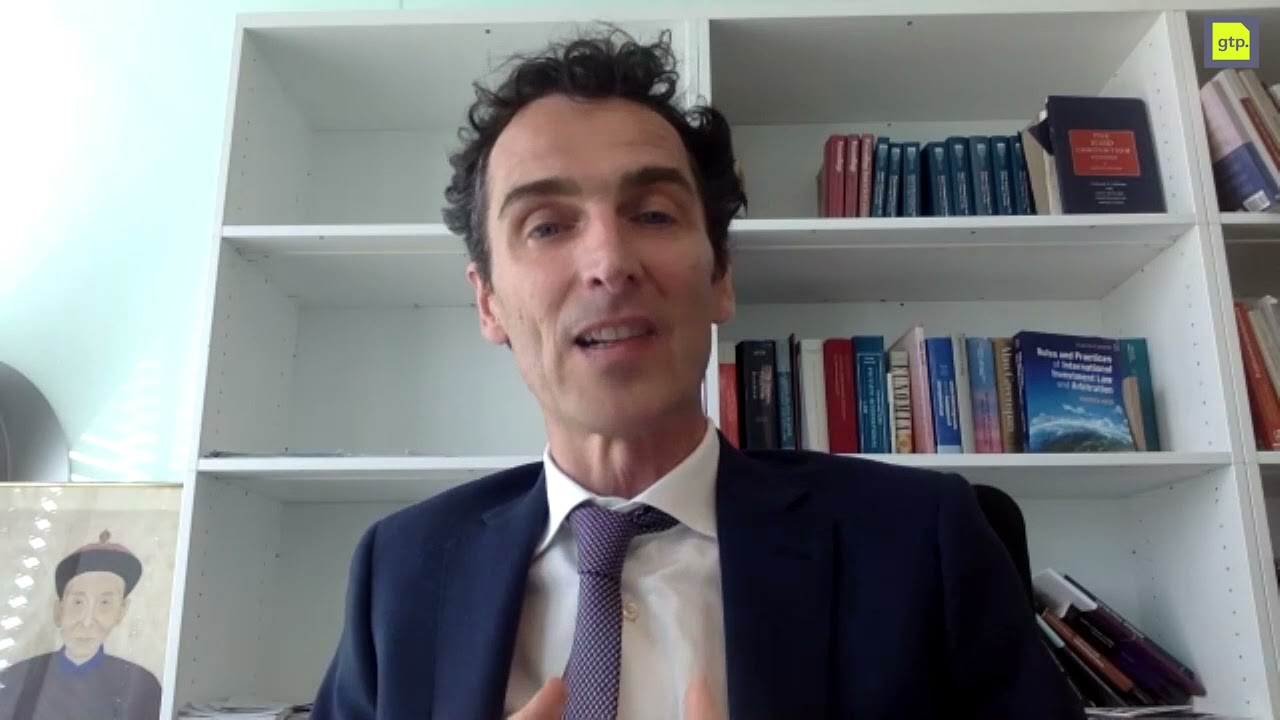
Added:uh hello to everyone and thank you for uh coming to this uh friends of multilateralism group fmg uh interview theory uh mc12 and beyond and my name is giancon lou i'm the ceo of fmg and today we have the pleasure to have our fellow fmg member uh jonathan with us and he is a former ambassador of canada to lead up to he was also the chair of dispute settlement and as well as the chair of general counsel and uh so today we're going to focus on one key issue uh uh of the w2 mc12 uh the the uh paragraph three of the dispute settlement so johnson uh thanks for being with us the first thing is that the the if you will look at it carefully the uh no article uh is paragraph four actually uh on the disputed statement uh for me there are three key points the first thing is that uh acknowledgement of the challenges and concerns related to dispute settlement including our appellate body the second thing recognition of the importance and the urgency of addressing these challenges and concerns and last point more interestingly a commitment to conducting discussions and with a view to having a fully and a well-functioning disputed settlement system uh accepts accessible to all members by 2024 so there's a deadline here so so this is a short paragraph but with a lot of things substance there so my first question to you what's your evaluation of this counter come and how how important it is for the dispute settlement system and also the upper body crisis well lou first of all thanks for having me it's a privilege uh to be participating in fmg among so many other experts and uh no doubt collectively uh the views will be much wiser than me alone so i look forward to other interviews and other discussions uh on the subject look i think it's important to put this paragraph on dispute settlement in the context of the overall results and of course there are many opinions on on the outcome of mc12 i think it's fair to say that they're probably all correct in the sense that some would say the results are are very modest that some of these hoped for outcomes were watered down and thus the wto is still failing to meet the challenges of the 21st century there are others who say this is remarkable in a time of heightened tensions and differences between east and west and north and south that a consensus was still able to be had on subjects of very immediate importance trade and health uh trade in the environment as reflected in in the fisheries agreement and so on i guess i would say run the counter factual as our economist colleagues would love to say um the wto was frankly in intensive care and at the risks of dying and uh the doctors of the stakeholders and shareholders of the international community have saved the life of the wto uh to live another day but to be frank i think the wto to carry on the medical analogy may still be in in critical condition uh and that means it requires continued care and attention uh to bring further health and vibrancy to the organization so despite some of these immediate results and we can touch on some of the other areas uh the real test will be uh the earnestness and sincerity with which the membership carries forward some of the promises for further discussion and there uh no doubt due to the existences of timing and uh the challenges of the politics surrounding the discussions uh the mechanisms for carrying those discussions are not very clear in effect everything was handed back to the general counsel uh ministerial oversight only occurs in formal fashion at the next ministerial so key will be not only what discussions unfold in geneva but the care and attention as i said earlier that will be given to the wto and its future health by capitals and by ministers between now and uh the next ministerial and that's particularly true uh on uh on dispute settlement so that's my overall context the issues that have plagued the dispute settlement system have been accumulating over many years and in various dimensions let's not forget that there had been for well close to 20 years uh a dispute settlement body in special session as it's called a negotiating group to update the dispute settlement understanding uh and it was bogged down year after year as they began to look at each of these various dimensions and to try and sort out whether there was a consensus for further refinement and further reform and no agreement was reached so hidden in this general paragraph lies a host of issues many of long standing uh while the media and much of the public attention is on uh the fact that the appellate body has ceased to function well before the dispute uh the appellate body issue you have a range of issues uh that plague the panel process and the decision-making process and let me just illustrate uh a few uh what is the standard of review for panels in reviewing the administration and application of domestic law that is meant to implement wto obligations that's particularly pronounced in trade remedy cases in anti-dumping and even more specifically the specific issue known as zeroing in terms of the methodology used in calculating whether dumping has occurred and what the margin of dumping might be the issue of judicial economy as the lawyers like to call it whether panels and the appellate body should be exercising judicial restraint in terms of deciding only the case before it or in the interests of certainty and predictability providing their best view on what this may mean on future similar cases in a system that explicitly is not designed to have a binding precedent as another issue for example um so all of which is to say the discussions that need to unfold even on a technical basis will be complex will be multifaceted and again because of the interest at stake will necessarily need to involve uh capital-based officials uh as well as uh geneva officials more fundamental the real underlying issue and it's hidden i think in paragraph four is what is the nature of the dispute settlement system and i here i put emphasis on the word system and let me just take one or two more minutes to look at the architecture of the marrakech agreements recall and the previous u.s administration was fond of reminding us that under the gap uh so-called working parties of the contracting parties uh were there to uh offer in effect almost a conciliator's view here's our best advice here's uh the considerations that should motivate the parties to find a mutually agreed um and of course any such decision of that dispute settlement process could be uh vetoed uh by one party uh coming out of the uruguay round that was turned on its head uh faced with the threat of unilateralism particularly by the united states under its domestic 301 procedure that with a timetable of one year said if they're not satisfied they will take uh reserve the right to take unilateral action a dispute settlement procedure was designed ostensibly to take place within that same one-year period to reach a decision that would be therefore multilateral in nature rather than unilateral in nature and that decision would hold unless there was a consensus not to accept the decision so the unilateral veto was turned on its head but at the end of the day the negotiators of the uruguay round and the wto agreements did not create in technical terms an independent judiciary um so people use the analogy of an executive and legislative and judicial branch that's not quite what the wto is any decision of a panel and ultimately the appellate body has no standing whatsoever unless and until the membership itself adopts it and thus the final authority of what the jurist prudence and rulings would be is not an appellate body not a panel but the membership and to some extent the membership itself collectively has abdicated its responsibility to take its own serious look of as to whether it agrees or disagrees in whole or in part with one or more decisions of panels and appellate bodies i tried during my chairmanship of the dispute settlement body to nurture and invite more meaningful discussion at the dsb regarding the members own assessments of panel reports and appellate body reports i admit to not having succeeded very much in nurturing that let me go to the other extreme which is the start of the process and here uh i think we've uh collectively not paid enough attention to this as i said a few minutes ago the ultimate goal of a dispute settlement system is to settle the dispute a mutually agreed dispute in domestic law a lawyer is not only successful by winning court cases but by staying out of court and negotiating uh a settlement and thus you have built into the system uh a first stage which says if you've got a difference the first thing to do aside from the notifications and discussions in normal committee process or in special processes such as special trade concerns in sps and so on is to consult and that in its original intent was meant to be a genuine effort to sit down as negotiators rather than as litigators to sort out whether there are areas of agreement potential compromise and so on to reach a solution unfortunately what has evolved is the legalization of that stage to the point where consultations are used more to restate positions to uh discover weaknesses or further details of the opposite side's case and to prepare for litigation so we collectively need to explore and i think this is part of what's intended in paragraph four uh more meaningfully the start of the process too how to nurture even before ending up in a panel or an appellate level uh how we can better foster the possibility of mutually agreed uh outcomes in the middle you have the process itself and there's a host of issues there um the volumes of pleadings for example the nature of the hearing process the role of third parties the transparency of the process um and whether outside views beyond governments can be accepted into the process um the role of general international law and of other treaties for example environmental obligations uh health obligations and so on that need to be factored in so at each stage in the process consultation the litigation process itself and the determination of the legitimacy and accuracy of the outcome from these quasi-judicial bodies are all at issue so uh going back to where i started if the proof is in the pudding and we can't give a thumbs up or thumbs down to mc12 overall until we see what the follow-up looks like i do hope that discussions uh on the dispute settlement system are comprehensive aren't unduly focused solely on the appellate body alone and do look at it as a system final word and i know i've talked for too long the appellate body itself the appointments process uh the question of a renewal renewable term versus one longer term uh for example uh the criteria to be applied if there is to be a renewal uh and so on uh all have uh been issues along the way as well so a very full uh agenda uh there is a notional deadline but let's face it in many areas wto negotiators have failed to reach agreement within deadlines i'm old enough to have been a participant in the montreal ministerial meeting of [Music] 1986 was it and that was labeled a mid-term review uh of the uruguay round um and obviously it took sev 1988 start and that was two years after the launch because it was supposed to take four years well it took an additional three so that deadline was not reached and several others along the way missed as well so 2024 uh always good to have a deadline it will spur some work that doesn't guarantee success within that period thank you very much jonathan and to take up on your last point the the the the thing is that as you say the workaround failed is midterm deadline but the good thing at that moment is that in a few years later they managed to finish it around and especially them too so this time we have 2024 ahead of us maybe we could miss it but if we could at least establish a kind of dialogue to instead to discuss both at a technical level and also the political level as you have described we leading to some foundation even for something beyond 2024 would already be not to be a bad thing i just hope they could deliver on that but one thing on this that's a technical level all these things you have to mention about apple body itself about her hearings about third party everything more or less through the daily work process a lot of things ideas were put on the table to do for the u.s to consider and then uh a technical level there were also some discussions but members still remain curious about what is the purpose of of the us as you said uh some members put it some experts put it bluntly do they really want to go back to the gut system as you have said that kind of kind of unilateral video could could could kill any uh judgment but all the other thing is that you just need to re-establish a better system that you could still bring the binding dispute set up system including the apollo body into the function so those are the things people are still asking so with this what do you think about the way forward i mean the way forward means that how do we carry forward both these two levels of discussion political level and technical level how could we bring them together uh connect them together and so as to have understand the purpose of the us and concerns of others and then to bring us forward what was your view for the future um well far be it from old people like me to pontificate uh to the current uh very expert crowd responsible but there's an old saying in english of course he who doesn't read history is doomed to repeat it and the very first step is to accumulate the facts and thus while there's reams of material both from government sources and negotiators and a number of very erudite outside scholars and observers if there are some way of expeditiously consolidating and synthesizing the ideas as you said that have been on the table and that have been explored so as to be aware not only of what the issues have been but what's been tried and is unlikely to succeed what's been tabled but not fully explored so that you build from a base rather than starting with a blank piece of paper to give one illustration during my time which is now almost uh almost 10 years old um at the wto because of the impasse that was already emerging then and some of the frustrations about litigation canada and a number of other like-minded countries initiated discussions on what we called at that time practice notes that those users of the system who have experienced good and bad things about the process might and the wto rules allowed for this have a menu of options from which to choose to apply to their particular case so the disputing parties might readily agree based on a practice note that would sort out the details in advance that we agree our procedure will be transparent and we'll be open or we might agree to file our pleadings concurrently rather than in sequence or we might agree to page limits uh so as not to overly uh legalize the process uh and it attracted a good deal of interest and attention it didn't quite uh take hold but that remains an option similarly and most recently and although i pleaded ten years ago for this to happen it only occurred recently take the philippines versus thailand on customs uh tariff applying to tobacco a long standing dispute two neighbors in the asean region and ultimately finally through uh the good offices of the australian current australian ambassador they agreed to use the good offices procedure uh set out in uh the wto as an option along the way further to consultations to reach a mutually agreed uh solution um so there's another example of recent and past practice that can help inform how to shape some of the reforms going forward might you explore in that example a more affirmative obligation to explore good offices and other alternate dispute settlement options before racing uh to the door of the panel process whether it's the director general exercising good offices or a friendly ambassador such as australia did in this case uh are are good examples so step one it seems to me is to accumulate uh the corpus of experience and analysis including the records of the dsb in in special session uh step two as i said earlier if the entire framework of the mc12 outcome document is it all goes to the general counsel and remember that if i can put it this way constitutionally the dsb is an emanation of the general counsel so does the dsb take ownership do you need to recreate a dsb in special session as a negotiating table you inevitably will have caucuses you and i both have similar information that the united states has begun some small group discussions there will be friends of the system as there have been frequent users of the system the developing countries have long had a view that the system by uh over legalizing and by engaging expensive council is prejudicial to their interests uh the advisory center on wto law may have views to offer so what kind of stakeholder consultations might also be engaged former appellate body members there's a huge community of experienced panelists around the world and of course many many uh scholars both of law and wto uh policy from around the world as well and we should not blind ourselves to their input and analysis along [Music] along the way i assume that would be assisted since it is in the outcome document by the directorate for legal affairs and john adank as general counsel uh to serve the members in uh gathering uh this and then the missing piece of all of that even if it's geneva centric not to repeat the point too many times is how do you engage the capital-based people uh in that pro in that process then it's really up to uh the dsb or the dsp and special session to see if there's a chair to see if you can disaggregate some of the issues have dedicated tables on subsets one group might be a working party specifically focused on the appellate body issues one on uh uh the panel process one on the consultation stage and lest we forget and i take this from catherine ty's uh uh very enlightening uh interview um to look at the systemic issues the consultation phase how to nurture a system that points to uh outcomes so there are ways of organizing i would simply say gratuitously it should be methodical it should build on the record and disaggregate rather than trying to talk about everything at once all at the same uh table yeah thank you jonathan i also heard that the u.s delegation on the construction under the instruction by catherine ty has studied small group uh process discussion with other members which is of course a good sign and i heard also even smuggler but this is also quite include the let's say the major players including the big ones but also small ones who are very much attached to the dispute settlement system i also like one point which is related to this geneva process is that you do need to engage capital-based officials because as you described earlier many things behind this are more political and relate to domestic system and related to domestic politics so that's a very key point but the other thing i want to say uh ask you about because how do we relate to this to the broader context of the wto function the doctor reform because the same interview you have said by catherine thai she tried to allude this to the broader context much bigger vision not only applied body as related to the whole dispute settlement system but also they hold the dispute settlement system to other key functions like a negotiation like in her words the larger vision for reinvigorating the deputy so i think that's also a key point point we should not lose sight of probably you could also elaborate a little bit on that and share us your views thank you well as usual lou you and i vigorously agree uh and look uh it's a bit of a conundrum because i think catherine thai uh is accurate in saying dispute settlement is and has to be placed in context you don't design a dispute settlement system unless you know what it is you're trying to settle disputes about so um in union uh employer relations it had long been settled but fitting the circumstances that tripartite arbitration with the labor and the management and an independent representative was the way to go and that suits those circumstances well what is it you're trying to settle disputes about um and we know that we have a system that's designed to cover a range of issues sometimes with specialized expertise there are some rules sometimes disputed about whether panelists can bring in experts of their own accord or as requested by experts as we requested by the parties for example on science uh or other technical aspects so you have to be aware of what it is you're trying to do i take as a given and catherine and i have said this as well the ultimate goal is to borrow from peace and security terms the peaceful settlement of disputes or in wto terms a mutually acceptable mutually agreed solution that takes you back to looking at how to reinvigorate the consultation phase and how to tie that to whether the committee system the notification system even the trade policy review is doing its job in clearing the air and highlighting well in advance of the potential adversarial dispute that there's a real difference of views that's percolating and that early attention may avoid more serious differences so that takes you back to the general council and it's 13 different or now 14 different uh committees and whether the notification procedures are honored too much in their breach and whether they've become too complex and whether they're way out of date in terms of the responsiveness of members and providing timely notifications and so on so to some extent even a dedicated work program on paragraph four needs to be tied into how the membership is looking at improving the existing functioning uh of the wto uh at the front end um at the back end um again you want to ensure that there's a common understanding as to the status and stature of a panel or an appellate body report ultimately it's there for the settlement of that dispute some scholars have said the appellate body was noble in its intention in its early years by offering volunteering views beyond the case as sort of advanced guidance because nobody knew what these new wto rules meant now the prevailing view is stick to your knitting stick to the case and don't volunteer in a civil law tradition too much doctrine uh for uh the future um so uh i think uh i respect katherine ty's urging that we be explicit and conscious conscious of the context at the front end and at the back end as well and in that context as i said good offices as an example uh article 25 a general arbitration provision that is yet another option you need to look at all the flexibilities that are built in and how to support more creative thinking buy capitals even though there's no doubt domestic stakeholder pressure that you've got to fight to finish you've got to raise every conceivable argument whether it has merit or not or else you're not adequately defending us to say no ultimately what we want is certainty and predictability without constantly being caught up in litigation uh on how trade should work footnote may maybe trade remedies deserve special and unique attention and maybe that's another sub table to be had because as i said earlier dumping cases uh in particular and some subsidies cases and the standard of review and the complexity of domestic law that's being applied have uh have uh been of particular concern uh to a certain uh number of uh members what i don't think you can afford to do is to say well the wto agreements read well it talks about consultation it talks about good offices it's all there well we're not making it happen we're not following through on the language so are there ways to make this an operational reality uh so we come back to the notion that with capital-based participation as well the discussion needs to be a mix of law and policy in following through on paragraph four yeah thanks jonathan uh the the things process about consultations tpr and also various consoles and committees including notifications and also previously about good offices arbitration on this is more like what we call it soft power of the system some committees or councils do well like we discussed at the tp dsp so they resolved many things before the the the the case were brought anywhere into the judicial system but there are some others which are not there yet so that's we what we need to build upon uh about the the case uh the status of panel and uh available reports especially about the the panelists or the affluent body members going beyond what they were supposed to do this is of course one of the major concerns of the us and that's also why i think katherine tyson related this is to broader negotiating function that you cannot how to say get something you cannot get out of the negotiation so i think those are the nuisance new instances behind this the final point of what you said is about the trend remedies i think you are talking about the zeroing and that's which is becoming very political so that's also on the table but this has to be in the whole big plate with many other things together so he cannot resolve zeroing by resolving the dispute itself yeah but here's here's the conundrum and it's with all respect to catherine time and that is it's fine as far as it goes to say we need to put things into context we need to better understand the system overall you neither you or i are privy to this small group set of discussions that's begun so i don't know what's being said on the inside but for the general membership i think it's fair to say that the united states is yet to articulate in any form any more specifics of their thinking in this context and as a key player [Music] we need to hear that and understand that and please have been made over the last several years and the last couple of years in particular for the us just to say in more positive terms here's what we'd like to see and here's some examples rather than just saying no or now oh well let's talk about it right and in effect the cynic would say that's all you have in paragraph four and it's an agreement to talk yeah so so which which means that be it the the small group process initiated by the u.s or the big process under article 4 of the outcome document should be more like more or less a kind of a two-way interaction so that members will bring their concerns and the u.s should also try to provide more articulate as you say to their consensus but also potential options to resolve this i think that's the thing well and overall the outcome document emphasizes inclusiveness and transparency if you do too much in a small group too much in a green room and not engage in a meaningful way the views of the membership more broadly you're inviting trouble uh later on so uh yes is the short answer in terms of people coming forward uh with ideas and that includes the united states china india and just about anybody else who's got experience in the system yeah that's a key legitimacy if you're anything a small group or informal process enhance efficiency but you need to legalize it by bringing it to the more inclusive for transparent process like informal house or the general council meeting so on and so forth that others could also participate and and build up their ownership on that so uh maybe one final thing is that of course we have a process now ahead with that deadline 2024 which is diet data but at least it's a it's a good start and also as we said we have informal consultation is also going on but uh looking ahead a bit to the formal process informal one what would be your last message uh to to the members uh uh from from from you as an expert or from us as a civil society group and the last message to them so as they could deliver and they really bring back this dispute settlement system and make sure that this chrome this drawer of the quran would continue to shine yeah please well i go back to where we started and that is while there's a natural uh tendency to be self-congratulatory that there's more than meets the eye that this actually has been in mc12 a great success as i said i think we're still at a very critical uh stage for the future of a multilateral framework as opposed to a framework that becomes fragmented through the various plurilateral uh and other agreements which should be complementary rather than a replacement and what that means is you can't sit on your laurels and then say ah it's already june and it'll take well into the fall to regroup after summer holidays which are traditional in europe and then soon enough you're into the annual rotation of chairmanships so you run the risk of almost losing a year uh up to a year before you actually get organized so if it is as fragile and if we are still in critical condition and if the future is still potentially impacted by geopolitics by war by uh competition over technology and forms of uh economic organization and so on we can't afford just to sit back we should take a workmanlike methodical but early start to the follow-up work uh that's required and that's not the responsibility of the director general that's the responsibility of the members so a good deal rests in capitals uh to keep things moving is my simple advice yeah thanks a lot and uh to to conclude with that the the paragraph four digit has a word of urgency so i think that's the members who have agreed to the to it to really mean it and by not losing any time ahead of yeah but sorry to interrupt but recall that as early as 2016 in the g20 yeah uh they said the wto is falling short and that was agreed by china and the united states and every other g20 member including india and it is it is an urgent matter uh to address so here's the world's leadership saying that you know six years ago that it was urgent so nice to see it reiterated let's let's hope that it's acted on more urgently yeah let's continue to ring that bell and hope for the best also okay with that i will conclude this session interview and also i thank you very much jonathan for being with us and sharing so many interesting insights but also thank the audience for bearing with us and and we look forward next time we'll go deeper of course with a broader panel and then to discuss all these things so thank you very much and to see you an honor as i said at the outset thank you
Up Next
WTO Dispute Settlement: Panel Proceedings Explained | IP Law
@IITKharagpurJuly-is9ie
406 views•2024-04-05
US Secondary Sanctions Impact on EU Businesses and Blocking Legislation
@Bureauvandijk
1.6K views•2019-03-20
Forensic Phonetics: Speaker Identification in Legal Cases
@nptel-nociitm9240
539 views•2025-03-19

Police Interrogation Tactics: False Confessions & Legal Reform
@LastWeekTonight
7M views•2022-04-18
Related Study Plans & Knowledge Roadmaps
Structured learning paths in Law