
















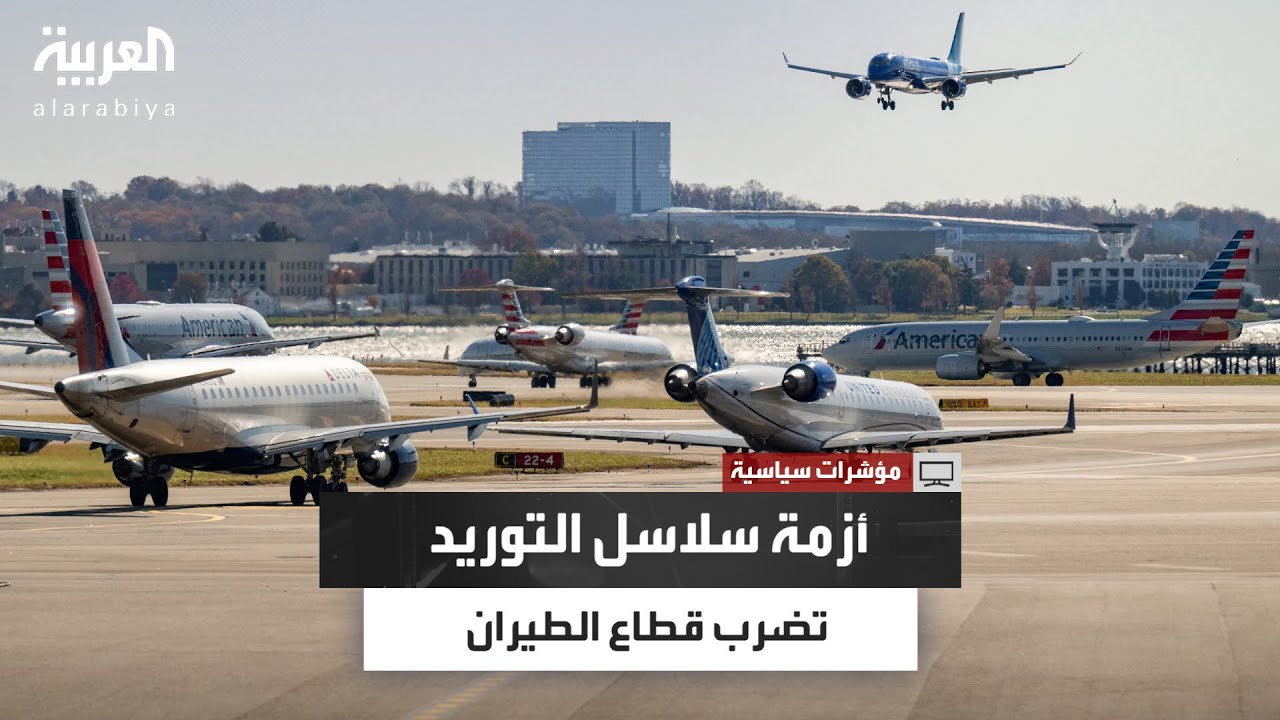




The 17-year trade war between the EU and US over civil aviation subsidies ended when both sides agreed to remove tariffs on agricultural and industrial goods for five years, driven by the pandemic's devastating impact on the aviation industry and the shared threat from China's emerging aircraft manufacturer COMAC, which produces the C919 aircraft competing with Airbus and Boeing.
Airbus Boeing Trade War: How EU US Resolved 17-Year Dispute
Added:Understanding the role and dispute resolution mechanisms of the World Trade Organization (WTO).
The concept of trade subsidies, government state aid, and how they distort international market competition.
The economic definition and dynamics of a duopoly, specifically within capital-intensive global industries.
Basic knowledge of trade barriers, including retaliatory tariffs and their macroeconomic impacts on unrelated sectors.
The emergence of China's COMAC (Commercial Aircraft Corporation of China) and its potential to disrupt the Western aviation duopoly.
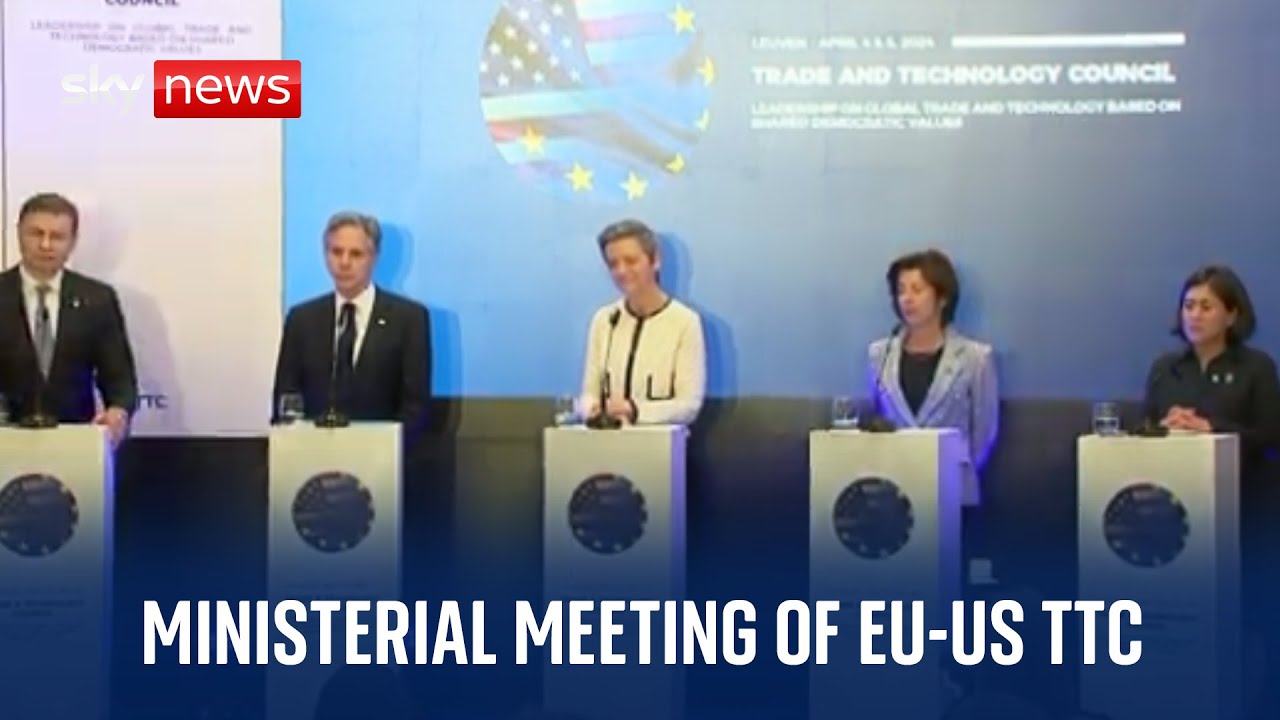
Analysis of the US-EU Trade and Technology Council (TTC) and collaborative strategies to counter non-market economic practices.
The economic impact of the COVID-19 pandemic on global aerospace supply chains and commercial airline demands.
The transition of aviation competition from subsidy-driven production capacity to sustainable aviation fuels (SAF) and green aerospace technologies.
95.1K views3.8Klikes8:55Original Release: 2021-06-19
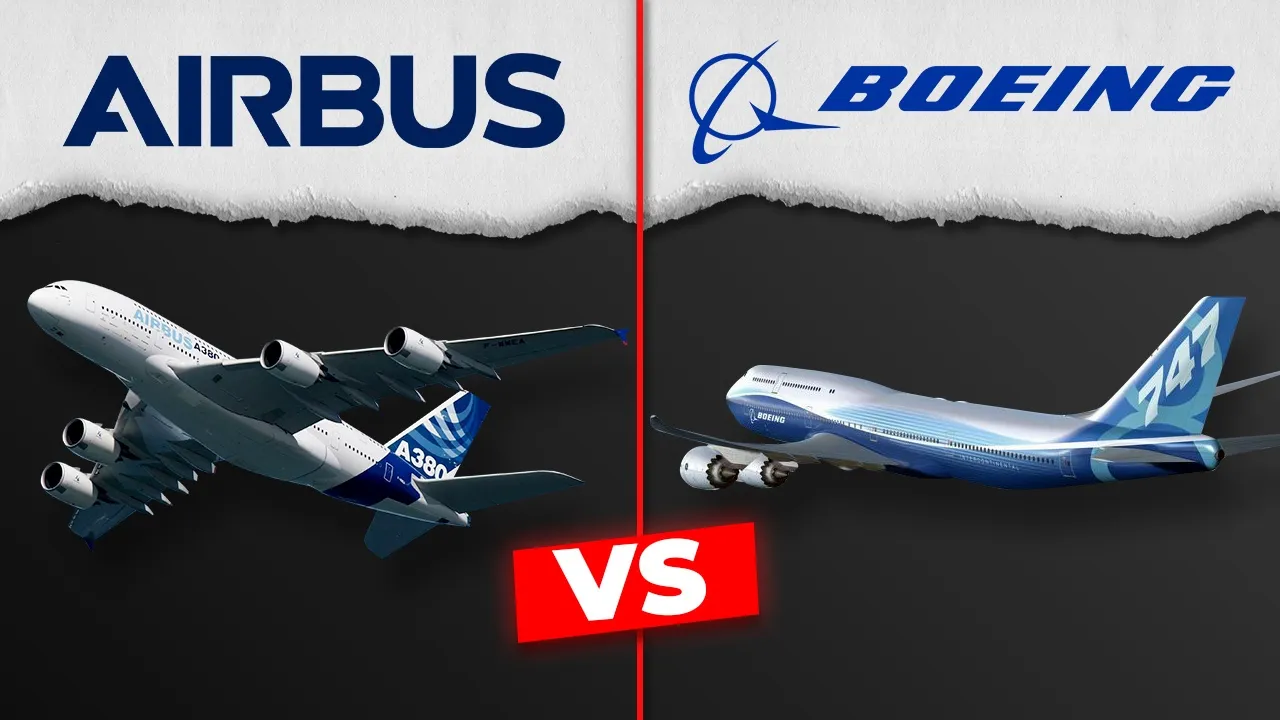
[Music] hello and welcome to another tl dr eu video if someone were to ask you to name two big aircraft manufacturers you probably come up with boeing and airbus together the two companies have an immense market share with airlines turning to them time after time after time in other words they're a duopoly but this isn't like any ordinary duopoly airbus and boeing are ultimately backed heavily by national governments boeing is a proudly american firm an airbus a proudly european one which has invariably meant that disputes between the two are prone to arise well we say disputes but it's actually been one single dispute that 17 years in the making so in this video we're going to take a look at why this dispute has been running for so so long what's changed in recent days and what the future could hold for the eu-us jet war let's rewind and try and explain how we got to this point before the dispute even began in 1992 the us and eu had a bilateral agreement in place to allow for governmental support when it came to large civil aircraft under the terms of the agreement airbus will be allowed to receive up to a third of its development costs as a loan with boeing permitted to receive direct grants up to the value of three percent of the american civil aviation industry turnover an agreement so far so good right in 2004 however airbus began to become a much much bigger force in the aircraft industry with deliveries beginning to overtake its american rival seeing such astronomical growth boeing asked the u.s to withdraw from the agreement and file a complaint with the world trade organization and that's because both boeing and the united states argued that airbus or more specifically the country's hosting airbus back then the uk france germany and spain were in breach of the world trade organization's rules on subsidies due to the support the airbus was receiving from the countries the us claimed that some 22 billion dollars of illegal subsidies have been dispensed to airbus resulting in an economic benefit to the tune of 200 billion dollars the eu on behalf of the host countries and not wanting to be outdone on the very same day launched a counter claim challenging 23 billion dollars of support given to boeing the eu alleged that through both state tax breaks and de facto state aid through large defense contracts given to it by the us they were breaking wto rules to the tune of 23 billion us dollars it took several years for the wto to delve into the case before a panel and then a pellet body both found in 2011 that the loans provided by the host countries were not prohibited under wto rules and would only count as a subsidy if they were offered more favorable terms than what was offered on the private market when it came to interest rates the wto did however rule that some aspects of the support were actionable in turn the wto ordered the eu to withdraw the remaining subsidies or removed the effects of the subsidies some moves were made by the eu side to comply with the rulings but the u.s formally requested that they be given leave to apply counter measures due to non-compliance in certain areas the wto agreed to boeing's request permitting the u.s to levy some 7.5 billion dollars of tariffs on an annual basis when it came to the eu and airbus's counter claim the wto agreed that the 787 would not have been possible in the absence of illegal subsidies and that the situation risked putting airbus at a significant disadvantage again the wto ordered boeing and the us to rectify the situation either by withdrawing the subsidies or by removing the effect of them and yet again counter measures were requested this time by the eu countermeasures which again were granted the eu would therefore be permitted to levy 4 billion worth of tariffs on u.s goods each year causing the longest ever trade dispute to be heard by the wto to turn into a tit-for-tat trade war until now that is in recent days the eu and u.s have finally come to an agreement okay well maybe not an agreement but a truce both sides will remove the tariffs imposed due to the dispute covering the likes of wine sugarcane cheese and tractors for the next five years this move is widely seen as a more docile approach from the us and the biden administration with the president remarking that i think we have great opportunities to work closely with the eu as well as nato and i feel quite good about it it goes without saying that trying to cooperate and embark on these great opportunities while a literal trade war goes on in the background wouldn't have been the easiest thing to do in a bid to make the truce a permanent agreement a ministerial level eu us joint working group is to be established to try and find an amicable framework the eu's trade commissioner stressed that the agreement would ground the dispute allowing for time and space to find a lasting solution in conversation with the financial times the commissioner went further stating that he was confident that at the end of the day we'll be able to put this dispute to rest completely although the u.s trade representative did say that tariffs would be re-implemented if u.s companies became unable to compete fairly with european ones so why the sudden shift in attitude well there's two reasons the pandemic and china on the pandemic front this agreement comes a pivotal time for both airbus and boeing with most countries heavily locking down international passenger numbers have fallen off a cliff in recent months take heathrow in april 2017 6.7 million passengers came through its doors in 2018 it was 6.5 2019 6.8 and in 2020 just 206 000 people just three percent of the previous years and this is a picture repeated all around the world although passengers weren't going anywhere and furlough schemes did cover some of the costs airlines had to pay for the likes of maintenance and rental costs all of which have been eating away at their reserve capital meaning the airlines were less than likely to want to stump up capital for a new aircraft this led many airlines to cancel or defer orders they already placed with airbus and boeing something which hit the manufacturers quite badly in february of 2020 airbus's stock price stood close to 140 euros per share but by the end of march that figure was just 49 euros a very similar picture develops when we look at boeing in february touching 340 a share but by mid-march just 95.
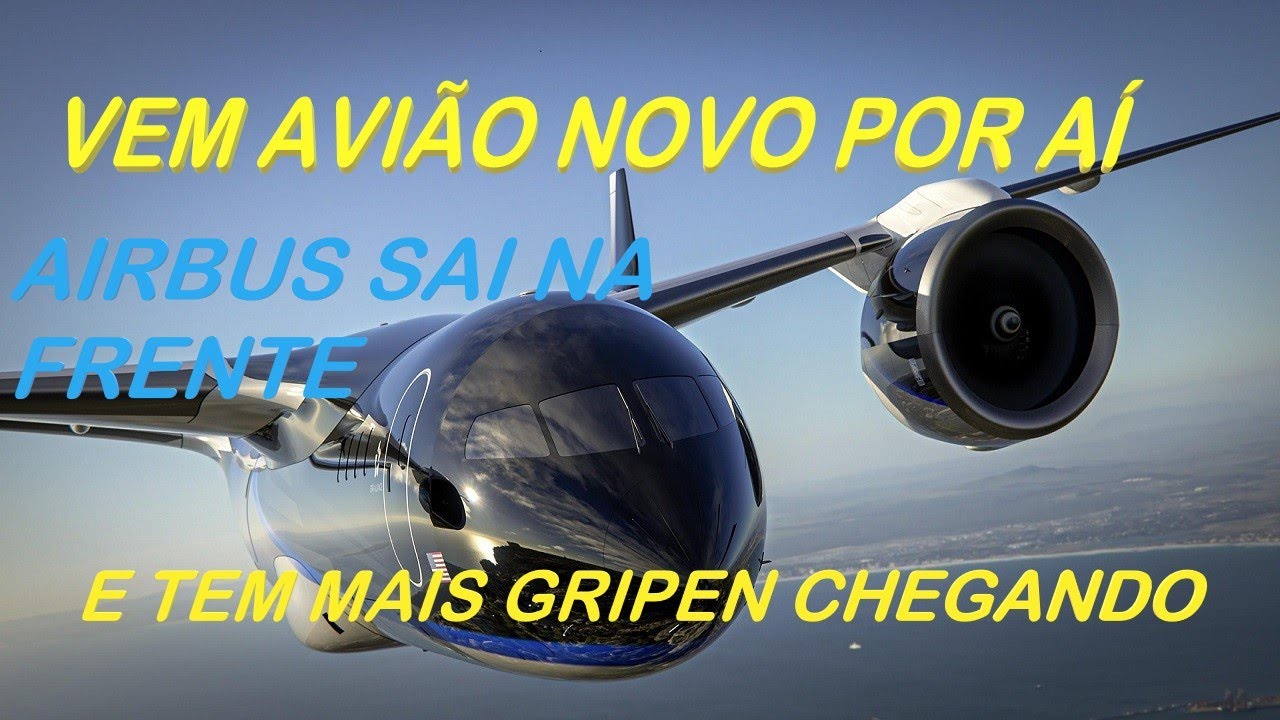
when it comes to china while both airbus and boeing are currently the two biggest aircraft manufacturers they're facing a very real threat to their market dominance the creatively named commercial aircraft corporation of china is in the very final stages of producing the c919 an aircraft expected to enter service later this year and one widely seen as a direct competitor to some of the most ubiquitous aircraft from the duopoly the airbus a320 and the boeing 737 max in fact in the aftermath of the agreement biden released a statement and mentioned china directly explaining that the us and eu had agreed to work together to counter and challenge china's non-market practices in this sector that give china's companies an unfair advantage saying that the us and eu will work together in specific ways that reflect our high standards it's a model we can build on for other challenges posed by china's economic model boeing themselves in their commercial market outlook remark that china will become the world's largest aviation market highlighting that in the past decade a quarter of all aviation growth has come from china so it's not surprising that these allied nations might choose to halt their war in order to take on the outsider but what do you think is this truce just a sticking plaster or is a threat from china and kovid enough to force them to find a proper solution in the next five years as always let us know your thoughts in the comments below also be sure to subscribe the channel and hit the bell icon to be notified every time we release a new video special thanks to our patreon backers who make videos like this one possible and if you want to see your name at the end of videos then you too can back us on patreon the link to that is in the description you
Up Next

4:10
Leadership's Role in Building Trusting Teams | Simon Sinek
@SimonSinek
80.1K views•2022-12-14

66:41
Web3 Social Decentralization: Farcaster Co-Founder on Crypto Social Networks
@levychain
1.5K views•2022-10-18

15:23
Decoy Effect: How Pricing Psychology Influences Consumer Spending
@bobinvestsUS
90K views•2026-01-05

17:30
The Planned Obsolescence of Light Bulbs and Tech
@veritasium
25.3M views•2021-03-26
Related Study Plans & Knowledge Roadmaps
Structured learning paths in Business
business
CPG Retail Strategy: Pitching & Trade Spend
01Foundations of the CPG and Grocery Ecosystem
02Retail Math and Designing the Pitch
03Securing Shelf Space & Category Reviews
+ 2 more learning modules
12h5 modules
Explore Roadmap
business
Pop-Up Retail: Strategy, Design & Execution
01Introduction to Pop-Up Retail & Strategic Goal Setting
02Budgeting, Site Selection, and Legal Essentials
03Experiential Retail Design & Visual Merchandising
+ 2 more learning modules
15h5 modules
Explore Roadmap
business
Reg CF: Startup Funding, Marketing & Launch
01Introduction to Equity Crowdfunding & Reg CF
02Platform Selection & Legal Preparation
03Crafting High-Converting Campaign Assets
+ 2 more learning modules
14h5 modules
Explore Roadmap
business
Productized Services: Scaling Solo Freelance
01Foundations of Productized Services
02Packaging and Scope Definition
03Pricing and Subscription Models
+ 2 more learning modules
15h5 modules
Explore Roadmap