Greening Supply Chains: ESG Audits & Net Zero
Learning Goal: Auditing and transitioning a legacy manufacturing supply chain into an eco-friendly, carbon-neutral operation to meet modern ESG (Environmental, Social, and Governance) standards.
- Estimated Study Time: 14 Hours
- Prerequisites: Basic understanding of operations management and general business structures. No prior sustainability or engineering background is required.
Module 1: Introduction to Supply Chains and ESG Standards
Overview
To transition a legacy supply chain, you must first master how traditional supply networks function and understand the structural frameworks of Environmental, Social, and Governance (ESG) standards. This module establishes your foundational knowledge, defining the differences between traditional linear supply networks and sustainable supply networks, while introducing the basic pillars of ESG.
Recommended Videos
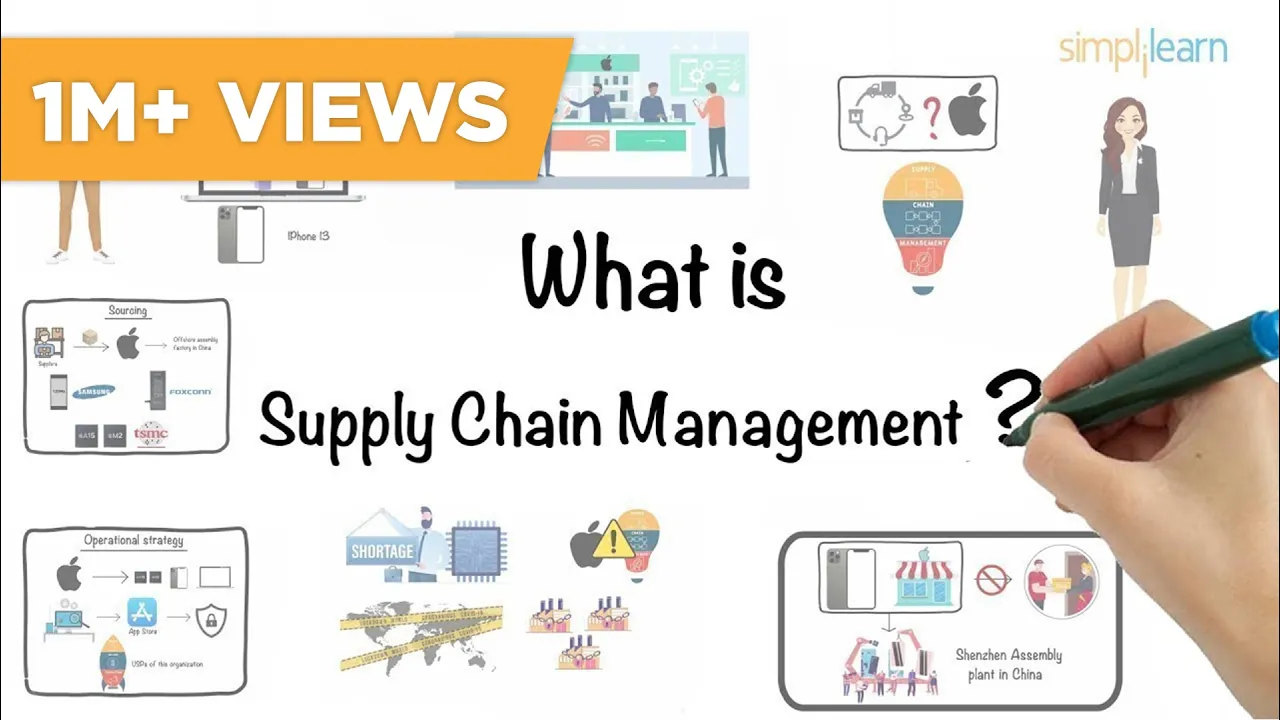
Why this video is valuable: Using Apple's global iPhone production model as a case study, this video provides a highly visual breakdown of traditional supply chain flows—from raw material sourcing to assembly and distribution. Understanding these foundational mechanics is critical before you can diagnose operational inefficiencies and ecological leakage in legacy systems.
- Explain how materials flow from Tier-1 suppliers down to final consumer delivery.
- Contrast how physical product logistics interface with information and financial flows.
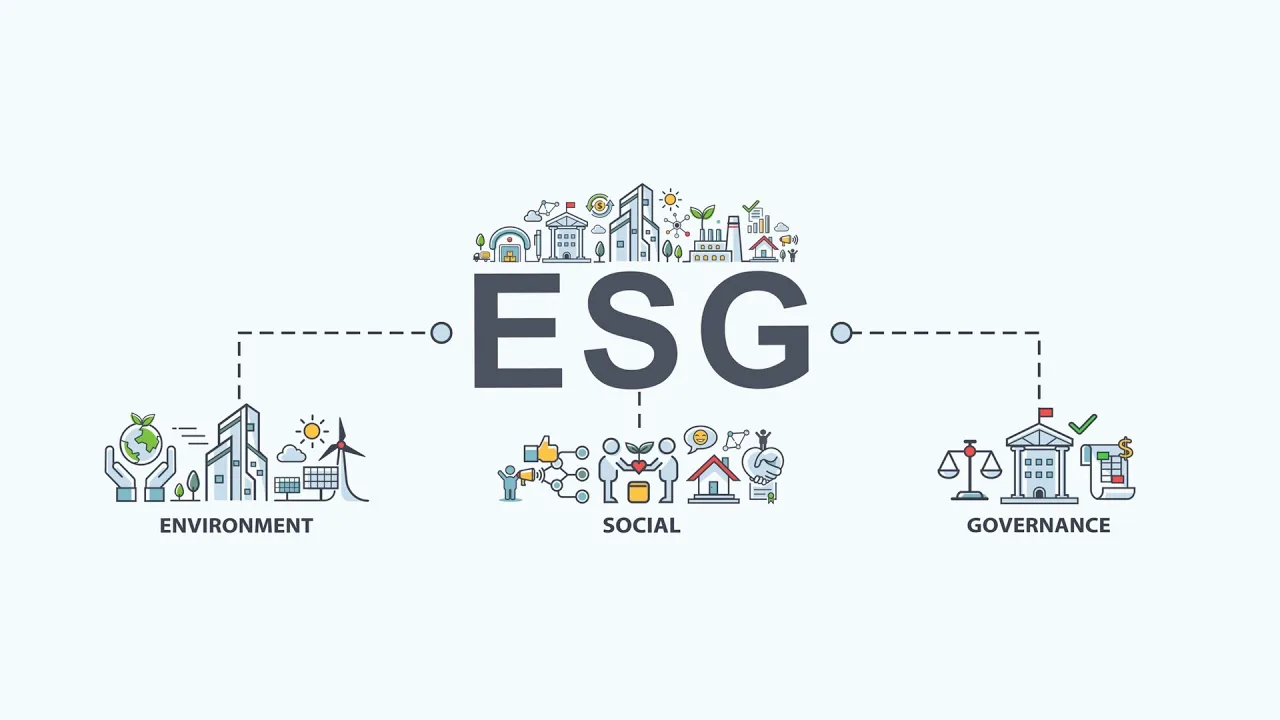
Why this video is valuable: This video provides a precise, non-political framework explaining how investors and regulators use ESG criteria to evaluate sustainable corporate performance. It clearly differentiates the Environmental, Social, and Governance metrics that supply chain audits must address.
- Identify key metrics nested under the "E" (Environmental), "S" (Social), and "G" (Governance) pillars.
- Explain why investment capital is increasingly tied to a firm's ESG risk disclosures.
Why this video is valuable: This academic lecture bridges traditional logistics and modern green operations. It demonstrates how sustainable supply chain management integrates environmental and social dimensions without sacrificing commercial profitability, setting the stage for operational audits.
- Define the core differences between traditional profit-only logistics and sustainable supply chain management.
- Identify the operational trade-offs involved when balancing environmental protections with distribution speeds.
Module 2: Measuring Carbon Footprint: Scope 1, 2, and 3
Overview
Before you can decarbonize an industrial operation, you must accurately quantify its emissions. This module covers the internationally recognized Greenhouse Gas (GHG) Protocol, teaching you how to classify and measure emissions across Scope 1 (direct), Scope 2 (indirect energy), and Scope 3 (indirect value chain) categories.
Recommended Videos
Why this video is valuable: This video offers a clear, technical introduction to corporate greenhouse gas accounting boundaries. It establishes exactly what direct and indirect activities qualify under each of the three defined GHG scopes.
- Detail the physical and organizational differences between Scope 1, Scope 2, and Scope 3 emissions.
- Categorize common industrial activities (e.g., boiler combustion, office electricity use, sub-contracted shipping) into their correct scopes.

Why this video is valuable: A highly detailed, technical walkthrough of the Greenhouse Gas Protocol's direct emission tracking methodologies. It teaches you how to baseline stationary combustion, mobile combustion, and fugitive processes on physical industrial sites.
- Calculate direct stationary emissions based on raw fuel consumption metrics.
- Distinguish between physical boundary assessments and financial control boundary configurations in enterprise GHG accounting.
Why this video is valuable: This practical walkthrough demonstrates how software tools ingest manufacturing activity data to build comprehensive Product Carbon Footprints (PCFs). It covers the specific data pipelines needed to address Scope 3 supplier dependencies.
- Map out the data inputs required to compute a product-level carbon footprint (material mass, transport distances, energy consumption).
- Describe how digital tools leverage emission factor databases to convert bill-of-materials (BOM) data into carbon equivalents.
Why this video is valuable: This corporate case study outlines how chemical giant BASF structures massive product-level carbon footprint calculations across highly complex supply chains, illustrating how to combine activity data with supplier inputs.
- Explain how primary data from chemical processing is combined with secondary sector averages to compute emissions.
- Connect raw material supply inputs to end-product environmental impacts.
Technical Spotlight: Practical Carbon Calculation Framework
To address the practical calculation gaps highlighted in course reviews, use the following operational framework to calculate manufacturing emissions:
- Activity Data: The quantitative measurement of an activity that results in a greenhouse gas emission (e.g., of electricity used, of diesel burned, or of virgin aluminum purchased).
- Emission Factor (EF): A factor that translates activity data into GHG mass values per unit of activity (e.g., for a specific regional energy grid).
- Global Warming Potential (GWP): A multiplier converting non- gases (like methane or nitrous oxide) into equivalent carbon dioxide impacts ().
3-Step Inventory Workflow:
- Define Boundaries: Set temporal limits (usually one fiscal year) and physical operational parameters (which factories, offices, and warehouses are included).
- Collect Activity Data: Extract raw utility bills, fuel purchases, material procurement lists, and shipping manifests.
- Apply Localized Factors: Consult reputable carbon databases (such as DEFRA, US EPA, or Ecoinvent) to match raw activities to localized, verified emission factors.
Module 3: Auditing Legacy Systems & Lifecycle Assessment (LCA)
Overview
Transitioning a legacy operation requires systematic diagnostics. This module teaches you how to map a product's entire life cycle—from raw material extraction to end-of-life disposal—using standardized Lifecycle Assessments (LCA). You will also learn practical methods to physically audit legacy factories for environmental inefficiencies.
Recommended Videos

Why this video is valuable: This structured lecture from MIT details the foundational Phase 1 (Goal & Scope Definition) of a formal Lifecycle Assessment. It teaches you how to define functional units and establish the analytical boundaries of your system.
- Define what a "functional unit" is in an LCA and explain why it is essential for comparing alternative materials.
- Establish system boundaries (e.g., Cradle-to-Gate vs. Cradle-to-Grave) for industrial processes.

Why this video is valuable: This short introductory video explains "life cycle thinking." It highlights how evaluating products across their entire lifecycle prevents companies from accidentally shifting environmental burdens from one phase of the supply chain to another.
- Explain "burden shifting" and provide an example of how a green improvement in one phase could increase impacts in another.
- List the primary inputs (water, land, energy, materials) monitored across a standard product lifecycle.

Why this video is valuable: This resource breaks down formal supply chain risk management and auditing frameworks. It covers how environmental audits fit alongside health and safety, labor practices, and quality standards during supplier evaluations.
- Identify key compliance areas evaluated during a professional supply chain audit.
- Outline how to integrate sustainability auditing into standard vendor risk assessments.
Field Practice: Legacy Factory Audit Checklist
To address the structural auditing gaps highlighted in the course review, utilize this operational framework when evaluating legacy manufacturing facilities:
[ ] SECTION 1: UTILITY AND POWER SYSTEMS [ ] 1.1 Locate facility utility meters and map historic energy consumption (kWh) over a 24-month baseline. [ ] 1.2 Inspect HVAC distribution lines and pneumatic piping networks for physical thermal leaks or compressed air losses. [ ] 1.3 Conduct a power quality audit to identify low power factors or excessive peak loads on legacy machinery.
[ ] SECTION 2: PRODUCTION PROCESS & WASTE [ ] 2.1 Map physical waste generation at each step of the manufacturing line; classify waste streams as hazardous, recyclable, or landfill-bound. [ ] 2.2 Trace raw water usage patterns and check for reuse loops or untreated wastewater discharge points. [ ] 2.3 Document chemical management and fugitive VOC emissions from paint lines, solvent washes, or cleaning processes.
[ ] SECTION 3: TIER-1 SUPPLIER COMPLIANCE [ ] 3.1 Review supplier onboarding contracts to verify that they include mandatory Environmental Codes of Conduct. [ ] 3.2 Audit supplier transit logs to measure fuel efficiencies, packaging waste, and freight utilization rates.
Module 4: Transitioning to Green Energy & Circular Materials
Overview
Once you have baselined your emissions and identified operational bottlenecks, you must execute transition strategies. This module focuses on the practical technologies, transport methods, and circular economy concepts needed to eliminate physical waste and decarbonize legacy logistics and energy systems.
Recommended Videos

Why this video is valuable: A highly detailed, documentary-style look at circular economy models operating at commercial scale. It illustrates how industrial systems can eliminate waste by keeping materials in high-value utility loops for as long as possible.
- Contrast linear ("extract, make, dump") manufacturing models with circular closed-loop systems.
- Explain how industrial symbiosis operates, where waste streams from one company become inputs for another.

Why this video is valuable: Logistics makes up a massive share of Scope 3 emissions. This video demonstrates how intermodal transportation—specifically shifting freight from long-haul trucks to rail corridors—drastically reduces operational carbon footprints.
- Explain why rail transport is significantly more carbon-efficient than long-haul road shipping.
- Detail the physical process of transferring freight containers between road and rail networks in an intermodal supply chain.

Why this video is valuable: This landmark case study proves that retrofitting existing systems is far more carbon and cost-efficient than building new facilities. It breaks down how systemic, coordinated retrofits achieve dramatic energy drops.
- Explain how coordinating multiple minor building upgrades yields compounding energy-saving synergies.
- Outline the return-on-investment (ROI) case for deep infrastructure retrofits.

Why this video is valuable: Using a major Chicago commercial tower as a reference, this educational piece demonstrates how to retrofit windows, insulation, lighting, and HVAC systems as an integrated, cost-saving system.
- Explain the concept of building envelope upgrades (insulation, high-performance glazing) and how they reduce heating and cooling demands.
- Describe the process of auditing and redesigning lighting and HVAC systems to maximize energy efficiency.
Module 5: ESG Compliance, Reporting, and Green Certification
Overview
To unlock green capital and build trust with stakeholders, your transition progress must be verified and reported. This module covers major global ESG reporting frameworks (including GRI, SASB, and TCFD) and guides you through the process of securing credible, third-party green certifications.
Recommended Videos
Why this video is valuable: This video provides an excellent structural overview of the major ESG reporting standards used worldwide. It explains the purpose of each standard, helping you choose the right reporting framework for your business.
- Explain the unique focus areas of the GRI, SASB, and TCFD reporting frameworks.
- Describe how double materiality relates to sustainable corporate disclosures.

Why this video is valuable: This long-form webinar provides an end-to-end guide on structuring corporate ESG disclosures. It helps you navigate reporting frameworks, collect data, and craft strategic reports for investors and customers.
- Differentiate between stakeholder-driven reporting and investor-focused financial reporting.
- Design an internal roadmap to transition from initial raw carbon data collection to formal, public disclosures.
Why this video is valuable: EcoVadis is a leading third-party sustainability rating system for global supply chains. This webinar details the EcoVadis assessment methodology, helping your business prepare for evaluation and secure positive ratings.
- Identify the four core rating pillars assessed under the EcoVadis certification process.
- Prepare the required policy documents, actions, and results tracking needed to earn high assessment scores.
Standards Comparison: GRI vs. SASB vs. TCFD
To address the reporting comparison gaps identified in course reviews, use this reference matrix to select the right framework for your ESG reporting needs:
| Dimension | Global Reporting Initiative (GRI) | Sustainability Accounting Standards Board (SASB) | Task Force on Climate-related Financial Disclosures (TCFD) |
|---|---|---|---|
| Primary Audience | Multi-stakeholder (investors, local communities, customers, employees). | Institutional investors, credit analysts, and financial markets. | Investors, lenders, underwriters, and insurance companies. |
| Materiality Approach | Double Materiality: Focuses on the company’s impact on the world, as well as the world's impact on the company. | Financial Materiality: Focuses strictly on ESG issues that directly impact a company's financial value. | Climate-related Risk Materiality: Focuses specifically on the physical and transitional risks of climate change. |
| Scope of Disclosure | Broad ESG issues (including environmental impacts, human rights, labor practices, and tax compliance). | Industry-specific issues across 77 sectors, focused on financially material topics. | Climate-specific disclosures organized into four pillars: Governance, Strategy, Risk Management, and Metrics/Targets. |
| Key Advantage | High global adoption; standardizes public accountability regarding environmental and social impacts. | Highly targeted and quantitative; directly useful for corporate financial valuations. | Crucial for identifying and managing long-term physical climate risks and energy transition risks. |
Course Map
Key People Index
- Prof. Anupam Saxena (Jaipuria Institute of Management)
- Context: A leading business academic who bridges industrial logistics and modern green operations, demonstrating how businesses can balance profitability with environmental and social sustainability.
- Amory Lovins & The Rocky Mountain Institute (RMI) Team
- Context: Renowned energy transition experts who pioneered integrated systems design and deep building efficiency retrofits, proving that building upgrades can yield compounding, system-wide energy savings.
Final Self-Assessment
Navigate and execute your legacy supply chain transition using this operational checklist:
- Establish ESG Baseline: Differentiate the Environmental, Social, and Governance pillars of your business, mapping how global capital markets evaluate your operations.
- Define Organizational Boundaries: Select either a physical operational control approach or a financial control boundary model for your company's carbon accounting.
- Execute Scope 1 & 2 Calculations: Calculate direct combustion emissions from site machinery and indirect emissions from your local electrical grid.
- Map Scope 3 Dependencies: Gather upstream raw materials data and downstream transit metrics to begin tracking your broader value-chain emissions.
- Draft a Product Functional Unit: Define a precise product functional unit to compare the environmental impacts of alternative materials during a Life Cycle Assessment.
- Audit Legacy Factory Floors: Complete a physical site audit checking for energy inefficiencies, waste generation, and water leaks.
- Integrate Circular Material Loops: Redesign production lines to process manufacturing waste into valuable inputs, minimizing your reliance on raw, virgin materials.
- Implement Intermodal Shipping: Transition long-haul freight distribution from road trucks to rail corridors to lower transit emissions.
- Design Retrofit Synergies: Plan coordinated retrofits (e.g., combining insulation upgrades with HVAC redesigns) to maximize your energy savings and investment returns.
- Select an ESG Reporting Framework: Evaluate the GRI, SASB, and TCFD standards to choose the right disclosure framework for your stakeholders and investors.
- Prepare for Green Certification: Draft the necessary policy documents and metrics tracking systems to secure third-party sustainability certifications (such as EcoVadis).