




![[Climate Change Basics Class 1] Let's learn together! ~Why the Earth's temperature has risen~](https://i.ytimg.com/vi/4dq560aj_6c/maxresdefault.jpg)











Scope 1 emissions are direct greenhouse gas emissions that occur from sources owned or controlled by the company, including stationary combustion (boilers, furnaces), mobile combustion (owned/leased vehicles), fugitive emissions (leaks), and process emissions from chemical reactions; these emissions can be measured through five steps: identifying emission sources, selecting calculation approaches (direct measurement, first principles, or estimation using government-emission factors), collecting activity data, applying calculation tools, and rolling up data at the corporate level to calculate CO2 equivalent using Global Warming Potential factors.
GHG Protocol Series: Measuring Scope 1 Emissions Webinar
Added:Basic understanding of climate change science, greenhouse gases (GHGs), and the concept of Global Warming Potential (GWP).
Familiarity with the Greenhouse Gas Protocol (GHG Protocol) Corporate Accounting and Reporting Standard.
The conceptual distinction between direct emissions and indirect emissions.
Understanding corporate boundary setting, specifically the difference between equity share and control approaches (operational vs. financial control).
Learning the methodologies to measure and calculate Scope 2 (indirect emissions from purchased energy) and Scope 3 (value chain) emissions.
Developing a Greenhouse Gas Inventory Management Plan (IMP) to establish QA/QC procedures and prepare for third-party auditing.
Formulating science-based emissions reduction targets (SBTi) and decarbonization pathways based on the established Scope 1 baseline.
Navigating international climate disclosure frameworks and regulations, such as CDP reporting, CSRD, and SEC climate-related disclosures.
8.5K views108likes1:05:37Original Release: 2023-08-30
good morning everybody and welcome to our next sustainability webinar now in this month's webinar we're looking at the ghg protocol and we're measuring scope one emissions um now you'll remember we've got a series of six webinars looking at measuring your carbon footprint and last month in July we started with setting the boundary and this month we're continuing and we're looking at scope one and then next month we will look at measuring scope 2. now as always um I have with me at Dylan Byrne um who is very experienced in measuring carbon Footprints and he also conducts various carbon audits for clients um and in particular around the ingers act as well so Dylan welcome to the webinar lovely to have you here again good to see you again and thanks for coming everyone we would like to start um by acknowledging the traditional owners of the land on which we meet today and we want to buy our respects to how this past present and emerging and in Melbourne and Dylan and I are meeting on the land of the war injury people of the Kuda nation and we extend that respect to Aboriginal and Torres Strait Islander peoples a year today um as I've said earlier we've got a series of sustainability webinars it's been running for two years now um and the remaining webinars for this year are at the bottom of the screen so in September we would be looking at measuring scope 2 emissions then in October and November we will be looking at measuring scope three um that's when it gets really difficult very tricky so please stand with us miss those webinars and then in December Breaks by so our partner in Brisbane will join us when we talk about decarbonization strategies um if you miss any of these webinars or if you've missed any of the sustainability webinars in 2022 please feel free to go on our website you can download the slides and you can watch the recordings or if you want to share it with other people in your organization and today's agenda we would like to start by just reflecting on 30 June 2023 reporting we've talked about this for many months now but just a bit of a reflection on that again and I would like to discuss our roadmap that we've developed for those entities that have to do mandatory reporting shortly in 30 June 2025.
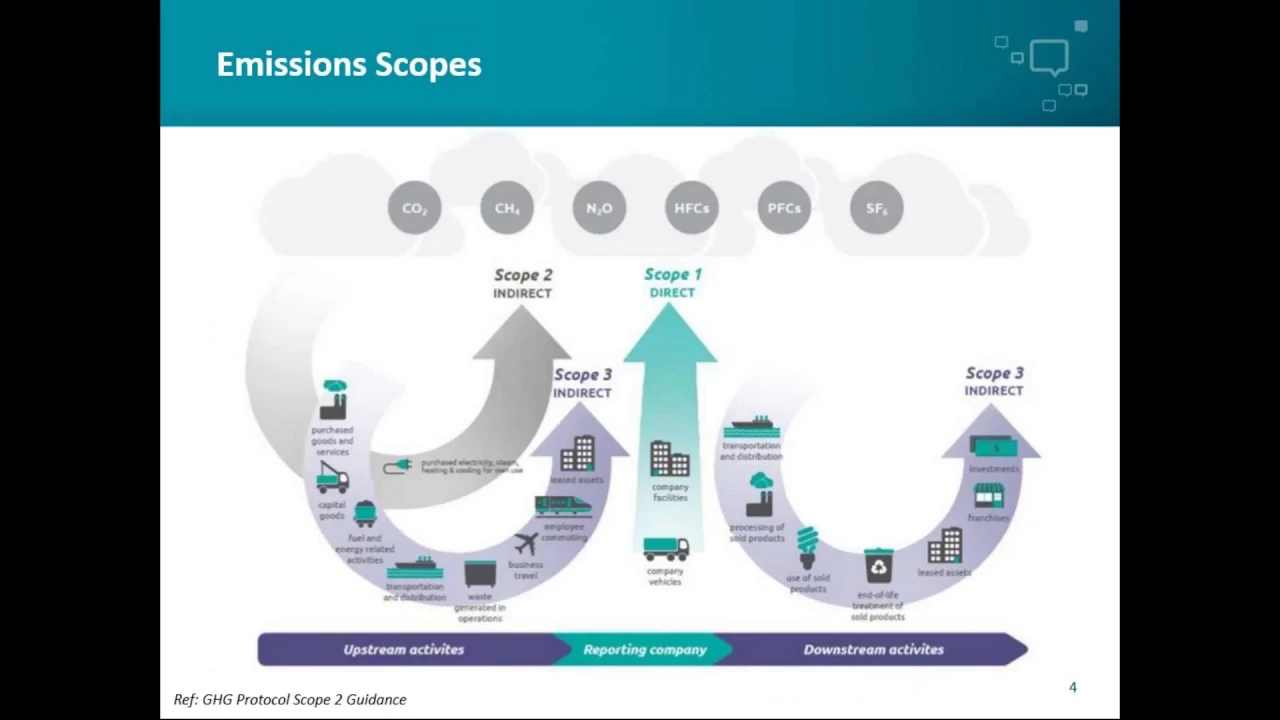
um then we'll go back and give you an overview of the greenhouse gas with a ghd protocol um we'll do a little bit of a recap of determining the inventory boundary which we looked at in last month's webinar which was the first of the current series on greenhouse gas protocol then we look at an overview of the scope of emissions because that that all sets us up perfectly for the five steps in identifying and calculating emissions and this month with a specific focus on scope 1 emissions so that's the agenda for today if we start with a focus on 30 June 2023 reporting now we know that at the moment we don't have mandatory sustainability reporting in Australia the closest we get to that for 30 June 2023 are the tcfd recommendations which are strongly encouraged I would say nearly mandated by Asic the double ISB the ASX apra various Regulators in Australia now those tcfd recommendations um form the Cornerstone of i4s S2 so if you look at the tcfd recommendations in your financial statements in 30 June 2023 2024 it will put you on a a good path to implement IFRS S2 so please do not throw tcfd recommendations out they are very important Stepping Stones now the tcfd recommendations there's only 11 but one of those 11 recommendations talk about measuring and Reporting your carbon footprint initially scope one and two and later on scope 3 and that's why we've got these series of webinars about measuring your carbon footprint because it's critical as part of tcfd recommendations and IFRS S2 um a little bit of a road map so last month we gave you a bit of an update about the treasury consultation paper and the fact that there are now three groups of entities where sustainability reporting will become mandatory group one first cap of the rank will be 30 June 2025 and it's based on size of those entities so a large end of town so we're talking about more than 500 employees a revenue of more than 500 million assets more than a billion and if you meet two of those three criteria um you would be in group one then there's a group two a little bit lighter and finally group three in 2028 will be all entities who prepare in large financial statements with Asic so if you're a group one entity so a large entity and 30 June 2025 is when IFRS S2 becomes mandatory how do you get ready what could a road map look like so what we've said our roadmap deals with three separate parts the first row is about the measurement of your carbon footprint which is a very good starting point and actually critical then we go on to the second row which is climate related disclosures and then finally we get to this General sustainability related disclosures why did we structure it this way carbon footprint is essential climate related disclosures is the mandatory eye for its S2 and then a year later the mandatory eye for is S1 around General requirements now we know they're already working on IFRS S3 s4x5 we know Europe already has 12 standards so we'll add rows as we go but at the moment the mandatory standards that we're aware of this is a good roadmap um so if you look at the measurement of your carbon footprint and we've split it between scope one and two emissions which will become mandatory first in 2025 um and then scope 3 in 2026 if you've got a 30 Junior end um so scope one and two emissions let's start with the initial calculations in 30 June 2023 there will be significant estimation the next year when we do it we become more sophisticated there will be some estimation um but more accurate and then in 2025 we have enough confidence to do mandatory reporting um for scope 3 let's say first year we do one and two then we do scope three we'll have two cracks at scope three as well before we include it in 30 June reporting so it's a it's a phased approach um it is um like learning to ride a bicycle uh you start in the first year with a lot of help with a parent and then you're just on your training wheels and then you do the actual calculation and the reporting if you look at climate related disclosures we've broken it down between tcfd and IFRS S2 because tcfd become a role into IFRS S2 so tcfd Gap analysis initially put in whatever you can in the current year next year put everything in but also do a gap analysis on IFRS S2 where there there might be a few more gaps than you've identified with the tcfd cap analysis and then we get to mandatory reporting in 2025. with ifor is S1 we do the Gap analysis in 2025 and we do the reporting in 2026 so we're trying to Stage it we're not saying do a gap analysis of everything now we're not saying calculator report everything now um because we know there's limited resources and time and a lot of other projects um so this is a roadmap that we think could work we're putting it out to a lot of our clients and trying to help them um in an organized systematic approach which is still cost effective or or that's a plan um so that's a bit of an overview if you want to discuss the roadmap or if you're a group two entity or group three entity and you want help with an appropriate roadmap very happy to do that I think the one other thing I should say here is that a lot of our group two and group three entities although they might think their roadmap is a bit slower based on mandatory reporting we have started to see the following we expected it but we now actually seeing it and that is that the group one entities you have to meet these reporting deadlines are pushing into their suppliers requesting information because these Groupon entities if they have to report scope 3 emissions and if they have to come up with decarbonization plans around scope one two and three and put Targets in place as required by IFRS S2 they need to know what their scope 3 emissions are they need to know what their suppliers are doing around carbon measurement about Target setting about decarbonization so absolutely actively these group one entities are starting to contact other entities suppliers in their supply chain and asking for information so if you receive that call or that email please speak to us happy to help you on how to respond um it's happening all right it's it's happening and I've heard it from various clients at the moment I'm coming back to the webinar for today and that is the greenhouse gas protocol a bit of an overview um we know that irrespective of which reporting framework you use the greenhouse gas protocol that generally accepted protocol to measure your carbon footprint um and then we know when you look at Publications and there's a link to the website they've got the corporate standard which is the the the the the starting point um and then they've got scope 2 guidance which we'll look at next month and they've got value chain standard the scope three one which will look um at in October and November so there's quite comprehensive literature around your greenhouse gas protocol um at bdr we've done a at a glance publication summarizing um in only a few pages the key concepts of the greenhouse gas protocol and the other thing that I'm really excited to announce that um in end of October early November we'll be launching e-learning modules on measuring your carbon footprint scope one two and three it's being developed um as a joint project by BDO Global and BDO Australia and it will be made available to our clients free of charge so that's an exciting development determining the inventory boundary I'm going back to what we've discussed last month at the start of the series because we just want to set the scene again so we said if you want to determine your inventory boundary meaning what do I have to measure what is within my carbon footprint it's a two-step approach you start by setting the organizational boundary so which entities are in and which entities are out there's different approaches for three different approaches you could use but it's important to know which legal entities are in which legal entities are out what do we do with subsidiaries what do we do with Associates what do we do with joint ventures and I think what we've said it's important to be able to reconcile or explain maybe explain is a better word it's important to be able to explain the differences between your inventory boundary and whatever you do in your financial statements from a reporting perspective why would certain entities be in your inventory boundary but not within your Consolidated financial statements or vice versa there could be reasons for it but it's to try and explain it and articulate it and that's how we know um we've captured everything the second step after you've saved the organizational boundary is to look at the operational boundary so which operations are in and out and part of that is also looking at the various Scopes um of emissions so organizational boundaries which entities do we include or not um an opera and that's organizational operational um we look at the emission sources and how do we categorize those emission sources um we've said if you look at those emission sources you have to identify the emissions that's associated with various operations and you have to classify your emissions as being direct or indirect and then you have to categorize those emissions as being scope one scope dual scope three um so there's a process to work through before we even start to gather data start to do the calculation so if we look at a bit of an overview of the scope of emissions looking at scope one and scope two and scope three um this is a diagram extracted from the greenhouse gas protocol we that try not articulate the different Scopes now you can see here scope one is your direct direct a greenhouse gas emissions that occur from sources that are owned all controlled by the company I want to put emphasis on that it is sources that are owned so legal ownership or they controlled by the company so that might mean that you are leasing those sources all right so you still control it for the period that you leases so it's not just sources where you own the property or cars that you own this could also be lease properties and leased cars and I'll explain that a bit more in future so that is scope one it's under your direct control because you own it you use it it's your property it's your assets and you can see with scope one if we want to reduce scope one be because we've got control over those emissions we can come up with a plan and we can influence it all right so that's important three are both indirect emissions however we've made a special place for purchased electricity and so scope 2 would be indirect emissions so we're not trying to articulate that it's a direct emission it's an indirect emission um from the generation of purchased electricity consumed by the company because there's this big push to renewable energy and we know that such a big part of the carbon footprint of organizations are around purchased electricity and own special categories so scope one is purchased electricity consumed um by the company and then scope 3 we look at um it is greenhouse gas emissions as a consequence of the company's activities but it occurs from sources that are not owned or not controlled by the company and this is why scope 3 is so difficult it's hard to get access to the data to measure it because you don't control it um and um you don't own or control it and the other thing is it's really hard to reduce your scope three emissions of course you don't own or control it right so this is really hard I think the other thing we should say up front is research is indicated that between 80 and 90 of all of the emissions of organizations sit within scope three May every client Dylan and I work that still Rings true right between 80 and 90 percent sits in Skype three so it comes back to my earlier comment if IFRS S2 requires disclosure of your emissions scope one two and three describe your of your targets or your reduction your decarbonization um you need your suppliers everybody was in Skype 3 to work with you to provide data to set targets um and to decarbonize so that's a really important step and as we go through this over the next month it will become even clearer foreign in our control now the interesting thing about this diagram is you'll see they are Upstream activities um for me a simple way to explain it is activities that happen that generating missions before goods and services arrive on our property or under our control so that could be a lot of thing outside the organization so we purchase Goods we purchase services and all of those Upstream activities happen somewhere else but as soon as we make use of those goods or services it's now within our carbon footprint but then there's also Downstream activity so when it leaves our organization and it leaves our control these Downstream activities can still generate um emissions so if I've sold a product um and let's say we sell mobile phones we sell that product it's been used for a number of years and then at the end of the life of the motor mobile phone we have to get rid of it that end of life emission is still part potential carbon footprint depending on how we Define it so these Upstream activities before it becomes under our control before we use it and then there's Downstream activities when it leaves our control so I like that diagram I think it's a fairly simple way to explain the various Scopes a slightly different way to look at it we can say scope one sitting in the middle this is our company everything under our control everything we own I'm always careful to use that word word own because so many clients have interpreted that to mean only assets and cars and vehicles that have that they premises that they actually own legally so please don't forget about control then you can see we've got Upstream activities and downstream activities scope to you purchased electricity is not only an indirect emission because it's not under our control but it's an upstream emission right because we purchase that energy so when that energy is generated um at the power station um and it that it then comes to us it's a it's an upstream activity for us but it's got its own little special place in the universe scope to around purchased electricity but here you can see the categories within Skype three so Skype three and when we get to that you'll see there are 15 categories within scope 3 and we'll step through all of them around purchase goods and services capital goods that you've purchased Fuel and energy related activity transportation and distribution waste generated in operations business travel employee commuting leased assets and these Downstream activities when you distribute your products the processing of sole products the use of those sold products the end of life again least assets what about franchises and Investments um so these 15 categories of in in scrub threes a slightly different way I like decision trees when I look at emissions or carbon footprint there's the direct scope one um and each our direct emissions that we own control from sources that we own control there's indirect emissions scope two and scrub three scrub two um it is our emissions associated with the generation of electricity heating cooling or steam purchased or consumed so we don't have steam in Australia but in Europe um and then in scope three it could be um all the other indirect emissions so the different Scopes coming back to that source as a company owns or controls you know examples for these direct emissions that um Dylan will step us through um its generation of electricity heat or steam it could be physical or chemical processing um it could be transportation of materials products waste and employees um and then we've got fugitive emissions leaks and other irregular releases of gases or vipers these fugitive emissions are the difficult ones and to track to capture but Dylan will talk about that shortly I won't go there Dylan don't worry if we look at um the ownership or control um this is where the accounting World overlaps a little bit with sustainability a lot of people will still when we speak to them say hang on um illegally we own it this control thing we've got a lease we only lease it for let's say two years how can we say we control it I would say you have to look and speak to the finance people look at the financials and ask them if I've got this lease and this lease results in a right of use asset being booked on my balance sheet then that asset will be within your inventory boundary because you control it um that might be a very simple way to identify it so there's a new standard um IFRS 16 which is looking at leases and it's saying if you meet the definition of a lease it implies that you control that asset for the period of the lease and if you've got the right to use an asset and control an asset for a period of the lease two years three years five years it's a right of use asset it's on your balance sheet and all the associated admissions will be part of your carbon footprint in scope one um so my first thing is do you have right of use assets they should be in um there could be leases that are out and it becomes very technical but if you go to the Gold Coast on holiday or business trip for two or three days and you use a vehicle from Avis there for two three days we wouldn't put that put that on your balance sheet because it will go on and off right and so usually if the lease is less than 12 months it wouldn't be a right diffuse asset um but be careful with these lease assets a lot of people are still thinking about the old rules and they would say a letter but this is an operating lease there's no such thing as an operating lease when you look at these financial statements each and every lease whether it's Finance hire purchase operating all of those old terminology that end up on your balance sheet and they should be part of your carbon footprint so this is really important um to have a look at I should also add when we get to scope three and we look at least assets or sometimes even when we look at that the inventory boundary and there's another part that can be very confusing and that is if you are a lesser and you lease out property then there's different rules to consider so if you lease out that property as a finance lease for its whole useful life we won't put it in our carbon footprint because you don't have control over it if you lease it out for a short period of time you still have control over it for the majority of its useful life it will be in your carbon footprint so can you see these different rules when you lease a property and the impact on your carbon footprint as opposed when you are less sore so a lot of clients are getting tripped up by that and it's a real overlap between new accounting rules and carbon footprint and it's not clearly articulated in the greenhouse gas protocol because when the greenhouse gas protocol was initially written there were an old accounting standard because their counting standards have changed it's got an impact on the greenhouse gas protocol right so I think that's a really important point for finance people to consider um the other thing is we often have accountants in particular we worry about double counting so how can an emission be in entity a and in entity B surely we shouldn't double count um emissions now interesting emissions um um will be double counted between scope 1 and scope 2.
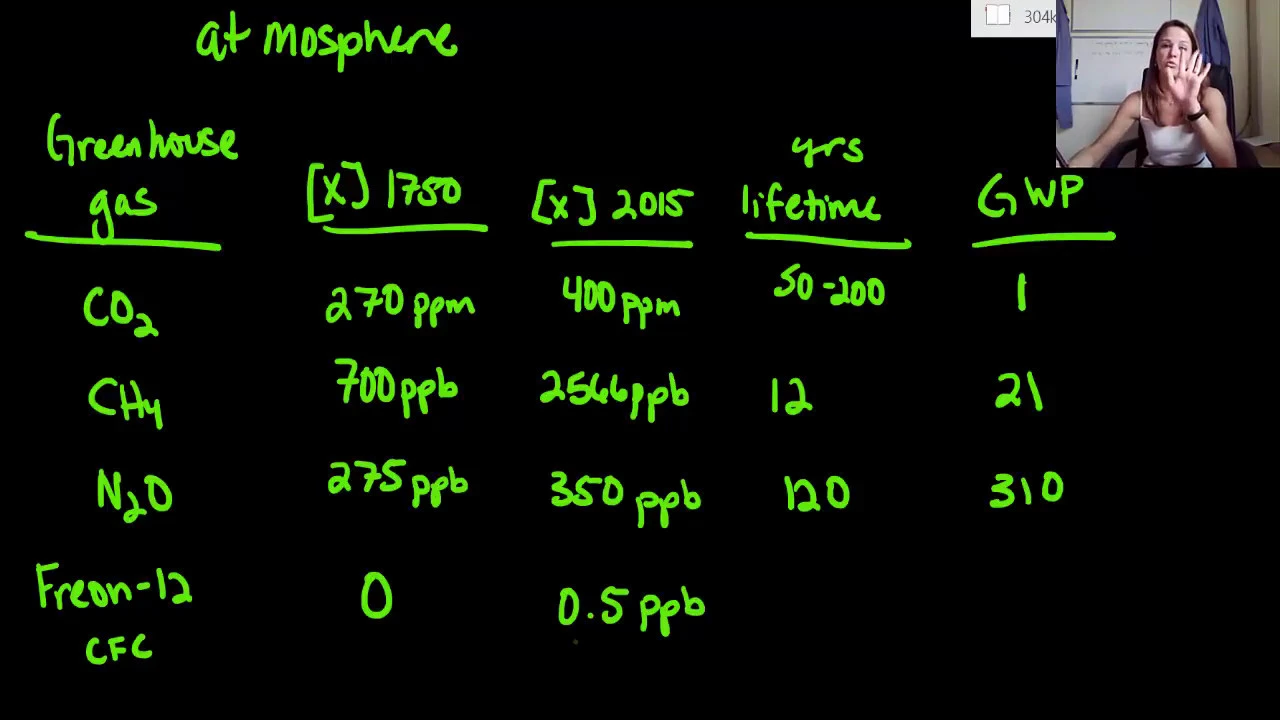
um however we would not have any double counting within the same scope so what we mean about that if greenhouse gas are generated by a power plant right that great that emissions generated by that power plant would be scope one for that power plant when they prepare their carbon footprint they are generating these emissions clearly at scope one for them however if an organization buys energy buys electricity from that power plant it becomes scope 2 for that entity so you can see that all the energy generated by power plants will be double counted it will be scope one for the power plant and if they sell all the electricity it will be scoped 2 at various organizations so for a lot of us this is a bit mind-blowing how can we double count I will remind you that in accounting we have somewhat similar requirements there's no mirror accounting there's no rule that says and even asset is in the balance sheet of one entity it can't be in the balance sheet of another entity and in particular we see it with leases so some entities have an asset on their balance sheet because they own it other assets can have the same asset on their balance sheet because they're leasing it it's a right of use asset so um I know it's somewhat confronting but it's not new I just wanted to articulate that as well um maybe a different way again to look at the Scopes across the value chain um we have that Upstream scope of emission so we acquire material all the pre-processing activities then it comes to us and we do manufacturing or production um so that would be scope one and two emissions that we control so scope one that we control and the scope to the energy that we acquire and then it leaves us and these Downstream emissions so it's distribution its storage it's the use of the asset and it's the end of life treatment so a little bit of a simplification of an earlier um slide so our first bowling question we thought we'll just break it up and ask you some questions our very first polling question after looking at all of that how confident are you to identify these scopes of emissions how confident are you to identify the scope of emission so scope one scope two scope three for your business so very confident somewhat confident not confident at all uh Dylan it's a tricky area but really important um whenever we speak to clients there's often confusion between scope 1 and scope 3 or scope 2 and scope three um I think the distinction between scope one and two are are clear um but it's that overlap with scope 3 that is often a bit confusing so we'll get a bit of feedback from our participants how confident do you feel about this there's a lot of literature there but I think the Practical knowledge is really important um to get this to get this right so if anybody come and look at what you've done around your carbon footprint they'll start with what's the organizational boundaries do you have the right entities included secondly did you put your scope one scope two and scope three in the correct bucket so I think we'll give another five seconds many many people more than 50 percent of attendees have actually voted which is fantastic so we can close that and we can share the results [Music] um Dylan I don't know what you think about I think there's only a few people that say they're very confident they must have done it before um being audited yeah and then somewhat confident and not confident at all so I don't think that's surprising for my perspective Dylan no that's a good outcome I think so that a lot of people are starting to work in that space absolutely yeah yeah that's really good um so thank you for participating in the poll um next I'll hand over to Dylan I've done a bit of an introduction try and put it in perspective about what we've put together is steps in identifying and calculating your emissions how to do the physical actual calculation um and they will be broad High you know the steps that we're doing in general and then we will also apply it in particular in this webinar to scope one and then next month we'll use the sign steps but we'll apply it to sculpting so it's a really important part of the webinar uh Dylan I'll hand over to you at this stage okay thanks a lot great great intro so um if we can just go to the um so what we're going to do is we're going to dig into the detail a bit here because um we need to kind of have a an approach for determining the scope one emissions um and um from the outset I'd just say from having done lots of carbon footprinting and carbon audit work over the years sometimes it can feel like I'm in a chemistry lesson in high school because it's not clear-cut that where the Skype emission scope on a mission is coming from so it can be quite interesting um and also an area where um you know the involvement of an expert whether it's an engineer or a production expert or environmental scientist can be important because as you'll see sometimes it's not clear-cut it's not just x times y equals z it's actually a little bit more involved in that so what we're going to do is just work through this this flowchart it's very similar to the the bigger picture flow chart but what we're trying to do is just focus on on Skype one for the purposes of this thank you okay um so Step One is looking at what type of missions could we be looking at and and um as we said earlier we're looking at things that happen in in our production or on our site that we control that we are actually contributing or creating the emission on site so we're talking about combustion as in using a fossil fuel to create something whether it's energy or a production process and we make a distinction between stationary combustion versus mobile combustion we also look at fugitive emissions because in many cases there are fugitive is effectively in simple English you know a mission that is leaking or escaping I future so what you want to do is make sure that within that facility or that site that we control we're trying to capture anything that we're doing or things that are leaking and then the final category is um just from the process emissions and just you know I War story from my perspective we were working with an industry way way back and they produce a product that has lots of uh materials including things like glues and resins and obviously when you put them through a process in some cases you create a mission so that's the kind of example that we're talking about there is sometimes the the activity that we're doing is a chemical reaction of some sort and there's a process emission that we need to determine that's where the uh the uh table the table of elements came into the chemist very big handy along the way okay thank you fine um so looking at stationary combustion so this is effectively is things that are in inherent in our Factory built on the site aren't going anywhere and most often it is where we're creating uh energy or uh heat or those types of things on site so we're looking at um things that are powered by fossil fuels not by electricity so we're doing the actual um creation of power or heat on site so boilers furnaces turbines heaters common BBQ generators so a lot of a lot of facilities will create these energy and heat on site because maybe they're you know far removed from the Grid or it just makes more sense to to um to do this on site and um once again over the years you know we've gone from seeing a lot of factories using coal believe it or not in in furnaces and boilers and over the years that's kind of gone to more natural gas or other fuel sources so that's the kind of mission that we're looking at when we talk about stationary combustion okay in terms of the activity data and I will make a comment here too that don't think of these data sources as one big pool um try and compartmentalize it as much as you can because along the way you are going to need to look at facilities compared to other facilities within your group because you may find that you know you're doing really well on one side but you're not doing so well on the other if you just pull all this data into one big bucket then it's going to be very difficult to not only measure it but also identify ways in which you can make the improvements to your business where it's required so obviously we're interested in a few consumption data we want to look the type of fuel the quantity of fuel the dollar spend is is a secondary data I mean that's obviously going to be in your accounting system but it's it's the type of fuel and quantities fuel these are the kinds of things that we want to be capturing in real time so that later on when we're doing our footprint or we're getting our footprint audited we're able to just pull that data out very very easily and and use it for the purposes of calculation or audit so we'll keep talking about this is about data collection that's about putting data in in the right bucket as you go because it could be very very cumbersome to to do this you know after the fact thank you Dylan I might add you you know this is where the concept of completeness becomes an issue again as we discussed last month you know how do we know if we if if a client puts in front of us all their fuel and the quantity of fuel they have used during the year for us it's important to be able to establish that we capture everything from every location from absolute all Fuel and then usually a easy way to bodies to compare the the the quantity of fuel with the dollar amount spent on fuel because if you take that dollar amount spent on fuel divided by an average fuel price for the year it should get you roughly to the same quantity right it's not exact but but it gives you an idea how we lose 50 um and I've recently had it on a client where there was a 50 Gap surely that can't be or is it somewhat close so I think you know we're not trying to reconcile exactly but we're trying to identify have we double counted something significantly or a Mr big part and I think it should keep in the back of your mind how can we prove up these numbers I think that's a critical bit as well not a good point and I guess as a follow-on to that quite often we talk about emissions intensity that's this looking at the relationships between the use of fossil fuels and and other emissions versus dollar spend or it could be production levels or it could be all sorts of things but they're they're incredibly important for doing that validation and we use those um I guess that analysis A Lot in terms of making sure that it it feels right before we dive into the detail next slide please okay and then the other the other type of combustion is is mobile so this is talking about um it's all pretty obvious how trucks trains ships airplanes buses cars um once again it's important to be you know looking at the vehicles that we include in this and as the letter said earlier there's the the example of the the short-term Car Hire essentially we're looking at things that are used in the business all the time that are controlled by their business um and are using fuel it's important to be tracking that um once again the data sources are similar to the to the um the static combustion um and we want to be able to identify where fuel is going for different types of assets not just one big problem of info is it for trucks is it for ships is it for planes because there are big differences between them and we want to be able to track them properly thank you um the other you'll mention here is um it's it's a type of fuel but also we want to look at the type of vehicle um particularly when it comes to trucks you've got different um Euro 5 Euro 607 different um uh generations of vehicles which have got different requirements around diesel usage and Emissions so in many cases it can be you know really important to understand that not just truck ABC but it's also some features about that that we want to make sure we're capturing and the distance traveled is one of these things where you can use it to correlate information and make sure that the quantities feel right particularly when I guess with everything that's happening around the price of fuel exchange rates etc etc there's usually going to be a reasonably good constant between quantity of fuel and distance traveled so it's a really good proxy for validating that information yeah thank you um and then um as I said fugitive emissions uh it is quite often forgotten because you're not measuring it for any other reason really apart from this or maybe for um your EPA requirements but it's important to have that clear and complete the view of what's happening on a site um some of the examples there and I guess some of them are things that can be remedied you know since if you've got equipment that's leaking then obviously you want to you know take some action to to remedy that whereas if you're talking about methane from mining operations um you know if you're digging up coal then there's not a lot you can do about that it's just something that's inherent in that operation but I think it's it's good to understand that because um you know we want to be taking action to try and reduce our emissions and this is probably an area where there are things that um that are obvious that we can do something about without a you know a huge amount of costs this is probably the one also where um sorry um it's it's um it's can be difficult to measure because it's not always something that you either look at the dollar spend or you have a uh a meter you know measuring things I mean if methane is escaping escaping from something it can be very hard to to measure it so it's very much an area where calculations are required I'm going to probably just um skip through that one that'll be in in the slide deck it's probably more um you know unique one but we just want to make sure that that information was in there for people who are looking back at it later on uh and then the last one is is this physical or chemical processing where we need to look at what are we producing uh there may be some emissions through the chemical process that can be quite material in the cases of things like cemento aluminum or this other example that I gave earlier if we hadn't looked at that then we would have be you know drastically understating the emissions um and then the other um one that comes up there is is waste processing so that's becoming more and more of an issue particularly as there are um the the biogas and other things that can be achieved through that can make a big difference in in terms of your your carbon footprint for a site thank you so um we like to give this information into in formats that are very easy to understand so you know if we're looking at those different categories whether it's stationary combustion mobile or fugitives we're just given you a bit of an idea of okay what's the primary data because a lot of this is about data collection we want to collect information that's not necessarily limited to financial and the more that you can do in real time the better and um and as I said earlier the dollar spend uh is is very useful because we can actually use it to to verify things and what we're seeing it's probably more of an issue for scope three a lot of the time we only have the dollar spend to rely upon in terms of determining what that emission might be but certainly in terms of Skype one it's probably not there to calculate it in the first place it's more just to validate that that the information is is reasonable and and we're comfortable to use it for reporting purposes thank you for another poll question yes um so we thought this time we would ask um which of the following data have you gathered to date so maybe get an idea of of progress so maybe you've looked at your scalp one data only maybe you've looked at Skype too the electricity usually that is a fairly easy one to capture if you've got the electricity invoices um maybe you've looked at scope one and two because that's what will become mandatory first maybe you looked at all three or maybe you're in the category we haven't collected any data yet then it's good that you yeah you can get an idea of the data to collect and Dylan maybe the other thing to add is we when we looked at the the slide on you know primary data and data Etc each always the aim to try and get a primary data because that will give you the most accurate measurement of your carbon footprint however we're not living in a perfect world and it's a continuous Improvement Journey so if that primary data is not available and we're working towards putting processes in to get it available we could use other Alternatives in the interim for estimation so maybe it is dollar spent Etc um so again thank you very much for everybody participating it's really interesting to get your feedback um it looks like at this stage and I'll leave it open for another few seconds um more or less 50 of our people have voted so let's see if we can get a bit more um it looks like most people are saying we haven't collected the data yet um and I'm assuming they're here to find out what to collect Dylan which is good which is a good first step so I'll close it now and I'll share it let's see there you can see that's good yeah yeah yeah so quite a few people have done scalp one and two that's that's good right because that will become mandatory first of all but there's lots of people who've at least started about one or started with type two um so that's good now that's really good you can see this country is the problem Dylan yes all right okay so um moving on um so we've spoken about the data that we need to collect in identifying for our facilities or for our the the assets that we control what we need to collect but that's obviously not going to tell us what the emission is so you want to move into calculation mode and just work through the various options that are available to us to do that um click four things so we've got three approaches um the first one is direct measurement and as I said earlier this is difficult in some instances because we don't we don't always have the ability to meter things but certainly um for some of our activities it is possible we're probably measuring things for other purposes so it's always useful to say okay well are we measuring um inputs or processes in that case this correct measurement is isn't is a an option and if we've got some monitoring systems in place and we want to try and tap into them where we can um the second one I'm not even going to try and pronounce this A letter um I'll let you have a crack if you want but it's a very scientific name but um this is just looking at uh and I'd call this first principles it's say okay let's think about what's going on here some some inputs are going into a process some outputs are coming out including some some emissions of some sort um you know let's just have a think about what's going on and see if we can figure out uh is there are there some um scientifically accepted approaches that we can use but of course the third option is the estimate of emissions that's the most common uh approach I would say we see that in 99 of the work that we do um there are plenty of data sources emissions factors that are you know produced by the government that that are relevant for the Australian setting I'll just mention it's in passing um while the time we have uh software vendors talking to us about their products but they don't have Australian emission factors so that's a bit of a a black mark against their name so make sure you are using the right emissions factors and that enables us to take those data measurements whether it's fuel usage or or other types of measurements that we spoke about earlier and apply the emissions factors directly to them so the calculation approach so long as you know what a mission factor to apply I wouldn't say it's the complicated thing I think the more complicated step is collecting the data and making sure you've got completeness so that's that's what we like planning is incredibly critically important in this process otherwise we backwards and forwards and we're continually chopping and changing okay so the step three is collecting the data and choosing the emissions factors um so here's a basic equation that we use our activity data is liters of fuel or or usage of gas or other fossil fuels each of those activities will have an emissions factor and that's produced by the government each year in the greenhouse accounts um it's readily available I had a look at the the latest one in preparing for this and they've brought the information out they even tell you what's changed between last year and this year so you can see what improvements are being made and we've seen big improvements in that over the years that first equation gives us the tons of emissions but then we have to work out what is the carbon dioxide equivalent and if you remember that earlier slide that a letter was talking about Skype one two and three there was this nice little Cloud up the top which had all the different there's six gases that we want to measure not just carbon dioxide but we need to bring it back to a CO2 equivalent that's what the E stands for so every type of emission that's not carbon dioxide because it's got a global warming potential at one the other five gases have a gwp which effectively creates the CO2 equivalent of that and we'll have a look at that in a minute um thank you so um in terms of the activity data was like about that in terms of the usage of the the fossil fuel um the emissions factor is what we get from the greenhouse account or a lot of the software that we see have those emission factors built in or if you're going through say climate active which is the voluntary scheme the the process that you go through has a lot of those emission factors locked in you can't change them if you're doing anger reporting those emission factors are locked in so quite often that bit is kind of set for you you just have to make sure you put the right data against the right emissions Factor thanks glitter um finding the data usually it's it's right under our nose we're just not collecting it but sometimes uh and this is probably more of an issue for scope three and we'll talk about this in in later sessions it's about things that aren't always on the invoice from the supplier or on the purchase order that we that we should Supply so there's a little bit of work around that but in terms of Skype one I mean it's it's fair to say most of the time it's pretty easy to find particularly with the combustion side of things if ignore fugitive emissions for for the moment the the combustion side of things is pretty easy and and hopefully uh it's right in front of us we just have to make sure that we're capturing that and and we can link it back to the calculation process but then there are some um sorry a little to get back one sec um if we talk about industrial companies and we do do a lot of work in the manufacturing space quite often there's a need to look at additional things that are not you know as readily available just to help us to understand um what's going on in our sector and that's that's where we can look at those um emissions from the process itself that's something where hopefully there's a bit of material out there that you can rely upon thanks um so once again just stepping through that we've got the emissions factors gives us the tons of emissions uh we get that information from government agencies Etc we present that in specific units but we want to make sure that we are using the right Mission factor and we also want to make sure that we're using the right global warming potential Factor um the gwp is going to be reasonably specific to your site I mean I'd say apart from methane and CO2 the other four gases are probably pretty um it's insignificant for a lot of people but it's just to be aware of that and the ones who are using it it's important and I think we've got a slide coming up in terms of that gwp and it's quite large in the case of some of those those gases thank you yeah so you can see that CH4 or methane is 21 times as potent if you like as CO2 you go down to sf6 uh 23 000 times so for every tunnel of ss6 you've got 23 000 tons of CO2 so that's one that you want to get right and make sure that you you get that measurement right because it has a material impact on your your carbon footprint foreign example um if we've got a a vehicle that's used 100 liters of fuel our emission factor is.0023 tons per liter so that 100 liters would produce 0.23 tons of CO2 as we said earlier CO2 is CO2 therefore the gwp is one so if every 100 liters of fuel our CO2 are 0.23 tons that's effectively the process that we're going through um and you have to do that lots of times to get to the overall overall outcome you up step four is applying the calculation tools um I think this is where we rely upon the protocol I'll think of handing back to the scheduler thank you yes thank you very much Dylan so there are various calculation tools we've put in a link here to the greenhouse gas product called calculation tools because they are available a free of charge a lot of software companies um have these tools available um Dylan and I are meeting with a lot of them um quite amazing stuff out there and I think it's to find the fit for purpose tool for your organization that will be the trick and maybe the the correct cost um point and because as Dylan said the calculation and the formula we've shown you you have to do that you know for every location every vehicle Etc so it's a lot of calculations therefore a tool will make it so much easier obviously you can do it in Excel a lot of clients do it in Excel but I think long term that won't be the best the best way so there's some tools that you can have a look at often these tools give you the ability to download an Excel spreadsheet with the headings in the various columns and you then go and add your data to upload into that tool so there's that Excel don't download upload um opportunity and then step five is to roll all the data up at a corporate level so remember that's where we started do we know which organizations are in how do we structure it how do we collect the data so we've done double count so we can actually roll it up at a corporate level so Dylan started with um a summary are the steps of identifying calculating emissions what I've tried to do years overlay and apply just to scope one so in step one we have to identify the sources of emissions so that could be stationary mobile process or fugitive right that's what we're looking for then in step two we select a calculation approach and quite often it's either direct measurement or it's an estimation of emissions then in step three we use our formula so we've put the formula in again step four you could use a calculation tool and step five we roll it all up step three I think is where we have to put in our activity data which is the hardest we have to find the appropriate emissions factor which often sits in that calculation tool and you have to apply the global warming potential out of all these steps the hardest one is to know what data am I looking for and find the data and once you've got that the rest can be done fairly simply so this is a little bit of a stepped approach just looking at step one and thank you Dylan Force for stepping through the details I'm supporting that maybe a final polding question um for today uh which of the following scope one data um have you captured so I think there were quite a few people that have started have you looked at stationary combustion mobile combustion fugitive emissions process emissions in my client base a lot of clients when they initially start to look at scope one um they would put fugitive emissions um in the too hard Basket in Year One and then we would always say okay now we know about all those aircon units um let's now try and get that data if you've got a lot of properties and properties traditionally have a lot of aircons or heating systems Etc that could be problematic um and um but often a little bit in the the too hard basket process emissions it would depend on the nature of your business whether you've had to look for that um so stationary combustion um so properties often mobile combustion Vehicles the biggest trick there it's it's the owned and the least um so we'll give a little bit of time for people to vote um I think ask people about it so we'll we'll share that so yeah I think that supports um what I've seen um fugitive emissions really hard to capture only three percent have looked at that process emissions it depends on your business we don't see it that often but if people have looked at stage at scope one and the focus of being on stationary and mobile combustion and so I think again that agrees with what we've seen it's always good to sense check some of our thoughts here Dylan and these webinars a good opportunity to do that finally if we look at tools and resources I want to come back to we've got the free tcfd training and we currently developing online training for carbon accounting and you've got this carbon webinars and next month we look at Skype 2 where there's a few different approaches um we've got a tcfd checklist which looking at the downloads it's been quite popular so please look at that um last week we've issued our corporate reporting insights newsletter and our sustainability insights interesting most of corporate reporting insights consisted of sustainability articles it's taken over the corporate reporting World um and then this is just a little bit of Education and Training and where you can find resources on our website so how we can help um I've previously explained that you know a lot of the work we do are around carbon accounting um we also do decarbonization strategy we do sustainability reporting sustainability strategy and developing roadmaps and finally Assurance over your carbon footprint and your sustainability report um I thought I might add this month a little bit of an explanation on what we mean by all of that so if you want to know what kind of services we do around carbon footprint or decarbonization sustainability reporting Etc we've tried to articulate that quite clearly sustainability reporting is either in your mandatory annual report or it could be in the separate sustainability report we look at advice parts and so I just wanted to flag that with you and also we do other sustainability Services as well they are work around sustainable finance and sustainable communities and sustainable supply chain and human capital and Learning and Development um our core focus is on the previous slide but we also do work in this space and so the expanded services and if you're looking for any assistance please contact our local leaders or our national leaders and we would love to work with you and help you and Dylan thank you very much for presenting the webinar with me and then next month I will look at Skype 2 and you can see Dylan and I again I hope you have a lovely day and the rest of the week take care
Up Next
5:56
Understanding Scope 1, 2, and 3 GHG Emissions | Greenhouse Gas Protocol
@EMSmastery
23.3K views•2021-04-13

12:54
Triumph of Orthodoxy Icon: Byzantine Art & History Explained
@BenCallan
2.1K views•2024-08-06

9:49
FastAPI vs Flask vs Django: Choosing the Right Python Web Framework
@TechWithTim
302.5K views•2024-05-26

1:42
Game of Thrones Opening Credits: A Cinematic Analysis
@gameofthrones
46.3M views•2011-04-18
Related Study Plans & Knowledge Roadmaps
Structured learning paths in General & Interdisciplinary Studies
general-studies
Elevator Engineering: History, Physics & Cities
01From Hoists to Safety Brakes: The Dawn of Vertical Lift
02Hydraulic vs. Traction: The Engineering Physics of Elevators
03Modern Speed, Safety, and Algorithms
+ 2 more learning modules
12h5 modules
Explore Roadmap
general-studies
Rubber: Material Science, History & Geopolitics
01Origins of Natural Rubber & Mesoamerican History
02The Chemistry of Natural Rubber & Vulcanization
03The Geopolitics of the Rubber Boom & Colonization
+ 2 more learning modules
12h5 modules
Explore Roadmap
general-studies
Containerization: Evolution, Logistics & Trade
01Ancient Trade & Bulk Cargo: Amphorae to Barrels
02The Industrial Revolution & Cardboard Packaging
03The Containerization Revolution: Malcom McLean
+ 2 more learning modules
12h5 modules
Explore Roadmap
general-studies
Textile Tech: Evolution, Labor & Global Impact
01Pre-Industrial Textiles: Handloom & Cottage Industry
02Mechanization: The Spinning Jenny to the Power Loom
03The Factory System & Global Labor Transformation
+ 2 more learning modules
10h5 modules
Explore Roadmap