




![Bilan GES du laboratoire ISM [Conférence de C. Grazon et Ph. Loubet]](https://i.ytimg.com/vi/cwsHoiS4ov0/maxresdefault.jpg)
![[Masterclass] Cálculo de la huella de carbono y elaboración de un plan de mejora](https://i.ytimg.com/vi_webp/ulcXCxlktGI/maxresdefault.webp)

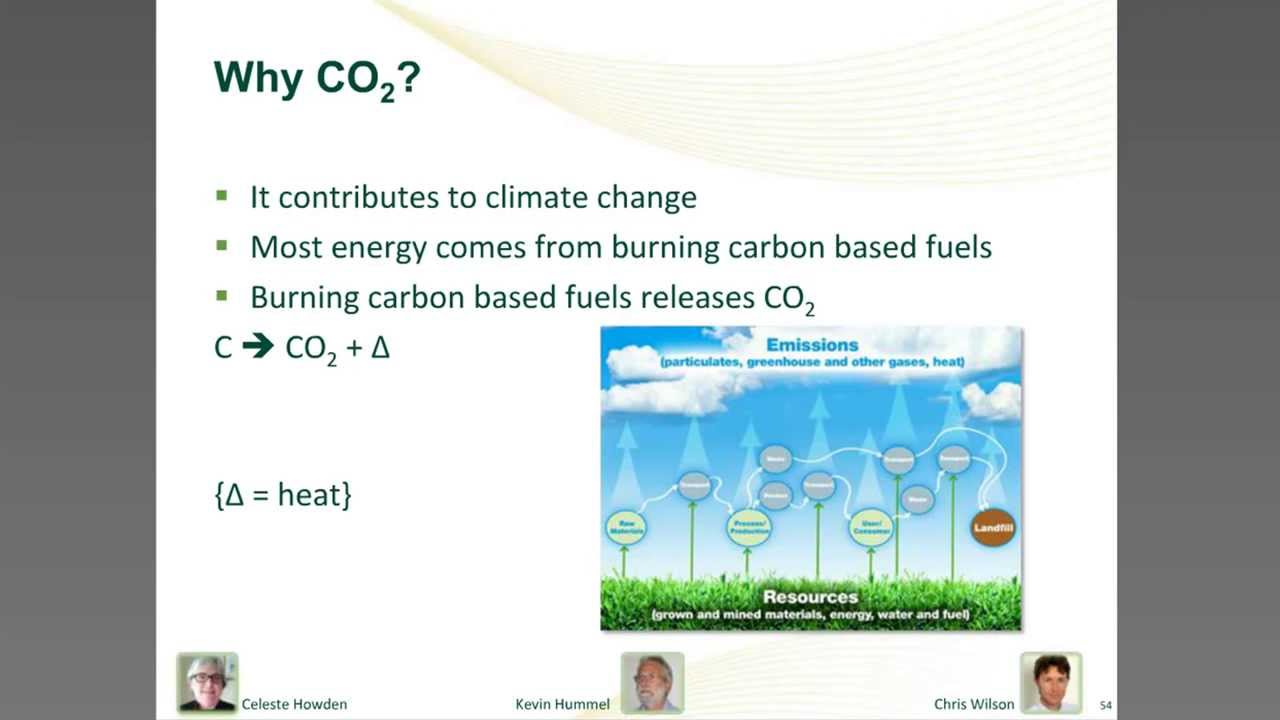





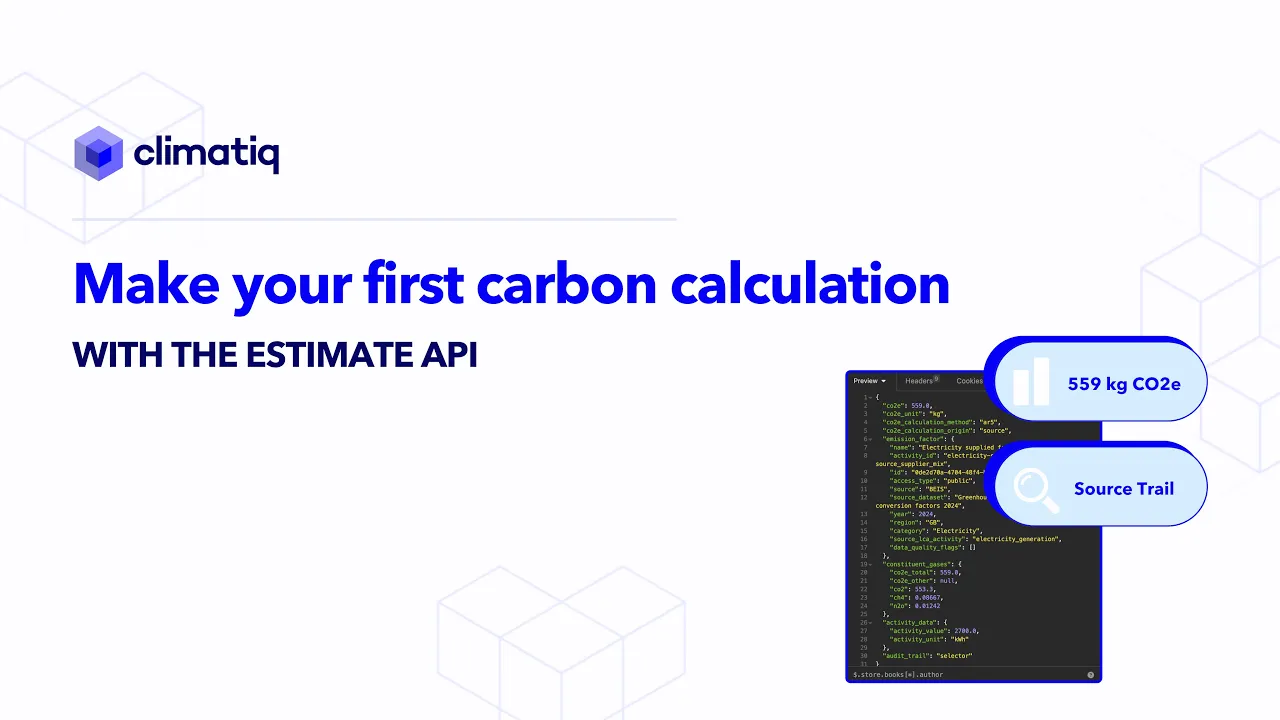

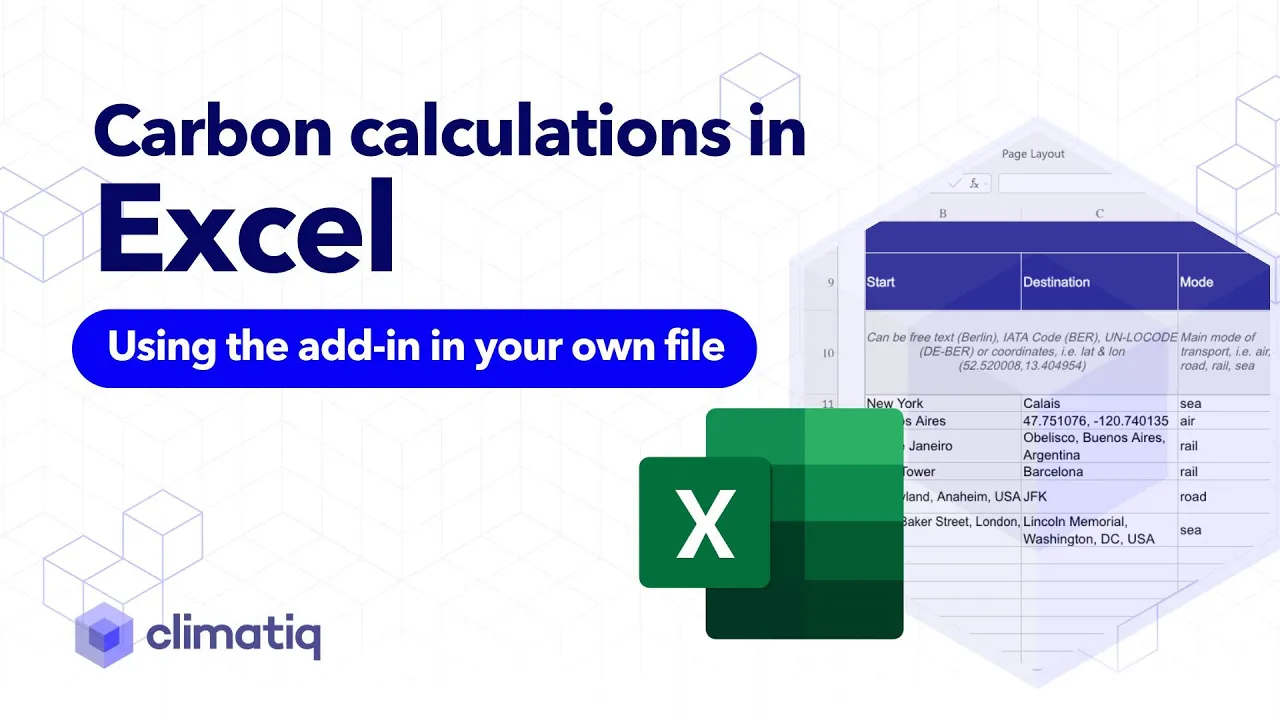



Product Carbon Footprint (PCF) calculation involves quantifying greenhouse gas emissions across a product's lifecycle, from raw material extraction to manufacturing, using standardized methodologies like ISO 14067 and the Greenhouse Gas Protocol. The process requires a Bill of Materials (BOM) containing component descriptions, materials, quantities, units, scrap percentages, and supplier locations, which are then mapped to emission factors from databases to calculate total CO2 equivalent emissions. Modern tools can automate this process by matching components to emission factors, estimating missing data through AI, and providing breakdowns by lifecycle stage to identify carbon hotspots for reduction strategies.
Product Carbon Footprint Calculation Using PCF Studio
Added:Fundamental principles of Life Cycle Assessment (LCA) and Greenhouse Gas (GHG) accounting.
Understanding of GHG Protocol Scopes (Scope 1, 2, and 3), particularly how upstream and downstream supply chain activities affect product footprints.
The concept of 'emission factors' and how activity data is mapped to convert physical units (e.g., kWh, kg, km) into CO2 equivalents (CO2e).
Familiarity with international standards for product-level carbon footprinting, specifically ISO 14067 and ISO 14044.
Strategies for product decarbonization, including sustainable sourcing, material substitution, and ecodesign principles.
Integrating Product Carbon Footprint (PCF) data into broader corporate ESG reporting systems and regulatory compliance frameworks like the CSRD.
Automating carbon accounting at scale by utilizing the Climatiq API to connect PCF calculations directly to ERP or procurement systems.
Preparing PCF assessment reports for third-party auditing and official ISO-aligned verification.
106 views1likes36:58Original Release: 2026-07-03
Let's let's get into it. Uh so I think what we are here to talk about today is probably to most of you at least manufacturers here in the room quite familiar uh in terms of carbon emerging as a metric that matters in procurement and in supplier and customer relationships. Um because basically what we are seeing is that while fewer companies for example here in in Europe are subject to regulations such as the CSRD we have thousands of large enterprises globally that have committed to SPTI targets or net zero targets by 2030 or 2040 and as the sort of pressure on them to decarbonize intensifies and also as most of them are realizing that 70 to 90% of their emissions sit in their scope 3 they are forced to look to their supply chain uh to to get actual data that will help them uh take action and that's why you as a manufacturer might be seeing an increase in product carbon footprint requests uh for the products that you produce and I think what we are seeing is a pretty loud and clear signal that while it might not be a lot of companies yet that are asking about this ones that are asking about it are the ones that typically really matter. So the really big ones are the ones who are spending a lot of money in your shop. Uh we have been talking to a lot of manufacturers.
Here are two of the the the quotes things that we're hearing around how this is is starting to matter. And while it might just be, you know, 10% of the supplier criteria, it's it's um it might be the the difference between uh winning or losing a deal. Um but just because this is something that's important and it's it's emerging does not mean that it is easy. Um we hear a lot and also saw it now around this sort of data challenges. Typically what we hear is there are a lot of data requests back and forth. Um a lot of the tools out there have uh several months if if not years of sort of learning curves to to get started. And I think overall um it's clear at least the companies we speak to that this is something that's that's way too slow and way too too expensive to really scale it up. Uh so yeah, that's why we've built PCF Studio to really provide manufacturers with a way to calculate PCFs that is a lot easier and a lot faster. And we've sort of tried to build it around some of these challenges that we've identified. Um also came up now around having the right data to get started. So building features that help you start even though your data is not perfect. Um and also features that speed up uh finding the right emission factors, applying the right methodology through every steps uh by still uh applying a methodology that is ISO 14067 uh certified or very soon we're in the very final final stages of getting it ISO certified. Um but yeah, by now I'm I'm sure you're kind of keen to see this in action. So I'll hand over to Chloe for a live demo of PCF.
>> Thanks so much Isabella. So, just to make the demo a little bit more relatable, uh I'm going to step into a slightly different persona. So, hello again. I'm a sustainability manager at an electrical component manufacturing company based here in Berlin. And a key customer of ours who are washing machine manufacturers have actually just asked for all of their suppliers to start providing PCFs. So, this has gone from a nice to have to an actual contractual requirement quite quickly. Now, I've done one PCF before alongside a consultant. I wouldn't really feel confident starting from scratch on my own. I'm starting to explore some new tools on the market. So, today I want to build a first PCF for one of our small electric motors. And ideally, we would scale this approach across our full product portfolio. So, we'll be looking at a simple four-step process on how to move from my existing bill of materials towards an outputed PCF. So, with that being said, let's pull up my bullet materials. Uh, let me go ahead and grab that. I did a little bit of scouring and scavenging on my end in our ERP system to manage to get some of that data. Uh, so here's my bill of materials. As we can see, we have some descriptions. So, this is the different components that are going into the electric motor essentially. Um, this is what my product's composed of. Uh we then also have the actual material that the component is made from followed by the quantity. We have some mixed units over here. Some mostly in kilograms as the unit of measurement. A couple as pieces as well. Um so number of items essentially. We also have a scrap percentage or essentially a waste percentage which would account for the raw material lost during the manufacturing process. So for example, if we uh steal off cuts if a sheet is machined and cut into for example and we also have our final important column which would be our origin. So this is essentially our location. So this is where my suppliers are based. So the sourcing location of my raw materials.
So this is the bill of materials that I'd love to start with today as my foundation. Maybe as a side note with some other tools that I've been exploring so far as many of you also have been getting my bum into the right format was incredibly time consuming. So Isabella, could you share a bit more on how PCF Studio handles that?
>> Yeah, happy too. So I think this is also like we saw in the in the poll, one of the sort of key bits that take a lot of time uh in terms of the the data formatting. Um so yeah important to note here is that um the bum upload is very flexible in terms of the column names and also in terms of certain missing data. So you can see a couple of the fields here are missing. We have a couple of different units etc. And these are things that we've yeah built into the tool so that um yeah you can you can get started and sort of upload the data without running into any into any issues.
Mhm. And maybe on a related note on the bum, my inputs aren't always in English for the descriptions, is this something that PCF Studio can take care of for me?
>> Yeah. So, you do not need to. We support around 47 different languages. It's available on our website. We can also link to that. Um, but we support 40 different languages, which means that you do not need to translate it to English first in order for the for the tool to be able to pick up what the the different line items are. Mhm. Great.
Then with that in mind, I'm going to use this bill of materials as is. Let's jump straight into the studio and start calculating. So before we get into the details, my customer has asked for a cradle to gate scope. So this would be my raw emissions um sorry not raw emissions, emissions from raw material extraction to when my assembled product would basically leave my manufacturing site. So that's important to note in terms of boundaries and then also functional units. So we sell our motors uh as single units for you. You should choose what constitutes a single unit.
Uh but let's dive straight into it. So we're going to start off with our product name electric motor and manufactured in Berlin. We can throw in Germany too. And our year is 2026. We can keep it to this year. So that looks all good. Some basic details. Let's continue in the studio.
So over here we now can add our bill of materials data. So there are three ways to share information on what goes into my product. Maybe starting bottom up.
You can do a manual entry, which would be a line by line component um or packaging item, slightly more awkward input method. Um or even better, we could upload our bill of materials that we already have on hand. Um and as the the final option, we could also start off with a template. So we could essentially generate an AI template for data gap filling. I know that this is a pain point based on the survey for many of you. Supply engagement is infamously hard and it is common to have some component gaps from your suppliers. So, we have a great option here to fill in any missing data points if needed. Um, so this utilizes AI alongside the product name that we just inputed to fill gaps in in our component and packaging list. So, for some of the motors in our range, I'm definitely going to use this. We have quite a few gaps in the data, but for today, let's go ahead and use our upload method. So, we're just going to pop our bill of materials in here. And this is what we had a look at earlier. Maybe while that's loading, I can also see that we have an ISO tag here. There's a verification here in the studio. I'd love for us to dig into that further.
So, Isabella, could you maybe share a bit more about what that means in terms of data security on your end?
>> Yeah, happy to. So, we know that this is also a um always something that's sensitive, you know, when you're sort of uploading your bill of materials or sharing what goes into your products. So um yeah, a couple of things important to know here is first of all we um we never store any of the files that you upload.
They are deleted straight after we've processed them. Um and we also don't use any of the inputs for you know training an AI model or or similarly. Um and we also of course don't share them with any any third party any other customer or similarly. Um and we're also ISO 2701 and sock 2 certified.
>> Great. Then my daughter is safe over here. I can see that from my original bill of materials. We have some descriptions that have been pulled out.
We have our weights and quantities, the location of my suppliers. Uh we have a couple of highlighted points here to maybe just convert across these pieces per item to an actual kilogram unit. So let's have a look at this. We had two carbon brushes. So let's go ahead and estimate that weight. No need to exit the studio and do some research and come back. We can just do this essentially natively within the studio. So let's go ahead and use this weight. We can convert these across two just that we resolve all of our little warnings over here. Let's estimate the weight out here.
And sounds good. Let's go ahead and use this weight too. So we have no highlighted fields anymore. Uh all of our data has been extracted. Really nice to see that we have also this transport column. So, Climatic will automatically route my supplers location to my manufacturing site in terms of the most likely transport mode. Uh, we have a couple of options here. And then also, my scrap percentage was extracted out.
So, this looks good. Maybe let's just throw in some packaging. I'm going to go ahead and add a row. Add my packaging in. We package our small electric motors in wooden crates. We source this locally in Berlin. So let's go ahead and add that in. These are around a kilogram each and bell is where we source these and they get delivered to us by road. So looks good. Let's go ahead and continue with our PCF calculation.
So next up we have some manufacturing inputs. So let's have a look at the different options. There's some water inputs. We don't have this on hand, but if you do know about the water used in your manufacturing process, you can go ahead and throw that in here. Um, we also have the total energy consumed. So, this would be our product level um manufacturing energy data. Now, on the product level side, very few companies have product level data. We personally aren't there yet. I don't have this data, and that's totally okay. So, we're going to use the process estimation today. um I'm a lot more familiar with the process that we go through rather than that product level energy input. So we're going to rather base our calculation on the manufacturing process itself. So we'll use the AI estimation to generate some of the most likely manufacturing processes for my product for my electric motor and work from that to fill the gaps. So let's go ahead and generate an estimate. It's now analyzing the product name um and thinking about what what does one go through to actually assemble and manufacture this this motor. So casting we absolutely do the lamination winding. This is not a familiar process to me. So I'm going to go ahead and remove that. Machining and assembly. So I'm happy with starting off with these five processes. Let's go ahead and add them in. As we can see, we now have all of our process names that have been detailed out, all five of them, followed by the estimation of electricity in kilowatt hours, the fuel types, and as we get more data in, we can always just replace it, add more details on the fuel types, add the exact kilowatt hours and other optional fields like is is my energy renewable? Um, and and it can add that granularity on top as the data becomes uncovered. Um, as we know, it's not always accessible to have the all the data perfect before starting. So, it's great to just kick off with some gap filling. I won't let this be a blocker to calculating a PCF for me. So, let's use these. Go ahead and click calculate. We're going to compile our results. And already we are at the results dashboard. So, let's have a look for our electric motor in Berlin. We have our total emissions. So this is our kilograms of CO2 equivalent for the production. We also have a full impact breakdown. So I can see where do my emissions really lie, where are my carbon hotspots, how can I be more mindful of implementing some reduction strategies. So I can really see across the main operations where that carbon mainly lies. Uh following that we also have the product weight. So this would be with my packaging um followed by a carbon intensity. So this would be my total emissions divided by the product weight to get how much carbon is being emitted per kilogram of this motor.
So lots of information here. Before we unpack the results further and do you want to just walk us through what happened in the background here? How did we get from my bill of material to these results?
>> Yeah sure. Um, so the way that this works is that when you upload the bill of materials and you have each of the components listed, our uh very intelligent mapping agent runs in the background to map all of the component names to the closest emission factor match that it can have from uh our database of over 1 million emission factors that are available on Climatic.
And these are then calculated in the back end by our PCF API which then returns these results in like a breakdown format. And the same thing happens with the energy uh the manufacturing process energy um estimations as well where the calculations run in the background powered by our API and is presented on this results page. So if you click on each of the components, you can also get to see each of the emission factors that have been matched to um each of the components um also the data quality scores. Um if you want, you can also override those results and change those emission factors. So yeah, you can also play around and see what works best for your use case.
>> Mhm. Great. Then let's dig into the the mapping agent mappings that you just mentioned. Maybe let's look at the rotor component. So if we open this up, this is one of our components. Uh came from Germany essentially. We have our waste percentage. We have the actual total emissions in kilograms of CO2 equivalent um for this exact component on a component level plus the breakdown from a production, transport and waste perspective. So we can also see where is this carbon coming from. Uh we can also see the mapped emission factor also linked. we can see the full source trail essentially of the emission factor all of the metadata associated with it uh that's been verified normalized um so we can really trace back all of this this detail associated with my mapped emission factor I see there's also the ability to change the factor so as Ankita mentioned I know Climatic works with a wide range of emissions databases so maybe Isabella do you want to just walk us through where this data is coming from um specifically how it's being matched to the components. Uh yeah, I'd love to hear a bit more about how this works.
>> Yeah, happy to. So, like Ankita mentioned, we are basically matching this against um emission factors from our emission factor database. And for those of you who are not familiar, it's around 125 verified uh data sets that we have in there. So, we have a a team of climate scientists who are essentially responsible for that whole like ingress and vetting process. uh for all the the emission factors that we use. And so with this matching now uh you're also able to actually like Chloe's showing here change the matching that we've provided. So the initial suggestion you can change it to something else. You can also filter by a particular source.
Maybe you can show that Chloe. Yeah. So if for example I only want to use ecovent for my PCF, I only want to use carbon lines or any other emission factor data source ag for example. um I can choose that here and then we'll try to find a match looking only at that source. Similarly to the region fallback here you can specify that set that to true and then we'll only look at emission factors from a particular region for example. So this is things you can do.
>> Mhm. And maybe just to follow up if my supplier comes back to me with an actual mission factor am I able to use primary data?
>> Yeah. So this is something that's uh coming very soon. and the ability to yeah essentially add it right into the flow here. So add a custom or supplier specific factor and also store and reuse them for your for your PCF calcul.
>> Nice. Great. So I've swapped out my emission factor. We'll need to recalculate our PCF because it's essentially stale or out of date now. So let's just dig into a few more of the details. Here we have our route. So the the automatic routting from the supplier location to my manufacturing site, any further details on waste and then some data quality uh indexes. This is packed aligned. So you can really just evaluate the the breakdown of you know on a transport and component level how good the match is. So that's some of the data on the component level. Let's quickly go ahead and recalculate our PCF just that it's up to date. There we go. the emissions change slightly. Uh so let's see we also have the same sort of process on the manufacturing level. It's also quite nice here. We can see the priority. So our components have been ordered in terms of priority which are the most carbon intensive which have the highest impact. What components do I address first in terms of swapping out to make my product more sustainable? So that's really nice. Similarly for the manufacturing we then also have for each of my processes that we uh input inputed earlier we can also see the exact kilowatt hours associated with that followed by the emissions with the full emissions breakdown as well and of course the linked emission factors that supported this calculation and made it all possible.
Rounding that off we also have of course always a data quality evaluation. So that's how we handle the mapping here.
We also have the same for any fuel consumption and waste components. So coming up soon is also end of life and use phase in terms of the next phases um and boundaries. And of course big question is how do I now share this with customers? There is very much so an export and share option both simplified and extended and coming soon as a packed aligned format. But I will leave that for you as a little taster to to try that out when you try the studio. See what that looks like. So we have some results. And I guess now that I have these PCF results, what does this actually mean for me practically as a sustainability manager, does this get me anywhere in terms of ISO compliance?
>> Yeah. Um, happy to answer that question and it's a very good one to uh Chloe. So basically um our methodology is um has been um audited against the ISO 14,067 and the greenhouse gas protocol product life cycle standards as well. We are still awaiting the final certification on that but news so far seems very very positive. What that means for you is that you can now send off this report to your supplier and say, "Hey, the calculation that has been performed is compliant with the ISO as well as the greenhouse gas protocol standards." And this serves as a proof of credibility um of the of the calculation being carried out according to, you know, the standard protocols and standard methodologies as well.
>> Mhm. Well, then there we have it. I went from a bill of materials with gaps, no clear starting points to really an initial PCF that I can share with my customers today. So really no weeks of data prep, no consulting fees, and I really do feel confident that I can keep building on this over time independently.
So I'll stop there and hand back over to Isabella.
>> Yeah, thanks a lot for thanks a lot for showing us that, Chloe. That was really cool. Um, so yeah, just to provide a little bit of a recap here. So like Chloe said, she went from having a bill of material that was not complete, some of the data missing. She did not have that detailed sort of energy data available, and she managed to construct a PCF in under 30 minutes. And um it's really that sort of speed and ease of use that we've tried to to build into the product to really make the the process of calculating PCFs a lot a lot easier. Um because it means that manufacturers can do this at scale than across their portfolio. So yeah, some of the things uh Chloe also asked this, what does this mean for me as a manufacturer? Um, and this means that you can really, you know, deliver results um quickly and and efficiently.
You do not need to spend all of those those resources that maybe uh you thought you needed. You do not need all those things you thought you needed. Um, and you can actually start becoming a supplier that responds quickly and that becomes key to your uh customer scope 3 um reporting. Um and then lastly also taking the first step towards making PCFs you know a competitive advantage for you as a as a supplier. Um but yeah if if you're uh curious about you know um how can I get started how can I try this out? Um I think one of the things we really wanted to show today is is just how easy and how fast it can be to calculate a PCF. And so, um, as part of that, we are actually doing a campaign at the moment where we are giving away the 10,000 first PCFs calculated, uh, for free across our community. And so, if you go to our website, it's fairly easy to find. Go to our website or go to the link here, climatic.io/procarbon footprints. We will also be sharing that link of course after the after the webinar. Um, you can sign up and get started uh, calculating a PCF. So, yeah, hope you do that.
And yeah, I think it's time for the for the Q&A uh where Ankita and I will be answering some of your questions. So yeah, Chloe, I'll hand over to you to moderate. Yes, lots of great questions.
Thank you so much. So let's dig straight into them. We have a lovely methodology question about our tool. So we said that it's certified and the question is who certified it? And Kita, I'll direct this one to you since you were so involved in the process.
>> Uh yes, sure. So um we are currently undergoing um a certification process and in the last stages of it um and we have a third party auditor who is carrying out this process um they are called goodsert if that is the name that you're looking for and um yeah hopefully very soon we can also share um the wider news of the certification process with all of you as well. Um, yeah, that is that is the answer to that question, I guess.
>> Exciting times. So, next up, we have a more AI and feature related question.
Isabella, I'll throw this one your way.
We have a question on which AI models do you use for matching and mapping emission factors?
Yeah. So we have actually for in mapping agent for that emission factor matching that we do we um have actually um built and are training our own proprietary um model for the emission factor mapping and yeah we've been working on that for uh quite some time now and uh yeah we're quite proud of the of the results I would say at this this stage.
>> Nice. Next up, one on sort of our tooling and gaps, but also in relation to accuracy and reporting. So, Ankita, I'll throw this one your way. Question is, I see you can easily fill gaps with the tool/ AI, but what about transparency and auditability? Where do the assumptions come from? What is the original source? And are there hallucinations?
>> Oh, great question. Um so the way that we fill gaps are of course via LLM models and uh I think a lot of whether these gap filling um measures make sense to you uh depends on you as a user. So I think it's also up to a discretionary sort of a um process there that you know you look at these uh LLM filled gaps and then make a judgment on whether this really matches your real life processes or not. um and then make an uh make an assumption based on that. So the gap filling is for you to um have a starting point where you can jump off of um and that really provides uh like a like a ground for you to then confirm whether this is okay for you to use further in the process.
>> Mhm. I suppose that business reality is super important and I'll throw another one your way while I have you here. Is it acceptable to use regional average data, for example, Europe, Asia, rather than disclosing the full list of suppliers and their locations?
Ooh. Um, full list of suppliers and their locations. It really depends on what kind of data you have at the end of the day, right? Um, so I think it's absolutely okay to use regional averages if you don't have any better data than what is available. Um there is this very uh famous line that we like saying these days in terms of PCFs is um um perfect is the enemy of good. Uh and I think the aim is to have good credible PCFs that you can start off with and really really provide um sort of evidence to your supplier requests when they come your way. And I think in this case uh regional averages are are perfectly fine if you don't have any further uh specifics with relation to your supplier locations.
Yep, makes sense. Isabella, quick one on more commercial and licensing. Does it include access to IEA emission factors?
>> Yes. So, um it is possible to have access to IIA as well as ecoinvent or carbon mines or customize or some of the other premium data sources that we have.
Um, however, if you are asking about this sort of campaign we're doing at the moment, providing uh the first 10,000 PCFs for free, that does not include access to the premium data. So, for those PCFs, you can make use of um all of our core data sets um which is we can can also share that link after the call.
Um we have that as a specific tab on our data source page. Um but you'll be able to make use of all the core data sets uh for your PCF calculations. But if you need IA or ecoinvent or any of those then um yeah you would you would need to have a a paid subscription.
>> Mhm. That's clear on the add-ons. Then quite a complicated next question one that I often am curious about too in terms of reporting. So Anita I'm going to throw this your way. How should components be accounted for when they are purchased in one country but manufactured in another? Which country should be considered for rep reporting purposes? The country of purchase or the country of production?
>> Oo, also uh a very interesting question.
Um so if you're if it's being purchased in one country but in manufactured in another, I would always consider the manufacturing location because that provides the most accurate um sort of use of the local energy resources, the materials probably and all other related parameters. um with relation to that. So of course I can understand sometimes that it's hard to trace back data to the country of manufacturer and maybe the last point that you have is the country of purchase. Um yeah we make do with what data we have but as always um dig deep into your supply chains and uh please do find out where the components were manufactured.
>> Mhm. Next one on features and product roadmap. Isabella, I'm going to throw this one your way. Is it possible to provide the PCF results in a standardized report that is automatically generated by the tool?
>> Yeah, so this is uh yeah, interesting question. So this is one of the uh sort of main features that we are working on and will be releasing pretty soon. Um, at the moment you can, as Chloe quickly showed in the tool, you can do a sort of an an export where you have like all the all the details that you need, but we are working on also a a um more of a polished report uh that will include a few different things that we know are useful to manufacturers who want to share PCFs. Um so yeah, that is coming.
And also as a a separate note, we have uh actually published recently a public um road map. So it is possible on our website to go and have a look at uh all the features that we will be launching soon but also future kind of ideas that we are exploring. Uh you can contact us if you're interested and you can also submit feature requests. Um so yeah in in that public road map you will find this PCF report as one of the one of the upcoming things uh along with a lot of other exciting things that we're planning for PCF studio.
>> Nice. Then next up, question on calculating LCAS. So Isabella, another feature one. I'll throw it your way potentially. Can you calculate LCAS with the tool too?
>> Yeah. So in terms of um this is maybe a question for Anita, but in in terms of um sort of the like indicators that we cover and and the like scope of the calculation. Uh so we only cover um CO2 at the moment at least. Um and we um yeah don't cover the sort of additional indicators yet that you would need in an in an LCA. Um I'll maybe pass over to Ankita actually and if you want to fill in on that share a few more details.
Yeah.
>> Yeah. Sure. No. Um Isabella correctly mentioned that currently uh what we do is not a complete LCA. It's only the climate change uh indicator impacts that we cover which is basically the kilogram CO2 um values that we measure uh in terms of the carbon impact or carbon footprint of the of the products. But hey, you never know. So um please do stay tuned and keep watching this space.
Nice. Another question on usage of PCFs in terms of targets and Kita I might ask you to to fill in on this question. So the one here is what are the uses for the company's clients? Can these PCFs be used in SBTI targets?
>> Oh yeah, super super interesting questions and uh I think very much outlines why people are creating PCFs in the first place today. Right. So I think there's increasing pressure on a lot of uh the uh top tier uh suppliers or the top tier actors in supply chains to really really set uh targets which could be uh near-term targets in terms of SPTI or even long-term uh targets. And when they have most of their emissions coming from scope 3, then it becomes very very pertinent that they then request their downstream um sorry their upstream suppliers here to really uh provide them with uh credible PCFs that they can then use to set targets and really figure out where hotspots lie in their scope 3 emissions and then go behind those hotspots and really work with their suppliers together to come up with a plan uh for decarbonization that can then help them um reduce these um the targets that they've set for themselves and really achieve them over time. So yeah, very uh very important especially when it comes to setting SPTI targets or even if companies are not setting targets as per SPTI, I think it's it's a very useful resource to have.
>> Mhm. And next up, I think our viewers are in awe of this, but are the first 10,000 free PCFs actually free with the commercial license? Isabella, you can screen this one out.
>> Yeah. Yeah, it's completely free. Um, yeah, you can go ahead. You can um can start calculating them and uh yeah, hurry. They're they're going.
>> Yep.
Next up, a question on AI assistance.
So, how does the AI assist in the transport emissions since there's no supplier upstream data given? Either of you can can grab this one. It's a free-for-all regarding AI assistance in our transportation.
>> Um, what what would the question mean exactly?
maybe to dig into it more just I think that this would pertain to freight and the calculation there instead of sort of mapping agent wouldn't handle that part >> right yeah exactly so our uh we have our freight API which is designed to handle um inputs in terms of you know you have your supplier location and you have the manufacturing location as you had uh very um very nicely sort of exhibited uh already during the demo And what this basically does is the freight API automatically routes the possible routes that it would take from the um supplier location to the manufacturing location depending on what location names you've entered within the PCF itself and it calculates emissions based on that. Of course you can also change the transport route there. So um on the PCF demo it was set to auto which means uh freight API automatically calculates this in the background uh determines the best route possible from these between these two locations. Um but of course if you want to override that you can also specify the transport uh mode that you think was the most dominant one in your um in your route process. And that's basically how the freight API works. Um yeah very uh very uh that's one of our uh smart API features very very capable very widely used as well and in this case so uh saves you a lot of trouble in trying to figure out the exact route um because sometimes you just don't know and um that really is uh solving a big pain point for a lot of our users >> and also calculated in accordance with the GLE framework or it's based on the on the GLE framework and ISO standard for freight Precisely. That's um that's a good thing that you pointed out, Isabella. We also have the latest GLE 3.2 version that we've been uh certified against and uh yeah.
>> Yep. And the smart freight center. So, perfect. Just being mindful of time.
There were so many questions. Thank you so much. We didn't get we won't have a chance to answer all of them, but please feel free to reach out to us if you have any questions that you would like answered. Otherwise, we want to thank you so much for your time. We really appreciate you attending. Test PCF Studio while it is free. Head over to climatic.io.
You'll see lots of PCF Studio buttons.
Follow along. Use those 10,000 free PCFs.
Up Next
34:04
BASF Product Carbon Footprint: Calculation & Transparency
@basf
12K views•2021-03-23

12:54
Triumph of Orthodoxy Icon: Byzantine Art & History Explained
@BenCallan
2.1K views•2024-08-06

9:49
FastAPI vs Flask vs Django: Choosing the Right Python Web Framework
@TechWithTim
302.5K views•2024-05-26

1:42
Game of Thrones Opening Credits: A Cinematic Analysis
@gameofthrones
46.3M views•2011-04-18
Related Study Plans & Knowledge Roadmaps
Structured learning paths in General & Interdisciplinary Studies
general-studies
Elevator Engineering: History, Physics & Cities
01From Hoists to Safety Brakes: The Dawn of Vertical Lift
02Hydraulic vs. Traction: The Engineering Physics of Elevators
03Modern Speed, Safety, and Algorithms
+ 2 more learning modules
12h5 modules
Explore Roadmap
general-studies
Rubber: Material Science, History & Geopolitics
01Origins of Natural Rubber & Mesoamerican History
02The Chemistry of Natural Rubber & Vulcanization
03The Geopolitics of the Rubber Boom & Colonization
+ 2 more learning modules
12h5 modules
Explore Roadmap
general-studies
Containerization: Evolution, Logistics & Trade
01Ancient Trade & Bulk Cargo: Amphorae to Barrels
02The Industrial Revolution & Cardboard Packaging
03The Containerization Revolution: Malcom McLean
+ 2 more learning modules
12h5 modules
Explore Roadmap
general-studies
Textile Tech: Evolution, Labor & Global Impact
01Pre-Industrial Textiles: Handloom & Cottage Industry
02Mechanization: The Spinning Jenny to the Power Loom
03The Factory System & Global Labor Transformation
+ 2 more learning modules
10h5 modules
Explore Roadmap