








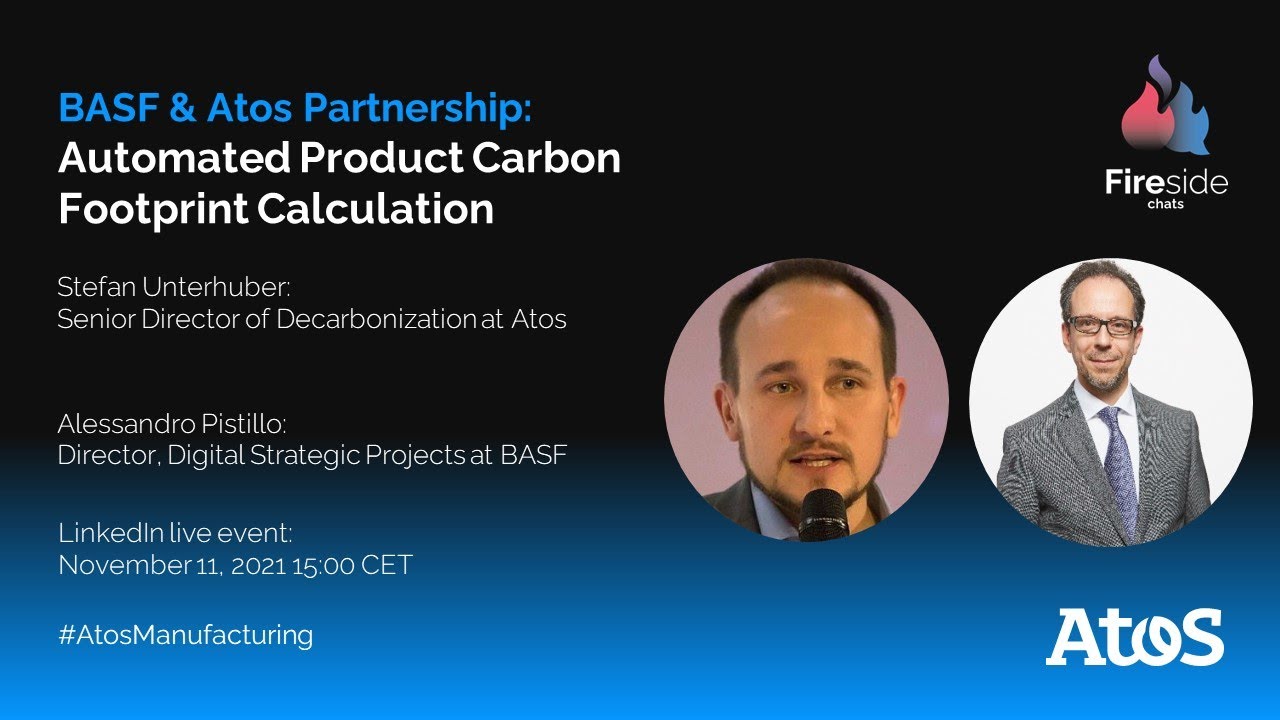


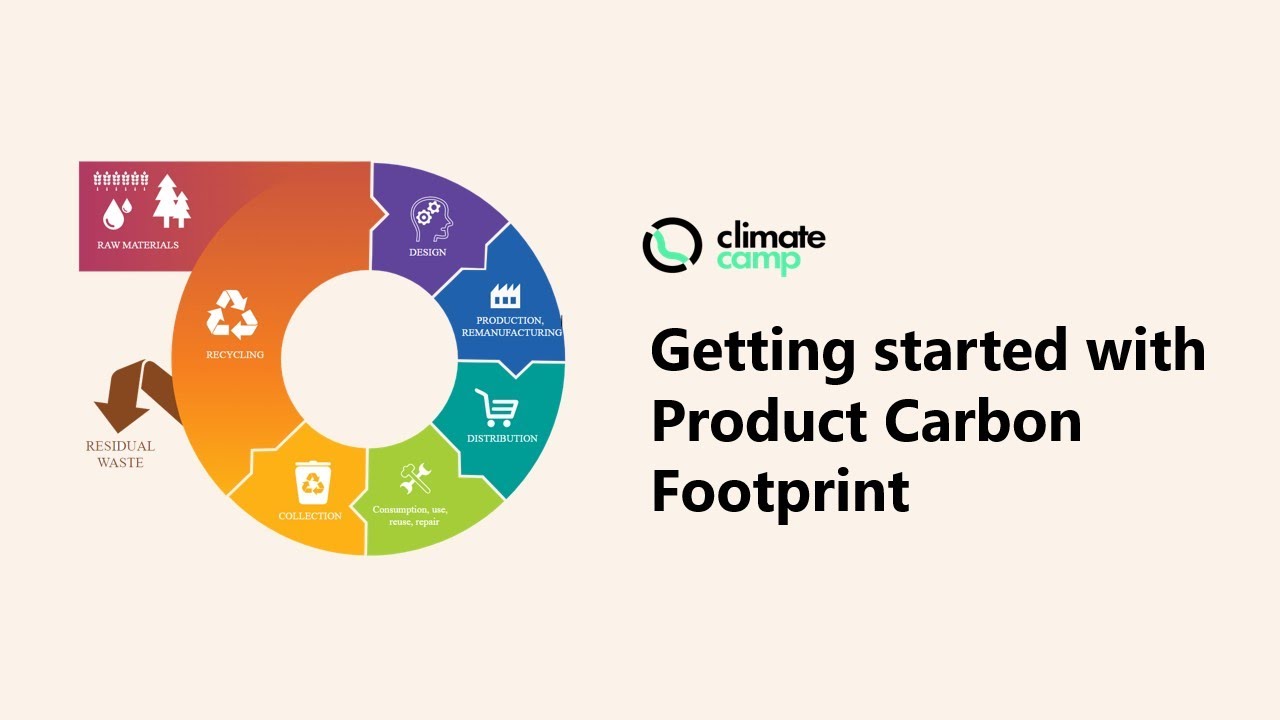





BASF has developed an automated digital solution for calculating the carbon footprint of its entire product portfolio (approximately 45,000 sales products) using a bottom-up approach based on primary data from internal ERP systems, environmental databases, and procurement records, combined with emission factors from commercial databases, following ISO 14067 and GHG Protocol standards; this methodology calculates cradle-to-gate emissions (from raw material extraction to factory gate) and is being validated for customer communication starting in late 2021, with plans to achieve ISO certification and participate in industry initiatives to improve cross-company comparability of carbon footprint data.
BASF Product Carbon Footprint: Calculation & Transparency
Added:Basic principles of Life Cycle Assessment (LCA), particularly the difference between cradle-to-gate and cradle-to-grave boundaries.
The Greenhouse Gas (GHG) Protocol framework, specifically understanding the definitions of Scope 1, 2, and 3 emissions.
Introduction to ISO environmental management standards, specifically ISO 14040/44 for LCA and ISO 14067 for product carbon footprinting.
The conceptual difference between primary data (directly measured from specific processes) and secondary data (industry averages or database estimates).
Advanced integration of Product Carbon Footprint (PCF) data into corporate enterprise resource planning (ERP) systems for automated, real-time tracking.
Supply chain decarbonization strategies, focusing on how companies use PCF data to collaborate with and evaluate suppliers.
Third-party auditing and environmental product declaration (EPD) assurance processes required for certifying low-carbon product claims.
The methodology and challenges of calculating avoided emissions (often referred to as Scope 4 emissions) in chemical and manufacturing value chains.
12K views100likes34:04Original Release: 2021-03-23
a very warm welcome to each and everyone in line it's 301 central europe time and we warmly welcome you to our second week of our series of web seminars which we are conducting due to the fact that the inter-pax or trade fair in 2021 does not take place sadly and so we at bsf thought how can we bring our topics along to our interested audience and so this is how we came up with our webinar series and we are happy that you all joined today that we can share with you an amazing topic today with two great experts in line so we would like to talk to you about the bsf calculation of the co2 footprint of our products and we have two experts with us um who you can you can see martin already you cannot see jan yet but i think we will see jan in a couple of seconds and so you can see martin already on screen who is um there you go there's also young great and so we have martin here with us responsible for artificial intelligence solutions in dsf and digitalization of services and core systems and we have um jan schuner born with us who is a team lead for our lca corporate sustainability topic in bsf and so we are happy to have them both here to share their insights about the calculation of our co2 footprint my name is nina i'm in the communications department in the monomers division at bsf and responsible for a responsible for the communications of the poliomites business so whenever you have a technical issue today or any questions from a technical point of view please directly contact me via the chat functionality in webex and i try to help you with that in general before we go into our content here are some webex housekeeping rules for you so please provide your full name when you have dial in and do not appear as a dial-in user and we have set you all per default on mute when you have a question you have the opportunity to use the chat functionality or the q a function both on the right hand side of your webex tool or you can also raise your hand virtually then we will unmute you and you can ask your question directly to our two speakers we will answer all your questions after the session so after jan and martin's presentation we would like to ask you please turn off your video when you have turned it on we are speakers will have turned it on for sure but in general i will also turn it off to save some bandwidth in a couple of minutes we recommend you to avoid to use voiceover ipconnection so the call using computer function and we also would like to raise your attention to the topic that we will record this session today to all the participants who are not able to join we will provide the content so the presentation and also the recording of the session today at our internet website in mid of this week and you will all receive an email when this is available just for your information you can only see yourself in line and for sure the three of us but be aware we have about 125 people in line already so due to data protection reasons you only see yourself and with that i can hand over the ball to yan and we or i personally also look forward to your both presentation so please jan go ahead very warm welcome from my side as well this is speaking i'm um in the bsf corporate a sustainability team and i'm leading a team for life cycle assessment experts and i'm also heading our internal project for the automatic calculation of for account footprints it's my great pleasure today to be here with you and tell you a little bit more about this yeah and this is martin um speaking um i'm in the department of ai solutions so digitalization of our core systems um together with jan i'm gonna talk a little bit about uh the solution we developed this house today from my background i studied maths and political science and i'm usually somewhere at the connection between internal colleagues who need a digital solution and our internal colleagues who provide this digital solution okay super so let's get started with our webinar on the topic of calculation of co2 footprints for the entire sales product portfolio of bsf um let me go to the next slide here here we go so the talk is structured as follows we will first give you a bit of a background on the climate change topic and our bsf02 target then we will talk about our motivation to actually provide carbon footprints for our portfolio then go into the question how the carbon footprints are actually calculated and then provide a an outlook and some information about the timeline of our project before we conclude with a summary at the end of course so starting with the introduction um we are a chemical company and we are operating um of course plants where energy is consumed so to make chemicals to transform materials from a to b you need an input of heating electricity gas or steam for example and sometimes the processes even are a direct source of co2 and this is of course associated with an impact on our climate it is by now well understood that this anthropogenic effect of greenhouse gas emissions is changing has long-term effects on our climate long-lasting changes in our environment are associated with that which puts the basis of our lives and the lives of our children into danger when we talk about greenhouse gases we are talking about a bunch of different gases but we all summarize them under the umbrella terms so to say greenhouse gases or co2 equivalent emissions um because this is such an important uh topic for all of us usf is taking action and uh is becoming to protect the climate therefore bsf supports the objectives of the paris agreement to limit the global warming to well below 22 degrees centigrade and it's not a new topic for bsf uh it's really some a topic that has been close to our minds and hearts already for quite some long time and as martin will show you now it is an essential part and task of our corporate strategy yeah one level of our strategy right now um is called on the headline co2 neutral close until 2030 we tried to put on that one chart a little bit a feeling of of magnitude what we are talking about obviously we as a chemical industry are kind of i'm heavily using electricity but also during processes emitting co2 and co2 equivalent gases to the atmosphere and what you see here is our commitment to grow um co2 neutral from 2018 to 2030 so this means a significant increase in production volumes about a stable co2 emission which leads them to a significant lower specific co2 emission per kilogram product we produce what's important from our perspective is that we did not start in 2015 2016 2017 with co2 emissions and looking at those and trying to decrease them but if you compared to 1990 for example we already have a significant way behind us and we would say a pretty successful significant way behind us in decreasing our emissions to the atmosphere at the same time and increasing our production volume and how we're going to tackle this from 2018 to 2013 or from 2021 to 2030 is on the next chart with john okay so the key to this is the carbon management program at basf and this is the level with which how we want to reduce our greenhouse gas emissions first keep them constant until 2030 as has been said and then reduced them beyond 2030 significantly so the carbon management program has um it's a collection of different activities and it has main three three main pillars one of them is the aim to reduce the to increase the production and process efficiency to make our plans even more efficient and further optimize the resource use in our processes the key to this is really operational excellence both in optimizing the existing plants and asset base and and also when constructing new plants like our new integrated furboon site in china the second pillar is the purchase of renewable energy we have a an ambitious renewable energy road map where we will increase significant share of the green power that goes into our operations and third and last we are investing heavily into a r d program to develop breakthrough technologies in chemical processes that will allow us that should allow us to further and significantly reduce the carbon dioxide emissions beyond the 2030 goal so from 2030 onward so with that background we would now like to uh talk to you a little bit through our motivation to provide carbon footprints of products for our portfolio yeah and starting uh with the most important thing our industry and why there is an increasing demand for industry let's say you can go to more or less each and every web search tool you might want to prefer if you go in there and look for something like scope 3 greenhouse gas emission targets i'm going to initiatives like um science-based targets um you will find plenty of of examples much more than the ones i have chosen here on the chart but just to give you a glimpse on that let's say after for example i'm committed to reduce scope 3 emissions by 14 percent up to 2030 based on 2019 dsm wants to reduce by 28 percent um based on 2016. henkel therefore wants also to reduce by thirty percent and uh e4b vw for example wants to have a hundred percent renewable energy in the production of their battery cells this is the glimpse on several different examples which should highlight that let's say we think that the vodacom footprint and knowing about your product footprint is an essential part in our industry and we wanted to drive this on a completely new level and not just having one two three a hundred protocol footprints but wanna scale it up to our full portfolio so uh what is the product carbon footprint that we are now talking about um the product carbon footprint uh summarizes the specific greenhouse gas emissions that are associated with making a product and throughout the life cycle of the product um so when i say specific amounts then i mean it's the amount of greenhouse gases per a say kilogram or per a ton of a specific product and when we say life cycle we typically talk about two different um yeah boundaries here first one is the so-called cradle to gate boundary where we summarize the greenhouse gases along the value chain from the point of the extraction of raw materials up to the point where the ready-made sales product leaves our bsf gate out to the customer that would be the cradle-to-gate calculation and other than that we are also um we also have the perspective of the crater to grave which then would also take into account the use phase the application of the products downstream and then the end of life however for the purpose of the current uh talk we will focus on the cradle to gate calculation so this are say the uh the backpacks the co2 backpacks that our prayers have products bring with them when they are uh used as raw materials um in our in our customers processes and this is what what our customers are mostly interested in now um they want to use buy from us to inform their scope 3 greenhouse gas reporting to support a target tracking and setting product design and labeling and also to steer offsetting measures more accurately one important driver is the science-based target initiative that helps companies to formulate and track progress on reducing greenhouse gas emissions in their own operations and in their value chains so next to our customers there's also increasing interest from the investor side on co2 transparency in value chains just to name a few examples here is the cdp carbon disclosure project or tcfd initiatives and also if you look at the eu in the eu taxonomy they are already it's already the idea proposed to use carbon footprints to classify products into taxonomy conform or not conform there are also ideas around legislation or regulation i should say for example in the field of batteries where carbon footprints of batteries could be used as a criterion to regulate access to the european market so this has become a very very important topic for the entire industry and therefore bsf has decided um to also invest more into this topic um and um this is what um we are going to explain here later on with uh with our new common footprint calculation tool yeah and one last chart in that section obviously we're talking today about transparency and and the tool we're um explaining and showing to you in fact is let's say bringing you transparency on product footprints of basf but we know let's say we also know what's going on in the industry um and there we also have offers just as a little glimpse and information for you we have offers to reduce significantly the carbon footprint one and very well used in bsf is the biomass balance approach um i'm not going to go into details here i think there has been a webinar in the inter pack with frank kyle and you might most likely also on the website where you find our video find the video from this one but the idea is really to to give you an offer um to not only get product footprint numbers for us for example for an ultra meat but also get reduced options of them and pretty easy reduced options which are in here as drop-in products so no change in specification but we just put up calm footprint but i said details um are better found in that other webinar today we are rather talking about the transparency of product footprints and how we achieved it for the full portfolio okay so then we will turn now to the question how are the carbon footprints actually calculated in practice so i would like to start with changing a little bit the perspective and as an example name here a personal footprint calculator there are different uh examples of that on the inter on the web you can find them and this one is uh i think a nice one made by our colleagues from henkel um and with this footprint calculator you can calculate your own personal current footprint and in order to do so um this calculator will ask you to enter quite a bit of data on your behavior you know i mean um how do you heat your house um how do you um what kind of food do you what kind of food do you eat what do you prefer how is your mobility behavior and so on and so forth and this is what we um in the experts call so-called activity data um so basically how much of what do you do and and um once you have collected all this information you can enter that into the tool and within the tool then these amounts like so and so much kilowatt hours of natural gas that you use for your heating of your house will be multiplied with so-called emission factors and these emission factors tell them um or then have the information how much co2 equivalent emissions come with using say one kilowatt hour of natural gas for heating so these two components are essential and the third part is then the so-called allocation so imagine you are sharing your house with your family then the calculator will also decide how much of the co2 emissions basically belong to you personally versus the rest of your family so these are kind of like the same patterns that we have when we talk about the carbon footprints of products however for calculating the carbon footprint of a chemical product you have to look into detail into the production network so to say the value chain or the process network of making a particular example here this is a polyamide six that will transmit a material for packaging so in this case what we do is we extract this activity data so how much natural gas how much raw materials how much steam and so on is happening in each of these single process steps within our operations and also if there are process steps that have direct emissions of greenhouse gases they are also considered none so these and then taken together are the so-called scope and scope tool emissions and from our own operations and then we combine this information with the co2 emission factors for steam and electricity for example we produced um partly on site there we know how much co2 we emit for making steam and electricity but if we buy purchase energy um from from from external energy uh providers then we have market-based emission factors then that we can use to calculate the co2 impact of our energy demand we also combine then our raw material this the list of raw materials that we need to produce this particular product for example here in this case it's benzene sulfur natural gas with the emission factors for those materials and with the activity data that means with the amounts with the specific amounts that are needed and if we sum up this all these different contributions we arrive at the specific carbon footprint of this ultronic material and this is just one example um you need to do this and you need to be able to do this for a large number of different products and in the bsf world we are um producing um a wide variety of products from petrochemicals to intermediates to fine chemicals all the way to aroma chemicals and even precious metal catalysts so you need basically universal approach to calculate the carbon footprints of all these different materials in order to do so we calculate the carbon footprint based on the primary data of our own plants we take this information from our internal i.t systems um so this is um basically i think the the best thing that you can get in terms of data quality for the um raw material data um we apply emission factors from databases so here we are relying on commercial providers for example or public databases for emission factors of raw materials for the experts this approach that we take here is sometimes also referred to as the bottom-up approach or lca type approach and because it is um looking at the contributions of the processes only that are contributing and that are really contributing to a specific product so we we basically consolidate the delayed the data along the specific cradle to get a process network of of the given products um this whole logic is built on the pertinent isis standard the iso 1467 for carbon footprints of products which in turn is based on the well-known iso standard 14-44 for life cycle assessment and additionally this calculation methodology is aligned with the greenhouse gas protocol product standard i should also add that methodologies to quantify sustainability performance also product level is not a new topic for us in bsf there is 25 years of experience in methodologies starting with the eco-efficiency analysis life cycle assessments and footprints so we have produced carbon footprints for materials since 2008 and we are also one of the first to report a corporate common footprint in the chemical sector yes and based on this kind of uh 25 years of experience i think that the really new thing is that that bsf has started uh like one and a half years ago to combine two strengths or two things we would consider as a strength the one is the experience in sustainability and sustainability assessment and the second one is digitalization in our industry um and bringing those together we were able to bring those carbon footprint calculations on a completely uh new level was having it available for the full portfolio how did we do it um and jan showed it a second ago on this one chart um the input factors are rather clear and straightforward so you have raw materials you have energy which is going in and you have production plans um the complexity which is made up in this tool which we developed in-house is that you need to get all together and then getting this all together what we call harmonization of the data input is based on our erp system so the enterprise resource planning system databases we have for environmental health and safety information as well as procurement databases you see a bit of a complexity for bsf it is 700 production plan so this means bsf is not a company which is purchasing some material having two production steps and then have a space product this means we have also the need to get all of our production steps which are in our own operations with our own primary data together in our model we have achieved that by pretty efficient we would say matrix solver algorithm which is resolving all those internal steps which come one after the other and we have put on top of that as we know from the experience with digitalization that the best number you have is not as much worth if you don't have a good way to communicate it to your internal colleagues or to the external world we have put on that state-of-the-art craft visualization where you can also follow kind of visually uh your carbon contributions in your network if we take those figures together what we estimate we come up as the unsaid with our corporate carbon footprint we have which is a good sign and so far we are still working also on the raw materials part where we are as mentioned using third-party data until now but we want to look into other supplier specific data instead of third-party data on that the digital solution is running it's updated once a year to our planning right now and providing the new figures as obviously the input factors are changing so the production processes are changing the raw materials might change the energy consumption might change so we have an update from uh once a year that's roughly a nutshell the solution we have and i think um jan has one on the outlook now and then we can come to the q a yeah okay so um where do we stand with our project to calculate the current footprints of our entire portfolio as martin has already said um the it project was started in january last year we did have our core setup of the it running in summer last year where we then were able to calculate first results for the carbon footprints of products and since then we have been starting or we have started to work on the validation of this data of this results um but the overall implementation of the it project is planned to be finalized by quarter three this year as i said the validation is already going on so it's quite some time this is maybe one very important information also here for you um we will communicate carbon footprints of product only to customers where bsf has a business relationship with um so it is not intended and not led to publish the carbon footprint data of bsf products to the general public only to those parties where there is an actual business relationship um and this is only going to happen after um the data points have been validated this is a quite labor-intensive exercise i have to say that we do and i'm very grateful here for the collaboration with our internal technology and controlling experts that are doing a great job um to go through the carbon footprint data of their portfolios and analyzing if everything yeah is correct so this exercise is planned to be finalized by the end of this year so then from then on um we should be ready to to hand out these results in parallel we are also working on a certification of our carbon footprint methodology we aim to we were working here with a verification provider an independent verification provider that should and we are aiming at certification that states that our methodology that we have implemented in this tool is in fact compliant or conform with the iso standard for comfort print of products and the goal is to obtain the verification statement somewhere in the second quarter this year this certification should also support the other reliability and conformity as i said of our calculated numbers with the relevant standard talking about standards um i have to add that um with the existing base the greenhouse gas protocol product standard and the iso 1467 there is already a very good basis for calculation of carbon footprints of products however and there are still there's still a bit of room for interpretation in these standards and due to this fact um it is not guaranteed that the carbon footprints that calculated bsf are in terms of the methodology 100 percent comparable to calm footprints produced by other companies or other institutions for example and this is because as i said there's a room for making choices how to allocate basically carbon dioxide emissions between products that are for example coming from the same plant from the same process um and that's why we are also stressing that at the moment the comparability of the carbon footprints that we produce is limited or is they are kind of flawed a little bit by this by this fact you know comparability versus the numbers produced by others that is so um that is why bsf has taken also action and is engaging in working on different levels on more detailed specifications for individual production processes and and products to close these gaps basically and make the guidance more stringent and then also to achieve the situation where the carbon footprints of different companies different institutions can be compared on a fair basis and some examples for initiatives that are meant to advance the pcf data consistency and also to come up with new ways of collecting and sharing data are these three here where we are participating um one of the value chain card transparency pathfinder project hosted by the world business council for sustainable development there are a large number of bigger corporations has teamed up to come up with a methodology and a data collection and sharing approach um along the value chain um to increase the transparency of greenhouse gas emissions on the specific product level up to the point where they potentially reach the retail market and and this is the cross cross industry crest sector initiative basically then more specifically to the chemical sector and there is the second part this is the together for sustainability initiative this is a initiative founded by the chemical industry and their suppliers to collect sustainability related information on the supply chain and the tfs initiative has recently extended its sustainability program to also include a data collection approach and methodology for ghg scope 3 emissions so that is that means also the supplier or the value chain emissions and likewise there are also in this work stream there are also packages dealing with the methodological questions these closing the gaps in the standards as i called it and also a data collection approach to practically then increase the flow of primary data from from from suppliers to customers and last but not least the automotive sector has also currently um just recently started a new initiative bsf has also joined recently and this is the catena x initiative um in there um the partners are working on a platform solution that has actually many different aspects uh from you know part traceability um to our reliability of supply but one important aspect here and this is why it's relevant in this context is also sustainability and particularly also greenhouse gas emissions so to then be able to at the end calculate the carbon footprint of the cars and more accurately and more based on more primary data so exciting to see all these dynamics in the market i could go on and name a bit more even some more initiatives that are underway um but these are the ones where we are currently spsf putting putting a little bit of a focus on okay so we are already at the end of our talk i would like to wrap up the talk by giving you a summary so with our new automated carbon footprint calculation approach we aim to provide more transparency for our customers on the specific carbon footprints of our products that we produce it should be stressed maybe again that um our current footprints are based on an actual data from our processes so these are not theoretical numbers but these are really the numbers emerging or coming out of our primary process data and our actual stated greenhouse gas emissions on the product level um we have um created a new digital solution that is able to calculate these cradle to gate product carbon footprints automatically for the entire portfolio of around forty five thousand sales products um which has been for us uh a necessity necessity to say so uh i can say because otherwise it would have been just too time consuming uh to do this manually but also now has the big advantage that we have a consistent approach and a unique single point of truth for our psf calculation of the product carbon footprints so that means we have achieved this uh here in the third total point the goal to have consistent data for the global portfolio we are dedicated and working heavily on validating these numbers currently and we target to be able to communicate um validated numbers by end of 2021.
um as i said the methodological choices and the the things that we now do here are based on a long-standing experience in quantifying sustainability performance [Music] and we are engaging in establishing standards to make carbon footprinting even more mainstream and also more useful in in cross-industry approaches and course cross customer or say cross-competing networks yeah so um thank you very much for your attention i hope we were able to give you some interesting insights into what we have been doing here in the last one and a half years basf we create chemistry
Up Next
21:10
Intermodal Transport: Cutting Freight Emissions and Costs
@GirtekaGroup
13.7K views•2024-07-08

12:54
Triumph of Orthodoxy Icon: Byzantine Art & History Explained
@BenCallan
2.1K views•2024-08-06

9:49
FastAPI vs Flask vs Django: Choosing the Right Python Web Framework
@TechWithTim
302.5K views•2024-05-26

1:42
Game of Thrones Opening Credits: A Cinematic Analysis
@gameofthrones
46.3M views•2011-04-18
Related Study Plans & Knowledge Roadmaps
Structured learning paths in General & Interdisciplinary Studies
general-studies
Elevator Engineering: History, Physics & Cities
01From Hoists to Safety Brakes: The Dawn of Vertical Lift
02Hydraulic vs. Traction: The Engineering Physics of Elevators
03Modern Speed, Safety, and Algorithms
+ 2 more learning modules
12h5 modules
Explore Roadmap
general-studies
Rubber: Material Science, History & Geopolitics
01Origins of Natural Rubber & Mesoamerican History
02The Chemistry of Natural Rubber & Vulcanization
03The Geopolitics of the Rubber Boom & Colonization
+ 2 more learning modules
12h5 modules
Explore Roadmap
general-studies
Containerization: Evolution, Logistics & Trade
01Ancient Trade & Bulk Cargo: Amphorae to Barrels
02The Industrial Revolution & Cardboard Packaging
03The Containerization Revolution: Malcom McLean
+ 2 more learning modules
12h5 modules
Explore Roadmap
general-studies
Textile Tech: Evolution, Labor & Global Impact
01Pre-Industrial Textiles: Handloom & Cottage Industry
02Mechanization: The Spinning Jenny to the Power Loom
03The Factory System & Global Labor Transformation
+ 2 more learning modules
10h5 modules
Explore Roadmap