






















A circular economy transforms waste into valuable resources by designing out waste and keeping materials in use for as long as possible, as demonstrated through examples like textile recycling in Italy, clothing rental services in Singapore, expandable garments using negative Poisson's ratio technology, and innovative biomaterials extracted from black soldier flies and electronic waste, ultimately creating economic and environmental benefits while reducing humanity's ecological footprint.
Circular Economy: Closing the Loop | Sustainable Business Strategies
Added:The Linear Economy Model: Understanding the traditional 'take-make-waste' industrial process and its inherent environmental limitations.
Basic concepts of climate change and environmental sustainability, specifically the impact of resource depletion and greenhouse gas emissions.
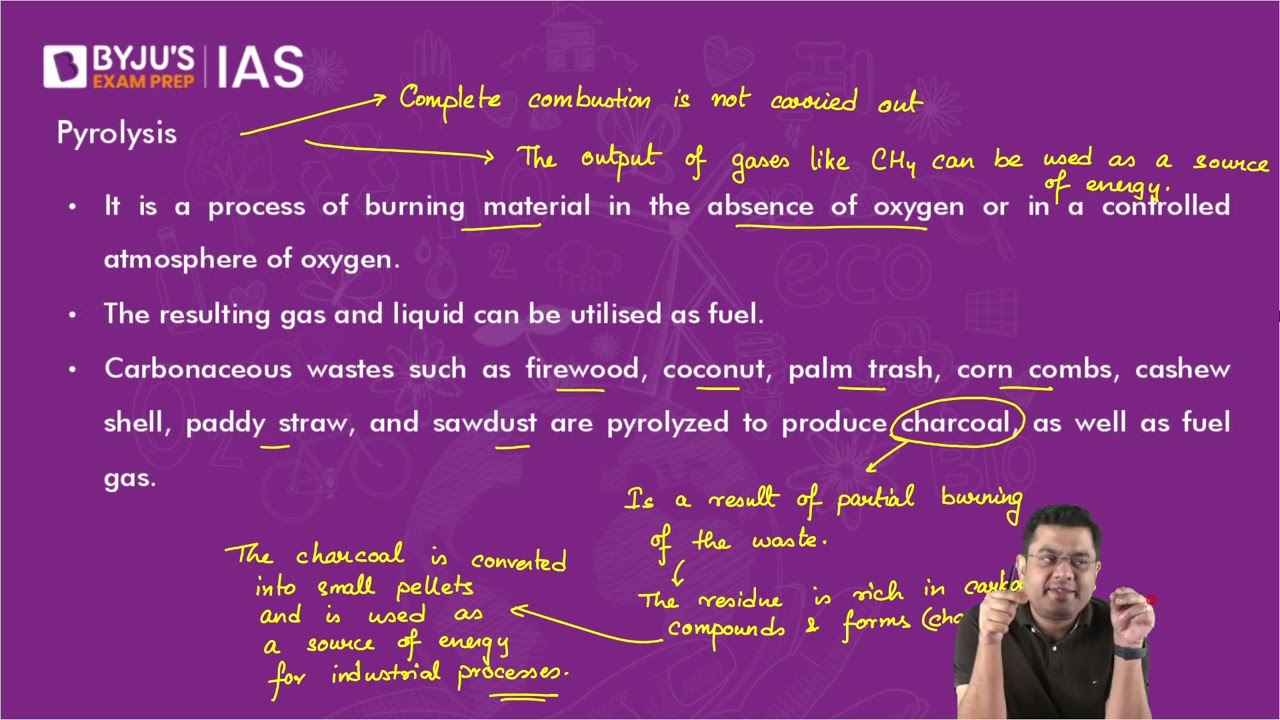
Fundamental waste management hierarchies, including the distinction between downcycling, recycling, and reuse.
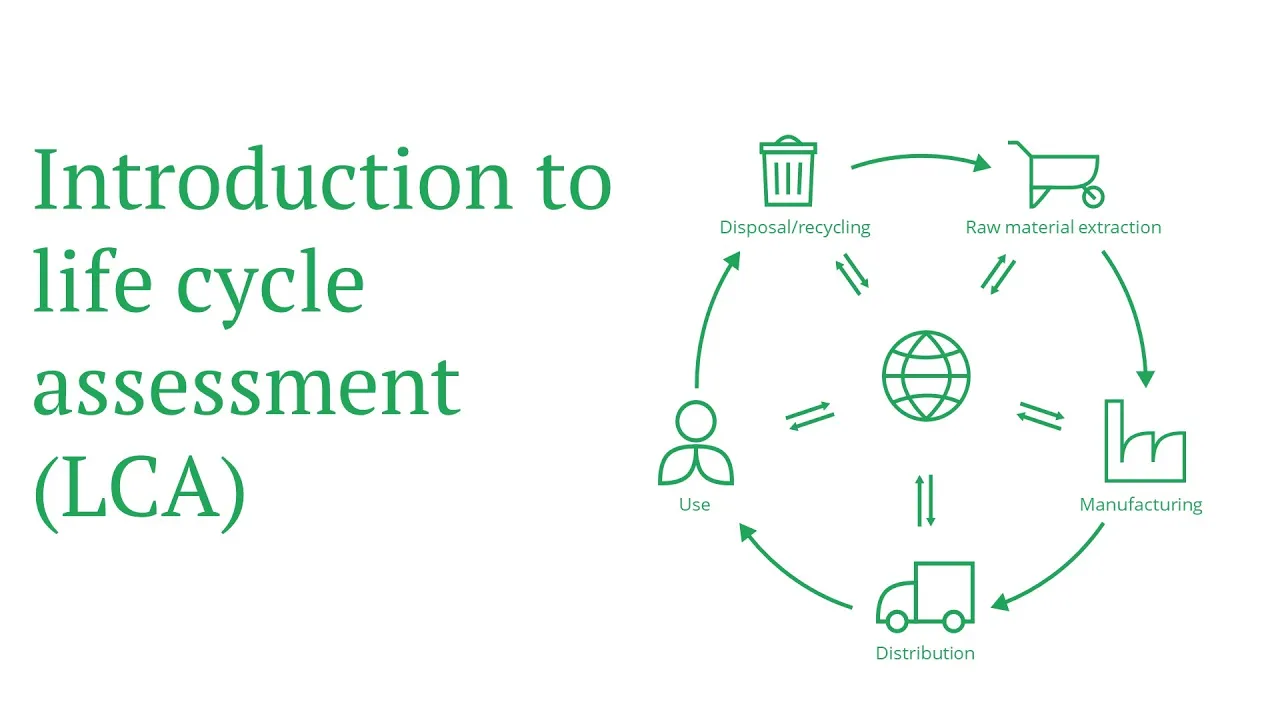
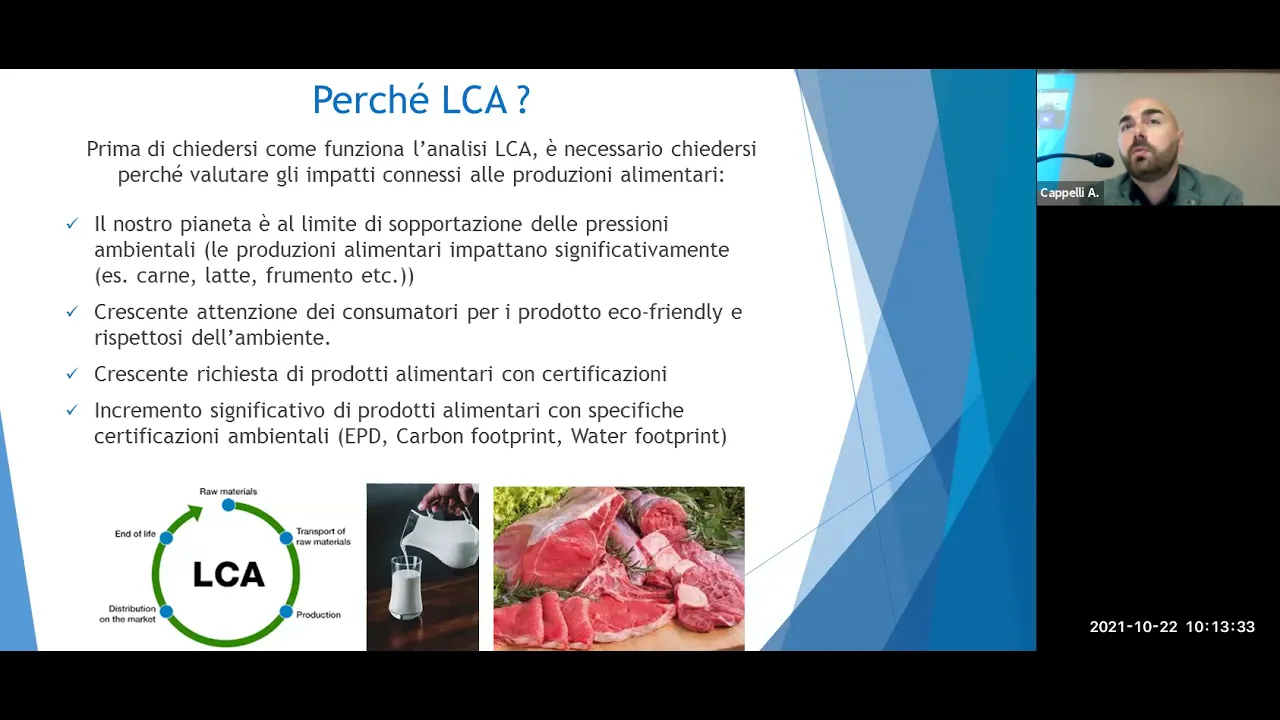
Introduction to Life Cycle Assessment (LCA), which evaluates a product's environmental footprint from raw material extraction to disposal.
Cradle-to-Cradle (C2C) Design: Studying design frameworks where materials are viewed as nutrients circulating in closed loops.
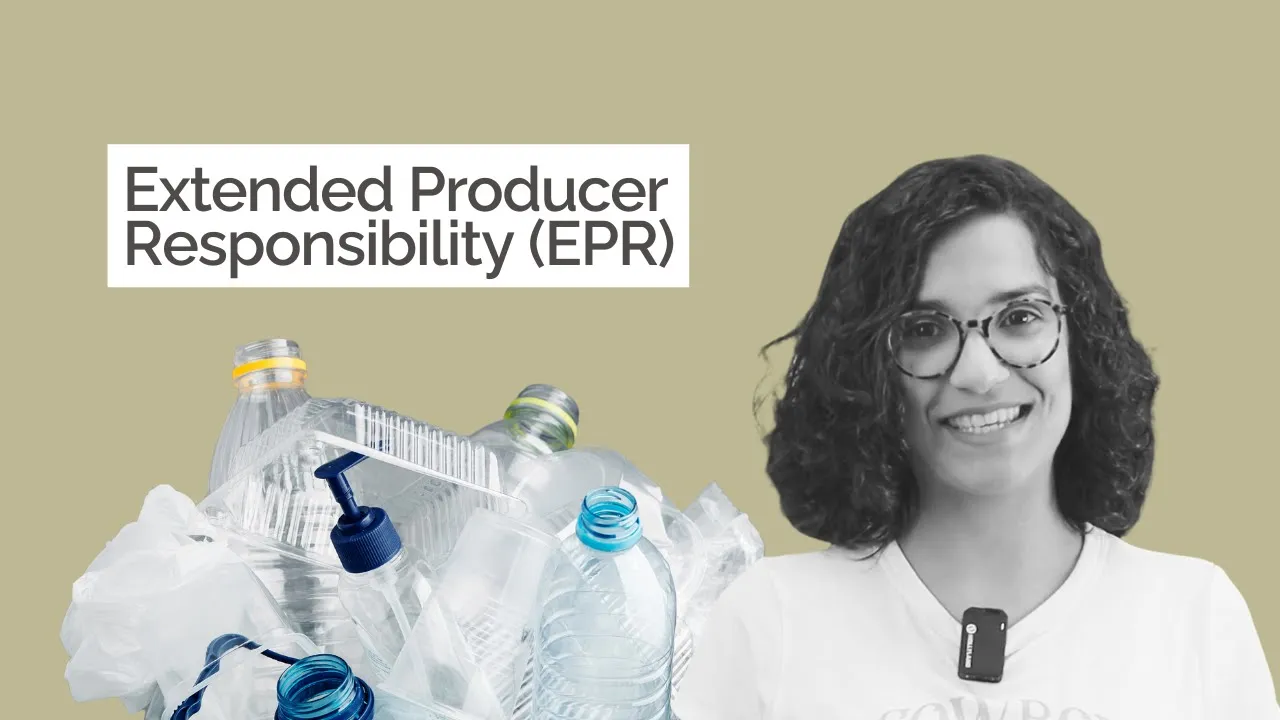
Extended Producer Responsibility (EPR): Analyzing policy approaches where producers are given financial and/or physical responsibility for the treatment or disposal of post-consumer products.
Industrial Symbiosis: Investigating how different industries can cluster together to use each other's by-products as raw materials.
Reverse Logistics and Sustainable Supply Chains: Exploring the operational and logistical systems required to retrieve, refurbish, and redistribute used products.
260.6K views2.3Klikes49:40Original Release: 2021-07-30
[Music] the alternative to the linear economy is a circular economy this is this idea that everything that you produce goes back into the system so there is no waste look at waste as a design flaw it's about reimagining waste as a resource every resource gets a second life or gets as many multiple lives as possible circular economy just means we have to be more like nature what do we leave behind and how can we make a change to the environment we're living in [Music] [Music] deep inside the tuscan mountains stands prato home to the textile capital of italy the city doesn't just produce textiles it also recycles them fabio marcello started his own textile recycling business continuing the family trade we have a long story in this business in recycling i think all started in the 14th century i am the third generation in this business i work in a recycling textile because of my family i want to be a merchant and why not in this in this business that is our history and the history of my family the family built its business on collecting used clothes it's a crucial first step in an ecosystem of clothes recycling that's made the town famous prato is said to process 15 of all recycled clothes in the world twice a week come from germany one truck full of as they say garbage but for us it's not garbage it's uh rav materials and recycling materials and also every day arrive four little trucks from florence and our process here in company is to make a selection of these goods and our main business is to take as much as possible material has reuse only after we think about recycling this is the most important step of selection that's why we have our oldest friends and employee paola that work with us since 25 years ago and all what we select here is extra quality and this material is what remain here in our italian market or go in east europe market the clothes receive a very valuable second life wherever they end up that's important considering that making clothes is a highly resource intensive enterprise the fashion industry produces close to 10 percent of the world's global carbon emissions and uses nearly 100 trillion liters of water annually that makes it the second most water-intensive industry in the world more than 80 percent of all clothing finally ends up in landfills or incinerators prato's history of recycling originates from leaner times centuries ago times were hard raw materials were scarce and people needed clothes pratos sensei aiolis or rag men of old would collect clothes and select them by quality texture and weight then they would organize them by color and from the shreds recycle the fabric the same process continues today with a little help from modern technology while fabio works to get clothes with a little more life left reused fabrizio tessie deals with clothes that are completely spent his workshop recycles up to 25 tonnes of clothes in a single day [Music] [Music] this is the result at the end of the process mechanical wool what was once the fabric of used clothes thrown away has now been given a second life prato shows the world that it's not just technology that enables change but culture too this is a circular economy that's been keeping livelihoods going for centuries [Music] [Music] [Music] going circular means more than just making new clothes from old ones it's also about getting as much use as possible out of them one company in singapore is rewriting fashion by getting people to rent clothes rather than buy them this is for order number 48a right i need you to kcds in a city like singapore a lot of women live very busy lifestyles and are generally quite time poor so the platform that we provided them allowed them to have that freedom to just wear anything that they choose from very favorite designers from all across the world which are designs that they wouldn't have access to usually okay so these are the trending colors it works like this customers pick their plan starting from about 45 us dollars a month for clothes and 75 us dollars for bags they select what they want on a catalog and a box arrives at their door they return it after a month and it goes back to a cloud wardrobe full of items that are carefully curated according to a database of preferences for styles sizes and occasions the company have since set up cloud wardrobes outside singapore in jakarta and hong kong it enables every piece of item that has been produced to stay within the ecosystem a dress that has usually only been worn two or three times it's right now being used 30 to 50 times within that ecosystem really stretching the life span of every piece of item how many pieces can this bag fit it will fit for too quiet so we have facilitated over 2.3 million rentals so far and we're very proud of that because that actually helped to save over 600 000 pieces of items not going into the landfill it is actually a small win for us and there's just so much more that we could do together if everyone tries out rental and really prevent the unnecessary production of clothes and unnecessary throwing away of clothes ten thousand kilometers away in london another business has a different idea to give clothes a little more life ryan mario yasin is a clothes designer of a quite different sort i think design really should solve problems and at the same time push humanity forward so that tomorrow is better than today brian trained as an aeronautical engineer [Music] then put those talents to a different use he makes clothes or as he calls it wearable technology well how can we design for a family on mars you're not going to want to take seven garment sizes up into space so if you can have clothes that grow that is the garment that they would take to mars at university ryan designed expanding structures for cube satellites ryan's folding structures meant that solar panels could be folded into a gap just millimeters wide and when deployed in space unfolded into a large structure he used those expansion ideas on pretty please clothes so the way a particular garment works is it's embedded with a structure that allows it to grow bi-directionally to custom fit a range of ages that's called a negative poisson's ratio so what a negative poisson ratio is is essentially a material that grows along its length and width at the same time so this is the most optimal expansion ratio for a child between the ages of nine months and four years thus this garment grows through seven discrete sizes and when junior outgrows the outfit it gets passed on to his younger siblings some people loved it some people absolutely hated it it just caused so much conversation and that was the perfect opportunity to get people talking about waste and sustainable fashion and resource efficiency and innovation within the garment industry all you have to do is pull horizontally and it resets the entire structure for easy care the materials we use are from waste bottles so we recycle the waste bottles turn them into the fabrics too the manufacturing process is so streamlined so instead of creating seven different sizes we create one size and that means more efficiency for the manufacturer three what people do often these days with fashion e-commerce is they buy multiple sizes and then they return the size that they don't like or that doesn't fit them as well and this amounts to a huge amount of co2 emissions and it's really bad for a company's bottom line to be able to survive next you have the users so how can you inspire users to live a better life or to also grow up to solve problems we're speaking to the parents and we're speaking to the children and we're trying to inspire the children to grow up to be astronauts to grow up to be engineers and scientists and to use design to their fullest potential or communication to its fullest potential to spread the word in terms of emotional durability it's creating a garment which will change with you as you change yeah they haven't stopped at children's clothes ryan is applying his technology to maternity wear and outfits for the elderly with mobility issues they also want to lease their clothes so they have longer lifespans altogether this is an antidote to the widespread culture of buying and throwing away yeah but you know i don't want to put my child in a garment for two years because that's just so not normal in today's world but if we can make that the norm then there's so much opportunity for that really our goal at petitely now is to nudge people's behavior and mindset towards their garments to understand that their garment shouldn't really cost less than a sandwich and also show them the potential of actually investing in the value of the garment there's a huge potential for our garments to just add more value to our everyday lives and i think that we should be asking more of those garment designers and that supply chain to ensure that that can happen in the future from my perspective science need to be social most of our science is actually funded by society it can be knowledge it can be technology right but it should be like a return to societies javier fernandez and steliano stritzas want to change how the world makes materials so they won't cost the earth to produce it's disrotating yep okay they're co-inventors of a fungal-like adhesive material or flam flam is a bio-material it's made of natural matter that's abundant in supply the lab's work could herald the dawn of a circular economy of materials biomaterials are easily recycled and they could be the long-awaited antidote to the overuse of plastics plastic brought like a completely different concept to the table that is the concept of i can manufacture really fast and i can manufacture very cheap so now the things they are not made for lasting they are made for convenience so after you have a dinner you don't need to do this you just wrap everything and then you throw it away and now for us it looks funny it was even terrible right and it's not because these people was bad right it's because the concept of we have a limited space on earth is is [Music] is true right i think we cannot expect that biomaterials can completely replace plastics because they have some very useful properties so for certain applications are indispensable for example synthetic glass from petroleum can be used for applications where you need to create barriers for oxygen and water exactly because of those properties common plastics cannot be recovered by natural processes what we can target pragmatically is to deal with the overuse of plastics right that's a more practical and reasonable approach for the time being and maybe in the future if there's new forms of biomaterials maybe we could even replace plastics synthetic plastics first we're gonna create the resin or the adhesive to create the adhesive we need water here and i need to add 10 grams of chitin here we need to add the acetic acid we will start becoming like a gel at some point i won't be able to stir it anymore then we prepare for mixing it with cellulose [Music] so after we complete mixing then we get a material which has the consistency of play-doh you can take any shape you want and that's why it's kind of a bioplastic material the material is natural and the production process mimics nature it's done by additive manufacturing otherwise known as 3d printing this is almost how nature produces with layer upon layer of material forming a final product this is very unlike traditional manufacturing processes where we use stock material and we cut patterns and shapes out of it and producing a lot of waste so in that way actual manufacturing is very efficient about material use this is actually very similar to how production in a sense like assembly takes place in nature where material is used very efficiently because the geometry is something that is for free in nature but the energy to assemble these complex shapes and structures is what needs to be minimized right because the resources are in scarcity this is the relationship but also more importantly additive manufacturing is a general manufacturing technology so you can literally or in theory fabricate any any object so that allow us to also decentralize the production with natural materials and that's key because biological materials are everywhere the potential of these materials that are distributed everywhere in the world and have a technology that also you can distribute everywhere in the world so they are like a perfect match between the concept of biomaterial and the concept of additive manufacturing applications of biomaterials are still in the research phase but the prospects appear vast equally promising is the abundance of sources of raw materials kaitin one of the building blocks in this recipe can be found within the city that story starts here at a suburb in densely populated urban singapore an unlikely place for a farm [Music] breeds a very useful species of flies hi guys morning when we begin the farm was a bit of shot in the dark because there is no such thing being done in singapore before and even in the region kaning farms black soldier flies which feed on food waste donated by soybean product manufacturers and beer brewers the flies have voracious appetites and multiply by up to 500 times they produce fertilizer from their feasts and nutritious animal feed from frozen larvae insecta earns part of its revenue from the sale of these products the word circular economy actually comprises two parts we have circular meaning sustainable everything that we do has to help the environment has to have an ecological benefit and the second part is economy which means it also needs to make dollars and cents as well in the way that we reimagine our production system it can't be bleeding money it has to make both ecological and economic sense animal feed and fertilizer are just part of the business insecta is fundamentally a biotech company their lab activities are housed at the institute of chemical and engineering sciences at singapore's agency for science technology and research and supported by enterprise singapore chief scientist poa jun wei is working on a way to extract valuable materials from byproducts of the black soldier fly industry so these are the raw materials from the black soldier fly industry inside these by-products are loads of biomaterials that we can use for the benefit of society we first remove all the minerals and proteins that are stuck in these by-products and we end up with chitin so chitin is typically found in the exoskeleton of crustaceans and insects from chitin we then turn it into kaito-san kaito-san has a wide variety of uses from pharmaceuticals to alternative foods all the way to agriculture in agriculture chitosan is used to promote seed growth and to help plants fight fungal infections in medicine it's used in bandages to reduce bleeding and its antibacterial qualities make it useful for preventing infections in wounds because it's biocompatible meaning it's completely safe in our bodies it's also being researched as an efficient way to deliver drugs to specific locations kaitosan is typically refined from chitin which comes from the shells of crustaceans but the important thing to understand is that it comes from a not so sustainable sauce people can say that it comes from waste because shrimp shells and crab shells are waste but it is still a consumption of marine resources and we know that when people make kaito-san they can actually harvest marine resources specifically for this purpose jinwei is working on a patented process that uses black soldier flies a much more sustainable source the other star product that could be extracted from the fly is melanin in the biomaterial industry melanin has been given the nickname black gold and that doesn't only refer to its value like it's worth a few hundred dollars a gram at the moment but also its potential uses because melanin is biocompatible it can one day be used in electronics meant to be inserted into the human body without the fear of heavy metals leaching out another use for melanin which is very very promising is where it can help with ct scans as well as mri scans and one more huge use of melanin its ability to diagnose and treat certain cancers insecta is pioneering the extraction of melanin from black soldier flies it's a discovery that promises to make melanin far more accessible it also opens doors to exciting new innovations that could benefit mankind all of the technologies that utilize melanin are all stuck in the academic phase they talk about their amazing inventions and people will ask them but where are you going to get this melanin from now they can actually say that there's an unprecedented and endless supply of melanin that could be extracted indirectly from food waste and thereby it helps their technology stand a chance at going to market high-value bio-materials made from food waste and black soldier flies chua kai ning says she's proud to see the circular economy happen right before her eyes my grandfather was a grangoony man for one thing so this concept of recycling waste i guess has subconsciously been inculcated in our family and the way we do things so that definitely carried over to my career so my passion it honestly lies in waist valorization i hate the idea that things goes to waste [Music] what do we leave behind and how can we make a change to the environment we're living in the things that really affected me when i was growing up was i didn't really think about where my waste was going but as i started learning more about the influence of my waste my own carbon footprint i realized it actually is not just a problem for the policy makers it's also a problem for us as singaporeans singapore is a food paradise but it also has a messy problem with food waste in 2020 singapore generated more than 650 000 tons of it a lot of food gone to waste for a city of just 5.8 million people part of our research that we're trying to do here is try to reduce our negative impacts on the environment so that's the big picture and why not use these humble insects who've already been doing this for millions of years they've been converting waste very efficiently now why not modify them for our purpose so that they can help us in well reducing our own environmental footprints [Music] cultivates a special breed of black soldier flies to thrive in a landscape city like singapore the flies must learn to mate in much smaller spaces so black soldier flies generally made in really large spaces about 10 times the size of this cage here now through selective breeding we've managed to reduce the amount of space that's required to establish a culture of black soldier flies they then made the next generations so what we have here is little substrates that mimic food waste so they attract the females to come there and so when the females are attracted then the males then have a well a night out [Music] it's by trial and error most of science is by trial and error and that's how we've managed to come up with singaporean lineages or flies that can meet in much smaller spaces what drives the research is a vision to close the loop on food waste black soldier flies devour food waste but singaporean ones require pallets that are finely tempered we put it in these blue drums for fermentation we add lactobacillus to ferment the food this not only breaks down the food to help the digestion of maggots it also prolongs the life of a food so i can keep the food for up to six months without going there one of the biggest challenges for us is to try and use local strains of black soldier flies that can be adapted to breaking down diverse food waste so food that sometimes might be spicy food that is salty which is very common with our food and food that is rich in carbohydrates which is quite indicative of an asian diet too this is basically what used to be your chicken rice what used to be biryani is now a very homogenous mixture of larvae and the fresh and this fresh can be sifted out and can be composted to grow leafy vegetables and the larvae can be processed into animal feed the research that comes out of our lab is done by graduate students undergraduates research assistants and postdocs so i'm mainly just living off the aisle wonderful efforts send these samples for chemical analysis seeing the next generation getting excited about science and making changes that affects their own country for instance that's rewarding and my little input saying that this is what we have done for our community that would be rewarding in the long run while research to valorize food waste continues elsewhere in the city another lab pushes frontiers on tackling a growing problem with a different sort of waste madavi srinivasan is working on an environmentally friendly way to recycle electronic waste this is a collaborative venture between singapore's nanyang technological university or ntu and the french alternative energies and atomic energy commission the cea for short research starts at the typically tedious and expensive task of sorting e-waste i'm working on the sorting of electronic components and this artificial intelligence is recognizing different components so it works with a simple camera which is recognizing the shape so they're going to be sorting different beans and then we can recover the different elements from the different batteries electronic waste contains precious materials like gold silver copper lithium and manganese their mined from the earth and supply is limited the conventional approach for recovering these materials and recycling e-waste uses pyrometallurgy that's cooking everything to a temperature as high as a thousand degrees celsius then recovering precious materials from the melted mass it's an expensive process requiring big machines and large investments it also produces toxic fumes and some precious materials like lithium and manganese can't be recovered from the process this lab uses a different approach it's called hydro metallurgy hydro metallurgy is a process which uses water rather than heat we work with water or any solvents so in the classical hydro metallurgy approach what people do is rather than using high temperature they use concentrated acids to dissolve the batteries these concentrated at acids leaches out elements that are present inside the batteries our approach is to use environmentally friendly solvents to use waste to treat waste we also found that there is another stream of waste food waste which is a big concern especially in singapore so we were thinking of how do we combine these two streams we turn to fruit peels waste because it actually is a rich source of organic acid as well as reducing agents such as glucose and antioxidants which can also help in the extraction of metals in the hydro methodology process initial result shows that actually the other pure weights which may potentially be more effective than orange peel singapore's research into e-waste recycling will pay off with big dividends there's a nationwide green plan being rolled out an energy reset calls for less energy consumed a switch to cleaner and renewable fuels and a big push for electric vehicles at some point these evs will reach an end of life and what do we do about it will be the question so if singapore can play a part both in in this value chain of e-waste recycling extracting these materials and supplying to the neighboring countries that would be your value creation on the other hand it can also be in hub for e-waste recycling where batteries that are generated in the vicinity can be recycled some part of it and singapore can be a material manufacturer producing the materials this lab makes new lithium-ion batteries from recycled cobalt lithium nickel manganese and other precious materials all extracted from old batteries matavi studies how her research on recycling could be commercialized so once we have the recycled materials either an anode or a cathode we bring it to this facility and what comes out of the dry room is the final finished battery i'm extremely excited i think the prospect of uh making new batteries from old batteries is fantastic and it really gives a very new dimension to the world circular economy but harvey's research in ntu is in collaboration with the cea it's here in the town of markkul in france this is the cea markle center founded more than 65 years ago in 1955. the center has a long history of studying nuclear waste recycling it taps on that know-how to discover new ways to recycle electronic waste i'm really optimistic because we build up the future it is very important to answer the question of the available materials the frame of this alliance between the ca and ntu we will take in account different kind of waste in order to produce a new high value product which can fit in a value chain of a new economic model and then to develop low impact processes for the recycling of waste in 2019 more than 50 million metric tons of e-waste were generated it's the fastest growing domestic waste stream globally much of it is toxic and it will grow as populations grow and as more people can afford the gadgets that we just can't live without nowadays today barely 20 percent is recycled we only have one earth and the amount of resource available is limited the population increase so at some point you'll have a crush point and if you want to avoid that crash point the best way is to imitate life and to go from ash to ash from the to dirt and to allow a system that is extremely effective that consume as little resource as possible and whatever resource you use you recycle [Music] buildings are among the biggest culprits of resource depletion they consume 35 of all the world's energy and in constructing them 40 percent of the world's resources the world is on a search for a more sustainable way to build built environments a circular way [Music] one company in taipei is a trailblazer in circular design [Music] architect arthur huang co-founded mini whiz the outfit makes products fixtures and buildings all up-cycled from industrial and consumer waste arthur wants to show the world the unlimited potential of trash a lot of people are talking about beautiful built environment but what if the beauty come at the expense of toxicity come at the expense of killing rainforests come at the expense of blowing up a mountain just to get that piece of marble out to your bathroom i'm educated as an engineer and an architect so i know the importance of beauty about mimicking nature on the formal level on the design level but on the engineering side you want to solve a problem that we all collectively face and that's i think that is where i think most designer architect has to go the company's latest design helps hospitals in their fight against covid19 this is the world's first modular and pandemic ready hospital ward it can be assembled in less than two days and almost 80 percent of it is made from recycled materials we use our engineering capability to basically turn locally collected recycled material like aluminium recycled polypropylene polyethylene from the medical waste industry and also from our typical single-use bottles and even mask ppe that we throw away and we want to use that to upgrade existing medical infrastructure and to create the most valuable asset in the most difficult time the most valuable asset right now is pandemic ready icu's mini whiz wants people to see recycled materials as things of value to be prized more than marble wood brass or any other exotic traditional material if consumer has that consciousness yes the real estate developer will follow the government will follow and the consumer then has to prove or help this whole process to show that there is a market demand for that and the market demand for that i think consumers need a lot more education and inspirations and i'm sure the younger generation prefer not to have marbles from brazil i really are confident with that [Music] sustainability has become this badge that you stick on everything just to kind of give this green veil as to ensuring that it might be good for the environment sustainable thinking and circular thinking goes far deeper than that it's not just about social economic or environmental issues and people championing the environmental cause it's also thinking carefully about space culture and technology jason pomeroy is an author academic and architect who's one of the world's foremost experts on sustainable design jason built singapore's first carbon negative residential building but it's not just energy he wants to be frugal about jason wants to get people thinking about making the most of every single resource even space how can we recycle space how can we look at space for instance not just for a period of time about 24 hours that is optimizing the use of one thing and extending its life cycle because you've designed it in such a way to give greater meaning it's not just about designing something for one purpose it should be doing four five six or seven things and by having that element of flexibility and adaptability that is truly sustainable that is also circular thinking because it extends the life cycle of that particular product or system another way to reduce waste is by simply not demolishing buildings since the 1970s singapore has taken steps to conserve its architectural heritage the practice has done much to enliven the city's culture we just need to be conscious that circularity is about designing out the waste and making sure that we can really retain some product or system for as long as possible without changing before we start thinking about what other uses can come out of it the colonial shop house is a wonderful example of how the bricks and mortar of this heritage type structure has stood the test of time from a place to live and work to sometimes today being used as a bar or restaurant or a micro office or even a residence that to me is the ability to try and show how adaptable a structure can be and therefore how the circular thinking can take root elsewhere in the city a new building demonstrates circularity in a different way it is on the grounds of the national university of singapore's school of design and environment this is southeast asia's first zero energy building lam kipo is the dean of the school he's also served as building performance consultant for several award-winning projects in singapore china and the united states a lot of these common places need not be any condition we can actually provide those spaces with natural ventilation and natural conditioning and that again will save a lot of energy in this space now the temperature is about 26 degrees celsius indoor air quality here the co2 is just like outside now the hybrid system combines traditional air conditioning with ceiling fans and it is this combination that enables us to have the comfort condition while not making the air too cold and therefore saving energy the building generates its own power over a thousand solar panels cover its roof providing enough electricity to power over a hundred apartments for one year in recent tests the building has actually surpassed its net zero energy target generating more energy than what it used it offers learning points for new developments in singapore you just cannot have an architect design a nice building you cannot just have an engineer design an efficient engineering system we need to coordinate and integrate this multiple disciplines to come up with creative and innovative solutions that will tackle this very complex problems we need to be much more conscious and conscientious about our relationship to the natural environment and to the ecosystems and learn to live in a harmonious way and not try to do funny stuff [Music] in singapore urban landscapes are being re-imagined these pinks are picking up the adaptive reused buildings is that what that color is meant to indicate nirmal kishani and swinal samant are compiling ideas from a recent project to redesign an industrial estate the project was supported by singapore's jtc corporation what is the legend of this building this was the site under study sungai kadot is one of singapore's oldest industrial estates it houses factories warehouses and workshops built in the 1970s which played a key role in singapore's industrial growth the truth is we don't know exactly what the future is going to bring the kinds of industries the kinds of businesses that an estate like sunny cardot will hold in 10 20 years from now may not have been imagined yet so how do we plan for this how do we delimit the possibilities okay so we see our waterfront as a way to celebrate the industrial heritage studio discussions like these bring up interesting new ideas on how industrial sites could be circular and as a result more efficient tell us how the logistical systems and automation plays a part in this redefine our circularity in terms of movement of resources within the building levels for a start energy logistics and technology streams flow in a closed loop so resources move easily between one industry and another that's the hardware for the software it's about having overlapping industries so waste from one industry becomes a useful resource for another in this way synergies across the industries are created work becomes more efficient and the district more vibrant and livable so in the old sugar cardo the landscape is mono-functional it's factories with no amenities nothing other than a place to work in the proposed sunny cardot we introduce shops and amenities and exhibition spaces and vibrant waterfronts there are secondhand markets and farmers markets spatially the master plan is subdivided into three zones they are the factory in a forest the industrial incubator and the emergent village the idea is to have a high-rise factory that is vertically stacked with solar panels and an agro-tech farm on the upper levels on the lower levels are residences workspaces for creative industries and industrial production underground there's a large basement which forms the logistics hub of the estate that leaves space on the ground freed for the entire community to enjoy instead of having a building that is all factory we have buildings that are multiple users they are multi-layered with different programs and the proportion of these programs changes over time not all ideas from normal and swinell's design studio might make it to the eventual plan but a rejuvenated sungla cadet could herald the first steps towards a reimagining of manufacturing and an embracing of circularity in a big way singapore will get an economic boost because it has new businesses and innovation and manufacturing singaporeans will have new places where they can work and they can play and they can see and they can learn and they can make and buy it can be a very good model that champions new industries and the way in which we develop our industrial landscape and bring in neighborhood planning within those industrial landscapes and in doing so we address the very important issue of waste in our environment the biggest win perhaps is that as a nation we manage to reduce our impact on the planet progress on that mission has been made in different ways in different parts of the city this is a black soldier fly facility and it's manned by volunteers mostly residents in the area i actually signed up out of curiosity wanted to find out how this small little thing can help to break down food at first i was not very comfortable with them but after a while you find that they don't bike they'll love it don't bite they're harmless quite cute if you look at them so after a while you get used to them yeah i live here in block 143 and i'm basically retired it gives me some way to pay back the community you know to do something for the community food waste gets donated by residents every morning it's welcomed by the larvae they'll eat up to four times their body weight in a single day i can tell you for this community at least since the project has started more than a thousand kilograms of food waste that would have been burnt has now been repurposed or given a new value so that has been converted into frass which currently is being used to supplement vegetable growth in the vertical garden you love the food i guess i mean it's so rich in fats and they're getting good food you see we've also produced animal feed for the tilapia that are now growing strong and plump i think it actually kind of brings us back to where we came from because that's how a lot of our community started right when we had agriculture we would produce something and then we would take the leftover to make something else that's how kampongs existed and kampongs actually were one of the more sustainable models but now going towards an urbanized environment we've kind of lost where we came from so this way it kind of brings us back to our sustainable roots and it also i think educates us on our own behavior how we can change our own practices so that we don't leave behind a planet that is worse off for our offspring [Music] the circular economy unlocks bold new opportunities for mankind to innovate thrive and move the needle on climate change innovators enterprises and whole communities are closing the loop on production and waste they're building a more sustainable future for the benefit of generations to come you
Up Next

5:48
Empire State Building Sustainability Retrofit: Energy Efficiency & Carbon Reduction
@RockyMtnInstitute
117.7K views•2009-04-03

15:54
Life in Biosphere 2: Sustainable Ecosystems & Human Survival
@TED
334.9K views•2009-06-16

46:45
E-Waste Crisis in Southeast Asia: Thailand & Malaysia (2024)
@CNAInsider
164.1K views•2024-03-26
10:28
Ice Stupa Artificial Glaciers: Solving Ladakh's Water Crisis
@SonamWangchuk66
3.2M views•2015-05-03
Related Study Plans & Knowledge Roadmaps
Structured learning paths in Environmental Science
environmental-science
Ocean Noise: Cetacean Impacts & Mitigation
01Fundamentals of Underwater Acoustics
02Marine Mammal Bioacoustics
03Anthropogenic Noise: Shipping & Seismic Surveying
+ 2 more learning modules
16h5 modules
Explore Roadmap
environmental-science
Road Ecology: Corridors, Overpasses & Fencing
01Foundations of Habitat Fragmentation and Carnivore Ecology
02The Road Barrier: Ecological Impacts of Transport Infrastructure
03Principles of Ecological Corridors and Connectivity Mapping
+ 3 more learning modules
14h6 modules
Explore Roadmap
environmental-science
Ocean Acidification: Kelp Buffering & Shellfish
01Fundamentals of Ocean Chemistry & pH
02Chemical Pathways of Coastal Acidification
03Bivalve Physiology & Calcification Under Stress
+ 2 more learning modules
18h5 modules
Explore Roadmap
environmental-science
Ice Stupas: Glacial Retreat & Water Security
01Foundations of Glaciology & Mountain Hydrology
02Climate Change and Glacial Retreat Dynamics
03The Science of Ice Stupas & Artificial Glaciers
+ 2 more learning modules
14h5 modules
Explore Roadmap