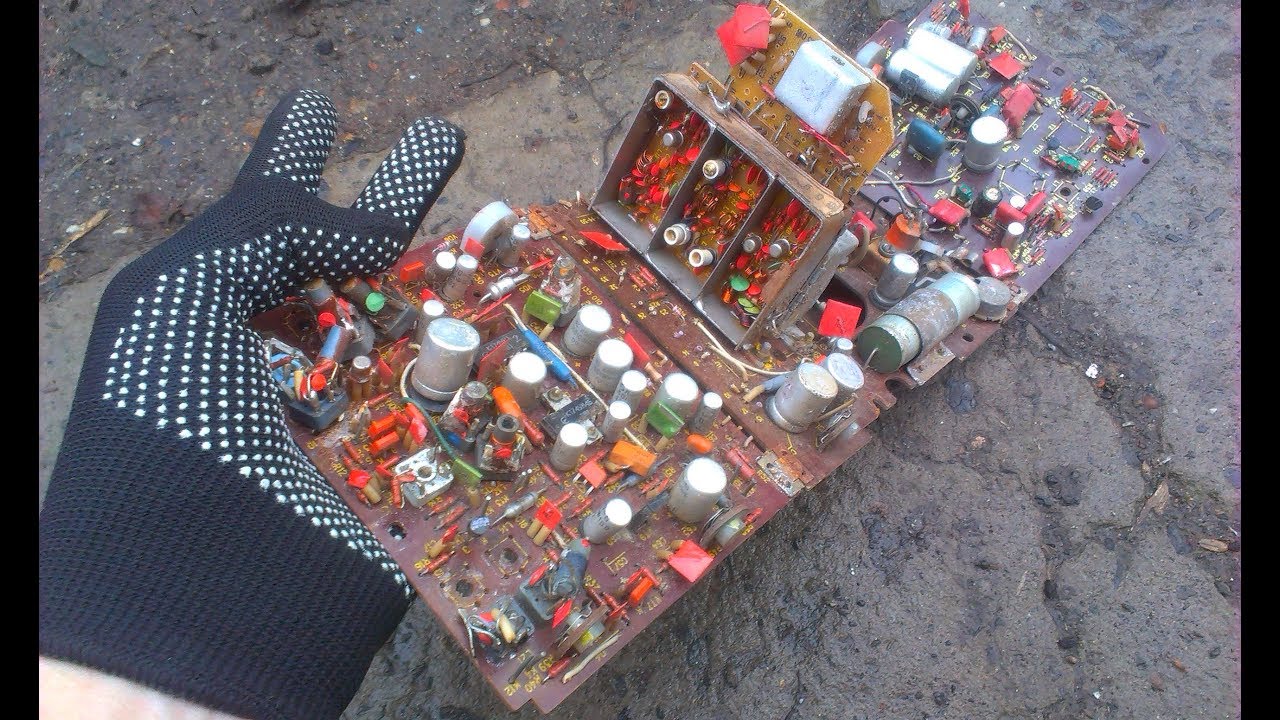
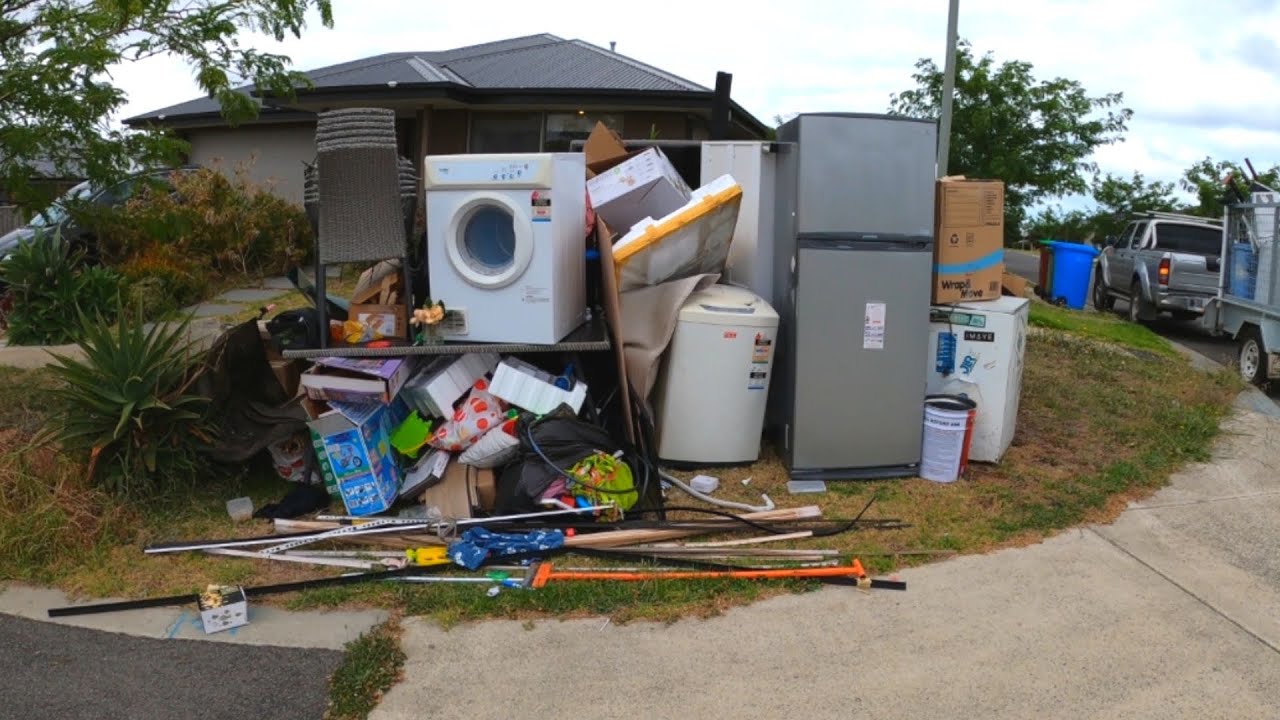

















E-waste has become a critical environmental and health crisis in Southeast Asia, particularly Thailand and Malaysia, as these countries have become dumping grounds for toxic electronic waste from Western nations; despite generating only about 15% of global e-waste, Asia accounts for nearly half of the world's e-waste due to rapid technological consumption and weak regulatory frameworks, with informal recycling operations causing severe pollution and health hazards to local communities.
E-Waste Crisis in Southeast Asia: Thailand & Malaysia (2024)
Added:Fundamentals of E-Waste: Understanding what electronic waste consists of, including the hazardous heavy metals (like lead, mercury, and cadmium) and their toxicological impacts on human health and the environment.
The Linear vs. Circular Economy Model: Basic knowledge of sustainable economic models, specifically contrasting the traditional 'take-make-dispose' system with circular resource loops.
Global Waste Trade & The Basel Convention: Familiarity with the international treaty designed to reduce the movements of hazardous waste between nations, particularly from developed to developing countries.
Supply Chain & Geopolitics: A general understanding of how global manufacturing, consumption patterns, and unequal environmental regulations drive the transboundary movement of waste.
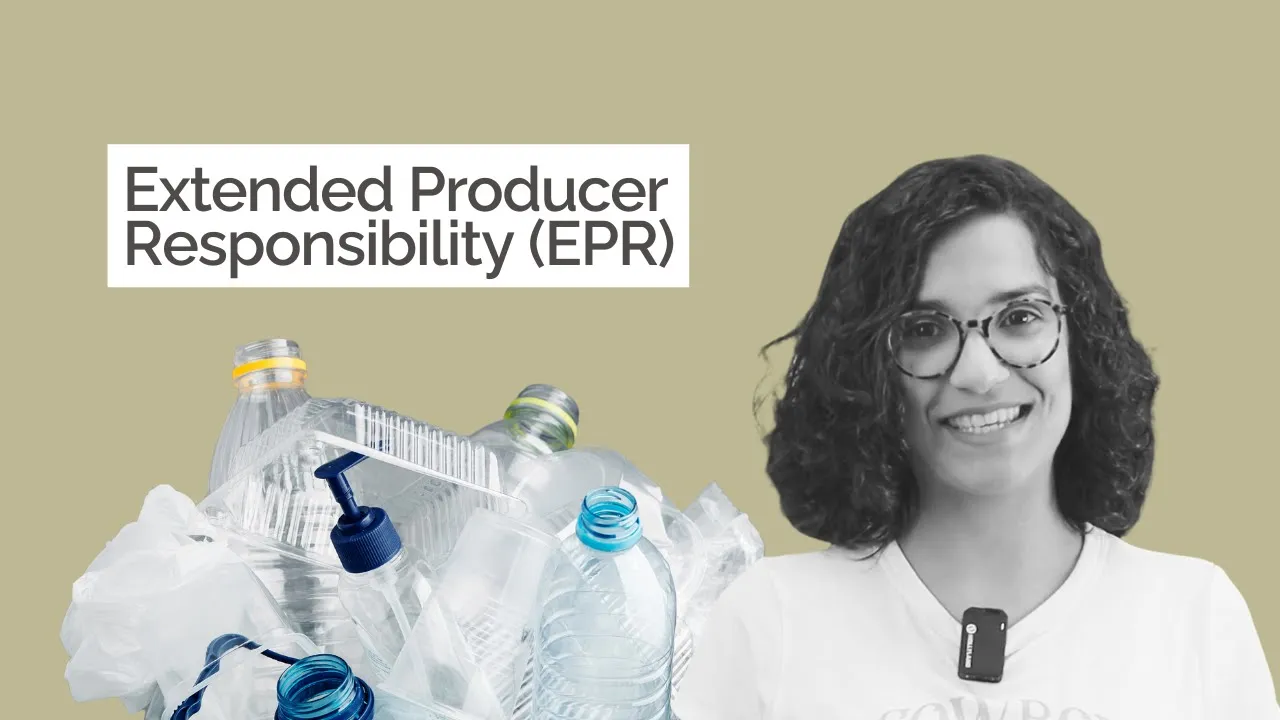
Extended Producer Responsibility (EPR): Studying policy frameworks that hold electronics manufacturers financially and physically responsible for the entire life cycle of their products.
Urban Mining and Advanced Recycling Technologies: Exploring engineering methods such as hydrometallurgy and biometallurgy used to safely extract precious metals (gold, silver, copper) from discarded devices.
Environmental Policy and Enforcement in ASEAN: Analyzing the specific legislative gaps and enforcement challenges faced by Southeast Asian nations in regulating illegal recycling facilities and ports.
Design for Disassembly (DfD) and Right to Repair: Investigating how product design standards can be altered to make electronics easier to repair, upgrade, and safely recycle from the start.
164.1K views1.3Klikes46:45Original Release: 2024-03-26
Tech has a dirty secret ewaste as handphones laptops and tablets become ubiquitous e-w is now the fastest growing stream of solid waste in the world and it is hazardous yeah unfortunately we're still putting poison into electronics and it's not absolutely necessary to do it that way it's just cheaper why has Asia become a Dumping Ground for ewaste the global South is recognized as the graveyard of global North luxury items this is beyond the capacity of Thailand to manage it and will we be swamped by this toxic tide it is Unthinkable as a mother that my own children will inhale toxic air [Music] local law enforcement in Thailand is on a surprise raid but they are not looking for Contraband drugs or illegal workers this inspection is for ew ew it is the west from the electric and electronic devices um which include some kind of toxic substances for example television desktop computer cell phone [Music] refrigerator located in konu village in the chur Province about a 2-hour drive from the capital Bangkok this vast facility spans around 268,000 square m that's roughly the size of around football fields this Factory was supposed to have suspended activity because of building and safety violations but it did not take long for the authorities to find that processing of illegally dumped e waste is still going on it's one of the uh fastest growing uh Solid Waste uh categories in the world in 2019 the US generation 54 million tons uh this will be 75 million tons the estimated generation in 2030 in addition in 2050 it will be more than 100 million tons in order to control the generation of uh these e quantities or the excessive quantities uh we must uh manage this way stream effectively with e-w quickly piling up one region is generating more e-w than others Asia Asia accounts for almost half of the world's ewaste 60% of world population is in Asia the more people we have the more people generate waste and people in Asia we are also very uh tax saavy you know and every item has got a limited lifespan they are perfect at the beginning but it will reach it uh end of life real soon in no time then it will contribute to generation of waste in any of the Asian countries that receive the the waste in Thailand a 2020 report by the national research Council of Thailand showed the country generated about 428,000 tons of ewaste a year that is enough to fill about 172 Olympic siiz swimming pools in Southeast Asia Singapore Malaysia and Thailand are the top three creators of eways on a per capita basis but the biggest problem with E-Waste is what it is made of 43y old surasak imakon is a farmer with a plot of land next to the illegal recycling Factory but Wastewater discharge from the facility has has poisoned his crops for for yeah unfortunately we're still putting poison into electronics and it's not absolutely necessary to do it that way it's just cheaper so industry has not been pressured enough to to go toxic free but they could technologically so we're putting still heavy metals which have real serious health impacts and organic chemicals like persistent organic pollutants carcinogens brominated flame retardance in the Plastics and that sort of thing which are toxic which affect the endocrine system of of people cause cancer cause reproductory health problems Etc and these are still routinely put into our Electronics take the mobile phone in your pocket for example it probably contains Mercury Cobalt cadmium and nickel all of these are toxic if ingested in high quantities because of this E-Waste must be disposed of properly but many developing countries do not have laws regulating the disposal of e-w Thailand is currently drafting guidelines to deal with waste from electrical and electronic equipment first maybe in 10 years ago we start to have a strategic plan so we have to have like a law for for the e-w man management because at that time the current or exist law uh cannot deal with the e-way properly and we also file the illegal oblation of the factory that uh use the e-way as that their law material and they don't proper like a Environmental Management for their Factory and like a we we found the contaminated sites around the factory and also the neighboring surrounding environment so we talk to the ministry of Commerce and use that law to like a ban everything meanwhile as their Soil and Water are poisoned residents of kungu village have waged an ongoing battle to shut down the waste Factory but despite their efforts the factory continues to not only operate but grow uh I may call that it is like the B problems or the collaps by the governmental officers which is uh in my opinion it is very big issue in Thailand particularly those are related with Industrial Waste Management the attitude or the mindset of the high officers that they quite Reserve themselves or canot enforce legations or the law particular those pollution control law Strictly To The Operators I used to talk with some officers they said that it is very difficult to to find the guilties or even ify the guilties they are not comfortable to enforce the law because it is easier for the industrial operators to to fight the lawsuit against the officers but even when officials want to enforce the law it's a game of cat and mouse with the illegal operators sometime they they like a sh the owner or the location of the factory is the same but it's not not the same company so it's different thing different person but why did an illegal e-w plant spring up here in the first place the residents of kungu village have an [Music] idea you see for some countries in Southeast Asia like Thailand they are not just dealing with their own waste it has also become an international Dumping Ground in 2020 Thailand imported approximately 435,000 tons of ewaste of this a mere 100,000 tons less than a quarter found its way to proper management and Disposal channels in 2017 after the Chinese government ban uh West import into China uh we noticed that after that there are lots of uh plastic W electronic W and some types of w flowing into into Thailand this is beyond the capacity of Thailand to manage it the world used to send most of its waste to China to be processed but since 2018 Beijing banned the import of most waste including E-Waste so the e-w had to go elsewhere the global South is recognized as the graveyard of global not luxury items uh it implies that the E movement and trade happens between regions countries and across borders in the US the basil Action Network is an NGO that works to tackle the waste problem they have been tracking how ew and up Asia we have an earth ey tracker here developed by Action Network and today we'll be installing it into this Dell monitor so with that taken off we'll see here the actual LCD panel and typically these panels that we see will have various harmful chemicals in them Mercury for example be one of those here we have the case for the LCD monitor so we have our Earth eye tracker here and we do place it inside our case and one great thing about LCD monitors in most e-w is you'll always see some identification so serial numbers that will allow us if we were to go to the locations to identify that hey this tracker went into this device we assemble this back together we have the shell once again the B will drop this monitor off at recycling points in the US and see if it gets recycled domestically or exported when we go to record the videos look back at our data look back at our evidence of this particular monitor we can always go hey this tracker went into this monitor it ended up in another part of the world where it shouldn't have but why is this waste being exported since several states in the US and the EU countries have strict e-w disposal and Export laws in the countries that adopt uh uh strict e legislative framework e recycling cost are very high thus alternative destinations have been found uh southeast Asia India Africa so these are the new destinations and especially the less legislative Frameworks in this country countries drive eest uh Imports uh to the region or the countries in the United States we have more expensive Waste Management we take more care to not pollute the environment than some countries are able to do so these exporters are figuring out okay I can externalize those costs have someone else pay the the brunt of that damage with their health with their polluted environment what have you in Southeast Asia Thailand and Malaysia are the two biggest recipients of e-w and although Thailand has banned such Imports they are still getting into the country a possible source of the e-w at the kungu factory for like now I think the we have a the the P and and and the custom office at the port and I think the the that the frontier that they can like stop they're going to have like a back list uh back list company and we also have training for custom officer environmental inspector or shipping agent also who part of the shipment uh import export thing we also uh teach them how to prevent the illegal [Music] shipment but still e-ways that the ban has tracked has ended up in Thailand so in countries like Thailand there is a conflict between one part of the government which wants business another part of government who wants to do the environmental right thing globally and fulfill their treaty obligations and all that so that conflict unfortunately a lot of times the environmental Ministry lose out in the internal battle I think Thailand really needed transparency good governance and uh anti-corruption environmental uh degradations uh problems seriously uh worsening because of the corruption uh the whole cycles of corruption by the officers and by the uh investors but the problem in Asia is not just an important one much of it is our own making welcome to techn and i'mi today we're going to unbox the latest Oppo Renault 1152 30-year-old Joshua C is a tech content creator in Malaysia so now let's open up the box and what we have inside is this okay he usually reviews at least two gadgets a week staying on top of the latest releases and Trends before this I was a lifestyle content creator but I was very passionate in Tech stuff so that's why I came into Tech Nave and work as a tech reviewer and things could get busier for Joshua Asia has the fastest growing middle class from 2 billion in 2020 to 3.5 billion people by 2030 and with that comes increasing demand for the latest Electronics Malaysians we always want new's latest gadget and then we can brag about and then we can use the latest stuff in front of our friends in front of our family they may equate it with some level of social status or that is a proof of their achievement in their life so how do this relate to a in relation to that they have um they they they they have no problem in teaching whatever they have even though it's still in perfect condition working condition just to get the latest technology available so that in a way will contribute to uh the volume of e but manufact also sharees some Blame A Washington Post investigation showed that some Modern gadgets are made to stop working within 3 to 4 years as their batteries are designed to be irreplace ible so usually the new phone Gadget that we buy is around 2 to 3K RM and for that kind of Gadget usually the battery lifespan is around two to three years so every two to three years they will need to change a new Gadget because of the battery lifespan it is alleged that some companies produce uh electronic devices with the reduced lifespan uh that is one side of the story then the second thing is uh there are some devices are difficult to repair or repair cost are high according to the 2020 Global e-w monitor report Malaysia generated 364,000 tons of E-Waste in 2019 this keeps 39-year old Muhammad Tarak alatri very busy he runs erth or electronic recycling through Heroes and eway waste recycler in Malaysia uh so uh all the devices that Earth collects uh are actually uh graded into three grades grade a reusable Grade B repairable or grade C recyclable so this is a example of Grade B equipment it means that it has been tested either it is working but it has some missing components like for example hard drive that has been shredded due to you know data privacy concerns so it is not in a condition that makes it grade a meaning that it can be sold as a reusable item rather it will either be harvested for spare parts or it will be uh repaired uh and sold as a Grade B uh through our B2B refurbished Partners but the bulk of What erth receives about 65% are grade C they are not in a condition to be repaired or resold most of the devices that are let's say older than five or 6 years old even if they are in repairable condition usually the market for them is is market demand is very weak and that's why most of the time we will just put it as a great C and send it for material recovery so this is our great C computers so it means that they are neither reusable nor repairable or they are too old uh to actually uh be repaired uh where it's going to be crushed down and smelted into uh metal ingots you can find some uh gold padium uh you can find of course copper you can find some aluminium steel those kinds of metals typically to recover Metals electronic components are milled or crushed into fine particles the reusable metals are then recovered through a heat and chemical process there's a lot of issues when it comes to this kind of a conventional processing which is basically like since uh the Milling process is usually very highly energy intensive so it costs a lot and it is not even environmentally very viable at the manach University researchers are finding ways to reduce the cost of recycling to avoid the Milling step in the conventional process what we Tred to do is we Tred to cut the big board into smaller pcbs like 1 cm by 1 cm boards so what we do is we already put the cut out 1 cm the pcbs into the solvent here this is an organic solvent by using this solvent energy costs can be reduced by 20 to 40% so basically what it is doing is it's separating the metals and the non-metals just by in one process itself then what we can do is we can use some separation techniques to remove the copper out in Malaysia the recoverable metals and Plastics and e-w could be worth 3 billion million us yet according to the United Nations university only 15% of waste is recycled in Asia compared to 35% in Europe though Malaysia faes better right now Malaysia stands at around 30% so let's first uh set the record straight that Malaysia is actually doing much better than the rest of the world now are we satisfied and we should stop at here absolutely not there is still 7 % so there's still a long way to go but I think the good news is that we are seeing very good regulatory initiatives that are supposed to uh accelerate the rate of electronic recycling in the country uh so I think that Malaysia is well on its way by 2030 uh to reach an e-w recycling rate upwards of 50% so what happens to the eway that does not make it to proper recycling facilities it's the end of another long day for 56-year-old samsak [Music] PT home is a makeshift Shack under a highway in tampire Thai District in Bangkok where he lives with his wife and 2-year-old granddaughter working as an informal collector he gathers various types of e-w to be resold informal collectors tend to collect other solid was I items such as plastic cardboards and scrap iron since they offer door to- door collection Services uh their collection efficiency is uh quite high in terms of collection e collection uh informal collector services are quite vital what normally happens is these informal collectors sell their collector DS to informal recyclers that is how they maintain and the supply chains in the informal sector according to a study by United Nations university only 15% of Asia's E-Waste is collected and recycled and much of it by the informal sector the formal industry would go for formal kind of Av management but the medium smme small and medium Enterprise it will cost a lot to pay for the for the transporter for the a treatment operator maybe uh financially it's not very viable for them that is why this informal sector comes in [Music] fore but making a living out of recycling e-w comes with some risks since uh personal protective equipments are not used physical hazards could happen the Hazardous Metals such as uh lead cadmium and Mercury it could lead to cancer and many more health hazards but it depends on the level of the exposure and the type of the recycling activities carried out by these informal recyclers uh I know that some recyclers especially the informal one they carry out open Acid Bath based recycling processes or open burning of copper cables so in these sort of processes there is a high possibility of uh toxic chemical ingestion despite these health risks pantt seems unfazed meanwhile in Malaysia some of the collection is done by small companies [Music] 28-year-old Muhammad camil bin Muhammad no runs camil plastic trading a scrap collecting company it's a labor intensive process we collect multiple eways like example CS wire then we will collect some ebo E-Waste and mixed great wires even also printer keyboard then CPU with this eway we will dismantle it over here like uh all the printers all the TVs we will dismantle Plastics the metal the board circuit everything separately for we recycle it back to another [Music] processor Camille is not allowed to process the e-w he collects currently Malaysia only has 60 licensed e-w recovery facilities we hope that the government can give us some loans and even the make it easier for the license we to get and process the things because it's uh a bit tough we to get the e-w license for processing if we get loans from the banks we can buy some machines heavy machines and some dismantling machine so we will be much easier for dismantling dispose the items the intermediate plates and very important role for an example when it comes to eway and so on here they do the pre- Sorting until it goes to the final recycling okay or final processing parties when it comes to sorting in Malaysia or many part of Southeast Asia region they are still doing manual recycling or manual sorting I would say so that requires a lot of Manpower automated uh sorting machines will will play an important role to increase efficiency as well as [Music] productivity but despite the efforts of both the formal and informal sectors only a fraction is recycled much of our e-w still ends up here Malaysia send an average of about 38,000 metric tons of solid waste to more than 100 landfills daily the minute it enters the waste stream it will already lose like up to 90% of its value either through contamination uh through physical damage uh theft Scavenging firstly we lose valuable resources once e ends up in landfills uh for example gold copper and silver and secondly the metal leeching happen over time once e item sit uh in landfills this leads to uh soil groundwater and surface water pollution what's more Le's landfills are running out of space the country's existing landfills are projected to be full by 2050 as such the country is turning to another solution one that hasn't been well received these are the residents of Batu Aram it is a former coal mining town in Malaysia Sango State some 50 km Northwest of the city of kalalo they are protesting the government's plans to build incinerators near the town we are standing over here and this is open class 9 and across the lake there will be a proposed site for incinerator before that we only got to know there will be only one incinerator which will carry 2,400 tons per day of Municipal Solid Waste we some of us attended uh dialogue with the pro project proponent after the dialogue we were shot to find out there will be two more incinerators to be built Esther is part of a Citizens action group that has been opposing the construction of an incinerator in Batu arang the main issue is the health because incinerator need to maintain uh 150° celsus and above if it's below dioxine will emit through fly ash and bottom Ash it is Unthinkable as a mother that my own children will inhale toxic air from Monday to Friday during school hours perhaps Esther is right to worry according to the World Health Organization burning ewaste can release toxic fumes the government has assured residents that the incineration process is safe and will not have a negative impact on the environment some still have doubts we have communicated with authorities and they said they waiting for the what we call environmental impact assessment report uh to be out and this assessment report actually is done by consultant appointed by the management company actually will be operating or would be operating the inator I hope that the the consultant will do a adjust report you know otherwise we just have to call in external consultant to do a report and compare with recycling facilities limited and burying and burning potentially has is what can we do about our growing Gadget garbage off the Southeast coast of sui Indonesia lies wani the island roughly the size of Singapore is dotted with sleepy fishing and farming Villages but recently nickel mines have disrupted Wan tranquility [Music] for nickel is an important component in electronics it is a key material in batteries with the Consumer Electronics Market growing about 6.6% each year there has been an increase in the mining of nickel and other metals according to a report by the UN environment program metal extraction has experienced a more than three-fold increase since 1970 from 2.6 billion to an estimated 9.6 billion tons in 2020 but these resources aren't endless we are just squandering precious resources the Earth doesn't have a lot of metal resources that are easily accessible if we don't really ramp up the recycling through a proper circular economy through a responsible circular economy we're going to be very primitive very soon right now now most businesses operate under a take make waste mode resources are extracted from the earth made into products and disposed of at the end of their shelf life but the growing piles of E-Waste could be an opportunity to break the cycle the circular economy is a practice of you know uh maximizing the resource that uh people or us are are using or implementing in our daily life and also in the business operation and uh to us the circular economy is how do we um maximize the resource while minimize the wte generation Advanced info service or AIS is Thailand's largest mobile phone operator the company has been making efforts to be more sustainable using the principles of the circular economy this is the box that uh make from the recycle paper and uh as of now we have 2,500 box throughout the country people can easily uh drop their old phone or you know the earplug or the mobile Gadget they can drop it here and uh the partner will then you know uh collect uh these items and then uh bring it to the uh the company that we are with working with so uh the team will extract uh those uh PES material and then you know gone through the uh procedure to uh make it going back into the economy or refurbish into uh recycle you know material again but for the circular economy to work it will require the partnership of businesses and consumers most users currently do not recycle the electronic products the main reasons inconvenience and lack of awareness I think they they will just feel very Troublesome to send all the e-w to the e-w recycling center because one is very far they just want to save up the trouble and save up the money so that they just like easy just throw it into the rubbish pin at the same time they could be inera among consumers to buy refurbish products a 2019 study in America showed only one in 10 Shoppers would buy secondhand Electronics when it comes to Circular economy it is first and foremost is the mindset because everyone wants to have a brand new kind of equipment and products and sometimes when it comes to second hand or or branded products and so forth they have this judgmental feeling that uh recycle content is it quality the quality is good enough and so on but now I would say there are pretty good standards industrial standards where they need to be followed uh by certain uh POS grade of products and so on D is already using 80% recycled content and they use most the Recycled content that is being collected from their own product themselves so that follows the standards as for manufacturers they will have to build products that are more sustainable now the challenges will be sometimes when it comes to to certain types of uh products because not all kind of product can move into the secularity right away it will take some time uh so and availability of Technology uh when it comes to collection recycling and so on so not all products can be recycled easily uh as well or maybe recovered I think it has to uh you know start with first with the commitment and the commitment has to come from the owner of the business or the board of director you know when you ask people to do something but you don't provide them the tools how do they going to do and another thing is the business has to you know set a really clear measurement um impact what do you want to measure step by step and walk your talk currently many companies designed their products to eventually fail to maximize profits when customers must upgrade them this is known as planned obsolescence we might need to spend a lot more on a better quality Equipment better quality electronic devices but it should have a longer lifespan so it will be in a working condition longer before it turn into waste creating products are easy to upgrade or repair could be a way to cut out waste one such example is fair phone a modular smartphone Fair phones phone is easy to open and repair making it last longer well modular Electronics is is one example of how to make things last longer longevity is key so when when you need a new battery you put in a new battery we need a new new uh you know monitor you put in a new monitor need a new GPS you put in new GPS really easy to do the consumer can do it it is a great solution I'm glad to see them taking off here in this continent but it's just one idea sustainable companies like fairphone only represent a very small part of the overall smartphone market with Apple and Samsung still being the dominant makers in the industry while both companies have made efforts to be more sustainable both also continue to release new phones and products e-w is the fastest growing Solid Waste stream in the world from 2010 to 2019 there was an approximately 60% surge in the production of electronic waste by 2030 the volume of e-w generated globally could surpass 74 million tons and if the Richer countries continue to export the ew to Asia or Asian countries do not increase capacity to manage waste then the consequences will be disastrous and the future does not look good for e-w consumption the whole move toward the Internet of Things where we have electronic components embedded in everything in our walls and our furniture every part of our car so that you know we can monitor everything by the internet that means how we going to collect that stuff that Hardware is going to go out there and what is the collection mechanism the latest study shows that 9 million people a year are dying from pollution electronic waste processing in countries like Malaysia and Thailand the way they do it that's part of that quotient of 9 million people that are dying that's also impacts the ecosystem the groundwater everything the the higher income people right they have ability to purchase these electric and electronic devices and then they are the person who generate eway yeah to the society but then without the the regulations right so the poorer or the r income people they have to taking care of all this ways from the rich people several countries in Southeast Asia like Malaysia and Thailand recognize the growing problem of E-Waste they are drafting laws to address the issue but until then as the gadget graveyard grows the villages in konu continue to worry about their poisoned land [Music] for
Up Next

54:02
Life and Health Risks at Ghana's Agbogbloshie E-Waste Dump | Documentary Analysis
@FreeDocumentary
1.7M views•2021-12-08

15:54
Life in Biosphere 2: Sustainable Ecosystems & Human Survival
@TED
334.9K views•2009-06-16

49:40
Circular Economy: Closing the Loop | Sustainable Business Strategies
@CNAInsider
260.6K views•2021-07-30
10:28
Ice Stupa Artificial Glaciers: Solving Ladakh's Water Crisis
@SonamWangchuk66
3.2M views•2015-05-03
Related Study Plans & Knowledge Roadmaps
Structured learning paths in Environmental Science
environmental-science
Ocean Noise: Cetacean Impacts & Mitigation
01Fundamentals of Underwater Acoustics
02Marine Mammal Bioacoustics
03Anthropogenic Noise: Shipping & Seismic Surveying
+ 2 more learning modules
16h5 modules
Explore Roadmap
environmental-science
Road Ecology: Corridors, Overpasses & Fencing
01Foundations of Habitat Fragmentation and Carnivore Ecology
02The Road Barrier: Ecological Impacts of Transport Infrastructure
03Principles of Ecological Corridors and Connectivity Mapping
+ 3 more learning modules
14h6 modules
Explore Roadmap
environmental-science
Ocean Acidification: Kelp Buffering & Shellfish
01Fundamentals of Ocean Chemistry & pH
02Chemical Pathways of Coastal Acidification
03Bivalve Physiology & Calcification Under Stress
+ 2 more learning modules
18h5 modules
Explore Roadmap
environmental-science
Ice Stupas: Glacial Retreat & Water Security
01Foundations of Glaciology & Mountain Hydrology
02Climate Change and Glacial Retreat Dynamics
03The Science of Ice Stupas & Artificial Glaciers
+ 2 more learning modules
14h5 modules
Explore Roadmap