






![[The NOVA Talk] Ep.6 I อาคารคาร์บอนต่ำ 5 Low Carbon Materials](https://i.ytimg.com/vi_webp/xhZfEwQJ0sA/maxresdefault.webp)







![[Leçon inaugurale] Didier Roux : L'habitat du futur, défis et innovation (2015)](https://i.ytimg.com/vi/8bAiX-gwXMw/maxresdefault.jpg)





Retrofitting existing buildings with energy efficiency measures can significantly reduce carbon emissions and operational costs; the Empire State Building retrofit achieved 38% energy savings and 105,000 metric tons of CO2 reduction over 15 years through improvements to windows, building envelope, and HVAC systems, demonstrating that sustainable building practices benefit both the environment and economic value.
Empire State Building Sustainability Retrofit: Energy Efficiency & Carbon Reduction
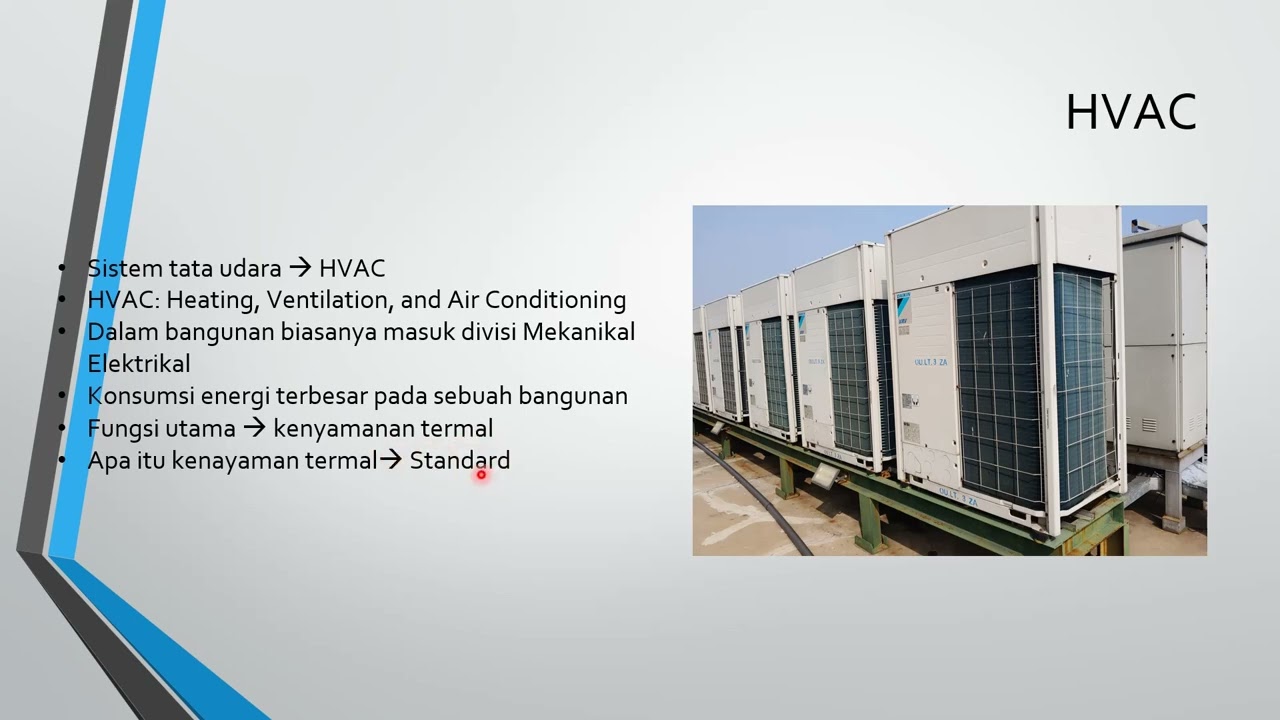
Added:Basic concepts of thermodynamics and building energy consumption, including heating, ventilation, and air conditioning (HVAC) systems.
The distinction between energy efficiency (using less energy for the same output) and energy conservation (using less of a service).
Fundamental understanding of the carbon footprint concept and how fossil-fuel-based electricity generation in buildings contributes to global greenhouse gas emissions.
Basic financial concepts related to capital investments, such as Return on Investment (ROI), payback periods, and operational cost savings.
Advanced deep energy retrofit engineering, including vacuum-insulated glass technology, radiative barriers, and smart building management systems (BMS).
International green building certification frameworks, such as LEED (Leadership in Energy and Environmental Design) and BREEAM, and their scoring criteria.
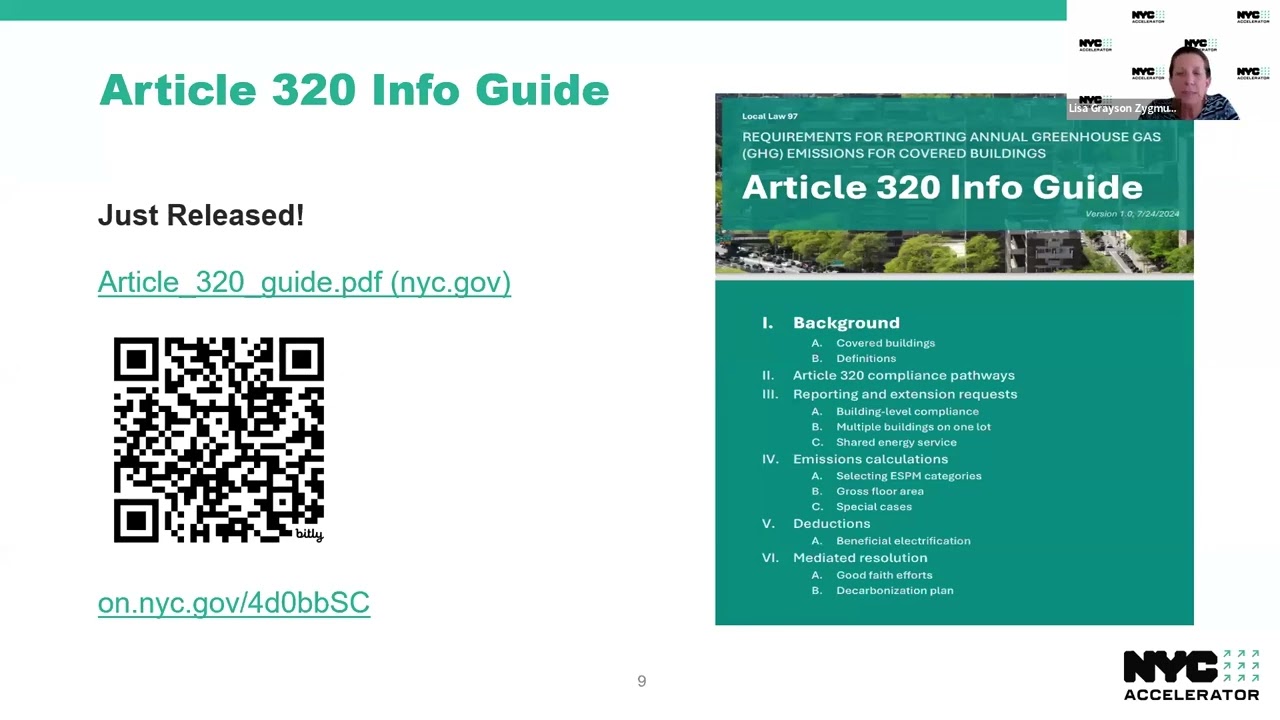
Urban decarbonization policies and municipal legislation, such as New York City's Local Law 97, which mandates strict emission limits for large buildings.
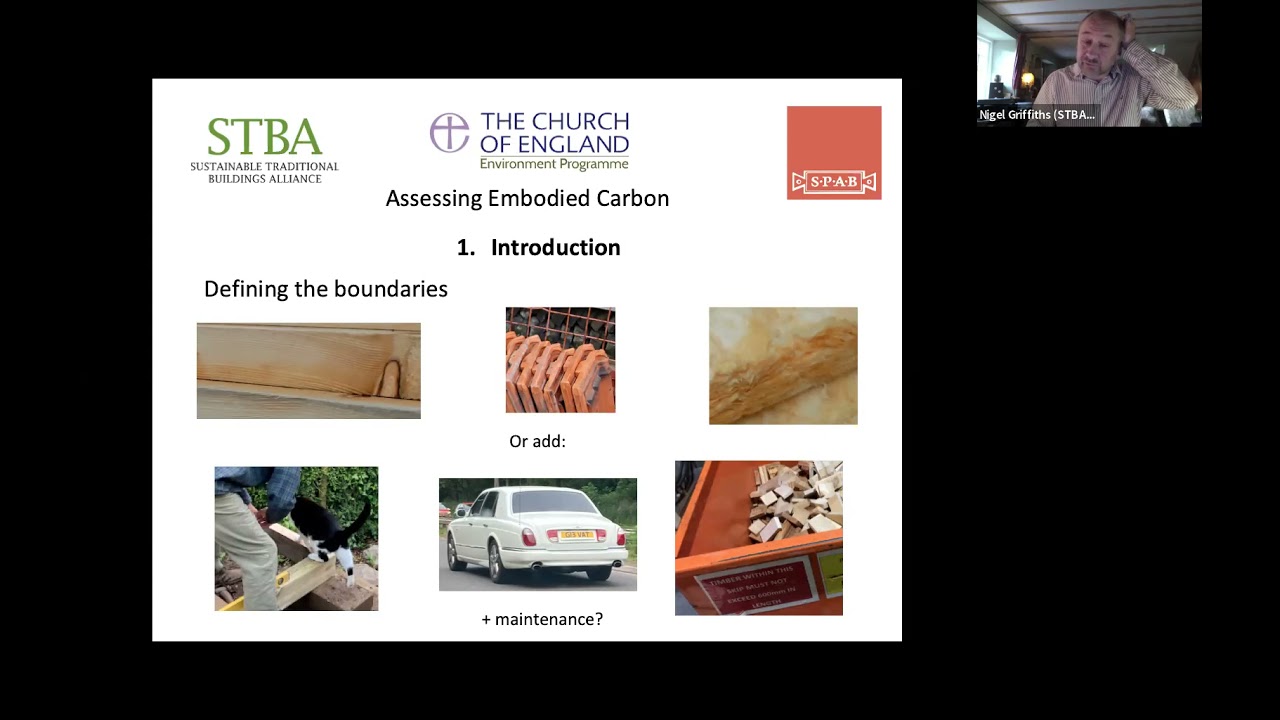
Life Cycle Assessment (LCA) methodologies to compare the embodied carbon of retrofitting historic structures versus constructing new energy-efficient buildings.
117.7K views135likes5:48Original Release: 2009-04-03
[Music] on March 17th 1930 in the shadow of the Great Depression construction began on a building that would become the icon of the New York City skyline the Empire State Building a testament to optimism in the face of economic uncertainty it would become one of the most famous properties in commercial real estate and be considered one of the seven wonders of the modern world everything about this spectacular operation its height its scale the speed with which it was erected symbolized American ascendancy that it was a technological power a business power that competed on the world stage now in the midst of a new economic crisis and concerns about climate change a diverse group of organizations is retrofitting the Empire State Building for the next Century radically improving its Energy Efficiency indoor environment and carbon footprint they are Reinventing the Empire State Building to be a new icon of sustainability when you look at really every city of the world especially those in more developed countries the biggest single source of carbon emissions is the energy use in buildings it's often in the 70 to 80% % of the total energy used in a city goes into the operation of buildings the only way we're really going to impact reduction in energy usage and resources and carbon and things like that is to tackle the issue of existing building retrofit teams from the Clinton climate initiative energy Consultants Rocky Mountain Institute Building efficiency experts Johnson Controls and real estate services provider Jones Lang Lal gathered in the summer of 2008 for an innovation Workshop to overcome the diverse challenges of retrofitting commercial buildings everyone talks about energy modeling well we do energy modeling everyone talks about building a building profile for energy consumption well we've built it everyone talks about determining what the impacts will be from different Investments and changes you might make well we're actually doing that here so via the windows the envelope controlling outside air and through all those measures we're able to put in less supply to the building and make it more efficient as well as comfortable place The Innovation here was to take it from somewhere in the 15 to 20% savings up to 35 to 40% savings detailed analysis over the following months led to retrofits that would cost-effectively reduce energy use by 38% at the Empire State Building and save 105,000 metric tons of CO2 over the next 15 years in this project we've shown that we can not only save cost over the long term but we we can reduce carbon and we can increase the value and competitiveness of the buildings those are three things that every owner of real estate wants to do there's more and more evidence now that buildings that are sustainable drive more value higher sale price higher rental price I think that if we can put a model out there that works others will Embrace and that will begin to change the face of real estate it's a a win for everybody and a a shining example of what can be done in big cities all over the world government officials mayors of big cities are really interested in making a difference and they need examples like this so it's truly my hope that people will be able to look at what we do here they'll be able to Short Circuit all those steps through which the team went to figure out how to design a process so it has a real Rippling effect Beyond just this building and this city there are 3.8 million visitors that come to the ire State Building every year we'd also like to share our message of sustainability with those visitors we couldn't be happier to have something as significant an icon as the Empire State Building that will serve as witness and as a new Beacon of how you can be energy efficient and make the world a better place and this will be one of the finest examples for the world to see but this is a building everyone in the world knows this is a project that should get fantastic attention and if we can show in a building like this that makes money for the owner it makes money for the tenants it's pretty hard for everyone else to ignore it so this is sort of a fantastic Global Flagship example for others to copy the Empire State Building once again has become a symbol of our potential that through Ingenuity teamwork and resolve we can meet the challenges of climate change and renew our economy on a foundation of [Music] sustainability this project is not only good for the Earth the battle against climate change it also makes real Financial sense if even a fraction of the buildings in the United States or our world were to carry out similar ones the impact would be profound more projects like this in the future will continue to create incredible opportunities for change Across America and all across the world helping to save our environment while stimulating genuine economic growth Innovation and job creation with all of our economic troubles here in America it's something we really need [Music] now
Up Next
3:48
The Environmental Crisis of Fast Fashion and Overconsumption Impact
@CBSDFW
53.8K views•2022-09-26

15:54
Life in Biosphere 2: Sustainable Ecosystems & Human Survival
@TED
334.9K views•2009-06-16
14:30
Microplastics Everywhere: How Plastic Impacts Our Lives
@TEDx
100.9K views•2018-05-08
10:28
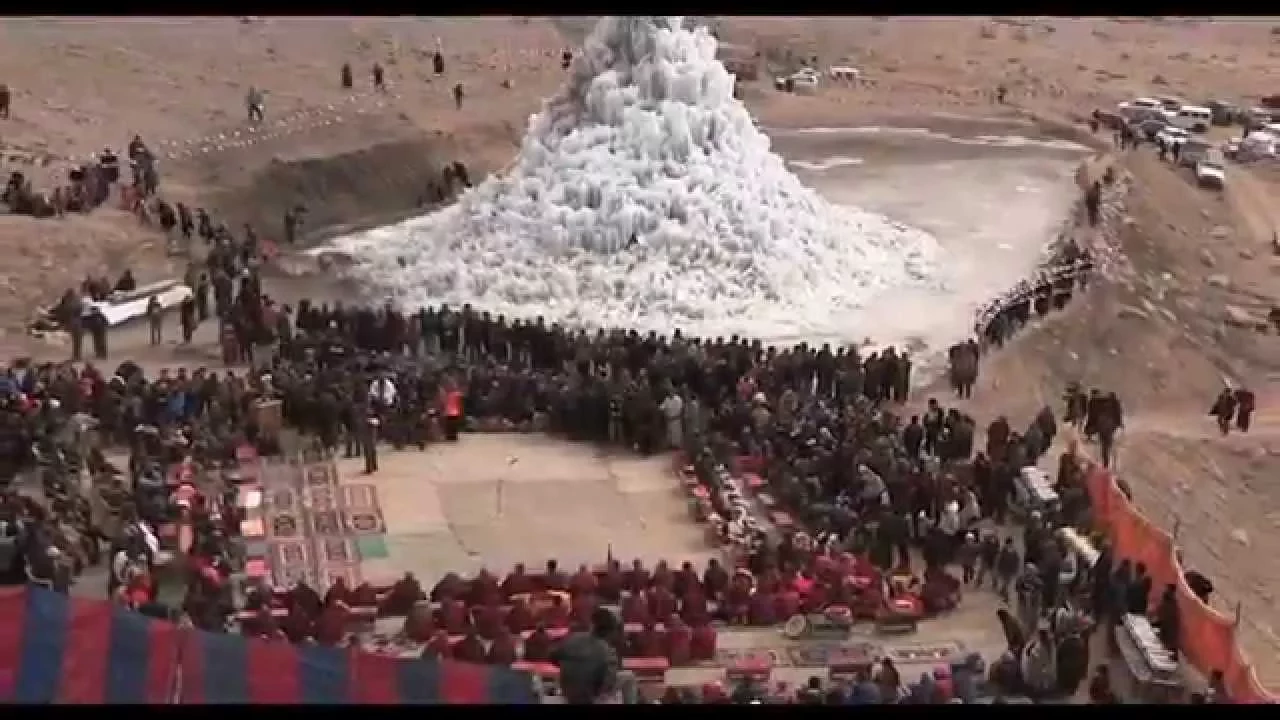
Ice Stupa Artificial Glaciers: Solving Ladakh's Water Crisis
@SonamWangchuk66
3.2M views•2015-05-03
Related Study Plans & Knowledge Roadmaps
Structured learning paths in Environmental Science
environmental-science
Ocean Noise: Cetacean Impacts & Mitigation
01Fundamentals of Underwater Acoustics
02Marine Mammal Bioacoustics
03Anthropogenic Noise: Shipping & Seismic Surveying
+ 2 more learning modules
16h5 modules
Explore Roadmap
environmental-science
Road Ecology: Corridors, Overpasses & Fencing
01Foundations of Habitat Fragmentation and Carnivore Ecology
02The Road Barrier: Ecological Impacts of Transport Infrastructure
03Principles of Ecological Corridors and Connectivity Mapping
+ 3 more learning modules
14h6 modules
Explore Roadmap
environmental-science
Ocean Acidification: Kelp Buffering & Shellfish
01Fundamentals of Ocean Chemistry & pH
02Chemical Pathways of Coastal Acidification
03Bivalve Physiology & Calcification Under Stress
+ 2 more learning modules
18h5 modules
Explore Roadmap
environmental-science
Ice Stupas: Glacial Retreat & Water Security
01Foundations of Glaciology & Mountain Hydrology
02Climate Change and Glacial Retreat Dynamics
03The Science of Ice Stupas & Artificial Glaciers
+ 2 more learning modules
14h5 modules
Explore Roadmap