
![[건축환경] 05. 열의 이동](https://i.ytimg.com/vi/6PQ6TAhHakw/sddefault.jpg?sqp=-oaymwEmCIAFEOAD8quKqQMa8AEB-AH-CYAC0AWKAgwIABABGHIgZCgpMA8=&rs=AOn4CLBYzcp6M8HxG9utb0aabe4LQBM01Q)








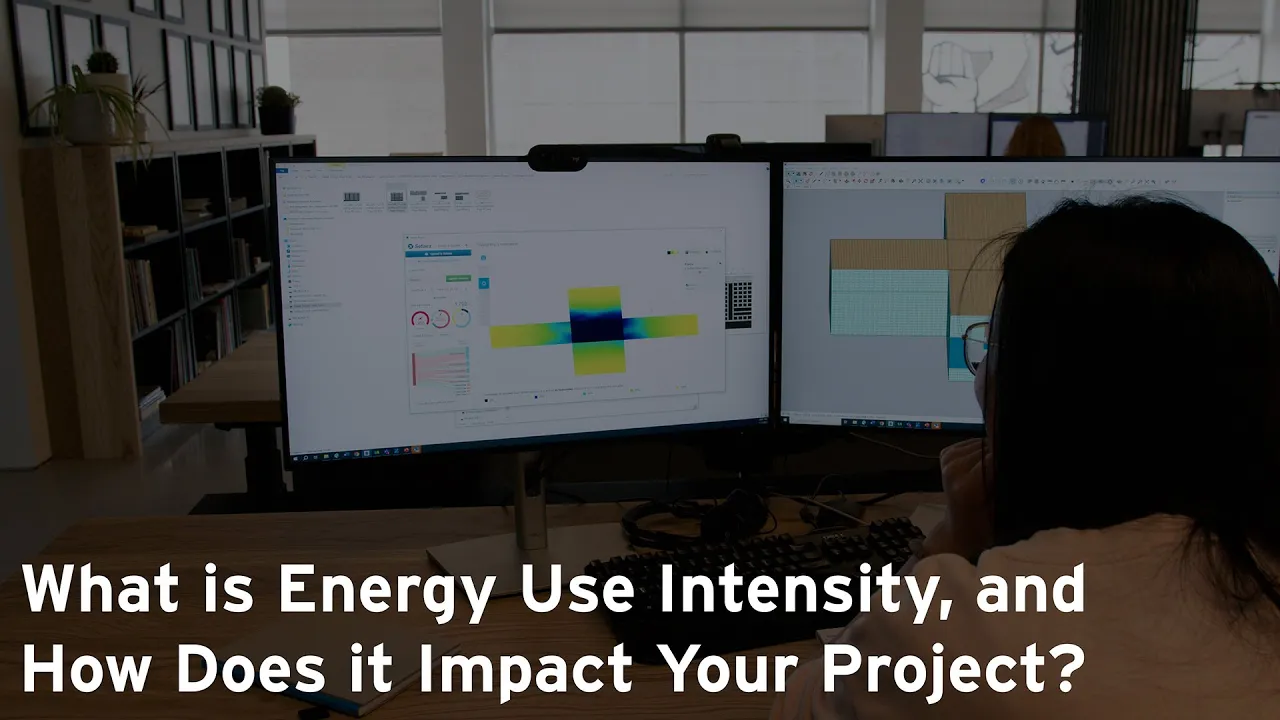


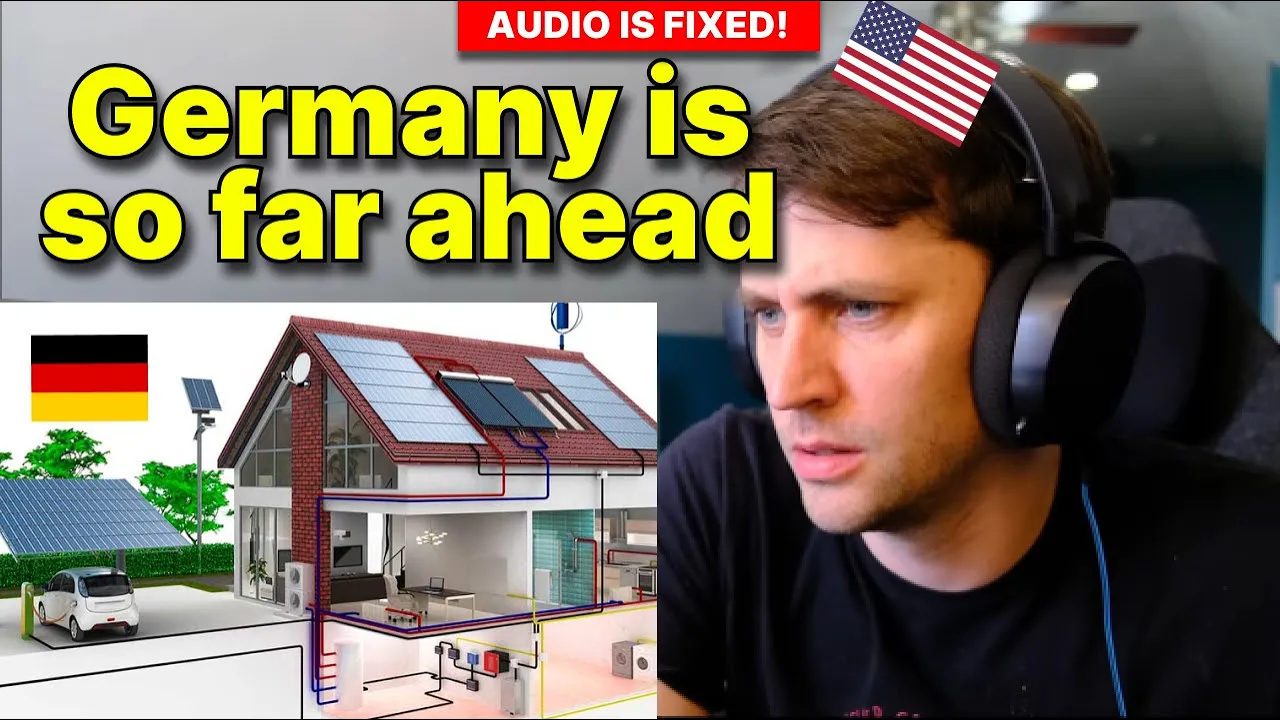
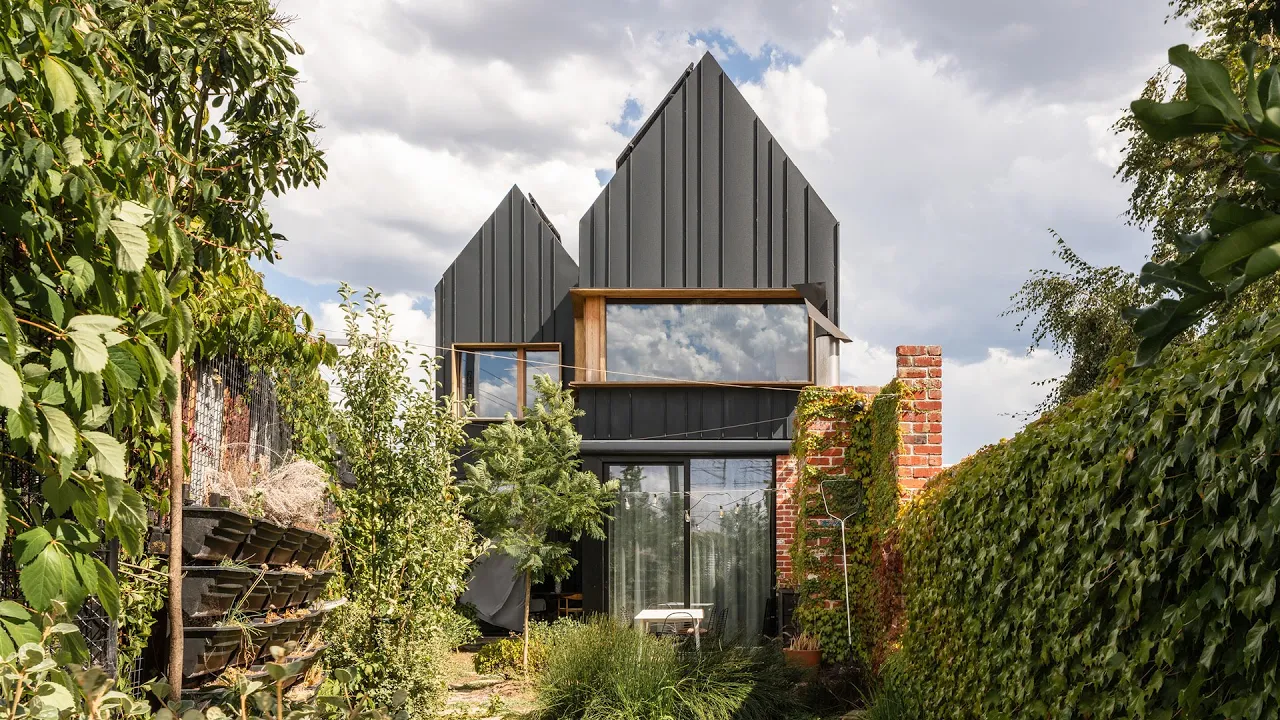
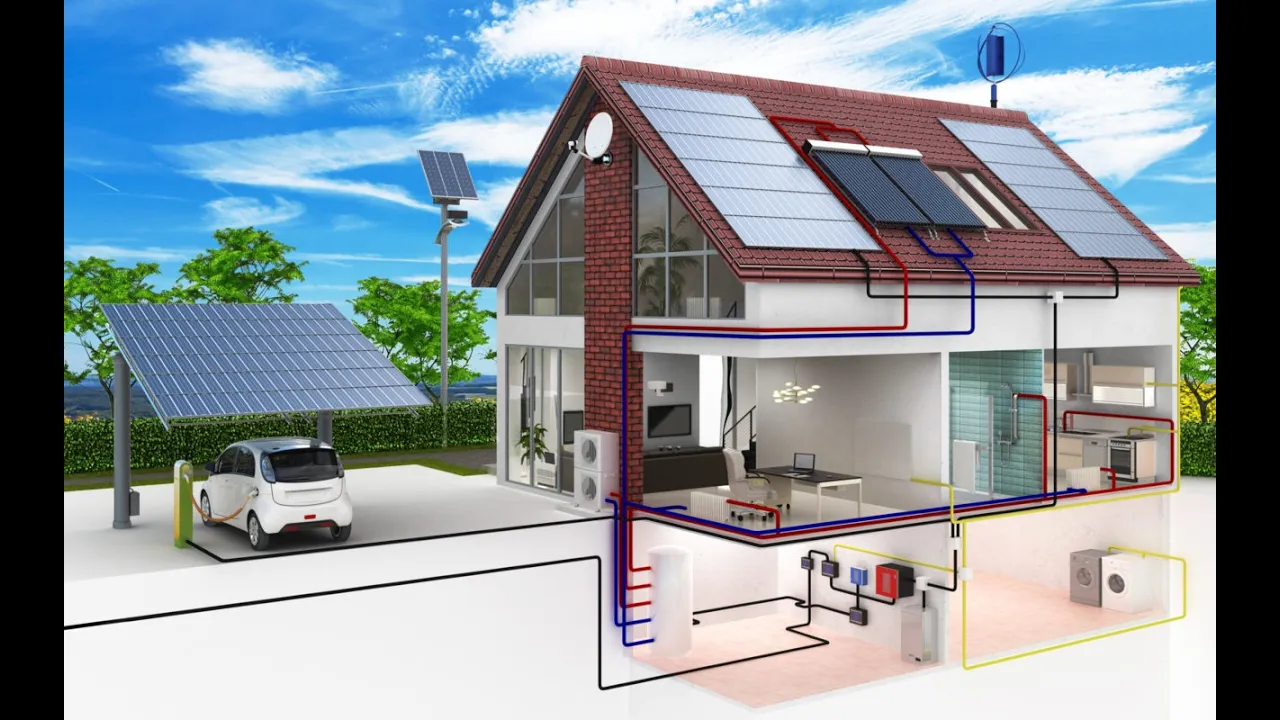










Buildings consume over two-thirds of electricity and one-third of natural gas in the United States, yet through integrative design—where multiple benefits are achieved from single expenditures—energy efficiency can be dramatically improved at lower costs than conventional approaches. This involves optimizing whole building systems together rather than individual components, such as using super windows that provide insulation, daylighting, and thermal comfort simultaneously, or implementing displacement ventilation that eliminates ductwork and reduces mechanical equipment needs. The result is that buildings can achieve 70-100% energy savings with positive returns on investment, while improving occupant comfort and reducing capital costs.
Reinventing Buildings for Energy Efficiency | Stanford Lecture
Added:Basic principles of thermodynamics and heat transfer (conduction, convection, and radiation) in built environments.
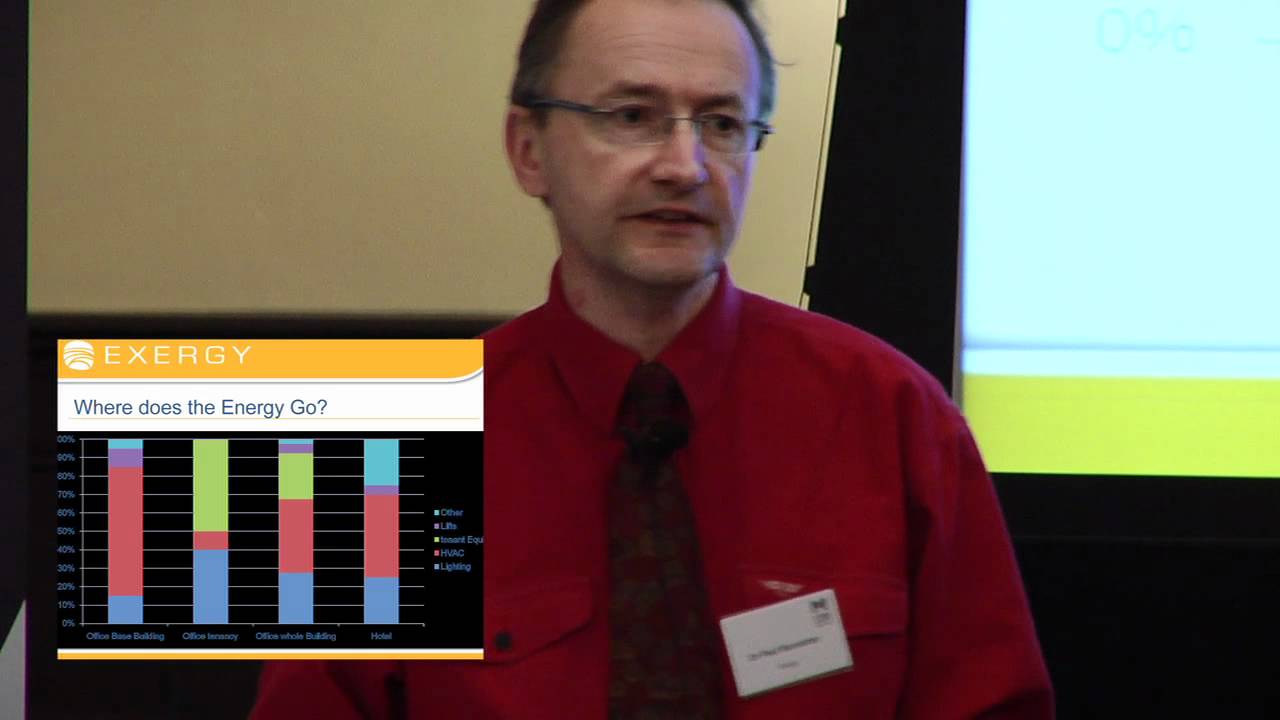
The standard components of building energy consumption, specifically HVAC (Heating, Ventilation, and Air Conditioning) systems and lighting.
The concept of 'system-wide' optimization versus individual component optimization (basic systems thinking).
Common energy efficiency metrics such as R-values for insulation and Energy Use Intensity (EUI).
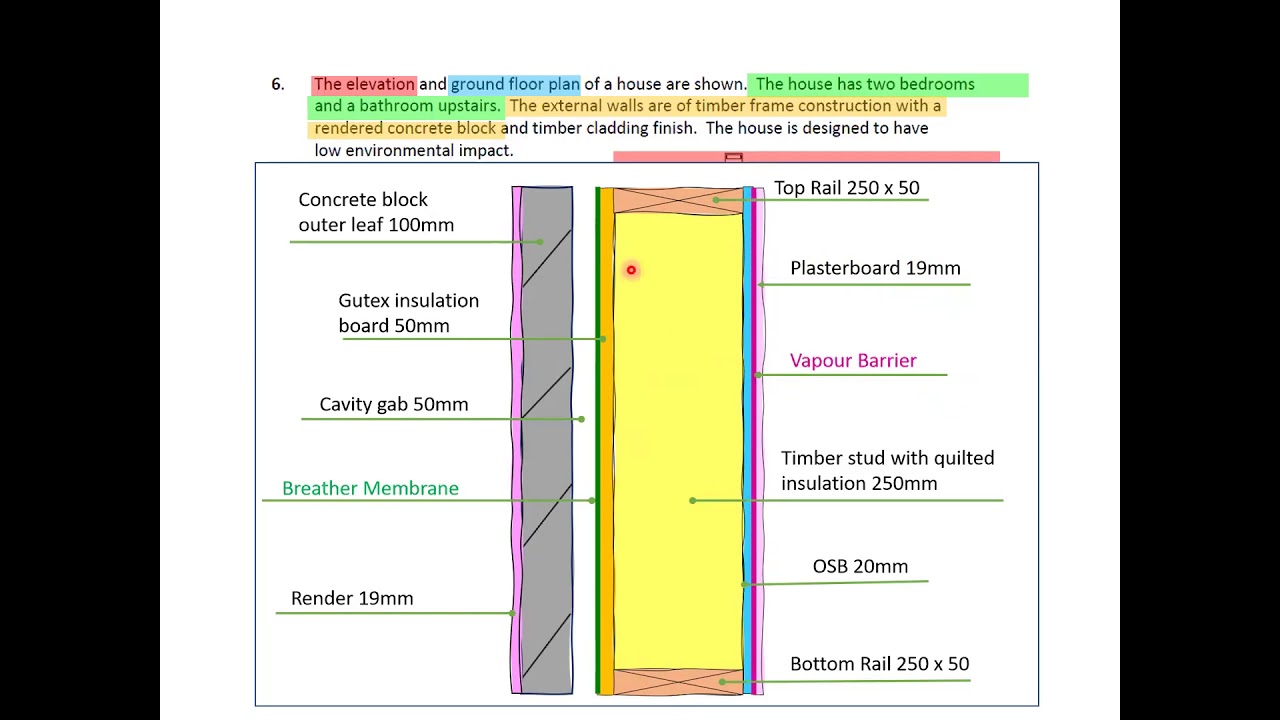
Advanced Passive House (Passivhaus) design principles and thermal-bridge-free construction.
Net-Zero Energy Buildings (NZEBs) and the integration of on-site renewable energy systems.
Life Cycle Assessment (LCA) and embodied carbon of building materials versus operational energy savings.
Green building certification standards (such as LEED, BREEAM, or Living Building Challenge) and municipal energy codes.
49.4K views233likes1:36:13Original Release: 2009-04-10
I want to welcome everyone here uh as as as all of you in this audience know no Stanford event can begin without two ceremonial announcements one of which is to ask you to extinguish your cell phones and the other of which is to ask you to familiarize yourself with the nearest exits to of which are down in the front opposite Amry and I the others in the back all of this in case Amy succeeds in igniting his Podium and requires an orderly evacuation in the likely event that neither of those things occurs let me tell you a little bit about a relevance I'm Ralph cavana I will be the Master of Ceremonies for the next five days and in addition to the opening ceremonial function I am principally charged with organizing a conversation with Amry at the close of each lecture the substance of which will be provided by all of you if you have questions you'd like me to address to Amy please write them down on the cards that you got when you came in and passed them to the aisle those cards will be collected at 8:15 and another round probably around 8:30 I'll sort through them and do my best to pin Amry to the wall with as many as possible uh in addition to doing that I will say a word each oh I should also tell you well you've also I think received cards to uh put your email address on if you'd like to be alerted to the podcast of these events leave those cards in the bowls outside in the lobby and and that will be done on the issue of Amry lovance uh just first of all let so I I'll step out of the field for minut how many in this room have heard Amry lovens before in person let me just put your hands up if you would all right uh an extended introduction isn't needed but over the next five days I'll provide I'll do my humble best I will never repeat myself uh what I will say this evening amyy lovens is the Matt Ming visiting professor at Stanford on energy and environment uh two important intersecting subjects that have over the years attracted more than their fair share of great intellects creative analysts and effective Advocates occasionally these capacities are combined in one person and the world champion of those people is standing to my right you will uh he will provide an ample uh indication of that in just a moment I thought I would illust at the breadth of his career in reach by just uh turning to two artifacts one of which is 30 years old and one of which is one week old the 30-year-old artifact is the National Environmental Journal that was handed to me when I arrived at nrdc 30 years ago it contains an editorial by the president the then most prominent president of a National Environmental organization in the United States who opined that based on his six books an extraordinary influence on energy and environmental issues during the 1970s Amy Lovins clearly deserved the Nobel Peace Prize those of you who have read Amy's biography will realize that this is the only award relevant to his fields of study that he has not yet received and I can assure you all that it is only a matter of time but as my final illustration of his career I will move not to 30 years ago but to one week ago to a forum not normally penetrated by environmental and energy Advocates uh with the perspectives that I suspect are most widely shared in this room I'm referring to the Arkansas Public Utilities Commission the Arkansas Public Utilities Commission one week ago issued an order launching the largest Energy Efficiency programs in the history of the state the commission concluded our expectation is that the programs will Target the least efficient energy use applications first capturing the least expensive negawatts and negawatt hours available to the state of Arkansas in eliminating wasteful use is for all and there is a footnote to that sentence and the footnote says negat is a term coined by Amy lovens in an address to the green energy Conference of the Canadian Coalition for nuclear responsibility surely the least plausible and expected footnote ever written by the Arkansas Public Utilities Commission but I think a fine treatment to the person I ask you all now to join me in welcoming to Stanford Amry Lance well thank you Ralph uh I suppose someday I should uh tell the commission that actually the term negawatt was coined by a an unsung and Anonymous typist of the Colorado pu staff uh who meant to type megawatt and hit the N instead of the m and I like the typo so much that I spread it around and it got all over the industry thank you I will have the pleasure of addressing five topics this week uh buildings tonight uh then industry on Tuesday Transportation Wednesday implementation Thursday and implications Friday and together I will try in these five lectures to give a rather High bod rate uh and diverse but I hope compelling picture of what can be done with Advanced Energy Efficiency to save most of the energy we use much cheaper than buying it uh even from existing plants by Energy Efficiency I could mean a lot I could be referring to the conversions of energy from fuel in the ground or Ambient Energy flows that are captured into more useful primary forms into even more useful and expensive secondary forms and then into useful services and ultimately we hope human happiness and satisfaction there's that whole chain of conversions but I'm only going to focus on one area and use efficiency which gives more service like hot showers and cold beer per unit of delivered energy consumed in the end use device uh such as the water water heater and piping and shower head system uh or the refrigerator that cools the beer uh obviously a lot more can be done in the rest of the energy system too but as you'll see we have a lot to get through just to talk about end use efficiency and a little bit around the edges of that in five lectures now energy intensity the energy used at primary level per dollar of real GDP has gone down so dramatically uh by about half since 1975 mainly through technical improvements that it now provides over twice the service to the United States that oil does it's the fastest growing in effect source of energy and generally it's the biggest cheapest safest fastest way to meet our needs for Energy Services it is also the most invisible U ignored misunderstood and neglected one and perhaps by the end of these five lectures you all understand why that is so and what to do about it buildings are the dominant user of our energy uh in fact over 2third of our electricity goes to buildings not counting the running of industrial processes and over a third of our natural gas and two- fifths of all our energy goes to buildings and nearly two- fths of our fossil fuel CO2 uh is caused by combustion of fossil fuels in buildings or in power plants that are running buildings in some countries it's much higher 60% in Britain for example and once you put up buildings they're there for a long time typically half to one century the slowest turnover of any big Capital stock so it's very important to build them right and we haven't been doing that structures most of them building not all are also 85% of the fixed Capital Assets in this country and everybody knows about buildings but in the past Century as design got to be stove piped and slice and dice and routinized we forgot how to design buildings optimally and we're just now rediscovering it buildings are also a useful way to start these lectures because they're the simplest and most familiar way to illustrate how through integrative design we can make very large Savings of energy cost less than small or no savings that is how to get expanding rather than diminishing returns to investments in our energy productivity I want to rearrange your metal furniture a little so I'll start with Edwin land a mentor I had many years ago a famous inventor who said people who seem to have had a new idea have often just stopped having an old idea and in that spirit many of you have probably seen this problem that's been in books on creative thinking for the last 30 odd years and the problem is usually stated is find the solution that will connect these nine dots with just four lines without lifting your pen from the paper so you're supposed to think let's see 1 2 3 4 oops five that doesn't work we only allowed four lines let's try a diagonal one two oh that is going to work I'm never going to get to the other ones in two more lines so of course what you're supposed to do is think outside the box which is where that phrase comes from well the great engineer Paul mccrady says that someone who teaches this came in one day rather irked because one of his students had just said she figured out how to do it in three lines and I couldn't figure this out I mean four was barely enough that was hard how could you do it in three I mean if you have nine dots arranged like this and you have three lines they'll be parallel they'll never meet so you you'd have to lift your pen for the paper oh wait a minute these are not mathematical dots with almost their diameter they're really rather plump dots so actually you don't have to go through the middle of them and if your paper's wide enough you can always do the Z for Zoro trick uh but then seeing this the students started to feel rather liberated and they started to come up with oneline Solutions there are a lot of those I'll just give you some examples if you're uh if you study the Japanese art of paper folding you find the Aogami solution is to fold the paper until the points all to come together in one line or if you're a geographer you might use a very long line or if you're a mechanical engineer a tool using Critter you can simply get out a tool called a scissors I didn't say you couldn't cut out the dots right uh or if you're a statistician you might crumple up the paper and say if I keep stabbing this over and over again with a pencil eventually I will go through all nine dots at the same instant and the one I like best came from a 9-year-old girl who said you didn't say it had to be a skinny line so I used a really fat line so we find that the original design assignment was misstated is find the solution with four lines and this tyranny of the word the as if there were only one way to do it put us back in the box and kept us from being properly creative and coming up with more elegantly Frugal Solutions so in that spirit let me take you to some buildings small buildings that makes it harder because they have a bigger surface to volume ratio and uh let's start with my own house which is at 2200 M up in the Rocky Mountains uh where the lowest temperatures I've observed are minus 44 C- 47f you can get Frost any day of the year we've had it on the 4th of July you can get 39 days of continuous midwinter cloud and yet if you come into this Central Atrium out of the snowstorm there you are in the passive solar banana Farm where so far we've harvested 28 banana crops and then you realize this building doesn't have a heating system uh there's no furnace because I didn't need one and it was cheaper up front not to put one in uh because it turned out that I could pay less for super insulation and super windows and air to air heat exchangers that got rid of the Furnace then I would have paid just to install the furnace let alone to run it so the house got cheaper that way uh and then I reinvested the saved 1100 bucks of construction Cost Plus another 6,000 uh that's alog together about uh $16 a square meter to save 99% of the water heating energy as well and 90% of the household electricity which if I bought it from the utility instead of making it with with solar would cost $5 a month for 372 squ M and uh all of those savings and also saving half the water paid for themselves in 10 months with 1983 technology now we can do a lot better well in an experiment that Ralph and I helped Pacific Gas and Electric with back in the 90s called act squared uh one of the experimental buildings that was designed and built is this ordinary looking tracked house in Davis where it could go to plus 45C later we did the same trick at plus 46 and uh this has the obligatory stupid dark roof and yet it's comfortable without an air conditioner at those high temperatures and the original design was set up to save four fifths of the energy Allowed by what was then the strictest code in the country or it was about 10 times more efficient than an average US House and yet if built in quantity it would be cheaper to build and cheaper to maintain than a regular house cuz it didn't have any heating or cooling equipment to have to mess with or in steamy Bangkok one of the toughest climates on the planet uh our friend Professor Batar built this 350 squ meter house uh see 13 years ago that is comfortable with only a tenth of normal air conditioning energy and didn't cost any extra to build so in these three houses spanning the range of the Earth's climates pretty much there's a common story namely these houses were optimized as a whole system for multiple benefits rather than just optimizing a piece of them like the insulation or the windows for single benefits and through this integrative design getting multiple benefits from single expenditures uh it was possible to eliminate or nearly eliminate in the Bangkok case the space conditioning equipment and the energy to run it uh at the same or lower Capital cost with the same or better Comfort now this may seem incredible like growing bananas in the Rockies to uh to say economus but uh that's just because they're steeped in the old design mentality of diminishing returns that the more energy you save the more and more rapidly or steeply the cost of the next unit of savings goes up until it gets too expensive and you have to stop however although that's true of say the insulation in my house that's just how insulation works if you add enough insulation there's another part of the curve you get to the point where you no longer need the furnace ducts fans pipes pumps wires controls fuel supply arrangements so their entire Capital cost goes away and that's more than you paid to get rid of them so the house gets cheaper to build but now you're saving 99 % of the space heating energy and why should we get there the long way around when we can tunnel through the cost barrier directly to that design destination by asking is there a sensible way to build this house without needing Heating and Cooling equipment well it turns out yes there is there usually is and there are two ways to tunnle through the cost barrier at least the more common way is just to do the whole system design I described getting multiple benefits from single expenditure so in the house cases I just referred to there's a saving of energy and there's a saving of capital two benefits not one but there are as I'll describe later 10 benefits from Super Windows 18 from very efficient Motors 18 from lighting ballast and so on and you can do this sort of thing throughout the design the arch that holds up the middle of my house has 12 different functions or benefits but I only pay for it once I'll tell you later what those are in fact here we are it holds up the greenhouse glazing it supports the roof plins slotting in holding up the roof of the house it distributes candal levered loads that shift around according to the degree of loading of the earth sheltered roof as we put that in it holds up the atrium lights it has an acoustic and an aesthetic function it provides thermal Mass it controls the solar gain in the atrium seasonally that is Light low angle winter light can skim in under the arch to the back of the house high angle sumers sun which would overheat the back if I let it do that because there isn't a high vent back there is confined by the geometry of the arch within the forward part of the atrium where the hot air rises up and we can run it out of vent uh also the arch doubles as a hot air collector and a hot water collector it's a daylight distributor and it carries vents for excess heat so 12 functions one cost and indeed most components of that building do at least three jobs otherwise they don't earn their way on board uh there's a design like this in the front end of a Lotus elase car a part that has seven functions but one cost and it's sure a lot more fun to design this way the way nature designs where hardly anything has a single purpose now let me make this a little more concrete uh in a small office in Denver if if you were to do a typical design and then a typical analysis of say a developer who wants to make it better the design professionals might come back and say well if I pay an extra $4,900 I could save you almost,600 a year that's a three-year payback uh by having better daylighting and I can improve all these other components and the trouble is the developer may say well I only want one year paybacks I'm short of cash this year and then none of this stuff gets done funny thing though the developer forgot that if you do all of these things which are not individually costeffective by that ridiculous measure then you also save a lot of money on the heating and cooling equipment and you can make it smaller and simpler and also change some window costs and you end up with an incremental construction cost that Nets out to just one year of energy safe saving so you get a 70% energy saving with about 100% return on investment per year or in another building in in a cold climate Grand Forks North Dakota uh in this one $160,000 saving on heating ventilating and air conditioning equipment uh turned out to more than pay for all the other improvements so the building was $36,000 cheaper than normal to build and save 75,000 a year worth of energy you know you get a funny reaction when you show developers enough uh numbers like this most of them get it real fast but some of them have been to Business School uh and they said and they're so conditioned to thinking more efficient must cost more that they say so what's the payback and you go over it again and show that it costs less to build and they say yeah but what's the payback and you say it costs less to build less up front what part of that don't you understand this can be very curious conversation now you get the same story actually in a hotter climate for the California state automobile association's building another a squared pg& building back in '94 over in Antioch and that was in the hot Central Valley and it was straightforward to design it for 69% Less Peak load than required by code 63% less energy could have saved even more with better Mechanicals and it was the cheapest to build and the most Pleasant headquarters the association's ever had just through simple stuff uh they saved o over 3/4 of the lighting energy for example and uh they didn't even make major improvements in the office equipment today you could do it better uh and uh save even more and pay even less now let's take a closer look at this tunneling through the cost barrier let's go back to my banana Farm in the Rockies uh how do you save 99% of the space heating energy well you have super windows that insulate like initially five odd and then eight and in more recent versions 12 sheets of glass or even more if you want 19 or more uh and you super insulate in burmes units it's about an R40 wall r80 roof uh you have six airto a heat exchangers to bring in copious fresh air but recover uh most of the outgoing heat and use it to preheat the incoming cold air and that means a very tight uh construction airtight so that there's only about this much uncontrolled leakage area uh lots of thermal Mass so much that the building could Coast in a total eclipse of the Sun in January and lose about half a Celsius degree per day good thermal coupling between the zones face the house in the right direction faces actually due south and I expect since we built it for the archaeologist they'll probably conclude it was a temple to some primitive solar cult which I guess it is good passive design so you save $1,100 on the heating system $1 1983 and then oh I'm sorry it was actually an extra $7,100 of investment so the net extra investment was $6,000 for those savings uh and that turned out to be the 10-month payback bear in mind if in case you're dividing into floor space that the construction costs in our area are twice the national average but the house came in exactly at median cost for custom Construction in our area and if I were doing this today I could actually triple the efficiency of the remaining electricity uses so instead of $5 a month I'd be using $2 a month worth of electricity and the house would be cheaper than normal to build because the technologies have gotten so much better and cheaper let's try the Davis house that was the second one in my set of three houses uh now since the California energy code uh by law is supposed to include all the savings that are cost effective from a societal perspective it shouldn't have been possible to improve on a code compliant house but uh the original design for this house was able to find another 82% saving they started off with Davis Energy Group doing a better floor plan eliminating 7 m of perimeter jaggies uh so as to make the space more usable but have less heat losing and gaining perimeter and put the windows in the right place use thermally broken window frames and they came up with a novel wall made of engineered wood products that would save about 3/4 of the wood cost less uh be much stronger as proven by a side by-side racking test and nearly double the insulation all at the same time and those uh those measures together saved a sixth of the energy uh half of it through the improved floor plan uh at negative cost the house cost less to build so far then we ate up that save construction Cost Plus some more uh making further 20 design improvements that raised the design saving to about 60% but the cost went up about $1,900 even though we got rid of $2,000 odd dollars worth of furnace ducts and Equipment most of these improvements were conventional the only somewhat surprising or unconventional one was to dump refrigerator waste heat into domestic hot water which means you get some water heating for free the refrigerator becomes more efficient because it's water cooled instead of air cooled and the heat you take out of the food goes into water that goes down the drain and out of the house so the refrigerator has just turned from a space heating into a space cooling device as seen by the house many of the savings were just careful shopping like 80% savings on kitchen and bathroom exhaust fans at the same Capital cost with less noise just by improving on the 1 to 3% efficient ones that are normally specified and instead of putting in any kind of a heating system uh the designers led by dick bouron just put in uh a R slab coil that could be heated from the 94% efficient gas fired water heater uh if required but at this point the designers had reached the limit of cost Effectiveness that is any other saving they tried to put in wouldn't save enough electricity to pay for itself but they still had a third of the original 3ton air conditioner left and they said Gee if there's a way to save its capital cost and associated duct work and so on that could pay for other stuff so they set up a potential cooling elimination package and into that basket they put what turned out to be seven additional improvements like better super Windows more on that in a minute double drywall in the middle of the house to help it ride through uh heat Peaks ceramic floor tile for the same purpose more thermal Mass 2600 bucks worth of stuff and that eliminated with a big safety margin the last $1,500 worth of air conditioners uh capacity the last $800 worth of present valued maintenance so these things all earned their way on board and they raised the space cooling savings to 100% although there was still 8% of fan use left now we could improve that a bit so you understand how the saving work there in both a cold and a hot climate and this means that Capital cost it's very similar with the integrated design it's about 1% less than you started with operating cost is about 80% less than you started with if all other things are equal that should not be a difficult decision and this choice you notice does not depend on your discount rate it does not depend on the price of energy it just depends on understanding what you can do with imaginative design the same logic applies to let's say say a New York City Apartment there's a registered architect in New York Chris Benedict and and she designs new apartments that save about 85% of the normal energy use there for heat and hot water and they don't cost extra to build she does airtight construction because air leaks cause about half the normal Heating and a lot of the cooling load in in the city uh she does innovative ventilation and she has working thermostats properly calibrated in every room because you know the the inside and outside and the front and back of the building and so on all have different things going on with heat gain and loss and you need to adjust each for Comfort rather than uh heating or cooling the whole building to make the least favorable room in the building uh this is a 22 unit apartment uh get to the temperature you want so it turns out that all these improvements are more than paid for by dramatically downsizing the heating equipment uh so this building has only an 8in chimney which is smaller than on many single family houses and she also puts insulation outside the structural concrete to trap thermal Mass inside just as I do in my house with foam in the middle of the walls the inner masonry acts as trap thermal mass and half of your uh Comfort sensation is actually the radiant temperature only the other half uh is the air temperature measured by the thermostat so if you can arrange for the air and radiant temperature to vary out of phase with each other the average of the two that you experience as comfort uh will be a lot more even through the year or let's try a different kind of climate uh cold and cloudy like Germany at high latitude uh Dr Vang Feist at the posive house Institute uh has done some wonderful work it's actually the most meticulous measurements I've ever seen uh matching simulated and actual performance of a house uh it got to the point where he had to account for the water absorbed and desorbed by the plaster and he had to account for the water that made its way into water into the uh tank on the toilets and then went down the drain when you flushed it otherwise he couldn't make the books Balan to the last 1% uh well these apartment buildings are extremely well insulated an ordinary apartment has heat leaking out all over the place as you see in the infrared but in this pive house not at all except one little hot spot up here on the window I'll I'll bet there's something going on there uh good diagnostic but these these buildings don't have a central heating system uh you can add a little exhaust air heat pump if you want discharge the air saturated at the freezing point and get sensible heat back or a little solar panel but generally you don't need it unless you're way up in Sweden uh and these are extremely conserving buildings they use 5 to 25% the heating energy normally Allowed by us codes uh they're airtight they have very high Comfort uh and even with no electric use in the building they still lose as my house would in in Eclipse less than half a Celsius degree per day just coasting on the store to heat there have been over 6,000 of these built in five European countries and at least below 60 latitude they have zero extra Capital cost so the examples I've given so far show two benefits saved energy cost saved Capital cost but of course you can do even better if you get more benefits then you can buy more efficiency and you have more benefits with which to pay for it whether at the level of the whole building or the building systems or the components of those systems and therefore the more detail you understand uh about the performance at every level of the building design the more value you can create for the whole building let me illustrate that in two ways super windows and dimming electronic ballasts for fluorescent lamps let's start with super windows The original form of those was to have a suspended 50 Micron film made in palala by Southall comes in rolls roughly 6 ft wide by long uh and sputtered onto this film uh is a multi-layer uh fancy set of Coatings that let light through but reflect infrared and it comes in many flavors for different climates and then you can fill the space around it with a heavy gas like argon that insulates a third better than air or Krypton that insulates twice as well as air and you can also put a spectrally selective so-called low E or low E mity coating uh as refined by Lawrence Berkeley lab say onto the inner surfaces of the glass itself uh now if you want you can stack up multiple films or you can even coat the films on both sides so then you could have six spectrally selective Coatings that's the kind of thing you might do in say Antarctica uh but uh obviously there's a benefit of Windows like this that are extraordinarily well insulating like well in the case on the right over 12 sheets of glass and if you put on double double co uh films even better than that and with Xenon you could probably get it up to about 19 sheets of glass worth but it looks like two would cost less than three and the obvious benefit is that you have four to seven or more times the insulating value of double glazing and that's the only benefit most people count you're going to save heating energy but also Al you can save cooling energy and these windows can be designed to be essentially perfect in let letting in light without heat and then you save the fan and pump energy which are both proportional to the cube of the air or water flow you're moving uh to deliver the heating and cooling to the space you get better radiant Comfort because in the winter say the adjacent window will reflect your body heat back at you and in the summer it will block the incoming infrared that otherwise makes you feel like you want to be turned on a spit and based occasionally uh you can downsize or eliminate your space conditioning equipment you can avoid construction cost associated with that for example you can avoid ducts and the ray ceilings or whatever needed to accommodate them and the space they take up and the structure you have to hold up in the air you don't need perimeter Zone heating that's those are the little heaters under the windows to help the heat get back outside faster and they're designed to combat cold air that slithers off the window and laps around your ankles well that doesn't happen anymore if the window stays warm and it works fine in say Calgary or Stockholm uh you get about 20 times less uh infrared of the kind excuse me ultraviolet rather of the kind that Fades finishes and Furnishings so they last longer The Heavy Gas fill is very good at blocking noise you get less or even no condensation to rot out the sash uh you get better ability to admit and distribute daylight and of course better human productivity which as we'll see in a later talk depends very much on uh thermal Visual and acoustic Comfort all of which these windows provide you can also tune the glazings to each elevation each different side of the building by using the nine flavors of suspended film different types and tints of glass different spacings different fill gases and mixtures it's a little like gears on a mountain bike a lot of the combinations are redundant they're the same as others but if you're good at combining these elements in the right way you end up with a building that looks the same to your eye on all sides but has different infrared properties on each side so you independently control the flow of light and the flow of heat uh to eliminate Mechanicals and simplify controls and improve Comfort let's try a little more complicated example the ballast is the uh little elongated box that starts and operates a fluorescent or other discharge lamp and when uh Lawrence Berkeley National Lab and others and Stanford e graduate Steve Stevens uh developed electronic ballasts uh it was obvious that they would lose a lot less energy than the old magnetic ballot which were like a Transformer so you can save up upwards of four watts per ballast and you could make the lamps put out more light per watt at high frequency maybe 40 kertz uh so altogether you'd save upwards of 40% of the electricity per unit of light but there are 18 other things going on here for example a cool ballast uh can have circuitry in the same box without overheating to control four to six lamps not just two so you can reduce both capital and installation costs the more efficient lamps and ballast in combination nearly optimize the temperature at the wall of the fluorescent lamp that helps it work more efficiently um the ballast can be less sensitive to or can make up for improper lamp wall temperature or improper uh Supply voltage and that reduces by an eigh the over lighting that lighting Engineers normally specify to cope with those conditions in case they happen the ballast can be set up to dim continuously according to how much daylight is coming into the space so around the edges the perimeter zone of the building where daylight is easy easily coming in you can save upwards of half the lighting by just dimming according to how much you get for free you don't need to light it twice and the same feature will automatically brighten the lamps as they dim with age and dirt that saves a seventh of the lighting energy over a groupy lamp cycle because you don't need to have them too bright when they're young and fresh in order to have them bright enough when they're old and dim which was the old way of doing it before we had dimming controls uh if you have less heat generated there is less convective transport of dust which otherwise settles on the lamps blocks their light that's another Factor the lighting engineer normally would compensate for by over lighting when the lamps are clean so you get enough out when they're dirty the dimming of the lamp stretches their life it retards the gradual deterioration of their efficiency with age uh because they're not running as hard The High Frequency can also uh further slow down the depreciation of the light output and dimming allows you to do zonal tuning so that you can have brighter light in the work area and not so bright where you're just walking around or off in the corner where nothing's going on that saves typically 12 to 20% you can also through dimmers match the lighting to the uh preference of each individual in the space because we all have different eyes or different ages for example as you get older your lens gets uh more opaque and so on that saves upwards of 20% uh and modern ballasts make it easier to do smart occupancy sensors often with 25 to 50% savings from turning off lights in empty rooms notice by the way you can't uh simply add these up because some of them interfere with each other if you have a very efficient lamp and you turn it off you're not saving as much as if you turned off an inefficient lamp so you have to do the arithmetic right and the same is true for timers to turn off lights after hours unless you really are there and want them on and also there's another kind of benefit that's easy to get you can set up the system to dim the lights a little bit during the peak hours to cut your Lighting in air conditioning Bill uh and therefore your utility demand charge which is set by typically the most power you drew for any period of say 15 minutes during a month and then you pay that charge all the rest of the month and yet your eye will never know the difference because your eye covers uh 10 to the 12-fold intensity range from Starlight to sunlight it's logarithmic and you can also of course uh with these new fangle ballast cut down shut down the lamps and themselves in certain kinds of common failure modes rather than wasting energy keeping trying to start a fail lamp or energizing a ballast that isn't providing light uh and you're greatly reducing visual fatigue and lost visual performance also known as labor productivity from the Flicker and hum that make the iris in your eye try to keep up with the flicker uh in a magnetic ballast and that's enormously fatiguing well when you add all these 18 effects up and three of have been condensed into a double list here with stars you save upwards of half the Watts uh in the middle of a building for the same lighting coming out 70 to 80 plus perc in Perimeter zones and there's a whole lot more you can do by the choice of the lamp the lighting fixture the lighting design how you're Distributing light in the space and so on so your total lighting savings will often be upwards of 90% with very short paybacks because you get all these benefits now so far I've talked about one way to Tunnel through the cost barrier multiple benefits from single expenditures and I took a little bit of a deep dive into that uh but there's another way and that's to take advantage of coordinate with fix ups that you're doing anyway for another reason so let me take as that case a big Chicago office tower and in Chicago it's both hot and humid in the summer and cold in the winter and this is what's called a curtain wall building it's glazed with glass all over the sides uh it's one of these all glass and no Windows Office towers and because it's 20 years old the seals around the edges of the glazing units are failing it happens with age we tested them and found that uh they were all going to fail in the next few years so it's time to reglaze the building normally you would replace them with what was already there which was a dark double bronze heat absorbing glass plus a gray film it was so gloomy like like a cave only 9% of the visible light could come in but we found there was a super window we could spec that would l in nearly six times as much visible light a tenth less unwanted heat uh three odd times less heat loss and gain four or so times less flow of noise across the glass and all these advantages would make the Glass cost more by about $8 per square meter of glass but then we could combine that with deep daylighting there are techniques now from Lawrence Berkeley lab and elsewhere that can bounce daylight all the way through a deep floor plate uh without glare and we could also put in very efficient well-controlled lights efficient office equipment and by putting all these things together the cooling load would go down by at least fourfold on the hottest hour of the Year well that means you need four times less air conditioning capacity uh and it's time to renovate that 20-year-old mechanical system anyway and you need to do something about the cfc's anyway but it turns out if you made the new system four times smaller you could also make it nearly four times more efficient and any extra cost of the efficiency would be more than paid for by making it smaller so the total cost of the new Mechanicals would be 200,000 bucks less than renovating the big old system that's enough to pay the extra cost of the super Windows the lighting retrofit and everything else so you end up if you did this saving 3/4 of the energy and the peak load with much better Comfort at a slightly lower cost than the regular renovation that saves nothing or slightly more cost with a 9-month payback if you took advantage of the opportunity to retrofit from an obsolete to a modern curtain wall mounting system but that's not an energy Improvement um oh by the way they didn't do it uh not because they didn't believe the numbers not because the owner was dumb the owner was the biggest fiduciary owner of commercial property in the country and they understood why this was this was valuable but it turns out unknown to them and to us as consultants this particular property was controlled by a leasing broker incentivized on Deal flow in short of cash and every time that broker leased up a floor a commission would come in and the broker uh didn't want to delay commissions a few months by delaying the rolling of the leases in order to do the retrofit so the retrofit never happened by the time we found out it was too late but then it turned out the building was so costly and disagreeable to be in nobody wanted it so they had to fog it off to a bottom feeder at a distressed price uh it's okay I'll work with their competitors across the street they'll get the idea in due course uh but this is a nice example of the perverse incentives throughout the commercial real estate value chain any one of which can be a showstopper as it was in this case but Each of which is also a business opportunity now a little more about the flow of fluids in a building buildings have lots of fans moving air around and basically how much energy it takes to move the air depends on how much flow you want and how much friction the air has to work its way through divided by the efficiencies of the fan and the motor and normally people just look at the fan and motor efficiency and yeah you can do a lot with those uh but the bigger opportunities are in reducing the flow and reducing the pressure drop for example how about ventilating according to how much carbon dioxide is in the air so if there's nobody in the building exhaling you don't need much ventilation there's no metabolism going on the building doesn't need fresh air only people do uh or if there are a lot of people uh thinking very hard in a big Auditorium they'll be exhaling more and uh then you crank up the variable speed Drive variable frequency drive here on the fans and you can base your air change rates on actual health goals you can use displacement ventilation more about that in a minute and you can reduce pressure drop enormously by properly designing how you distribute the air uh the layout and and sizing of the ducts the characteristics of the coil and the geometry works out if you go from say a 50 up to a 60 cm diameter duct you're saving about 60% of the fan power or if you have less flow through the same duct you're effectively oversizing the duct and getting the reduced friction as a free bonus now if you combine all four kinds of savings then the fan becomes enormously smaller what does the fan do it doesn't just move the air it heats the air every bit of fan energy goes into heating the air so if you're recirculating the air returning it back into the cooling circuit that's an extra load on the chiller so if you don't do so much of that you can have a smaller Chiller now an even better solution than good ducts is no ducts uh and that means often going to what's called displacement ventilation which many modern buildings use it's cheaper and it improves indoor air quality because the way we normally distribute air in big buildings is to blow down cleaner or relatively clean air from the ceiling and mix it with the dirty air that surrounds you so you breathe the partly clean partly dirty therefore partly dirty mixture and uh this is the notion that the solution to pollution is dilution so this turbulent induction method of Distributing air leaves you in dirty air all the time another way to do it is to take clean air and drizzle it up from floor level so it's always Rising past your nose you're always breathing clean air and actually the heat plume Rising off your body or off of equipment helps drive that natural circulation of clean air and the dirty air goes out the top and then ideally you don't see it again you don't bring it back in now this becomes important if you're trying to control infection uh we know what sneezes do so our colleague Malcolm Lewis has done a nice simulation of what happens in a conventional office with normal turbulent induction mixing the dirty and clean air together and in this in this uh view the Supply Air the Clean Air comes in these two registers in the ceiling the exhaust air the dirty air goes out the top to be then mixed and returned along with some clean outside air and right here is a worker who is going to sneeze so let's do a cutting plane that's going to come up uh through that space and you notice that the red the sneeze germs are already all over the place getting mixed into all the cubicles so chances are everybody in that office is going to be exposed to that infection just because of all the turbulent mixing going on or maybe you know there's an Anthrax attack and the person open open contaminated male another possibility now uh let's let's um then try another design in which you do displacement ventilation and let's do it in a really weird way instead of drizzling the uh clean air up through the registers in the floor uh let's do it right off in the corner here just in one corner of the building and then have the air gradually flow over and out here it's not a terribly attractive design for Even airf Flow but let's do it anyway and let's see what happens with the same cutting plane rising up see there's no red yet nothing's happened cuz the air flow is all upwards and let's see we're just getting to nose levelo but now you see the germs go straight up and out nobody else gets exposed now don't you wish we did that in hospitals don't you wish we did that in operating theaters I was astonished to discover that Lamer air flow like we use in clean rooms is not a very common practice in operating theaters except for Orthopedics now displacement ventilation used to be thought to increase Capital cost because it was based on Specialized race floor computer center construction now we know that actually the total cost is comparable or lower to the normal procedure in offices and probably in hospitals and so on because you can reduce or eliminate ducts which are very expensive and they take up a lot of space you can avoid their pressure drop and then downsize the chiller and the fans you don't need uh the air to be as cold you can save on the order of 5 Celsius degrees of cooling and the amount of power you need for the chiller is directly proportional to How much cooling it does you can actually reduce the floor to floor distance the height of each story of the building and still have higher ceilings because the underfloor plum that distributes the doesn't have to be as high as a drop ceiling to contain duct to do the same thing uh you can eliminate fan noise you can get wonderful individual control of air flow and if there's some reason you don't want to bring up air through uh the floor diffusers you can emit it at baseboard level around the edges instead so you can actually have better health and better air quality and better control with less air flow because the air is so much more effectively distri distributed and kept clean now let's try a few actual buildings here's a very interesting one that got the Platinum rating of which there are only a few dozen in the world from the leadership in energy and environmental design the lead standard of the US Green Building Council it's a voluntary standard uh and this is an 11 story building uh where they were able in this uh uh interesting sort of art Eco Style to have completely open uh floor plates with no pillars by using very long span uh deep steel beams that didn't weigh too much and didn't compound their own Mass too much because a bunch of holes were punched through them perforated beams and then you could run stuff like uh ducts or wires pipes through those holes rather than having to go around the beams uh they save 2/3 of the lighting electricity without special daylighting half on the the other non-office equipment loads 80% of the water was saved partly through an Innovative neighborhood scale uh rainwater capture system they figure they got an extra $1.5 million asset value and a 35% annual return on investments they got lead Platinum at no discernable extra cost I believe they paid 75,000 bucks for the documentation and figured it'll be 25,000 next time um and because of the lower operating costs this property supports rents comparable to those that earned on buildings uh 20 or 30 years older so it's much more competitive and the turnover costs go down uh by about $100 per square meter in year um and the next project they expect to have even more dramatic savings from where they've started I I just had a note yesterday from the developer remarkable man named Gary Christenson we don't talk of pushing the envelope that's the last century our motto is stuffing the envelope stri driving for nothing and then he says when we get to nothing we'll strive to do even less we like to think of ourselves as the ultimate Slackers he's been reading natural capitalism and just to show how this is getting into the mainstream uh a real estate investment trust which is normally a rather conservative body financed this 150,000 square meter Bank One Tower in Chicago with under floor displacement ventilation Advanced glazings daylit though without light shelves at average construction cost and it recently sold for one of the highest prices ever seen in Chicago attributed substantially to its energy related design features which also included some low temperature chilled air in order to make the uh section smaller on that air flow now you can also do passive ventilation I've been talking about fans and ducts but how about the old executive office building 1871 a beautiful example of passive cooling at the Four Corners and in the middle middle of the long walls are these big cupas that would get hot in the Sun and drive convective air flow and on say the K Street side you you can look at these funny little things under the windows those used to be openings which later got uh closed up when people forgot why they were there uh but the openings driven by the convective pull of the cupas down the hall would suck air in that would go in through the the meter plus of solid Granite wall through channels and go around circuitously and drop out condensate so You' get this cool air wafting under your window across the room and then it would go up over the transom down the hall up the Cupa which had steam coils in it to drive convection on a cloudy day well over the decades they forgot why all this was done that way and put in 782 window air conditioning units plus a bunch of split systems and you can't hear yourself think this might perhaps explain some recent events uh uh uh so some years ago some colleagues and I undertook with the American Institute of Architects The Greening of the White House including this as part of the whole very complicated set of buildings and uh our our long-term aim is in part to get back to the original design intent and actually it's worth reading the instructions on how to find the right building manager they wrote a beautiful essay about how should be somebody who's really curious about how stuff works really observant and goes around seeing that it's working the way it's supposed to be uh and this principle of course which the Victorian Architects had mastered is now being revived here's the new office for the houses of Parliament just across the street from houses in Big Ben you see those chimneys same deal natural ventilation in a Neo Victorian style and Arup did this design for a 200-year lifespan you can see right right across from Big Ben here um now of course to make a great Kate like this you don't just need the right ingredients you need the cook uh our master in Singapore uh Mr Lee points out that this uh fan with upwards of 85% efficient Peak efficiency uh is like a Formula 1 car it doesn't win the race without Schumacher to drive it uh so to do whole system design you know it's not just about the right equipment and expensive gadgets that would be like saying if you pick the great ingredients you'll have a wonderful piece of food come out no it's the result of having the right recipe uh that combines the right ingredients in the right sequence and Manner and proportions and with some skill in cooking so you really get it to come out right uh not everybody can make a saay uh now to do the right things in the right order let me just give example or two in lighting for example first you improve the visual quality of the task so if you have trouble reading the photocopy because there's dust in the photocopy or Optics making the image blurry go clean out the Optics first if you can't read your computer screen because there's some bright thing behind you glaring in your screen move the arrangement of the room around so it's not behind you anymore and it's important to have light colored surfaces to bounce light around better in the space it's very important to improve the quality of the lighting what enables you to read a piece of paper is not uh light so much as contrast between the ink and the paper so if you have direct downl from a source up there many Rays whole bundles of them are going to be bouncing off the paper into your eye creating a veiling reflection that masks the contrast so you can't read properly anymore where whereas if you bounce the light up so it comes from every which direction only the tiniest fraction of the Rays will be at that bad angle causing veiling Reflections and with that indirect lighting you will therefore be able to see in a typical office about seven times better uh or more precisely you'll see as well with seven times less light also if you don't have those bright things in your field of view you won't be able to experience the failure of the baseball cap test that's what happens when you come into an office you hold your hand like this and you feel your face muscles relax because you're now shielded from uncomfortable glare discomfort glare a very common problem uh then you optimize the amount of lighting according to what your eyes need for that task at that time you harvest and distribute natural light and you optimize the technical equipment the uh lighting fixtures and sources and and so on now most people start with that sixth step but if you go back to the first chapter of The Illuminating engineering Society Handbook of fundamentals you'll find that that's actually uh step six there are five earlier steps that we tend to leave out and there's even one later one of controls and maintenance and training including the Lost Victorian art of operating Venetian blinds if you leave out the first five steps you won't save nearly as much energy and you certainly won't save as much Capital as if you do these seven right things in the right order and not in reverse order worst bu first so here's a uh headquarters of what used to be the uh the SC Johnson company Johnson wax uh near rine Wisconsin uh lead uh existing building gold and you notice What's Happening Here is that there's an exterior light shelf shading the glass and light that comes in the top then bounces off an interior light shelf and is distributed up along the ceiling and further in there are these pended fixtures that send the light mostly up and a little bit down because it's always uh uh a good idea to light surfaces not volume don't just dump light into the space throw the light up on the ceiling and walls you'll also see there's a raised floor here under floor displacement ventilation and their energy cost in this building was 79% below the national average a and the project came in ahead of schedule in $4 million under budget let's try a simple example of daylighting this is a retrofit project on a primary school in kurba Brazil where you can see the roof overhang isn't quite deep enough to shade the window so over here we put on an exterior light shelf to do that shading and prevent glare now let's go inside and let's look at these two classrooms side by side both with the lights off so in the classroom with no shade this hot glare spot over here makes your iris shut down and make the rest of the room look really dark there's too much luminance ratio across this space and you can't see a darn thing unless you turn on the lights whereas in the other classroom there's also this interior light shelf bouncing light evenly back across the ceiling nicely distributed and in that building moderate luminance ratios make it attractive you can see fine without the lights on and you save 3/4 of the electricity so that class can afford to buy books and also we have good evidence now that students learn 20 odd perent faster in well dayit classrooms so if you start thinking about the multiplier from education to prosperity and democracy and development these two little white painted bits of wood or plastic have a lot of Leverage for Better World work of my colleague Greg Franta or similarly the ilani school you Oahu Hawaii uh you can see the wonderful quality of light here from the interior and exterior light shelves same story just flooded with glare-free natural light the right steps in the right order are equally important if you're trying to keep people comfortable in a hot humid climate the first thing to realize is that buildings have no central nervous system let's cool the people you know you can ask a friend in Japan why do you not heat your house and she'll probably say oh why should I is the house cold good question so actually a modern Japanese window or or or wall mounted air conditioner will actually have a sensor array that looks around the room figures out where you are and blows a beam of cold air right at you because they consider it I think wisely to be wasteful to cool the whole Space rather than just the part you're in now there are uh of course about 10 ways to expand the range of conditions in which people feel comfortable uh for example super Windows to let in less radiant heat that you don't want or sitting on a ventilative net or mesh chair like a Herman Miller Aeron chair that keeps your back side a few degrees colder than if you were sitting on insulating upholstery or having a ceiling fan which gives you 5 Celsius degrees of extra high-end Comfort ashray gives you credit for about half of that because they assume uh laminer flow but it's actually turbulent flow as our un measurement showed you can minimize unwanted gains of heat into the space whether through badly insulated walls uh dark colors on the outside that shouldn't be there inefficient lights and office equipment and so on then you can do passive cooling there are a lot of ways to do that ventilative radiative groundwater coupling ground coupling ice ponds you can do active non-refrigerated cooling not a not a compressor driven system but evaporative or desicant or absorption that can take humidity out of the air or combinations of them that can give you upwards of 100 units of cooling per unit of electricity in we did about a quarter that well with a system in California years ago and an act squared experiment even with a reciprocating compressor involved although a very efficient one uh and uh I was in a building last night on this campus the Carnegie Institute for Global ecology where you get upwards of 50 units of cooling per unit of electricity in and that could be significantly improved uh in the next go round now if you do have refrigerative cooling you can make that about three times more efficient than normal even in Singapore and you can still do cool storage and controls if there's anything left to store and control but again the story is if you do the right things first you never get to step five which is the way almost everybody cools buildings uh and you save a lot of capital cost getting rid of that expensive equipment let alone all the electricity it uses and you'll end up saving 90 to 100% of your cooling energy better Comfort cost less better uptime so so a good ambition for uh essentially any climate is to get rid of refrigerative cooling and in hot dry climates uh that's quite easy to do uh for example using the night sky system uh that was in the building I was in last night that's a way of trickling or spraying water on the roof so that it cools radiatively and the cool water comes down and is stored in a tank for use next day uh if you do it on a big flat roof with a kind of pond with insulation floating on it you could integrate that with passive lighting with skylights because then the skylights don't leak which is a big problem with some skylights because the seals are always underwater they're like aquarium seals those don't leak it's being exposed to ultraviolet and you know uh other insults that that lets unprotected Skylight seals start leaking and you can also of course put photovoltaics on the insulation now here's a a nice example of the same thing that's also in that building I was in last night it's called a Persian draft Tower uh and the idea is pretty simple you have a wet medium or a little water Mister up here uh at the top of the tower that evaporates water into the air the cold air sinks down like this animation and in fact it was so comfortable here's a deer that got in thinking hey that's really cool uh so this building saved uh quite a lot of energy but it cost 30% less to build because it didn't need that mechanical equipment uh and here's the the one I was just mentioning last night that's that's here on campus uh and uh of course it has many other features like an efficient building shell daylighting High occupant satisfaction U normal Capital cost about a fifth normal energy use even though safety rules somehow require the ventilation to run at a high rate even if you can be quite certain there's nobody in the building because it's all empty locked and dark uh this usage does not count the server Farm next logical thing to do there is to improve the server Farm they've taken some care with it already but there's even more left to do more on that uh it's tomorrow evening or here's the Natural Energy lab of Hawaii in kyua uh Kona this is a a small Visitor Center that produces twice the energy that it uses uh and uh they use deep seawat since the shore drops off very steeply for space cooling they take the condensate out of that and irrigate with it uh and the solar chimney drives passive ventilation with no fans they save 73% of the indoor and 100% of the outdoor water use from normal Design This sort of thing isn't rocket science Davis Energy Group pointed out three years ago that air conditioning can be eliminated in nearly half of California's climate zones made a lot smaller in others uh here's the Davis starmart convenience store they just did an evaporative precooler coupled to a bunch of plastic tubing under the floor and a chip control and they saved half the energy uh and downsized the rooftop compressor or by a third getting less than a year payback uh here's an 80 to 90% saving on California cooling energy and demand without active dehumidification like a desant or absorption this is another Davis Energy Group innovation an evaporative cooler direct indirect evap U drawing at most half a kilowatt and replacing a 2 or 3 ton refrigerative system uh so it gets 12 to 40 units of cooling per unit of electricity in steady state or how about that big refrigerative system which takes five successive Loops of complicated equipment to move air uh excuse me to move kol uh between the room and ultimately taking the extracted heat and rejecting it to the outside through an air Loop a heat exchanger a water loop a heat exchanger a compressor with refrigerant in the chiller another heat exchanger a condenser water pump going to a cooling tower which is another heat exchanger that's a whole lot of equipment and losses and costs but it turns out that by meticulous design Mr Lee in Singapore improves efficiencies of the various Elements by a substantial amount for the chiller by using oversized heat exchangers and optimizing the impeller speed one gear ratio causes cost the same as another and also Factor on the order of 10 on the pumping Loops the fan and the cooling tower uh getting rid of a lot of friction in ducts and pipes using efficient equipment often at variable speed having big slow fans instead of small fast fans in the cooling tower and then if you use D dual shilled water temperature really cold for condensing and not so cold just for cooling uh then you can get 6.8 units of cooling per unit of electricity over three times as good as normal and it costs less and works better now Peter Rumsey who's with us tonight a great engineer in Oakland that's worked Mr Lee points out that instead of this triple header arrangement to bring cool water back from a cooling tower how about laying it out that way funny thing it all gets smaller simpler lighter less friction fewer Parts smaller pumps and motors cheaper to put in less energy less maintenance everything gets better why don't we do it that way just cuz we're not used to doing it that way and another trick Mr Lee taught us it's actually also from his friend in mine Sam luxon in Adelaide corrects a mistake Willis carrier made in 1921 about how coils work he misinterpreted his lab data to be telling him that the airf flow through the coil is turbulent this came out of Sam luxon's wind tunnel that doesn't look very turbulent does it and Mr carrier thought that the condensation on the fins was as a film but you see it's actually in droplets so if you blow the air slowly enough not to smear out and blow away those droplets they give you lots of extended surface area so you get 29% better dehumidification per unit of sensible cooling how do you do that well take the normal deep coil with lots of closely spaced fins turn it around sideways and blow the air through it slowly move the coolant through it quickly it takes Lots less energy to move coolant than to move air so by running at less than a meter per second uh it all works better the airide pressure drop goes down by about 95% so the chiller and the fan all get lower and the whole thing costs less and gives you complete Comfort over the whole turndown R which is range which is not true in normal coils you can apply this kind of thinking to even the ubiquitous terrible rooftop chillers uh actually even this should be improved you see what's wrong with this picture there's a belt drive that's inefficient and it puts the motor in the way of the airf flow we should use an axial fan with no belt and we can put evaporative and desant modules up front here to do most of the work especially in dehumidification and of course all this other stuff gets more efficient and let's even paint it all a light color so it doesn't sit in the sun getting hot when we're trying to cool the air that goes through it uh now if you put all these pieces together as in a design that we LED for uh the developer Jerry hin and the the great San Francisco architect art Gensler uh and you tightly integrate everything I've been talking about uh including optimal structural bays and getting the colors of the building right to reject unwanted solar heat then compared to normal good practice like California code you can save about half the energy if you cannot or 3/4 more if you can influence the tenant loads like lighting plug low terminal air you can squeeze an extra story Into the 75 ft lowrise height limit because you've reduced the floor to floor height and yet the ceilings get higher for better daylight distribution and more spacious feeling you can imagine if you get an extra story in to the same height that does wonders for your pro foras uh you get unrivaled lighting and thermal and air quality uh and acoustic comfort and each work ER can control her own air flow and temperature the costs of moving people around in the space are almost eliminated Capital cost is the same or slightly less and it builds simpler and six months faster so I think that redefines market expectations and when you put all the criteria together the best practice we could document even some years ago showed 5 to 10 fold reductions in energy and electricity use based on efficient lighting and office equipment and glazings um no perimeter heating good surface Optics very small cooling loads very efficient cooling equipment and now I'd say typically upwards of a 100 for this and the capital cost will generally go down by a few percent and the space efficiency uh relating net to gross square square foot area will go up by five or six percentage points is you don't have so much space uselessly occupied by mechanical equipment and duct sections you get more money out of your uh space now of course it works even better if instead of trying to block out the climate you adapt to the climate by using biomimetic techniques for example from our teacher Janine benus uh there's an arap engineer who went crawling around termite Mounds in in Africa where the termites maintain quite exact temperatures for their fungus farming by passive solar design and one such architect at Arab actually designed the biggest commercial building in Harari this way to be uh passively cooled and ventilated for the most part with about 50% Energy savings same or better Comfort normal Capital cost 20% lower rents and that's an example actually of how Millennia of vernacular architecture inspired by Nature has provided comfort in very hot and cold and humid climates all over the world but ly cheaply and there's 3.8 billion years of design experience out there that can reveal ways to get our Building Services for free the service the secret always is the way nature designs things everything does lots of jobs they have co-evolved functions harmoniously combining and regulating themselves you can read about this in the Buddy and pein book a golden thread 2500 years of solar architecture and technology and in Janine Ben's wonderful book by a mimicry you get wider benefits at a bigger scale for example if you use light colored roofs and Pavements and a bunch of trees and plantings to bounce solar heat away uh that would cool Los Angeles by about 4 Celsius degrees cut the city's cooling loads by about a fifth not even counting making the buildings and coolers more efficient cut smog formation by about 10% remember chemical reaction rates double with every 10 degrees C so that would save a lot of ill health and save Los Angel uh Los Angeles altogether about half a billion dollars a year that's just in the one city from reducing the urban heat island and they're Global drivers of building green materials and energy intensity water intensity and the fact that we spend most of our time indoors so as church will say we shape our buildings and then our buildings shape our lives so shouldn't our buildings make us healthier happier higher performing and make you really happy to go into them and feel good when you're there and sorry when you have to leave as a friend of Johnson Control says be designed for the last day of occupancy not just the first day shouldn't buildings take nothing waste nothing Do no harm produce more energy and clean water and beauty and maybe food and right pedagogy than they use and cost less to build and run but be really flexible because as Stuart brand says every building is a forecast every forecast is wrong so designed for flexibility we used to design zoos this way we used to design offices that way here's how we now design zoos their naturalistic habitats adapted to the needs of the organism here's how we design offices which of these has adapted to the needs of the organism and which hasn't the enk bank uh formerly n& Bay Bank in Amsterdam uh using funny kind of anthroposophic architecture which sort of means no right angles Harvest rainwater active and passive solar operable Windows uh High light shelf uh and passive cooling over 90% Energy savings three-month payback much higher productivity and lower absenteeism people can't stand to go home they hold social events there they hang around till all hours mesmerized by the trickling of the water running down the handrail three threepiece suited Bankers dabbling in the handrails and this start this gets us to the last Revolution in building Frontiers so far by ailia the hypothesis of eel Wilson the Harvard biologist Eve Keller the L architect that people have an inherent need to affiliate with life so you should embrace life in the design and bring living things into the building and there's strong evidence now that people are happier healthier more productive if you do that including we're finding faster healing in biophilic designed Health Care Facilities so why is my passive solar banana farm so pleasant to be in natural light which we evolved in curves you know if we were supposed to live in boxes we'd have corners waterfall tuned to Alpha Rhythm to be soothing not irritating no mechanical noise because there're no Mechanicals good indoor air quality High radiant temperature low air temperature high humidity that's healthier than hot dry air moderately varying climate conditions we didn't grow up in static conditions the sight and smell and oxygen and ions and maybe taste to the plants grab a tomato as you swing by uh Ever Changing jungle scenery interesting Wildlife very low electromagnetic fields maybe other stuff we don't know about yet but that's a pretty good start to certified Green buildings cost more well not exactly we have uh a lot of data on this now from diverse lead buildings U the first 33 looked at in California averaged under 2% extra Capital costs five of them were zero average benefits in order of magnitude greater than that 25 to 40% Returns on investment and Lead is does not guarantee ideal energy performance it's a great checklist for integrative design but these buildings weren't yet tunneling through the cost barrier and there's a more recent uh and interesting study that interleaves blue buildings which are non-lead green which are seeking the lowest level of lead certification silver seeking lead silver gold seeking lead gold or platinum and you see they're all interleaved looking at the cost of these various buildings 45 of them contrasted with 93 comparable non-lead buildings normalized for time and location no statistically significant correlation between lead status and construction cost I think it's going to turn out as we learn more about this than what does correlate with with the cost is simply how experienced your designers are whether they can do a good building freehand as easily as a bad building and green schools it's the same story 30 of them have been documented so far in 10 States capital cost went up under 2% zero for four of them net Financial benefits enormously bigger than that even those that flow just to the school district and many more to society uh including major health gains and gainings in lifetime earnings of the graduates so opportunities abound for Stanford to lead in green design and construction with all these Virtues Of working better building cheaper lasting longer and giving a better return at lower risk than even the endowment portfolio with better Human Performance and happiness and health of course that goes with green operations and purchasing and avoiding community and Regulatory hassle stretching local resources including the capacity of the Coen plant boosting the local economy by denser richer linkages speeding the national move to climate neutrality and making sure our buildings teach what we want them to teach all buildings teach what lessons do they teach uh engaging students and staff with Outreach and ulation and fulfilling our moral obligation to build things right what do it take to do this leaders who get it I think you have some good ones emerging here Vision across boundaries being careful and persistent and fearless and managing risk prudently but that doesn't mean being timid and a strong transdisciplinary design design team with the right people especially the mechanical engineers in an inclusive process Architects call a sheret very transdisciplinary and integrative specifying the performance you want of components and systems measuring to make sure you get what you want meticulous attention to detail and preferably rewarding the design Professionals for what they save not what they spend that's corrects roughly one of the roughly two dozen perverse incentives that have made this country misallocate a trillion dollars of capital just to air conditioning and power supplies to run it it's a very simple idea under performance-based fees you get paid for savings not expenditures we've done done five successful experiments in this protocol has been posted uh and it has a system of balanced rewards and penalties very simple and transparent for over or under performance versus a preset goal of course the best designers like to do this because it distinguishes them in a crowded market and maybe afterwards we should keep paying them a little as long as the building keeps getting better and stop paying him if it starts getting worse like a Chinese Wellness doctor so the holders of the original design intent are rewarded for for making sure we do continuous Improvement there's extraordinary growth in this sort of thing nearly a million square feet registered for lead certification organizational members went from 10 in 1995 to 7500 last year and in places like Seattle I'm told you can't even get a construction loan easily for a new office that isn't at least lead silver because the bankers are worried it won't rent The Secret of this kind of design is integration is quite simple don't compromise some designer schools teach that design is all about compromise and tradeoff as if it were way to negotiate with yourself so you can't get what you want that may be a good political technique it's not a good design method is Jay Baldwin realized when he was being taught this stuff he was looking out the window watching a pelican catch a fish he said wait a minute that can't be right this Pelican uh is not a compromise between a seagull and a crow nature doesn't compromise nature optimizes this is the best possible Pelican after 90 million years it's a real good one so if you need to compromise it probably means you haven't quite found the right design problem statement yet it's like our nine dots we started with keep at it you'll get there and here are some hints you only get to Simplicity through complexity Albert Einstein said I wouldn't give a nickel for the Simplicity on this side of complexity but I give my life for the Simplicity on the other side of complexity and then he said everything should be made as simple as possible but not simpler and perfect Simplicity according to S is not when there's nothing left to add but when there's nothing left to take away somebody asked Michelangelo how did you sculpt David so it's easy I just chiseled away everything that wasn't David Gregory Bateson says to seek the pattern that connects and Mike Corbett says you know you're on the right track when your solution for one problem accidentally has solves several others but of course avoiding problems is even better than solving them and we know in design all the really important mistakes are made on the first day so this is something we ought to be doing more of green design should be tried and measured we make it better we learn fast and in our Spring term project course 21 of the best students from this course are going to have the opportunity to apply these Concepts to all Stanford buildings thank you very much much well there are a few design constraints that I have to respect and one of them is the time uh we have to keep this lecture is going to be doing 16 hour days at Stanford 5 days in a row and my instructions are to keep him alive so I am going to roll over most of the excellent questions I was given until the next four lectures and I'm going to hang on to them I'm not going to ask Amry how the bananas taste in his building because he's not a credible Source on that anyway my 36 arut Tans yeah well right so I'm going to put to you three questions just to begin an interchange that will continue through the week and the first is to ask you in terms of what you see for China and India the most rapidly growing sources of global warming pollution do you have are you as optimistic as you have been anecdotally about their adoption of the techniques you're describing and what should the United States do to speed it up if anything upwards of half the electric demand growth in China is driven by air conditioning and a bit of refrigeration essentially all of which uh would not be happening if the buildings were optimally designed and the cooling systems were optimally designed or eliminated thereby uh but there are some very exciting developments in Green Building design in China in fact many of the lead Platinum projects are showing up in China uh I'll show one of them uh in the course tomorrow morning uh and uh I I think it's as usual a race I think GB Shaw said between education and catastrophe uh India I I don't know as well but I'll tell you more when I when I've been there in October uh but I think in both countries there are some outstanding designers who are trying to spread this kind of practice and the example we set is critical uh from the global to the local Amry our local school district is about to design and build a new midal a new Middle School in this climate with an open field to the south of the school could the school be built without mechanical heating and cooling sure it'll work better and cost less and take a look at at schools like Clackamus High School in Oregon and the the quality of of uh instruction that you can do in a space like that but then since Amry since not everyone can hire you to solve problems like that what is happening to improve the general level of training and capacity of Architects more collectively so that problems like that can be solved without constantly phoning you well please don't phone me please call my colleague Greg Fran who has 13 people specifically doing built-in but even they may not be able to cover the entire no uh and the phone rings off the hook and we don't always get to answer it uh so we publish our work and the many many hundreds of great professionals leading this field publish much of their work and very generously share it but I think uh performance-based fees demanding clients and education of the whole uh Market is is essential uh remember there are about two dozen parties in the commercial real estate value chain each with perfectly perverse incentives each systematically rewarded for inefficiency and penalized for efficiency more about that on Thursday night uh I think a lot of what we need to do starts uh at colleges universities votch schools uh where there is a grave shortage of the integrative design and then the implementation skills I mean even if a great engineer like like Peter Rumsey or Alistar McGregor designs the system right if the people installing it don't know how to install it properly that won't happen so we we need to uh retrain plumbers Sheet Metal Workers uh electricians as well as Architects and Engineers this is going to take a full court press but when we have the enormous building stock we do to fix up and all of the new building opportunities on top of that this is one of the Great uh Enterprises of our society and if we do it right the benefits will be just astronomical and for a very long time and Amry several questioners want you to comment on the energy and environmental costs of producing the more efficient materials that you've described there are a little nervous about whether the chemicals you're sputtering onto those super windows are safe at the end of the life cycle say a word about that well the the Coatings are a few atoms thick and the materials involved are things like silver tin oxide indium oxide uh I wouldn't worry about them and the amount of energy that they save and the amount of pollution they save is enormously many many orders of magnitude greater than what it takes to make them I mean just avoiding the Mercury coming out of the stacks of the coal plants because you're not wasting so much electricity uh would in terms of human health uh justify the Enterprise richly even if it's has toxic effluent which I don't think it does Amry I'm finally instructed to inform you that the white house executive office building which you showed this audience originally housed the entire State Department the entire department of the Army and the entire department of the Navy uh and we will draw our own conclusions about progress since then well we have worked on The Greening of the Pentagon which is slowly starting to happen tomorrow am am will address the industrial sector uh we invite all of you to return at 7:30 that night and all of the remaining nights of this week thank you all please join me in thanking Amy oh [Music]
Up Next
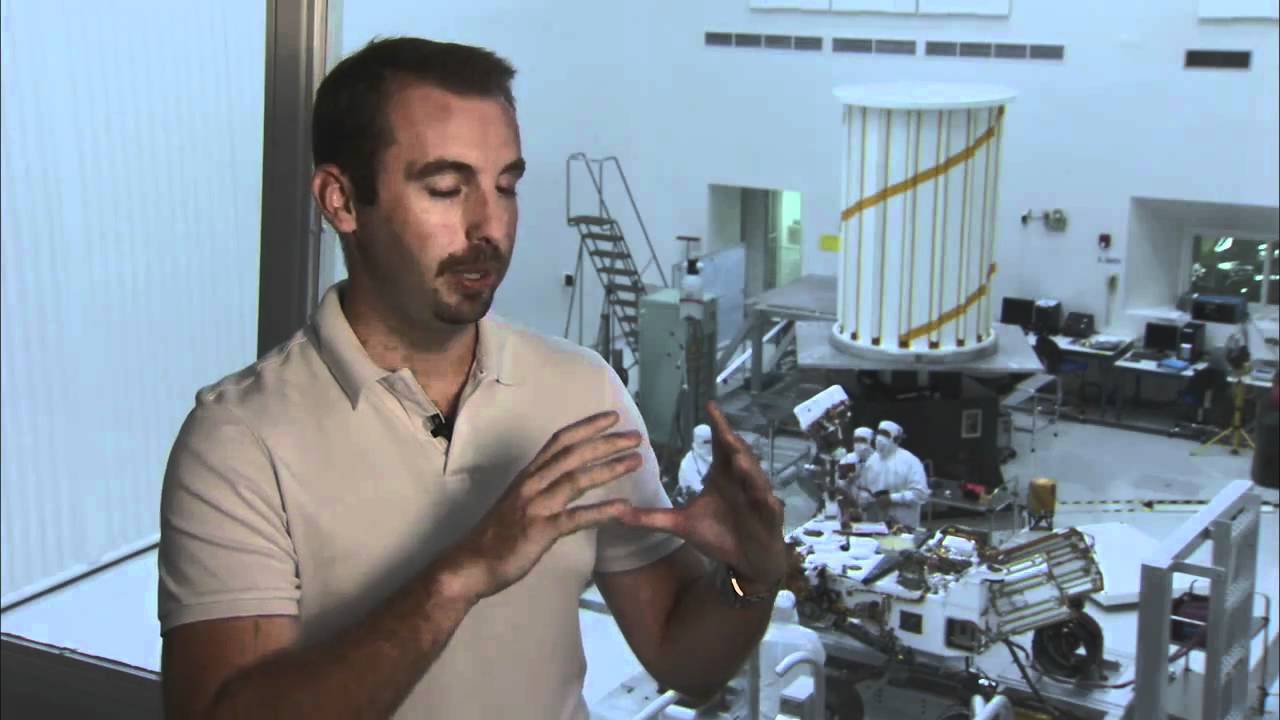
2:04
Curiosity Rover's Rocker-Bogie System Explained by NASA Engineer
@NASAJPL
39.1K views•2010-09-23
30:32
Ultrasonic Transducers: Resonant Frequency Measurement and Horn Design
@imajeenyus42
229.9K views•2017-02-22
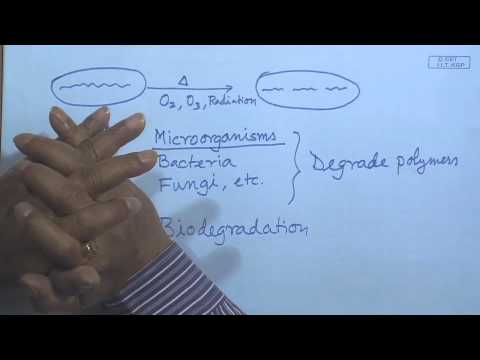
54:16
Polymer Environmental Degradation: Mechanisms & Stabilization
@iit
1.8K views•2012-07-10
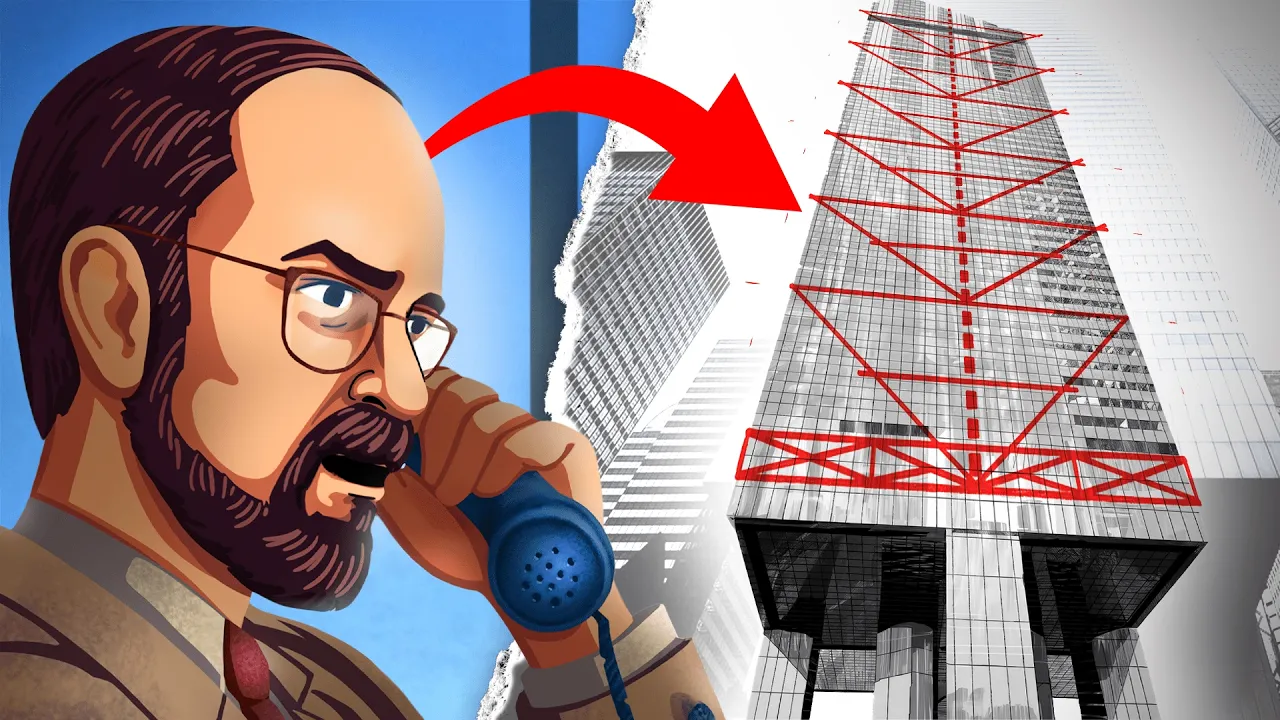
33:39
How a Student's Question Saved a NYC Skyscraper from Collapse
@veritasium
22.8M views•2025-04-26
Related Study Plans & Knowledge Roadmaps
Structured learning paths in Engineering
engineering
Building Acoustic Levitators: Physics & Arduino
01The Physics of Sound and Standing Waves
02Piezoelectric Transducers and H-Bridge Drivers
03Arduino Programming: Generating 40 kHz Signals
+ 2 more learning modules
14h5 modules
Explore Roadmap
engineering
Building Peltier Cloud Chambers: Particle Tracks
01Cosmic Rays & Cloud Chamber Physics
02Thermoelectric Cooling (TEC) Fundamentals
03Custom Liquid-Cooling Loop Design
+ 2 more learning modules
18h5 modules
Explore Roadmap
engineering
Yagi-Uda Antennas: Modeling, Build & VNA Test
01Introduction to RF and Antenna Fundamentals
02Yagi-Uda Antenna Design Principles
03Antenna Modeling and Simulation in 4NEC2
+ 2 more learning modules
18h5 modules
Explore Roadmap
engineering
ECG Monitor Design: Op-Amps, Filters & Noise
01Electronics & Breadboard Basics
02Op-Amps and Instrumentation Amplifiers
03Bioelectricity and ECG Fundamentals
+ 2 more learning modules
18h5 modules
Explore Roadmap