
















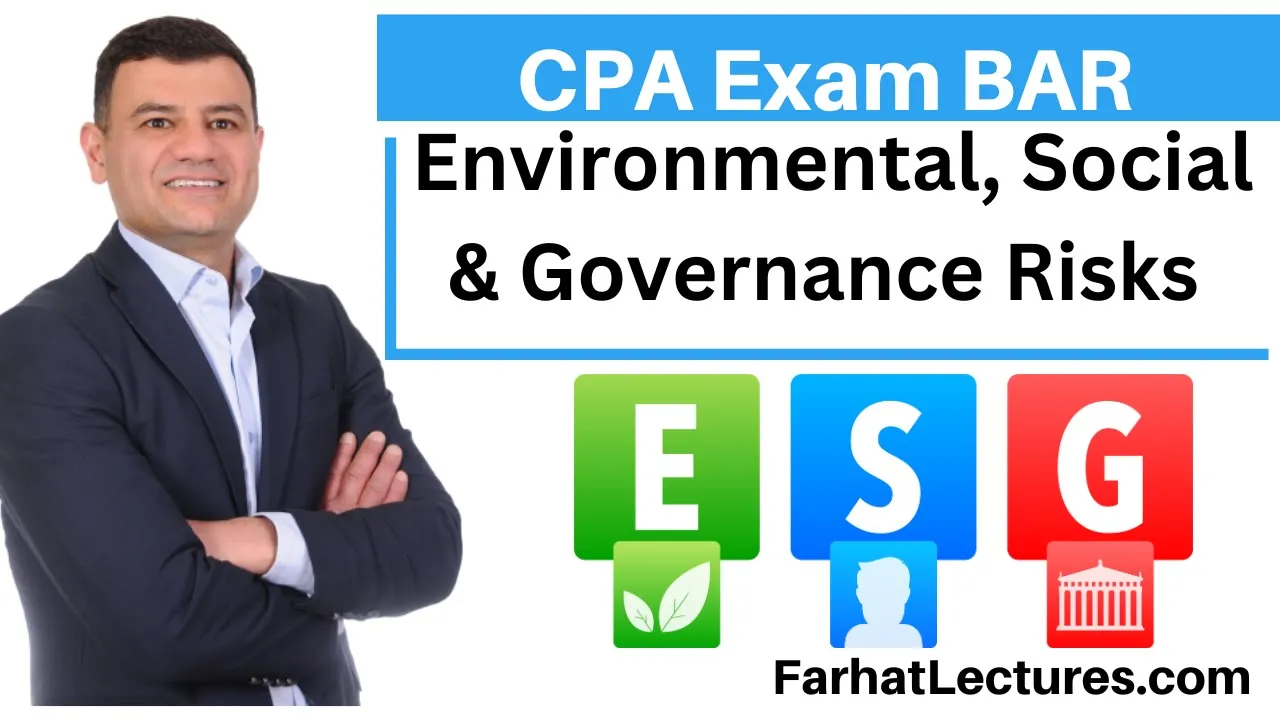
ESG reporting requires organizations to navigate a complex landscape of global frameworks including GRI (holistic, stakeholder-focused), SASB (industry-specific, financially material), CDP (environmental focus), TCFD (climate-related risks), and SDGs (broader sustainability goals), with the EU CSRD mandating double materiality and digital tagging; GRI's multi-stakeholder approach with its universal and topic-specific standards provides a flexible, comprehensive framework that helps organizations assess materiality, maintain authenticity through balance, and align with global policy, while practitioners progress from early-stage voluntary reporting to sophisticated, assured disclosures that demonstrate genuine commitment to sustainability.
ESG & Sustainability Reporting: Frameworks, GRI & Best Practices
Added:Understanding the core pillars of ESG (Environmental, Social, and Governance) and their individual components.
The historical shift from voluntary Corporate Social Responsibility (CSR) initiatives to ESG as a structured, risk-focused framework.
Fundamentals of corporate stakeholder theory, identifying who uses corporate disclosures (e.g., investors, regulators, and consumers) and why.
Basic concepts of corporate reporting, including how traditional financial statements are structured and disclosed.
Exploring and comparing other major global sustainability frameworks, such as SASB, TCFD, and the ISSB (International Sustainability Standards Board).
Mastering the concept of 'Double Materiality' as mandated by the EU's Corporate Sustainability Reporting Directive (CSRD).
Analyzing the role of third-party assurance and auditing in ESG reporting to prevent 'greenwashing' and ensure data integrity.
Integrating reported ESG metrics into actual corporate strategy, risk management portfolios, and executive compensation schemes.
97.3K views1.4Klikes1:03:02Original Release: 2022-05-03
good afternoon and welcome i hope you can all hear me okay um my name is brian o kennedy i'm the managing director of clearstream solutions and i'll be your moderator for today's webinar um the title of our webinar today is shaping your esg and sustainability reporting journey uh and staying ahead of the reporting curve which is an increasing challenge for us as we see many new initiatives and frameworks and standards and regulations emerge in this esg and sustainability space for today we have a very exciting agenda for you a very tight agenda so um uh just in terms of what we're going to cover uh my colleague shane mcgann is going to take us through uh the reporting overview so a sustainability reporting all you ever wanted to know about esg standards um and then george we're delighted to be joined today by george from gri the global reporting uh initiative uh which has been a leading light in the sustainability framework strategy for over 20 years now so delighted to have george along today and then typically the highlight of all of these sessions is when we get to talk to the practitioners themselves and i'm delighted to say today we have susan mcgarry who's the managing director at ecosam ireland and ut maher who's the head of sustainability reporting at smurfit kappa uh two organizations that it's fair to say are at maybe different stages of maturity in their responsible uh business journey and reporting so it'll be very interesting to hear from them as to how they're they're managing that that journey um when we started clearstream about 12 years ago i remember talking to the head of csr in a very large uh financial institution about their sustainability report and um uh she proudly announced that they will they they they had done the sustainability report for their employees i was i was noting the fact that there were very few kpis in the report uh in fact there was a significant lack of kpis but lots of nice pictures of the employees participating in various csr events and i suppose to be fair back 10 years ago that's what a sustainability report probably looked like um the expectations and uh requirements now of esg reporting are a lot more rigorous um and there's expectations are a lot clearer and more succinct so we're going to hear a lot about that today a clear stream when we're asked to help companies with the sustainability reports like all good consultants we'll come up with a a six step process um so you can have a look at this afterwards but essentially like any change management process in your business you've got a plan for it so you need to set out from the beginning understanding what your goals are you need to engage with your stakeholders define your key kpis and then measure a measurement is obviously key and then the only then and the do you get to look at the different frameworks and how you might lay that out so we always suggest that companies start with the data and build up uh and then before they consider how to publish their their final report um in terms of sustainability and esg topics in general it's a very very wide subject so for the the business people and i i sympathize with the likes of otien uh uh and susan who are trying to grapple with the whole range of different topics that are out there we have general sectoral issues uh that we need to take into account um we have general economic issues and uh societal issues we have sectoral issues in our own business and then we have specific issues relating to our organization all of these are relevant to our esg reporting and we need to put these through some form of a prism and typically the prism is one where we review the impact from both the stakeholders perspective and from an organizational perspective and that defines obviously the importance and criticality and what is typically called the materiality of the issues that we're looking to so this is how companies assess the relevance and key prioritize the significance of these issues and many of you on the call will have carried out various types of materiality assessments so bringing all of those wide subjects through our business and stakeholder prism and prioritization into our final sustainability report finally uh just a a few words we we again would recommend to people that they keep in mind when they're developing an effective sustainability story in their report to keep the following items in mind so first of all very critical to to be able to talk about your organization's commitment transparency is key i always look for challenges organizations that are prepared to talk about the issues and challenges that they're having not all the wonderful stuff that's going really well that's key that transparency the legacy what are we leaving behind us a critical important part of any sustainability or esg journey is that we consider the legacy monitoring progress kpis builds that credibility and authenticity a key issue and a key word for us in our esg journey authenticity and finally the report needs to be accessible and increasingly accessibility means that it needs to be in a digital format that can be screened and scanned for various by various content and and sustainability ratings and other organizations who are reading our reports so even if we think that there's no audience out there there are organizations that are out there looking to screen and uh assess our sustainability and esg performance so that's by way of introduction i'm gonna now hand over to my colleague shea who's gonna take us through the latest frameworks and standards and there's a lot happening obviously as we know at eu and other levels so uh shea over to you thanks brian um and hi everyone i'm shea and as brian said i'm responsible in clear stream for sustainability strategy and reporting and i'm just going to take you through um the reporting landscape today and the jigsaw that is the global goals and principles reporting frameworks esg ratings and indices and regulation as brian said it's a really busy and noisy space and it's constantly evolving um which makes it really confusing for for many companies to know where to start and to to select the frameworks they're going to align to so starting off we've got the the global goals and i think the most common one here are the sustainable development goals then we've got the reporting frameworks and there should be lots of logos you recognize here gri sasby cdp does the supplier platforms like sedex and ecovedas and also the more traditional iso standards then we've got esg ratings and indices and they're measuring corporates esg performance so they're taking all the information that you feed into those reporting frameworks and they're they're creating investment products products with that with that data and then finally we've regulation and um this is this is eu regulation that's um driving esg integration so the corporate senior sustainability reporting directive um mandatory climate risk reporting the eu taxonomy and the sustainable financial disclosures regulation i'm just going to go into that in a bit more detail now so um what's been happening in the last year and what progress have we made towards the global corporate reporting system there's been a lot happening at both a global and an eu level i think there's clear ambition to try and make it easier for companies and to to to bring sustainability reporting in line with financial reporting um sorry so from a global perspective i think there are just key uh three key um elements i've pulled out the first is um the the work that the five main voluntary reporting organizations started last year with their shared vision so that's gri satsi the climate disclosure standards board cdp and the international integrated reporting council they announced the shared vision to work together to achieve a comprehensive corporate reporting system and they outlined this approach in two papers they released last year then we have the international business council of the world economic forum and they released a set of core and expanded stakeholder capitalism metrics and these were supported by 120 of the the world's biggest companies um to to to kind of improve the consistency of reporting and to be able to track their progress against the sdgs and then finally we have the internet international financial reporting standards foundation and they launched a consultation process last year on sustainability reporting and they're now working towards establishing an international sustainability standards board and to achieve um a comprehensive corporate reporting framework with sustainability standards then from from an eu perspective again lots going on um it's just finished its um it's supposed to say firstly it's very much aligned to what's happening at a global level but they are pressing forward with um increased mandatory sustainability reporting for companies operating in europe they've just completed their review of the non-financial reporting directive and that this has been replaced with a proposed corporate sustainability reporting directive and just a few key elements of this new directive um it's going to cover all esp topics and will require um companies to um to consider double materiality so not only will you have to look at how your your company impacts on the the wider society and the environment but you'll also have to look at how sustainability issues impact your company it's going to apply to a much wider pool of companies so all large companies and some listed smes they'll be they'll introduce insurance requirements and they're also going to support the ship to digital so so tagging of sustainability information will be required in your reports and then they expect that the companies will publish their reports in accordance with the standards by 2024 so we'll see the first reports then and then finally just to say that um this this regulation complements a whole range of other um reporting regulation that's that's coming from the eu at the moment like the eu taxonomy regulation and the sustainable financial disclosures regulation for financial market participants then finally from a national perspective this this new regulation it won't be required to be transposed by member states it will be directly applicable and the department of enterprise trade and employment um launched its uh its public consultation on the directive last week and it's open for stakeholder responses until june 23rd so i'm just going to go through a few few of the main frameworks um just in the interest of time but uh as you start to get into like each sector there are there are even even more um but this should should be a good start so firstly you've got gri um and gri provides companies with a set of standards to report their esg information to all stakeholder groups it's a holistic approach to reporting and strives to provide information in a um in a way that's comparable and emphasizes transparency and accountability it requires companies to conduct a materiality assessment to identify the topics that are material in their business then we have sasby and they provide industry-specific standards there are 77 sectoral standards in total and they help companies select the topics that are likely to impact the financial performance of their business um so instead of um looking at how the company impacts on the the wider environment in society it it's looking inward um on how sustainability issues impact the the company so both gri and sasby the the standards are are free to download from from the website so there's no scoring or cost then we've got cdp and uh cdp is the global platform for environmental disclosures and this is done through a number of questionnaires on climate water and forestry and it offers companies the ability to benchmark themselves against their peers and so this is a scoring process and because of that scoring process there is a cost and it also has a really good um supply chain program then we have the sdgs so i'm sure you're all familiar with with these they're a broad set of 17 goals that were originally meant for use by countries and cities however there's been a big uptake um of them the use in the business community as they're really good for engaging with the wide range of stakeholders um below the 17 goals said 169 targets so it's going to be interesting to see how companies track against progress their progress against these these targets and there's more and more guidance emerging on how the different frameworks link to the sdgs um then we've got the tcfd so tcfd provides guidance on how to disclose the impact of climate related risk and your business it help helps companies report on governance strategy risk management and kind of gives metrics and targets you can use and this guidance is is incorporated into lots of the other frameworks like gri and sas being cdp so if you're using those frameworks then you're you're kind of automatically aligning aligning to the tcfd then we've got the un global compact and this is a voluntary initiative or kind of like a ceo pact and it um it aims to help companies implement 10 sustainability principles in their business and they cover the topic topics like the environment human rights labor and anti-corruption and it also requires companies to do an annual progress update each year so there's no no fee for smaller companies but there is there's a fee for large companies and then finally there's the climate disclosure standards board and this is a another reporting framework for environmental information but it's wider than climate and kind of includes natural capital so then just i'm just going to leave you with a couple of um nice graphs that i think really help people kind of put the different frameworks into it into perspective um this plots the prescriptiveness of the the frameworks and standards against the the scope so you'll see down in the the bottom left-hand corner you've got gri and it's got a really broad scope present that it includes environmental social and governance um but it's got a somewhat flexible approach in that you do a materiality assessment so you can pick the topics that you that you want to report on and this is in contrast to cdp which is up in the top right hand corner its scope is narrower so it's just environmental and because it's a questionnaire um it's it's it's much more prescriptive and finally um i took this graph from the climate disclosure standards board um because i think it gives you a really nice idea of how the the different um reporting frameworks fit together and how they're all like how it's kind of fitting in with financial information so you'll see on the right hand side you've got gri and that looks at um the impact a company's activities are having on society and the environment so it's got that really broad range of sustainability disclosures then you've got like sasby and the cdsb which are a smaller subset and they look more at how sustainability issues are impacting the company then on the right hand side you've actually got the normal financial reporting and then the little roof on the top is the the integrated reporting um framework which which tries to bring um sustainability information together with financial information in your in your annual report so i hope that provides a good overview and you can take some of those those graphs away and i will now hand over to george who's going to get into all the detail of the gri standards and just before um we hand over to george just to mention and thank you we already have a number of questions coming into the chat box so keep the questions coming um some really good questions uh so we will be back to those so keep the questions coming in the chat and uh feel free to turn on your cameras but we would we would prefer that if you can't mute yourself as well please so thank you george welcome thank you very much brian and thanks shea for that great overview of the landscape and a lot of the components that i think definitely need to continue to be clarified um to help support organizations looking to respond or report these things so i'm very honored to be here my name is george harrington i am a manager in our corporate and stakeholder engagement team which really means that i get the opportunity to speak to a very broad group of our stakeholders around the world and specifically in ireland the uk france and italy at the moment um so i have the opportunity today to speak to you a bit about gri as well about the standards our core product and hopefully we will answer some questions that uh that you may have and if not then we can certainly find time to answer those if we uh if we do run out of time so i'll try to keep to the clock shea and brian so um i'll get started quickly so as a quick update and on real quick background let's say on who gri is so we are an independent organization and we really pioneered the idea of sustainability reporting as brian mentioned earlier about 20 years ago and we now offer really the global disclosure framework that helps support companies to be more transparent about their sustainability performance as mentioned already by shea on the external area so on the environment on the economy on society we really look to help any business so irrespective of where they are their size their sector disclose these impacts and also provide those really relevant insights for company and their stakeholders and this can help inform decision making and improve the environmental social and as well financial outcomes a little bit of a road map here so we started back in in the late 90s and it was really born out of this need for transparency and there was the exxon valdez disaster that i think brought a lot of things to light and so people wanted to demand for corporate behavior to really be scrutinized and obviously improved so this kind of began the journey and through it all we have in 2016 launched what is our core product and the free public good which is the gri standards and as well you can see the more of the recent history it's been a great journey of bringing in the stakeholder input and making sure we maintain a very relevant global framework a resource here that i'll let you go into in your own time but it does show a bit more of insight on the most widely used standards for sustainability reporting so both for new reporters and let's say leaders in this space so it's done by kpmg it was conducted a survey and they've been doing this i think since 1993 so a long time they've been looking at this and seen these trends i mean the latest edition publishing of last year looked at 52 000 companies in 52 countries and again you can go into a lot of the detail there i think from our perspective what it showed and highlighted for us is that 80 percent of companies worldwide are now reporting on the idea of sustainability and then again from gr's perspective among that 80 percent that were surveyed you know gri came out as still as the dominant global standard for the sustainability reporting but again the link is on this slide those also i've been told will be shared as well so you can go into that and find lots of these nice takeaways as well as takeaways on sdgs and other reporting areas but i'll now go a little bit into the standards themselves really a key to the standards is our approach to it and this is what's been allowed to really make the standards resonate and be as robust as they are and that's the multi-stakeholder approach that we apply and that means we bring in the inputs from a very large range of constituencies including civil society business investment institutions labor and media institutions and this approach really ensures that we have the participation and the expertise of the broad stakeholder group that really exist in the world of sustainability and that helps in the development of the the gri standards it's also important to mention that the body responsible for updating and maintaining the gri standards is called the global sustainability standards board and there are independent standard setting body so that they're able to run this process very thoroughly very transparently in the the public for the public good for those of you that have not seen it before the gri standards are really made into a modular set that you see here which include the three universal standards on the top and 34 topic specific standards which i'll go to in a moment but these are publicly available and free and as shane mentioned in her overview i think what's really important to note with this is to look at this broad range that was mentioned and yes this is a very busy slide i'm not going to go through each one in a lot of detail but a lot of the times when people see this they ask kind of where where do i begin how would i even get started in this space or i'm a little bit lost as i try to figure out these things but if i go back a slide the simplest answer and and just if you want to explore this a little bit further is in in the 101 series and that lays out some of the key principles of sustainability reporting and there's there's 10 of them um again due to time i will not go into all of these in in more detail just mention a few highlights but i think what this highlights to me and what the important thing to remember is that sustainability reporting is a process it's not a tick box exercise it's not there to [Music] yeah just be something that you do and then wait for the next year to come around it is a process and through following the principles outlined in the process we truly believe that businesses can understand their impacts and have a a real crack at making those uh more positive and working on that balance as well on identifying where there may be areas for for improvement but the materiality con concept is a very key one uh for for gri and all the the standards out there and as mentioned by shea as well and for us that materiality is requiring organizations to consider their full impact on the wider world so rather than solely focusing on perhaps the financial impacts on the business itself which are still important but we also make sure that they're considering which of those impacts are happening on the environment on the economy and on society as a whole so this is really almost a complimentary and we're very excited that there has been a move towards more mandatory disclosure on this space and a discussion about bringing the parity of not only financial materiality impacts but also sustainability impacts and as jay said earlier as well it's that balance of making sure you get to understand both sides of the impact that you are having as a business externally and what's happening externally is impacting the business so it's very much a key element of it again these are all gone through in much more detail and i mentioned balance is my favorite because a key part and some people say well what's what's gri doing letting companies green wash well it's not obviously what we do we don't allow companies to do anything like this but it's through the principle of balance which requires companies to really look not only at the good things they're doing but also to understand and talk about some of the things where they need to improve and that balance i think really drives even more meaning to these reports and so again more detail on a lot of these areas but that's one that i like to focus on some of the benefits well i think uh ones that we like to mention is that the benefit for new reporters and leaders in this field is that they do integrate and reference global policy so governments and market regulators do use uh the grx energy reference them i think at the moment there's uh the carrots and sticks resource and there's 168 policies in about 67 countries that reference or require the use of of the standards and that's because of that modular structure which allows these regulations or these public policy bodies to reference specific areas of the standards and secondly it is that you know flexibility and the ability to be future proof and so again that modular structure allows us to update specific standards each time it becomes up to its turn and also in line with you know world developments and changes in the landscape as was mentioned earlier as well and so it is again that modular structure that plays a big part here and before that so if you look back on the timeline when we had to update the the guidance it was a big project and everything would be reviewed and updated at the same time whereas now we can maintain and update a bit more specifically as well as making sure we uh yeah respond to what our stakeholders need a bit more quickly another benefit obviously is that they do represent that global common language so the gri standards is one common framework that can meet all the reporting needs from you know comprehensive reporting issues all the way to topic specific disclosure so it's not only the the what but also the how to to do this and the fact that sustainability reports based on the standards can be used to benchmark organizations to each other and performance concerning you know laws norms codes performance and all these voluntary initiatives as well but lastly the the standards are developed with that credibility and robustness as a key part of it and that's through the gssp which i mentioned and through the transparent process of developing the standards so um i think one of the areas that is most important to the development of a standard is the public comment period and that is when the project working group full of the experts and topic specific players in the space they put out a draft of a standard and this can be looked at by all stakeholders everywhere in the world and they can provide their feedback which is indeed incorporated or reviewed before a standard gets released um to be used so again that applies to that space so speaking a little bit of the kind of uh latest or revised gri standards and where where we're going um as a standard setter so the first one and i guess one of the most important ones that's going to affect all companies that use the gri standards is the revision to the universal standards so because the universal standards do apply to all organizations using our framework and the the update to this is going to have a very sick substantial and say an important change we're bringing in new and important requirements on human rights on due diligence reporting as well as aligning more even further with the um guiding principles and the oecd guidelines um so there's a lot of information on this you can see the revision standard if you do like on our website we're currently past the public comment period and that standard is going to be i think launched more or less around october november this year and it's an exciting space but also important to note that for those that are just starting to report or maybe in the first year to reporting not to worry it doesn't mean that when this is launched it's going to make you have to change everything right away there is a lead time to understand these changes we'll have lots of support and resources that do that and i know our members will be well informed as well like clearstream to ensure that this transition happens as smoothly as possible another exciting development is the yeah the first gri sector standards so as imagine and has been asked for a long time the different sectors have different impacts on the economy on the environment and society so for this reason we launched a few years ago a big effort to really offer more standardized reporting on sector specific impacts now these are all supposed to be used together it doesn't replace the the standards or looking at your materiality but it can be used in conjunction to help inform what your stakeholders can expect from from your reports and the first one that's going to be coming out later this year will be in the oil and gas sector and we also have a public comment period starting in i think actually this week for the agriculture and fishing sector so that's one where if you're interested or you know someone that's interested you can still definitely get involved in that space and also get an idea of you know what these will look like this infographic here i should say this gives a bit of an idea of what what that will be so it is the universal standards that can be used and with sector standards to help identify some of the material topics but also to make sure that you're using the identified material topics through stakeholder engagement to report on those uh as well and this slide really just talks a little bit about uh some of the areas where we already aligned so they also add to that robustness of us so that includes the un guiding principles on business and human rights the ilo conventions and the oecd guidelines for multinational businesses and i think what's very important also for us and again going back to shea's slides where showed a number of the players in this landscape is that the standards are compatible with a number of these already and that is either through linkage documents directly or through let's say the publication with sasvi that we did earlier this year which shows how organizations can report with both because we understand that there is a demand coming from businesses stakeholders specifically investors for that sasvy information and so we are working with them to make sure that we don't create even more work for reporting organizations but that organizations that are using the standards can easily find that narrative to also talk about their sas b disclosures another resource that i think is always interesting to talk about is the three publications we had on reporting on the sdgs now this is something we did with ungc and to really find out and and introduce this idea of reporting on those they were set at a state level and now obviously there are a lot of buzzwords in to how businesses can work towards that how different institutions can you work on that and so these three publications really do outline how business can consider to do that and so the first one is the analysis of goals and targets is very much a thick dictionary of all the goals and all the targets so again an interesting read perhaps but um also you can find which ones you can go through and identify which ones maybe are more interesting to your organization and then there's the practical guide which gives you kind of a step-by-step process on on how you might do that and from our perspective if you're reporting with gri and you want to know maybe which sdgs you do have an impact on if it's not already obvious well then you can also link your material topics to sdgs and specific targets and similarly if you know some sdgs that you want to work towards well this document allows you to understand which disclosures you can use to report on your progress or impact towards that the third one is really looking at what investors are asking for when it comes to reporting on sdgs so again bringing in that lens and making sure that companies can can discuss that finally a quick slide on some of the areas that we do look to support because we understand that the standards are a very big resource and the one that i think is always and really reason i'm here is the gri community and clearstream's a member i mean it brings together organizations around the world who not only use the gri standards but that understand the importance of yeah transparent business and sustainability reporting we have a number of services that also support specific areas in a reporting organization's either report or the process we have some reporting tools you can find our website and those are softwares that allow or support specific areas in the reporting cycle and then also training and coaching which we use certified training partners and our gri academy to uh to really bring and increase the knowledge of reporters around the world but i think with with that um i will say thank you um i'll take a little sip of water and i don't know if i'm opening now for questions brian or if it's the end as well timing wise i think i think we'll we'll come back to you we'll include you in the panel george so please when we get to q and a stage for the panel uh do have a couple of questions that have come in already that i think you'll be able to contribute to so thank you very much for that and as i said yeah as you mentioned at clearstream we're very proud to be a member of the the gri community and certainly both ways um it's it's a it's a very valuable resource so i'd encourage others to consider it um and you know we've we certainly find the engagement from gri and with gri very useful um so now i'd like to welcome our two practitioners um the panelists and these are the people who go through the uh the practical pain of of managing this wide broad esg reporting issue so i'd like to welcome susan mcgarry as i said susan's managing director of ecosem and ut marin uh who's the head of sustainability reporting at smurf at kappa um so i'm going to start with you susan um so i think it's fair to say if you don't mind me that you're reminding me saying so that you're at a relatively early stage in that journey uh around reporting but maybe just firstly around around ecosam because i know as a company you're hugely committed to sustainability and climate and your products are all about decarbonization so maybe a little introduction to yourself and ecosam and then where you are on your reporting journey yeah and thanks brian so um i'm the managing director of eagleton ireland so we are part of the wider ecosystem group and the parent companies except materials where it's an irish company but we've got plants in france in the netherlands and then import terminals in sweden and the uk and our main product is ground granulated blast furnace slag so it's a bit of a mouthful ggbs it is a byproduct from the steel industry and it's basically used as a partial replacement for ordinary portland cement and so cement is a particularly carbon intensive industry it's uh responsible for about eight percent of global co2 emissions in ireland this men's sector is responsible for four percent of our total greenhouse gas emissions so it's quite a big chunk from one industry and so the use of ggbs and it's used mainly for its engineering and technical benefits to um lengthen the lifespan of concrete and but also a lot of the time now more so because of its environmental credentials because it's seen there's a un report and there's many many expert reports on this that it's the best available technology for lowering the embodied carbon of concrete there's very little else currently available that that can decarbonize the cement sector and as much as clinker substitution so clinker will be the main um constituent of cement so that's what you dig out from the ground burn at very high temperatures and turns into into your cement so by replacing some of that clinker and with a recycled material like ggbs you're making a direct impact to the carbon emissions of that sector and the cement sector is trying to carbonize at the moment they've got a european road map and outline how they're going to get to net zero emissions for 2050 and a large part of it is reliant on carbon capture and storage and green hydrogen coming online we don't know if that will be the case by 2030 but we do know that there's immediate savings that can be done right now in this decade using clinker substitution so that being said that's what exams all about we sell a low carb product we try to influence change within and the cement sector and the wider built environment sector and um because from our market-based emissions point of view we're making such a difference it's important that you also look internally and the the driving kind of phrase behind our reporting was our business process has to match our business vision and we weren't exactly doing that like we were doing a lot of good things but it was kind of scary and all over the place there was no formal structure and so my role before um running the irish business was the group sustainability manager and um that role was created because i said we need to do this we need to do some reporting we need to get some structure around it and it took a huge amount of convincing at the time and that you know are we do we really want to put out so much public information like we were in a very much a growth phase and and there's rapid expansion plans new technologies innovation all that do we want to put a lot of that information out there and and thankfully they let me run with it um and so i kind of started this journey in 2018 based on 2017 um information and had initial and chats with brian but because it was kind of new i didn't get a huge amount of investment for this so it was like do it kind of as best you can with little to no budget so a few little consultations with brian he gave me the best guidance he could and we aligned with the gri as much as we could without going with gri and we did our materiality assessment which was fairly limited and i think only a couple of external stakeholders involved and we produced our first report in 2018 it was called vision 2020 so i was kind of giving myself sort of a three-year space to see what we could do we'd always report it to the carbon disclosure project that was one good thing that we were always doing but it wasn't a really um planned out response you know pulling together everything so we took a year out um and we then applied last year and with the help again of clear stream we would said look we want to take this seriously we should be an a rated company and we should be a global kind of thought leader like the other a rated companies are and we moved up from a d to a b in one year which showed how much actual work we were doing that we weren't reporting on or capturing and so thankfully then because the success of that first report and it was like well this is now this is our practice we now do this reporting it's now been used to um gain investments to um improve kind of any sort of funding a lot of the finance stuff because we're in this growth phase we're hugely into funding grants all that kind of stuff and the sustainability report has been used in all of those meetings and we've recently had a 22.5 million euro investment from breakthrough energy ventures which is the bill gates founded and fund for low carbon technology all of that is it's based not only on our product but on who we are as a company as well and a lot of that is to the fact that we have a coordinated approach to um our sustainability strategy and that we're reporting on in a very clear and accessible way so now i feel like i'm taking up the whole kind of chat here at the next stage as you said we're very much at our early stage we're now moving into the more kind of sophisticated level of reporting and hopefully we'll we'll kind of match uti's level of disclosure at some point what we're going to align with that we're going to do the gri reporting rather than our own kind of voluntary report we're going to do it through gri and keep chasing our a rating in the carbon disclosure project set science-based targets around our carbon emissions so it's really to formalize the structure now at this point susan thank you that's a i'm sure a lot of uh let's say people who are at early stage would have found that fascinating um and i think the the progression and the journey that you've been on is refreshing that you took those baby steps um and and started out and got confident and got good and now ready to move on to the next phase so so well done i know you because it's a private company or has been you know you're not necessarily a lot of this is um off your own path that you've decided to to voluntarily put yourself forward as self-selected so excuse me that's fantastic um and now maybe to the other end of the spectrum i mean i don't want to set you up ot but certainly 11 years reporting gri um you've had a phenomenal cdp response uh i give this smurfette report is a case study in in best practice and but i know there's a journey here right so do you want to take us back because you've been doing this for some time uh and maybe your role and sustainability at smurfit i know obviously we're very proud of smurfit in ireland the smurfette kappa and and your better planet program so i'll give you an opportunity to discuss that too thanks brian and um thanks for inviting me to speak um yes market kappa is a is a 46 000 employee company with 8.5 billion euro turnover last year and we produce annually about 13 million square meters of paper-based packaging and other solutions for our customers so that's a smurfette kappa in very nutshell leading in europe and leading in those markets where we are in the americas as well in in cardboard packaging um smurfit kappa has been reported uh in sustainability from 2017 uh 2007 and uh soon after we started reporting we went into into uh following the the gri standard um and when i joined the company in 2014 we moved at that time from [Music] core to comprehensive reporting in uh in the standards that that was available then and now we are comprehensive standards uh so so that's what we do uh that means that we do very thorough gri reporting at smurfit kappa um and that's practically part of what we want to do and um if i if i say something about what sustainability means for us it is actually we we call it end-to-end sustainability and it means that everything uh what we do from sourcing our raw materials producing our products and the products being actually sustainable and we do this also by by taking care of our people our communities and at the same time striving for the best possible covenants so it's kind of a very holistic program that we do also very typical for smurfette kappa that we want to take all the boxes so that's kind of the thing for us um in paper sector uh sustainability has been quite important for quite a while so not only that we are publicly created company we we also are in the sector where you have had certain pressure of reporting and paying attention to sustainability quite a while uh kappa may be a little bit less than some of the competitors but nevertheless it is something that the industry alone and the sector alone has to pay attention to so that of course drives in the background um [Music] in principle reporting is or good data and transparency is a huge basis for us in how we build our sustainability strategy and nowadays also a huge part of our company strategy itself we want to know what we are doing and we want to be able to measure it and we want to also offer to our stakeholders and especially our customers investors something that they can practically have a tangible touch on so measuring yourself well is is a key and i think that they're following a standard helps you to develop the systems and we have actually rather developed internal systems of data collection some of them are very leading in the in the sector as well and um that gives us a good insight and we have now over over 12 years of really robust data that has been assured for us for those 11 years so it is it is a good basis and it gives us credibility and confidence to talk about sustainability um so we are already quite advanced as i said but i wouldn't say that this is not a learning curve all the time a the standards are changing all the time a little bit there is always a new tweak in there there are new things that the stakeholders are asking for so that's something that keeps us at least active and you can't kind of just uh feel secure that you're doing things well because you need to be uh going with the with the trends and and the change um i would also say that um doing this focusing on sustainability reporting uh even though it is so we kind of separate our story and then the then the statutory disclosure so that those go the statutory staff goes also into our annual report now but then in the sustainability report we have the opportunity to actually really tell the story of the company as well and that's a nice thing that sustainability reporting gives to you as well because it is like brian in the beginning said it was pictures of people doing csr and that was the the report so it is it is a way of um and it is a topic that um has an emotion in it so it's and it doesn't it hasn't started with the legal base like financial reporting so the the way how you build your report is very different even though there are standards and there are shared um opportunities or shared um targets in in the background and i think that uh being at this stage you kind of uh focus on a bit different things it's not no longer only about focusing on getting all of the data that you need behind you it's also about how you tell it uh it's about how you limit your stories and how you evidence it in in increasingly growing uh product increasingly growing demand so those are maybe those things that i would say are different from just still continuously needing to be learning something also when you are [Music] following the dri standard for example and you are assured like we are we have a limited assurance uh but for all of the data in our report it is that um first you go into the big chunks and the auditors look at how how you deal with that and um we are at the stage where we sometimes think that why are we looking at this thing because all the big picture is anyways fine so it gets smaller and smaller and more detailed all the time which is in its way a big challenge as well because you you need to be able to respond into more and more detailed questions and and try uh strive for transparency in there as well so i think uh that's in short where we are uh it's our 13th or 14th report actually um this year the 2020 report and we did a big big change in it um during the the reporting season and i'm happy to open that one up a little bit more but i'm sure that brian comes to those those details in his questions yes i i'd like to come back to you on on a couple of topics there and and that some of the questions have come in around materiality and also um maybe the assurance piece because you've been through the process but maybe susan i'll just coming back to you and and maybe building in uh into one of the questions that was asked because i know you did in some way building the sdgs into into your report and and i guess grania has asked us a question about and it was shay during the a couple of weeks ago mentioned this wonderful topic well it was a word called rainbow washing i hadn't heard of it before but essentially it's this idea of just splashing the sdgs all they throw them on the page there they look great um without really understanding what's happening in the background um and and companies just reporting the positives without reporting the negatives so maybe just talk a little bit about the sdgs and and then we can touch on this and this question of of of of companies just uh you know using sdgs without fully understanding the targets yeah so we we as i said our materiality assessment at the beginning was limited to all of our internal employees so everyone completed it and then a couple of uh customers and clients and from that kind of we see we saw kind of common trends between what what people's considered important and what was important to kind of general society we group to those and because we're if this is this was a voluntary report our first one we're like how are we going to do this so we decided to group them into kind of core category areas and then kind of did a review of the sdgs and said okay like we we tried not to do the rainbow washing gray phrase and we're like well what ones what sdgs can we actually work on within those categories of issues that that we have of importance and that we can work towards changing so that's as far as we went and and in terms of the good and the bad that was very difficult like say the second year to be like okay so we didn't perform in some of the areas but we're out there now you can't not do it you've got to say i did we didn't do what we needed to do and and that's fine i mean the world didn't fall down around us when we said like we didn't achieve this target and so in terms of transparency we've tried to do that it is a difficult thing i think it'd be easier if it was in a more structured way in the gri ways like you either did or you didn't whereas we could have been like oh we just won't talk about that target anymore or we just won't talk about that sustainable development goal whereas we try to kind of the moral side of you're going to do this once you've put the report out there and said these are our targets these are the core goals that we're trying to trying to work towards within that you're going to have to follow through on it the following year the good the bad and the ugly just put it out there so that's probably the best one on the sustainable development goals because we have that's as far as we got it wasn't a huge amount yeah but your your employees will be the first ones to to notice there's if there's a difference between what you're telling the world and what you're doing in internally so um and and other i know uh you you mentioned you guys report the the sdgs as well if you've if you've thought on that but i'm also interested in in your materiality approach because i think you've quite a comprehensive uh you know is that do you recommend you start with a small number of of material issues or should you take the whole lot on and and and figure out what's important to your business well i think actually it's very interesting uh combination the sdgs and materiality i think they go some sometimes hand in hand as well and what i really like about the gri and i saw there there was a question about the difference between dri and suspic one of those things is that um you have to do your own uh materiality in dri when you follow gri but when you follow saspy you have to follow the so they made the sector uh material the assessment for you so um for us at smurfit kappa for example uh actually making your own materiality assessment and renewing it after a certain period is um is a very important step and and from reporting perspective i think materiality first of all it helps you to know what you need to do and that is the way of not rainbow washing your stuff so uh that's that's keeping it at line and and and uh not trying to go everywhere um so we've done um different types of materiality assessments and um we we have had uh different ways of uh engaging with our stakeholders to do that so uh if i tell you what we did last time maybe that's the best way we actually engage quite widely um with different areas in the materiality assessment and for example we structure it so that you do first kind of a desk study of all kinds of documents and questionnaires and stuff like that that you can study on your desk practically to understand what actually shows you already what the other people are interested in your company but at the same time you are all the time following what the company itself does so you take your strategy you take your vision you take your products you take your production um units and you you look what actually happens in there so those are the core things that uh matter also your location geographically because some of those things that might look really fancy and nice don't apply to you because you are not in a place where it's an issue so that's one thing then um and and in this we have also legislation we have uh questionnaires like cdp or other esg questionnaires and we also look into the dri already at that point as well and then it's the other area which is kind of taking it live and that is um how how we did it is we had um two questionnaires um we asked our employees what they thought is material to the company and then we also surveyed a bunch of our key stakeholders mainly customers suppliers and investors and asked what they think is material and what they would like to know about smoking cup buying our sustainability report so those questionnaires gave us data that you can also um kind of work into our numeric tables and and start to get some some balance on on things and then we stress tested and that practically a discussion between us and top many management where we think we are and where we should be and how we see that all this data that we have gathered through these two different assessment types takes us you cannot really not take into account what the what the best study and the surveys give to you but you can move certain elements a little bit here and there okay and i think what that what that suggests is that you own the process yourself and just build it build it bottom taking all that feedback from everyone and and created your yourself there's no you know there isn't one best practice solution out there that just fits everyone i think that's a that's a message and i guess that adds authenticity and and reality to it and i'm just conscious of the time so i'm just going to very quickly go through george i want to give you one minute just to any advice somebody starting on the gri process what what should they do i think a quick answer i think would start with with 101 and i know that sounds very basic but um i think there you'll you'll get an understanding of of what's involved and and how to get some of those core principles down but um yeah attending events like this certainly helps right getting the practical experience from people that are doing it is uh so feel free to reach out to od and susan i'm offering their time for everyone yeah susan last last one for you what's next what's the challenge this year that you're going to deliver on your sustainability reporting um so we skipped last year's report due to covert that's the benefit of voluntary reporting with flexibility there so we're going to cap off our vision 2020 and that should be out the stop this summer we're kind of targeting june july so that'll be 2019 2020's data and we've done a huge overhaul on how we even monitor and measure our carbon emissions we are hopefully doing science-based target um commitment as well this year with the view to setting that actual target then hopefully next year and so our next stage for carbon for sustainability reporting would be a net zero road map i reckon i think that's where we're going but there's a lot of that going on in the construction sector with i don't know how much substance behind it so we're trying to do it right uh hold back on just launching something and trying to do it right first time yeah the whole net zero um carbon neutral out by 20 30 40 50 whenever is really driving significant change and that's going to be we're going to have to report against those metrics so um ot your last what's what's your your big challenge and push now what's what's keeping you busy on the reporting front um well i think we did a big push uh in the last report where we really went into fine-tuning our storytelling so that was a really big thing and we also included um the the tcfd and saspy reporting to our gri-based report but then the next thing is again that now that we focus on the story the next challenge is going back to the back to the data and and the disclosure so we are going to go through our report and find the gaps that where we are not so great yet so that's uh that's then the next thing and we are looking into the sbti which is not easy at all i can tell you that um uh so that's that's what we are focusing on i think the next round and keep keeping the quality because we've reached really a good point now um so so now it's also the challenge is to actually stay there which is not always so easy either yes the bar is being constantly raised so um thank you all very much i promised we'd finish on time and there's another broken promise i've run a couple of minutes over um we have so many questions coming in so apologies we didn't get to them all but we will respond we've had questions on assurance we've had questions on unincorporated we dealt with sdgs with questions on the number of issues to report and and then the link between gri and sasby so we'll try and get to those if you have any additional questions please feel free to come back to us or indeed any of the speakers uh to my colleagues uh shay and grania who put on a great show today thank them and to all the speakers ooty susan uh and george for being with us we will definitely have george back again to do more gri stuff um and so all of you thank you for joining us we will be sending out the recording and keep in touch and stay safe i got my vaccine today about two hours ago so for any of you who are worried about the vaccine it works it wasn't painful and i'm still alive so good luck and stay safe and we'll talk to you all soon thank you thank you very much take care everyone thank you
Up Next

54:47
Rocker-Bogie Mechanism Design Tutorial in Fusion 360 for Space Rovers
@ShanifHameed
8.4K views•2018-04-21

12:54
Triumph of Orthodoxy Icon: Byzantine Art & History Explained
@BenCallan
2.1K views•2024-08-06

9:49
FastAPI vs Flask vs Django: Choosing the Right Python Web Framework
@TechWithTim
302.5K views•2024-05-26

1:42
Game of Thrones Opening Credits: A Cinematic Analysis
@gameofthrones
46.3M views•2011-04-18
Related Study Plans & Knowledge Roadmaps
Structured learning paths in General & Interdisciplinary Studies
general-studies
Elevator Engineering: History, Physics & Cities
01From Hoists to Safety Brakes: The Dawn of Vertical Lift
02Hydraulic vs. Traction: The Engineering Physics of Elevators
03Modern Speed, Safety, and Algorithms
+ 2 more learning modules
12h5 modules
Explore Roadmap
general-studies
Rubber: Material Science, History & Geopolitics
01Origins of Natural Rubber & Mesoamerican History
02The Chemistry of Natural Rubber & Vulcanization
03The Geopolitics of the Rubber Boom & Colonization
+ 2 more learning modules
12h5 modules
Explore Roadmap
general-studies
Containerization: Evolution, Logistics & Trade
01Ancient Trade & Bulk Cargo: Amphorae to Barrels
02The Industrial Revolution & Cardboard Packaging
03The Containerization Revolution: Malcom McLean
+ 2 more learning modules
12h5 modules
Explore Roadmap
general-studies
Textile Tech: Evolution, Labor & Global Impact
01Pre-Industrial Textiles: Handloom & Cottage Industry
02Mechanization: The Spinning Jenny to the Power Loom
03The Factory System & Global Labor Transformation
+ 2 more learning modules
10h5 modules
Explore Roadmap