
![[AP Environmental Science] Resource | 1.8 Pollution | ecological footprint | ecology](https://i.ytimg.com/vi/bBP04tvCFVE/maxresdefault.jpg)





![Circular Economy Package [Policy Podcast]](https://i.ytimg.com/vi_webp/H_-6kznOuBk/maxresdefault.webp)





![🌳ANÁLISIS DE SOSTENIBILIDAD DEL CICLO DE VIDA🌳 [ambiente➕sociaL➕económico]de tu producto o servicio📦](https://i.ytimg.com/vi/5EXY83BfZBE/maxresdefault.jpg)
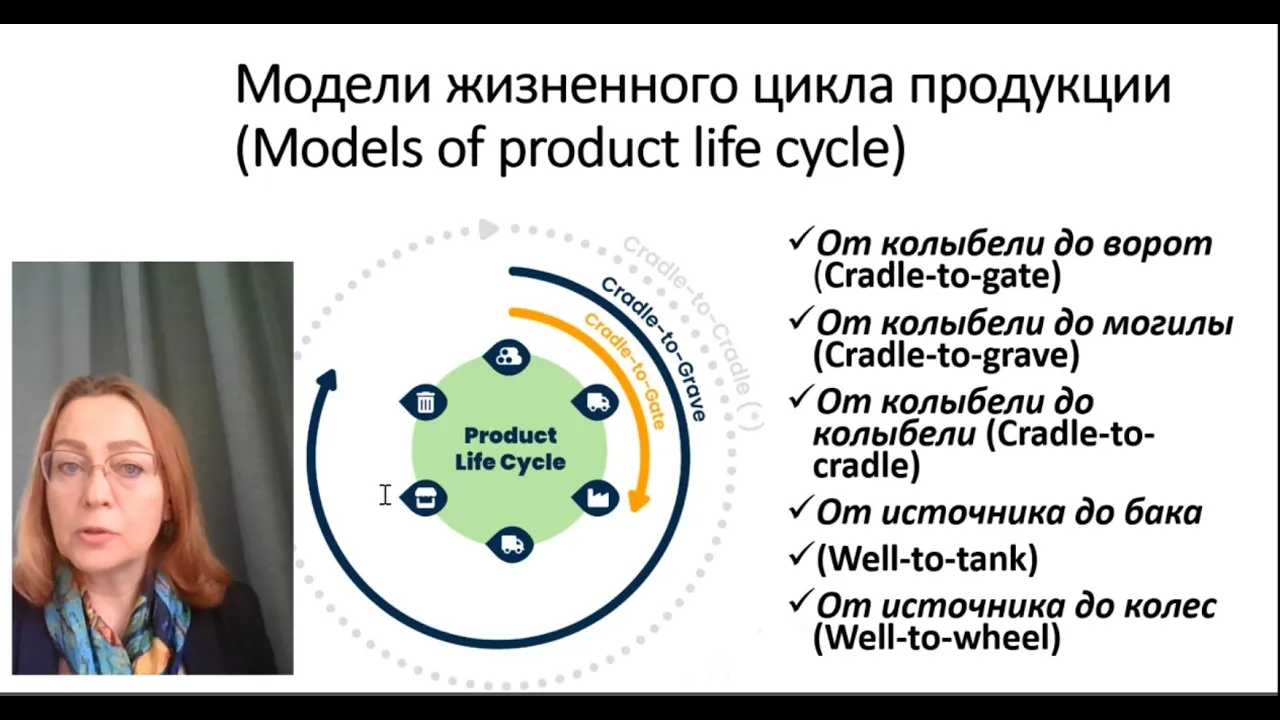
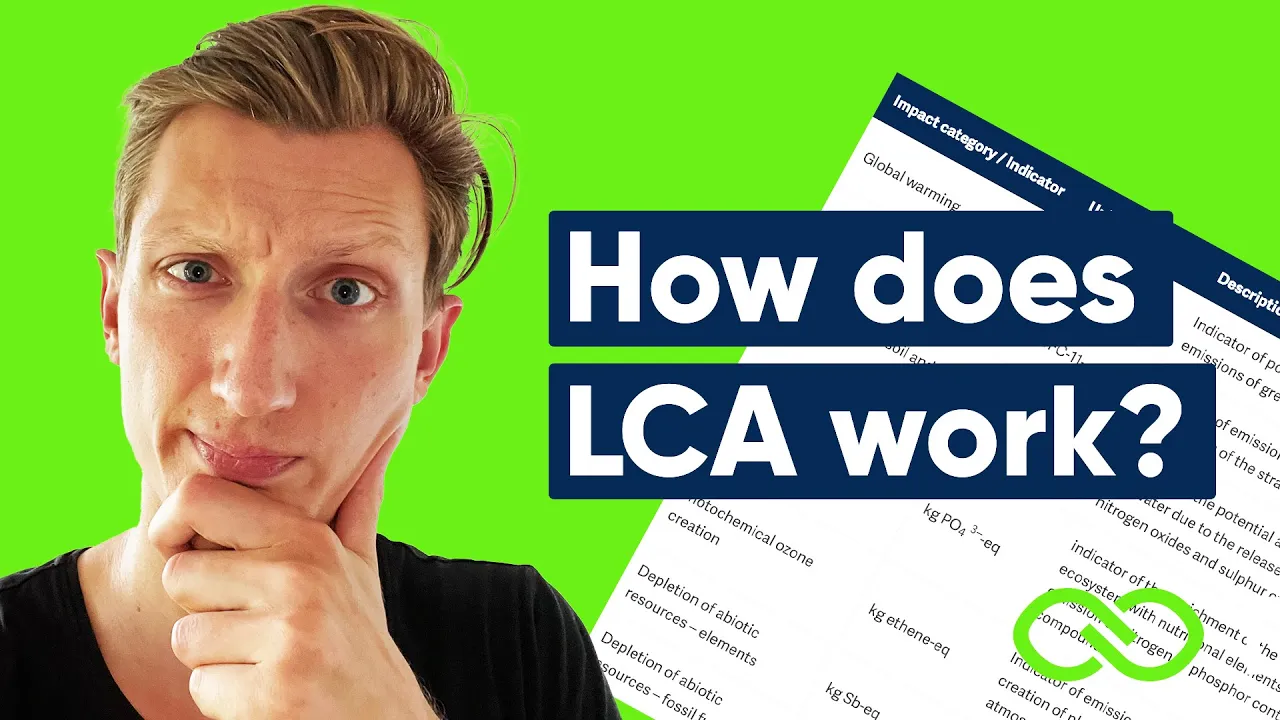
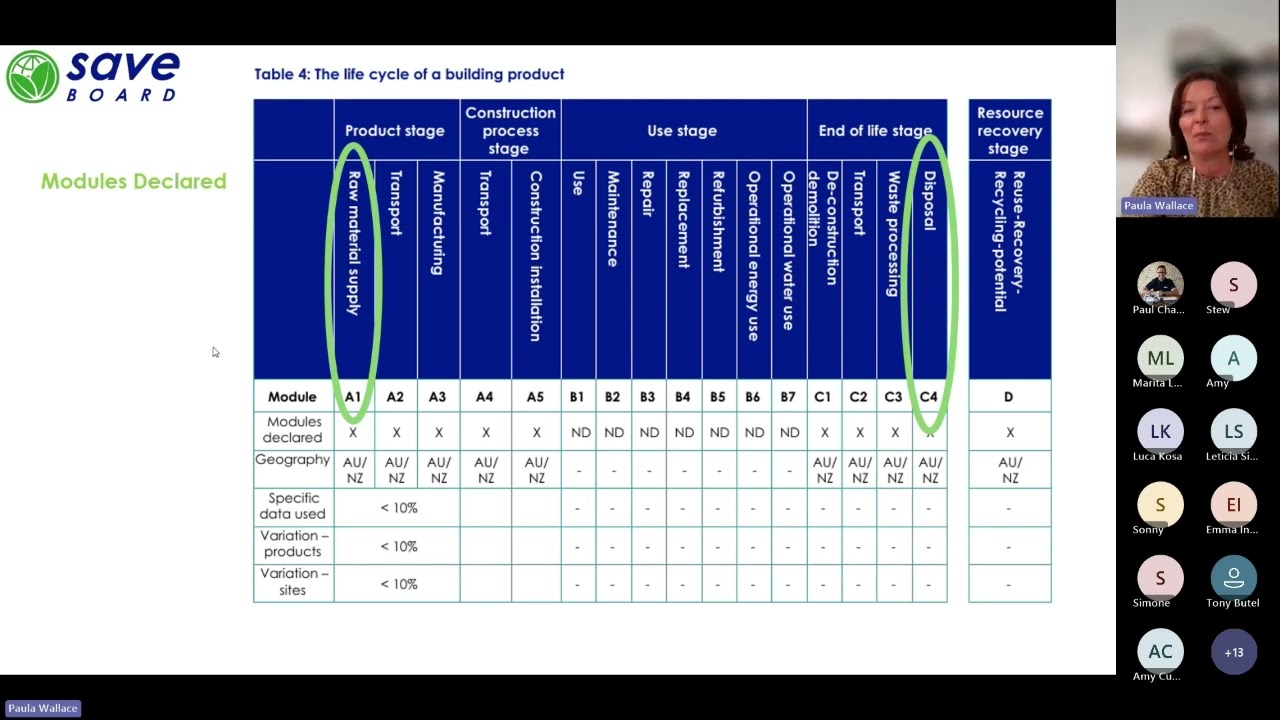
Life Cycle Assessment (LCA) is a systematic method for evaluating the environmental impacts of products across their entire life cycle, from raw material extraction through production, distribution, consumer use, and end-of-life disposal. LCA uses a matrix framework where the x-axis represents life cycle stages (raw materials, processing, manufacturing, distribution, consumer use, end-of-life) and the y-axis represents various environmental impact categories such as greenhouse gas emissions, water footprint, land use, eutrophication, and biodiversity impacts. The methodology follows four key steps: goal setting (defining scope and boundaries), inventory analysis (collecting and quantifying data), impact assessment (converting data into environmental metrics), and interpretation (deriving actionable insights). While LCA provides valuable environmental data for comparing products and making informed decisions, it has limitations including high costs, dependence on data quality and methodology, and exclusion of social impacts like labor conditions and human welfare.
Life Cycle Assessment Basics: A Beginner's Guide
Added:hey everyone welcome back to the underswell i'm derek sabori and today we've got a fun video talking about a topic that you've heard me mention over and over life cycle thinking today we're going to talk about what life cycle thinking is and we're going to talk about the importance of life cycle assessments and life cycle assessments for beginners you ready let's dive in so i'm a big fan of life cycle thinking and if you put this into your mind the way i think of it is across the top if we think of a matrix like this right across the top on the x-axis we need to think of the life cycle the value chain from raw material extraction all the way to consumer use and end of life and if you remember it goes tier four for raw materials tier three is the processing of those raw materials after extraction tier two is preparing those materials and in the apparel industry that is dyeing and finishing preparing the fabric tier one cutting and sewing tier zero distribution retail offices then we have the gate that's sending our products out into the market where our consumers use them they buy them then use them then they have the end of life to consider that's the grade so we go from cradle to grave so think along the top there all of those stages in a life cycle and then down the y-axis we have to think of all the environmental concerns that come along with our products right you've heard me talk about that over and over not only do we have to think of environmental topics concerns but we have to also think about our social impacts as well but a life cycle assessment just looks at the environmental impacts and it's a great tool it's not a perfect tool but it is the tool that answers that question when everybody wants to know well which is better this or that you know me my answer always is it depends but that being said a life cycle assessment pulling life cycle assessment data or lca data as we call it helps us know what measurements we can trust to know what environmental impacts are associated with the products that we make and use so let's dive in and have a quick look at the lca work that levi's has done they did a life cycle assessment years ago and the industry has really latched on to it i know i have used it specifically to help me quantify impacts of denim and genes and take away their learnings and best practices a life cycle assessment tells us what the impacts are based on a set of inventory criteria that we choose right so when we're looking at environmental impacts we might consider greenhouse gases we might consider a water footprint effluent land use eutrophication all of the impacts that we can think of hazardous chemicals impacts on biodiversity air pollution whatever it is we're going to go down the list and say these are the things that we want to measure and we're going to measure them for our set of products and all the materials that are associated with them we would have to have traceability in our supply chain because we would need to know where those materials came from where they were grown where they were processed what the inputs were etc but we start to associate data right and we convert those actions or activities into quantifiable metrics so we can start to get tons of waste that was created you know gallons of water that was used etc acreage of land that was converted etc for the cotton or the hemp or the leather or any of the products that were associated with the product that's in question and once we do that lca data which runs through scientists and those who know how to do that analysis consultants and and you know friends that are smarter than me who are able to do that kind of work then we're able to know what the exact footprint of a given product is and if we run an lca on another product then we can start to compare apples to apples right in the case of lca when we look through here what the levi's life cycle assessment found was that their biggest footprints especially when it came to water for example were that most of the water came from back in tier 4 and tier 3 as they harvested cotton the growing of cotton etc processing etc a little bit of dyeing as well and then the consumer use so as consumers use their products as we wash them then we've got a big footprint there so they sort of have these two spikes of water footprint and those spikes that data that they had allowed them to launch that waterless campaign that they did so many years ago and they still do it you'll still see products there that have the waterless logo on it but it helped them tackle water footprinting in their supply chain and help them with that message out to customers to tell their customers to hey you have a big footprint as well what can you do here's what you can do stop washing your jeans as much wash them in cold water give them the rugged look break them in yourself instead of washing them but now we're tackling it from both ends where those big footprints are right so having an lca is really good because it helps us make good decisions there is lca data that exists already out in the marketplace that we can pull from you can do some google researching go to the google scholarly articles pull lca data that exists from colleges nonprofits ngos etc on basically any material but at this point there are there already is a lot of established data that we have and information that we know about materials but thinking like an lca or thinking in life cycle values thinking from raw material extraction all the way to consumer use and everything in between and everything at the end thinking along those stages and putting all of your environmental impacts down the the y-axis that's what we mean by life-cycle thinking and that is very similar that emulates this lca right an lca life cycle assessment now not all companies have been able to do a specific lca on their given product like levi's did they're expensive they require a lot of work they take expertise you're going to typically have to hire outside parties and frankly not all companies have enough visibility into their supply chain to really be able to get true data lcas have a little bit of an issue with them that it depends on who does the lca right you might set out to embark on measuring the footprint of one product with one agency in one group in one region and might do a similar lca on a similar product in a different region with a different group and you might come up with different numbers hopefully though we start to see though that relatively speaking the impacts are in the same areas but it's not a perfect science and that is a little bit of a problem that we have to work around and lca is sort of broken up into four schemes or four steps here first thing you're going to do is identify your goal what is your goal and how much of your product are you going to measure how far does it go in the levi's case they took a few different styles they took a handful of different fabrics they decided what countries they were going to work in and where they were going to get their data from what sources and they identified that scope of what they were working with and then they started to load in their inventory what exactly did they want to measure where were they going to measure it at and what impacts were they going to address then you go out and get the data convert that data into impacts and that takes a lot of taking existing data out there going onto the field and doing your own data research there's some data that's already available out there there's different modeling that we can pull from to create the numbers for the metrics that we want and then once we have all of that data it's time to interpret it like we just did with the levi's lca and decide what decisions we can make to lower our impact or address those impacts that we discovered now if you look back at that levi's lca they did that one back in 2007 and i know they have since updated it but i still think it's a really valuable tool i'll put the link down below because it's definitely worth having a look at but one thing to keep in mind an lca measures the environmental impacts of our product it doesn't account for the social impacts and that's a little bit problematic right go watch that video that i did on the sustainable development goals the sdgs to me that paints a really good picture of what we're talking about when we talk about sustainability and that of course includes measuring our impact on humans right making sure there's good welfare decent working conditions and that people are being treated fairly paid fairly paid for overtime working in safe conditions etc and lca doesn't do that i wish it did i wish there was a way to kind of combine those two maybe there is maybe it's coming but an lca specifically is the life cycle assessment associated with the environmental impacts so do yourself a favor go have a look at multiple lcas that are out there and i'll put some in the links here down below so that you can check out a few of them that exist that i know about that i've referenced before i hope that helps it's a great way to think and it helps you sort of break down things into categories and realize that the list of environmental impacts are long and varied and so our y-axis could go on for days our x-axis going across is pretty static going from raw materials extraction all the way to consumer use and end of life and everything in between knowing what the impacts are there all the way down so hopefully that helped check out that levi's lca and if you like videos like this be sure to subscribe down below follow along with all the stuff that we're talking about and make sure you get on our monday wednesday friday sustainability club newsletter that's a great place where every week we're going to be sending you things that you need to know things that are in the news and future innovations regarding sustainability especially in the apparel industry all right so i want to see you there i want to see you in our linkedin group hope you liked the video check back stay tuned for more and thanks for watching [Music]
Up Next

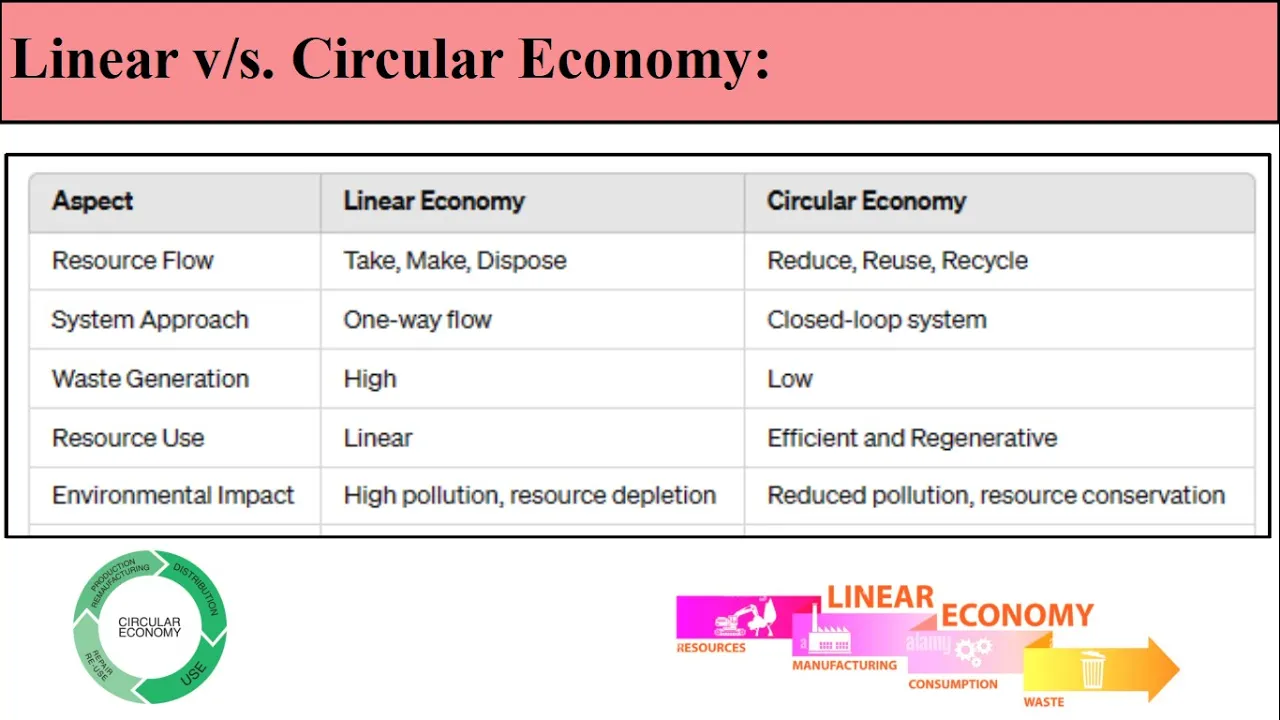
Circular Economy: Closing the Loop | Sustainable Business Strategies
@CNAInsider
260.6K views•2021-07-30

Life in Biosphere 2: Sustainable Ecosystems & Human Survival
@TED
334.9K views•2009-06-16
Microplastics Everywhere: How Plastic Impacts Our Lives
@TEDx
100.9K views•2018-05-08
Ice Stupa Artificial Glaciers: Solving Ladakh's Water Crisis
@SonamWangchuk66
3.2M views•2015-05-03
Related Study Plans & Knowledge Roadmaps
Structured learning paths in Environmental Science