












The World Trade Organization faces an existential crisis due to the shift from multilateralism to power politics, exemplified by unilateral trade policies like Trump's tariff wars that undermine the rule-based international trade order, while the WTO remains crucial as a global public good providing predictable trade environments, dispute resolution mechanisms, and equal legal standing for developing countries, requiring urgent reforms including Appellate Body restoration, rulebook updates for digital trade and e-commerce, and plurilateral pathways to maintain its relevance in global trade governance.
WTO Crisis Explained: India's Role in Global Trade Reform
Added:Understanding the core functions and structure of the World Trade Organization (WTO), particularly its role in resolving international trade disputes.
The fundamental economic concepts of free trade, protectionism, tariffs, and non-tariff barriers.
The difference between multilateral trade frameworks (like the WTO) and bilateral or regional trade agreements.
An overview of India's post-1991 economic liberalization and its historical positioning as a leader of the developing nation bloc in global trade negotiations.
Analyzing specific reform proposals for the WTO Appellate Body and resolving the crisis of its judicial appointments.
Evaluating the rise of plurilateral agreements and regional mega-deals (such as RCEP and CPTPP) as alternatives to multilateral WTO consensus.
Investigating India's domestic trade policy dilemmas, particularly balancing agricultural subsidies and food security needs with global trade commitments.
Examining how modern economic challenges, such as the digital economy, supply chain resilience, and environmental tariffs (e.g., CBAM), fit into existing trade governance frameworks.
10K views376likes12:54Original Release: 2025-08-02
Is WTO really dying? What are the reasons that WTO is becoming irrelevant?
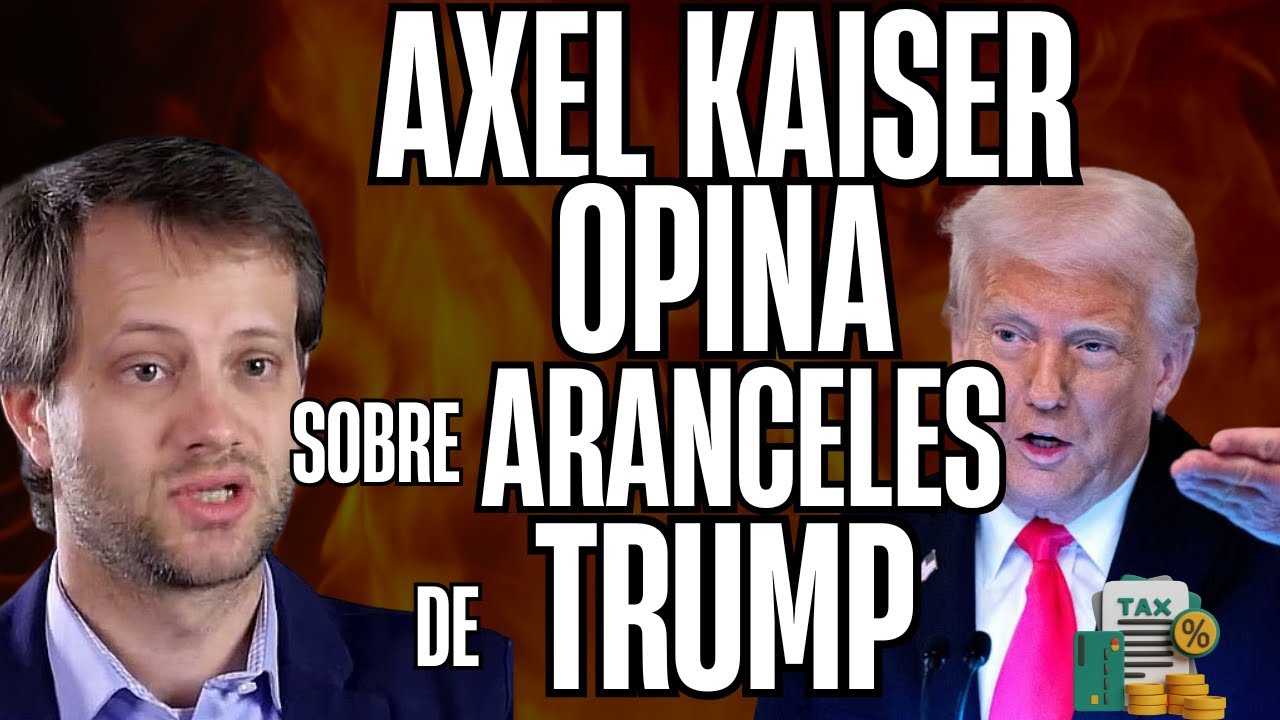
What has Trump done and what come next?
And are we going to see end of rule-based multilateralism and order? In just few years, Donald Trump has sidelined WTO from a global referee to a silence spectator. That too on sidelines. This is the story of how America first has crumbled the foundation of global and fair trade.
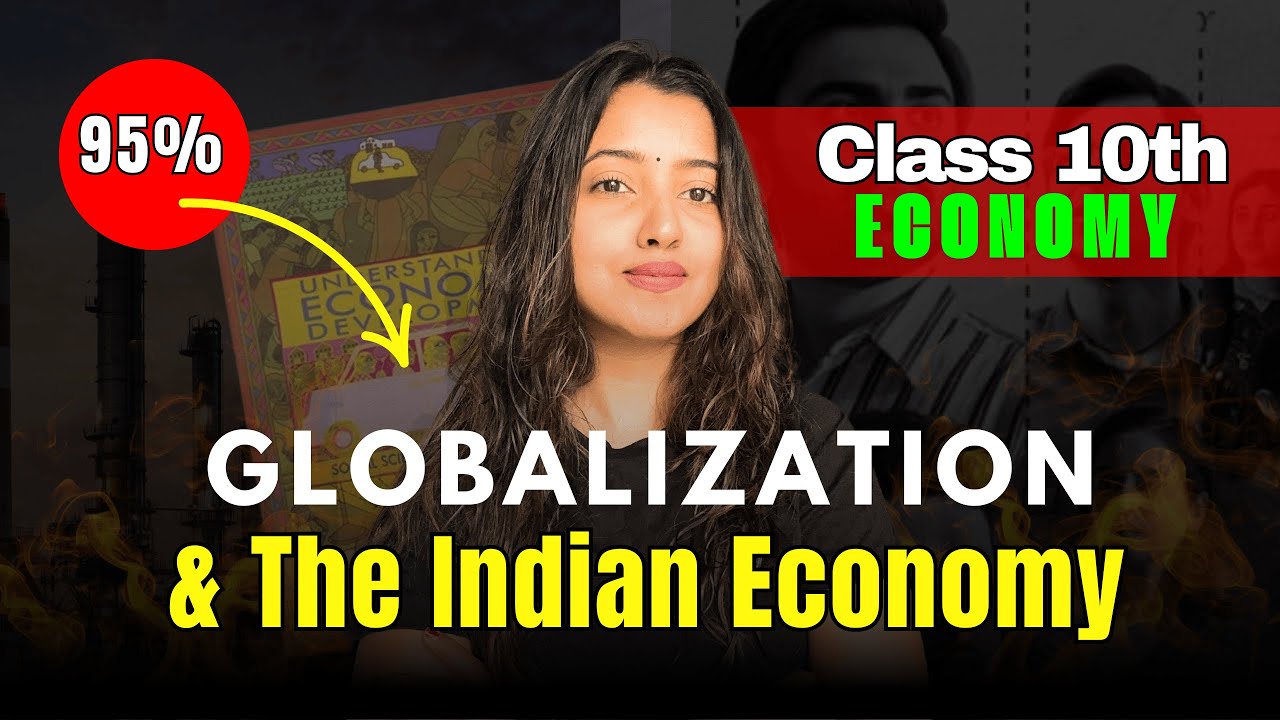
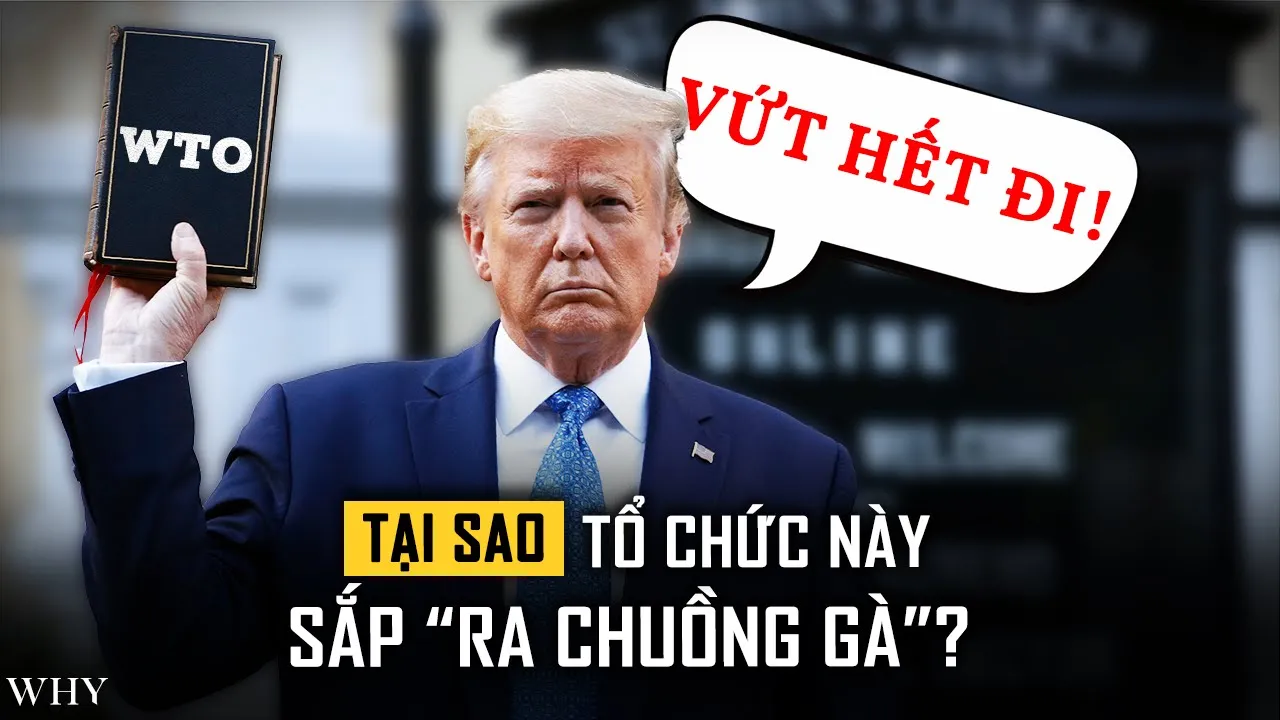
Hello everyone, welcome to Vajram and Ravi's flash news. My name is Shubhangi Singh and today we will understand that how WTO has crumbled down. it has become irrelevant and it seems almost dead and what is the need of R to revive the WTO as well as why it still makes sense as a multilateral organization. So when we try to understand the causes of WTO being in extreme crisis, identity crisis, existential crisis, we get to know that main reason here is the fact that there has been a shift from multilateralism to direct power politics. So when we are talking about multilateralism in terms of trade that was facilitated by WTO and its goals the whole broader idea and objective of WTO existence was not just about trade agreements but also bringing in more transparency facilitating free and fair trade allowing the global trade and coming together of economies also giving dispute resolution system and more. But when it has just become trade has become a tool to twist arm countries in their own favors, that is when multilateralism has given way to power politics as of now. And a very good example is the Trump doctrine that lies in front of us and we get to see in news every day where we see tariff is being used as a tool and to twist arm into favor especially for us under the name of making America great again. Here the f whole focus has been seen to to protect the domestic interest. Even if it means that the multilateral long-term agreements, long-term organizations that are existing, even if they need to be compromised, it is being compromised.
When we talk about tariff unilateralism, we also get to see that tariffs are not being imposed based on the rule-based order. Rather they are based on the power politics itself. Be it in the tariff of aluminium, steel given the pretext of defense and tariffs on allies just to bring them on the same page that you are. It seems more like bullying.
Furthermore, we also see retaliatory spiral that has begun. So if we are in a situation where one country is being unilateral in terms of imposing of tariffs and it is looking after its own domestic interest then we will definitely see the other countries also retaliating to it. A very good example right in front of us China tariff war when US President Donald Trump announced the fresh batch of tariffs when he had just entered office. China went ahead and decided on the export ban also. It went ahead and targeted US companies also and we also saw retaliatory tariffs. We also saw reciprocal tariffs.
Furthermore, this is directly leading to undermining of the multilateral organization that is WTO. How? Appalate body paralysis. When we are talking about the appointments for this very body, the top court that WTO has, US has blocked all the appointments. There have been no appeals that have been heard in last 4 years. Furthermore, if we talk about China's WTO problem, we have also seen that US has directly criticized WTO for the fact that it is facilitating China and it is not looking after the IP theft that China is doing. the forced uh state enterprises that exist. Nobody is talking about that. And WTO has been called unfair. Donald Trump has gone ahead and also said to a fact that WTO is not favoring us. It is taking away it is being biased. And at this point of time we also get to see that WTO's main idea where it focused on non-discrimination through most favored nation that is also being undermined. The focus is on bilateralism. That means whatever are the conditions are between two countries. For example, the same product that US is posing tariff on South Korea and India they are different. So the existence of different tariff rates based on the same goods for different countries shows that there is discrimination which is totally against the most favored nation policy when we are talking about this clause by WTO.
The idea hole which WTO was set up for it is being systematically undermined and it is happening because of the cures that has been kicked in by President Donald Trump. When we talk about this whole situation, we also h have to understand importantly the fact that WTO is still very important and the relevance it has. It becomes more required as of now. Now when we talk about why WTO still matters, it is simply because of the fact because WTO is existed as a global public good. That means it has been accessible to all and it is going to help everybody. How? It creates a predictable trade environment.
Any kind of sudden losses, sudden shocks, sudden escalation in disputes will not be seen. They will be prevented. And furthermore, it has laid down a global rule-based order which ensures that countries even if they are big, even if they are small, they operate behind the same rules framework.
That means nobody is placed in a more favorable situation. Nobody is placed in a least favorable situation. The playground is same for everybody.
Furthermore, the best part that came out of the global public good that we are talking about is the crisis containment.
So if we are talking about any resolution of dispute, it gave a neutral ground to avoid any tit for tat retaliation that we are seeing happening every day in the time that we are living in. Furthermore, we have to also understand the other aspect that hair in WTO always stood as a champion for small as well as developing countries which has also been a point of contention for Donald Trump that how come China being such a big economy is labeled as a developing nation. But WTO has represented the cause of smaller and developing nation. A good example is that it gives them equal legal standing.
For example, the Costa Rica case which is a very small economy. It has successfully challenged European unions when we are talking about banana imported kotas. It also gives access to these countries to dispute resolution.
So that means there will be a multilateral platform which will give these countries a bargaining power which otherwise when they are in bilateral trilateral or minilateral conversation gets lost because of the size of the economy the size of the country the power of the country. Furthermore it directly facilitates WTO has been a direct facilitator of economic integrations. How are we talking about economic integration? It basically reduces the direct bureaucratic trade barriers that will always exist when we are talking about bilateral trade or any sort of miniatural arrangement that you will also see. So it will directly facilitate multilateral agreements and it will reduce the bureaucratic work here. Furthermore, the subjects matter experts that we find the global supply chains that exist, they will be facilitated especially in the countries where the expertise is lacking and here we can culminate in way of global south.
Now what is the need? We have understood why do we need WTO? What it has done and what scope more it has has come across us and how it is being undermined is also understood. But the question is what should be the way ahead. The way ahead is quite clear and right in front of us when we talk about it the fact that we need to bring in reforms right away. When we are talking about reforms we need to start with building trust with dispute settlement. So if we are talking about US blocking the appointments to the appate body, we need to bring the applate body back and if there is no resolution that is available on the table because US is blocking it.
Maybe we can come with MPIA. What is MPIA? When we are talking about MPIA, it is multi-ateral party intimidation that can be seen till the time the applate body will not be restored.
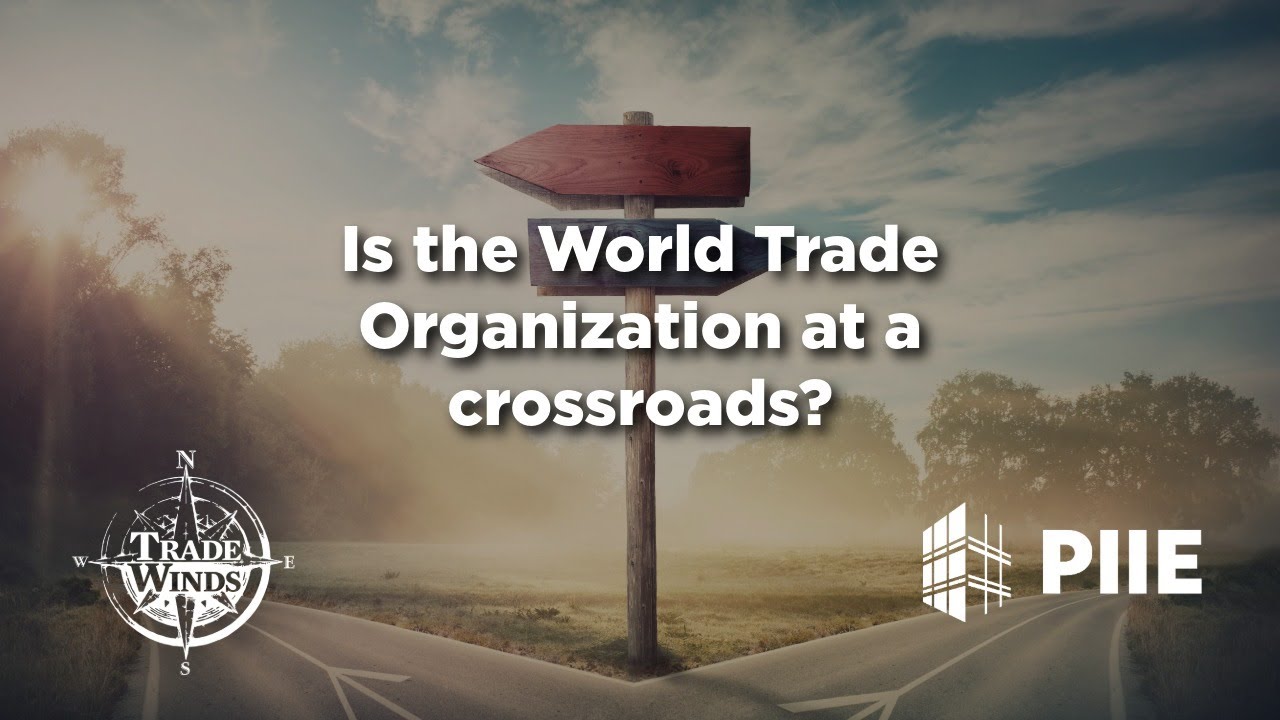
Furthermore, it is eminent that WTO rulebook changes. There are multiple important things that need to be integrated in the rule book. We need to go beyond agriculture because agriculture as much as it is remains the primary hook. There are new things such as digital trade, e-commerce and special mention to the state subsidies because that has been main contention between the countries when we are talking about subsidies that are given in the domestic countries. Moreover, as it has been pointed that the revision of developing countries criteria is important, we really need to see that what are the aspects at which we are labeling countries and maybe further subcategorization could be done so that the developed countries don't find it unfair at their own end. When we are talking about plurilateral pathways, we clearly are focusing on joint statement initiatives. That means likeminded countries coming together and coming up with the framework that what we can do for digital trade investment purposes and we have to figure out a way to let people go who are who are not interested to be part of and we can make coalitions who want to make this further functional. At the end I would just like to highlight the fact that at this point of time it is not about reform or irrelevance. If we really want this entity to exist the only way to go is towards reforms and this existential crossroads needs to be understood that the world still needs the WTO. It is important that the global leadership including India rise up to the occasion and specifically focus on the fact that how the relevance how the importance that was given to this organization is brought back because if WTO does not evolve in these coming times it would be really difficult to bring it to the actual stature and it will clearly risk extension and as a multi multilateral organization.
It is a big responsibility that lies on WTO itself. Here I just want to highlight apart from the lens with which CV WTO there are multiple contributions that WTO does and it is to sustainable development goals as well. So if you see here that was a report where WTO is contributing in terms of sustainable development goal the partnerships the goal 17 SDG 17 WTO is directly contributing their peace justice and strong institutions if WTO diminishes this SDG16 will clearly also crumble. So that was all from my side. Thank you so much for joining and if if you have any questions you can doubt put it down in the comment section.
Up Next

31:05
Guinea-Sierra Leone Border Dispute: Colonial Legacy and Regional Security
@PanaGeniusTV
219.6K views•2025-05-07

24:30
BRICS Pay and de-dollarization: A New Financial Order Emerges? | 55 chars
@DannyHaiphongYT
164.6K views•2024-10-22
7:33
Government Surveillance Methods: 10 Ways You May Be Watched
@BeAmazed
1.6M views•2017-04-09
10:19
Explaining the Saudi-Iranian Proxy Conflict in the Middle East
@Vox
18.2M views•2017-07-17
Related Study Plans & Knowledge Roadmaps
Structured learning paths in Political Science
political-science
Economic Statecraft: Sanctions & Chokepoints
01Foundations of Geoeconomics and Economic Statecraft
02The Mechanics of Weaponized Interdependence
03International Sanctions: Types, Implementation, and Efficacy
+ 2 more learning modules
12h5 modules
Explore Roadmap
political-science
Central Bank Independence: Politics & Policy
01Foundations of Central Banking and Monetary Policy
02The Time Inconsistency Problem & Inflation Bias
03The Delegation Model and Designing Independence
+ 2 more learning modules
12h5 modules
Explore Roadmap
political-science
Consociationalism: Power-Sharing & Stability
01Democratic Dilemmas in Divided Societies
02Introduction to Consociational Democracy
03The Four Pillars of Consociational Design
+ 2 more learning modules
12h5 modules
Explore Roadmap
political-science
Rebel Governance: Legitimacy, Economy & State
01Foundations of Rebel Governance and Statehood
02Establishing Political Legitimacy and the Rebel Social Contract
03Wartime Economies and Rebel Resource Management
+ 2 more learning modules
14h5 modules
Explore Roadmap