![Evidence Bar Review: Most Tested Areas of Law on the Bar Exam [BAR BLITZ PREVIEW]](https://i.ytimg.com/vi/y7kYRrclwZ0/maxresdefault.jpg)





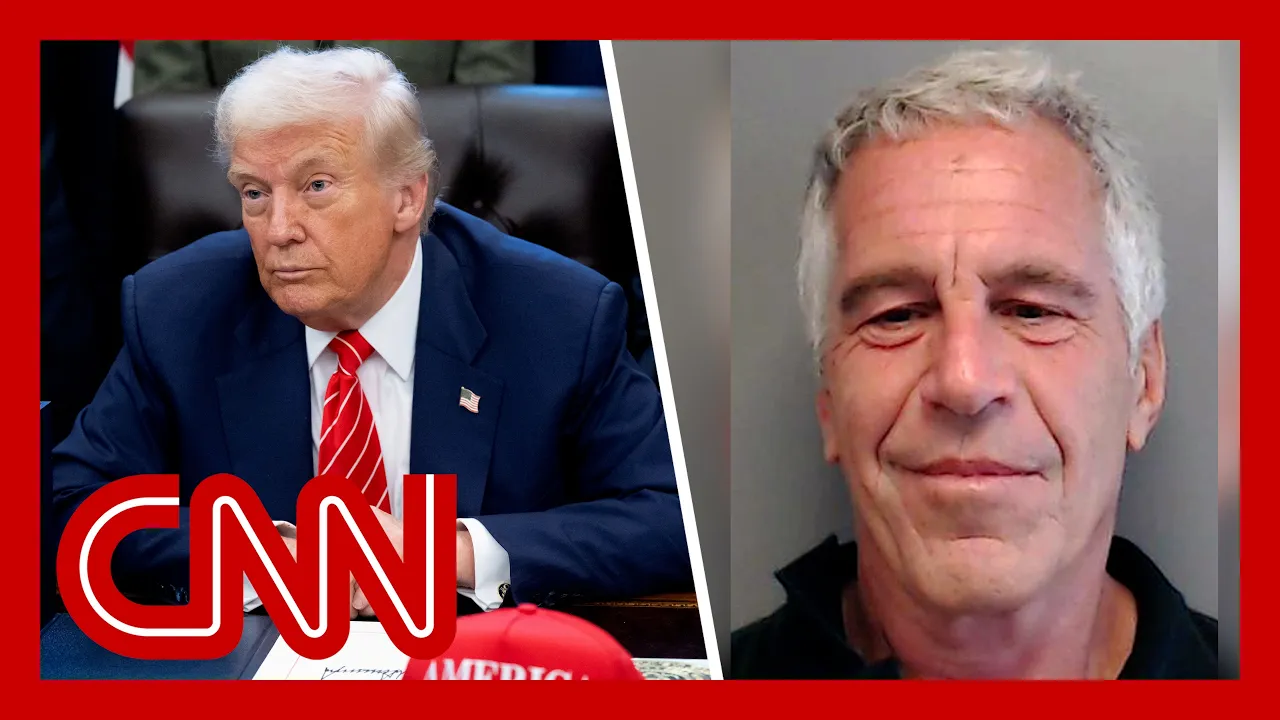




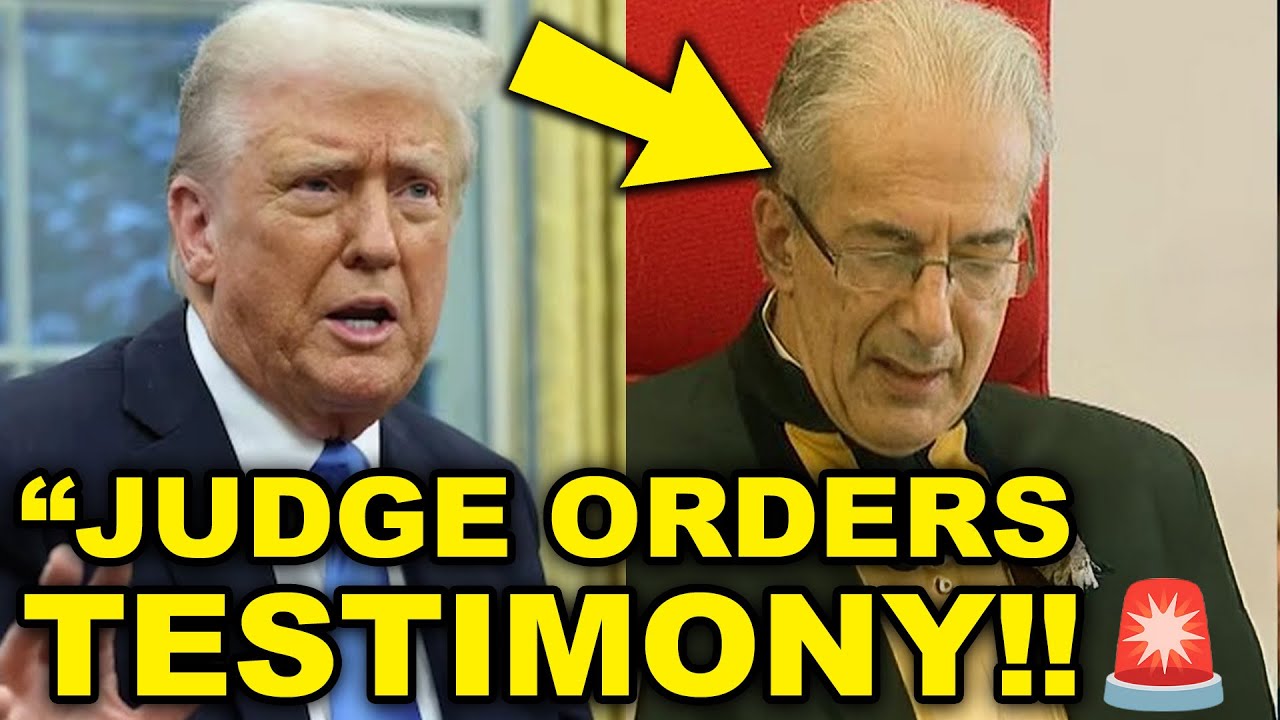


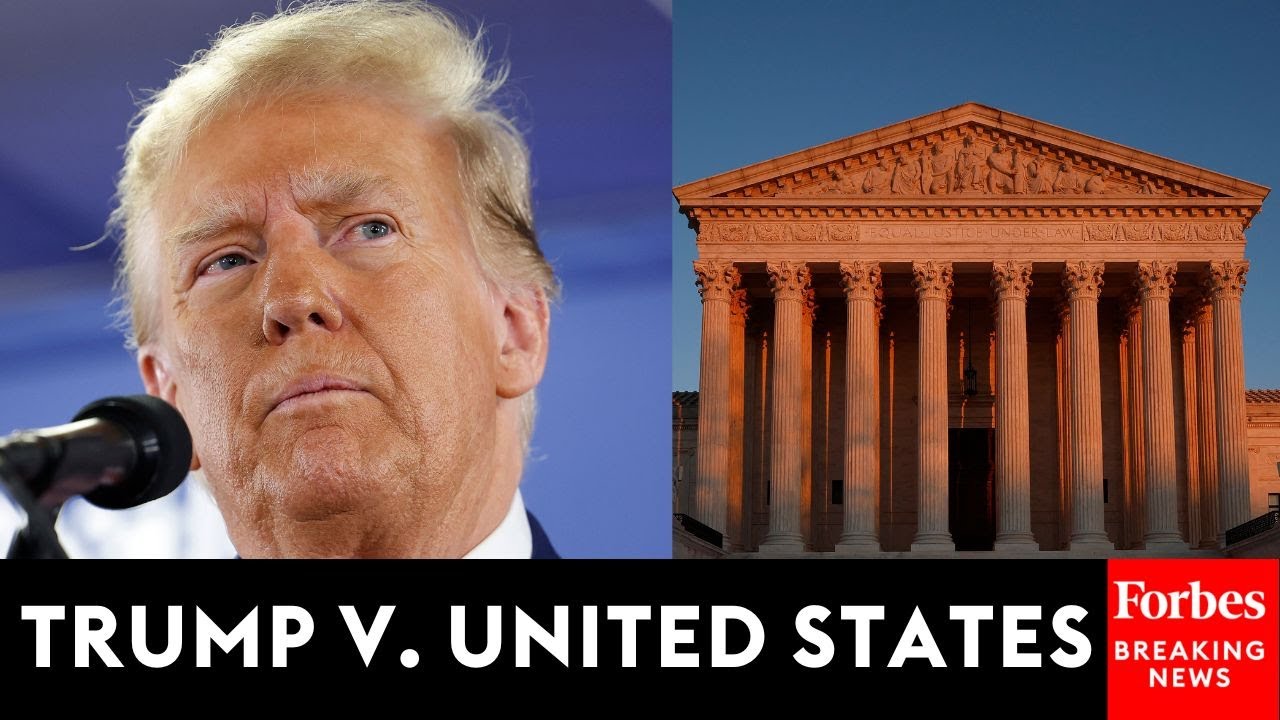



Under Rule 801(d)(2) of the Rules of Evidence, statements made by a party opponent are admissible as evidence in court because they are not considered hearsay; this means that when a defendant publicly admits to wrongdoing in speeches, interviews, or media appearances, prosecutors can introduce those statements as evidence against them in criminal trials, while the defendant cannot introduce their own out-of-court statements for their defense.
Explaining Evidence Rules for Trump's Election Statements
Added:The legal definition of hearsay under the Federal Rules of Evidence (FRE) and why out-of-court statements are generally excluded from trials.
The distinction between admissibility (whether evidence can be presented) and weight (how much the jury should believe it).
Basic knowledge of the Fifth Amendment right against self-incrimination and how voluntary public statements can waive or affect this protection.
The fundamental role of a prosecutor versus a defense attorney in introducing and contesting evidence during a criminal trial.
The application of the 'Co-Conspirator Exception' to hearsay and how it is used in multi-defendant political or corporate conspiracy cases.
How defense attorneys utilize 'motions in limine' to suppress prejudicial statements before a trial begins.
The intersection of Presidential Immunity, Executive Privilege, and the admissibility of official versus personal presidential statements.
The legal standards for authenticating digital evidence, such as social media posts, recorded phone calls, and televised interview transcripts, for courtroom use.
449.8K views31.7Klikes13:16Original Release: 2024-09-03
so friends do you think Donald Trump will ever stop confessing to his crimes in his speeches in his posts in his media interviews and are these statements admissible against him in court take it from this old prosecutor you're damn right they are let's talk about that because Justice matters [Music] hey all Glen kersner here so friends Donald Trump just can't stop confessing to his crimes and he's gone and done it again here's the new reporting this from Huff post headline Are you seriously this stupid legal Minds nailed Trump after Fox News confession and that article begins Donald Trump on Sunday tried to defend himself from the criminal charges he's facing in the election interference case but experts say it sounded more like a confession Trump on Fox news bragged that his poll numbers go up every time he's indicted quote whoever heard you get indicted for interfering with a presidential election where you have every right to do it you get indicted and your poll numbers go up Trump said Trump is facing charges in multiple jurisdictions and cases including election interference in a criminal case filed in federal court in Washington last week he was re-indicted to comply with directions from the Supreme Court which in July ruled that Trump was immune from prosecution for official acts on Sunday however Trump flat out said he had every right to have been interfering with the election lawmakers former prosecutors attorneys and other legal Minds were ready with a fact check and some said it sounded like Trump was ad committing to a crime representative Ted Lou put it pretty bluntly dear real Donald Trump Are you seriously this stupid you think President Biden has the right to interfere in the upcoming election do you want VP Harris to do what you tried to get former VP Mike Pence to do are you really this dumb also interfering in elections is illegal Congressman Lou is right about that interfering in an election is illegal so now friends the question is are these statements admissible in Donald Trump's criminal cases and the answer is yes why is the answer yes because that is precisely what the Rules of Evidence provide so let's do a quick team Justice law school class I promise it will be a quick one and we need to talk about two related topics hearsay and what the Rules of Evidence call statements by a party opponent first of all what is hearsay well the technical definition of hearsay is an outof Court statement a statement that's made out of court that is offered in court as evidence to prove the truth of the matter asserted okay that's a mouthful that's a bunch of legal mumbo jumbo so let's break it down let's simplify it and the best way is to use an example a hypothetical let's assume that I'm out I'm at a diner with my friend Peter and I tell Peter H Peter I saw our friend Joe kill that dude and then the prosecutors called Peter as a witness in court to testify at Joe's murder trial and the prosecutor asks Peter well what did Glenn tell you about what he saw hearsay not admissible why because that's an outof Court statement a statement I made to Peter while we were outside of court and the prosecutor is trying to present it as evidence in court to prove the truth of the matter asserted to prove that I said I saw our friend Joe kill that guy kill that dude that's hear say that's inadmissible however the Rules of Evidence make an exception to the hearsay rule they say if one party tries to introduce the statements of the other party the party opponent those kind of statements are exempt from the hearsay rule the rule prohibiting hearsay those statements are admissible so let's start with the rule uh regarding statements by a party opponent and for anybody's scoring at home it is rule of evidence 801 D2 and it reads statements that are not hearsay a statement that meets the following conditions is not hearsay two an opposing party statement the statement is offered against an opposing party and was made by the party in an individual or representative capacity okay now let's go back to to Donald Trump's endless stream of confessions and admissions we've been hearing him month after month year after year admit to many of his crimes every time he admits to something like You're darn right I interfered in the election and my poll numbers went up that is a statement of a party opponent why because if the prosecutor tries to introduce Donald Trump's out of court state m in court as evidence to prove that Donald Trump interfered in the election because the statement is being offered against an opponent it's admissible it is not hearsay it is exempt from the prohibition against hearsay that's what the Rules of Evidence provide so yes when Donald Trump says I interfered in the election that is a statement of a party opponent that can and I promise you will be admitted by Jack Smith and other prosecutors Heck if I were going to sentencing in the New York case I would package that up as part of the submissions to judge Maran and say well look judge there he goes again he admitted to not only interfering in the 2016 election which he was convicted of in this case in New York falsifying business records to try to cheat in the 2016 presidential election but in the unlikely event you thought Donald Trump might have any rehabilitative potential there he is admitting to interfering in the 2020 election the man is a demonstrated long-term chronic danger to free and fair elections in America You're darn right I would package it up and introduce it so that's why when Donald Trump let me use another example remember how you heard Donald Trump say darn right I took the documents from the White House when I left the presidency hid them out in ballrooms and bathrooms in my third rate Resort down in Florida You're darn right I took the documents those are admissions by a party opponent that can be introduced against him by Jack Smith but here's what you need to know whereas Jack Smith can introduce the admissions and the confessions the statements of Donald Trump because he is the party opponent in the litigation Donald Trump's lawyers cannot they are prohibited from introducing Donald Trump's outof Court statements because those are hearsay they're not being offered against the party opponent they're being offered by the party trying to defend himself those are still here say those are still inadmissible so Donald Trump for example could not bring Witnesses in nor could he put on videotape of his you know hate rallies or his media interviews where he says things like the presidential records act lets me take documents from the White House when I leave the presidency that's hearsay Donald Trump and his lawyers cannot put that into evidence so think about it any of the incriminating statements that Jack Smith or other prosecutors want want to introduce that Donald Trump said that's admissible but anything Donald Trump wants to say to rebut or respond to that he can't put on out of court statements but here's what he can do he can take the stand and testify in theory he can take the stand and testify and he can explain it all away well I didn't really mean I was interfering in the election I didn't really mean that I I took the documents from the oval off he can explain it all away and then he will get crushed like the bug he is on cross-examination which is why you know he can't take the stand in the criminal cases in which he's being prosecuted so the answer isn't Donald Trump confessing aren't those incriminating statements can't they be introduced as evidence against him the answer is you're damn right right they can be and they will be this is why Donald Trump is nothing but a miscalculation every time he opens his rancid pie hole and starts to spew nonsense into the Public Square he is forever trying his cases in the court of public opinion trying to fool the gullible right presidential records act lets me steal our most you know closely guarded National Security Secrets no it doesn't I have a right to interfere in the election no you don't but he just keeps trying his cases in the court of public opinion continuing to try to fool and grift the gullible right that small segment of the American population who are either unable or unwilling to discern fact from fiction lies from truth they keep emptying their pockets $5 at a time and sending it to this abject grifter but whereas he's forever trying his cases in the court of public opinion I have been saying for a very long time now friends once his cases move from the court of public opinion where there are no rules of evidence there are no rules of procedure there are no rules of law once his cases moved from the court of public opinion into courts of law proper Donald Trump will be convicted in a New York minute on the evidence and indeed in New York when the Rules of Evidence controlled what the jury could hear not just what tumbled out of Donald Trump's mouth at any given moment when the Rules of Evidence control Donald Trump was convicted in a New York minute in a New York courtroom of 34 felony charges of falsifying business records to try to cheat in and steal a presidential election in 2016 and he will be convicted over and over and over again as soon as his cases go to trial and they will go to trial because we are going to get out and vote on November 5th in numbers too big to rig and too real to steal and Donald Trump will then spend the rest of his days in courtrooms and in jail cells because Justice matters friends as always please stay safe please stay tuned and I look forward to talking with you all again tomorrow [Music]
Up Next
35:26
Young Thug Trial: Legal Debate Over Evidence Admissibility | YSL RICO Analysis
@CUFBOYS
193.6K views•2024-09-12
4:27
US Secondary Sanctions Impact on EU Businesses and Blocking Legislation
@Bureauvandijk
1.6K views•2019-03-20
5:27
Forensic Phonetics: Speaker Identification in Legal Cases
@nptel-nociitm9240
539 views•2025-03-19

24:42
Police Interrogation Tactics: False Confessions & Legal Reform
@LastWeekTonight
7M views•2022-04-18
Related Study Plans & Knowledge Roadmaps
Structured learning paths in Law
law
Self-Defense Law: Imminence & Castle Doctrine
01Foundations of Self-Defense Law
02Imminent Threat & Reasonable Belief
03The Principle of Proportionality
+ 3 more learning modules
12h6 modules
Explore Roadmap
law
Defamation Law: First Amendment & Actual Malice
01Introduction to civil torts and the First Amendment
02Elements of Defamation: Libel and Slander
03Public Figures vs. Private Individuals
+ 2 more learning modules
8h5 modules
Explore Roadmap
law
Hearsay Rule: Trial Evidence & Exceptions
01Introduction to Trial Evidence & Courtroom Basics
02Demystifying Hearsay: The Core Definition
03Non-Hearsay: Exclusions Under FRE 801(d)
+ 3 more learning modules
14h6 modules
Explore Roadmap
law
Medical Malpractice: Law, Liability & Care
01Foundations of Tort Law and Civil Liability
02The Four Elements of Medical Malpractice
03Defining and Proving the Standard of Care
+ 2 more learning modules
12h5 modules
Explore Roadmap