
















In RICO conspiracy trials, evidence of uncharged misconduct may be admitted as 'intrinsic acts' if it is part of the same series of transactions as the charged offense, necessary to complete the story of the crime, or so intertwined with the charged offenses that it cannot be separated without distorting the evidence. This doctrine allows prosecutors to introduce evidence of related criminal activities to demonstrate the scope and nature of the conspiracy, even when those acts occurred after the charged crime or involved different victims.
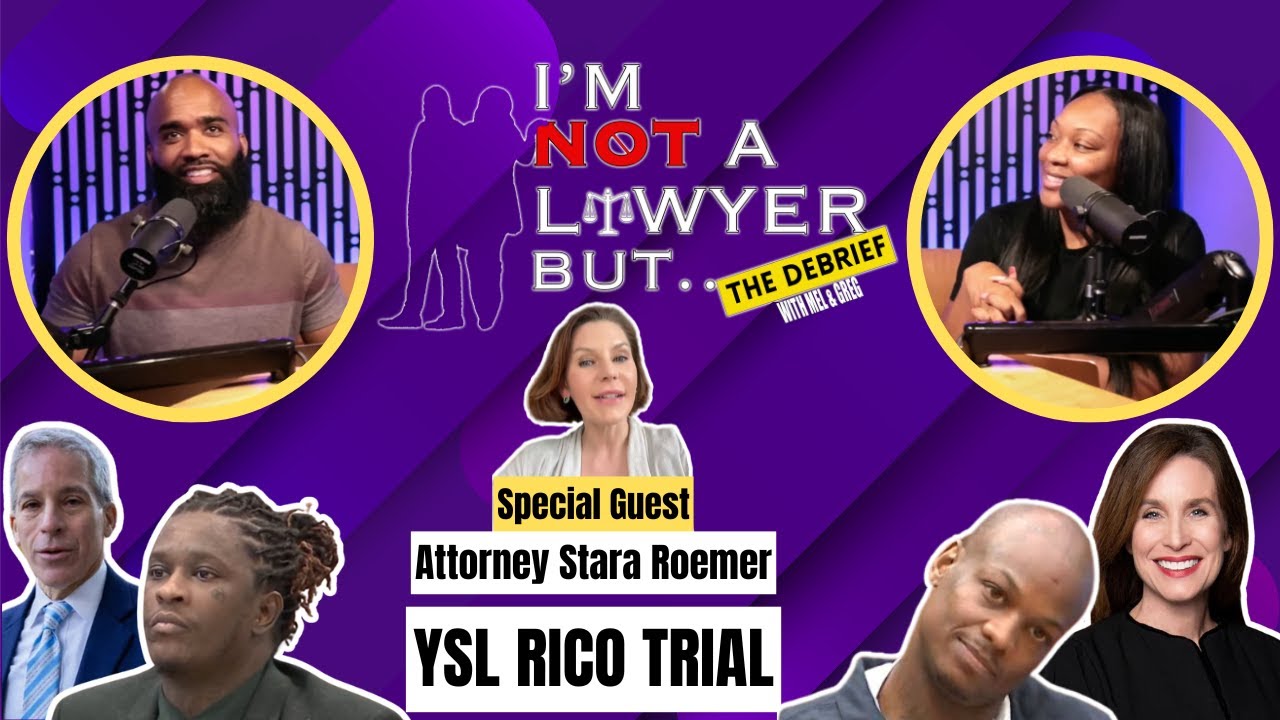
Young Thug Trial: Legal Debate Over Evidence Admissibility | YSL RICO Analysis
Added:The fundamental concepts of the Racketeer Influenced and Corrupt Organizations (RICO) Act, including how an 'enterprise' and 'pattern of racketeering activity' are legally defined and proven.
Basic rules of evidence admissibility in criminal law, particularly the concepts of relevance, hearsay, and the balancing test of probative value versus unfair prejudice.
The ongoing legal and constitutional debates surrounding the use of artistic expression, specifically rap lyrics, as physical or circumstantial evidence of intent or crime.
An understanding of basic criminal trial mechanics, including the roles of the judge and attorneys, the purpose of motions in limine, and the process of preservation of error for appeal.
The precedential impact of the YSL trial rulings on the future admissibility of creative works and lyrics in both state and federal courts.
Advanced study of conspiracy liability, specifically how individual co-defendants can be held legally accountable for the actions of other members within a broader enterprise.
Analysis of appellate court standards of review, evaluating how trial court judges' evidentiary decisions are evaluated on appeal for 'abuse of discretion' or 'harmless error'.
The strategic and ethical complexities of managing high-profile, multi-defendant litigations, including jury selection challenges and the impact of trial length on judicial resources.
193.6K views4.9Klikes35:26Original Release: 2024-09-12
on Cross examination oh je he just like roll her ankle we didn't create this we didn't tell the state to do it this way we didn't tell the state to write their documents and then send them to an attorney whoever an is that he was at Waters Road on that day because it doesn't exist he's talking about where an is and I'm going up to you and who's over at the house I mean I think that with regard to an there's not enough this almost feels like a South Park episode day 127 of the Young Thug yl Rico trial was tedious the state and defense debate over admissibility of evidence they want to show L Rod's 2019 murder conviction to the jury and videos of codefendants not in the courtroom and why I sell clothing yeah today was pretty mid to be honest but I'm going to edit it down to the best Parts Max Shard is slowly becoming my favorite lawyer he's just always fighting everything and demik on Garlington calls ank on a wiretap call and there's a whole argument about who ank is and it's hilarious towards the end of this video to hit subscribe join the Chann membership let's go boys Thug is seated over there in the middle of the room right now apparently there's some sort of security issue the state intentionally did not include the um Medical H um this is a case in which Mr Mr Ryan has been um convicted of the murder of Jamari H so they want to show I think an autopsy of the victim that was murdered in L Rod's 2019 case where he's already convicted remember L Rod's already serving life obviously other defense leers have said this is prejudicial to their client cuz it's not even involving them really but they're going to say of course it's a YSL murder and so it is only the state's intention to bring in three photos and I have a copy of those three photos alluring of Mr Holmes to an apartment complex that Mr Ryan Mr Block um then we ambushed Mr um Holmes along with two other um victims they were in a vehicle um Mr Holmes was shot and then subsequent to that there were Instagram postings Facebook postings or excuse social media postings regarding YSL very close in time to um the murder of Mr H for that act have five wies five witnesses offer this there's a little Rod right there by the way list of witnesses we did not intend to retry that Mark well that's good do I think she just said something along lines of like we're not calling all the witnesses want to call because we don't intend to waste that much time on this murder that he's already found guilty Mar an eyewitness no she is um just would be able to bring in his um in life let's figure out a different way to do that especially given that this is not even the trial of that case they're trying to bring in a family member of a deceased victim just to show a photo to pull in the heartstrings of the uh jury on and that would be sustained and talk about his involvement who he is a trior to this murder happening he was a juvenile I don't know if any of these other Witnesses would be able to do that ABS you know cuz we cannot just put in the certified to show the facts of the case so we're trying to put well I mean sure the fact that the murder wouldn't get it as an over act that is a part of Rico so I understand you need to do a little bit more than that she's one of the two young ladies who lured Mr Holmes and his three friends back to the location um or to the location it sounds like him and block set up this kid with girls which is a sad thing that happens a lot but I have a question is any of this related to YSL they're saying there was postings of YSL after the murder but me as a person with common sense I doubt Thug was like yo go kill this 15 yold kid the RICO charge and all this [ __ ] is just kind ofed up it's like everyone sinks together even if someone committed a crime and it wasn't even related to each other we believe that with some he can talk about the fact that the victim was shot in his head that that is the victim that he was the that he it was his homicide that he was investigating that he was shot in the head whether or not he was present during the autopsy or not do you think that there's any chance he was present during the autopsy some sometimes they are that seems not true I don't think I've ever heard of a detective being present during an autopsy was he present at the scene before the body was removed yes sir believe so your honor I've got based on the police report the officer received his phone call at 607 requesting assistance to the homicide the victim had already been taken to gready in ambulance 571 he pronounced dead at if he was at the scene he wouldn't have seen the victim at the scene so that wouldn't be helpful with regard to these photos we were trying to avoid the enmy so if we could have some stipulations to that or we can have the enemy come in for why don't yall get together I'm going to hand these back for now and L Rod's lawyer right here and the state need to have a little meeting about who's going to come in and what's admissible and all that nonsense the state is moving for the verdict against Mr Ryan Evans but I would be objecting 24 8 803 doesn't want the jury to know about the guilty Verdi the exception to the heay rule provides for the admissibility of the final Judgment of guilty as to a felony but not including when offered by the government for purposes other than impeachment judges judgment against other persons other than the accus what would the state's plan with regard about as to the conviction itself y I believe that it would not be improper and I'll reread with the case onine that I don't believe that it would be improper to limit as the court did earlier with the conviction itself of the witness actually because it was not a statement that he made as young I think that it would be admissible against all of them it wasn't a guilty plea so it's not a statement that we argue are admissible against all of the defendants in this case the facts that are presented that the jury takes as evidence are admissible against all of the defendants including any postings or statements that Mr Ryan or Mr Blac made as a result of or furtherance of that act trying to sort out the nested heay in one of the wire CH conversations before we turn the page can I just get some clarity because I'm confused the state I believe indicated that they they thought the facts of the murder case involving Mr Ryan were in thisable in his trial but the conviction wasn't but then they started talking about limiting instructions and I'm confused are they maintaining that the jury verdict from a separate jury is admissible against in this case or are they are they abandoning that and saying that they're going to get into the faes we are saying your honor that the conviction itself is admissible and will be tendered and that an instruction should be given that the certifi that we intend to introduce that conviction should be considered against Mr Ryan only but the facts of the murder and what happened should be considered as evidence if they choose to you know believe it against anyone currently on tried be able to establish not only that a murder occurred but that the murder was part of the RICO conspiracy and that that would be admissible against everybody charged with the RICO count we right we would be introducing the evidence that Mr Ry and Mr blik did it and what connection we believe it has to YSL I'm really interested in the YSL connection it did to promote YSL before during and or after does that clarify well it clarified that we do not have an agreement and I'm directly diametric opposed to what the state is saying um sh's funny as [ __ ] that verdict was was not the verdict of fact finders in this case which we chose and our our jury I I I'd like you honor to know that Mr Ryan's case is currently on appeal it's not a final judgment it's on appeal all right conviction I'm not I'm not worried about the facts I understand the facts but the conviction and they want to use it as as proof of an overa which as to Mr Ryan is what they're saying well no they they just said against everyone as far as count one to R the fact that they're going to Pro down not the conviction okay well I I don't I don't As I understood the case as Mr steel was reciting it and maybe I'm wrong but I thought we were at an understanding that they could that's exactly what they could not do is take a verdict from another jury and and use it as subst evidence against anyone in this case it just seems a bit unfair no they can use it against I think that they can use it against Mr Ryan well they're using it against him for a RICO they're going to use against Mr Ryan but the jury's this is a YSL trial by Mr Ryan this is not he was filmed guilty it's still a judgment of conviction well it's not a judgment it's not appeal dependency of appeal doesn't matter in terms of admissibility I don't believe that if if Mr Ryan is charged with a V account along with my client the jury's instructed that they need to find the commission of one of the over acts and they're told to consider the jury finding of a jury a separate jury against Mr Ryan I don't know how they separate that I don't know how limiting instruction separates that and protects Mr Stillwell's rights well we're going have to get that sorted out fairly quickly if we think that within the next two weeks we're going to get to this this trial is so voluminous that it's like every 2 or 3 weeks there's be multiple meetings to figure out evidence if they're going to be admitted as intrinsic evidence then they have to fall within one of the things that makes an intrinsic evidence that it's the same series of transactions it's necessary to complete the story or it's extric intertwined with the evidence about the charged offenses arguing about intrinsic acts it also is a part of is the ysel gang itself in the conspiracy that the gang itself makes up five wise members and two others of stabbing one person in defense of Mr Ryan and I know that the court has already read the indictment that describes as a state alleges the conspiracy s serving protecting and enhancing the reputation power Etc of the Enterprise acts that include um assault and threats of violence 60% of you aren't subscribed please hit subscribe to ease my pain of listen and miss love the app all day and hit the notification Bell circle the wagons around yell members show that they will stand up for each other and that they will commit violence on persons who they perceive as threats to members of YSL there are people who perform act during the course of his trial at Le one person that we believe were intended to intimidate a witness who was actually on the stage at the time we have evidence that um when Mr Copeland is jumped at least one person in the courtroom now jumped um just just jumped in just because when it's one of them they're going to come to their defense of the act itself all this argument great under 44b I'm waiting to hear which of these three categories it falls into we talk about two different issues which which of the three and then 4 it is not 404b it is in it could be both I mean I guess it would be in but you haven't offered it it's 404 and you don't in to Ryan and the other YSL members in concert in stabbing Mr busy our position is that this conspiracy didn't stop at the jail housee doors it's necessary that the jury sees that it is ongoing to show to them the truth and the complete the whole truth that we believe our evidence reflects to show them the extent to which YSL members go in order to preserve and protect not only their name their own um but their reputation Mr Ryan Mr blot Mr evinger Mr Myck and Mr McMullen are seen in the photo that I don't know that the court needs to see it but if it does we can present it on Zoom uh camera to show the concerted action on their part in stabbing Mr blon more confused now the state's purpose is they want to show that it's ongoing so I don't know how they're using it to complete the story of the crime and their version is that it's not complete and it's ongoing um I don't see how those two square it's not an element that the jury has to find is Contin the only thing they need to prove is that by the day of indictment this happen really doesn't matter as far as what the jury needs to know to the St require matter what but the state can prove if it chooses that it's an ongoing conspiracy but that doesn't make it necessary to complete the ongoing and continuous conspiracy that is yl its Enterprise and members committing these particular acts and crimes for the purposes listed in the indictment under the definition of the conspiracy itself this act is not something that obviously relevant to the issue of whether or not the defendants are or are not guilty of count one in terms of what we're alleging that they conspire to do so she's trying to get in this prison shanking I'm not sure if there's enough evidence that actually correlates it to being a y cell situation CU apparently there was more than just ysel members involved there's nothing about it that is so substantially more prejudicial than probative given it highly probative nature well now we're talking about trying to prove the charges against the defendant based on something not IM well and you know that that's an issue that I've got written down here is something that y'all owe me law on whether an over act not listed could be the sole basis for a conviction right we do and I think actually I think at some point and I'm not wrong about this but a contrary position was presented and I mean it's gonna be real fun when we get to the verdict Forum all right so we all agree that the jury is going to need to delineate we unanimously find this over act exists as to each defendant right I mean we're going to break each defendant count out separately and I think that this is the [ __ ] show that happens when you try this many people together and what makes it even funnier is this is only six of them when initially there was like 28 we do believe yes that the jurors have to make a unanimous decision as to um each defendant and as to their overa how long is she going to talk for holy [ __ ] she's been yapping for 13 minutes straight not even trolling these people this type of action and this game itself is with one another it's they're all inextricably inter intertwined um with the evidence um regarding the the uncharged offense which is the stabbing of Mr buy how is it and you think it's also necessary to complete the story of the crime right you don't you're not asserting that's the same series of transactions as the charged offense are you when the court says um the same series of transactions we believe that it's it is it's an over act in as much as it could be considered an over act to promote to support the game so in as much as it is can be considered an overact for count one and that is gang activity which it is all right I'm not quite sure where I got this language but I jotted down how is that an integral and natural part of a witness's accounts of the circumstances surrounding the indicted offense so if the indicted offense is the conspiracy itself it's an uncharged offense that arises out of the same transaction a series of transactions as the charge defense of count one seems like a bit of a reach and the series of transactions is the acts of violence that have been described over acts as I said is the murder of Mr by Mr blot and Mr Ryan as we've alleg in the indictment they're not connected that murder is not connected to a random jail stabbing over commissary actions that occur after before during and after that murder itself the series of transactions are the over acts that uh help promote the purposes of the conspiracy you have um when we leave hosting um I'm sorry we made you a thug so early little Thug you have people who are acting within YSL in support of Mr Ryan um Mr Ryan essentially talking about staying true to wiel regardless of his circumstances after the murder all right and are all of those over X yes those that I just named are yes alleged over acts so clearly intrinsic regarding the conspiracy and the game itself intrinsic acts are actions that occur at the same time and under the same circumstances as a Charged crime the Inseparable crimes Theory allows evidence of uncharged misconduct to be admitted if it's relevant to the defense motive if they occur at the same time and under the same circumstances as the crimes charged it's a jail shanking dude over commissary what are we doing what I hear you saying or what I think I understand you to be saying is that part of why this is intrinsic is because it's necessary to give a full story of how YSL is this ongoing criminal Enterprise that uses violence to protect their members am I understand you correctly or was just a group of friends that got upset about commissary our assert is dominance and in support of that I also say that each of the members of YSL leelock e Mullen Ryan Fleetwood had all um I believe all of them had bought from brought in from prison for Ys so related offenses that they had been convicted of uh eper had um been sentenced to prison off of a probation revocation for an armed robbery after he shot officer Rogers that was a yel related incident eping Jer is an absolute Savage I ain't defending that man to the extent that the argument throughout is that YSL is a game that everything that has been I'm sorry yl is a music label that everything anybody does is just their own independent act that has nothing to do with YSL from day one from openings throughout up to even now the assertion by every defendant is even the witnesses I did it for myself by myself every step of the way the state is having tobut that assertion that this is just me I'm a criminal but they AR and one of them was a video of somebody smoking pot wearing a chain saying some things BB maybe an epinger MR epinger um appears in the it's like an Instagram picture Instagram video and BB shows him the chain but there's another portion of the video in which Mr BB is pointing a weapon at the camera so there's just relevant portions and we just haven't had option to discuss a lot of these guys man they they were self snitching posting [ __ ] this is this is all apps involving someone that's not sitting here if we could have a couple minutes just to talk as a group to figure out what our stances isn't that crazy over acts about people that aren't even in the courtroom they're just part of YSL so as the court has already instructed the jury that um it can now consider that statement as substantive evidence what we've seen is an attempt by the defense to destroy um the jury's Faith In The credibility or veracity of that statement made by Mr Sledge on December 28 2022 the defense didn't destroy anything Antonio Sledge destroyed it himself of course the defense lawyer is going to be like so what you agreed to in your plea is not true because the witness said that demonstrates not only the inconsistencies of Mr sled's testimony but his outright perjury regarding um his reported lack of ability to have any say in what that final document um asserted she just called it the fact that he actually did have the ability to tell the state what he felt wasn't true and what parts he wanted change relevant in in showing or allowing the jury to judge The credibility of statements Mr Sledge has made on the stand versus The credibility of the statement that he made on December 20 a 2022 they are Mr sledge's statements he is a witness who was on the stand who was subject to cross- examination so in as much as they are inconsistent and contradictory to the testimony that he gave I can see 444 y coming in as a prior inconsistent statement because he definitely testified inconsistently once he does on the stand to what he said in that document admitted as factually true all of those things that he initi that's a separate item and I'll I'll hear argument on so do you want to say anything else about that you saying it's a prior inconsistent statement and it's um impes him by contradiction yes and it corroborates um the state's position and I know why you want it corate State's position is not a here say exception right I both of them just fried her ass dude I just have to address one I'm sorry I'm not trying to be a this is exhaust because every time we are on the same page in your honor things somehow get relitigated we were up at the bench we all talked about this and we determined what would be admissible as prior inconsistent statements and the state was allowed to read and confront and he acknowledged that he signed so he hasn't he never said he didn't sign those things he explained it those factual acknowledgements were read into the record fully litigated we not only heard from Mr Sledge We heard from Mr sledge's attorney for a day and the whole process of how everything happened was covered at nauseum I think the jury gets it there's nothing that I would understand to be gained by by admitting the paper copy of what was testified to and discussed over a week with you know this gentleman is lawyer on the stand however however many days it was that hasn't already been covered it would not go back to the jury because it would be continuing witness we've discussed this and now we're back to arguing about it again it was red and then it was discussed and then we went from one to the other to the other the state was certainly not rushed in their examination of Mr sledge so all this has been covered also it should never go back to the jury to begin with so I don't even know what purpose it would serve at this point no so well the the the statements on the document say every bit of this is true and I acknowledge every bit of this he testified inconsistently to that with regard to the majority of it he did but he he never said at the time he didn't acknowledge it to be true I think he did what the f are we wasting so much time on this for on the first day of direct examination he specifically said that one was natural he he said that on the second day he came back and said yes first day he said no it's interesting that this love says that because when she actually was examining him she misspoke and said that he adopted number one so now she's saying he denied Max sh just throwing shade the state's not well redacted then it should not come in State's stance is that the jurors can't possibly understand one factual acknowledgement about a video for instance without getting without being provided another factual acknowledgement about gas stations on Cleveland Avenue that acknowledgement about gas stations on Cleveland Avenue just sheds light on this acknowledgement about the video that allows the jur to understand that that's ridiculous Max Shar is a real one like he's always fighting everything I love it you haven't admit on the understand the factual assertions that he still agreed with right I had him not read from the document did the jury in any way hear the factual acknowledgements that he still acknowledged I believe that can in some form of fashion they did this is just cumulative he's been impeached he's been thoroughly impeached so I'm objecting to one cross examination oh app it all right I'm going to give you you just like roller anle damn bro I hope the judge is okay when he said you know when the state put these words in your client's mouth so the point of it is when on cross-examination um whether it's effective or not an entire statement is essentially sort of undermined you say you don't you didn't understand it you lied because your mother was not well and you wanted to get out of out of jail validity of the statement itself is now it's impeached you know it's almost like you're impeaching the statement itself you're saying that the statement isn't and so in as much as the stat as a whole does allow the jury to understand it does place the few admissions he makes in context we ask that it be admitted as not just a prior inconsistent statement but as impeachment by contradiction your honor a there's no contradiction he said that the state presented me a form that they wrote their letterhead and asked me to initial it and I did and that's exactly what the form is it's a form that they wrote on their letterhead that they asked him to initial and he did there's no contradiction the document doesn't contradict anything he testified reality is if they're arguing that things are prior inconsistent statements they've already been play in the video and we've already heard it we've heard so many prior inconsistent statements about Antonio Sledge arguing things aren't inconsistent then they shouldn't be played there there's no reason for the hearsay to come in so even if I granted to them that it's a prior inconsistent statement we've just established that we played a video that's already been covered by the video all right I'm going to roll on this one that the portions that he disab out on the stand may come in as extrinsic evidence of the prior inconsistent statement will deal later with whether they actually go out as continuing witness or not we never read that in right so four I'll remind the court that we approached about number four there were obvious problems with number four that were inadmissible we were told to stay away from number four the state was told away from number four told to stay away from number four for obvious reasons there's all sorts of speculation in there and now after being told to stay away from it we were told to stay away from it and we did not address it during cross- examination now after Witnesses have testified the state seeking to Emmit a document that has number four in it that's so shady what's the switch up for it I mean I I don't know what we're doing there was an objection to it we did we followed the course instruction we did not ask him about it prejudicial when he is not he he denies it and we change it we take it out that he was planning he had personal knowledge that they were planning that is powerful because it is a material fact that he doesn't have personal knowledge they were playing it that's ex just that's the point that I'm making that he says I did not know that the fact that something that even saying I did not know that is sort of like oh that's not true true but I didn't know no he's saying that's not true he no he's not he's saying I don't know I think maybe XYZ that is not coming in M love is misrepresenting what Antonio Sledge said judge called it and says it's not coming in well we can't make it say something no not put the word no he said he said Mr W said on the stand that that is something that we did not agree to and we took and that's exactly the point Mr said all this stuff on we're not going to be admitting for see why thank God M love just admitted the whole defense's position on this this has already been set on the stand why are we going over it again I don't think we should have to litigate this again and I'm going to explain the state under the state's Theory but I mean why don't they just do this for every case they could write out their facts just send them to a bunch of w Witnesses witness doesn't need to doesn't need to initial them at all and then they take the stand and then we just start bringing in all copies of documents that they wrote and send to witnesses that Witnesses looked at I mean what it's it's false facts here it's facts that haven't been adopted on these State on these documents there's inadmissible statements on these documents it's it's a mess and we didn't create this we didn't tell the state to do it this way we didn't tell the state to write their documents and then send them to an attorney write the statements and send them to attorney and see what the codefendant says or the test the witness says we didn't do it way they cre this Max sharp fighting even if Mr Sledge did say there were never any other versions and which I don't think he said you just prooved that by presenting the testimony of Mr W given the number of 403 concerns there are with um 451 through 456 I'm going to just stand on my cooling it help them to determine the truth of which statement they should believe so we would ask at the court um I don't know it fire ruling revive the ruling that the May denied let's move on judge wants to move on denying [ __ ] fast segments of those videos that showed Mr BB and Mr effinger referring to the they weren't referring to it um but it's clearly involving the uh armed robbery that they're charged with that listed is an over act I can say on behalf of myself and Mr steel we have objections I think Mr Ste was articulate them to those segments going On's when Chris get on to the call he thr up we the Y sign what's up slam all right slit up me me a business up I don't know what he said hopefully they say what he said something about what was on the clothing we believe that this is clothing that we seen on other W members OTS on the Slime clothing we've seen we I think have a few other poster honor with them wearing similar type of clothing but it has either y related terminology on his the headpiece as well as the sh can can you show me that last and what does he say buil me a business up I heard that part what does he say before them is this just to share the clothing I think he he h them up I to go back the state doesn't even know what he said she's like figured out what he said I have reason to believe that he's singing a popular okay line from a song that is not involve anyone in this room okay one member of YSL miles Farley who is purportedly a clothing designer he creat some the clothing I don't know this is that that's not just but the clothing says I have another picture I believe this is from all the same line why is she bringing up miles Farley when that's not even his brand but I mean if this is something he's wearing and you want it in to show that he's a gang member believe he say slat on the clothing or the shorts after October 10th of 2021 the arm robber takes place in October 20 that he as a member of YSL has handguns uses handguns especially coming after an arm robbery with and the arm robbery was what octob 12 and then when is this video people that are younger than me that are helping me here are telling me that this is not something like if I wanted to check out what Mr BB was doing on Instagram it's not something that I could find publicly this was a call if you followed it like if I know a lot of people have lots and lots and lots of followers like thousands and millions would any follower be able to see this I'm just trusting me he's in the room nailed what yeah what type of call was this was this like a Instagram live that stayed up on their page wasn't another thing in 2021 he is representing We Believe with the clothing on YSL prior to an armed robbery that he commits I understand you believe that but until you can get me some basis to believe that I'm so happy the judge is like being real careful what she lets in because she's worried about a mistrial or yeah sounds like days yeah so I don't know about what M love just said didn't really this have nothing to do with showing that the arm robbery was somehow getting related if even if he's wearing that clothing but your honor regarding the the clothing agree with your honor about ruling and we look at the clothing but the gun I don't like the thing about clothing is we can get a screenshot and see what someone's wearing I don't know why we have him rapping and pointing a gun because but lots of people unfortunately do these days right you yes and further what clothing is this because Miss Hilton first she said she thought it was one clothing then it might have been somebody else's clothing so the blue lettering says slat does that say slat there's also some red items but we know that the blue letter say putting this much effort in the clothing right now that someone's wearing in a video I mean I know it's a YSL apparently it's YSL slack clothing but come the fck on man Mr eer who he's in the video with is wearing the similar clothing the slats he just has the jacket version on okay and thenb oh okay so I see this merch very clearly that's different this [ __ ] looks terrible who designed this [ __ ] OTS only slime I don't know who created it but it's slime clothing or slat or YSL Affiliated clothing l so the person in the jumpsuit is Mr Dante this is the person who has it done in the video next to him is Mr epinger who was the person who join so you have both of them a couple of weeks before wearing what y'all alleg to be Gang Clothing yes all right that's enough you can have those two portions that are the beginning and the end of this call and we're not going to do but Brian still something to say these are adequate statements Mr BB and Mr are not here so it cannot be the way I understand the law admission by party opponent because they're not on trial and therefore it has to come under some sort of co-conspirator hearsay exception and I don't know how this furthers a conspiracy to say I believe he the quot going on in the first and then what's up slack I I have that furthers the conspiracy on objecting to the verbal in addition I ask the court there there are a tremendous amount there was a um there was a contest on the internet you can say slat with a song so many times I tried to put that in evidence in The Honorable court it's the same mistakes objection and said who cares it's a it's a popular thing that is being said now the state just said that slat is important because that's what YSL members use I want to show that everybody everybody uses it I was stopped from doing so I'm objecting and saying I'm not trying to believe this I'm objecting to all the verbal statements um and then I just think it's nothing here to make F conspiracy what is this video just silence of him flexing a chain [ __ ] Christ let gun [Music] sign have a St and prove that that is the um chain that was stolen from Mr Smith I bet it looks like a pretty distinctive chain are you going to have somebody to identify that as the proceeds of the robbery the victim goes by the ratman train that's what set on the chain that is going so that's why the chain is the chain they stole all right I'm going to rule that admissible yes when I Ru it admissible I have done the 403 analysis and found that for it is not excludable under 403 nothing in there is substantially more prejudicial than perative these are lives that they kept up on their Instagram I don't think Instagram does that anymore that man flexing $20 bills come on man so where you at you you be back hear him say he's holding up the chain that they just stole a day before say slap business and then later again say slap business or rap business um your honor and believe that testimony will come out during this portion that um D Smith had went to the police um you know after he had gotten robbed I believe there's that there is some information that he was being threatened after he went to the police of the robbery and talking about slat business and rat business um so it's not simply of it adds a whole lot more I'm reading from the stat yes it is the statement must be considered but does not by itself establish the the clearance Authority Under the existence or scope of the relationship or the existence of the conspiracy of participation in I'm reading from United States versus r r I'm not reading from on don't talk at the same time Mr Harvey getting spicy the contents of the statement Shall Not Alone be sufficient to establish the existence of the conspiracy and the particip excuse me participation therein of the declarant and the party against who the statement is offered what the content of the statement does show is that unknown party to whom Mr Garlington is speaking about the uh about things that the conspiracy inherently kind of involves I Waters Road Miss B looking for him the outstanding warrants all of those things that sort of the conspiracy encapsulate when he does that he is receiving he's giving the statements and he is receiving assurance and the statements made between the two are serving to maintain trust and cohesiveness among them or inform each my my argument I think the fact that we don't know who HK is is important oh man that could be a sound bite right there we don't know who onk is at this [ __ ] wir tap certainly knowing who the receivers knowing who Garlington is speaking to would better educate us as far as whether his statements are in fact in furtherance of a conspiracy or not and at least the second call he seems to be calling Unk and just saying hey I heard I have a warrant what what what should I do and un seems to say you know just stay safe and and get money ready for a lawyer I don't really find that is furthering any conspiracy that seems to be um concerns about himself and his his legal future and his concerns about being incarcerated but I don't I don't view that in any way shape or form as furthering any conspiracy especially since we don't even know who on is but you know me calling if I was involved in a conspiracy and me calling my literal Uncle who I reach out to for advice and him saying hey Max um if you think there's a warrant you know start getting your money ready for a lawyer and you know stay in the house I don't know how me asking my uncle for advice would be furthering any conspiracy so I don't I don't believe that Garlington statements at least with that second call so he's informing him of circumstances still exist that put members of YSL who incidentally were hiding in and then ran from and apparently took Contraband from and I'm not this is our assertion that we believe the evidence will show so I'm not trying to put something in front of the court that you know un is advising Garlington about circumstances that continue to place wise s members in Peril and a obviously has knowledge of what this conspiracy is he's not asking any kind of questions then darlington's responding he's wanting to make sure what's going on and he's told to keep it to your chest and frankly he doesn't need to be talking to a co conspirator I I I agree okay I agree but I I still think knowledge of who he's speaking to would certainly sure further elicit things for us but it's not necessary for the admissibility of this statement come in under I can't remember the name of the case right now but the case that's and wants to know who's at On's house I don't they saying alerting about who's at Waters Road that's not the way I hear that call at all the court should also be aware that this is the day that police go to search Waters Road now is talking about not reading or listening to it talking about who who feel around and mron was talking about how many times are they going talk about the state I would love to hear their evidence whoever an is that he was at Waters Road on that day because it doesn't exist he's talking about where an is and I'm blowing up to you and who's over at the house which is not furthering any conspiracy but you know I understand Court ruling um and I just want to state that for the record I mean I think that with regard to an there's not enough this almost feels like a South Park episode with regard to un was just said by the judge that's why I've directed Miss love to figure out whether she can either get in the Garlington statements without statements or if not come up with some appropriate limiting instruction so one of the wire Taps she's only allowing the talk come in not a bunch of other [ __ ] impressive and intimidating that they want some time to be able to respond just agree with because it's right agree to it because it's right but Mr Harvey is so funny he's trying to tell us St hey back down I'm right you're wrong I think Thug laugh there too just agree with because it's wrong Thug even laughed at that all right that's pretty much it for day 127 was very boring without the jury but they had to figure out some evidence [ __ ] Max Shar fighting like always M love is insufferable hit subscribe don't membership love you guys peace [Music] out diamond diamond [Music]
Up Next
7:26
Business Records Exception to Hearsay: Legal Standards & Trustworthiness
@evidenceattrial
6.3K views•2020-01-10

6:55
Understanding Copyright and Fair Use in the Digital Age
@techquickie
144.1K views•2016-07-22
5:27
Forensic Phonetics: Speaker Identification in Legal Cases
@nptel-nociitm9240
539 views•2025-03-19

24:42
Police Interrogation Tactics: False Confessions & Legal Reform
@LastWeekTonight
7M views•2022-04-18
Related Study Plans & Knowledge Roadmaps
Structured learning paths in Law
law
Analyzing Mergers: Clayton Act & FTC Rules
01Introduction to Antitrust Law and Market Competition
02Corporate Mergers and Section 7 of the Clayton Act
03Defining Markets and Measuring Concentration (HHI)
+ 2 more learning modules
10h5 modules
Explore Roadmap
law
Self-Defense Law: Imminence & Castle Doctrine
01Foundations of Self-Defense Law
02Imminent Threat & Reasonable Belief
03The Principle of Proportionality
+ 3 more learning modules
12h6 modules
Explore Roadmap
law
Defamation Law: First Amendment & Actual Malice
01Introduction to civil torts and the First Amendment
02Elements of Defamation: Libel and Slander
03Public Figures vs. Private Individuals
+ 2 more learning modules
8h5 modules
Explore Roadmap
law
Hearsay Rule: Trial Evidence & Exceptions
01Introduction to Trial Evidence & Courtroom Basics
02Demystifying Hearsay: The Core Definition
03Non-Hearsay: Exclusions Under FRE 801(d)
+ 3 more learning modules
14h6 modules
Explore Roadmap