






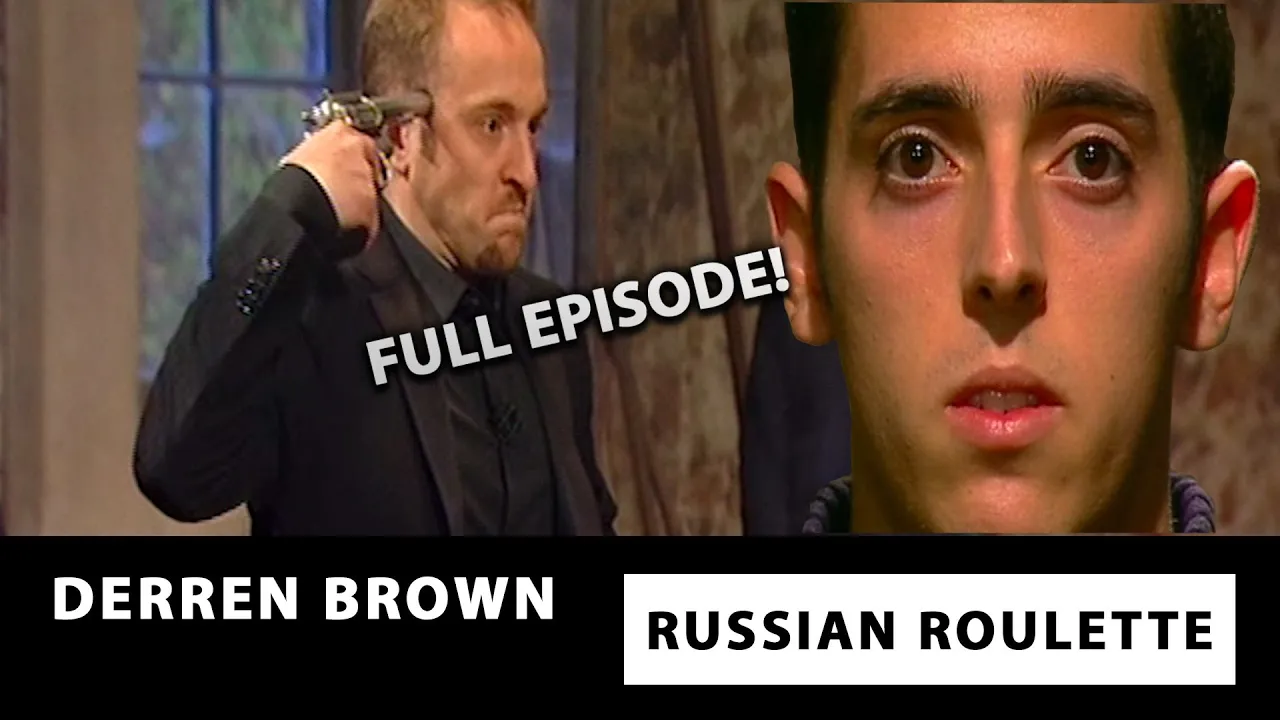




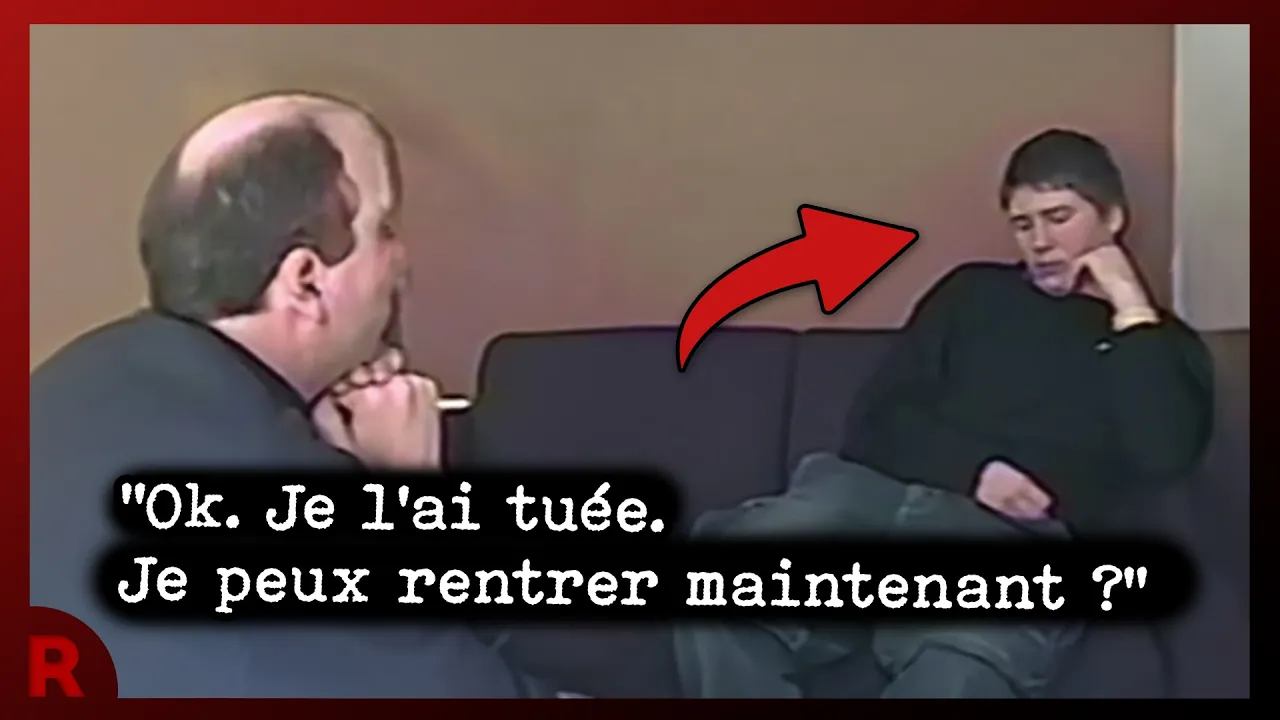





Juvenile suspects are significantly more vulnerable to false confessions than adults due to underdeveloped prefrontal cortexes that impair their ability to weigh risks and resist psychological pressure; this vulnerability, combined with coercive interrogation tactics such as false evidence ploys, promises of help, and threats, leads to approximately 27% of DNA exonerations involving false confessions, with three-quarters of these cases involving juveniles, as demonstrated by the Brendan Dassey case where a 16-year-old with learning disabilities confessed to murder after being isolated for three hours without parental presence or legal counsel.
Juvenile False Confessions: Legal & Psychological Factors
Added:Basic principles of adolescent brain development, particularly the ongoing maturation of the prefrontal cortex which governs impulse control, risk assessment, and future-oriented decision making.
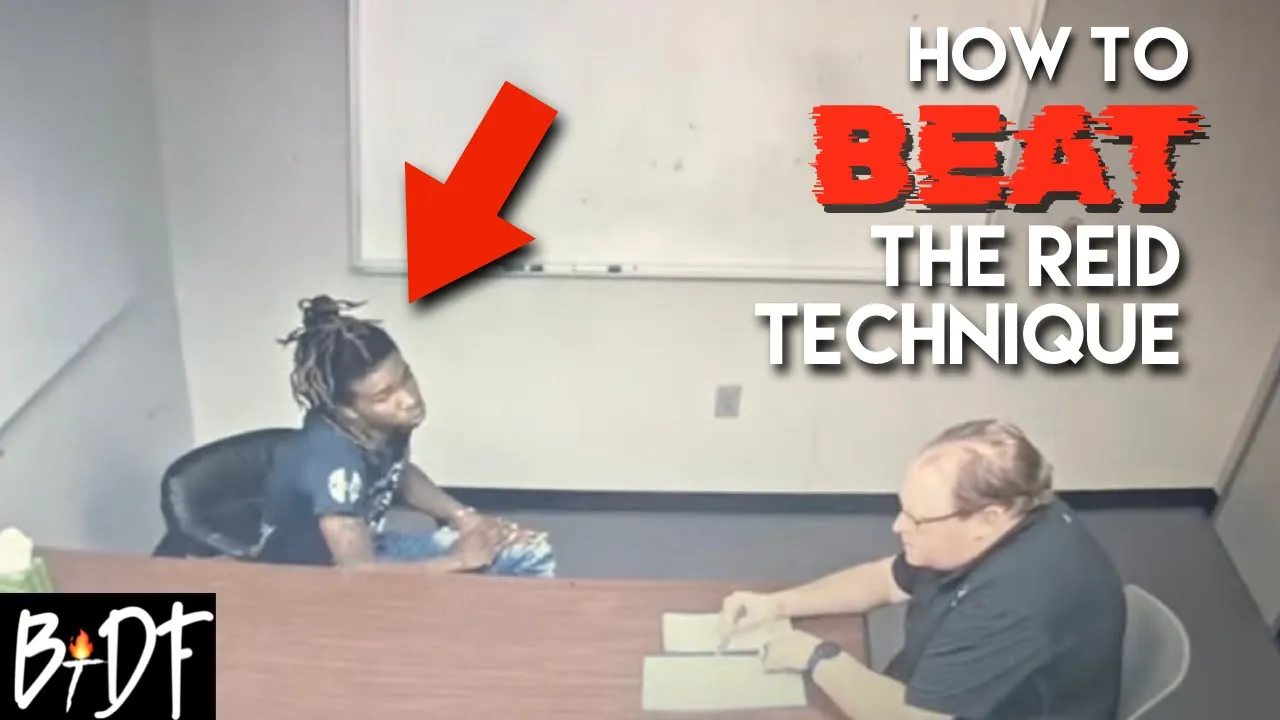
The fundamentals of standard law enforcement interrogation methods, specifically accusatorial frameworks like the Reid Technique.
Constitutional protections in criminal procedure, focusing on the Fifth Amendment privilege against self-incrimination and the standards for a knowing, intelligent, and voluntary Miranda waiver.
Key psychological concepts of social influence, specifically compliance, suggestibility, and obedience to authority under high-stress conditions.
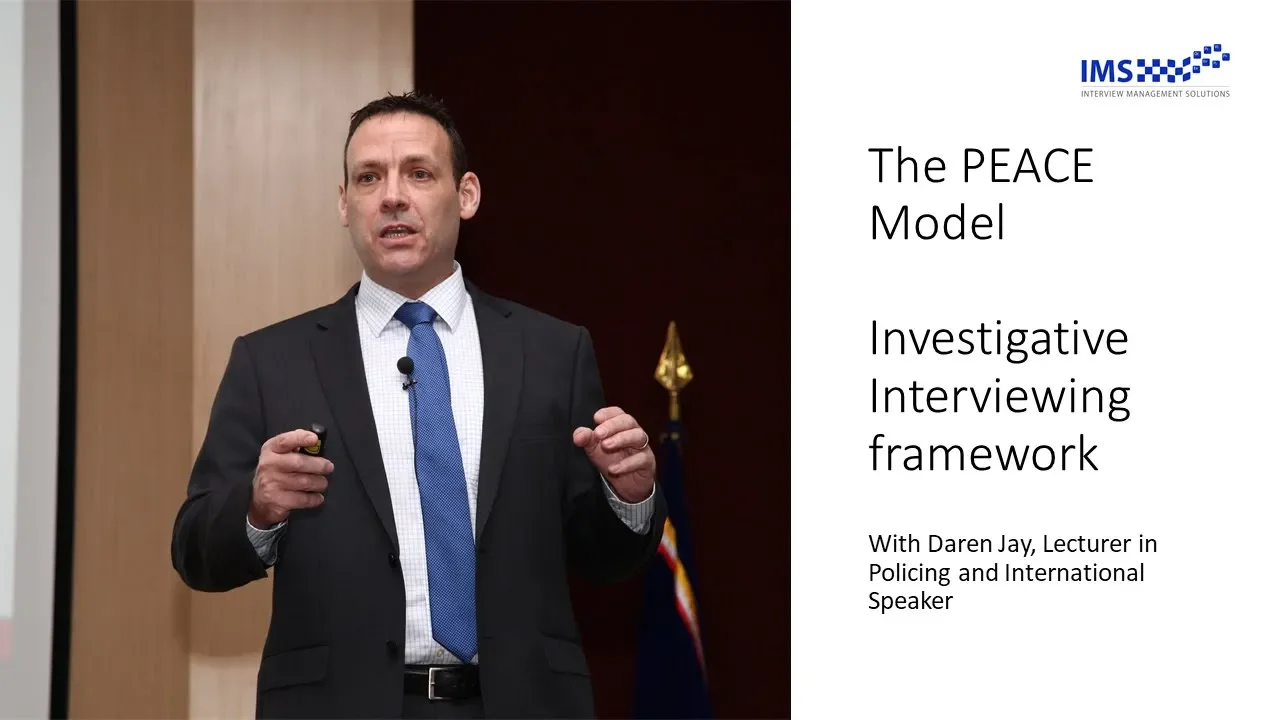
Alternative, non-coercive investigative interviewing methods designed to minimize false confessions, such as the PEACE model.
Analysis of landmark legal cases and systemic wrongful convictions involving juveniles, such as the Central Park Jogger case or Brendan Dassey's confession.
The long-term developmental and psychological impacts of wrongful conviction, incarceration, and institutionalization on juvenile exonerees.
Legislative policy reforms in juvenile justice, including mandatory electronic recording of custodial interrogations and the requirement of legal counsel during questioning.
1.1K views21likes1:38:24Original Release: 2021-10-07
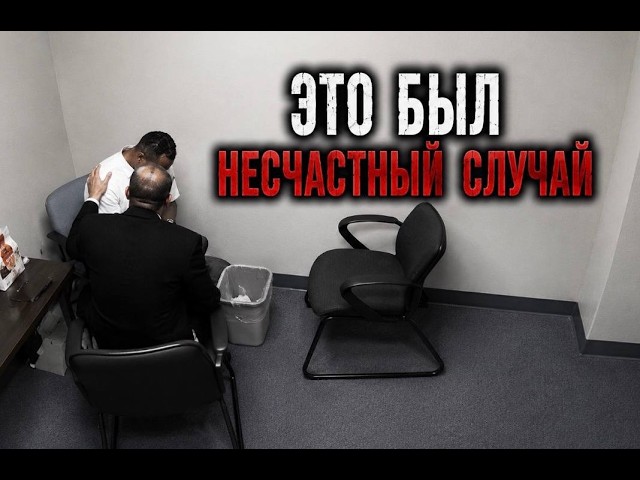
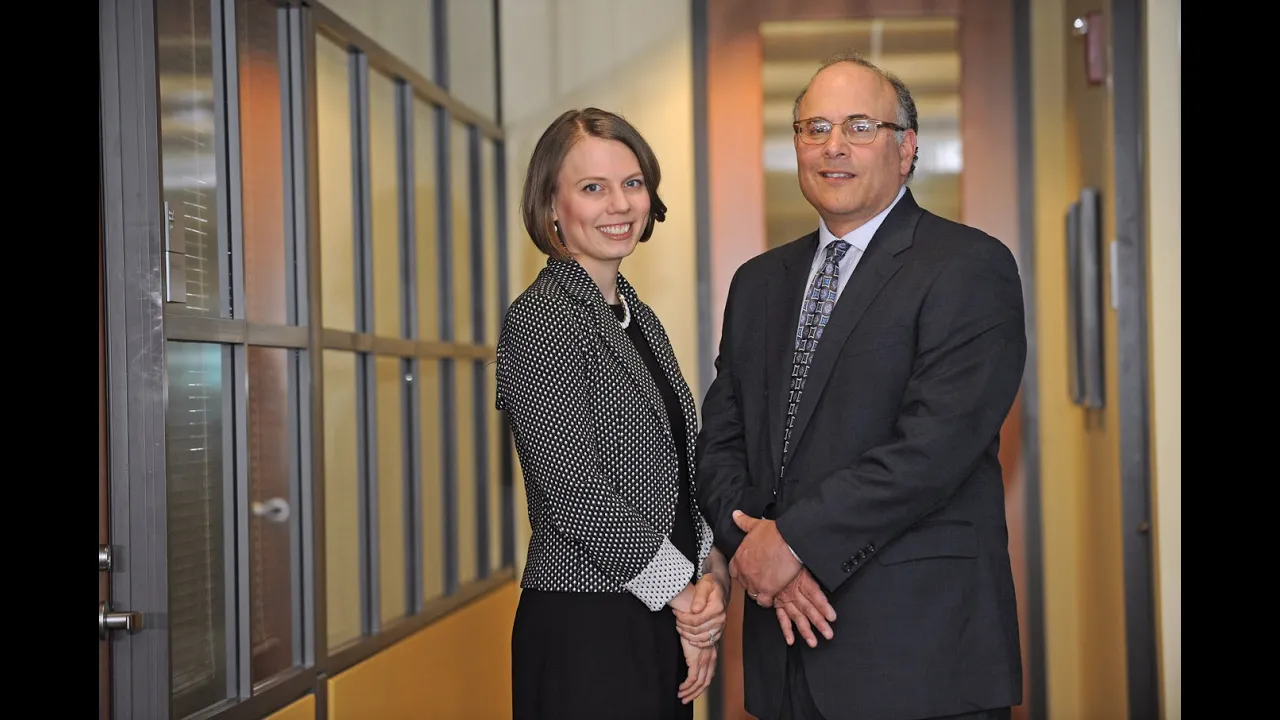
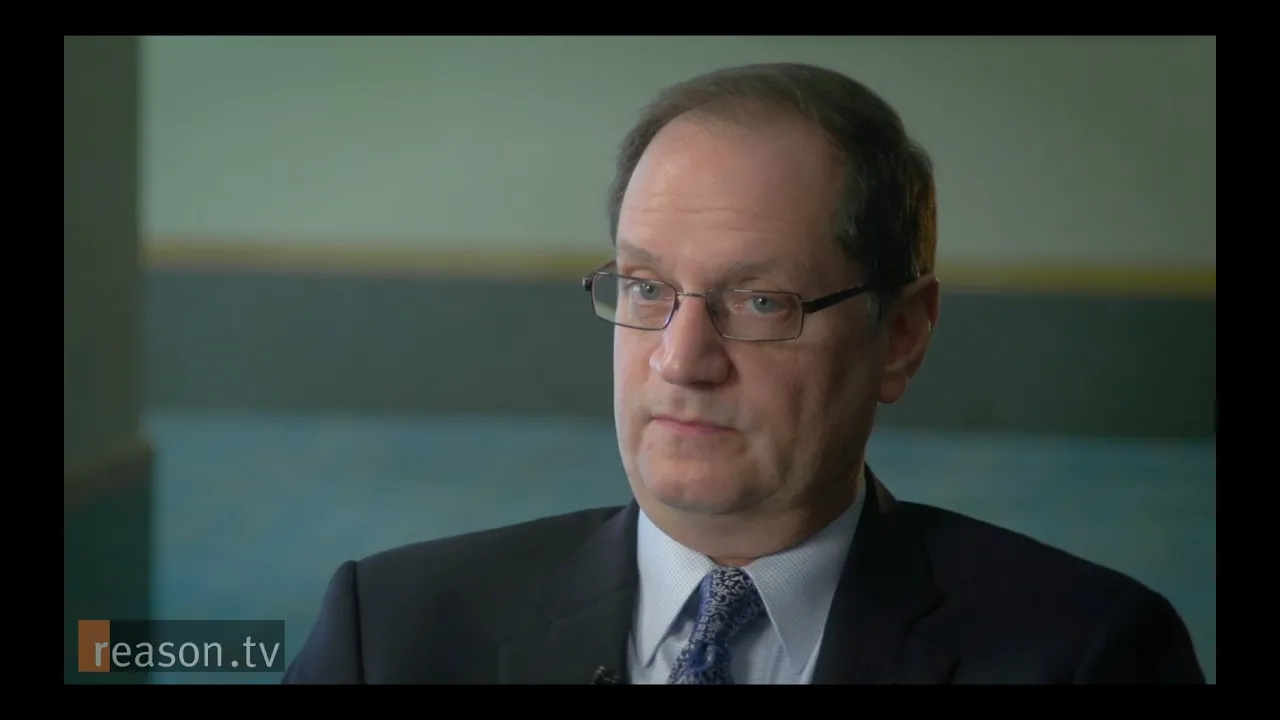
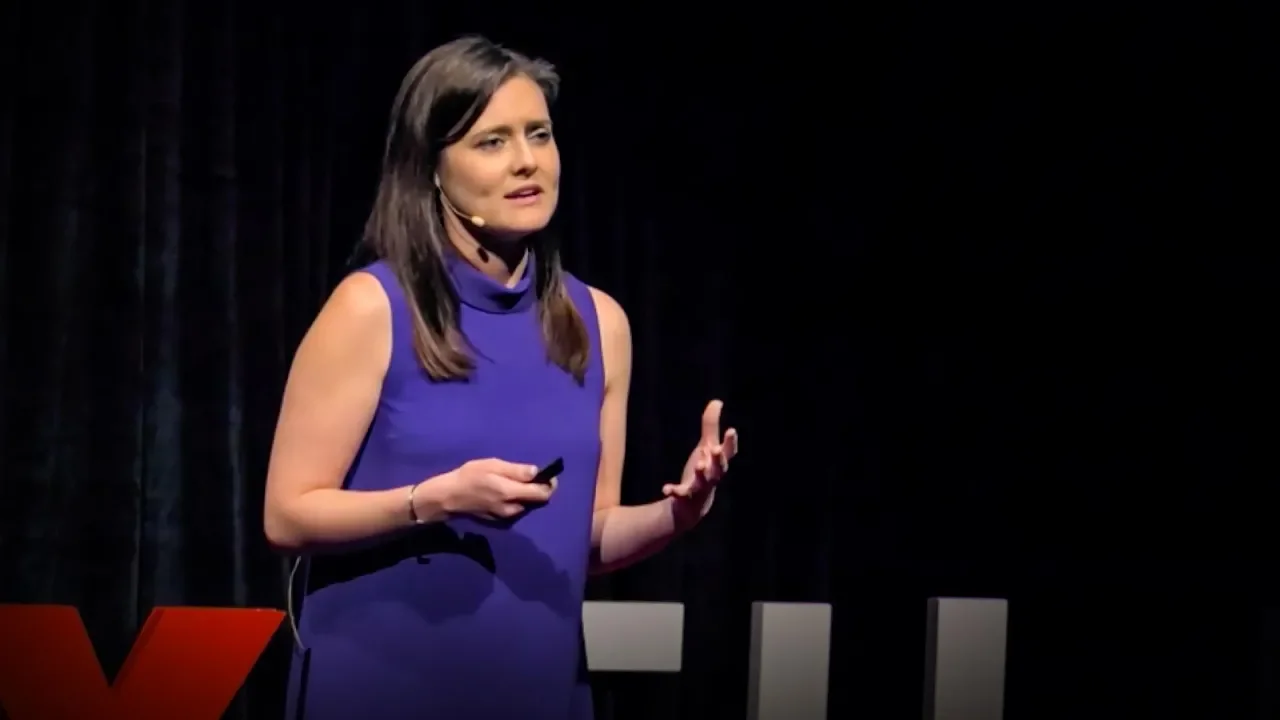
[Music] good afternoon my name is Steve drizen and I'm a clinical professor of law at Northwestern University's pritsker School of Law in Chicago I'm also the co-director of the law school Center on wrongful convictions and today I'm I'm going to talk to you about juvenile coerced and false confessions I'm going to do this lecture in three parts uh the first part is going to talk to you generally about the problem of false confessions it's going to give you some numbers some data about just how prevalent they are and uh overview of the causes of false confessions the second part is going to focus on um the tactics that police officers use in order to persuade someone to confess to a crime um sometimes they are so powerful that they can cause somebody to confess to a crime that the person didn't con commit and finally we're going to see these tactics in action in a real life case the case of my client Brendan dassi who was the subject of Netflix making a murderer docu Series so let's begin with the very end of Brendan dass's interrogation now Brendan is a 16-year-old boy with severe learning disabilities and he has just been interrogated for more than three hours outside the presence of a parent or a lawyer or a guardian and police officers have persuaded him to confess to the murder and rape of a 24y old photographer and when his mother comes in the room for the first time she says to him Brendan did you confess to this crime did you did you really do it and Brendan has to explain to her why he con confess to a crime that he didn't really do and let's hear that did you huh not really what do you mean not really they got to my head huh they got to my head is the best that this 16-year-old learning disabled kid can come up with to explain the psychological process that caused him to confess to a crime he didn't commit and what we're going to do today is we're going to explore what that means exactly how police officers get into suspects heads even innocent suspects to persuade them to confess to crimes they didn't commit but let's start with an over overview of exonerations based on false confessions and here's what we know we know that according to the Innocence Project which has an extensive database of DNA exoneration cases that false confessions are involved in approximately 27% of all of the DNA exonerations to date it's one of the leading causes of wrongful convictions and I think that when the Innocence Project be and in the early 1990s this was perhaps the most counterintuitive of all of the findings the idea that such a substantial portion of wrong wrongful convictions are based on false confessions the National Registry of exonerations which is a bigger database that includes both DNA exonerations and non DNA exonerations pegs the number at approximately 12% of their 2674 exonerations so we're talking about a substantial number of innocent people confessing to crimes they didn't commit everybody in these databases have been exonerated which means that their convictions have been overturned based on newly developed evidence of actual innocence but there are many many other false confessions that never lead to conviction because they are discovered often through the use of DNA testing before trial before a wrongful arrest can ripen into a wrongful conviction let's talk about some realities and myths and let's talk about the young man who's featured here this is Marty tankleff and Marty Kliff like many of you was a high school senior he was getting ready to begin his senior year and on the morning he was about to go to school he woke up to the worst imaginable nightmare he found both of his parents had been murdered actually his mother had been murdered and his father was clinging to life um the police officers called 911 they came to the scene and as is usually the case when there are crimes involved in u the murder of loved ones they focused their attention on Marty on people who were living in the house at the time of the crime and they took Marty back to the interrogation room and they grilled him for five hours and at the end of that five hours during which the police officers faked a phone call one of them claimed that he had just gotten a telephone call from the hospital um in which the doctors had administered adrenaline to his father and that his father had woken up from aom State and said that Marty was the one who stabbed him that lie broke Marty down and caused him to confess to murdering both of his parents and he described this process he described it as like having an 18-wheeler driving on your chest and you believe that the only way to get that weight off your chest is to tell the police whatever they want to hear even if it's admitting to a murder now in murder cases false confessions are the most common cause of wrongful convictions usually it's mistaken eyewitness identification but when the Innocence Project looked closer at the numbers in cases involving murder cases only approximately 62% of them involved false confessions whereas only 31% involved eyewitness misidentifications and that's because homicide interrogation homicide interrogators are the most skilled in using the kinds of psychologically coercive techniques that produce false confessions now it's often not easy to tell when you're looking at a videotape of a of a confession whether that confession is true or false because many false confessions are extremely detailed and they appear plausible and if an innocent person is confessing how does he know or she know so many details of the crime we'll talk about that process called contamination later in this presentation something that surprised me when I got started in this work is you often see multiple false confessions in the same case meaning multiple defendants who are end up being charged with the same crime all confess and they're all false you've probably heard of the Central Park 5 case but that's just one of many including the Northfolk 4 the Anglewood four the Dix Moore 5 the beatric 6 and the granddad of them all the Uptown seven which involved the case of seven boys who falsely confessed to murder in Chicago's Uptown neighborhood false confessions also often lead to false guilty pleas because many attorneys in looking at their cases see that their client has confessed and persuade their clients to plead guilty to these crimes that they often didn't commit it's not obvious when a confession is false um and it's not true that you would only confess if someone beat you that is a common misconception that only a confessions are false if they are the product of police abuse or torture while juveniles and intellectually disabled are more likely to falsely confess when pressure by police they by no means represent the entire universe of people who falsely confess what I aim to do today is to convince you that even you would confess to a crime you didn't commit if placed in the pressure cooker of an interrogation room confession evidence is so powerful that if it does get entered into evidence at trial we know that 81% of innocent defendants will get convicted and that's because juries often don't understand the psychology of false confessions after today I hope you'll understand it a little better one of the things that is amazing about false confessions is that even DNA evidence the most powerful evidence in a court of law or let's say the most accurate and certain evidence in a court of law if it goes face Toof face with a confession um meaning that if the DNA evidence proves that the person who confessed didn't actually commit the crime juries will still convict these defendants in many of these cases it's just that powerful and jurors have such a hard time thinking that they would never confess that they're willing to discount science on the way to convicting innocent people now let's talk about juveniles by juveniles I'm talking about people under the age of 18 um we could go higher because new developments in adolescent brain science tell us that the inner workings of our brains are still maturing up through the early 20s um but let's just focus on those under the age of 18 we know that they are much more likely to falsely confess when pressured by the police we know that by looking at laboratory studies which create scenarios where um students are accused of crashing a computer by hitting the wrong key when inputting data even though it's false these students confess they pick up a pen and they sign a confession admitting to crashing the computer you know with with hardly a second thought we know that if you look at actual cases of false confessions at least a third of them in involve um children under the age of 18 and we know from one large study that three times as many juveniles falsely confessed as adults and as you might expect the younger the juvenile the more vulnerable the child is to falsely confess it now we're going to talk about the Adolescent brain just briefly and why it makes juveniles particularly vulnerable to police pressure the area of your brain right behind your forehead it's called the prefrontal prefrontal cortex it is the area that governs judgment and decision making um the weighing of risks and um that area is the very last part of a teenager's brain to develop meaning that throughout most of your teenagers teenage years you're ruled by other parts of the blame that are more sort of impulsive they are more based in the regions of your BL brain that govern uh flight or fear and your decision- making is more rash but you need a fully developed frontal cortex in order to be able to withstand the rigors of ple interrogation which are all about weighing and assessing risks they're all about they focus on making you think about the immediate rewards that are come to you from confessing one of which is that the the interrogation will come to an end versus thinking about the long-term consequences what am I really doing to myself by confessing and there's also um um uh a lot of evidence to suggest that teenagers are much more vulnerable to external influences including pressure applied by both peers and adults now for years the United States Supreme Court understood this about teenagers and they understood it particularly in the area of the law that governs the admissibility of confessions way back in 1948 in the case of Haley versus H Ohio the court wrote that interrogation tactics which would leave a man cold and unimpressed can overawe and overwhelm a lad in his early teens that message that the same tactics when applied on teenagers create much more ham Havoc um they would with adults kind of has gotten lost over the years until recently in 1962 the court said the same thing in different words that a 14-year-old boy no matter how sophisticated is unlikely to have any conception of what will confront him when he is made accessible only to the police and they'll likely have even less of a conception of what might happen to them if if they confess and in 1967 the court said that we have serious doubt upon the of the reliability and trustworthiness of juvenile confessions in this 1967 case of INR G Justice foris really explained the basic reason why Suspects falsely confessed is suspects are placed in a situation where the risks associated with falsely confessing are less than those associated with maintaining one's innocence falsely confessing becomes the more promising of two Alternatives between which the suspect is required to choose one of those Alternatives has horrific consequences the other one has less severe consequences and those are the only choices that interrogators will give a suspect and under those circumstances children and a lot of adults are going to choose the lesser of two evils so since 1967 between say 1967 and the year year 2011 the Supreme Court and courts throughout this country really Drew no distinctions between the way that they evaluated juvenile confessions and the way that they evaluated adult confessions it was as if those old cases had been written off the books but the discovery of large numbers of false confessions through through organizations like the center on wrongful convictions where I work and the Innocence Project and what are now more than 50 innocence projects around the country has caused the court to take a second look at these cases involving juveniles and recently at least in 2011 the Court held in the case of jdb versus North Carolina that the pressure of C custodial interrogation is so immense that it can induce a frighteningly high percentage of people to confess to crimes they never committed that risk is all the more troubling and recent studies suggest all the more acute when the subject of custodial interrogation is a juvenile we'll have to wait and see just how much um lawyers and Suspects can use this new language to get their confessions thrown out of court but the Supreme Court's recognition is not the only place where juvenile vulnerability has been recognized even leading police authorities the trainer of police officers on how to interrogate have recognized this the leading um interrogation training outfit in the United States is an organization called John Reed and Associates and they have written that extreme care must be used when questioning juveniles and the investigator has to modify their approach with these individuals don't question kids the same way you question adults because when you do it's a recipe for a false confession the International Association of police Chiefs of police has also weighed in and has suggested using different and more appropriate interrogation tactics that reflect the differences between adults and teenagers but while police officers or at least organizations that work with police officers acknowledge these differences officers in the field often do not apply them in the interrogation room and why is that the case we'll talk about that but in particular um one of the ways in which reading Associates tells investigators to change their tactics is they should use Extreme Caution and care when interrogating juveniles but they should also limit the use of tactics which are perfectly legal but particularly problematic if you're a a juvenile in the Box police officers are allowed to lie to suspects about evidence and Reed counsels them against that but why are police officers taking heed of these lessons it's interesting in the largest single survey of Law Enforcement Officers these police officers understood the is issues they they agreed that adolescence and children have reduced comprehension abilities they are highly suggestible and that you know oftentimes the kinds of things that you look for in terms of body language from a suspect to see whether or not they're lying they're not really reliable in kids who frequently slouch and don't look adults in the eye but when you ask these same same officers whether they make any um concessions to these understandings about kids when interrogating them they frequently said no the majority believed that both Children and adolescents understand what was happening during the interrogation that that they were not any more suggestible in the interrogation room than adults and that they could detect deception in children just as easily as they could in adults so um some specific tactics that we see again and again in interrogations that lead to false confessions one of them is you're not supposed to use promises or suggestions of help and we'll see this when we look at Brendan dass's interrogation because when you say that you are there to help somebody or that the goal of the interrogation is to get them the help that they need that sends a message of leniency a message that punishment is not what's going to happen then to the children and so that becomes a promise of leniency that we see in many false confessions and again there's a real problem with using deception with juveniles who who not only don't believe or understand that police officers can lie to them but they H are naturally deferential to adult authority figures and that doesn't matter whether you're a high school senior at one of the best most academic high schools in the country or you're a you know a street smart kid who has grown up um you know in neighborhoods where police officers um have aggressively policed um people in those neighborhoods when you're in that interrogation room when you're on the home turf of a police officer when you're isolated the interrogator has all the advantages one way we learn about juveniles and false confessions is that we ask our clients what was it like in that interrogation room and this is what some of them said this is Calvin olens who at the age of 14 falsely confessed to the murder and rape of a medical school student from the University of Illinois in Chicago um I thought I was going home I didn't understand the seriousness of what was going on I didn't understand exactly what I was getting myself into when I signed that statement says 12-year-old Jonathan Adams I thought if I just told them something they'd let me go home and my client Terrell Swift aged 17 never been in trouble with the law enforcement before becomes the subject of a of a murder investigation of a prostitute in his neighborhood I had the perception that the police were there to help I signed a confession under the pretense that I was going to go home later that night but it didn't work out that way spent nearly two decades in prison before DNA exonerated him and again here are a couple more quotes my client Robert Taylor being interrogated felt like I was choking like there was no more air left in the room it was psychological intimidation mental I mean was a kid I was 17 I was vulnerable and I didn't know I had the perception that the police were there to help and in my case I feel they took advantage of me being a youth and being naive let's take a pause here before we move on to the next part of this interview this uh lecture so that we can um take a break before we talk about interrogation tactics in particular so so those of us who study false confessions have determined that there are three errors that occur in each interrogation that leads to a false confession and the first error is What's called the misclassification error basically that means is that the police officers for whatever reason to believe that the person they are questioning is guilty you don't interrogate innocent people you only interrogate people who you have a reasonable suspicion of having committed the crime you interview people who may be innocent and an interview and an interrogation are two different things an interview is an information seeking open-ended kind of a questioning during which a conversation occurs where you get basic information from the suspect there's very little stress involved in the interaction it's um it's an opportunity for the suspect to tell his side of the story you know what he was doing on the day that the crime occurred and it's relatively low stress I mean both interviews and interrogation room uh interrogations take place in rooms that are separate and apart from other parts of the police station they tend to be small cramped rooms there's no table usually only a few chairs because a table can prevent the interrogator from invading the suspect's personal space the door is almost always closed there are no clocks or other distractions on the wall because they are distractions from the business at hand which in an interrogation is to get a confession so the interrogation is much more accusatorial it is a police dominated encounter that is guilt presumptive and um you'll see that in some of the videos and audio clips that I'm going to show you the misclassification error let's talk about that when police officers go to training when they go when they become interrogators um and they go to the police academy or they hire outside experts to come in and train them police officers believed that believe that they are human lie detectors that they can determine just by looking at you and assessing in your body language or listening to you and assessing the kinds of words that you use in response to their questions that they can tell whether you're telling the truth or not they can read signs of deception and here are a couple examples of some some material from the training materials of some of the leading interrogation firm firms in the country and this is again from John Reed and Associates who's a truth full individual well composed concerned Cooperative direct and spontaneous sincere or open what about how do they look during an interview well they have smooth posture changes they have open gestures they have good eye to eye contact they maintain a frontal alignment meaning that they are faced squarely at you and not turned in any way or have a barriered posture they lean forward and they seem eager and ready to answer your questions the deceptive individual is somebody who is overly anxious as if being interrogated by a police officer by yourself in a room isn't anxiety producing in and of itself they're defensive unconcerned evasive too polite you can be too nice and they're guarded and from from a body language standpoint you know you see a lot of posture changes that are erratic um you see slouched overly casual behavior and you see um hands over your mouth or over your eyes barriered postures that's what they are trained and during the interview section police officers are assessing you to see whether or not you're lying to them or not and they are so confident in their ability to detect deception that if they think you're lying to them then they think you must be guilty of the crime that they're going to question you about and part of what drives an interview into an interrogation is this belief in their abilities as human lie detectors and there are even different kinds of phrasing that they are taught indicate truthful responses or deception responses deceptive responses so any qualifying phrases like I honestly would do that any appeals to religiosity or to God or to I swear on the Bible that I didn't do that all of that are signs according to Poli of being deceptive um what somebody who is much more direct I did not Rob anybody I did not rape her those are the kinds of denials that ring true to police officers but ask yourself how reliable is this kind of body language um and let's look at Brendan dassi and take a look at how he would look to police officers well look at him he's slouching he's got a barriered posture he's got his hand in front of his face um he's not making eye contact he's giving off all the signs of someone who in the eyes of police officers is being deceptive see police officers they don't do a uh an investigation really into the makeup of the person they are interviewing and many people like Brendan who are learning disabled um who have attention deficit disorders um are go or her teenagers are going to exhibit signs that are easily mistaken for deception when they could very easily be anxiety based or personality based so we know for example from looking at Brandon school records that from as early as third grade he can't look an adult in the eye he's uncomfortable looking adults in the eye he's withdrawn he doesn't function well with others he's been in special education classes since grade school and he has trouble understanding basic vocabulary both to and from him from him he's particularly has a hard time with understanding what certain idioms mean like the truth will set you free doesn't know what that means he actually thinks it means it's G to allow him to get up and walk out of the interrogation room over and over again his learning disabilities have been diagnosed and over and over again when these interrogators questioned him they did so in a way that took advantage of his learning learning disabilities when police officers are trained in these body language and nonverbal and verbal indicia of deception they're also told that there's an 85% accuracy rate in their ability to detect deception and there's no science at all that proves this is the case in fact study after study after study demonstrates that you and I are really no better than a coin flipped coin flip at detecting deception among people many signs that we think indicate deception can be as a result of cultural differences between us and the person who we're talking to or they could be you know a a result of anxiety um but it often leads police officers to move from an interview to an interrogation other things that that cause them to suspect innocent people include things that are part of their experience as police officers um but again hunch and experience are not evidence they may increase the odds that the person you're interviewing might be guilty but they're not evidence of guilt and when you play the odds you often get it wrong crimes committed upon children must have been committed by parents um parents are always the suspects when children go missing or children are killed in household incidents and they should be Persons of Interest but again there's a difference between a person of interest and a suspect um and police officers often run right by that distinction if some someone is killed in the home and there are no signs of forced entry police officers always assume that the crime must have been committed by someone who is in the home but today's burglars can get in and out of houses without leaving signs of forced entry and many times people leave windows or doors a jar that they thought were locked so again error comes into play when police officers jumped to a conclusion based upon no signs of forced entry in Chicago there there's a presumption in many neighborhoods the crimes that are committed in these neighborhoods must be Gang Related and we see confessions that have these detailed descriptions of gangs and then we learn later that the crime was committed by a single adult male sexual predator and had nothing to do with gangs the last person to see the victim alive must have been the one to kill her the person making the 911 call is a prime suspect these are things that give police officers a reason to question you but they're not evidence and the problem with most false confessions is that the theories that police offic are are pursuing with a suspect are not based in evidence now how do police officers manipulate children and adults in order to get them to confess how do they do that with innocent people and this really goes to the heart of interrogation you have to understand just how stressful it is to be in the box and to be questioned by a homicide investigator who is hellbent on getting you to confess who thinks that you are guilty and who is not going to take no for an answer these techniques can be deceptive they can be manipulative anytime the suspect asserts his or her innocence police officers are trained to cut that off we're not here to decide whether you committed the crime we already know that we're here to decide why you committed the crime because why you committed the crime may enable us to help you depending upon your answer these tactics are highly psychologically coercive because they imply leniency if a suspect chooses answer a and they threaten harm if a suspect chooses answer B the suspect is given two choices either you committed this crime deliv deliberately and premeditated or it was just something that you snapped you acted impulsively you didn't mean to kill that uh victim or the victim may have led you on or provoked you in some way I don't think you planned this out in advance I don't see you as a as a cold Soul versus someone who committed a crime of passion um these kinds of distinctions these choices both of which make the suspect guilty but one of which makes them um gives them a face saving excuse ultimately give the suspect with two choices and most suspects both the guilty suspect and the innocent suspect over time will choose either A or B so here's one tactic that we see often times when children are in the Box everybody knows that there's juvie court and there's criminal court and that in juvie Court you're not going to be punished as hard as you are in criminal court and most kids know where the juvenile court is in their various jurisdictions and many of them um also know that the what happens in Juvenile Court stays in juvenile court doesn't become a part of your permanent record and police officers in the midst of an interrogation will often play off of that listen to how it's done in this case so you have two ways you can deal with this you can deal with this in juvenal court where they going to tap wrist and send you on your way or I hold charges out until you turn 17 years old man I'm not just going to charge you with the robbery I'm going to charge you with kidnapping as well where would you rather be in juvenile court will you get a slap on the wrist or in Criminal Court where you're looking at serious time for a crime here's another example of that well detective already told you you're still a juvenile we can help you we can get you help your first thing you have to do is admit you have a problem if there's drag help then we'll push the try you as an adult I don't really care I told your mother I don't care about her and I don't care about you I care about that baby well then your mother by the way cuz she didn't shed one tear not one tear in 3 [Music] hours and we're the only voice that baby has right [Music] now the false evidence Ploy is a tactic that police officers use this is the deception that we're talking about that is so powerful that often is one of the first steps in the road down to um a false confession the first error was a misclassification error the second error is the coercion error and the power of the false evidence Ploy is at play in almost every false confession so what does that mean well it means that police officers can lie to you about the evidence that they have they often come in with a big file thick file with words murder written on it it's filled with papers and they refer to this file as all the evidence that they've gathered against you by speaking to Witnesses by by getting lab results um that this is the evidence that we have against you it could be a file filled with Chinese takeout menus for all you know but it's used as a prop to make it seem that the case against you is Rock Solid now it can be specific it can be we found your fingerprints at the crime scene we found your DNA or we're doing DNA testing and I know it's going to come back to you or your your uh your Compadre in the room next door is telling us that you were the one who did The Killing um and that he was just a witness do you want to be the witness or the perpetrator because I don't believe him I think you were only the witness you know these kinds of Lies bring a suspect down to hopelessness and make it easier for police officers to manipulate you into falsely confessing these are a play in almost every documented police induced false confession um and police officers are allowed to lie because the US Supreme Court in 1969 said that the mere fact that a police officer lies to a suspect is not enough to render that suspect's confession inadmissible we have to allow police officers to lie the court said they need sometimes to get down on the same low moral plane that suspects are on in order to be able to get the truth you get that we need to let them lie so that they can get the truth but when police officers lie to Children oftentimes they don't get the truth they get another lie here's a great example of a false evidence Ploy in the case of a client of ours named Robert Davis Robert Davis was a suspect in the murder of of a a woman and her small child who the the woman was stabbed to death and the child died as a result of smoke inhalation um when a fire was set to cover up the crime and during the course of this interrogation this is what the interrogator said to [Music] Robert Robert is 18 years of age when this doation don't turn around just face that way for me and then if you would do the same thing your other hand take two steps forward you put your hands do you know your skin is the worst thing in the world as far as dust Can't You See It dust is made or most human then skin that can be picked up that DNA that stuff right there you touched anything the glove or you picked up and match with the shirt the same thing with the clubes I can IM you to the exact War you were you were there shows you what they here the evence shows you I can't lie about the evidence I can't lie about the evidence I mean that plays right into a youthful suspect's belief that police officers aren't going to lie to them they're not allowed to lie to them you know it's against policy or against the law for them to lie to them but that's a lie in and of itself and now we come to the final error the contamination error once a suspect is so hopeless that they um choose one of the options given to them by the police officer um that renders them involved in the crime present at the crime scene it's somehow guilty of the crime the interrogation is not over because every good police officer knows that the devil is in the details that the only way a confession is going to be determined to be reliable is if it contains information that only the true perpetrator would know or that police know um and in the best of circumstances if the suspect can lead police officers to evidence that they haven't even uncovered yet the murder weapon the bloody clothes the fruits of the robbery whatever it is if a suspect can do that he's probably guilty and the contamination error explains why so many false confessions appear to be reliable they're filled with the kind of details that you would think only the true Confessor would give how does that happen let's talk about Neil Nelson Neil Nelson is a commander was a commander at the St Paul Minnesota Police Department he was a trainer of trainers and and taught many people how to interrogate suspects and he took a false confession from a 13-year-old to the murder of his father it's a kid who was in camping with his father went to sleep in separate tents he woke up the next morning he found his dad beaten to death with a log and because it was in the wilderness and because there were no other people there um Nelson thought this kid must have done it and so he grilled him and as he was preparing for trial after the kid confessed he said after I looked at this recorded interrogation you know what I found out I realized that I gave him those details I gave him too much detail as I tried to encourage him and he just spit it back the single biggest source of contamination is the police spoon feeding the facts that make a confession reliable in their questions it's often done by Leading questions you know or it's often done by showing a suspect crime scene photos uh which contained tons of information what the victim was wearing what kind of wounds the victim suffered you know where the crime occurred um whether the victim had a tattoo or jewelry this kind of information that gives a story The Ring of credibility is often shown by crime scene photos and even in the Central Park jogger case police officers took the suspect back to the crime scene you know the suspects in that case all F all described how this assault on the jogger took place miles away from where she was actually assaulted down by the reservoir in New York Central Park um but when they police officers took them to the actual place of the assault on 106 Street in a pathway that crossed the park from east to west they gave them details that they couldn't provide themselves and unless you record the entire process from start to finish it's very difficult to see and to find evidence of contamination here's a great example of contamination from Robert Davis's case now the police officers in this case knew that the victim had been stabbed and beaten before the house was set on fire but Robert had no idea what happened to her he had never been in that house in his life and see how the interrogators manipulate [Music] him just face that way for me and if you would do the same thing your other hand forward and you put your hands down at your side what say that I did to get me out of this I held her down where they tied her up yeah and then I hit her two times cuz they said if it was if I did would be wa minut I got somebody else cler Robert I got someone else doing that act you did another act you know what that act is and we know and that's the thing that has something only that that's yours that be Robert I'm going to come and tell you where I was with what I'm getting all right since you're not going to tell me all right you did not you did another act all right you did another act to that lady and you can sit here and say I got three of stories telling you what you did and why you keep not wanting to say it was either way clubing or doing the other act are the same thing except the fact you know exactly what I'm talking about I don't know what you're talk talks about did you and I'm asking you I'm I'm going to bring it out as a question and I but I know the answer did you or did you not stab that [Music] woman I was to about that I did not stab her I had the knife though and I don't know if it stabbed her or not but I didn't stab her if if I did I didn't mean to you know what you did and and you stabbed that woman I stabbed her so those are really going here with you would it make you feel better if we told you yes exactly who was who was with you yes it was because I can tell you who I hang out with I can tell you that I would not hang out with these people because I don't like but you know that kind of defeats the purpose though right Ian you understand that whenever we have to start telling you what you already know but if that helps you maybe I can maybe we can do that so police officers know that they're not supposed to do that in fact I I have a theory that the interrogator in Robert's interrogation was being watched through some two-way glass or his interrogation was being monitored on video and when that interrogator says I'm going to just tell you you know did you stab that woman he got beeped by his supervisor because that is the cardinal sin of interrogation because the end result is the confession is not really the suspect's confession it's the police officer's confession that conforms with a preconceived theory that they have about how the crime occurred let's take a break and then let's go to Brendan dass's case and I'll start out with a description of the facts of the crime and if you haven't seen making a murderer you know it's on Netflix you should check it out but we're gonna Focus only on Brendan's part of the case this is Brendan dassie I met Brendan dassie in 2007 when he was 17 years old about a year after he had been convicted of first-degree murder and sexual assault and sentenced to life in prison um with no possibility of parole uh until he had served at least 41 years and when I met Brandon the case against him was built almost exclusively on a confession and thankfully that confession was electronically recorded from start to finish finish so you know the case against Brendan is pretty much confined to what's on that videotape um and that videotape has been studied and dissected over and over again um because there are many things that police officers did during that interview that you know even seasoned interrogators find offensive um and we'll talk about the way in which Brendan was broken down into giving a confession so here's a little background on October 31st Halloween Eve 2005 Teresa halach a 23 year old photographer went missing and she was not reported missing for several days um her last appointment before she went missing was at a place called the Avery salvage yard yard in Wisconsin in rural Wisconsin outside of manak Wisconsin and it was a sprawling salvage yard when I visited it I had never seen a junkyard that big filled with all these hulks of cars that had been sort of hollowed out for parts and then you know slowly taken to a Crusher and and melted um at that salvage yard which was the last place that Teresa was known to visit she was there to take photographs of a van for a magazine um the van was up for sale um lived a man named Stephen Avery and Stephen Avery had sort of a checkered history in the state of Wisconsin um he had been arrested and convicted of a rape in 2000 excuse me um he had been convi convicted of a rape in 1985 and he became the first DNA Exon in Wisconsin DNA testing proved not only that he didn't commit the crime but it proved that another man Gregory Allen had committed this rape and so when he came out of prison there was great pump and a lot of fair you know Fanfare and front page news in in all throughout Wisconsin and you know even in the New York Times there were stories about Avery because it was the first DNA exoneration in Wisconsin and then Stephen brought a $36 million lawsuit against the police officers who had you know railroaded him in this original rape um case um he he had spent 18 years in prison for a rape he didn't commit and so here was this person who came out politicians were taking pictures with him everybody wanted a piece of him he testified in front of the general assembly he sat on committees to try to figure out what went wrong in his case and others he had a task force named after him by the legislature he was the toast of the town and Teresa hbot disappeared on his property and he was present on the property at the time she disappeared so the authorities closed off the property they did an extensive search of the property for eight days and they found evidence that Teresa was the victim of Foul Play her car was found in a secluded area of the property her car key was found in Steven Aver's trailer her blood was found in the back of her car and there was evidence that Avery was involved in her crime because his blood was also found in her car his DNA was also found on the hood latch of her car and somebody had opened up the hood and disconnected the battery from its battery cables for some reason and they found his DNA on that hood ledge and the most gruesome discovery of all is they found Teresa's bones located in a burn pit that was adjacent to Steven's home so police officers strongly suspected that Stephen had killed her probably sexually assaulted her and the disposed of her remains in this fire pit now Brendan was Steven's 16-year-old nephew he wasn't even born when Steph went into prison and really didn't have much of a relationship with him until after he was released um and then the two of them got to know each other and they began to be like an uncle and a nephew um on February 27th police questioned Brendan at his school this is long after Stephen Avery was charged with Teresa Hall back's murder and they needed to speak to Brendan because quite frankly there were problems with their case against Stephen what looked like a strong forensic case with all of this evidence was clouded by the fact that the same Police Department that had railroaded Stephen in the earlier case had been involved in the discovery of almost every piece of significant evidence in the new case involving Teresa halbach and they weren't supposed to be they were supposed to be walled off from that investigation yet every time a piece of evidence was discovered they were present and in many cases were actually the ones who discovered the key for example in Stephen Avery's trailer so given their history and the fact that they weren't supposed to be involved in collecting evidence the police were really the and the uh the prosecutors really worried that Stephen would claim that he was railroaded a second time and the fact that he had an outstanding lawsuit that was in for millions of dollars that gave these officers some incentive to W to pin this second M murder this murder and rape on Stephen Avery they also didn't have a narrative of what happened to Teresa in her final hours and they wanted to be able to spin for the jury you know a compelling story a horrific tale of Teresa's Final hours and they knew that of all the people in the dassi family who was most vulnerable to police pressure most likely to be able to provide that account because he also was on the property that night and had been with his uncle later in the evening as they burned garbage in their burn pit was Brendan dassie so they interviewed him um over uh a a two-day period three-day period they interviewed him four times they questioned him at his school and at the end of that interrogation he admitted being at a bonfire with his uncle on October 31st and he also admitted seeing parts of a human body in the fire he also admitted helping his uncle clean up some reddish brown motor oil on the floor of the garage they then took him away from the property and put him and his mom and up on a at a at a local Resort in a hotel room and questioned him a second time and then two days later on March 1st they brought him back for questioning at a far away police station where they could record the interrogation in its entirety um and over the next three hours police officers got a more detailed confession in which he admitted to not only witnessing his uncle killing and raping Teresa but participating in it he was charged with sexual assault and murder convicted and sentenced to life without parole with parole in 2048 now the first time he was questioned was at school just like many of you are in school um police officers came to the school and they arranged with the principal to take Brendan out of class and bring him to a room in the school where they questioned him on audio was only a tape recorder in there room about Teresa's disappearance and her final hours and we have a tape of that um and then the most important interrogation if you will is the one that took Pace on March 1st 2006 now between February 27th and March 1st the police officers learned something a fact in this case that that they didn't know before and that they knew that if they could get Brendan to admit to seeing this or witnessing this that they would have a pretty strong case against Brendan and Stephen and that fact was that Teresa halbach had been shot in the head um they were able to discover parts of Teresa's skull and to discover that there was beveling a process that occurs when a bullet strikes the skull and leaves traces of lead in the skull so they needed Brendan to say that he saw Teresa be shot in the head now from the very beginning in this case the police officers used the threat of being charged to get Brendan to talk and they contrasted that with Promises of help let's see a little bit of that we've got we've got people back Sheriff's Department is attor office at this now saying there's no way that b is out there they see they're talking about trying to with this event not saying that Bron did it saying Bron had something to do with cover has potentially be facing charges for that we've gotten a lot of information you know some people don't care some people back there saying well just charge so no let us talk not come forward inform he have get it off his chest know make it look you can make it look how you want we want to go back and tell people that you know Brendon told us what he do you want to be able to tell people that Brendon was honest it's not like Steve he's honest he's a good guy he's going to go place in this life but in order for us to do that you need to be honest with us so far you're not being [Music] 100 understand that we'll go to back for you you have to be honest with cuz Mark and I looked at looked at the tapes looked at the notes and it's real obvious there's some places where some things were left out or maybe changed just a bit to to maybe looking at your yourself to protect yourself a little um from what I'm seeing even if I fill those in I'm thinking you're all right okay you don't have to worry about things um we're there for you um and and and we know what Stephen did and and and we know kind of what happened to you what he did we just need to hear the whole story from you as soon as we get that we're comfortable with that I think you're going to be a lot more comfortable with that it's going to be a lot easier on you down the road uh if this goes to trial and stuff like that Honesty here Brandon is the thing that's going to help you okay no matter what you did we can work through that okay we can't make any promises but we'll stand behind you no matter what you did okay because you're being the good guy here you're the one that's saying you know what maybe I made some mistakes but here's what I did the other guy involved in this doesn't want to help himself all he wants to do is blame everybody else okay and by you talking with us it's helping you okay because the honest person is the one that's going to get a better deal out of everything you know how that works you know honesty is the only thing that'll set you free honesty the only thing that will set you free but in order for Brendan to be honest he has to say exactly what the police officers want and need him to say and he has great difficulty doing that at least without help from the detectives at least without contamination of his interrogation by these detectives you see the threat we have the district attorney over there he's ready to pull the trigger on charges against you Brendan but we're gonna hold him off okay we're here to help you we're going to help you brandan but we can only do it if you tell us what you want to what we want you to tell us what we need to hear now there are a number of different ways that police officers lie to suspects they can be very specific or they can be General and one of the most General kinds of false evidence Ploy is what's known as the omniscience Ploy the cops are all knowing they have all the information they need and it all points at you they already know what happened they just need you to confirm it or if you don't they don't really even need you to confirm it because they already know what happened and over and over again during Brendan's interrogation these three words were said we already know and the truth is they had no idea what happened to Teresa huk and we know like Tom said we know we reviewed those tapes we know there's some things you left out and we know there's some things that maybe weren't quite correct that you told us okay we've done we've been investigating this a long time we pretty much know everything that's why we're talking to you again today why did he why did he have you come over there did he need help with something remember we already know but we need to hear it from you why did he have you come over there Brandon were you there when this happened no okay was she dead there then or not yeah how do you know [Music] that I have a feeling I know how you know [Music] that we already know BR we already know come on be honest with us be honest with us we already know it's okay we're going to help you through this all right now come on be honest you went back into that room don't let us down Bron we know you were back there let's get it all out today this will be all over with Brandon be honest you were there when she died we know that don't start lying now we know you were there what happened we already know you know please officers don't have to yell and scream and shout and bang their chests and bang tables and point fingers with a suspect like Brendan that would have caused him to shut down completely they sweet talked him they played the role of police officers who were concerned with his well-being they played the role of parents or fathers not cops and they took advantage of the fact that Brendan's Mother wasn't there by lying to him about what Brendan's mother supposedly told the police officers that she urged him to cooperate and that she told them that he would be honest but look about this role confusion police officers are not allowed to tell a suspect that they're not acting as cops during the course of an interrogation that is the kind of role confusion that is likely to cause um a suspect like Brendan who already has a hard time understanding his situation to be even more um overwhelmed listen to this Mark and I Yeahs like but I'm not father that come over get hard over hurt talk about high and dry talk to your mom after this best we can okay I promise I will not let you hide and dry stand behind you pleas little bre we're here to help you your mom said you'd be honest with us and she's behind you 100% no matter what happens here that's what she said cuz she thinks you know more too we're in your corner we already know what happened they'll tell us exactly don't lie we're in your corner we'll go to bat for you Brendon we'll stand behind you we won't leave you hanging high and dry over and over again these officers said things like that to Brendan yeah they're in his Corner they're in his corner while they watch him get locked up and sent away for the you know good part of the rest of his life they'll stand behind him as he gets taken out of the courtroom um and sent to the Department of Corrections um these kinds of Lies um are part of the process of inducing Brendan to confess now again they get Brendan to make some Admissions and even those admissions are contaminated when Brendan says he saw toes in the fire you know it was after the police officers said did you see a foot in the tire in the fire um you know did you see fingers in the fire was after they said did you see a hand in the fire so they're leading Brendan even to those earlier admissions but the worst contamination in the case comes with respect to three things one is the fact that Teresa was shot Brendan can't come up with that answer and he is coming up with scenario after scenario and it's clear he's trying to please his interrogators but he has no idea how Teresa was killed the other thing is where did Teresa's belongings end up well they found her cell phone her camera and her purse in a burn barrel but Brendan couldn't lead them there the interrogators FED that fact to him and finally they needed Brandon to say that he was there when Steven lifted up the hood because they found Steven's DNA on that hood ledge and see how they got him to say he saw Stephen lift up the her and ask yourself whose confession is this is this Brendan's confession or is this the police officer's confession what else she TR she he tied her up we know he did something else to her what else did he do to her he chalked [Music] her what else did he do where we know something else was done tell us oh what else did you do come on something with the head Brandon what else did you guys do come on what he made you do [Music] Brandon we know he made you do something else what was it what was it we have the evidence friend and we just need you to to be honest with us daddy cut off her hair okay what else what else was done to her head D he punched her what [Music] else what [Music] else he made you do something to her didn't he so he he would feel better about not being the only person right yeah mhm what did he make you do it to [Music] her what do you make you do [Music] Brandon it's okay what do you make you do cut her cutter where on the Thro what else happens to her in her [Music] head extremely extremely important you tell us this for us to believe you come on Brandon what else we know we just need you to tell [Music] us that's all I can remember all right I'm just going to come up and ask you who shot her in the head he did why didn't you tell us that so I couldn't think of it cuz I couldn't cuz I couldn't think of it if you if you witnessed someone being shot in the head with a 22 caliber rifle at close range if you were there and you saw that that would be the first thing that you told investigators that wouldn't be something you couldn't think of and Brendan did not witness that he did not see that happen he was led there by officers in fact I don't know whether any of these other things happened to Teresa hallback there's no evidence of any of these other things um there's no blood there's no hair there's no DNA um linking Brendan to the car the trailer the garage or any of the crime scenes in this case and believe you me Brendan you know is not the kind of kid who's going to commit the perfect crime and to clean up everything that has his DNA on it while at the same time you know leaving step's blood and step's DNA on significant pieces of items it's not doesn't make sense and um the way the police officers question Brendan is you know to me highly coercive and his confession that he ultimately gives is highly unreliable it is more parts police officer than it is Brendan's confession and I'm not going to play them for you but he does the same thing with the hood and the same thing with her cell phone purse and her camera they are is led into giving them the answers um it makes his confession seem credible but when you slow down the action and watch the interrogations and see the lack of corroboration of what Brendan says you get the sense that this confession is unreliable and that brings us to the saddest part of this case the part that breaks my heart every time I watch this video is what happens after the confession you saw what happened when his mom came in but but there are two things that happened before that that just show you how at se Brendan is how so under the power of these interrogators was how he so thought they were there to help him that he actually thought he was going to be able to leave that interrogation room and go home or excuse me go to school after confessing to what he confessed to am I going to be at school before school ends probably not I mean we're at 2:30 already and school's over at what 3 35 3:05 yeah no what time will this be done well we're pretty we're pretty much done we may have a couple followup things to ask you but it's pretty much done you do understand that you're under arrest now so could I call my girlfriend and tell her that I couldn't come today will give you an opportunity to to do that okay did you kind of I mean honestly after telling us what you told us you kind of figured this was coming yeah is only for one day or where am I going where do you think you're [Music] going you're going to juvie that's where you're going to juvie jail about 45 minutes [Music] away y I got a question what's up what happen if he says something like his story is different but he says he he admits to doing it what do you mean like if his story is like different like I never did nothing or [Music] something did you huh not really what do you mean not really they got to my head huh [Music] anything so Brendan's mother Barb is struggling with what Brendan means when he says they got to your head and that he didn't really do anything to Teresa um and so she's trying to figure out what what Brendan means and then it finally Dawns on her and this is someone who knows her son better than anybody else in the world what Brendan is trying to tell them tell her is that he was pressured into confessing what do you mean by that what do you mean by that [Music] Brandon were you pressuring him who were you talking about him what do you mean pressuring him talking to him no we told him we needed to know the truth we've been doing this job a long time Barb and we can tell when people aren't telling the truth and in my opinion he'd never be able to live with himself if he didn't tell somebody there's no way he couldn't live with that nobody could live with that I think Brandon knows that so as anyone of you who have seen making a murderer particularly season two knows is that you know we fought like um we fought hard in state courts and then in federal court to get Brendan's confession thrown out and his conviction overturned and we got four federal judges ultimately to agree with us that both that his confession was coerced because of the tactics that they used and the way those tactics landed on this vulnerable 16year old boy uh and that his confession was unreliable because virtually every single fact in his confession was either available you know in the public domain because of all the newspaper coverage and and leaks um to the Press about about this case or because of fact feeding by these police officers and ultimately we lost by one vote in the seven Circuit Court of Appeals here in uh Chicago four to3 and the Supreme Court of the United States um refused to take the case we had hoped that this was going to be the case where the Supreme Court finally recognize that what it's been saying about teenagers and interrogations since 1948 what it said again in 2011 was true that when you question children as if they are adults you run the risk of getting coerced and false confessions that coercion means something different when these tactics are applied to children children than it does with adults and that there are ways you can tell that confessions are reliable or unreliable and Brendan's is like a recipe for a false confession But ultimately the Supreme Court refused to take the case and so you know as Brendan's lawyers were going to continue to fight for him we're going to continue to do whatever we can to um get the courts to take the Supreme Court of the United States at its word and start treating the interrogations of children differently than they treat the interrogations of adult but there are a few other things that we're working hard on and that some of these things have come about because of Brendan dass's case electronic recording of interrogations is so important uh right now it's actually I got to correct this it's actually 25 States plus the District of Colombia not 28 States so we're just around the halfway point um you know Wisconsin is one of the states that records Illinois is one of the states that record but in jurisdictions all over this country they still are not recording interrogations and there's no excuse not to do it because it gives you an objective accurate account of what happened in that interrogation room and otherwise it's left to the biased perspectives of police officers and of suspects who are going to remember things differently and with um oftentimes inaccurately two things that have happened that are exciting to me which is a recognition that teenagers are much more vulnerable in the interrogation room there was no parent present with Brendan during this inter ation um but parents often do more harm than good I've seen multiple cases where they are easily co-opted by police into pressuring their own kids to confess to crimes they didn't commit the real solution is to give legal counsel to Children before they are interrogated or at least allow them to consult with a lawyer so that they understand that they're giving up something precious when they give up their Miranda rights and they understand what they're likely to face in terms of coercion from police officers if they agree to speak to police two states Illinois and California have now pass laws that require lawyers for kids before the interrogation takes place and I'm hopeful that other states will soon come online we need new rules that require prose uors to show that these confessions are reliable before we allow them to get to the jury and this can be easily done you know they just need to be able to show corroboration of the confessions and false confessions will be easy to um separate from True Confessions because none of the corroboration will be there the suspect will not be able to give the information that only the true purpose trator knows unless he has fed that information by cops you know we need truthfully what we really need is we need judges to have the courage and to use common sense when evaluating juvenile confessions it's not an easy thing to throw out a confession but it's not a question of easy or difficult it shouldn't matter you know whether you're concerned about being a elected in the next election cycle because you're too soft on crime you have a job and the job is to apply the Constitution and the laws of your state and the United States and if you do that in many of these cases involving children if you look to the words of the US Supreme Court you have more than enough authority to hold police officers accountable when they do to Brendan what they do to other kids we need to educate false uh the juries and the public about false confessions and my colleague Laura and I riter and I are doing that on a regular basis we have a podcast um the wrongful convictions false confessions podcast where we tell these stories over and over again just to educate the public that people do confess to crimes they didn't commit and it happens much more frequently than you would ever imagine and we need to stop deception we need to ban police officers from being able to lie to suspects especially children you know jurisdictions in Europe the UK in particular no longer allows deception to be used because they know that it is the first step down the road to a false confession and they have not suffered any loss of confessions because they no longer allowed to lie to suspects it's just made them better police officers it's made them work harder to get corroborating evidence so that these confessions don't stand alone um it's made them investigate their cases and to use evidence as the basis um for interrogations and not false evidence PLO we need to do that in the United States if we're ever going to get rid of false confessions and if we're ever going to get rid of false and coerced confessions of juveniles these are some simple steps that need to be followed thank [Music] [Applause] you
Up Next
75:21
False Confessions & Interrogation Science | True Crime Case Study
@wburcityspace
119 views•2025-08-14

68:32
Cognitive Skills for Differentiated Instruction | Teacher PD
@BrainWareLearning
631 views•2017-12-17

9:55
Thinking, Fast and Slow: Daniel Kahneman Animated Book Summary
@FightMediocrity
2.3M views•2015-06-05

6:40
The Nocebo Effect: How Beliefs Can Cause Real Harm
@CGPGrey
10.4M views•2013-12-23
Related Study Plans & Knowledge Roadmaps
Structured learning paths in Psychology
psychology
Neuroscience of Creativity: Networks & Training
01Foundations of Creative Cognition
02The Cognitive Neuroscience of Insight & Fixation
03The Triple Network Model of Creativity
+ 1 more learning modules
15h4 modules
Explore Roadmap
psychology
Imposter Syndrome: Etiology & CBT Framework
01Defining the Imposter Phenomenon
02Socio-Developmental Etiologies
03CBT Fundamentals & Thought Distortions
+ 2 more learning modules
15h5 modules
Explore Roadmap
psychology
Adult ADHD: Executive Dysfunction & Scaffolding
01Neurobiology of the ADHD Brain
02The Core Triad of Executive Deficits
03Executive Dysfunction and Emotional Regulation
+ 2 more learning modules
12h5 modules
Explore Roadmap
psychology
Loneliness: Evolution, Neurobiology & CBT
01Evolutionary Origins of Human Connection and Loneliness
02The Neurobiology and Physiology of Chronic Loneliness
03Maladaptive Social Cognition: The Psychological Loop
+ 2 more learning modules
12h5 modules
Explore Roadmap