







![28 October 2021 [VR#16] Criminal Legalities in the Global South](https://i.ytimg.com/vi/X7Ibu4JhwTU/maxresdefault.jpg)








!["Words, numbers, culture: Thinking with Sally Merry [...]" by Jane Cowan (University of Sussex)](https://i.ytimg.com/vi/7ilIJNX4ZcQ/maxresdefault.jpg)

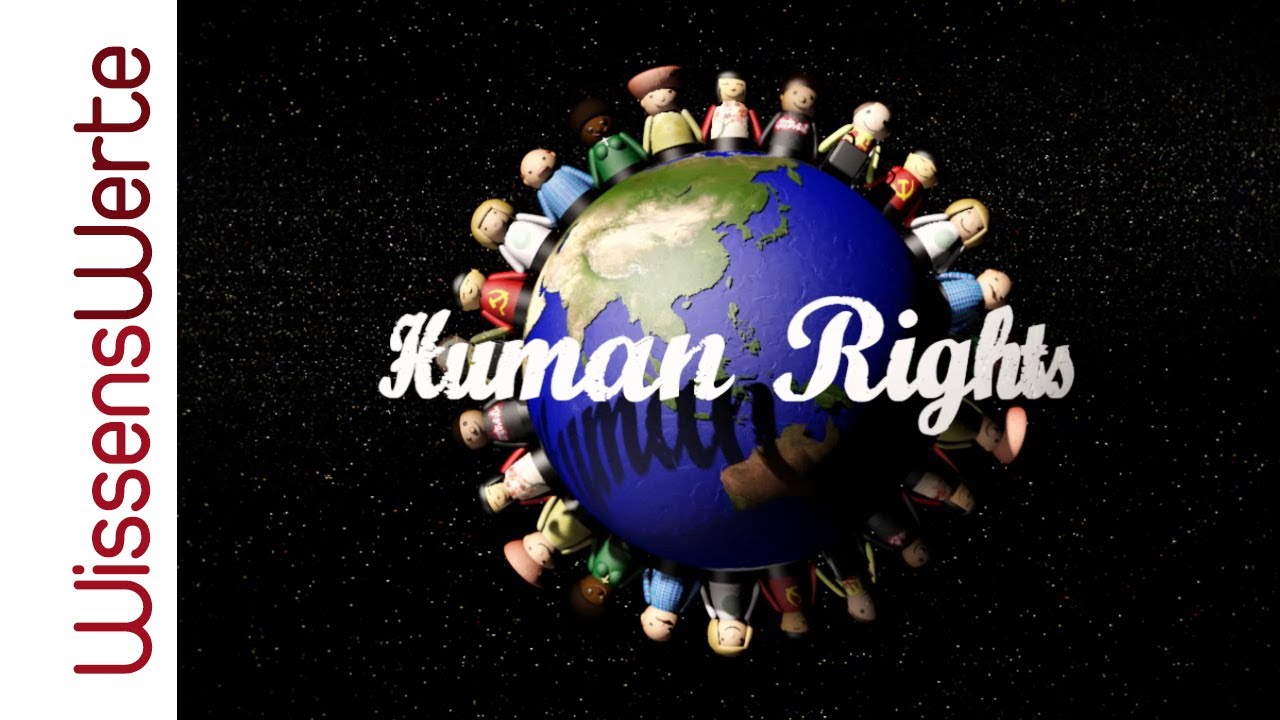

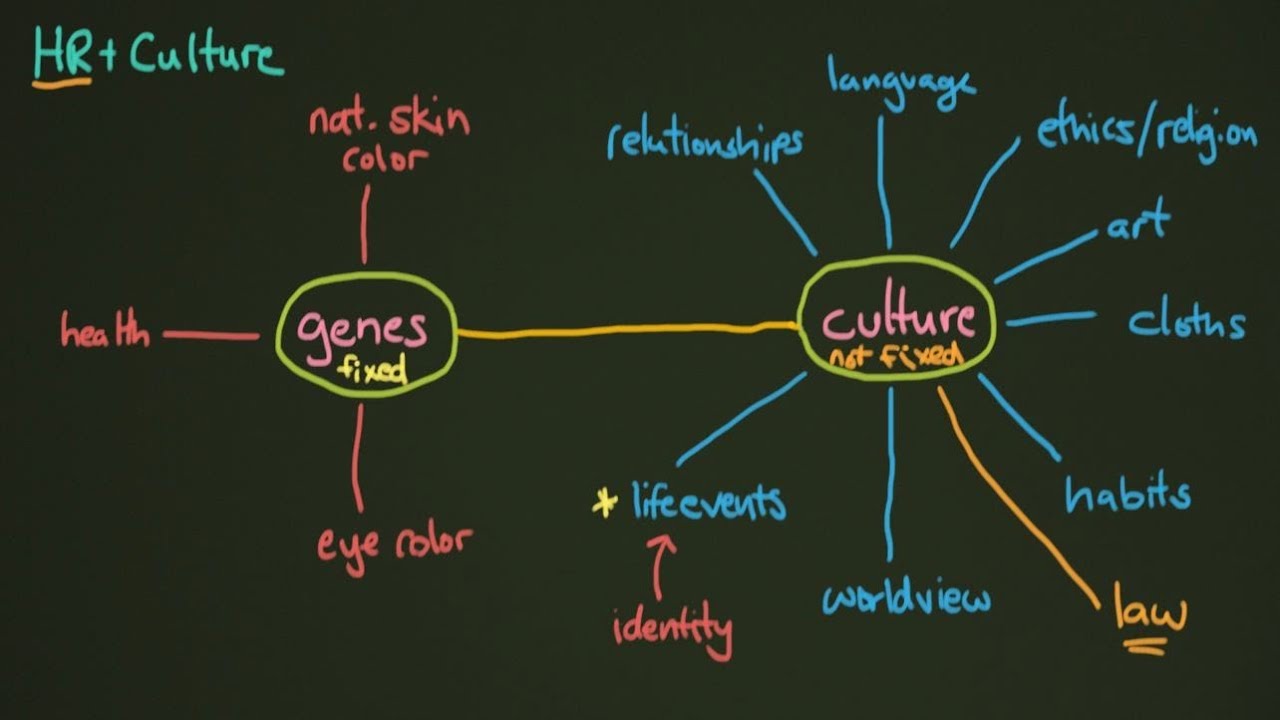
Culture is not a static, essentialized concept but a dynamic, historically produced system of ideas and practices that is continually changing; in human rights contexts, culture should be understood as both a source of identity and a potential site for transformation, rather than being viewed as either a fixed tradition or a national essence that opposes modernity.
Deconstructing Culture in Human Rights with Sally Engle Merry
Added:Understanding the philosophical debate between Universalism (the belief in universal human rights) and Cultural Relativism (the belief that rights are culturally dependent).
The concept of 'cultural essentialism'—the problematic assumption that cultures are static, isolated, homogenous, and unchanging.
Basic knowledge of the international human rights framework, including key treaties and the role of the United Nations.
An introductory understanding of how globalization and post-colonial power dynamics influence local societies and legal systems.
Exploring Sally Engle Merry's concept of 'vernacularization'—the process by which global human rights ideas are translated and adapted into local cultural contexts.
Analyzing the framework of Legal Pluralism, which examines how international, national, and customary/indigenous legal systems coexist and compete.
Investigating empirical case studies where human rights and local culture clash, specifically in areas such as gender-based violence, indigenous rights, and children's rights.
Critically assessing the role of local activists, translators, and non-governmental organizations (NGOs) as intermediaries in the human rights regime.
826 views11likes8:44Original Release: 2012-05-17
welcome to dialogues for change life is not a void to be filled it is a plitude to be discovered today I would like to share with you some thoughts on culture and um how to deconstruct maybe the notion of culture so that we can take it into account in a meaningful way in today's contemporary world the thoughts I would share with you are taken from a beautiful book by S Angel Mary on human rights and gender violence translating international law into local Justice deconstructing culture although culture is a term on everyone's lips people rarely talk about what they mean by it the term has many meanings in the Contemporary world it is often seen as the basis of national ethnic or religious identities culture is sometimes romanticized as the opposite of globalization resolutely local and distinct it sometimes refers to rural Villages and minority communities where life is understood to be governed by fixed Traditions within white settler states such as the United States and Canada it offers an apparently benign way of describing immigrant minorities racializing these populations while appearing to describe differences in terms of values and beliefs in international human rights meetings culture often refers to traditions and Customs ways ofing doing things that are justified by their roots in the past there is a whiff of the notion of the Primitive about this usage of the term culture it is not what modern urbanites do but what governs life in the countryside as I observed un meetings I found that transnational Elites often located culture out there in villages and rural areas rather than in here in their offices and conference rooms culture more often describes the developing world than the developed one culture was often looks opposed to civilization during the civilizing mission of imperialism and this history has left a legacy in contemporary thinking culture is also celebrated as Heritage a report from a meeting of the regional office of South Asia of Unicef in 1999 reflects this complicated set of meanings the report says that South South Asia has a vibrant women's movement with networks and a considerable body of knowledge but there is a need to change belief systems and modes of interaction and to recognize and promote basic rights a report says often cultural Traditions provide justifications to preserve discriminatory practices UNICEF must always review and challenge such practices that reinforce inequity based on gender class and cast such a position should not be ConEd true as a rejection of richness and diversity of age old cultur cultural heritage in the region end of the quote there is a dual voice that runs through this document as well as others violence against women is a product of traditional cultural practices which must be changed but cultural heritage is something to treasure there is a critical need for conceptual clarification of culture and human rights practice in so far far as human rights relies on an essentialized model of culture it does not take advantage of the potential of local cultural practices for change practices labeled harmful and traditional are rarely viewed as part of wider systems of kinship and Community yet they're deeply embedded in patterns of family and religion a more Dynamic understanding of culture foregrounds the importance of translators to the human rights process and the possibilities for change in local cultural practices anthropologists have spent the past Century theorizing culture and how it changes this framework defines culture is historically produced in particular locations under the influence of local National and Global forces and events cultures consist of repertoar of ideas and practices that are not homogeneous but continually changing because of contradictions among them or because new ideas and institutions are adopted by members they typically incorporate contest values and practices cultures are not contained within stable borders but are open to new ideas and permeable to influen from other cultural systems although not all borders are equally porous cultural discourses legitimate or challenge authority and justify relations of power of the Myriad ways culture is imagined in the transnational human rights discussions two of the most common ones reflect an essentialized concept of culture after describing these views I sure an anthropological conception of culture offers a valuable framework for understanding the historical and contextual features of specific social arrangements and the possibilities for change within local communities now in the next Pages she develops a little idea of culture as tradition the first way of essentializing it then culture as National Essence a second way of essentializing it and then she proposes the idea of cultures being contentious and here she writes culture defined only as tradition or as National Essence implies that Villages are full of culture but that there is no culture in the conference Halls of New York and Geneva yet culture is as important in shaping human rights conferences as it is in structuring Village Mor rituals thinking of those peoples formerly labeled backward as the only bearers of cultures culture neglects the centrality of culture to the practice of Human Rights un meetings are deeply shaped by a culture of transnational modernity one that specifies procedures for collaborative decision making conceptions of global social justice and definitions of gender roles human rights law is itself primarily a cultural system its limited enforcement mechanisms mean that the impact of human rights law is a matter of persuasion rather than force of cultural transformation rather than coercive change its documents create new cultural Frameworks for conceptualizing social justice it is ironic that the human rights system tends to promote its new cultural vision for a critique of culture these are very very very important and deep questions uh one how to De absolutize the notion of culture without throwing it away all together and also in very concrete examples as here in the human rights field how to take it into account without completely throwing away this idea of a shared human nature that we all have and that we tend to identify with the notion of the universality of Human Rights that's being very scared when suddenly we talk talk about cultures and traditions which we perceive as being a challenge of humanity a way of getting chaos into a orderly civilized way of living I hope that this thought-provoking insights fuel your own Reflections and inspired you on this Thursday 17th of May 20 12 thank you
Up Next

38:41
Astrobiology Through an Anthropological Lens: Field Insights
@georgiatechastrobiology
128 views•2021-04-14

15:00
Aboriginal Bush Law: Australia's Indigenous Justice System | BBC Documentary
@RuniTravel
79.9K views•2011-03-10
4:45
Proxemics Explained: The Study of Personal Space
@Vox
536K views•2016-07-05
10:38
Psychology of Internet Trolling and Pranks Explained
@AzzyLand
10.7M views•2017-12-20
Related Study Plans & Knowledge Roadmaps
Structured learning paths in Anthropology
anthropology
Space Anthropology: Analogs, Culture & Habitats
01Foundations of Space Anthropology & Cosmic Imaginaries
02Extreme Isolation & Micro-Societies in Orbit
03Space Analog Habitats & Earth-Based Simulations
+ 2 more learning modules
15h5 modules
Explore Roadmap
anthropology
Legal Anthropology: Customary Law & Pluralism
01Foundations of Legal Anthropology and Social Justice
02Legal Pluralism: Coexisting Legal Systems
03Customary Law and Indigenous Dispute Resolution
+ 2 more learning modules
15h5 modules
Explore Roadmap
anthropology
Global Tourism: Gaze, Authenticity & Heritage
01Introduction to the Sociology of Tourism
02The 'Tourist Gaze' (John Urry)
03Staged Authenticity in Tourism
+ 3 more learning modules
14h6 modules
Explore Roadmap
anthropology
Modern Kinship (ART, Adoption & Chosen Family)
01Foundations of Kinship and Family
02Assisted Reproductive Technologies (ART) & Relatedness
03Transnational Adoption and Global Kinship
+ 2 more learning modules
12h5 modules
Explore Roadmap