
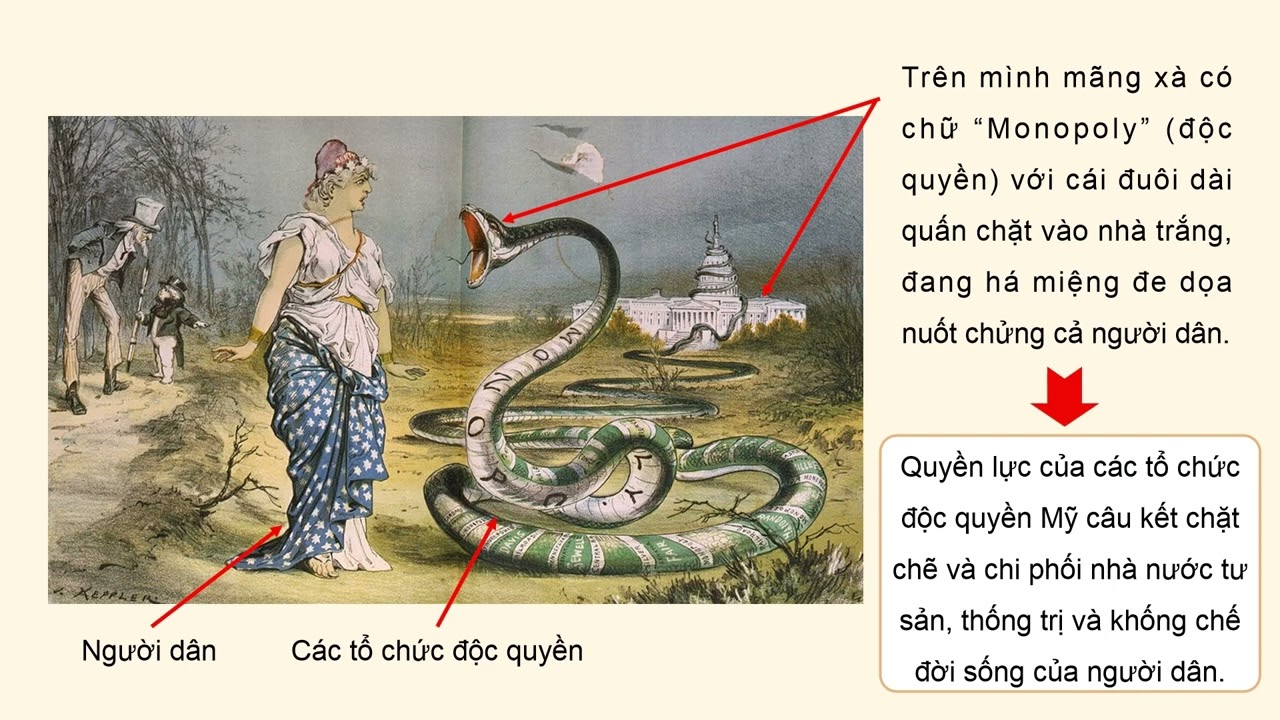
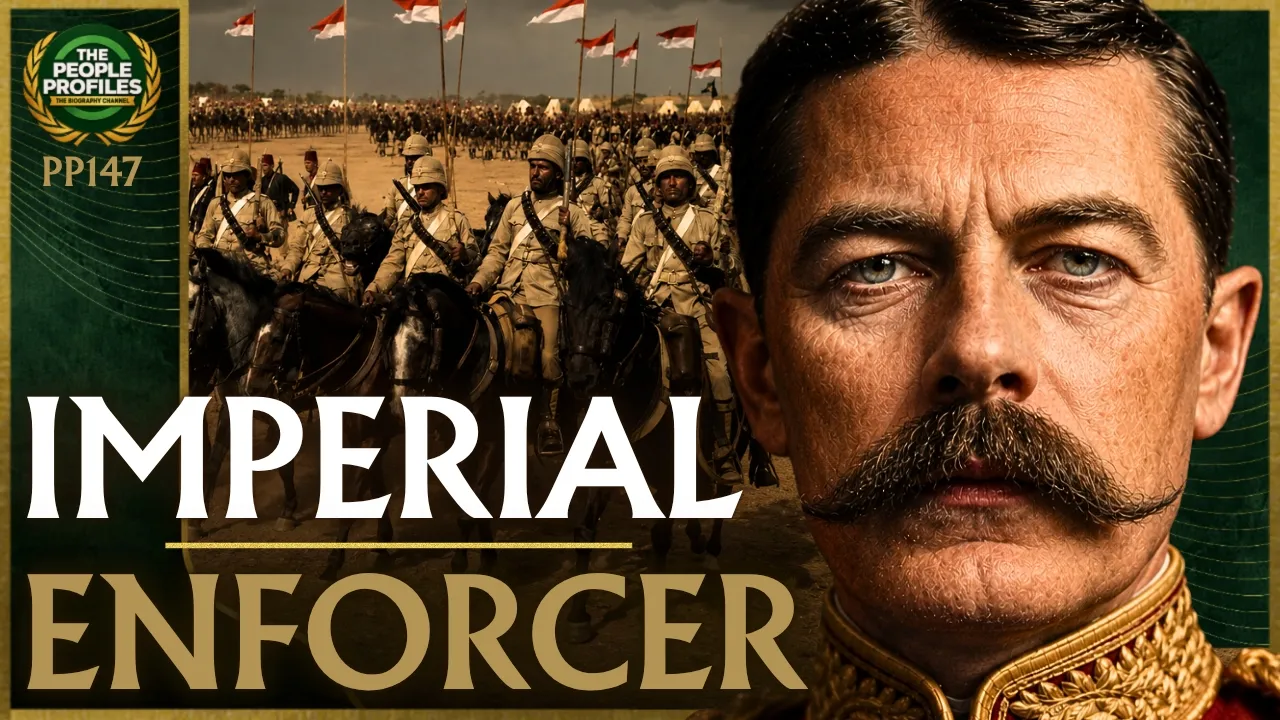














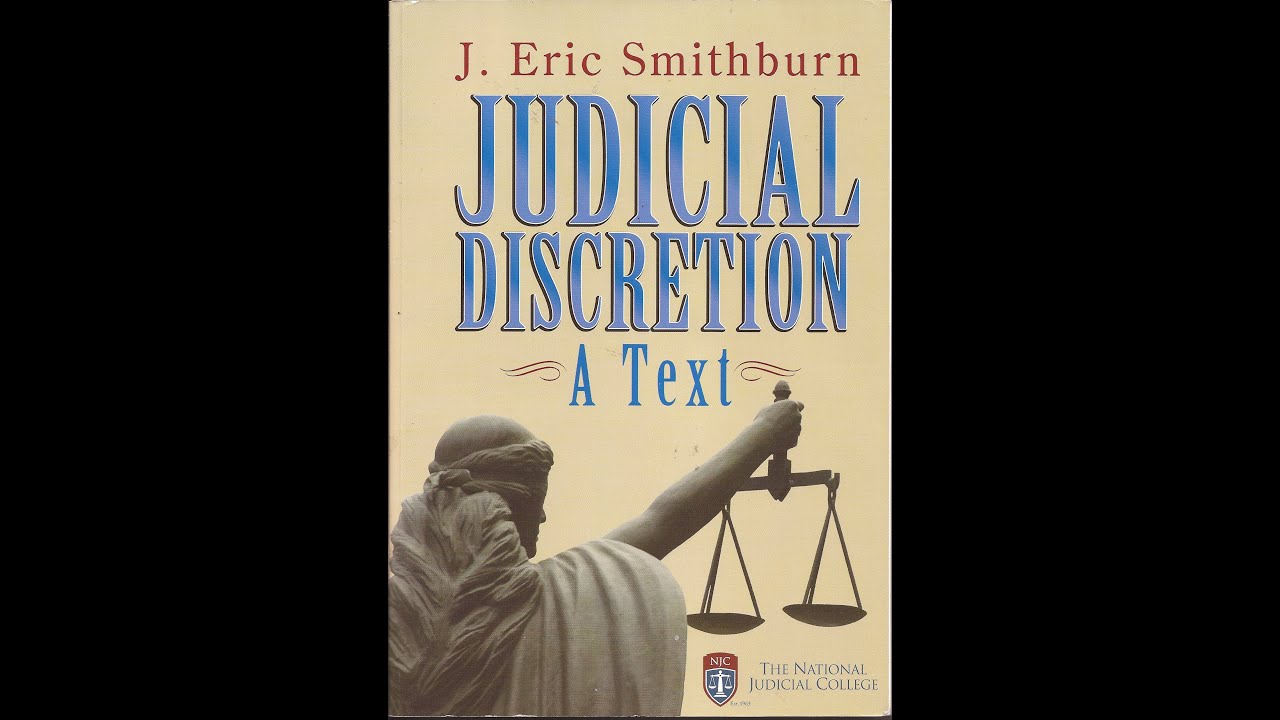
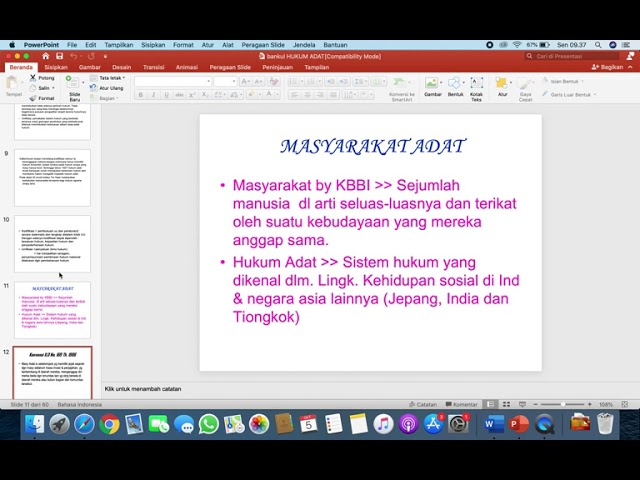
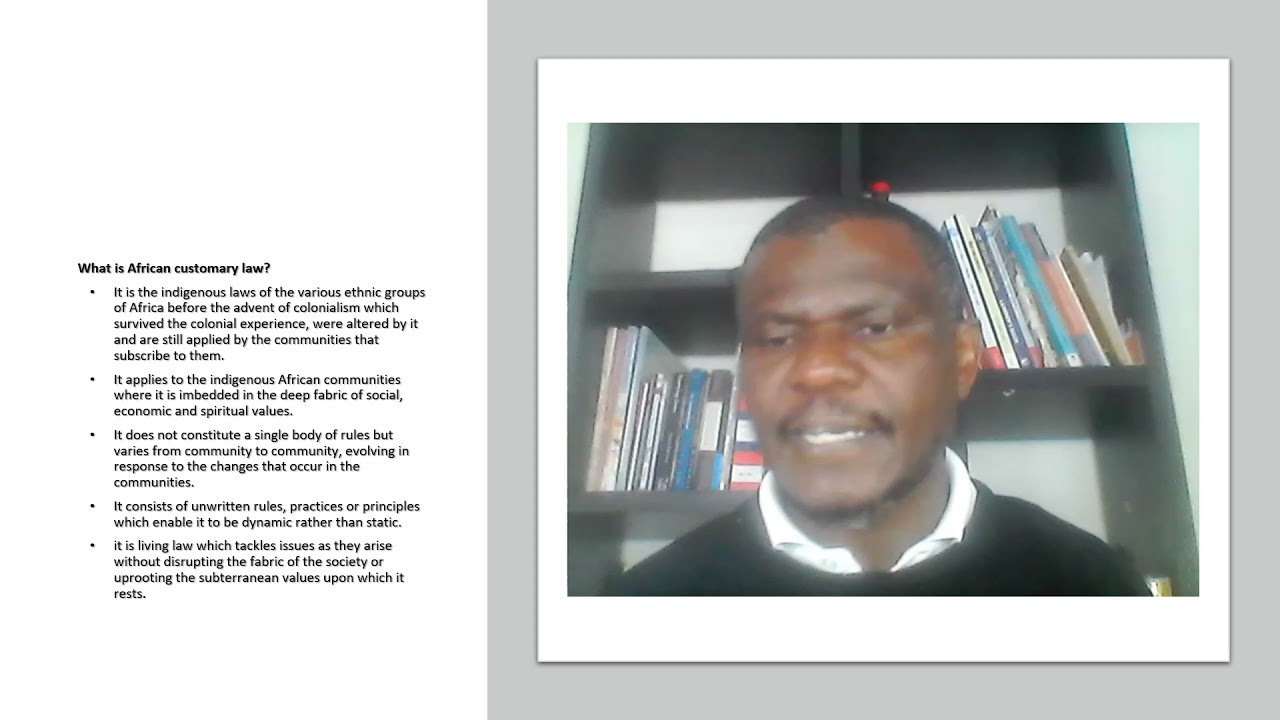

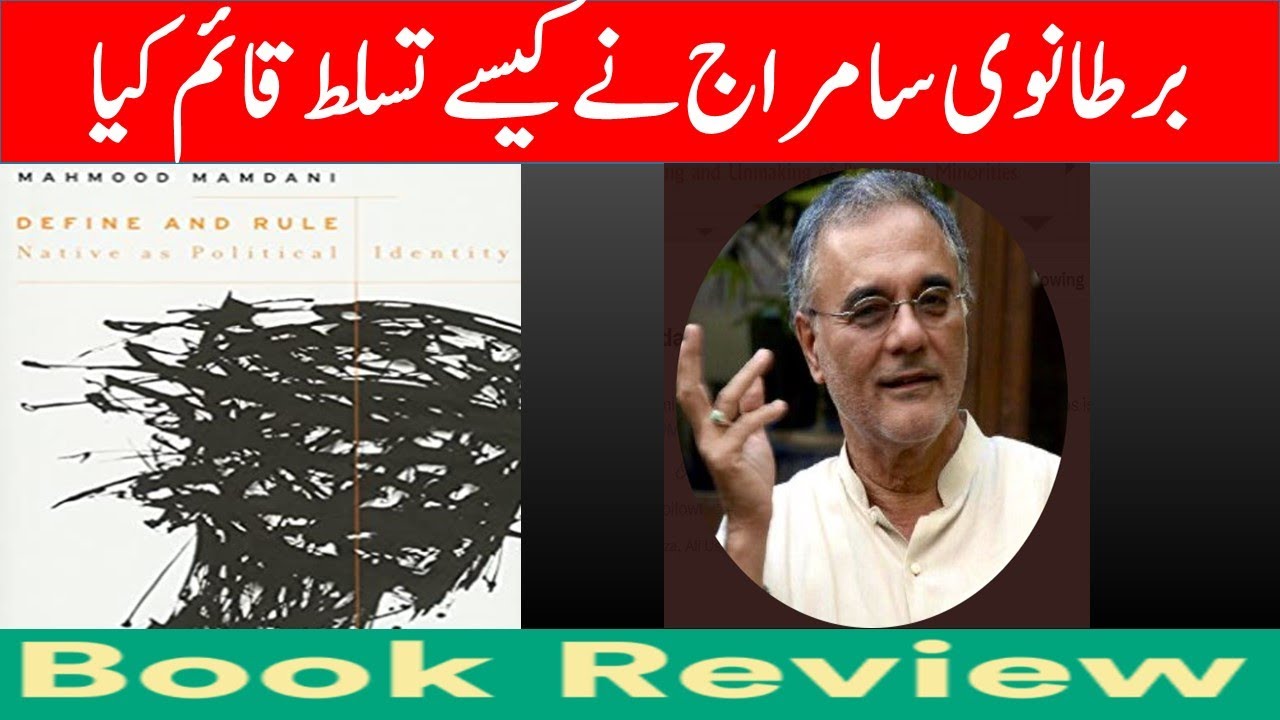








British colonialism after 1857 shifted from direct rule to indirect rule, which fundamentally differed from previous empires by seeking to shape the subjectivity of ordinary colonized people rather than just ruling through elites; this involved creating a legal framework that distinguished between 'races' (governed by civil law) and 'tribes' (governed by customary law), thereby institutionalizing ethnic and cultural differences in both political and social spheres, a legacy that continues to affect post-colonial African states today.
Define and Rule: Mahmood Mamdani on Colonial Governance and Native Identity
Added:Fundamental understanding of the British Empire's expansion and the historical context of late 19th and 20th-century colonialism.
The basic distinction between 'direct rule' (centralized administrative control) and 'indirect rule' (governing through local, decentralized traditional authorities).
The concept of social constructivism, specifically how political power and state institutions can define, construct, and institutionalize ethnic and cultural identities.
An introduction to postcolonial theory and the foundational ideas concerning how colonial structures persist in modern state institutions.
Deep dive into Mamdani's seminal work 'Citizen and Subject' to explore his theory of the 'bifurcated state' and the division between urban citizens and rural subjects.
Case studies of modern geopolitical conflicts (such as in Rwanda, Sudan, or Nigeria) analyzed through the lens of colonial identity construction and institutionalized tribalism.
Investigation into the codification of 'customary law' by colonial authorities and its lasting legacy on legal pluralism and human rights in postcolonial nations.
Comparative studies analyzing how other European empires (e.g., the French policy of assimilation) constructed native identities differently compared to the British 'define and rule' strategy.
Engagement with academic critiques of Mamdani's thesis, specifically debates regarding the agency of pre-colonial African societies in shaping their own identities.
6K views69likes1:47:54Original Release: 2014-12-13
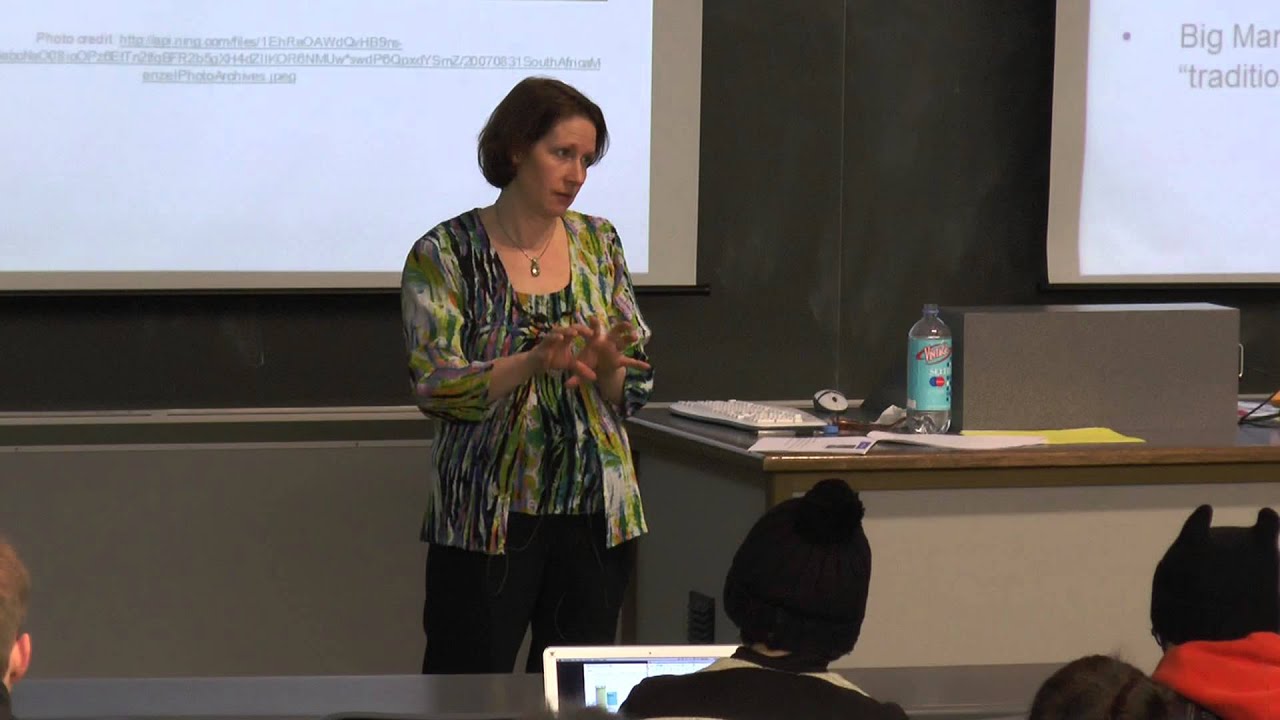
my name is David Harvey and I'm director of the center for Place culture and politics hosting uh this event uh and this is a time of celebration of uh for the publication of a book by mmud Mami on Define and Rule na native is political identity um I'm not going to go too long because we're starting a little late and we should get to the cut to the chase as it were Professor Mami is uh Herbert Layman professor of government at Columbia University and he's also executive director of maceri Institute of social research in maeri University campala Uganda he's the author of many books uh which uh I must say uh rather Splendid group of them Citizen and subject was the one that first came to my attention it's a fabulous book if you've never read it and there have been several more ever since including good Muslim bad Muslim America the Cold War and the roots of Terror and uh then uh sa uh saviors and survivors darur politics and the war on terror and uh the way we're going to proceed is uh Professor mamdani is going to talk for maybe 30 40 minutes about uh the new book and some of the ideas is presented in it and then we'll call upon Ali Jamal Ahmed who is uh professor and chair of the Department of comparative literature at Queens College in the City University of New York who will make some comments on it and uh uh then engage in a conversation with uh Professor Mami and then after that we will open it uh to the audience so without further Ado uh let me welcome Professor mmud Madam thank you [Music] thank you very much um I apologize for being late um er it was between the driver's uh inability to to find exactly where I was and my inability to communicate to him exactly where he could find me um so but here I am um I'm delighted to be here uh I don't think I've ever given a a talk talk a lecture on a set of lectures uh because this book is uh is a set of three lectures which uh I gave a few years ago uh the WB du boys lectures uh at uh the department of uh African and africanamerican studies at Harvard uh when I was giving the talk uh I was trying to understand uh the big shift in British colonial policy um which heralded a shift in generally Western Colonial policy I thought um I also thought that this big shift um suggested a that a move away from uh a common citizenship uh to the recognition of a difference uh in the political domain uh was basically a move that took place in the colonies and I thought this move uh began uh really as a response to a a a a deep fundamental crisis of British colonial rule marked by two events uh the 1857 Uprising in in India uh and Morant Bay in the 1860s in Jamaica um and then follow followed up some decades later by the Mahia in in Sudan the official British explanation of 1857 was that uh was to point the finger at uh unreason amongst the colonized um that uh over 90% of native soldiers in the British Indian army had revolted uh because these Hindus and Muslims their prejudice ER had been aroused by a rumor that the bullet it was greased with the fat of the pig and the cow uh so the former outraged the Muslims and the latter outraged Hindus when this explanation was presented in the British Parliament a member of the opposition stood up and asked how come this didn't prevent them from using the same bullets to shoot at us so the explanation was not bought in Britain nor of course was it really bought in most circles in India a [Music] British Scholars began a sustained and uh uh determined search into what had gone wrong why 1857 um why had the natives rejected the civilizing mission amongst the leading British thinkers at least the one who came up with a response that that held sway was the legal Anthropologist Sir Henry mne Henry mne was a member of the law Commission of the vice Roy of India after 1857 and Maine pointed the finger at uh English utilitarians and evangelists main said the fault was theirs they were mistaken to think that India was like a blank slate and you could write the civilizing mission on it as you would on a blank slate they were mistaken to think think that natives had no agency and that actually The Only Way Forward would be to understand the agency of the Native and to understand the history which had forged or through which that agency had been forged and Main wrote a series of books the best known of which is ancient law but a number of others um which set about the task of of understanding this history and this agency now Maine was not the only one in a sense he he was among a number of thinkers in Europe at that time middle of the 19th century who sought to distinguish the west from the rest of the world um there was Ferdinand the tonis who distinguished between gine shaft and gazel shaft community and Society there was Emil durkheim and his distinction between mechanical and organic solidarity unlike these two who were looking at the Historical development of Western Society itself and trying to understand what was it that cut off what they thought of as the past from the future or from the present tradition from modernity Maine was interested in the difference between the west and the rest most of the times they call the rest the east and he thought the difference lay really in U in a binary in a conceptual binary um of civil law and custom of law which is able to abstract itself from culture and is therefore trans supportable over space which can be the carrier of a civilizing mission and law which is still so embedded in culture which has failed to emancipate itself from culture that it's specially fixed he called it custom main thought that only the West which had gone through the experience of the Roman Empire had managed this feat this feat which emancipated reason from culture and in his book he is constrained to explain why um Arian groups those who spoke a body you know of this Indo Germanic languages why some of them had not managed this feat such as India and Ireland and his answer was basically that they hadn't gone through Roman Empire the problem in these places was that they tended to idealize law and because they idealize LW they were unable to change it this was this inability to to change law and to hold on to a fixed custom is what defined these societies Maine had an interesting critique of uh John Austin and of Austin's account of Law's command positive sovereignty his positive command M argued that really sovereignty could not be understood as just command men and that's the language they spoke then men obey a great mass of rules not because they are commanded but because they understand these rules as part of Convention as custom M contrasted the most uh tyrannical of Indian rulers like Raja Ranjit Singh in Punjab with Western rulers and he argued that Ranjit Singh made commands but never a law his subjects did not live by the commands he made his subjects lived by custom administered by Village tribunals he argued that absolute rulers in the East they tax but they don't legislate and Austin in thinking of sovereignty and law as command had actually abstracted from an entire history and that history was the history of the emancipation of custom for culture and the development of civil law so Main's critique boiled down to the point that the problem was that Britain had replaced custom by legislation in India and if you replace custom by legislation then you make it obvious to everybody concerned that they are being ruled by an external acive foreign power India he said had always been ruled by custom Never by a sovereign the solution would be to move back from rule by legislation to rule by custom good governance is local decentralized customary governance I trace this shift in the first part of the book as background to to Queen Victoria's Proclamation immediately after the 19 1857 Uprising and I want to read part of that Proclamation here's what Queen Victoria the the the heart of the Proclamation was a doctrine of non-interference in the private domain especially in religion and the queen said we declare it our Royal will and pleasure that none be in any wise favored none molested or disquieted by reason of their religious Faith or observances but that All Shall alike enjoy the equal and impartial protection of the law and we do strictly charge to enjoin all those who may be in Authority under us that they abstain from all interference with the religious belief or worship of any of our subjects on pain of our highest displeasure I argue that the doctrine of interference non-interference actually turned into a charter for allr interference for one reason the occupying power gave itself the prerogative to define the boundaries of that in which it will not interfere and then to Define the content of the authentic religion which which with which there was to be no interference and finally to acknowledge the authentic authentic Authority that would define and Safeguard religion in its pure form without external interference so it gave itself the right to define the authentic religious Authority the authentic religion and the boundaries of that religion there are SCH here tal Assad in particular who has written with great erudition and insight into this question of religion my purpose was to basically point out that this was a political project it was a political project to Define um allies of custom and to Define custom itself and to define a platform for the defense of that custom and thereby the defense of those allies in order to stabilize colonial rule I then argue how the language of colonial power moved from one of non non-interference to one of protection um protection either from the the effects of the market or protection of minorities at first Muslims as in the first Bengal partition of early 20th century then of siks different minorities the language of protection of course has come into its own now with it's become a central part of uh the Lang anguage of contemporary human rights the responsibility to protect uh this language in my view really begins with a British colonial power in early 20th century so this chter of non-interference was actually it masked a vast ambition and this vast ambition was to renegotiate the boundary the authority and the subjectivity of those who were to be ruled I argue in the book that what distinguish British colonialism um from all previous Colonial Powers including Roman um imperialism Roman EMP Empire what distinguished it was that all previous Powers had sought to to rule through native Elites either in a PCT or through a simulation Roman ambition in terms of a Roman citizenship was basically directed at colonized Elites Roman citizens in the west were basically Roman soldiers and colonies of Roman soldiers in the East Rome integrated entire communities not individuals individual citizenship was basically extended to magistrates what distinguished British colonial power was that it sh sought to shape the subjectivity not of the elite that was the project under direct rule that was the project of the civilizing mission what changed after 1857 was that a massively ambitious project unfolded the objective now was to shape the subjectivity of ordinary people to Define custom not out of thin air not just to invent it as has been argued by some people but to actually sift through to sift through a history to sift through a history in order to identify the most authoritarian elements in that history to separate the authoritarian from the emancipatory and to build a notion of custom on an authoritarian Legacy to identify allies who had legitimacy but had little power who are under threat of displacement by new forces and to do this in a language of inclusion the construction of this custom and customary rule was at the same time the construction of a regime of difference so I want to give you an example um in the book I discuss uh uh India and I discuss uh very briefly the Malay States and uh and I uh AE uh and and the uh Dutch uh islamist har um who is brought to a to sort of advise on how to put down an Insurgency which has been going on for almost two decades and who arrives at more or less the Sim an answer similar to that of Maine um but then the most of the book is about uh it's about Africa especially parts of Africa colonized late 19th early 20th century so I asked the reader to uh I ask you to think of uh if you think of census you know I think a census gives us you know if an economist wants a description of income distribution equality inequality they go to uh uh national income figures on a single page you can get a listing of groups by income if you're interested in in how people are governed a sensus is a good starting point if you look at the senses of most African countries 20th century in the colonial period you will find that the population is classified under two headings one is called races and the other is called tribe nobody is put under both you either are classified as a race is belonging to a race or is belonging to a tribe and when you read it and you ask yourself who gets classified as a race and who gets classified as a tribe of course the first impulse is who think that maybe race is colonizer and tribe is colonized but that's actually not the case number of colonized classified under race usually those who came as immigrants from outside people like me people of Asian origin or those who are classified by the state is not indigenous people like cards in South Africa people like tootsi in Rwanda so your first realization is that the distinction between race and tribe is really not that between colonizer and colonized it's between native and non-native natives are classified under tribes and non-natives are classified under race so the second question I'm I'm basically trying to describe how Main influenced a new kind of statecraft okay so the second question which arises is well what difference does it make whether you get defined as belonging to a race or a tribe the difference it makes it decides the law under which you will have to live because all Races lived under civil law and all tribes lived under customary law civil law was a single law for all racists whether you were from Europe or Asia or or Arab Arab was a race or colored or toi you all lived under a single law which had internal discrimination based on race but single legal structure tribes lived under separate customary laws so you ask yourself why the answer was that this legal pluralism was meant to respect difference but then you ask yourself that the racist came from all parts of the world they spoke mutually unintelligible languages they different historical archives even different cultural definitions different religious affiliations and yet they were ruled under the same law tribes were neighbors right languages were belong to a single family usually you could hear one another as the expression goes there was a shared history not the same history but a shared history and yet tribes were ruled under separate customary laws so the answer was not really culture the answer was polit political it was political in the sense that if you live under a single law you're meant to have a common Destiny if you live under separate laws you're supposed to have separate Destinies the two legal systems were entirely different in orientation they corresponded to Main's notion of the difference between civil law and custom civil law in fact was very much like English Civil in English English common law which you would think is custom but it was not custom as defined in the colonies English Common Law changes with circumstances English common law gives you different Vantage points different perspectives different interests but customary law in the colonies was not supposed to change any change was considered a corruption the definition of custom was that which was purest which existed at the beginning in this sense actually if you think of the Contemporary notion of fundamentalism as something which traces its Essence to the beginning and then forces uses Force to compel its observance that actually happened that was the construction of customary law under colonial power my argument is that we know we know colonialism as the hot bed of racism right we know it as a time when the majority of the population the conquered colonized population was distinguished by race and disprivileged um but I think that's half the story and actually that's the part of the story which has had the most problem surviving Independence there's another part of the story which is that which stems from the fact that colonialism was actually based on two different axes of discrimination one was the axis that divided natives from non-natives race the other was a form of discrimination based on what was called tribe which separated one group of natives from another group of natives on the basis of a separate Homeland and a separate customary law and a separate customary Authority the first project the moment a colony was stabilized the first project was always massive ethnic cleansing to get everybody to move to their rightful place their tribal Homeland the second project was to Institute a native Authority in the native Homeland land and the native Authority was supposed to be a custodian of customary rights and customary rights were about two things one about land the right to land belonged not to everybody who lived in the area but only to those who came from the area and the second was the right to participate in governance the right to participate in governance meaning the right to be appointed a subchief or a chief or a village Chief or a district Chief also belonged to only those who came from there everywhere the population was multiethnic but everywhere customary rights became the rights of only those from the land it was a legal setup which was bound to trigger in time conflict between ethnic groups who lived in the same territory I don't want to go on for for too long there is after all the book so the rest of the book is actually a a third of the book um discusses two different kinds of responses to this colonial statecraft which comes into being post 1857 India but really comes into full force in early 20th century Africa so the last third of the book traces two responses it traces the an intellectual response to the kind of his stereography that was that followed Henry M's propositions um and I trace a single historian uh YF Bala Usman um a Nigerian historian from uh amadell University um Yousef passed away some few years ago but I last met him in about 7 years ago ER in um in zarya um at Abu at a time when Sharia law had been introduced in Zaria and and yfu said said mmud let's go and have some drinks and um Cho roasted meat I said but you have Sharia law here I mean you know how where are we going to get drinks and roasted meet he said no no no the university is federal territory different laws operate here so he went to the University staff Club had several beers and and and roasted meat in and I noticed lots of people coming in with suitcases and going out with you know zipped suitcases but pointing in different directions kind of you know bottles are big you know glass bottles and they're not cans we had a nice evening so um I I I think of you of Bosman as a as a as a as a historian ahead of his times you know and and the second response that I discuss is not an intellectual response as much as a response in statecraft and and that's uh about mimu Julius n in Mainland Tanzania um and and it is about n has been understood basically as the author of Jama and as a sort of idealistic intellectual who strayed into power and made a mess of it by trying to build doj um but I argue that really n project was very different um it was it was basically to to uh to create a nation state to decolonize the state um and and and and n's greatness was to recognize that at the heart of colonial power um lay not not not not not not the force of violence but really a a a a legal administrative system it had brought which survived the colonial power and unless that project was dismantled this project of civil law and customary law and different customary authorities each in its own tribal Homeland um and I I put forth A A A different kind of narrative which seeks to explain what he did and didn't do as an outcome as a Pursuit as a successful pursuit of this particular project um and I argue that really the Hallmark of nier's success is that if you look at that part of Africa um eastern central Africa you will find that in every country except Mainland Tanzania you have had one kind of either ethnic cleansing or ethnic killing um and that it was actually the the dismantling of a of a legal administrative apparatus which politicized a a ethnic difference um and and and and generated a a conflict ethnic conflict uh it was that dismantling which was the real explanation of this fact so I thank you [Applause] hello I told uh bad Mei a little while ago before we came here to this um um uh room that I came here to listen to manani and not to talk about his book but now let me say a few things about the book which perhaps sometimes would overlap with what Mahmud uh uh talked about the book and I've been reading the book for the last two weeks actually and it's really an amazing book you look at the book and you sort of really see and mmud himself mentions in the last paragraph of the book that this is a small book but that's really a Miss sort of characterization of the book in the sense that what you have here is a book that has depth and breadth and a book that really it takes you so much to sort of digest and understand what the book is about the inspiration Mahmud writes for these lectures came from two sources the first from a reading of Web du's book the world and Africa in 2007 here Professor MD Mahmud underlines the importance of du's title Africa in other words in that title the world and afria AFC is given a voice it becomes its own agency in other words the conjunct conjunctive here and is not only a cabula that connects the world to Africa but it also functions as an antidote to earlier Mis perceptions of Africa as a baren un civilized and mute place as manani explains this meant quote writing about the world from an African vantage point and quote the second empasis for writing this book the book came from a question Professor Andres isit who was then the vice Chancellor at at Ababa University in Ethiopia and who was uh not long ago he still is actually a minister at the prime minister 's office in Ethiopia but where Andress AIT following a lecture Mahmud gave on British indirect rule asked Mahmud quote how he asked Is this different from previous Empires and quote mamdani was not impressed Mahmud was not impressed with his response to ait's question that he quote left with a distinct feeling to give serious and further thought to this question unquote and that serious thought produced this book and in that sense we should really thank Professor isid for asking that question the focus of the book uh is to trace the history and Locust of the indirect rule state which Mahmud mamdani understands as quote a quintessential mod form of rule in a colonial setting and quote he clearly demonstrates how indirect rule differed from code modes of rule in previous Western Empires including Roman and Bri British direct rule before mid 19th century and French assimilation before the early 12 20th century turn to Association the differences and quote the differences are revealed in two important ways previous Empires put a premium on quote concrete Elites rather than the mass of the colonized unquote they aimed in other words quote to eradicate differences through a policy of cultural and sometimes political assum ation of colonized Elites and quote indirect rule on the contrary not only a canaled difference but it also shaped the operative word here is shaped which is mud's word not mine manani shows the pitfall is associated with managing differences in the sense that how do you ensure that the Gin the devil does not create or engender uncontrollable convulsions once you have tried to manage differences Mahmud argues that it is under indirect rule colonialism that the definition of management code of difference was developed as the essence of governance the difference between the modern democratic state and its Colonial vers is this he says quote the modern State ensures equal citizenship in political Society while acknowledging difference in Civil Society but its Colonial counterpart institutionalized difference in both the poity and Society end quote in other words in the colonial IND direct State then citizenship mmud argu was quote in the exclusive domain of the settler in other words to sustain the settler Ron the for example the category native was created as a political identity the dichotomy revealed the inefficacy of existing colonial policies but this also depicted an Empire as mmud says in crisis it is here what in intellectualist came to the rescue you heard mamm talking about Henry Maine and Henry M this Oxbridge sort of kind of guy who in a way sort of looked especially at the SEO Mutiny in in India in 1857 and people were here saying how did this really happened and Main said I know why it is because we sort of really focused on the colonized Elites instead of sort of the mass sort of the the Indian majority in other words he said we should not really have focused on the Sanskrit texts for example we should not have over relied on uh the brahminic sort of U uh codes but we should have focused on the Hinterlands in other words as opposed to basically to the urbanized Cosmopolitan coast and here then he came up with this idea to get out of this sticking point he was saying we have to rethink as mamm K said the technology that sort of undergirds governance the colonial sort of uh governance here Mahmud shows the sort of Ru is used to marginalize the so-called native the designation does not connote or denote quote a condition that's original and authentic and there in lies the irony that he talks about the native is called a native not to suggest denote or connote that that is uh original or authentic under indirect rule native Authority assumed the governance of the Native this Authority as mamm said a little while ago claimed to be faithful to tradition and custom land and governance fell under the rubric of native Authority homelands were created and each home became the designated place of a native tribe but Colonial privilege though mimicked the policies that prom ated differences in the first place racial and tribal as muham talked about now later in the book in the case of mimu Julius Neri the first the father of of of that Nation we call today Tanzania anti-colonial nationalism Mamud writes was quote the antidote of enforced difference it underlined in other words he says our common Humanity when it came to the Nationalist project however there was no agreement and quote some he says wanted to turn the Earth while world of the binary upside down others wanted to create a new world one that would do away with the old political identities quote m says the only emancipation possible for settler and Native is for both to seize to exist as political identities and quote something here when I was reading this part I was really reminded of Raymond Williams novel the second second generation most of the times we forget that Williams was a novelist but in second generation he talks about especially Africa he was talking about what he says the person quote unquote a tribalist or a clan sort of minded must own his clan mindedness but make sure that they give it up and go through and emerge the other side or here what it seemed to me this would help the them to transcend in other words what uh the um um the Gyan writer Wilson Harris calls victim stasis and victory stasis and thus the need to really trans transcend those uh stases to make his arguments cogent Mahmud goes to the source in determining the scope and intellectual Origins of the phenomenon under his P perusal he threats out primary evidence and this is where really the book comes assumes a mantle in the sense that Mamud goes to the source here as we said before and as he talked about the focus is on Henry main who it seems as we said before came to the rescue of an empire in crisis the first chapter of course I won't be saying more uh you will have to read yourselves but the first chapter contextualizes the need for quote a new form of colonial governmentality which mahamud borrows from fukko as you know Maine Henry Maine is the main focus of of this chapter quote through a theory of history and a theory of law main creates binaries that separates the west from the non West and a universal civilization from local custom in the process mamm says he distinguishes that is main distinguishes the settler from the native I will uh skip Parts uh in the interest of time and we will have enough time perhaps later on to ask questions and for me to also ask some questions uh here the second part of that chapter focus is as mamm said the m and here again it is the BR Colonial sort of powers trying to in a way distinguish from what they call native and asle for example original authentic sort of Natives and in the case of Indonesia what the ddge did in AE in Indonesia he also talks about the second chapter which called nativism the practice the the first chapter basically was nativism the theory and this theory was put forward as he mentioned uh Main and other uh intellectuals in the west the second chapter then talks about nativism the practice how that theory was now put into practice and he talks about the case of the Sudan and there is no need to sort of really go back to to what muhamud said the Mia and its pan Sudanese a agenda but here is where it becomes really important to understand the Mia basically was a pan Sudanese movement in the true sense of the word all tribes in other words could sort of really find themselves signified in its its National idiom basically what the British did then it used it tribalism to defeat the M chapter 3 talks about it's titled Beyond settlers and natives the theory and practice of colonization here again mamm uses uh the intellectual critiques of Yu bman and also Kenneth dick and also Abdullahi Smith all from Nigeria in which they talk about the idea of of how colonialism really created narratives but not only created narratives but denied his toricity and history to the so-called natives the last part of the book which is the second part of the last chapter was is on uh Wu Julius Neri that Mahmud uh talked about and of course Julius Neri as you know was the father of that Nation as we said before of of of Tanzania but before that of tankana now this is an intellectual a formidable intellectual who even before he became the prime minister of tankana translated two of Shakespeare's plays merant of Venice and Julius Caesar and there in lies the importance of of of this uh of of mimu Neri I'll stop here and I will sort of ask Mamud some questions to to um start with and and I will make sure there is a Somali proverb that says those who are next or standing next to the pot the cooking pot always take the best parts the juicy part I will make sure that that won't happen I will ask him only three questions and then you will have enough time to ask thank you [Applause] [Music] [Music] I start with uh that last part and the idea of AMA and that whole really the way he decolonized it as as you mention in the book but there's a place that you say it was was not like the Lenin sort of thing of Smashing the state and yet muu if you sort of think about especially in terms of of the the aborted CP you would sort of really assume that he uses some kind of violence in the sense even though that sort of violence to me was a kind of Redemptive and not a delinquent one does that make sense sure um well mimu was not averse at all uh to use violence uh in the interest of stabilizing power um I don't think to uh uh just stabilize his own position um there were two uh major instances of of use of violence uh the first the one you've mentioned was the use of violence uh after the uh Mutiny 1964 uh um and the arrest of number of opposition leaders um and particularly the the arrest of leaders of the um the African National Congress um the African National Congress opposed opposed tanu and mimu from the left the African National Congress argued ER that um er the Tanzanian citizenship must be defined as the citiz as as a as a prerogative of the Native uh it must not be a citizenship based on residents uh it must not be a citizenship based on simply the legal fact of uh having of either having been born in the country or but actually should be based on descent uh in other words uh the the the the Tanzanian African National Congress basically wanted to turn the world the colonial world upside down but without changing its logic it saw the world as as a world of of of native and and non-native um and it also demanded that it's the native who should have priority in um um education employment uh state employment in particular uh it demanded a what is called now an affirmative action program uh but a permanent affirmative action program for for natives a mu Liu's U response to it is very interesting uh I think it's response to it is is twofold one to uh to disagree in principle uh to disagree that uh there should be group rights um and and group limitations um so as a classic liberal in a sense as a classic liberal uh to to stand up for rights as rights of individuals and to identify colonialism as a system which created group rights and group limitations that was first but the second response in practice was one to arrest the leaders of this movement but to to adopt their political program uh in other words to to adopt the uh the affirmative action program which which he did um because I think over time there was a there was an understanding that if Injustice had been racialized um in some ways Justice would have to be racialized uh you uh the the the big debate was was about whether this would be a a permanent feature of the nature of the state itself or whether it would be a temporary policy measure the second case when Mal used violence I think was far more serious um and that was when the policy of of ojama ojama Vini the sort of Village based socialism as you would explain it um Collective ization of villages when this policy was adopted in the first phase it was basically meant to be a a result of persuasion and it wasn't particularly persuasive uh no more than 8 or 9% of of of peasants or or Villages became mua Villages um and in the next phase you had the use of massive force uh to to force peasants uh into into Villages uh the goal of collectivization was dropped but it became like any sort of Developmental measure just a goal of bringing people together into um to hurt them together in a sense into concentrated communities um so so that they could be governed and and the the reason given was often that so that roads could be built or electricity could be brought Etc um so basically in the book I argue that that you had to look Beyond this to see what it is that he accomplished um and and and to look Beyond this you had to see the ways in which the administrative legal inheritance from the colonial period uh was was radically and dramatically reformed MH and what would you say because when we look in East Africa as you know and you say this this is the most stable sort of really place to a certain extent early introduction of K the language oama that you talking about and the role of Education what was the role of Education in sort of um creating a cohesive sort of nation called it tan tanganika Tanzania um I don't think this is a subtle question yeah um and for the following reason um there's been a big debate on on on on education uh particularly language um here you have uongo the the Kenyan writer uh who who announced at one point that he would uh he would stop writing in English and he would write only in ki um and or or in gikuyu uh and sort of the two sides of the debate one side of the debate has has spoken in terms of uh [Music] um sort of cultural terms what is our own culture what are our own languages and decolonization means going back to to to our own languages and the other side of the debate has spoken in functional terms uh that since there is no single language within the country and since this is the this is the language of of the intelligencia then we should be speaking in terms of you know English or French or Portuguese uh whatever um and and uh it also gives us international access this is very much in developmentalist functionalist terms uh and of course the ironies is uh is this that uh um you know I remember being told well the irony is this that if you if you if you look at some of the most rapidly developing countries in the world today from China on um these are all countries which use their own language historically their own language in a sense you know um and and probably African countries um I would say the non-arabic speaking African countries are probably the only countries where the intelligencia speaks a different language from what the people speak um so so the the result has been in a way the creation of of a linguistic apartheid W within the country uh it means that uh most common people uh cannot access um public affairs in forly public institutions like Parliament courts they cannot access High culture uh they cannot access higher education um now in Tanzania there was kind of a halfway house um K was I taught at the University of Dar Islam 73 to 79 it was my first job um and my parents are both born in Tanzania and my grandparents some of them are born in Tanzania or Kenya anyway so um tanzia was like a halfway house because primary and secondary education in state schools was in kis uh English was taught as a foreign language then you came to the University at the University English became the medium of instruction uh and there was an Institute of kis studies so kis was like a foreign language in the University English was the uh and and uh now what has happened and and of course you would have the crisis of when you got students coming from private schools into the University they spoke fluent English and when the students came from State schools into the university they spoke you know not not great English um and it showed in their results because a the lectures were only in English the exams had to be in English Etc um so now what has happened is that instead of the University becoming niku the schools have adopted secondary schools have adopted English as the medium of instruction and and I have no doubt that with the schools for the wealthy it'll soon be primary schools also adopting adopting English so so this this question remains a troubled issue and I think it's a it's it's bound to be an important question as we go on um you know if you if you I remember 1994 we we had a cestria meeting in in alers um and this is the time when F the sort of islamist party was was about to contend elections um and the intelligence here was outraged alarmed and it became clear to me that that the main reason for this outrage was that F was going to change University education from French to Arabic and they would lose their jobs because they wouldn't be able they didn't have the facility to teach in Arabic they had the facility to to Converse in Arabic on the street Etc but not um so the real issues connected with real interests uh but they weren't about religion they were about language right really in fact I forgot about Gooby and the rest talking about language but what sort of really interested me the book especially the way you connected um what was going on in AA for example in Indonesia especially when you talk about basa Indonesia the language and what Saro came up with that idea of guided democracy and I was sort of really saying here you have Saro um and mimu when you compare the two Nations the two countries now you sort of see that perhaps mim's idea was was Far Advanced perhaps than than Ahmed SAR perhaps it's my I'll I'll take that as a statement yeah yeah it is it is U let me sort of um the title is Define and Rule and most of the times people sort of really think about divide and Rule and you talk about this in the book and you talk it about um if I were to ask you which in fact I'm asking you what's the difference well the difference is uh is is the following I think when the Romans um thought of divide and Rule they they they thought of it like a chess game with set pieces so the the identity of the pieces is given and then you bring them together or divide them um the the new thing about about British indirect rule uh was that identity was no longer a given that the whole point of of of of of of colonial rule uh was to shape and reshape subjectivities popular subjectivities was the whole point of colonial rle was to take command of what they call Custom thereby redefine identity so that's why I called it Define and Rule I mean it was an attractive title too I thought easy to remember it it is um if there's one thing that I take away with me is this injunction historicize histor size his story size and his story and you talk about this when you talk about B and also Abdullah Smith and his story in the sense and I assume you would agree with me that history is the Reconstruction of past events in the historian's mind and there in lies the problem and the problematic of sort of really um um history in the sense of of a finding and a making at the same time uh what do you think what do you make of of especially bal's contribution to this rewriting and historicizing the African past I mean I think Bosman was very conscious of of this this dilemma I mean he in fact this dilemma was at at the core of his thinking he was very conscious of the fact and he says it I quote him um extensively he he he says that history is written from the vantage point of the present um and and and the point of the history you write is that you have a problem in mind and that problem is in the present it's it's it's not somewhere else um so you are a part of this present inescapably you are a part of this present you are not outside of History you are right there within it you are inside that which you construct so there's this whole problem of objectivity um and he says the only way to tackle this problem of objectivity is first to become conscious of it is is is to move away from the pretense the illusion that you're outside of it uh that that you're God that you're not God uh you you're you're human and you and you're right inside it um third issue he raises is that the the categories through which you are constructing this past are all categories forged in the present um so that you are kind of constructing a past which you're presen ifying the past in a way so he sets out these problems and and then what he does is he says he he he gives you a critique of of a number of colonial historians um starting with Frederick bar the German um scholar Explorer um and on to many others and he said that all of them they came with fixed categories and the category was race and tribe um and and and and they wrote historical narratives based on race and tribe and they looked for racial difference they looked for the housea racially distinct from the fani and and and he said my project is different um and and in a way he first deconstructs it in a say doesn't use that language but he deconstructs it and the way he deconstructs it is is is that he shows um that you could actually look at tensions amongst the house you could look at tensions amongst the town-based Houser and the rural Houser uh you could look at the tensions between the Pastoral fani and and the r ruling fani and and you would come up with a different sense of of of of of how developments moved and and and took place and then he goes to construct and his construction is basically he says I'm interested in the question of how are we going to build a state how are we going to give build a state given this Legacy of British colonialism um and and his answer is that that actually the political Community has a longer history than the British acknowledged the British only acknowledged colonial era is a much longer history and let's so he proceeds to construct to narrativize that history of political communi the history of State formation so that's what his work was basically and and to show that the changes take place are better understood on the basis of a Criterion like residence rather than a Criterion like race or tribe as I said before I'm not going to take all the best juicy Parts out of Mahmud U the last sort of question for me is again talking about Bala and and the rest of them there is a place where sort of really says I am of before Adam in the sense that I really predate the sort of parameters within which discussion could really take place and the worry or history in the sense of the precolonial say for example how do we go through what was given to us around it perhaps around it and go to what was really if at all there's such a thing as the pre-colonial how do we go about resuscitating Reviving going back to the source as aaral would say when in fact it's the source itself is not the same nor the Ry is the same well there are people who tried to do that um there was two boys in Africa in the world who uh um who actually was the first to to kind of go to Egypt and Ethiopia as the source there was shop um who was a student in Paris when your boys was writing this but who never acknowledged the boys um and he created a a really a nationalist intellectual project um which in my view basically gave a a deracialized version of colonial history because Colonial history was always that Africa was civilized from up North coming down south the htic hypothesis right hamites came from the north down south and and she gives us the htic hypothesis except the hamites are negro the they they they come also from Egypt and and civilize um so the critics some of the critics speak of this as a NLO Centric it's just sort of thing of Africa as whatever lies along the Nile um and I think there is some substance to it also because uh personally I am more and more critical of uh you know the notion that Seas writes a history of Africa which goes uh all the way back to Egypt or whatever because I think that it's difficult to think of Africa uh before Atlantic slavery um I think that the notion of Africa is very much a product of of um that intensified slave experience of enslavement I think before it one has to think of regions um so that prevas Gama I think East Africa is much better understood as part of the Indian Ocean uh region I think the Congo Basin is better understood as a as a as a region I think West Africa and the west and North Africa as as as region around the Sahara in the Mediterranean and I think you know so on and so forth I mean um so I I don't mean by historicizing that we we we we eternalize whatever categories we we are using today I think we historicize the categories too we uh I mean there is the the question that Bala man asked to which I suspect there is no um single and satisfactory answer which is that we are part of that which we write about um so that we are um I'd love to hear your response to this yeah uh um we are implicated in whatever we're we're implicated in what we what we what we do we one last sort of question which personal basically you already asked me two last questions ah no I know but you're talking to the Somali you're talking to a Somali that last one why did you forget to throw the somalis in the mix huh can you imagine if I'd written about about the somalis and have have us discussed you would have roasted [Laughter] me I actually no I I I I I didn't uh um I didn't forget I I I had no ambition to write about everything um I I had an argument to make er and whatever I wrote about helped me make the argument and and so it was taken from wherever I had studied and whatever I had studied in a sense so so it's not a it's not an it's no attempt to write an encyclopedic like any part of Africa you turn to the index you'll find yourself there and then you find something in the text no no no it's not there um so it's a modest book when I have vast Ambitions I write about Somalia one last question I'm kidding I'm kidding yes yes a um I hope you will not think this unfair but I mean I think you always bring a powerful analysis to real important worldly questions and I wonder if you would apply your understanding of what Neri did to Syria and whether or not you would say your your understanding of the new colonialism of Britain somehow teaches us something to understand about that country and its troubles I haven't written a book on Syria I I look it's an important question to which I would like to hear an answer also but I don't have an answer not an answer I can give publicly no I'm I'm you know okay some uh oh go ahead sorry all right um you'll probably have the same response to my question um but I I'm I just wanted to throw out there if uh the head of a given African State came to you and asked for advice as to how to reconfigure the administration of the state the legal um institutions of the state going forward and you can pick a particular African country if you like what would you say uh nobody has asked me I mean look uh uh you know this balance between a a a common citizenship and uh and the cultural difference okay this this relationship is is uh is kind of the nut to crack uh in in um I'm thinking of Uganda or similar contexts um it is I have been a proponent um sort of Weighing on the side of common citizenship for a long time um and yet I noticed that over the years um well I was a proponent of the unitary state and I'm gradually moving on to uh position of a federal structure um but I am very critical of federal structures like in Nigeria for example what came out of the Civil War um I'm I'm I'm very critical of the of the federal character principle um in in in Nigeria the the the Constitution that came out of the Civil War says that uh key Federal institutions must reflect a federal character and the key Federal institutions are the Civil Service the Army and the federal universities and to reflect Federal character means that recruitment in these institutions should be based should be based on ratios which reflect the proportion of population in each state in Nigeria and and that's fine but then comes the problematic Next Step which is that who can qualify who can qu who can compete for these positions and the answer is only those indigenous to the state and then you ask who is indigenous to the state then the answer is only somebody born of a father born in that state right so this disqualifies the most dynamic sections of the population whether they are workers who have moved and got jobs somewhere else or landless peasants who have moved or uh Traders and Merchants and craftsmen who have moved or industrialists who have moved or intellectuals who have moved whatever but increasingly a a you know I think that we have created in the African context a version of federalism which has put the colonial Logic on a pedestal because it's not a federalism based on territorial affiliation it's a federalism based on group definition based on descent and that's hugely problematic um so if this person who invited me was from Nigeria I would say that uh that the first thing is to think of an alternative to to to to to Federal character um it's you know in in I mean in in many African countries we have if you take let me give you a second example you if you take take kenyaan take the violence in Kenya okay the rift valley violence in the rift valley um and this violence is even though they've got the international criminal court putting six people um sort of taking them to trial the real cause of the violence is the land question on which politicians feed but and and and and the land question in in the rift valley is that you have you you the British solution to to the end of ma Mau Uprising um was to give large amounts of land to those who collaborated with the British on the highlands and to resettle the ma Mau in in the rift valley and to displace poor peasants in the rift valley now you have two sets of Demands for land in the rift valley each based on a different notion of Rights one group says those who were displaced in the rift valley the poor peasants who were displaced say this is our tribal land they are demanding rights based on British colonial system the other group The Mau who were brought down from the highlands and who got the land down there they are basing their rights on a postc colonial logic we are Kenyans and we have rights to land here right and our rights are Market based in a sense um I mean we have real issues was the same question in darur if you looked at that conflict around land between those who came down from the north and and and and those who were the peasants around jabal Mara said this is our tribal Homeland you can't come here the other guy is saying no we are as Sudanese As You Are there's the drought we have no way of making a living we're here um this the Middle Belt Nigeria I mean I think we have ER quite often we have a conflict of right against right ER and and and and there's no single solution there's no there's no magical Solution that's what I mean uh there are three people standing so I'd like to take the last three questions and then we can wrap up so let's go over here thank you for always Illuminating uh presentation um I was curious this maybe a little bit far field but I was curious if you had encountered in the materials any in British colonialist materials any references to uh the situation of American Indians Native Americans and legal precedent and categorizations that always seemed to me very neglected in questions of race and colonialism and whether there had been any attention paid that you had you know encountered maybe we can go over here and get the two more questions I just wanted to ask about Tanzania today and kind of I mean you already talked about the present and in looking at history and how it follows you whether kind of the reassessment of newer is being done because of what's going on in Tanzania today and and if it should if your text should be read in that context and and how these issues are playing out in contemporary Tanzania okay last last question ni just a clarifying question maybe uh U you define I mean you describe in Define and rule the new set of new kind of colonial governmental that emerged and I'm just uh thinking uh is it only within the British uh Colonial uh response to the crisises in the late 19th century or if it's not the Define and Rule kind of colonialism how does it sort of uh I mean uh get replicated in other Colonial uh rules so that's okay all yours yeah thank you um well Native Americans um I I remember doing work in the archives in South Africa and um period before 1910 okay 1910 is when uh the South African government set up native reserves and they you know declared I think 87% of the land is white land and 13% of the land as native land um so before before they did this they sent a delegation to North America to study how to do it um because it was first done here uh which is the reservations like from 1850 onwards the California reservations and then of course Lincoln stepped up putting Indians in concentration camps basically with the Civil War um and then after the Civil War and I became convinced uh and and and I intend to write something about it that if you look at settler colonialism all key institutions of settler colonialism were devised in North America they were devised in North America and exported from here um and and and the key institutions are creating a native Homeland the the reservation itself right creating a native Authority uh which is completely undemocratic based on a very authoritarian version of native custom almost totally dependent on a a an external the external power which backs it up um and creating a separate law uh for for each native group defined now as a tribe um and and I Define tribe I I don't in the book I don't Define tribe as a as a as an as a cultural group I Define it as an administrative entity that's what really they meant by a tribe an administrative entity so even the even the past system right past are invented in North America they are invented in in response to a resistance uh in in the in I I I believe it is first in the Apachi Apachi camps that passes are first invented I'm not entirely sure but it's um also in Canada passes are it's a it's a North American uh uh contribution and and of course it in this country uh you know the quintessential defining experience is said to be slavery but I think history has shown that the quintessential defining experience was that of the genocide of Native Americans and this is one thing the US has not been able to come to terms with it's even been unable to acknowledge it even to face it so it it it intrig Ines me you know it intrigues me that that that American political theories when they write about the U us they they they they follow the toil Democracy in America as what is different about the US is that it did not have a feudal past but never addressing what it had was a genocide that's the founding moment that's the founding moment of the US it's not the absence of because the whole of social theory has been rotating around this notion of absence of you know you're underdeveloped you don't have this you underdeveloped you are pre-industrial you don't have this you are pre that so you know if I'm I'm to look at a student and say you are pre- Professor you know like that's your destiny to be a professor you know and you are not yet there you know sort of is how do you understand something by understanding what it is not I mean you've skipped the whole question of what it is you know and and its own historicity I come back to this question um so the reassessment of n yes well look there's a big uh um you know Isa shj LED this uh um land commission I don't know how many years ago uh 15 20 years ago and and and and and and and and really the big debate on land rights um sort of who who who land rights and Market rights and and this is the big debate around the whole of East Africa is you have the neoliberal project with its uh claim that you must have freeold tenure in land um and that's the only way to develop um and then you have the others who I think are closer to to to to reality which is that Freehold tenure is a step closer to dispossession of of the tiller rather than you know any kind of development or um but you have you have a debate around around land you you you have a debate around the neoliberal project itself and that's that's at the heart of the reassessment of near in a way um and you have a debate around uh this question of cultural difference and political rights uh ethnicity um the last question U um yeah uh I've well I in this small book I've I've written um um uh mainly about the British transition from direct to indirect ruling um but but also about the Dutch which which which was a parallel transition um the French um well the French really was almost part of a self-de of you know the French the liite project and everything that you know was about the civiliz Mission um and and and the French had several knocks I mean they learned in they learned in Morocco in Morocco Morocco is where the first they the French moved from from ass simulation to Association ER roughly in the sort of 1930s um the French learned in Sagal that you actually could form alliances uh with with with with the with the marabu uh the the the the the Sufi leaders uh um of of Sufi brotherhoods um and and uh and the four communes became sort of History the four communes whose inhabitants had French citizenship became history and the rest of Sagal uh became a a protectorate uh uh ruled under customary law and Native authorities and um so that very soon the difference between French and British colonialism was the difference between and John not much just how you pronounced it um but they all came to it through their because they were all faced with the same political dilemma which is uh you know how do you control the native um and and they all reach the same solution which is which is to fragment as much as possible um based on a discourse about authenticity um and culture and custom and and and not necessarily unreal real but politicize it make it the basis of difference in the political sphere thank you with that I think we have to close it here there are copies of the book uh outside I think for sale and maybe Professor M damy will sign one if you are very nice to him and uh and I want to thank both Professor Ahmed and Professor M dami for very very interesting conversation so thank you very much
Up Next

38:57
BBC Third Programme: Post-War British Cultural History
@RandomRadioJottings
10.3K views•2016-09-26

33:02
The Great Schism of 1054: Causes and Consequences
@SacredCathedrals
113.5K views•2026-02-19
91:57
The Geopolitics of the Ukraine War and the Rise of Global Autocracy
@JordanHarbingerShow
468K views•2025-04-19
17:05
Understanding the Cold War: Superpower Conflicts and the Road to Détente
@OverSimplified
46.1M views•2019-01-24
Related Study Plans & Knowledge Roadmaps
Structured learning paths in History
history
Byzantine Iconoclasm: Theology, Art & Politics
01Foundations of Byzantium and Early Christian Images
02The First Iconoclasm: Leo III and the Crisis of Images
03Empress Irene, Nicaea II, and the Second Iconoclasm
+ 2 more learning modules
9h5 modules
Explore Roadmap
history
Iranian Revolution (Causes, Events & Legacy)
01The Pahlavi Dynasty and the Roots of Discontent
02The Spark of Rebellion and the Rise of Khomeini
031979: The Fall of the Shah and the Climax of the Revolution
+ 2 more learning modules
8h5 modules
Explore Roadmap
history
Mali Empire: Mansa Musa, Trade & Timbuktu
01Foundations of the Mali Empire
02The Trans-Saharan Gold and Salt Trade
03The Reign and Pilgrimage of Mansa Musa
+ 1 more learning modules
6h4 modules
Explore Roadmap
history
1947 Partition: Politics, Borders & Legacies
01Foundations of British India and the Divide
02The Political Negotiations and the Mountbatten Plan
03Drawing the Boundary: The Radcliffe Line
+ 2 more learning modules
8h5 modules
Explore Roadmap