

















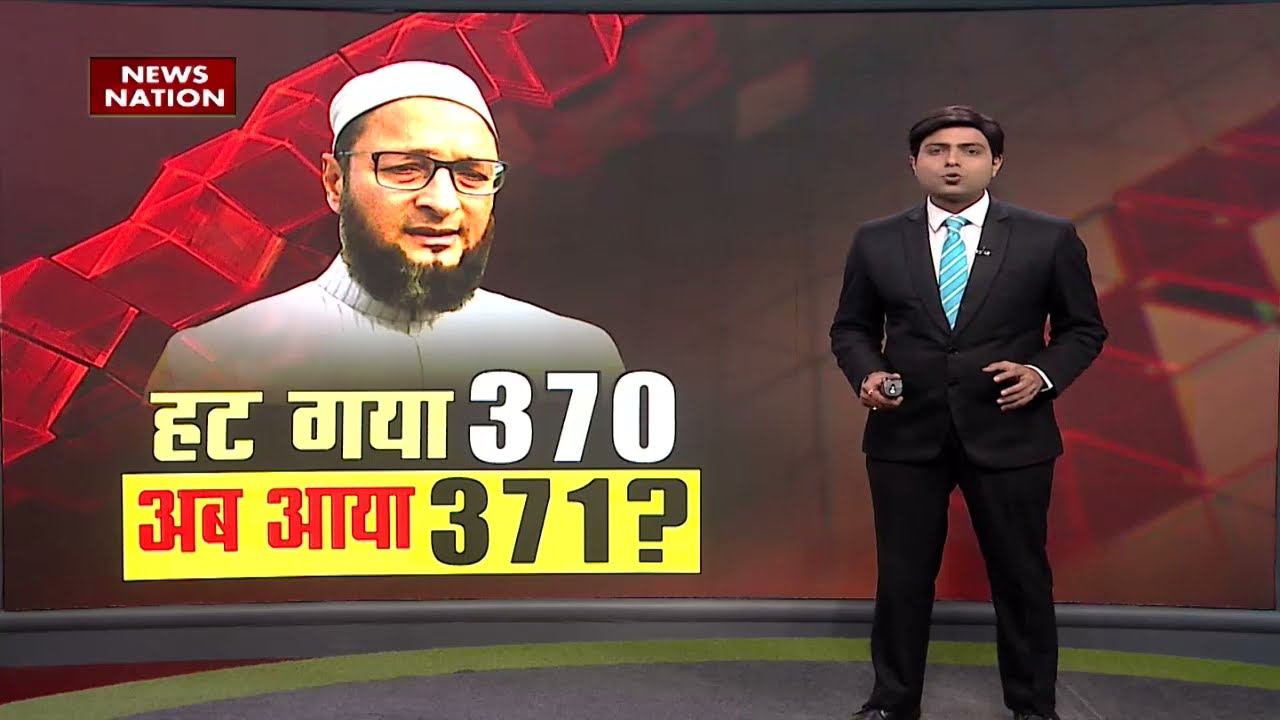


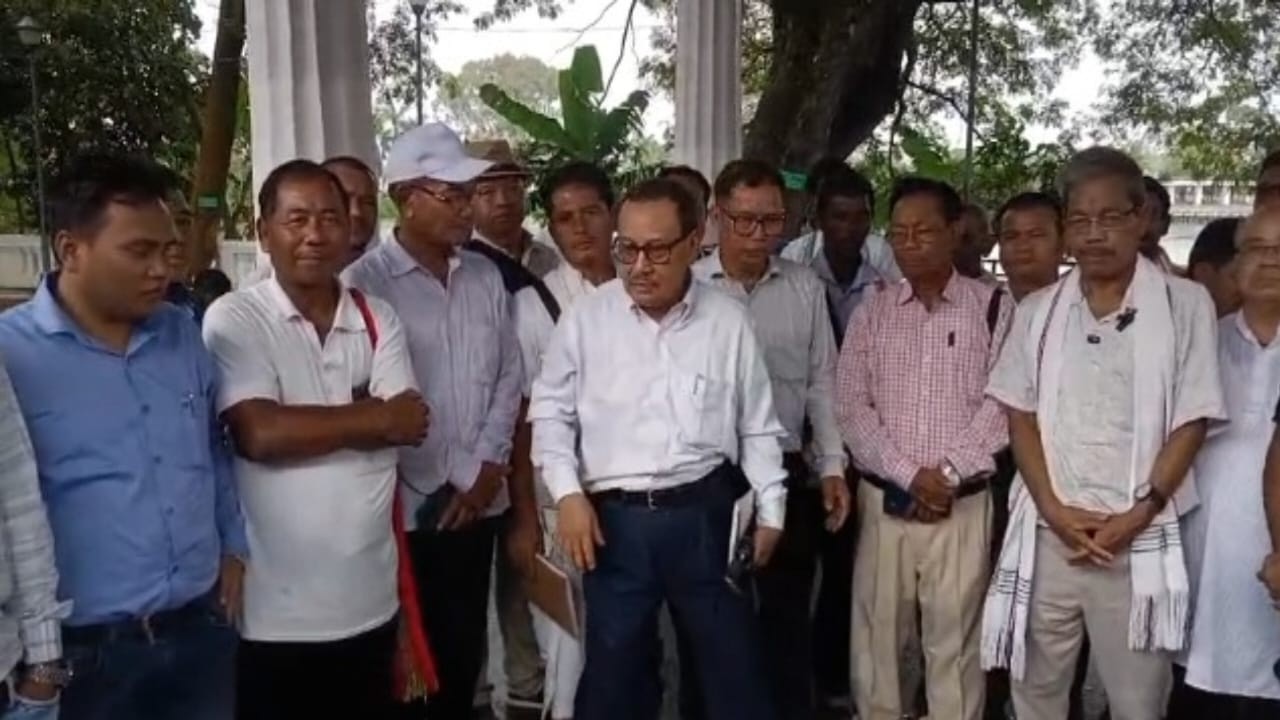


According to Article 371 of the Indian Constitution, tribal bodies in Nagaland can only adjudicate matters based on customary law but cannot create new laws, as they are not legislative bodies; this distinction is crucial for understanding the proper scope of tribal governance authority versus state and national legislative powers.
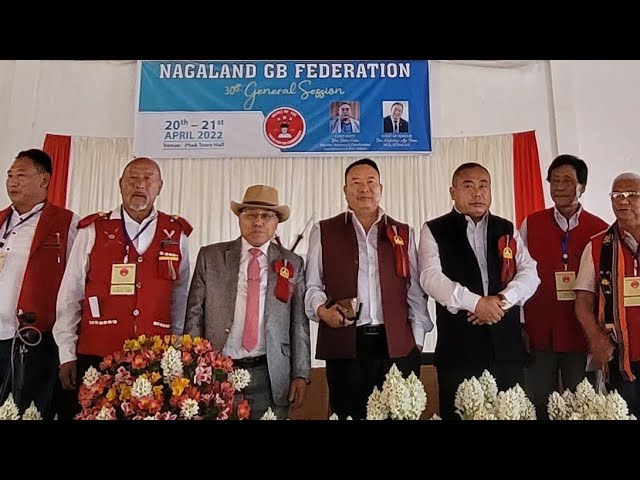
GB vs DNSU: Legal Authority and Customary Law in Naga Governance
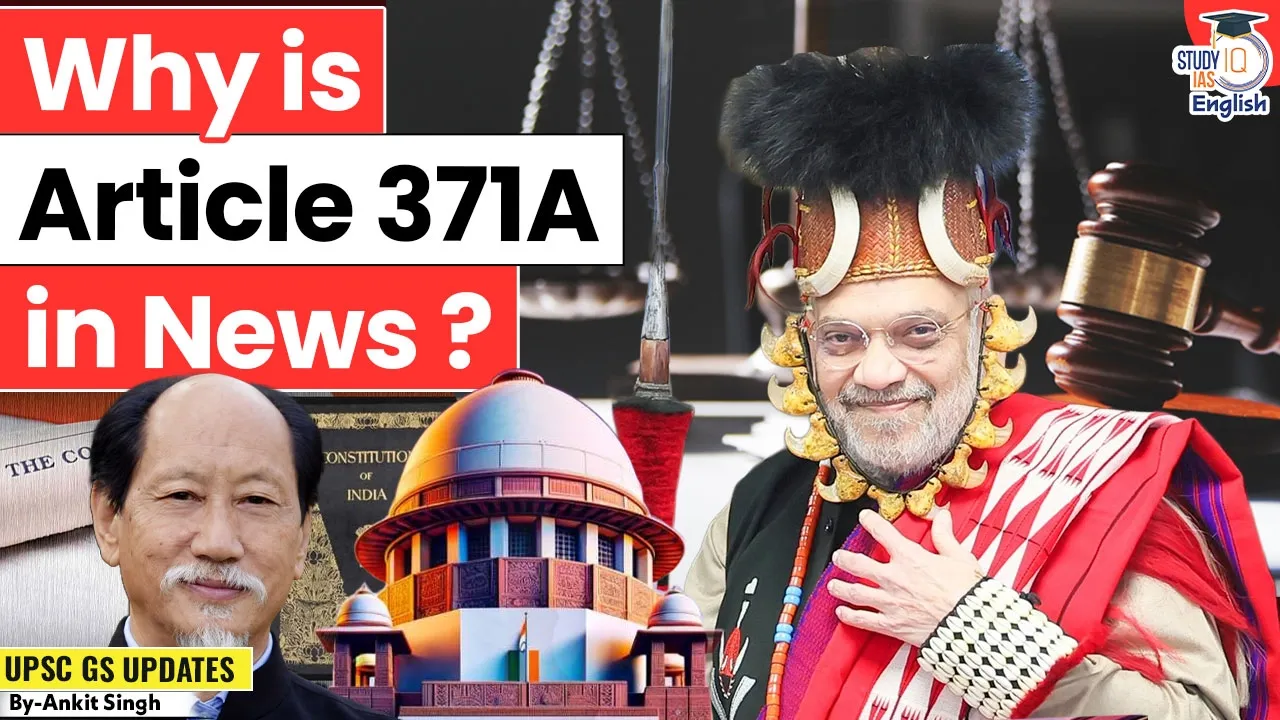
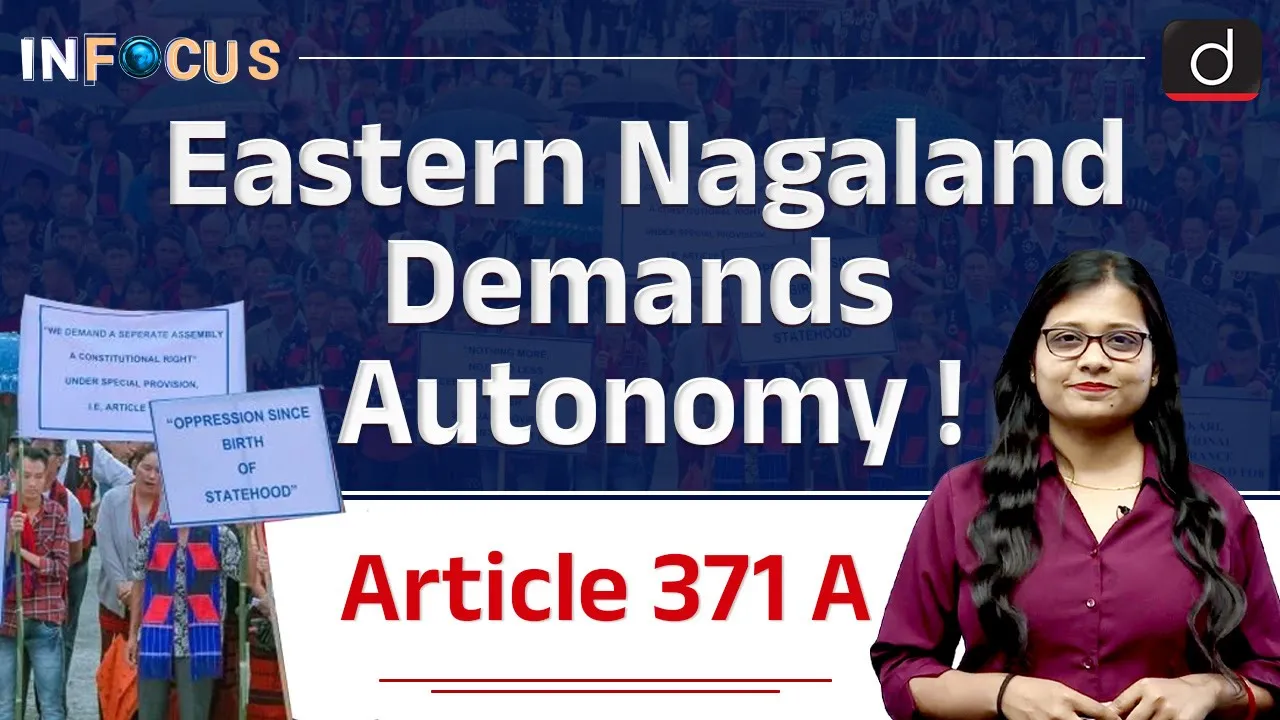
Added:Understanding Article 371A of the Indian Constitution, which grants special provisions protecting Naga customary law, social practices, and land ownership.
The historical and administrative role of Gaon Buras (GBs) as traditional village headmen recognized by the state government in Nagaland.
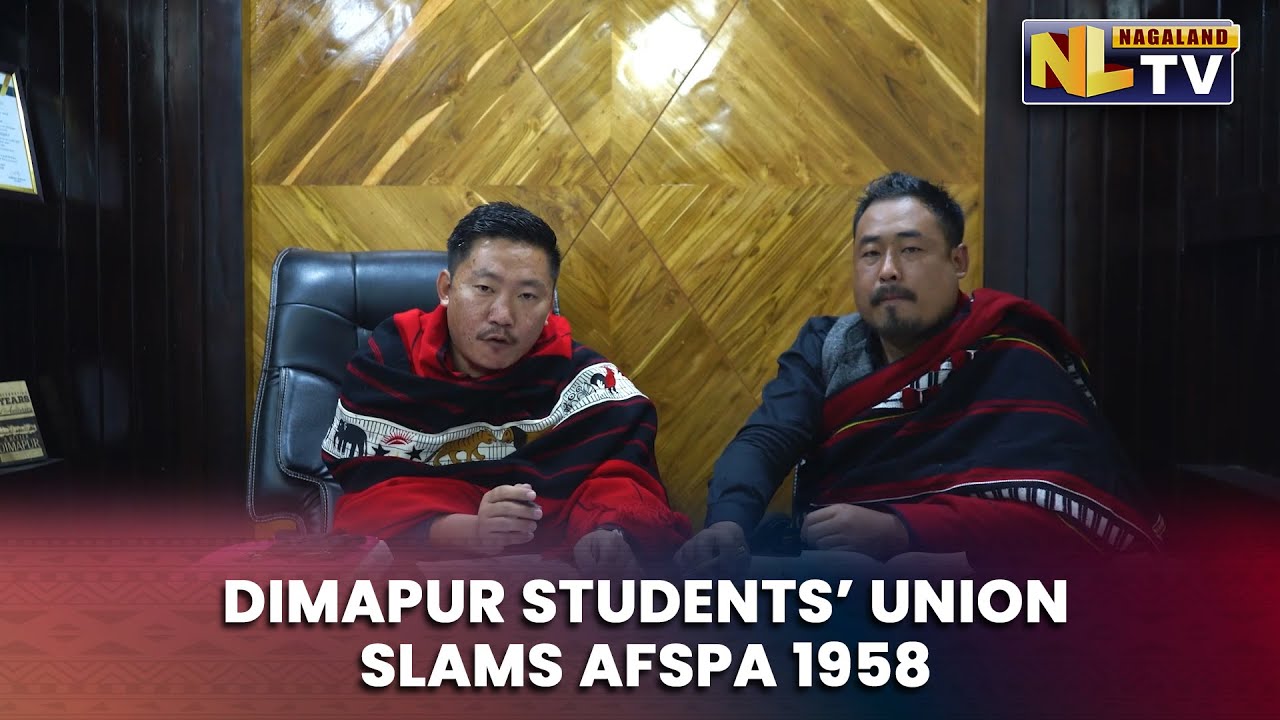
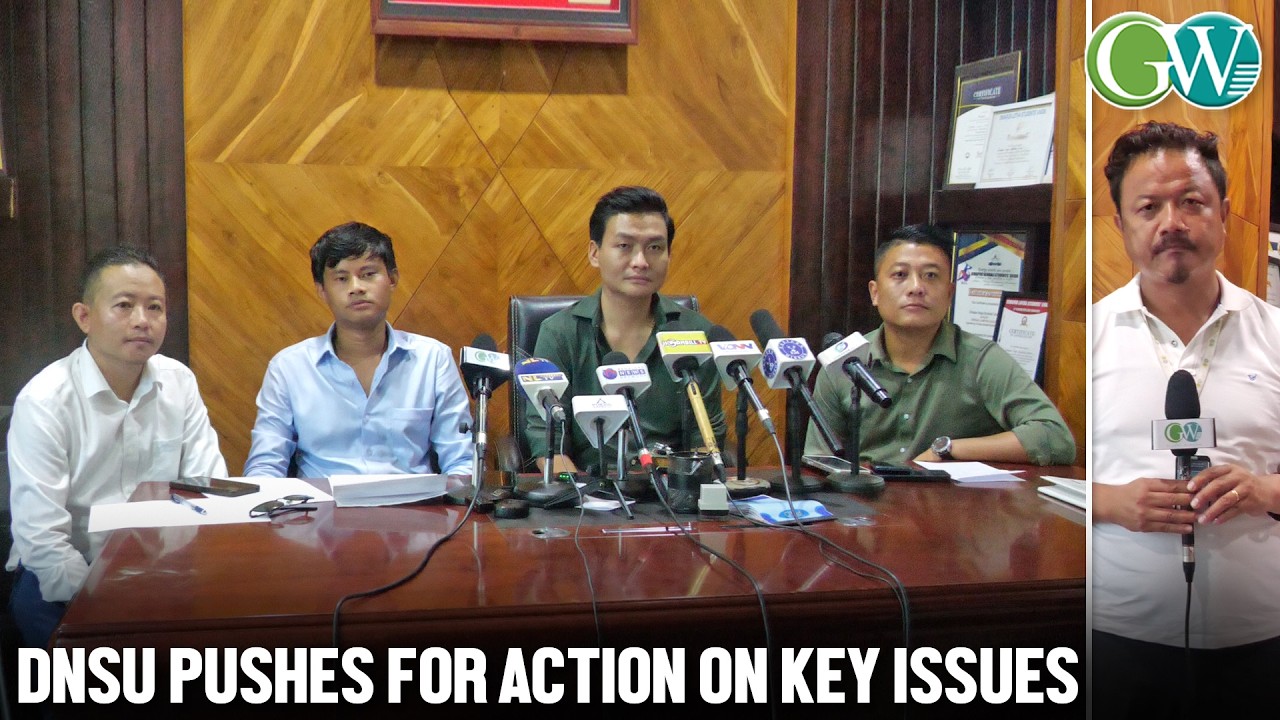
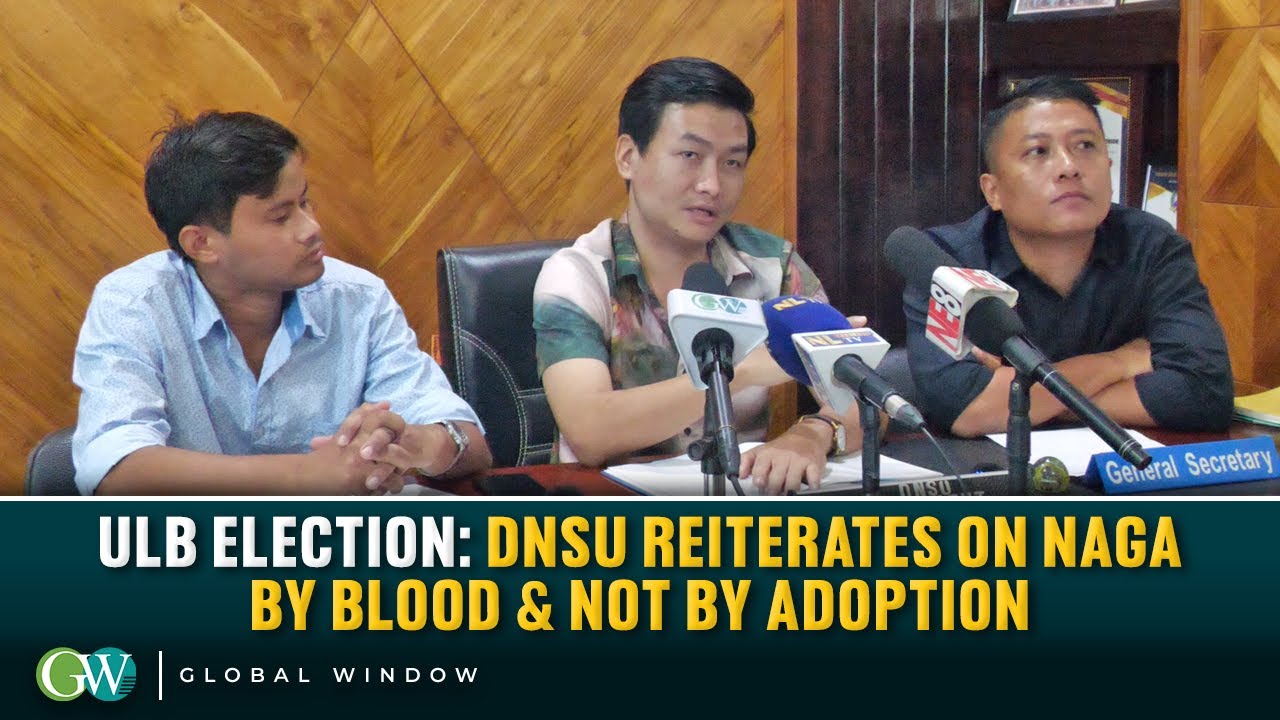
The socio-political influence of student bodies and civil society organizations, such as the Dimapur Naga Students' Union (DNSU), in Northeast India.
The fundamental principles of the Right to Information (RTI) Act in India and its utility in ensuring administrative transparency.
Analyzing the legal and constitutional conflicts between customary law systems and statutory laws, particularly regarding gender equality and individual rights.
A comparative study of Article 371A (Nagaland) and Article 371G (Mizoram) with the Fifth and Sixth Schedules of the Indian Constitution concerning tribal autonomy.
The debate surrounding the formal codification of oral customary laws and its impact on the flexibility of tribal governance.
Investigating judicial precedents where the Supreme Court of India or High Courts have ruled on the jurisdiction of customary courts versus the formal judiciary.
26K views1.6Klikes24:57Original Release: 2026-05-19
You are adjudicating bodies. What that means is if this government had a little bit of guts, little bit of concern for the welfare of people, Hello viewers, welcome to Fort.
Thank you so much.
Thank you so much for convincing my opinion.
I'm very sure this resolution and I'm very sure Facebook Messenger Instagramm Messenger WhatsApp and platform apart from WhatsApp messenger.
What do you think of this resolutions?
You should say something about this from a concerned citizens point of view. If you truly stand for people and justice whether I stand for truth or justice is not for him to tell me or for me to presume to stand for truth and justice.
Anyway, regarding GBG Sorry.
A village council shall consist of members chosen by villages in accordance with prevailing custom and usages provided the hereditary hereditatory village chiefs GBS chiefs but to clarify GB and shall be ex official members chief 1980s.
Anyway, it's okay. That's harmless in one way.
I think it's AI some videos I've seen in YouTube regarding resolution area.
and one wayif I will try to explain it First article 371 explain notwithstanding anything in the constitution no act of parliament in respect of they in respect of religious or social practices of the nagas naga customary law and procedure administration of civil and criminal justice involving decisions according to customary law customary law and procedure decisions involved according to lawmary law means a customary law is a law which has been handed down through the ages traditions customary.
So they cannot make laws. One aspect they cannot make law on. Second aspect is whether Council you are adjudicating bodies. What that means is you cannot make laws.
Big difference.
fathers.
So we can decide on matters falling under customary law but we cannot make laws on. So this highly condemnable, highly shameful as they under what authority are making such laws.
Second aspect.
cause why people file RTS They take money so that is the purpose of RTI.
Now whether the department vigilance anti-corruption some arm of the government next you will have to take that RTI and file PI in court.
So better you take money and you tell your friends make it unprofitable for them to be corrupt.
So this is purely there's no other justification.
Third question sir especially regarding my GB.
See, that's what I mean. I don't know exactly what they mean, but GB So that is in what grounds. But also uh chief in place of until the sun comes of age.
That is for the plan to dissolve.
This is called regency. English today.
Regent means ruling in place of somebody foreign country. So, hereditary uh governance whether it is monarchy, aristocracy, whatever, chieftmanship, they all have this concept of regency.
Rightful now either wife, mother or even think, family member.
So it's not a big issue actually.
I think uh maybe Exactly.
Instead of in place of last question.
So why don't you explain on the first tribal body? So this is also under tribal body. What authority do they have established?
Article 191 the right to form union and associations.
So they should know their authority where the authority is they are not a legislative body. They don't have the authority to make laws.
In fact they don't have the authority to adjudicate.
Okay.
If this government had a little bit of guts, little bit of concern for the welfare of people, They have got no authority.
Now customer does not recognize any authority apart from the village.
I should say they're having a keen interest.
I think you're following the news but I'm aware of employee outsourcing business.
law enforcement they have outsourced it to all these organizations of what authority does DNS have authority just an organization formed article 191C they don't have the authority to lock anybody's house to enter anybody's house to summon anybody newspaper postnally every 2017.
Who has the authority to summon somebody?
The duty of everybody or every group when they see somebody bring the law to report it to the authority concerned authority.
something behind the scenes.
The extra legal illegal activities right stand They don't have the authority.
So regarding summons active apart from that okay but if he doesn't come where they take action against you if you don't answer the summon.
So last question like I can understand.
So anything director 17,000 1984 Uh turning adjustment.
One of my young doesn't dust.
Brand new duster just few years back.
The funny part is next.
So this like that merciless The moment you buy it and take it out of the showroom second.
Mercy There are limits.
rights to individual rights to protection.
Anytime you feel that you your rights are in danger, you have to voice out.
I can only create awareness.
There is news for now.
Up Next

46:44
How Populism Shapes Economies and Institutions
@HooverInstitution
33.1K views•2024-04-10
88:38
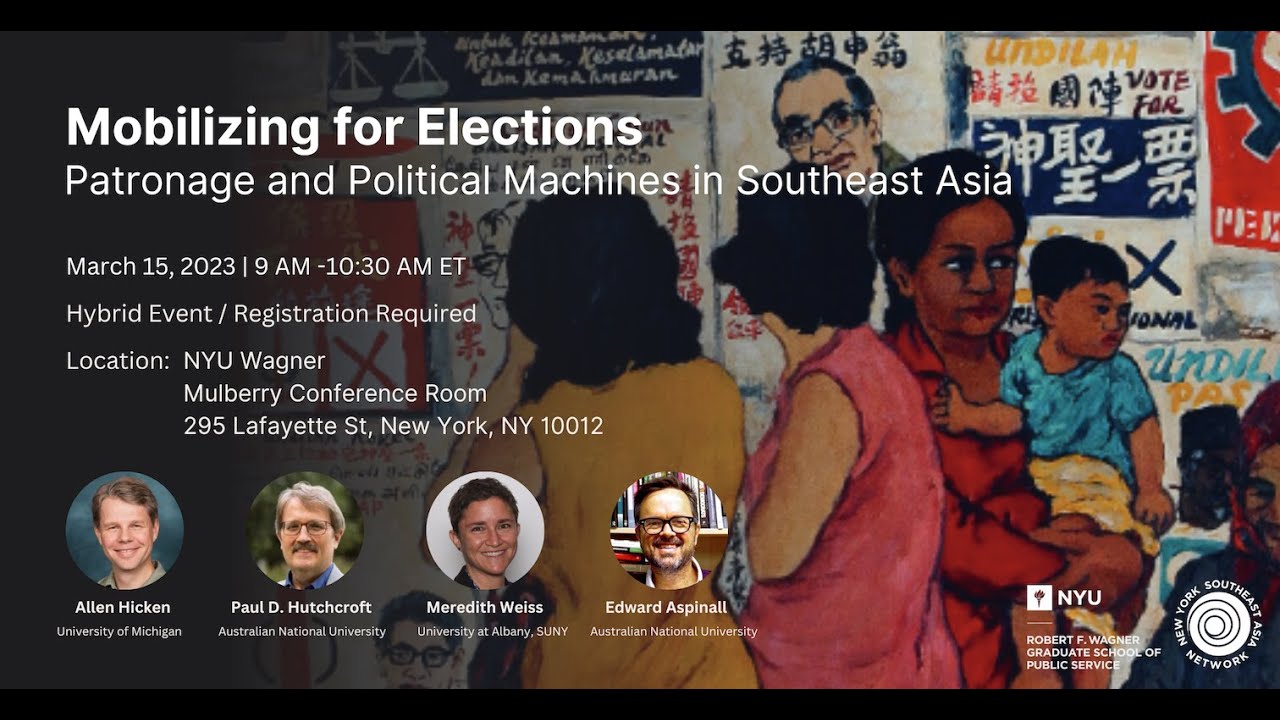
Patronage and Political Machines in Southeast Asian Elections
@NewYorkSoutheastAsiaNetwork
511 views•2023-04-05

7:33
Government Surveillance Methods: 10 Ways You May Be Watched
@BeAmazed
1.6M views•2017-04-09
10:19
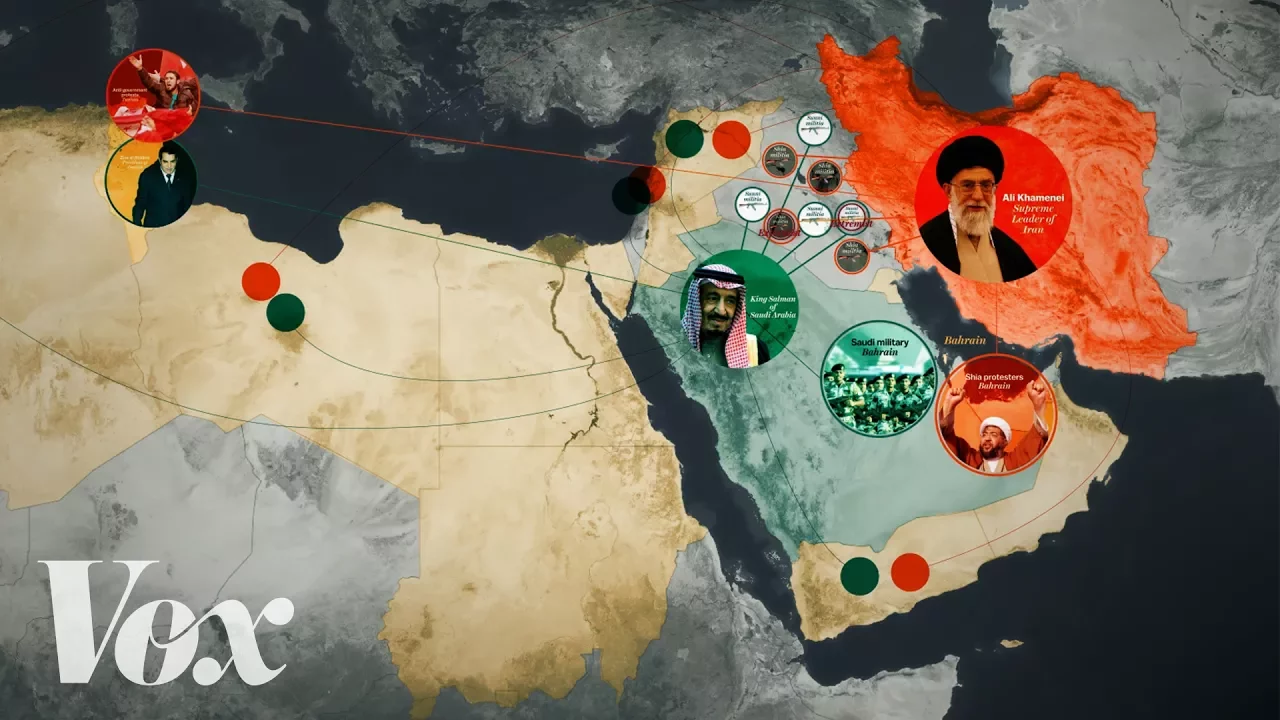
Explaining the Saudi-Iranian Proxy Conflict in the Middle East
@Vox
18.2M views•2017-07-17
Related Study Plans & Knowledge Roadmaps
Structured learning paths in Political Science
political-science
Analyzing Clientelism: Patronage & Vote-Buying
01Foundational Concepts of Clientelism
02Mechanics of Patronage and Resource Allocation
03Vote-Buying, Turnout Buying, and Ballot Secrecy
+ 2 more learning modules
12h5 modules
Explore Roadmap
political-science
Economic Statecraft: Sanctions & Chokepoints
01Foundations of Geoeconomics and Economic Statecraft
02The Mechanics of Weaponized Interdependence
03International Sanctions: Types, Implementation, and Efficacy
+ 2 more learning modules
12h5 modules
Explore Roadmap
political-science
Central Bank Independence: Politics & Policy
01Foundations of Central Banking and Monetary Policy
02The Time Inconsistency Problem & Inflation Bias
03The Delegation Model and Designing Independence
+ 2 more learning modules
12h5 modules
Explore Roadmap
political-science
Consociationalism: Power-Sharing & Stability
01Democratic Dilemmas in Divided Societies
02Introduction to Consociational Democracy
03The Four Pillars of Consociational Design
+ 2 more learning modules
12h5 modules
Explore Roadmap