


![[Kstudy 케이스터디] 사회학개론 무료강의](https://i.ytimg.com/vi/3nPChlSxxaY/hqdefault.jpg?sqp=-oaymwEmCOADEOgC8quKqQMa8AEB-AH-DoACuAiKAgwIABABGCIgQSh_MA8=&rs=AOn4CLAnCHMs7zQ-PB4JGVyapb7mc5aUbQ)














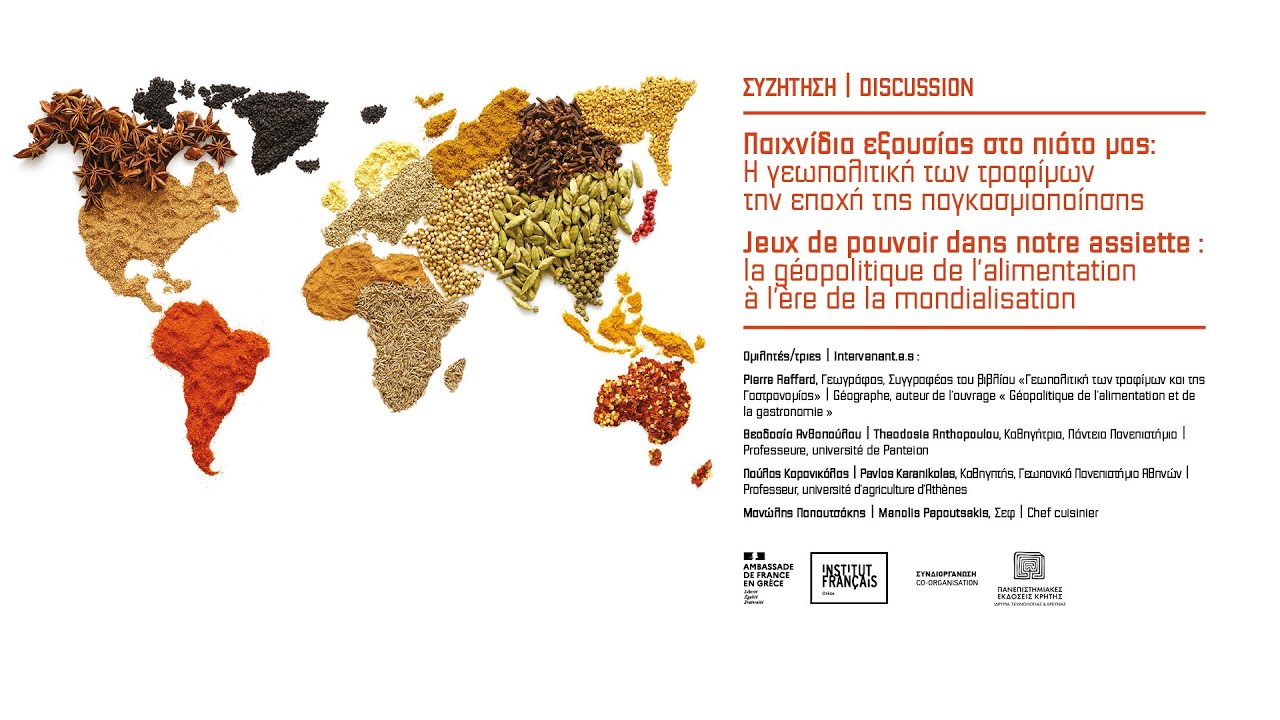
Modern food culture is fundamentally shaped by social, economic, and technological factors rather than purely personal preference; trends like bubble tea spread rapidly due to interconnected factors including demographic shifts, economic conditions, and digital media platforms, demonstrating how taste operates as a collective phenomenon influenced by global networks and marketing systems.
Why We Eat the Way We Eat: Food Culture with Ruby Tandoh
Added:The sociological concept of a 'social construct,' specifically how personal preferences and behaviors are shaped by social structures and institutions.
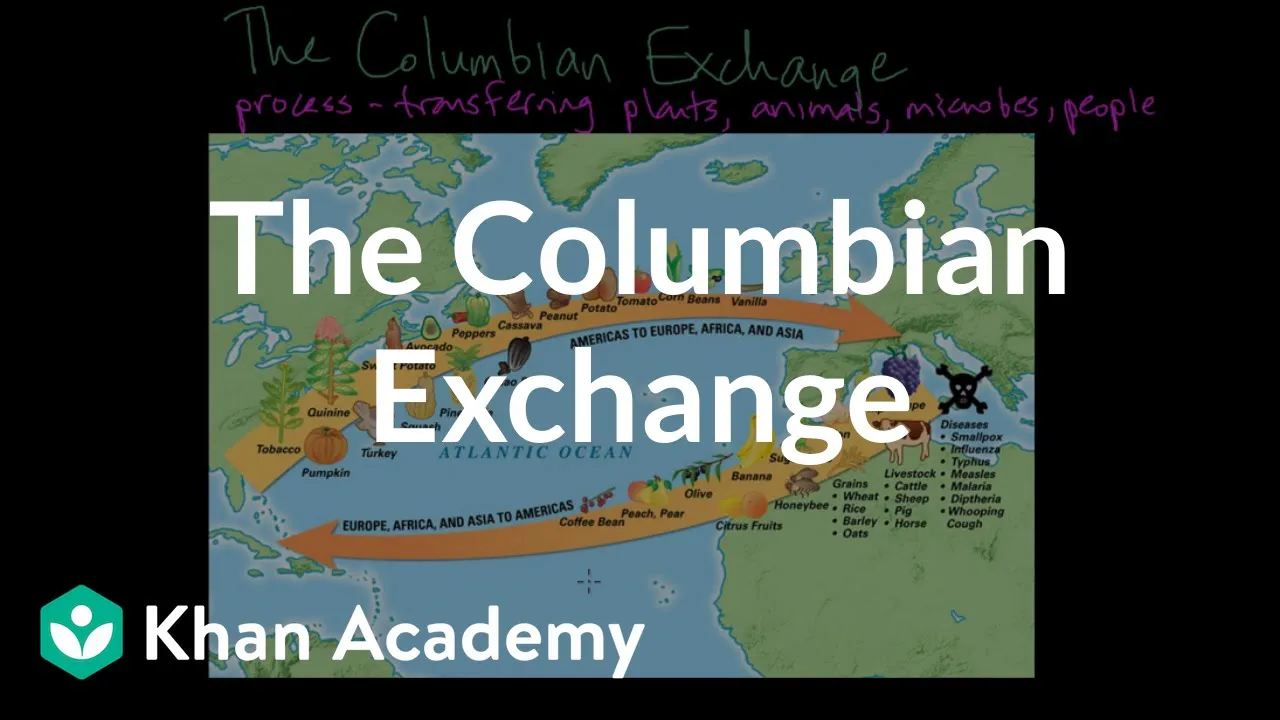
The history of global trade and colonization (such as the Columbian Exchange), which fundamentally altered regional cuisines and ingredient availability.
The principles of cultural relativism, particularly how food taboos and culinary preferences vary across different cultures without universal standards of 'good' taste.
The basic relationship between socioeconomic status and food access, understanding that dietary choices are heavily constrained by income, class, and geography.
The political economy of global food systems, exploring how agricultural subsidies, corporate lobbying, and marketing dictate national dietary guidelines.
Food justice and food sovereignty movements, analyzing how communities fight to reclaim control over their food production, distribution, and cultural heritage.
Critical food studies and culinary discourse analysis, examining how food media, cookbooks, and restaurant culture perpetuate or challenge race, gender, and class inequalities.
Gastro-diplomacy, looking at how nation-states strategically use their culinary heritage as a tool of soft power and international relations.
130 views1likes1:00:34Original Release: 2025-09-26
This episode is brought to you by Resi and American Express. Reszi is a digital platform that connects restaurants to restaurant lovers by elevating dining experiences, providing original industry content, and helping to fill some of the country's most exciting dining rooms.
Because restaurants have always been more than just places to eat. The amazing world of restaurants is just a few taps away in the Resi app and at resi.com. Good night, itchy eyes. Good night, sudden sneeze. Good night to your symptoms of allergies. Zyol is the allergy medicine you take before bed. It provides powerful relief while you rest your head. Not just all night, but all the next day. Zizol keeps working, keeping allergies at bay. And without those annoying symptoms disturbing your rest, you can wake up the next morning feeling your absolute best. Remember, be wise all. Take Zyol at night.
[Music] You know, there's something really freeing about allowing other influences in and accepting that you are part of this kind of at this point a global network of taste and you're plugged into it. You're swayed by it. I kind of like it. I find it freeing even though of course it is also overwhelming.
>> This is Taste. I'm your host, Eliza Barbinel.
[Music] Ruby Tando is a writer and baker based in London. A finalist on season 4 of The Great British Bakeoff, she's written several smart and singular books, including the fantastic new book, All Consuming: Why We Eat the Way We Eat Now. It's an incredible exploration of taste as a social construct that traces the historic and cultural context behind contemporary food culture. Today on the show, we go deep on Ruby's research and reporting process, plus her take on where we're at in food culture today.
>> Also the show, Eliza and I talk about some exciting fall cookbooks. I hope you enjoy this episode.
>> Ruby Tando, this is Taste. Thank you so much for coming on the podcast. Thank you for having me. I'm really excited to talk about your new book, All Consuming.
I devoured it, for lack of a less punny term. I think it's like such a fun and special food book and I'm really excited to talk about it with you. But before we get into the book, I want to just give a little bit of insight into who you are and how your brain works on food. And I'm wondering if you could share with me an early food memory that you have. I mean, one thing that I remember very clearly is I would get sent out to the shops like as a kid, maybe I was kind of 8, 9, 10, there were just a couple of places around the corner to pick up snacks a weekend. And you know what usually what my parents had in mind would be you know can you pick up like a cake from the bakery or something something we could all share but I would get whlaid in the store and I always wanted to get the kind of like grabbiest weirdest novelty thing and it would exasperate my parents cuz they were like can't you just get something normal and I was like how can I not get like a marshmallow tea cake with jam in it? How can I not get this thing that's screaming out to me? And I think that kind of magpie eye for kind of fun novelty food products like really set the tone for my kind of approach to actual food writing later on. Yeah, I think um it is so funny to think about like what jumps out to you on the shelf.
Do you remember if it would be the packaging or like the name of the snack or was it just kind of the overall experience that would hook you? I think it was just like this kind of really um fundamental excitement like you know if I was foraging and if I saw a rare berry in some kind of beautiful jewel color I'd be kind of drawn to it and that's how I feel when I see the stuff on the shelves. Like I'm a marketer's dream. I am that person. And I'm like easily guided by the packaging and by the honestly it's just a sense of novelty and often it's a sense of rarity because these things will build themselves as limited edition or seasonal and you know to a certain extent that is the main kind of seasonal eating that I do is what's in for Halloween, what's in for Christmas and so on.
>> Since you've been here in New York, have you been foraging at the bodeas for any new to you snacks? Well, you know, I actually went to Trader Joe's for the first time like two days ago. That was my um kind of like big store forage rummage, and I just couldn't believe it.
Like maybe everyone else is used to this by now, but I was like, I've never seen so many useless, contrived kind of noun mesh snacks in my entire life, like sunflower seed, chocolate, peanut butter, rice krispie squares, and stuff like that. I was just kind of blown away by the silliness of it all and I kind of loved it. Everything was pumpkin spice.
I I mean it's so unnecessary and it's so delightful.
>> Yeah. And also the fact that it's all the house brand of snack at Trader Joe's. There's a lot of like online discourse about how the c-acker that makes something that they sell is like actually the same version as something else, but they have the Trader Joe's name on it, which I think is so interesting. I actually don't there's not a Trader Joe's by me here in New York. So I feel like whenever I go in I also have a similar experience of like everything bagel pita chips like what is that?
>> Yes. Yeah, definitely the I hadn't really thought about it in those terms but yeah the Trader Joe's kind of branding on it does make it feel like unless you live in a Trader Joe's like everything is a novelty even if it is just simply I don't know a Kit Kat or like Reese's Peanut Butter Cup essentially. This is such a good conversation to kind of dovetail into all consuming the book which to me is really about exploring taste as a social concept and I'm wondering if you could share a little bit about how you began kind of thinking about this idea and developing it. So when I first started writing the book, it was completely different in kind of shape and approach.
And I had this kind of grandiose idea that I wanted to do like a whole theory of appetite in kind of really wide ranging terms. So I wanted to look at like the evolutionary basis of appetite, biological, you name it. And then there came a point kind of two and a half 3 years into the process where I realized that I didn't know what I was doing and nor was I interested in this.
And the book didn't really come into focus until I kind of looked at the world around me, the actual immediate cues, whether that was like the recipes I was being presented with on Instagram or just the messages I was getting from marketing, advertising, you name it. And that social element as you say that cultural element through the media that was what grabbed my attention that felt exciting to me and that is where the book came alive rather than like looking it in terms of either an intensely personal perspective or as like this kind of inbuilt biological thing. Yeah.
Yeah. And I think the idea of like a social taste that's being informed by economics and technology and labor and all of these kinds of other factors that come into play as well. Yeah, absolutely. It's I mean I find it really refreshing because I like I grew up with like Nigel Slater's writing, let's say, and that is so intensely personal and it's so intimate. It's this kind of communion between one man and the food in front of him. And I definitely like ran with that approach for a lot of my food writing kind of career. I really loved the emotional closeness of it all.
But you know, there's something really freeing about allowing other influences in and accepting that you are part of this kind of at this point a global network of taste and you're plugged into it. You're swayed by it. I kind of like it. I find it freeing even though of course it is also overwhelming. Yeah. I think it can feel both freeing and also terrifying to be the marketer's dream and realize how susceptible you actually are to things.
>> Yes, definitely.
>> I think it's interesting to me because you're writing about virality and trends and obviously a book is a long process.
So, I think you could run the risk of writing about something as if it's so important and then by the time the book comes out like something else is actually that new thing. Is that something that you kind of wrestled with at all when you were working on it?
>> Definitely. like I was really worried about that. Um, you know, like something like Dubai Chocolate, you know, here today, gone tomorrow. And so much I think of my thinking and just food writing in general, food media kind of gets deep into like this trend cycle that's so quick and so kind of, you know, it's just ephemeral really. Um, and we risk getting bogged down in that.
So what I wanted to do was rather than looking at the specific things and like hyperfocusing on them to understand the systems that underpin them, why are these trends coming in the first place?
What are the media pathways that they follow? What are the economic pathways and so on? You know, what laid the groundwork for something like bubble tea or something like that um rather than just looking at it as a trend or something. Yeah. I want to talk about bubble tea or boba because that is the image you have on the cover of the book.
Why is that the cover that you landed on and why did you want to write about bubble tea and boba in the book?
>> I think I think bubble tea and and boba is just such a um it's a wonderful um encapsulation of so many of the ways that kind of our taste spreads right now. And I think especially from my perspective as someone in the UK, we barely had it kind of 15 years ago.
>> We didn't have any standalone stores. We had like a couple of like hole-in-the-wall places, but that really was the extent of it. And now it is everywhere. And that kind of 15-year turnaround is so incredibly short for not just like it's not just a product like to buy chocolate that you can stock in a store. It's an entire um network, an entire like logistical system of like bubble tea stores everywhere and it really exposes so many of the way that taste spreads because it was about an economic moment in Britain. Um it was about universities opening up to students from mainland China. It was about property becoming more expensive and, you know, sit-down restaurants becoming disincentivized and kind of franchises and really small businesses becoming kind of the only viable way to enter the restaurant scene. And all of these things came together in like the early 2010s at the same time as Instagram launched in the UK. And so it was this perfect storm of factors, economic, social, demographic, and cultural. and bubble tea kind of just exploded out of that. And that really is, you know, what so much of the book is about. Why do tastes spread this way?
And it's so rarely just a grassroots kind of gravit, you know, gravitating towards what tastes good. It's always something bigger. Yeah, I agree. And I think in the book you even write about the way that kind of bubble tea was adapted for UK, US, kind of like outside of Asia. the fact that the cups traditionally would be like clear or transparent so people could see the boba inside. But I was in Taiwan in January.
You write about this like every single boba cup is opaque because like everybody knows what's inside of it already.
>> Yeah, that was you know such a um eye opener for me to like learn that. But yeah, it's um you know really indicative of you know exactly what is the locust of hype with this drink and you know in places where everyone knows what boba is. It's the brand itself. It is the the shop where you've got it from and in places where people are still kind of trying to understand boba. It is just seeing those little black dots through the cup or whatever. Yeah. What's your boba order? There is a shop in London that does like a kind of black tea infused with buckwheat which is like hands down my favorite thing in the world, but I often have it as the milk tea version and just with boba and sometimes like the cream top if I'm if I'm feeling fancy.
>> The cream top to me is such an interesting phenomenon because I think that it is not really that prominent here in New York compared to other cities that I go to. And it's kind of, this is like the New Yorker in me is that I'm surprised that like we're late to the game in some kind of way, but I feel like you don't see it as often here really. Okay. We we have it a lot in London. Um, but I mean, I feel like the cream top is, if not originated from, then certainly popularized by a kind of second wave of bubble tea shops. They're definitely open in the UK at the moment.
So our first wave was just kind of cheap and cheerful like the kind of stuff that a kid might get after school. It wasn't particularly like highbrow and now just like coffee almost we've had this second wave of craft bubble tea things where people are know advertising it as real tea, real milk and so on and the cream top seems to have like ridden that wave.
Yeah, the single origin tea in boba, I think that's become like a really interesting focus, especially the UK obviously being such a big tea drinking place. It makes a lot of sense to me.
>> Definitely. Although at the same time, I think whilst the UK is a real tea drinking place, like I don't even think that tea really kind of established that desire in the UK for this. I think it was the fact that we had had places like Starbucks that's what primed us for this that customizable drink thing is you know how we learned to work boba but you know tea remains in the UK for most people one thing and that is English breakfast tea and anything else is kind of just doesn't even register to us as that. We talk about health a lot on the show. You know, protein maxing is all the rage. We're on the NA beer train, of course, and probiotic sodas. Some call those Millennial Metamucil. But I want to talk about skin health for a second.
Everybody should be thinking about skin health. It's important. And I look to One Skin, the world's first skin longevity company, for a little help.
Now, I've used One Skin's OS1 hydrating sunscreen for walking around New York City in the blazing sun. I wish I had one skin while traveling through suns soaked Bolognia on an epic gelato crawl.
And for the record, you cannot miss Santos Stfano and Cavor. Those are my gelato picks. By focusing on the cellular aspects of aging, One Skin keeps your skin looking and acting younger for longer. For a limited time, you can try One Skin with 15% off using promo code taste pod at onkin.co.
That's 15% off using code taste pod.
>> Vitamin Water Zero Sugar has great taste, zero BS, and obviously zero sugar for those with zero room in their calendar. Zero patience for slow walkers.
Those who get zero hours of sleep on a Saturday night have zero filter, zero given, and zero interest in grabbing a plain boring water. Grab a delicious vitamin water, zero sugar today.
I want to talk about some of the other topics or chapters of the book.
>> I think boba obviously it stands out as like such a huge food trend. I'm curious if when you were kind of thinking about what the book would consist of, if there were any things you came across in your research that maybe surprised you in terms of how much you wanted to include it.
I think that one thing that came up was the topic of tradives and narith and I was initially really reluctant to include that because I thought firstly it's just kind of depressing to me. Um, but also, you know, there's so much discourse around it and I didn't want to get dragged into something moralistic or as you said earlier kind of do this extensive commentary on something that might turn out to be just kind of a flash in the pan. But as I was kind of looking into Nara Smith and looking into like the historical precedents for someone like this, you know, I found that the history of, you know, well, how do we intertwine the domestic and the caregiving roles in the house with the processes of actually feeding and cooking food, you know, is obviously so rich and it's so interesting. And you know once you move beyond the kind of outrage cycle when it comes to someone like Nara who is really performing domesticity in a way that kind of can feel a little regressive you realize that she's doing something quite uncommon for here and now which is yeah like interweaving this kind of deep process very scientific very like food nerd stuff with the kind of treadwife thing and this kind of feeding the family um way of cooking and these things exist almost in separate universes. It's crazy to me how many cookbooks I have. Um and yet how few of them mention feeding people. It's like you create the food but there's no reference to feeding people whether that's like you know children or kind of extended family or friends or whatever.
and she is kind of at the middle of that and you know in a really naughty way in a really gendered way in a way that I think is revealing about a lot of our kind of neurosis as a society but yeah I find her fascinating and you look back in time and you see this history of kind of especially black women and queer women as well kind of trying to explore what this can look like what feeding can look like.
>> Yeah. Uh, in the Nara Smith chapter, you write about I'm not sure if it's Jet magazine or >> it was Ebony. Yeah. The sister magazine to Jet. Yeah.
>> Yeah. Writing about um black women being able to move from cooking for you know often white families and other people's houses to being able to move into their own houses and cook for their own families. And that was a kind of shift on the like larger kind of feminist movement of women like going into the office. like it was almost like more liberation to be able to move from working in someone else's home to be cooking for your own family and the kinds of recipes that were being shared around that. I thought that was really fascinating.
>> Thank you. Yeah, I mean I was that that was one of the joys of researching the book was getting to go into the archives and the libraries and find old magazines like this. And there's one particular issue of ebony from I believe 1948 although I'm so bad with dates but certainly shortly after it started after the war when you know doicity was beginning to be reconfigured and a kind of black middle class was being kind of created in in the states and there's this feature that's like all about you know what would happen now for us if we could cook for our children if our husband husbands could come home to a hot meal. And next to that feature, there was like this wonderful photo spread of Dorothy Dandridge with her kid baking on a Sunday. And you know, it's this moment of like great hope of yeah, you know, what happens when a black woman can maintain her own kitchen. But then, you know, the context that this is set against is to be honest at that time a huge number of people were still working in white households in domestic work. So, you know, the magazine is the place where these dreams are held. That was a really like potent idea for me.
Yeah, I I I totally agree. And I think it's so clear to me that you love history and research reading this book.
And there were so so many of my favorite moments that were kind of like reframing something we think of as contemporary in a historical context. like you have a chapter about um wellness drinks and CBD sodas and functional beverages and then the fact that you know Coca-Cola original formula was cocaine so that you could get through the day and that was like the original health drink like bring back the cocaine Coca-Cola maybe >> I mean yeah it's I found that you know obviously it is I didn't want to fall into the kind of time is a flat circle thing obviously but there are so many through lines and I found these really useful for understanding where we're at in food culture. Just like Pepsi started out as like a gut health beverage and like boy do we understand that today.
Like we >> are living in the age of like lollipop and poppy and all of these gut health things. And you know another example of this in the book actually was Keith Lee.
Um >> you know most powerful restaurant influencer in America today. And he's just a normal guy. He doesn't have any particular food training. He just likes going around in his car and, you know, saying what he can about these places.
And I had been trying to understand that rise. And so I'd been looking at other restaurant influencers on Instagram and Tik Tok and I found I wasn't getting to the bottom of why this had happened. It just wasn't clicking for me. And it didn't click until I went back in time and I looked at restaurant influences from literally like a century ago from like the 1930s going through to 1960s.
And it was people like Duncan Hines and Victor Hugo Green. And both of those, just like Keith Lee, were normal guys who were writing these restaurant guides for, you know, different reasons and for different audiences, but they were by far the most powerful drivers of people to restaurants to certain establishments at that point. And this was before we kind of settled on the Craig Claybornne or Ruth Raichel model of kind of quote unquote serious criticism. So to see that kind of come around to leap frog a couple of generations and come around again I found fascinating.
>> Yeah, I really enjoyed that chapter as well. I think that um more people maybe can like look to the past to I feel like there's a lot of like old man yelling at a cloud right about that kind of thing.
And um you also kind of, you know, give a lot of credit to the kinds of restaurants that he's supporting and the way that he's, you know, changing these people's lives in some ways by like covering them, eating their food in his car, and then sending hundreds, I don't know, thousands of people to go eat there. Definitely. I think there's a question for all critics, and I don't think there's a right answer to this, but it's just a different methodology of who do you serve? Do you serve the newspaper that you write for? Do you serve consumers? Do you serve restaurants? And the differences in allegiance there like really tell you something. And I think one thing that is useful for Keith Lee and for people like him is that they don't serve a mast head. They don't have to sell a paper.
Although obviously they have a personal brand to kind of uphold. And so in his case, he doesn't even see himself as a consumer champion. I think particularly he sees himself as someone who wants to support restaurants and that really seems to guide everything that he does.
He's a very fair man and I think he's a very honest man. Yeah. Does he ever do like a real criticism? I feel like he mostly posts things that he is really excited about.
>> He does sometimes criticize things, but you never get the sense that he takes real pleasure in doing so. So, you know, obviously his praise wouldn't really mean much if we didn't also know he was capable of critique.
>> So, it definitely is there, but you don't get the massive pan. You don't get the kind of big extraordinary like I'm going to drop a really terrible review tomorrow kind of thing. I feel like even in like the mainstream newspapers today, at least here in the US, we don't really get that very often anymore. But when it does happen, it's kind of delightedly circled and passed around by people and discussed.
>> Yeah. I feel like the pandemic kind of took away that particular thing. Maybe it had gone before then, but certainly in the UK, that was the moment at which I think critics were like, "Oh, we actually can't get away with kind of dunking on an already fragile industry anymore." Yeah, I agree. And I think there's also been a kind of larger cultural like every time a musician gets critiqued by Pitchfork or whoever, they go on Twitter and talk about how people who don't make music shouldn't be able to critique it.
>> Yeah. I think that's rubbish. Yeah. I mean, I think like also, you know, I I certainly don't want like people who work at restaurants to lose their jobs, but also the cost of going to a restaurant and seeking it out and commuting there and getting the reservation, like there's so much work that's put on the consumer compared to listening to an album, for example, that I do think sometimes you want to know like, is this going to be worth it to me or not?
>> Yeah, definitely. And I think you know this idea that a critic also has to be a creator of that medium I think is absurd. You know when you go to a restaurant you are not going to do a kind of management consultancy job on how the restaurant is run. You know maybe that would require someone in the industry but you know yeah these are completely different things. Yeah, I want to talk a little bit about ice cream and the ice cream chapter of the book because I think to me that's really talking about how kind of advancements in technology made these kind of boom times with, you know, chocolate I think in like the 30s and then ice cream later on. Can you maybe speak to kind of how you saw that playing out and the category and where you think we're at in terms of ice cream developments today?
>> Yeah, I mean I found this so interesting. So kind of when you look back at the history of chocolate, you find that so many of the chocolate bars that we know today were invented in kind of a 10, 15, 20 years span, like in the 30s. I think the arrow was invented then. I think maybe it was KitKat. You know, I'm really bad with details, but in any case, like go into a corner shop now or Bedadega now, and you will see all of these things that like more or less haven't changed for 100 years. And I kind of was looking into ice cream as well, especially kind of commercial um kind of they call it impulse ice cream in the lingo in the industry. Um which is just like anything that you can unwrap on the spot and just like eat then and there. And the contents of a freezer cabinet really hasn't changed since the 1980s.
And what I noticed was you kind of have in the UK, these are the really popular ones anyway, the Cornetto invented in 1976 and then you've got the Magnum in 1990 911 and that 15ear span produced the technology and the marketing that popularized so much of what we see today. And since then we've just been riffing on different flavors of the same kind of formats, whether that's a Twister, whether it's like a Mars bar ice cream, you name it. And I wanted to know what creates these boom times in any kind of product like this.
Um how can it be the case that you have kind of this like Cambrian explosion of chocolate or ice cream or whatever? And you know the answer obviously comes down to like very complex things. But you know in the case of ice cream it was honestly like the merging of multinational corporations. It was you know that big and that kind of austere but that was what laid the groundwork for all of this. There were various innovations that were happening in technology in different countries.
Various kind of postc colonial as well ingredient pathways whether that was palm oil or coconut oil. All of these things came together at the same time and you get this boom period. And I think right now if there was a parallel today I would say that it is wellness drinks is one of the categories and also like crisps or chips I think call them here >> definitely it's the number of flavors that you can get I think especially actually if I go to a kind of Chinese or Japanese or Korean supermarket like that is where the innovation is happening is chips that have like five layers with puffed air between them. They are innovating that you know this is like fantastic stuff. There's so much creativity to the extent that I would actually say that maybe even more than in restaurants right now kind of retail is where like the huge amount of innovation is happening in foods. I totally agree. I think the cornetto I believe element that I really liked was how the so okay the ice cream works because there's a thin layer of chocolate in the cone that keeps it from getting soggy and I believe the technology came from uh spraying a finish on cars right?
>> Yeah. Yeah. They used the same paint sprayers that they were using to spray um Yeah. like to paint cars essentially.
>> I love that. I thought whoever came up with that in the factory that day must have felt like a genius that you get that thin layer of chocolate in between it. And also, you were writing about how early ice cream bars were often like fruit flavored kind of maybe they looked cool. They were for kids and then people wanted to figure out how to make ice cream for adults. I think as an adult today, it's really funny to think about like ice cream to adults, but I think it was this kind of earlier era of consumer culture where adults kind of needed to be marketed to like the little treat economy maybe hadn't taken off in the same kind of way.
>> Definitely. I mean, they called it at Walls at Uni Lever Project Renaissance, which I find like so delightful. It was this huge um push from them to kind of get adults eating ice cream in this way and you know that's why we are kind of still living with the benefits of that now. But yeah, it's weird. We live in the treat economy now where adults are you know including myself I have to say constantly infantilizing ourselves by being like I need a little treat please.
And I think also tastes have become more childlike almost in some ways. At least here in New York, a lot of nice restaurants will have like kids menu food basically on the menu today or like laboo as a concept have trickle down into the snacks. So maybe that's more of a stretch, but I think that like now people kind of want to regress a little bit. Yeah, it seems that way. I mean I mean some things about this I think are quite good. I think there's a um a reclaiming of the idea of fun in food.
Well, actually I say reclaiming, but maybe it's kind of the first time that we have really really done this is sign up to the idea that food can be not just a kind of cultural signifier, not just nourishment, but actually just something that is kind of silly and kind of fun. I guess speaking of silly and fun, I'm wondering if you could explain the appeal of a Wimpies to me because this was a section of the book that felt very foreign.
>> Yeah, Wimpy. I mean this is I think so Wimpy in the UK is a really redundant kind of fast food chain and it at its height it had kind of hundreds and hundreds of branches and now has like 50 and it's kind of a burger bar. It's kind of a diner but it has like the mannerisms of a like British calf. Like they'll serve you like a teapot and tea and cup and saucer. you get like full cutlery with a burger and it's just this wonderful place full of mistransations of kind of American food and so it feels so out of touch. It feels so old-fashioned but the fact is it is the place that introduced British people to burgers. We did not have them before Wimpy opened in 1954.
That was like the origin event and you know within the course of kind of 10 years and Wimpy bringing this this idea of fast food it was everywhere and teenagers in the UK suddenly became fascinated with Americana and with burgers and with kind of the other weird creations that Wimpy developed. And like the what's the hot dog called?
>> Oh god. It's called a bendy in a bun.
And it's a hot dog where you kind of do these deep lacerations along one side so that you can bend it into a circle and then you deep fry it. You put it in a round burger bun and like what goes in the middle?
>> That is a fantastic question and people don't think about this but you have to then put a slice of tomato in the middle to bulk it out which is like obviously just like so not what anyone needs. is is a terrible idea, but it's persisted on the menu for all of kind of what 70 years now. Um, but yeah, I find that place fascinating. I think I'm very very interested in general in mistransations of things as foods move across borders and across continents. I I love that food has become more global, but I'm also really interested in those points of slippage and confusion that happen when that is taking place. Yeah, I think it's so interesting and I think also you write about the fact that Wimpy was actually an Indiana based like American fast food chain, but I don't I've never heard of it. I don't know if it exists here anymore. I think it's kind of adopted the British accent over the years and become British. Yeah. I mean, it had almost no success in in Indiana and in the Midwest. It was just like kind of a tiny little chain and then they just bought the rights to name. I guess it was affordable too because it wasn't particularly successful and then it died to death over here but it lived on in the UK.
>> I mean the name is also like it's not a very sexy name.
>> No, but it's it's kind of based on the Popeye character of Wimpy and so I guess it just felt um >> I don't know that cartoonishness or that Americanness. I don't know like why they thought this was smart but yeah this was the place. We didn't get um McDonald's until 1974. So for 20 years it was wimpy supremacy.
>> Oh my god. Wimpy supremacy.
Towards the end of the book you're writing about kind of the American impact on London dining. I think wimpy clearly is maybe you have a soft spot for but is not that girl anymore. Do you see any other kind of American trends or kind of preferences playing out in London today?
Yeah, like one really really interesting thing actually is that there is right now this ground swell of interest in specifically like central Texan barbecue. It is huge. Like when I get back from this trip, when I go back to London, I'm going to go to this festival. Um it's called Fume Festival.
It's only been running a couple of years, but it is just this extravaganza of like Americana. It's not just that people are doing the barbecue. It's that people are fully immersed in this world and this idea of what Texas is, this idea of what America is. And you know, there are other barbecue festivals like this that, you know, started off as kind of pan barbecue with influences from all around the world and increasingly have become American focused to the extent that there'll be like a country music stage and people in cowboy boots and stuff like that. So, you know, this influence is still strong. Are the people making the barbecue like have they apprenticed in Texas or is this just like their own interpretation of what Texan barbecue is?
>> Uh, I mean, this is something I'm kind of like reporting on at the moment. I'm still trying to get to the bottom of, but my understanding so far is that some of them have kind of learned under the great pit masters and some of them claim to have learned under the great pit masters.
You're going to have to devise a series of questions to ask them to understand if they're for real, if they've just learned on YouTube.
>> Yes.
>> Well, I'm wearing cowboy boots in this station right now, so clearly I'm I'm also a fake apprentice to the pit masters.
There's another chapter that I was curious about your kind of perspective on writing which is about Great British Bake Off which obviously you were a contestant on and >> I'm just interested if you felt any kind of way about writing about Bake Off and how it felt to kind of revisit it now with this more kind of historian sociologist lens. Yeah, I think I really um I resisted writing about it for what is it now? Like 12 years.
>> Um because there's something about being a contestant on it and feeling like it has created you and it runs counter to the kind of hubris and the ego that certainly I have and I think a lot of people have. You like to think that like I'm here cuz I deserve it, not because Bake Off kind of spat me out and I had a platform. So I was resistant to it in a really stubborn way. But I think it was writing the book kind of allowed me to grow that curiosity around well how does Bake Off create kind of a whole cohort of people who then like move into food media? How am I a part of this? What are these mechanisms? And you know once I open myself up to that I found it fascinating. You know, at the end of the day, shows like Bake Off and Master Chef, Top Chef, all part of this kind of family of shows have really democratized in some senses who can go on to write a cookbook, who can have a food show. It used to be the case in the UK at least that like you really had to kind of know someone who knew someone or you had to just kind of be semiaristocratic and you know in that case you could write some kind of food book about provenance or something like that but you know bake off and these shows have really changed all of that and that is the thing that I find really fascinating. Yeah, I think it is that legacy and also um just kind of the insider experiences that you're able to kind of give us. I think a lot of people wonder, you know, what happens when you're not shooting like and you talk about how there are some people who go to the pub and there are some people who kind of frantically study their French baking books at night and just those kinds of like >> warm-hearted details that I think kind of like complete a fuller picture, which is really nice. Yeah, it was it was really fun to kind of remember all of this. Um, and to talk to loads of people who are on my season with me and like I had actually kind of forgotten I'd misrepresented in my own memories of that time just how seriously I had taken it. So in my mind I was like, "Yeah, like I was loving hanging out with everyone." And then like people were like, "Oh, I never saw you at the bar.
Like where were you?" And I remembered that I was like researching how many layers puff pastry should have and stuff like that. So yes, it was humbling in some senses. Do you watch it at all today? I I struggle. I struggle. I've obviously like kept kind of up to date with it. I intermittently watch it, but it's um I don't know, it's kind of always on and there are so many hundreds of contestants cumulatively at this point that I dip in and out. I am not a hardcore Bakeoff viewer. It's also self-referential at this point. Like they've almost run out of challenges to do and the people who go on it now have grown up watching it. I feel like I used to watch a lot of Rupaul's Drag Race and also after the show kind of developed to a point, the people that were coming on, if they didn't know how to sew, there must be a big off equivalent. If someone goes on Drag Race today and they don't know how to sew, I'm like, how have you not >> how have you watched the show and not done this? There must be some version of like a I don't know. You tell me a baking thing.
>> Yeah. No, it is exactly like that. Like it does become kind of layered with, you know, people who have watched it and people who kind of almost grew up learning how to bake from the show. And so you get to a point where as the seasons go on, there are no amateurs anymore. And there are kind of there's no one who is kind of coming to the show with like a bright fresh eyes to be dazzled by it. Everyone knows the beats, they know the jokes, they know, you know, probably what the not if not what the specific challenges will be. They have really really revised and rehearsed the kind of things it could be. So I think the real charm of Bake Off is in the fact that the people just look like they've just woken up in a tent and they're like, "What the hell am I doing here?" And we obviously have lost that as people have kind of become more entangled with the myth and the reputation of the show. And I think it's not just like obviously contestants on the show are probably less amateur-ish, but I think this is the larger result of food media in this moment today is that the average home cook knows more than they did 20 years ago. The average some person going to a restaurant probably knows what more of those things on a menu are. Like the food culture has just made all of us less amateurs.
>> Yeah, definitely. I think, you know, until reasonably recently, if you wanted to get into food, you had to get into food. You had to buy the cookbooks. who had to, you know, take that step towards kind of more um, you know, studied and more kind of engaged food culture. And now it is really presented to people without their even necessarily seeking it. Whether that's kind of recipes migrating, you know, from cookbooks into just newspaper supplements where you just don't receive it on a Sunday whether you want it or not, or things moving online coming to you through the algorithm. you know, food culture has gone from being a niche to just being the default almost for a great many people.
>> Yeah. You write something at the end of the book that you say like modern food is media. I felt like that reframing >> is not something I'd heard expressed in that way, but >> I agree. It is it is the culture itself at this point.
>> It it really is. And I think, you know, that's what so much of the book is. It's it is a book about food obviously, but it is also a book about media and the way that these ideas about food kind of move around the culture. And you really cannot understand why we eat the way we eat now without looking at these media, whether it's social media, just the internet in general, television or books, all recipes. We don't even have time to talk about all recipes, but I think anyone who's Googled a recipe and found themselves on that website, like there's so much to unpack. It's a great chapter, too. Thank you.
>> Does it ever feel like you're a marketing professional just speaking into the void?
>> But with LinkedIn ads, you can know you're reaching the right decision makers, a network of 130 million of them. In fact, you can even target buyers by job title, industry, company, seniority, skills, and did I say job title? See how you can avoid the void and reach the right buyers with LinkedIn ads. Spend $250 on your first campaign and get a free $250 credit for the next one. Get started at linkedin.com/campaign.
Terms and conditions apply.
The Hilton sale is on. For 10 days only, you can save up to 20% on stays this fall and beyond. Don't wait. The sale ends September 29th. Book your stay and save at hilton.com. Terms apply.
Hilton for the stay.
Okay, I'm going to do rapid fire to close and cut myself off, but I think anyone who's been enjoying this conversation, there's a lot more to get into in the book, obviously. So, rapid fire, I'm going to give you some questions. You can just tell me the first answer that comes to mind.
>> Okay.
>> Okay. Your favorite impulse ice cream bar.
>> Um, white chocolate magnum.
>> Your favorite chocolate bar.
>> I mean, we call it a Mars bar, but I actually think it has a different name over here. Maybe you call it the Milky Way. It's the one that has like the little layer of caramel at the top and then it's like chewy inside. The last thing you baked.
Um, what did I bake? I made a soda bread not long ago, >> which is something I really enjoy baking.
>> Uh, your favorite cookbook right now. I keep going back to Martha Stewart's um, Entertaining from like 1982, which is kind of a crazy book, but it's also being reissued crucially this year. I love that you wrote about it a little bit in the book because when I worked at Bonapet, we had a cookbook club and we did Martha Stewart entertaining and just the variety. There was one dish that I remember so strongly because it's a poached shrimp, but the way that she suggests you display it is to pierce the shrimp onto a head of purple cabbage with toothpicks. So, it's like a disco shrimp cabbage.
>> She just has such a sick mind. I love it.
Um, the hardest section to research for the book.
>> Um, weirdly, despite the abundance of material, probably the cookbook chapter because I was just I felt like I was drowning in it and so much has been written about cookbooks before as well that I had to kind of find a pass through that didn't feel too obvious.
>> Your favorite quote unquote food influencer?
>> I mean, it's Keithley. It has to be.
Such a good-hearted guy. Yeah, you do have a soft spot for him. A food trend that you hope we never see again.
>> Oh, the chopped salad moment. I I I hated that. I don't know if it was big over here, but there was a time when every salad was just like, you know, the Instagram like quick cut chop chop thing. Everyone was just like doing that. I hated it. A little bit more chewing for us these days. Um, okay.
Maybe this is Martha Stewart, but an older cookbook or maybe just food book that you think more people should read today.
>> Oh, actually, I would say Duncan Hines Adventures in Good Eating. It's like hard to get hold of. Obviously, people just bought these and threw them away when they went out of date, but is a fascinating time capsule of restaurants in America.
>> Okay, finally, a fictional food scene like from a book or a movie that you wish you could eat in real life. I mean, there's tons in like the Red Wall books.
That is like, you know, the benchmark, but actually I recently read Shirley Jackson's We've Always Lived in the Castle, which has so many food scenes of just like making preserves and poisoning people with berries and stuff like that.
So, I would say that is such a charming book. I love that. And this has been such a fun interview. Ruby, thank you so much for coming on the show. No, thank you so much for having me. It's been a pleasure.
>> Eliza, we are back with our fall cookbook previews. Are you excited?
>> Yeah, there's so much to talk about. I don't even know where to start.
>> Always a lot to talk about. We've been going over many categories. And today we're talking about we're going to call it nonrest chefs. I think it was like the thought was you could call them creators, but that word doesn't really work. But it's like folks who have a professional point of view who maybe um aren't in restaurants but come from that like teaching us how to cook angle. Is that does that track with you with your picks?
>> Yeah, absolutely. I think you know we're just kind of trying to find ways to talk about all of the cookbooks that are being released. And I think the unifying factor for these people is that maybe you know them and you love them because they share their recipes online in some capacity. Maybe they've produced a lot of cookbooks. Maybe this is their first cookbook, but it's kind of like a continuation of an existing kind of like creator consumer relationship.
>> Well said. Do you want to start?
>> Um, yeah, I can start. My first book that I'm excited to talk about is called Linger: Salad, Sweets, and Stories to Savor. It's a cookbook from Hedi McKinnon, who I think is one of my favorite recipe developers. Um, her stuff for the New York Times and other publications are always things that I want to cook. It's kind of a full circle book for Hedi because she got her start um making salads, doing a salad delivery business in Sydney, Australia, and now she's doing a dedicated salad cookbook.
Again, this is the person who invented the tomato dumpling salad, which is beautiful. Boiled dumplings and tomatoes with a chili crisp. So, like I think any kind of salad that Hedi does is going to be smart and satisfying. And there's certainly a lot of ones in this book that I'm excited about. Maybe I'll mention two. She's doing a caprese salad with grilled pineapple.
>> Okay. I'm I'm thinking about tomatoes and pineapple, but grilled pineapple.
That's really That's really >> And you know that beautiful cheese. Also a bimie bop style with a gou jang vinegaret. She has something called sanchcho canolini beans with neverending tahini sauce. I think they all just seem really fun.
>> I kind of want sauce to never end sometimes when it's good.
>> Yeah, I know. When she says that, I picture just like endlessly drizzling it over the salad. I think she means that it's just an abundant dressing, but to each their own.
>> Each their own. And I I like that this salad book, I've gotten a chance to check it out. It's not just leafy green.
It's like thinking about salads in many ways. There's like roasted vegetables in there. There's cooked vegetables and it's like salad takes on many forms.
>> Yeah, I think it's a very expansive salad book.
>> Yeah. My first book is Measure with Your Heart: Southern Home Cooking to Feed Your Family and Soul by Hannah Taylor. I mentioned this very briefly on three things, but I I wanted to return to it because I I keep going back to this book. It's really cool. Hannah Taylor is a really popular creator uh by the name of Lily Lutee. Um but I I don't know Lily Lute to be honest. I I I'm not a follower, but I I'm a fan of this book, having it I was on my desk for a couple months, and I keep opening it, and it's a really nice book uh taking her her vantage point of living in rural Georgia and doing kind of modern southern classics in like a really creative way.
And I I like the art program in this book. And some of the recipes, they they they jump out because um they they're not like the classic southern food that we may be thinking about. There's a loaded potato skins and a sweet potato skins duo recipe that I really like. Uh there's Dutch oven bread and chocolate date caramel brownies for dessert. And that's just a few of the recipes, but I I just like the point of view here. And she has like all these fans who who follow her uh YouTube and and Tik Tok, etc. Uh and I just I believe this book is is really special. So >> yeah, I'm excited to spend some more time with it.
>> Yeah. The next book that I will mention listeners have heard me talk about before because it's Padma's All-American Tales, Travels, and Recipes from Taste the Nation and Beyond. I had such a fun time speaking with Padma at our live event at the Bell House about a lot of things in her career, but certainly what it was like developing this new book after seven years of traveling and tasting and listening and observing. And the book is basically a compilation of recipes from people that she interviewed on the show from different immigrant and indigenous communities and kind of setting up this expansive view of all American food. The way it's structured is kind of by type of recipe. So there's like a whole small plate salad section, a soup and stew section, vegetable, seafood, and in those sections there'll be, you know, um for like seafood, for example, there'll be Peruvian ceviche next to a pad thai tamarind like steamed fish next to like a rasa muscle. So it's it's very varied, which I appreciate. Um and I think that like certainly anyone who's a fan of of Padma's work, there's just a lot of really beautiful writing and observation in there. a terrific writer and and pulling these recipes from her travels is really exciting and I I can't wait to uh have her in the studio uh to pick up on your great Bell House interview. We're going to really focus on the book uh and and have her in this fall.
>> Oh, I can't wait to listen.
>> Yeah, my next book is Good Things by Samine Nosat. I have to mention this book and we have mentioned it briefly in three things, but I I want to come back to it. Uh, of course, Seamine from Salt, Fat, Acid, Heat Fame, which was published way back in 2017. So, it's been a while since Samine had a book out. And this book is a collection of 125 of Samine's recipes that she is cooking day in and day out. Part of this book is uh a tribute to these community dinners that she has with her community in the Bay Area. And and I like that.
And and I think this book, while Salt, Fat, Acid, Heat was really like instructional in a sense. and it had uh these four quadrants of cooking and and really a lot of like quick learning in there and we love it for that. This book feels slightly more spiritual and more vibesy in the best way possible. Um while obviously having S means really really great recipe development. There's like really these cool graphics. There's a summer salad matrix and a roasted vegetable salad matrix. So, she's kind of getting into that, like not just a recipe, but like a visual uh map of cooking, which we love from her first book. But also, the the book is broken into these cool chapters. Good things come in threes, which she shares seven of her go-to dressings and three ways to use each of them, which I think is really smart. Uh, good things to welcome and refresh, which was like small gestures of hospitality is what she's framing it as. These are like forever popcorn and creme fresh deled eggs.
Those sound really good. She's rewriting her famous fkacia recipe uh which was in the first book and on her hit Netflix show. And I like that a cookbook author can come back and rewrite a recipe after figuring out a better way to do it. And I I know the writing I've checked out some of the essays. I mean the writing is terrific. I mean Samine is u such a a gifted storyteller and just has great essay writing in this book. So I can't wait to have her in the studio. I think you're talking to her. Yeah, I'm really excited about this book and I think it'll be a fun conversation.
>> Yeah. Wonderful.
>> The next book that I will mention, Can I Swear?
>> You?
>> Yes.
>> The next book I will mention is called Bad [ __ ] in the Kitchen by Cassie Young. The uh title does have an asterisk. If you follow Cassie on social media, she's a content creator and she became famous, I think, mostly for competing on the second season of the Gordon Ramsay show Next Level Chef. like that title is very much in the kind of spirit and vibe that she brings to all of her content. And she's kind of positioning this book as her take on a wide range of like Asian takeout staples.
>> Oh, nice. Cool.
>> So, there's crab rangoon, there's schumai, and then down to padu and uh brown butter matcha cheesecake, Vietnamese coffee, tiramisu.
I think everything sounds really good and I think if you are looking to add a um cookbook with a swear word to your collection, this is probably the one.
>> This PG-13 book, I'm interviewing Cassie later this fall and uh I will ask her if it's okay to use the the B word.
>> I think she probably I think it's probably bad be in the kitchen.
>> Yeah. Yeah. Bad be in the kitchen. We'll say I don't know.
>> Yeah, I'm excited to to to have that that chat cuz I think she's super talented and these recipes just jump off the page.
>> Absolutely.
>> Yeah. My last one is Something for Nothing by Allison Roman. And this book I've I've had on my desk for a while and I've been kind of processing it. We we just booked an interview for the fall and it'll be fun to catch up with Allison in the studio. I think the first three books were like uber millennial vibes. Like that's like the general sense of those first that that phase of Allison's uh cookbook writing career. I love those books. I've made plenty of recipes from all three of them. Um but this book is like an evolution with the art program. The direction is really, it feels more classic. I think the photography is spectacular. They did a really nice job with the photography.
And the recipes feel, dare we say, more adult, which I think is something Allison would probably say herself. I really, really, really like this book.
There are no dessert recipes for one thing. So, she had her last book, which was a a dessert book, and decided that she's going to do a hundred recipes of all savory, which I think is very smart.
So with that ability to do all these savory recipes, she's really digging in.
And I think one thing that she she thinks about deeply is vegetables. Many recipe writers do, but she does it better than most. Uh and I think that there there's a forever roasted squash with brown butter dates and vinegar braised greens. I think she's got a really great knack for telling you what it is in the headline she or the the recipe title. And I think she does a terrific job there. She circles back on beans and greens, which is something that she made very popular uh in the pages of the New York Times and also on her Substack. And she's a whole section kind of thinking about beans and greens with spiced chickpeas and greens and tomato and cabbage and caramelized beans. She's going all over Italy with these recipes. And and really to close, she has great essays throughout the book. Kind of hot takes in a way, but it's it's more thoughtful than a hot take. It's funny quippy essays like why uh panko breadcrumbs are the best which I think is a very good call and I think there's just a lot of voice here and I think Allison if you follow her substack she is a terrific writer and you see it throughout this book. The book is something for nothing.
>> Yeah, I'm looking forward to that. My last book I'll mention today is called Everything's Good Cozy Classics You'll Cook Always and Forever. It's by Tony Chapman. I think a lot of people know her on social as the Moody Foodie.
That's her handle and this is her debut cookbook. And I think when I was, you know, spending some more time looking at the book and also looking at what she shares online, just the level of excitement from her community that follows her to have this book and feeling like they were a part of the like fact that the book was able to happen, I think was really heartening and cool to see. And the recipes just sound delicious. It's really like bold, flavorful, comfort food. It's drawing from her Puerto Rican heritage. sister's also southern staples. So, honey butter cornbread.
>> I love cornbread. I would eat cornbread for every meal of the day, honestly. But also poo guisado. Um she does like a creamy shrimp and crab stuffed shell pasta. That sounds really good.
>> I talked to her about that. Y >> cookies and cream tres leches.
>> These are all things that if I saw it on a menu, I would order immediately and also things that I would love to be kind of making more at home. So, I think it's just such a fun book.
>> It really is a fun book. I recorded a great interview with Tony. We're going to run it in October and you know she grew up in Newark and we talked about some of the food of her upbringing and and really this this really I would say this exuberance for comfort food and uh I love that you mentioned her fan base because it's pretty tremendous and it's just such a joy having her in the studio and I think uh our listeners will get to know her better from that interview.
>> Yeah, definitely. And I think, you know, certainly going into the fall, everything that I just mentioned, these are all kind of recipes that I want to turn on my oven and make and curl up with at home, I think it's a really good positioning like book for the season.
>> Yeah, totally. Well, thank you for previewing those books. We have many more to come uh on the show.
>> Yeah, definitely.
This is Taste is hosted and produced by Matt Rodbard and me, Eliza Aarbanel. The show is edited by lead producer Clayton Gumber and supervised by Pat Stango, director of media production and development at Penguin Random House.
Thanks to Shalia Harris and the production team at Penguin Random House.
Theme music by Steve Ryell, logo and guest illustrations by Ellie Skzette.
Visit Taste online at tastecooking.com.
And make sure to subscribe to our newsletter to keep updated on all cool things in the world of taste.
ABC Wednesday. Shifting gears is back.
>> He has arisen.
>> Tim Allen and Cat Dennings return in television's number one new comedy.
>> What? What?
>> With a star-studded premiere, including Jenna Elfman, Nancy Travis, and Hey Buddy. A big home improvement reunion.
>> Welcome.
>> Oh boy, >> that guy's a tool.
>> Shifting Gears premiere Wednesday 8:7 central on ABC and stream on Hulu.
Up Next
7:15
The Science of Personal Space: How Culture Shapes Proxemics
@TEDx
121 views•2025-04-15

9:30
Parasocial Donations on Twitch: A $155,000 Case Study in Streamer-Viewer Dynamics
@PyrocynicalVEVO
415.5K views•2024-02-25
19:23
How to Analyze Conversations Scientifically | Elizabeth Stokoe | TEDx
@TEDx
1M views•2014-12-04
9:41
What is Sociology? The Sociological Perspective Explained
@crashcourse
4.6M views•2017-03-13
Related Study Plans & Knowledge Roadmaps
Structured learning paths in Sociology
sociology
Disaster Sociology: Risk, Power & Recovery
01Foundations of Disaster Sociology
02Structural Vulnerability & Social Inequality
03Ulrich Beck and the 'Risk Society'
+ 2 more learning modules
15h5 modules
Explore Roadmap
sociology
Celebrity Culture: From Hollywood to TikTok
01Foundations of Celebrity Sociology
02The Rise of Micro-Celebrity & Digital Platforms
03Parasocial Relationships & Algorithmic Intimacy
+ 2 more learning modules
12h5 modules
Explore Roadmap
sociology
Hostile Architecture: Space, Power & Control
01Introduction to the Sociology of Space
02Social Control and Surveillance in the City
03Hostile Architecture and Defensive Design
+ 2 more learning modules
12h5 modules
Explore Roadmap
sociology
Loneliness Epidemic: Third Places & Isolation
01Foundations of Social Capital and Community Cohesion
02The Death of Third Places and Urban Space Erosion
03The Privatization of Leisure and Atomization
+ 2 more learning modules
12h5 modules
Explore Roadmap