









![Design Is [Speculative] Futures Design Thinking - a new toolkit for preemptive design](https://i.ytimg.com/vi_webp/UB9UVHGI6AI/maxresdefault.webp)
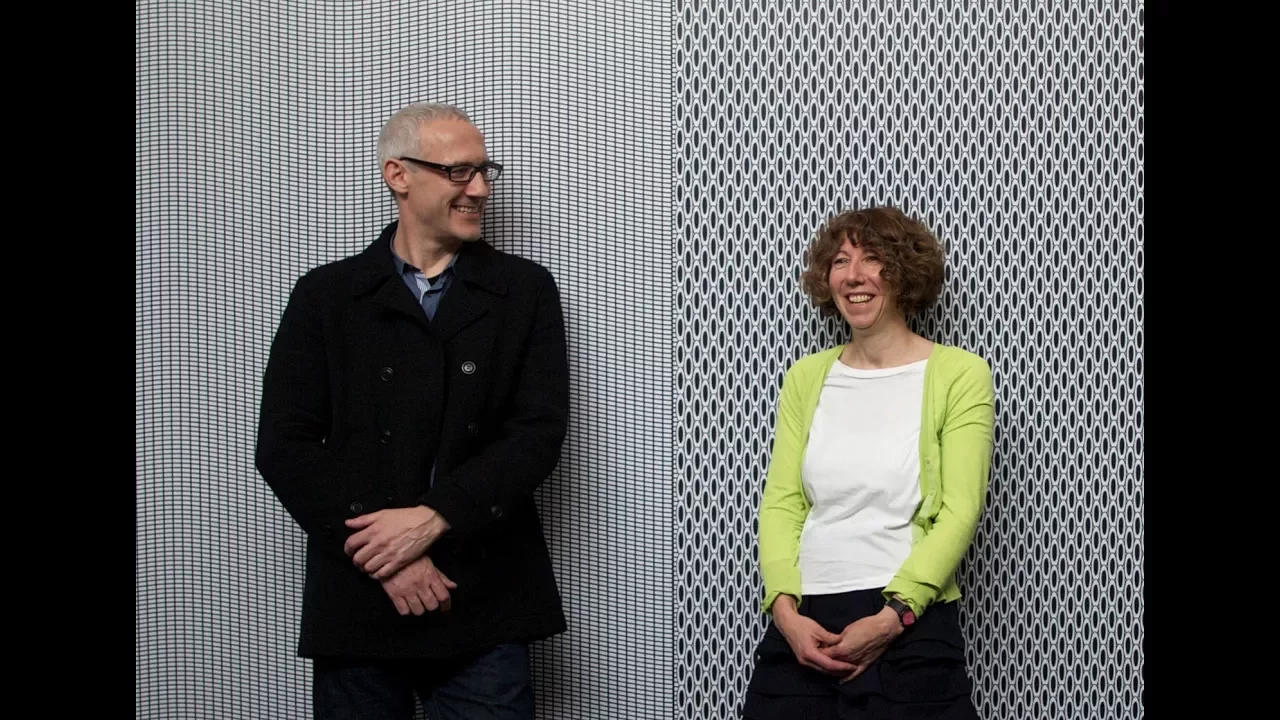






Digital ethnography is an approach to researching human experience that recognizes the inseparability of digital and material environments in contemporary life, using methods like video recording, photography, and digital tools to study people's everyday practices, relationships, and embodied experiences in real-time contexts, while maintaining collaborative and respectful relationships with research participants.
Digital Ethnography with Sarah Pink: Methods, Values, and Future Tech
Added:Foundational principles of traditional ethnography, including participant observation, reflexivity, and thick description in qualitative research.
Basic qualitative research ethics, specifically regarding informed consent, confidentiality, and researcher positioning when studying human subjects.
An introduction to digital sociology and media studies, understanding how digital platforms and devices shape modern social structures and behaviors.
The core concepts of sensory and visual ethnography, acknowledging that human experiences are multi-sensory, embodied, and materially mediated.
Applied ethnography in User Experience (UX) research and Human-Computer Interaction (HCI), translating qualitative insights into technology design.
The methodologies of Design Anthropology, which utilize speculative design and co-design to conceptualize and prototype future technological scenarios.
Critical studies of Automated Decision-Making (ADM) and Artificial Intelligence (AI), evaluating how automated systems impact everyday human life.
Advanced methodologies in digital research, such as algorithmic ethnography, trace ethnography, and mobile/locative media methods.
35K views533likes47:00Original Release: 2018-02-26
hi and welcome to another episode of casted our podcast that I to you about foundational questions of information technology so information technology transforms lots of things in the world but it also transforms disciplines in academia for instance transforming on a modifying at least ethnography into something called digital ethnography so here with me to talk about that is the person who actually literally wrote the book on this Sarah pink Sarah welcome to the podcast so Sarah has been a leader of the center of digital ethnography at Royal Institute I can't get this right the Royal let the Royal Melbourne Institute of Technology yes the ethnography Research Center thank you very much welcome to coming and welcome to cast it so and I guess basically I get introduction both to ethnography and maybe then to digital ethnography and cyber ethnography you of fiber anthropology all of these things may be the same or not okay well thank you very much so we're stuck with ethnography and ethnography is often described as a bundle of methods that you used to investigate people in parts of different societies and cultures as nobly literally means to write about people but its literal use is really not necessarily strictly applied anymore when we talk about what ethnography does and what people ethnographers do so we might start thinking about ethnography as being a bundle of methods that involves watching what people do asking people questions participating and what people do it can involve interviewing it can involve actually going for walks with people and talk to people while they walk but also now in much of my own practice as an ethnographer as well it involves video recording people taking photographs of people or asking them to record or photograph aspects of their life so the history here this good really goes back to something like 18th century Germany were basically unemployed which people move travel to Africa and study people there and then there's I guess some kind of transformational shift at the turn of the last century with us who who redefines both the method but also the objective or maybe just the stance of ethnography has evolved through a whole series of different approaches and stances and ways of theorize in what ethnography is seeking to find out and look at in society and that continues to happen I would I guess my interest in much more is is defining contemporary ethnography which doesn't only mean ethnography of the contemporary but it means the contemporary approach to ethnography so for me ethnography as I I define it is an approach to researching with people trying to understand their world participating in their worlds it doesn't involve studying people as if you are separate from them it really involves studying people within a relationship with them so actually participating in and collaborating with them to produce new ways of understanding how they might feel about something particular activities that they might do and also that the kinds of things that they would never usually talk about so for me that's ethnography is a core method for actually delving beneath the surface trying to actually understand the things we would normally never see people doing in their everyday lives for example in some of my projects we look at people's everyday morning routines from when they wake up and get out of bed and what they did when they leave the house or their bedtime routines those parts of life who would never show to anybody else but also those aspects of life that it would never occur to you to talk to other people about so they might be very mundane hidden aspects of your life it might be how you actually know where things are in the dark how do you find the light switch when you walk through your house in the dark something that you know when you live at home but something you don't know when you go to a hotel or to somebody else's house so many of these things would not be volunteered in an interview for instance that you could never find out the kind of things that we seek to reveal in ethnographic research as I define it by doing a quantitative survey or an interview I really love ethnography to actually happen exactly in the place where the things that we're interested in finding out about occur so for example when we do research about how people experience driving and and how they feel about their cars and how they imagine their future cars and future autonomous driving cars for example we actually go in people's cars with them we want to know what happens before they get in the car so we follow them around their homes in the morning we go in their cars with them we sit next to them and we actually watch what they're doing up to a point in video what they're doing as well but really the most important thing is the dialogue that we have with people while they're doing the things I'm most familiar to them in their life that would require some delicacy right because you're inserting yourself into the into the very moment that the observed behavior happens yes it's delicate in the sense that we were there with people in their lives as things happen and what we don't ask people to have Ashurst things that they wouldn't want to show us so we're very careful to navigate those situations in such a way that we're actually not observing what people would do and we weren't we're not there but we're actually collaborating with people to explore what they normally do well know there's some kind of history using words like respect for the subject yes and in this kind of process then we actually ask people to share the aspects of their lives with with us that they wish to share they feel comfortable with sharing but we also use their performance of things they would normally do as a way in which to help them to recall and remember and to think about things that they would never tell us or show us normally and that they were willing to talk about it's not the part you call reflexive or this feedback that the observation itself generates maybe not a change in behavior but a change in what reflection and part of the yes subject there's reflecting on how our presence changes what people do but within that I would always recognized as a researcher I can only ever research people who are in a research situation yeah because otherwise they wouldn't know that I was there and it'd be a very different scenario so I guess the idea is to understand what influenced my presence has on the research situation but also to recognize that essentially the research process is collaborative and that the people who participate in it are working with me collaborative between you as the investigation and the subject yes so I'm we're working together to actually enable them to to investigate their own experiences and to recall things and to find things in their experiences that I will help them to talk about through my question so this is deliberately its objective for good word yes deliberately seeks to understand from my perspective so I need to try to understand what other people are experiencing I only have one core tool to use in that which is my own experience of other things so the idea is to actually also try to find ways in which to connect our own experiences to those of others using forms of empathy using forms of imagination of course we can never know what it's like to be somebody else and to be in the situation the other person is in but we tried so yeah absolutely but we try to get close in the most loyal and respectful way so that we can then try to be able to actually write about their experience in such a way that it's we can communicate it to others okay loyal and respectful and I think so in particular you assume that the subject is a valid source of information about it yes yes yes mm-hmm so it's so the digital part so surfer could still mean two things from it right it could be that you study the relationship of the subject Oh many things actually with other people in a digital world because I assume they wanna I I know that some of the things you study are relationships and they are now mediated by and certainly in four or five digital technology and then the subject interacts with technology but it could also mean that this digital ethnography is good old-fashioned F Rafi using digital methods yes there are two aspects of it but that probably more but their underpinning underpinning those two aspects of digital ethnography is the fundamental assumption that we now live it in a context where the digital and the material are actually part of the same environments so the digital material are brought together to the extent where we can't say that we're doing an ethnography that's not digital because for most people underpinning that we're accounting for the fact that our environments are always digital my gray yes so you couldn't have done it alone ography before there are digital technologies so that means that our modes of doing research so our research methods and our practices inevitably have a digital elements the way we write ethnography has the digital elements has done for a long time because we write it on using our computers our laptop so our desktops already there it's interesting because that I guess also has exploded that it's not only C years of letters you communicate in any other ways now absolutely we disseminate our ethnography digitally and not just because we publish it in journals that have online component components we use social media we develop websites or new modes of actually communicating about ethnography that's the world that we work in as ethnographers is the world that is inherently digital and this also means that we use digital technologies or modes of doing our research so we use digital video digital photography digital audio recording and that means we can share our videos as soon as we've made them so if I was for example doing a piece of research with you about how you drink your tea and we sit there and you drink your tea and I interrogate you about how you experience your tea and how you think about the taste and how you experienced your last cup of tea and I ask you all these bizarre questions and you think this is woman totally crazy about coffee yes of course and and then once we're finished I'll say okay look you know I want you to watch the video because I want you to be happy and what you sure that the way that you've been portrayed in this is appropriate and that you communicated what you want to communicate so I said well I could just upload the video and I'll send it to you straight away on my smartphone and you can receive it on your on my smartphone and check through it and then you can you know tag anything you don't like or you can edit it even it sent back to me what you would like me to use in my research and then I'll ask you well you know now you've viewed your video would you be happy for me to keep it in my research archive and analyze it would you have for me to use stills from it would you be happy for me to show in presentations or can I put it on my website as part of my research findings and dissemination and so those processes of actually engaging with people immediately and ongoingly in this research process have been really facilitated in fantastic ways by the way we can use digital technologies in the research process there are many many other possible examples of where the ways we might share or or communicate with people in in research first on the face to face basis but then we might extend it into that more online basis by exchanging materials and sharing so that's one one way that we would use so here's one way then what's that it seems to be that you're deliberately not doing the following equip a home with lots of cameras and sensors no and measure the behavior of 10,000 people in Singapore I would be very happy to do research with other researchers who do that and then collaborate with them but there are different ways of looking at the world sure so exactly what we would do with what I just described who would do an objective large date in immersive is not the right word but ongoing 24/7 data collection of how often the how often the coffee machine is actually used on a Sunday it might be people who are interested in human-computer interaction and researching that ever it might be psychologists it might be social psychologists who might do a very very micro analysis of all the actions and things that are said in those processes or it might be sociologists are interested also in documenting those activities I've been really fascinated by their results and I love to work in big teams with different people do different types of research one project I worked on actually involved energy engineers developing new ways of monitoring and measuring energy use and measuring one of those things in people's lives now what we didn't is that project though was to follow people around their homes with video cameras and the difference for me is the looking from above and mapping out and the moving through and I think this has a really interesting parallel you think about the way that human geographers work human geographers will often very critical of maps of mapping because mapping flattens things mapping takes a slice across the world looks at it from above as opposed to the normal geographers who love that okay human jump with the strength and this is on humans and then you think about movement movement and the emphasis of movement in human geography the idea of movement is about going through and I really like that difference between the work that I do and the work that people who map Hassen measure and document in in the other way too because moving through enables us to actually understand the life as it progresses through the paths that life takes and how it meanders through environments I think it's very important then to understand what happens when people start to move through an environment what does they pick up what does they feel what do they sense how does that actually feel like we spend all of our lives moving through the world we experience the weather which brings the ground under our feet we use digital technologies as we move through the map take our smartphone and we might be using Google Maps and we're moving through a physical environment we might be taking pictures of what we've seen and uploading them to Instagram so this idea that we move through environments in which the digital and the material are all passed as the same configuration and we are actually moving and weaving through those different aspects of our lives really for me informs the whole question of how we can go about understanding what it feels like to be in the world as far as understand at least classically location or embodiment are important aspects of ethnography and other new concept I can use - it seems to me that we know both are physically present somewhere but at least many of us are also digitally present somewhere else maybe only for glimpses of time and that maintain several I don't know instances of me on somebody else's phone and that is updated every few seconds yeah how do i reason about this how are we now in several places at the same time how the Conte how do the trans argue the concepts of location or embodiment or interacting with the world how can i express this now we're still feeling knowing sensing beings who are continually engaging with our immediate environments but digital technologies enable that to become interwoven with different forms of presence and in different forms of connections which again involve different ways of understanding of feeling and sensing the environments that we're in so if you're walking through the streets outside where it's probably going to be a little bit cold is a little bit dark and you're feeling sick Euler things as you're going through that environment and you're talking to somebody else on your smartphone then you're you're bringing into that particular configuration that your experience at the moment the particular form of presence there also particular forms of emotions and feelings that then become configured in relation to all of the other things that you're sensing and feeling at the same time I think I get the so-so ethnography here at least in the way you explain it to me is very much a method that can be used as a tool in disciplines such as sociology or human-computer interaction yes and I guess that's what anthropology anthropology just is there anything else in anthropology okay of course okay anthropology is split into cultural anthropology and physical anthropology well they're rich in some iterations of anthropology there are four fields and the United States for field anthropology is still quite dominant which would be social cultural disco and biological physical one no there's another one but obviously I don't practice that kind of Entomology which is why I can't even roll my tongue the four fields so I was trained in social anthropology in the UK and that for me is the core of my kind of practice as an anthropologist but some I guess my work has also gone much further than anthropology since my career started and I've collaborated with many different disciplines I think that brings me back to one of the other core questions around ethnography which is where we started and I'd like to come back to it nah graffia for a moment now because yes ethnography has was developed in anthropology and as a strong tradition event progress know between anthropology which are very much defined by anthropological principles of questions that anthropologists are interested in but there has also in parallel or in relation with a strong core of ethnography and sociology which has been slightly differently defined to developed as well there has been much as the graphic practice developed in design and design research so researchers and scholars and all of those actually think that ethnography belongs to them and that they are actually the discipline that does ethnography and knows how to do ethnography now that's one of the reasons why I'm the digital ethnography books that you referred to it's called digital ethnography it was actually written by a group of researchers coming from different disciplines and which included anthropology cultural studies meat and Media Studies and and in the book we didn't consciously didn't want to define as labruffey as being just blowing into one discipline we very consciously wanted to represent an ethnography that could actually be changed by the way that it was it was shaped by the disciplines with it within which it was being used at the time so there was always a different inflection in the way that ethnography is practice in relation to the academic and scholarly discipline and it's series that inform the particular project it's used in so the book is very much structured on I don't know domain right there's a chapter on things or Chaplin relations a chapter on oh my god events and so on and and so these chapters do them up onto disciplines or am I being overly naive no they don't maybe some of the room influenced more by different disciplines than others but we actually have tried in each chapter to represent different disciplinary interpretations of course some disciplines focus more on on particular concepts so um so there would sometimes be some dominance but some but no because we what is an interdisciplinary team then the the aim was to actually write about for example relationships from perspectives that encompassed and topological approaches to relationships more sociological and cultural Media Studies approaches to relationships and and but and also then to enable the the readers and the users of the book to actually use our workers aware that she's thinking about well how would they from their own disciplinary perspective approach those questions as a digital ethnographer so we wanted to provide a set of concepts and a set of methods and a methodological framework through which people could think about doing digital ethnography but we didn't want to define how they should do it let them go for what they should do I mean I'm a strong believer that any book about research approaches and methods should be used by its readers not followed and it should be used to inspire to enable them to think about what they want to do in their own work methods never finish when they're written down and I guess I'm going be developing and changing it seems to me there's a strong tradition of not being dogmatic and exactly those questions yes we chose those concepts because they seem to be this in to address a range of different questions across the range of different scales which we thought would be helpful mmm very nice cases in each of them so so let me get back to relations because because maybe we just have an example took to be a bit more concrete about this because now I have been learning everything about methods and disciplines so so for instance the way that the technology changes relations yeah between people I guess a lot by the mobile phone so the mobile phone which has which is enormous ly popular yeah in particular in maybe that this southern part of the globe doesn't really transport many people's life for better or for worse and both basically destroying some structures and also some structures and our people communicate socially but also reinforcing them yes fascinating that this that this object works and seems to work everywhere and seems to be a really important important part of people's life which I was poorly the last person in Scandinavia so to me this is it this is alien yeah I think people use mobile phones in very mobile smartphones in very culturally specific ways and there's part of the social relationships that are already existing in their worlds they make new forms of social relationship possible I think the important thing is to actually start to think about how they become embedded in the way that people the social structures and the social relationships that people already have and how they actually enable people to maybe do new things within the structures of those relationships but also how they support the maintenance of those relationships as well can you give an example one of the projects that we've been working on in in Australia which is called locating the mobile it's an Australian Research Council Thunder project looked at how people use smartphones in families and intergenerational families as and one of the interesting things there was looked at how people use them as modes of coordinating travel caring for people ensuring that people were okay following and in tracing where people were as a way of caring not as a mode of surveillance but that also some in some societies more world phones very much become a method of control yes yes but those the probably societies were and there were already methods of control in place so I guess the very interesting thing about our research was actually to learn about how the smartphone became integrated in enabling people to carry out modes of living together which actually enabled the feelings and the processes and the relationships which they sought to have in which they already had obviously there are ways in which there are differences because the technology enables different modes of relation to people it enables people to contact each other at different times it your communications with people don't have to be synced in the same moment you can leave a message and then you can get one later but you could already do that with the answerphone so we can actually see relationships between what used to the same degree I mean I never used another oh I think people certainly you supposedly each other yes mm-hmm so so so this is so I understand that this is a this is a that you want to study how people who are live right now use technology there exists right now yes but what what the interesting is of course to sort of use this as a starting point to reason about future technology or emerging technology yes and that's exactly what we've been doing in our research looking at autonomous driving vehicles and also looking at how people use smartphones in the present and how they combine them with other technologies to get a sense of how some technologies are really being brought together in relationship to each other which who should be able to give us some clues about what kinds of technologies people might need to use in the future so what else driving self-driving cars are a popular deep thinner at the podcaster thing we have at least two or three conversation yeah about philosophy artificial and the trolley trolley problems are one of the yes one of the eternal associates of interesting conversations so how does an ethnographer reason about that about the ethics of for instance if that's even a topic yes I'm I think my starting point for thinking about if our cars are going to kill us or who they're going to decide to kill in an accident scenario my starting point would actually be to start thinking about what people will already have been doing to their cars before we arrive at the accident scenario so how will people be using their cars already well have people have always customized their cars were people actually hack into their cars to see if they can actually determine what the car will do in essence so seeing that people actually happily modify their phones or all kind of personalized I guess personalize them yeah we might be mistaking and assuming that the that the autonomous car that leaves the factory floor is actually the autonomous car that is going to be involved in an accident because it might have been personalized yes including hacking software aking yeah maybe I can imagine a whole small hidden industry growing up changing a very perfectly utilitarian car into which somebody has built in consequential ethics but they're hacking it so that attacks you some kind of Nietzsche car that protects me instead of everybody else but think about mobile phones when people used to want to break into their phones so that they could use them in with other sims or another so there's I think the mobile phone is a fantastic technology to look at the smart phone is a fantastic technology to look at if we want to think about what people are going to do it with the next emerging technology and in particular the way they sort of hack the intended use yes absolutely I see okay and from studying this we might do it would I make a moral mistakes now is by saying that we try to form hypotheses because now I'm seem to be stuck in a month-long ethnographic I was yeah but I think it's not good who's asked questions they asked question I'm almost hypothesizing by saying well you know people we know this about mobile phones maybe people will do this without some of those driving vehicles I think it's one of the questions that we might want to ask ourselves in relation to what people would do is autonomous driving vehicles I guess the insight that the car that leaves the factory floors not the car that's involving the accident is yes it's pretty good already yeah and it will be fascinating to actually know how that plans that pans out the other point though is that the car that's on the road will but not be on the roads that we can imagine or experience at the moment because if the car that's on the road is not on the roads for another ten or fifteen years time then again it will actually be going into a scenario that we actually don't know enough about because we don't really know what the world's going to be like in ten or fifteen years time we have an idea we're probably many of our hunches might be right but there needs to be we need to acknowledge that we really actually don't know what's going to happen next and our futures are really characterized by an enormous amount of uncertainty but this is what we want to reason about we want so sort of have some kind of ownership into which direction this saw is going of course we need to we always need to feel that we can do something to feel less uncertain and to feel confident enough about what's going to happen next to be able to feel comfortable I see mm-hmm that's been that's why we spend so much time talking about questions about if one of us driving cars are going to kill us and and what benefits they're going to bring to society in order to what construct acceptance no that can't be it in order to be able to feel comfortable about the question of what's going to happen next what have they will become parts of our worlds mhm so doesn't do these findings aspire to influence the design of this technology or do they just want to talk or to inform the conversation about this or what is what would be the the least aggressive way of putting this be mm-hmm I guess this is these are observational studies that that I could sort of see a value chain in in in the academic disciplines that that's starting from an observational highly subjective study you might be inspired to do a controlled study and then sooner or later the economists and the new endocrinologists and the neuroscientists computer as well and then you have this this this fascinating and broad spectrum of various aspects of the same technology you want to reason about possibly to make it better or usually believe that anthropologists should be trying to intervene at all levels I believe that anthropology has a really significant role to play in a society that hasn't been fully realized but to be able to play that role then anthropology has to change and be open to other disciplines but I believe that the kinds of insights that we can produce through these studies should be having some influence at policy level they should also be influencing technology design and they should also be disseminated as a form of public scholarship that actually enables different sectors of the purple is different interests to be able to actually rethink how they might be engaging with technologies as futures progress so I really like that so but you say both oh we should be engaging with other academics of course because we need to influence academic debates this is why yeah so yeah I like that even more and end you say anthropology is us they're certainly inside in anthropology is a history or tradition for activism is not the right work yes yes going back to Bo are certainly right so so that's that's not that's not alien to to anthropology or maybe it's just that the anthropologist is also an activist but the anthropological research is still descriptive or anthropological research can also take an activist mode it can collaborate with an activist movement for example can be done by collaboration I can get insights and contribute to their the aims of a movement as well I think that at the moment one of the one of the most interesting modes of engagement beyond the discipline of anthropology that anthropologists have been participating in has been the development of designers anthropology designer anthropology yes so design anthropology brings together anthropology and design in such a way that it goes beyond what each of those disciplines can do individually but it also means that as anthropologists and designers have to let go a little bit some of their own core principles in order to accept the methods and proaches of the other discipline so what does design you mean as an academic discipline or as the people active maybe that's the same it could be designers or design researchers and designers and design researcher are actually sometimes the same people so design research is also design and I would place design anthropology I guess more of that nexus between anthropological researchers and theorists and design researchers and practitioners so that to be able to engage fully the people involved need to be able to bridge the theoretical and the methodological and the practice base dimensions of the relationships between those those disciplines but that doesn't mean that you wouldn't it needs to be two people it means that there might be a group of different people all have different levels of engagement with with Theory methodology and practice across the disciplines all working together and practice again here as an academic as the study of practice that is here Shut scheme no here practice very much in terms of what design practice and ethnographic practices so actually thinking of the work that a designer would do as a practice actually and the work but similarly trying to then to correspond to that define the work that and ethnography would do as a practice as well so it's not it's not so much an anthropology of design it's some kind of interaction between oh my god pick up PP between actually designing something and communicating with an anthropology who studies the context in which the design is being used yes you can weave between the disciplines in different ways in terms of the collaborations but the main aspect of the research that would try to understand what other people are doing would be an topological but remember that designers also have really interesting techniques for learning about how what people do and how people feel about things they've already for many years been using to inform design so this I only know from the computer science business in human-computer interaction is that good another model for design or should I think of building bridges or you need to think more about participatory design okay so the participatory design and the way that participatory designers can work with anthropologists is I think it's really interesting so this would be the school of software development that for instance the school of software development that constructs new applications by interacting with the intended users of the application it could be that but it could go further than that so it could actually think about participatory design as a designer working with a community or a group of people to together design a service or a process or an object and it's look it can cross over also to service design so that's where anthropologists and designers can really come together and bring bring different elements to this process now the interesting thing about designers have never had any fear or worry about the future that's what design is about doing things that go into what happens next whereas anthropologists have always very much held back and always only research what's already happened so the critical component is sort of missing from design or am I being too brutal that I think that's a bit too brutal I think that we need to think about designers having a critical component in terms of its its critique of of social structures its potential critique as design activism and but it's its ability to actually confront the idea that we can work in a temporalities that we don't know anything about yes right which is what's going to happen next which is what anthropologists have always worked in the past because what anthropologists study has always already happened what ethnography writes about is always the past or maybe the now is that well no because the problem with the now is that the ethnographic presence as it has been called is something that's actually being condemned by anthropologists as being ethically problematic because it objectifies people and crystallizes them into a thick moment in the presence and it means that we can't recognize that ongoing processes have changed that people are going through yeah this makes a lot of sense thank you for I mean thank you all those worked I'm learning a lot but the thing is that some that focus on the past there has been the ethical refuge of anthropology it's been the way we've actually enabled ourselves to be reassured that our work is ethical so when we're confronted with the question of researching the future then it opens up a whole whole series of new questions Isis which can be interrogated ethically and also in terms of an ethical responsibility of actually assuming the burden of responsibility not only of writing about people who've done things in the past but assuming the burden of responsibility of considering how to represent possible futures and and the ethics of describing futures that may be utopian or dystopian is there some ethical tradition that you think anthropology is more went to than another one yes specifically to the ethics of collaboration of an acknowledgement of respect to the people who participate in our research of enabling them to also take shared responsibility with us for what we reveal and what we don't reveal it's a consultation yes yeah so when we're writing about people's futures that those people haven't yet experienced or lived we might create those futures collaboratively with them so we were considered with them what it's appropriate to communicate and not to communicate mm-hmm okay very good so the source of information about the future is among many other things collaboration with people who live now and report their own experiences with things that we may want to extrapolate from no that's too much we try to observe we try to observe what happens now and and take seriously the the self-reported vision of a future yes the subject yes and that's one mode of Investigation to collaborate with people in the future to use their experience of the future almost as probes through which they can help them to imagine different futures and to do that in conversation the other way is through workshop methods which comes much closer to design research methods so one of the projects that I've developed some are MIT over the last few years and we're actually publishing a book this month I think or next month very soon called uncertainty and possibility and that's a book that I've written with them based on a series of workshops that I developed my colleague Yokohama who's one of the other authors and those workshops specifically aimed to create modes of uncertainty that people in the workshop would experience so we could then harness those feelings of uncertainty in order to develop visions or versions or ideas of possible futures that would be different from the present some of them I guess very scary and some of them in utopian and none of them were very scary but some of them were a bit sci-fi no big III we haven't guessed as well on the Panther podcast where we reason about existential future risks yes and this seemed to be very very hard to reason about clearly yes whoa so this is what B sounds as if that project would be quite transformative for anthropology because it requires redefinition of the self-image of what what the maybe not the goal but certainly the method of the study is yes and it involves using new new methods of doing research but what we've tried to do again I talked about bringing together an topological and design practice what we've also sought to do in the workshops is develop to develop what I've called blended practice which has meant that we've developed the workshops very much in the tradition of design futures of design workshops but we've also used them video recording so now there's a tradition of design video documentation in design research and designers document their workshops in many ways and then create marvelous resources of materials but we've tried to actually combine that much more esta graphic or visual ethnographic but you have you speak with some authority there is about visual with novelty and sensory of nog Rafi and so on yes we've tried to apply some of the methods from visual and sensory ethnography to the way in which we document the workshops and so then essentially we've tried to bring together them design research and visual anthropology or there's no ethnographic research practice into the same process so that we can try to actually start to produce the materials differently and blend our practice actually in the very moments of making the knowledge that we're producing what does blended mean here three blended means creating a mode of researching that brings together one discipline with another discipline but it's not one or the other so it's not a version of design that has the months mode unit it's not a version about the prodigy that has some design in it it's actually something that brings those there's two approaches together in a new way mm-hmm which is challenging it has hasn't been the most easy in easy process sometimes because you were always inevitably I'm obviously have to be pulled towards my own discipline and and wish to make my judgments and my analysis from that perspective so it's also an interesting process of being pulled back when you're going too far into your own discipline it's there a lot of just it's a lot of pushback because you must be you must be challenging other people's disciplinary security a lot but by interacting across these data in this particular project we went I think we all went into the project wishing to be challenged mmm and to open up our own practice to other modes of practice and to learn from that process and and to do something different in terms of approaching the question of uncertainty and the possibility but I guess it requires some kind of mutual agreement that this is a good idea that basically stepping out of these disciplinary boundaries is it's good because we all feel very very much at home in that the methods that we know yeah but often also I found that people acknowledge the limits of their own disciplines and they're keen to actually push outside them to explore what they can learn by engaging with new disciplines and I think in my own case because much of my work is methodological and I engage with people from many different disciplines ranging from engineering to design to arts practice filmmaking safety research health research other things I can't remember including of course the technologically emerging technologies research I'm involved in as well and very often we forged those connections because we're always aware of what we can learn from each other and how we can actually push our own thinking in new ways the thinking that I've done in our certainty and possibility research that I just poked about has been very influenced by the research I've done about some safety and so what does is this I'll be back at the chorus now with safety oh no no Rebecca construction site without my own construction sites from logistics workers and nurses occupational therapists who go and visit other people in their homes to care for them and from there you get to uncertainty because safety is basically a question about uncertainty work we looked at some occupational worker health or safety which is essentially an anticipatory regulatory framework that seeks to mitigate the possibility of anything unsafe happening by posing a series of guidelines and practices upon people who actually in reality improvise just like the people who drive their cars and have to sometimes hack the system so that they can actually work in a way that's really safe yeah yeah I know bunch of good examples for this many many many yeah I guess I guess I what I really like about this entire tradition is the focus on people personalize it changing playing around with toying with all these artifacts yeah so the the playfulness of all of this including sometimes even the mode of presentation is really highly inspiring yeah Sarah thank you very much for coming I got a lot out of this I know feel moderately bummed about it thanks a lot for coming ok thank you very much thank you all the fraud and thank you all for tuning in
Up Next

24:28
Using Ethnography to Design Organizational Culture | MIT Sloan
@MITSloan
6.6K views•2015-09-01

38:41
Astrobiology Through an Anthropological Lens: Field Insights
@georgiatechastrobiology
128 views•2021-04-14
4:45
Proxemics Explained: The Study of Personal Space
@Vox
536K views•2016-07-05
10:38
Psychology of Internet Trolling and Pranks Explained
@AzzyLand
10.7M views•2017-12-20
Related Study Plans & Knowledge Roadmaps
Structured learning paths in Anthropology
anthropology
Space Anthropology: Analogs, Culture & Habitats
01Foundations of Space Anthropology & Cosmic Imaginaries
02Extreme Isolation & Micro-Societies in Orbit
03Space Analog Habitats & Earth-Based Simulations
+ 2 more learning modules
15h5 modules
Explore Roadmap
anthropology
Legal Anthropology: Customary Law & Pluralism
01Foundations of Legal Anthropology and Social Justice
02Legal Pluralism: Coexisting Legal Systems
03Customary Law and Indigenous Dispute Resolution
+ 2 more learning modules
15h5 modules
Explore Roadmap
anthropology
Global Tourism: Gaze, Authenticity & Heritage
01Introduction to the Sociology of Tourism
02The 'Tourist Gaze' (John Urry)
03Staged Authenticity in Tourism
+ 3 more learning modules
14h6 modules
Explore Roadmap
anthropology
Modern Kinship (ART, Adoption & Chosen Family)
01Foundations of Kinship and Family
02Assisted Reproductive Technologies (ART) & Relatedness
03Transnational Adoption and Global Kinship
+ 2 more learning modules
12h5 modules
Explore Roadmap