













Ethnography, the science and art of studying culture through immersive observation, reveals that organizational culture is not a top-down construct but emerges from collective practices and socialization processes at the workplace level; effective cultural change requires managers to engage with existing practices indirectly through dialogue and participation rather than direct mandates, as culture functions as a problem-solving device developed by frontline workers over time.
Using Ethnography to Design Organizational Culture | MIT Sloan
Added:Basic understanding of organizational culture, including how norms, values, and shared beliefs influence employee behavior.
Fundamental concepts of qualitative research methods, specifically what ethnography and participant observation entail.
Introductory knowledge of organizational change management theories and why cultural resistance occurs.
Familiarity with key concepts in sociology or anthropology, such as rituals, symbols, and subcultures.
How to conduct a practical cultural audit or ethnographic field study within a corporate environment.
Strategies for translating ethnographic insights into actionable organizational design and change management plans.
The ethical considerations and challenges of conducting workplace observations and surveillance under the guise of research.
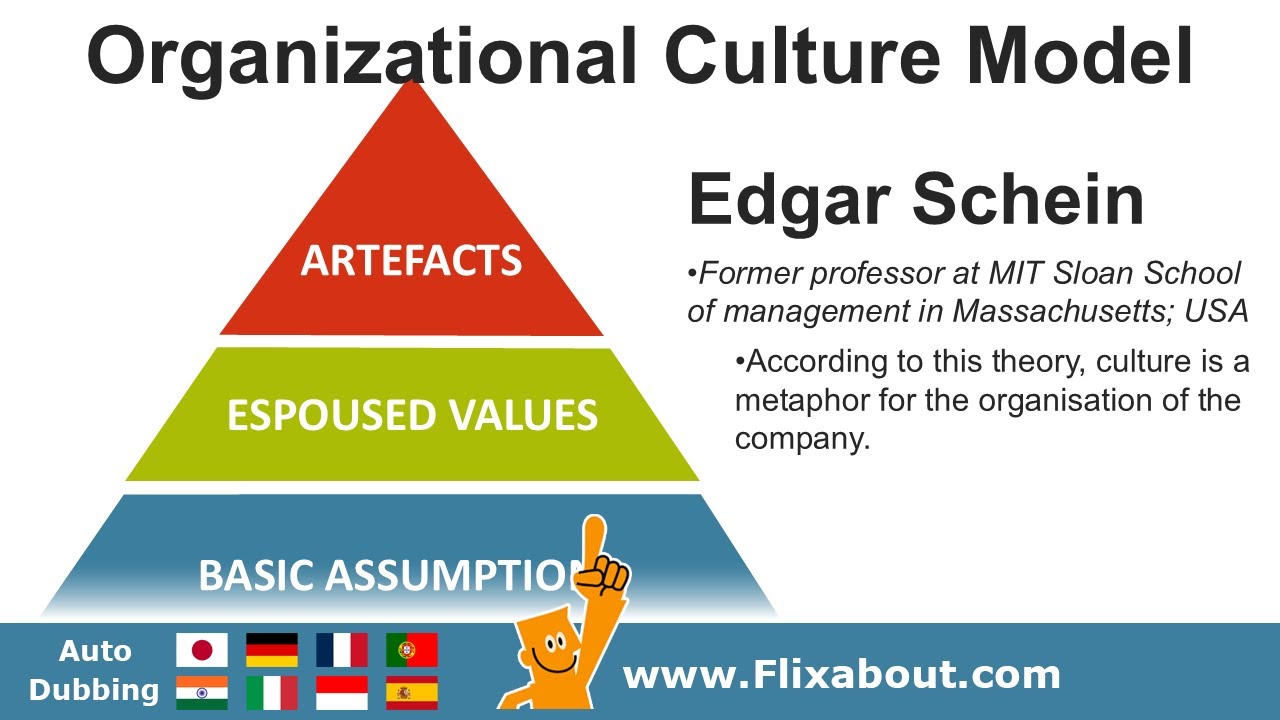
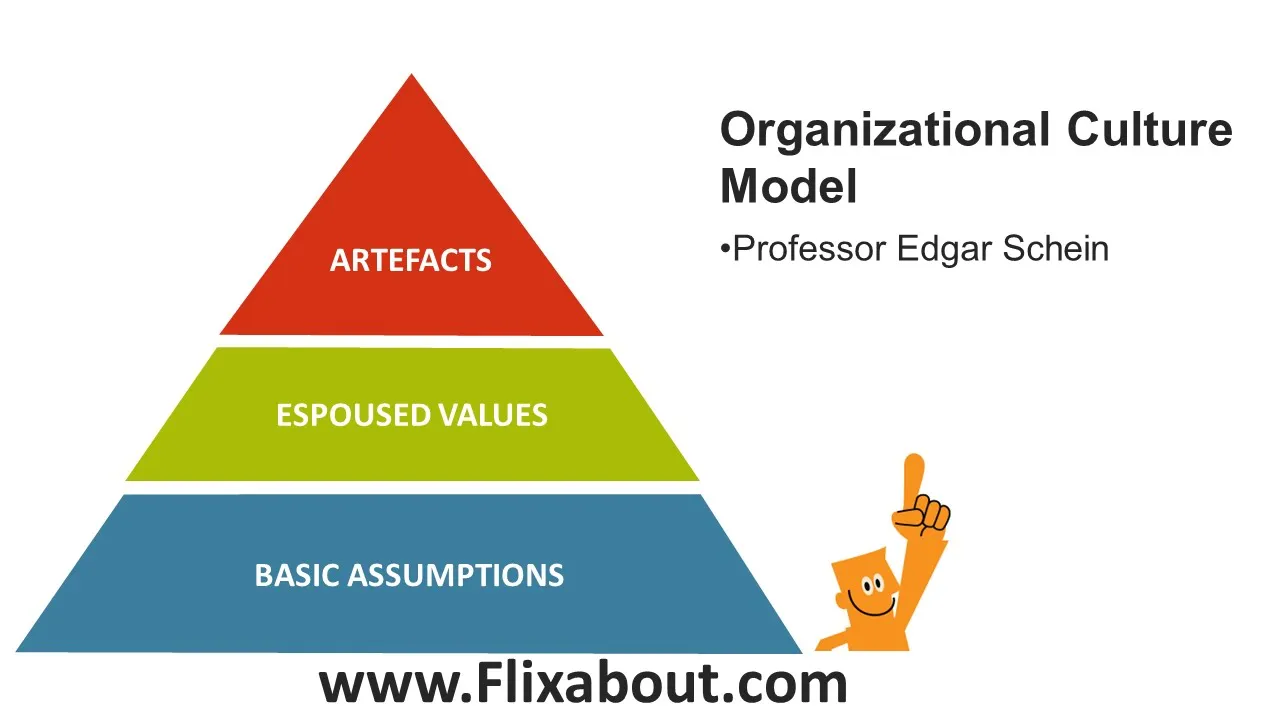
Advanced frameworks for leading cultural transformation, such as Edgar Schein's levels of culture or Kotter's change model.
6.6K views75likes24:28Original Release: 2015-09-01
[Music] hello I'm Kate Kellogg and with me today is John Van Manon the Irwin shell professor of management and professor of organization studies here at MIT Sloan hi Kate good to be here great to have you here John John is best known for his work in ethnography having studied people and practices in a variety of organizational environments both public and private his work encompasses everything from the police force to MBA students John is beloved here at Sloan and he's a writer on the Art and Science of ethnography and that's the focus of our conversation today John you are known for being the one who have brought ethnography into the field of organization studies can you tell us a little bit about what it means to be an ethnographer oh boy uh I will try um uh I do think of it as a very close to my own identity I think of my f myself first as an ethnographer second as an organizational a student of organizations I think you may have said it uh in the introduction in the sense the science and art uh because ethnography sits somewhere between the humanities and the Sciences it's a kind of limbo interdisciplinary project well so maybe start by for those of us novices talking a little bit about what you even mean by ethnography and how it relates to anthropology two sides of it two sides of the coin one is the study of culture defined these days with a much smaller C than we used to use uh that it's not all-encompassing that it's fairly ambiguous it doesn't stand still culture moves around um it changes over time so it's the study of this culture of what particular people in particular places do at particular times so it's also the study of practices but it's more than that it's the representation of that because an ethnography that was just a study wouldn't be an ethnography it's got to be written so I I think you know what might be most interesting to an outsider is like what's required to even do an ethnography and you know how it has its roots in anthropology it does and it does you're quite right it roots in anthropology and sociology but it was a very small Cadre of people uh on both sides of the coin and very few of them studied contemporary organizations the um the old joke was that the an you know the sociologists got the west and they studied Urban neighborhoods and they studied uh gangs deviant activities uh and the Anthropologist got the rest uh the rest of the world and the more exotic the further away they went to study the more um uh inaccessible the group or tribe the more status associated with it well for a variety of reasons it's come home ethnography has come home uh we can find the same tribal rituals in the corporate Suite that we can find in the jungles and that realization has led to what we might consider something of a golden age of ethnography it's more of it done today than ever before it's done in consulting firms it's done in market research firms it's done even in Business Schools which is surprise it's done I know one of the things um you like to tell your students is an ethnographer lives with and lives like the people they study and you know why is that necessary what mean that I that's the engagement it's path dependent you go into the fields uh not knowing much about the group you're about to study trying to keep as open mind as possible I always like to say ethnography can be defined as John B Manon getting off a plane you know suitcase in hand prepared for a long stay but there's no guarantee that uh whoever it is you might be examining or learning from and I always think learning from is a better way to talk about ethnography rather than studying as if the um people that the group is uh somehow a specimen to be held under a microscope the point is living with and living like so there's a you know it's it's subtle I mean there when you say living like well I know I'm going back I'm leaving someday so so there's qualifications to be made on living with and living like but the point is to get as close as you can to the pressures that others feel the kinds of tasks they have to perform uh such that uh they very soon forget that you're there as an ethnographer and if you can't find some way to get along some way to help to not be intrusive it's unlikely you'll be able to stay very long and I would recommend a career in something other than ethnography if um if that's a difficult task to perform so it's staying with living with living life uh and trying to understand how people go about the work they do if we're talking about organizational occupational settings so I've always tried to get as close as I possibly can to those situations so I could feel what it's like to be in that world so can you maybe give us a little specifics I know you've done a lot of work on the police you know we all think of ourselves as individuals as free agents and you know there's all different types of people who come into the police and then yet when you look at people in the same job a few years later everybody's is acting in this remarkably similar way well I don't think that's unusual to the police except the intense socialization which is highly Collective very very formal takes place over a long period of time highly designed in terms of sequences and the only way to respond is really the way they respond you know historically uh and if one looks Back 40 or 50 years one sees exactly the same responses the same perceptions of the citizenry uh the same Notions of the world we do have this myth that we actually are highly autonomous highly individualized and the organization itself because it's uh something of an idealized concept it is abstract doesn't play a part in shaping us and yet it does enormously so do you think it would be that would hold in other settings you know other groups of Professionals for example of course of course yeah um one sees it among lawyers one sees it among medical professions as you've so carefully documented one sees it everywhere you look you know the more intensive more Collective the Enterprise uh the more one needs a support of others uh the shaping goes on one can think intellectually of Designing socialization processes that are individualized that are highly autonomous that um reward Innovation and Novelty uh but one doesn't see a lot of that um we would like to see more of it right um even MIT would like to think of itself as a very individualized place but it too has its Collective constraints when people are joining an organization they're the people they're working with become so important to them and what those people think of them and you saw that in Disney too right one of my favorite uh stories of yours is how the ride operators actually manage the customers well that's part of why it's fun to work there and why you're willing to work there for a short period of time summer maybe part-time for a year uh why you're willing to work there because it's a game uh and it's a game ride operators play with customers and as long as you're a good uh customer that doesn't uh violate a right operator's sanctions and stays inside the line and goes over to the number to stand on that to await the car then they'll be treated quite well uh but if they're a little deviant which happens often with young adolescent uh males and makes fun of your uniform or otherwise cast disparaging remarks in your direction you'll find yourself on that number and when loaded under the car a seat belt that's tightened up so tight that you can hardly breathe going around my favorite trick was always I was a submarine Captain uh for a while and we used to put people in the sub and our little criminals of Disneyland we would put right under the hatch so when the sub went under the Falls you pull the hatch and they'd get soaked and for the next hour and a half or two hours they would have to go over to first aid and be dried out uh done with you know certainly the knowledge of the supervisors and the knowledge of the foreman on the rides um who probably realized that this was a little bit of a release was of course a release and they also felt that um the criminal in question probably deserved it so it seems like Disney really with their culture they're just managing everything down to the littlest detail and it's working beautifully for them um can they export that other places well we have a wonderful example of massive exportation in Disneyland what was called Euro Disney open in 1992 Disneyland Paris today was a disaster they were exporting this detail down to the very last detail in France and making uh enormously uh uh off the the wall comments about making Paris a side trip uh and alienating um number of people that they really needed their support from it was a disaster absolute disaster so can you give an example of of something in the culture that you think worked very well for them in the US that then didn't what worked very well for them in the US was the both parks I mean they're enormous money generating Parks uh you know when it went to when Disney you know built Disney Orlando they made some adjustments changed things but it's pretty much the same operation the rule book reads in the same language when they took it as they first did to Disneyland in Paris with all the advice about Paris being a central location in Europe that would draw 300 million uh uh visitors or you know Paris gets 300 million visitors a year so it was a perfect place to put Disney you know the fact that Disney had been in two warm climates in the US somehow didn't enter into their uh strategic design model was there anything with the workers where they workers walked the workers walked off they wouldn't wear their uniforms to work they were made fun of the women were told they couldn't wear black hoes uh or lipstick uh it was there was a Revolt Disney works in the US largely does part-time labor so if it rains everybody goes on why you can't do that in France there are labor laws that prohibit that so they were hiring people who had to work much to Disney's disfavor 36 hours a week Disney built seven massive hotels at Euro Disney and they couldn't fill them up they thought people would rather live out by Disney than in Paris and they were wrong is it true that Disney has like a whole underground area with where the staff are allowed to go and you know sit back and relax and not act like the characters but that the second they step out then they have to be you're on stage and you know and this dramaturgic notion of being offstage and on stage very real you actually feel it when you work there the the you know you go from the quiet uh you know chatter of fellow colleagues saying anything they want to opening that gate and coming back into the park with its music and its tourism and its you know crowds uh you really do feel it it's like walking onto a um you know walking into the circus tent and it's quite dramatic actually quite dramatic the way the separation of the onstage offstage and of course offstage is where you organized for what you do on stage and um do you think that's true in other settings yeah I think it I think it is true I think it is true I think this is goffmanian you know language Irving gofman talking about the dramaturgic nature of Life all Life's a a stage and what's not staged is very hard to distinguish since we're all products of uh Having learned these practices and routines and faces to put on and pull off and what situations call for what sort of persona um I don't think that's unique to Disney I think it's true of all organizations some even the front stage backstage aspect yeah quite quite clearly what can be said publicly what has to be said at the water cooler or what can be put in an email what cannot so I think these lessons that Disney is an extreme example of are applicable as many organizations has found out I mean Disney runs the largest executive training program in the world when you came to MIT we didn't teach that in the classroom no and now we do teach in the classroom could you say a little bit about you know how it fits into the other things we're teaching well I you asked one of your initial questions was what did I bring to or what does ethnography bring to a business school well that's just it I mean ethnography is the science and art of studying culture and if culture has be come important it's because it runs as a counter narrative or you know a counter discourse to the Strategic view of the organization that if you're smart enough and analytic enough and have the right resources and have done all your big data analysis you can design an organization will perform perfectly and if people cannot do what they have to do get rid of them find somebody that can uh the sort of contract version of uh what an organization is well that's one view that's been critiqued of course by the political perspective of now organizations are really people who have power and power over others and they direct things sometimes it violates that notion of strategy well I get you so far but it's a rather paranoid view because what informs a political perspective what legitimizes a political uh reach well that's the culture culture is about meaning it's about interpretation it's highly variegated it's highly contested it changes over time Millennials come into the organization with different ideas uh and it shifts that culture a bit even though but I just reading your work it seems like you're somewhat pessimistic about the ability to manage culture and yet you know in order for this to be useful to managers they need to know in what ways they can use it so you know how can you change culture well I first of all you would change it by not saying you're going to change it you've got to come at this indirectly I mean I think in some sense the culture legitimates the power structure in the organization as it exists and the power structure chooses the design or the strategy or the next move strategy is future oriented we don't know there's a you know very difficult to know there's no counter narrative here we don't know what would have happened under other conditions so the culture is the base in some sense when you say it legitimates the political structure what do you mean just in terms of like who the ideal worker exactly yeah the role models the way people go up in the organization or assume position positions of Power are those who have been well socialized who know the game who are the cultural experts uh implicit or or explicit but they know the ins and out so maybe it's not surprising that those people don't want to see see change they replicate they replicate because they benefit from it so then how can you bring change in well there are several ways you scandals of course could do it um BP is outside pressure outside pressure internally you can shift uh in sort of key positions but I think that's rather difficult over time it changes it's a natural development there's a whole field called organizational development that is designed to incrementally shift uh culture Focus uh practices failures in you know business units all of those can lead to change is it a sign sence no is it an art yes the problem is we talk a lot about leadership but it's really a kind of false and now we talk a lot about culture too you hear people talking about we need to manage our culture and you know what do you say to your Executives when they come in ask you how to manage culture uh well I ask specifically what the problem is and start with the business problem and then see where the link to culture may be I think managers are too often certain that there is a kind of broad culture that covers the whole organization we talk about organizational culture there are five values that govern everything we do a myth I mean there there is organization made up of many cultures at very very different levels there are subcultures National cultures language cultures ethnic cultures all buried inside of the organization we all are multiple cultural people and maybe multiple cultural disorders as well it's which culture is relevant to what particular problem uh that and I think that leads to complicating managerial thinking which I think we often need rather than saying the five values that controled this organization so sort of the idea that by identifying the problem that needs to be solved then you'll sort of understand what are the dimensions of culture or subculture and where the resistance going be absolutely absolutely well said so how is using ethnography as a manager different from management by walking around Henry mburg notion of management by walking around can seem rather artificial intrusive and managers often are walking around with the rule book either in their head or in fact right in front of them to tell people how to do things probably the wrong way to go about it uh how is it that people have figured out how to do it usually in a b way that's much better in the rule book uh and D people like the people on the front L on the front lines the and well the front lines might be Engineers they might be managers too uh and often are as you move up the level um but I think the issue is really for managers thinking about how can I better managed by culture while it's appreciating the culture and learning where help is needed and required as opposed to telling people how the culture works because they know culture is a way of solving problems it is a problemsolving device and people faced with the same problems invent culture to solve that uh often managers forget that that the culture essentially comes from the bottom it doesn't come from the top so if they're walking around thinking this is a problem if they don't understand what the culture is they're not going to understand the reason for why people are doing it very intentionally in this in this fashion right right what problems are they solving by the set of meanings and the set of practices they have invented over by trial and error over long periods of time and people who face the same problems day in and day out build pretty strong cultures and so do you think the manager can intervene in that when you say the manager's job is to kind of help people right how does that relate to culture you know well I think it is possible that one could intervene through conversation dialogue discourse not by command and not by mandate participative ways generating discussions around how could we do it differently and realizing that the difference it's not just a matter of saying let's do it differently but there's probably all kinds of cultural values and beliefs that are honored can those be honored and respected while you're asking people to take on different duties so you're not a big fan of we need to change the cultural values how can we actually create change how can we use those values those uh respectful ways of doing things how can we use that to accomplish so almost repurposing the values to to support new kinds of practices right sounds kind of stealthy actually well it is stealthy I mean it is in the some sense the notion that uh you go back to culture in a retrospective way to justify doing new things that is we're getting our culture back we've drifted too far from what the culture was at the day of the founder uh or at the day in which we were at our you know our height the culture's drifted we got to bring it back and that's honoring it yeah well thank you so much for coming to talk to us today really appreciate it well this was fun this was great fun thank you Kate that was good you think we're done yes I think we are wow that went fast [Music] [Music] wa [Music] [Music]
Up Next

136:50
Identity, Diaspora & Authenticity in Indian Literature | Conference Day 2 Highlights
@SisterNiveditaUniversity
159 views•2026-03-14

38:41
Astrobiology Through an Anthropological Lens: Field Insights
@georgiatechastrobiology
128 views•2021-04-14
4:45
Proxemics Explained: The Study of Personal Space
@Vox
536K views•2016-07-05
10:38
Psychology of Internet Trolling and Pranks Explained
@AzzyLand
10.7M views•2017-12-20
Related Study Plans & Knowledge Roadmaps
Structured learning paths in Anthropology
anthropology
Space Anthropology: Analogs, Culture & Habitats
01Foundations of Space Anthropology & Cosmic Imaginaries
02Extreme Isolation & Micro-Societies in Orbit
03Space Analog Habitats & Earth-Based Simulations
+ 2 more learning modules
15h5 modules
Explore Roadmap
anthropology
Legal Anthropology: Customary Law & Pluralism
01Foundations of Legal Anthropology and Social Justice
02Legal Pluralism: Coexisting Legal Systems
03Customary Law and Indigenous Dispute Resolution
+ 2 more learning modules
15h5 modules
Explore Roadmap
anthropology
Global Tourism: Gaze, Authenticity & Heritage
01Introduction to the Sociology of Tourism
02The 'Tourist Gaze' (John Urry)
03Staged Authenticity in Tourism
+ 3 more learning modules
14h6 modules
Explore Roadmap
anthropology
Modern Kinship (ART, Adoption & Chosen Family)
01Foundations of Kinship and Family
02Assisted Reproductive Technologies (ART) & Relatedness
03Transnational Adoption and Global Kinship
+ 2 more learning modules
12h5 modules
Explore Roadmap