


























![HKDSE Listening Practice (50) - Human Culture [Normal]](https://i.ytimg.com/vi_webp/Yo6w-Msey4M/maxresdefault.webp)

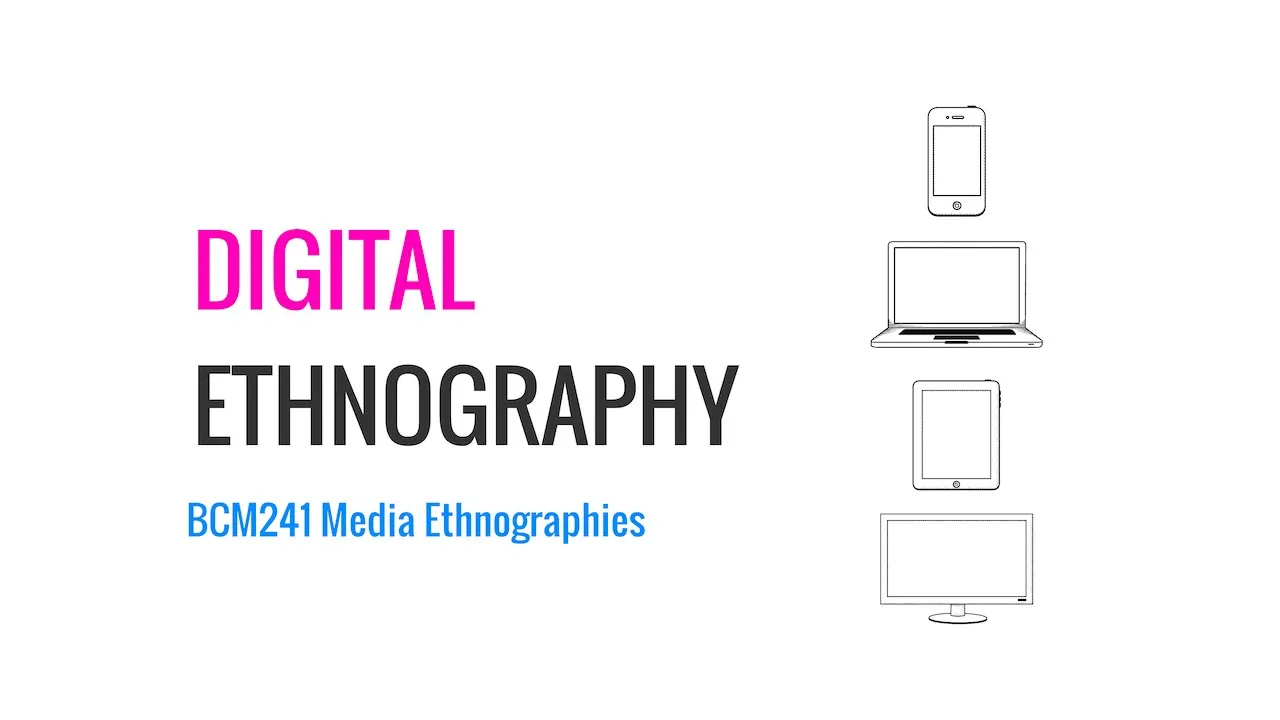
Ethnography is a qualitative research method where researchers immerse themselves in a community for an extended period, participating in daily activities such as eating, working, and socializing with the group being studied, in order to deeply understand their culture, norms, and values; this method combines participant observation with other techniques like direct observation, unobtrusive observation, interviews, and document analysis, and its origins trace back to early anthropologists like Bronislaw Malinowski who conducted pioneering fieldwork among indigenous peoples.
Ethnography Explained: Qualitative Research Methods
Added:The fundamental distinctions between qualitative and quantitative research methodologies.
Basic concepts in sociology and cultural anthropology, particularly the definition of 'culture' and 'social groups'.
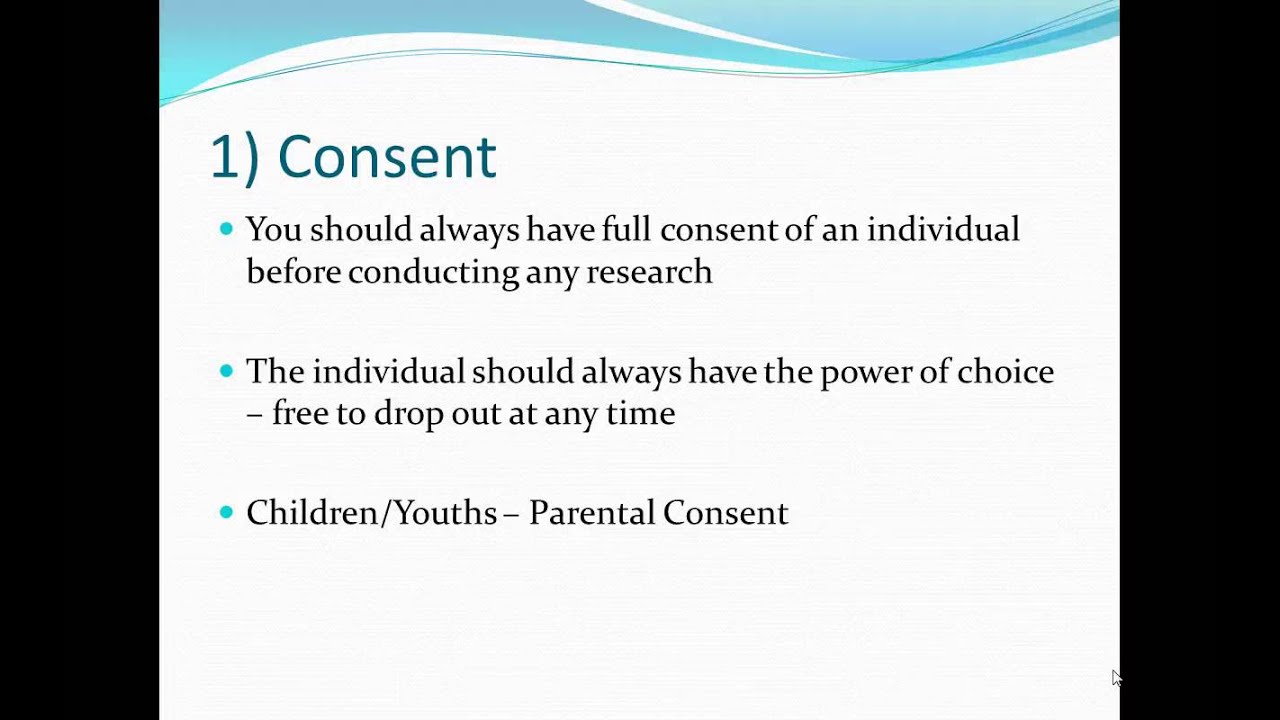
An introduction to research ethics, including informed consent and the potential impact of a researcher's presence on subjects.
Standard primary data collection methods, such as basic interviewing and structured observation.
Advanced participant observation strategies, including managing the 'insider vs. outsider' (emic vs. etic) perspective.
Methodologies for analyzing qualitative field notes and unstructured data, such as thematic analysis and grounded theory.
The concept of 'thick description' and the role of reflexivity in writing ethnographic narratives.
Modern adaptations of the methodology, such as digital ethnography (netnography) and organizational ethnography.
Practical applications of ethnographic research in corporate environments, such as UX (User Experience) design and market research.
63.9K views814likes5:23Original Release: 2016-09-11
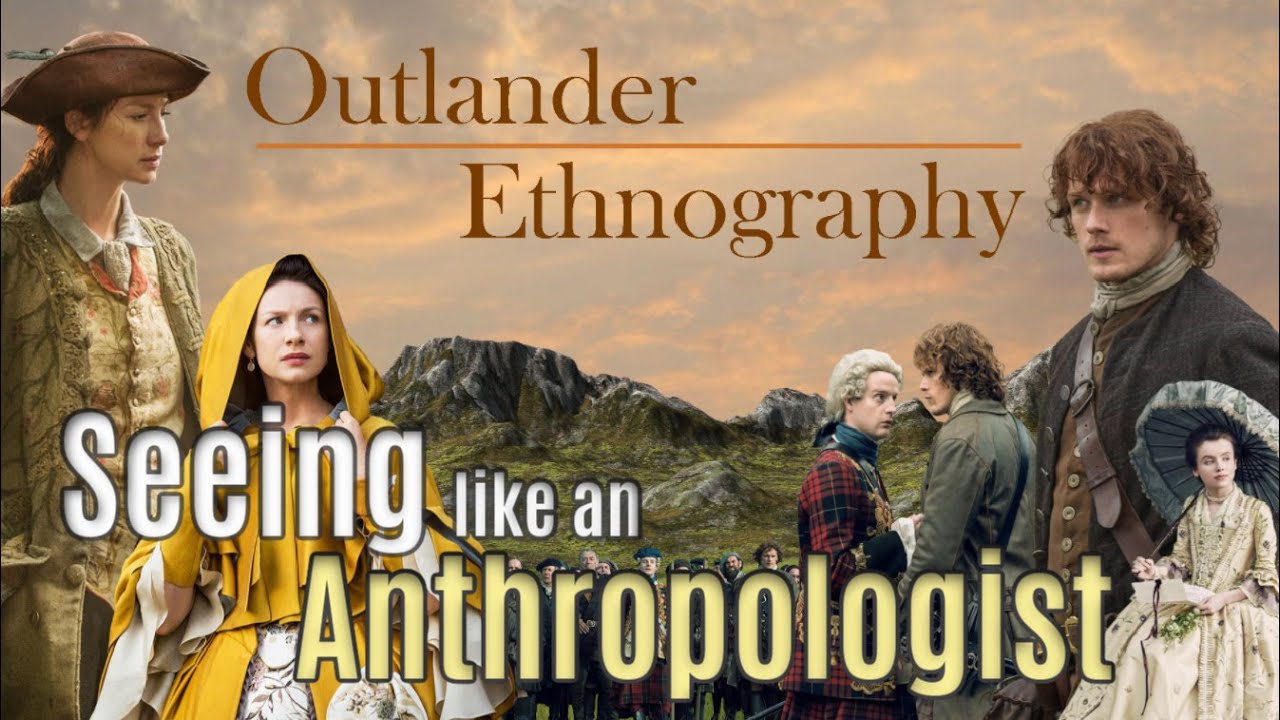
it might seem weird to start this first lecture on observation with a different method with etnography and obviously for me it's not weird because etnography is a very important method etnography is a method in which observation plays a huge role and according to some authors etnography is an epistemology rather than just a method it's more than just a method so let's start thinking about etnography what is etnography etnography is first and foremost an idea the idea of etnography is that a researcher stays for a longer period of time with a group he or she is studying and the staying means working together eating together partying together having fun Leisure uh going to church or a mosque or uh whatever religious gathering together in order to understand the people and the study and for many researchers um ethnography is uh equated with the main method within ethnography and that is participant observation in another lecture I will say something about particip ipant observation but etnography is often combined with other meths the goal of etnography is to try to understand the people in the study so by staying for a prolonged period of time with people participating with them as well as observing them we try to understand a certain group so if you do participant observation within a football team for instance you try to understand the local norms and value of this specific group you try to understand the norms and values of this football team for instance for some people when they refer to etnography they refer to the written product the book this is a beautiful etnography in his etnography malinowski said this and that so it's often used to refer to a book but when we discuss it within this course we often refer to it as a method so where does this me method come from and it's always fun to look into the origins of different research methods and some would claim that Herodotus was one of the first ethnographers and probably the first atnog graphers he wrote this book Historia while traveling through the Mediterranean speaking with people eating with them staying with them and in order to try to understand them others would claim that the origins of ethnography Lies with Travelers people like IIM batuta uh who traveled from Morocco throughout Asia Marco Polo uh as a traveler and there were others as well or Colonial servants people like Jakob havner others would claim that the first ethnographers were German explorers in Siberia at least they coined the term etnography and they worked for or Peter the Great in order to try to understand different groups tribes as they call them in Siberia for sociology I think Beatrice Potter we is one of the first anogra first although her participant observation was rather short some authors claim that she only stayed for a few days rather than months in the sweat shop she's describing but at least she made the claim that through ethnography we can gain understanding in a a different and probably better way at least of the poor she was studying um bronislav malinovy is often claimed by Anthropologist as the first anogra because he stayed for a real prolonged period of time on the troan islands he was stuck there because of the the Great War um it was the only place he could possibly stay he wasn't allowed in Australia so he stayed at the Troian islands and did his famous research among other things the coola trait so this etnography it's a method at least that's how we discuss it and we discuss it as etnographic fieldwork and this fieldwork as I said before consist of all kinds of methods many people would say participant observation but it's more than just participant observation it's also direct observations unobtrusive observations interviews in all kinds of forms and document analysis but the main part of participant observation is this participation and observation and in some other lectures I will be talking about how to participate or how to think about participation and uh how to think about observation
Up Next

5:21
Digital Ethnography: Research Methods for Online Communities
@LoriOstergaard
6.9K views•2011-03-23

38:41
Astrobiology Through an Anthropological Lens: Field Insights
@georgiatechastrobiology
128 views•2021-04-14

4:45
Proxemics Explained: The Study of Personal Space
@Vox
536K views•2016-07-05

10:38
Psychology of Internet Trolling and Pranks Explained
@AzzyLand
10.7M views•2017-12-20
Related Study Plans & Knowledge Roadmaps
Structured learning paths in Anthropology
anthropology
Space Anthropology: Analogs, Culture & Habitats
01Foundations of Space Anthropology & Cosmic Imaginaries
02Extreme Isolation & Micro-Societies in Orbit
03Space Analog Habitats & Earth-Based Simulations
+ 2 more learning modules
15h5 modules
Explore Roadmap
anthropology
Legal Anthropology: Customary Law & Pluralism
01Foundations of Legal Anthropology and Social Justice
02Legal Pluralism: Coexisting Legal Systems
03Customary Law and Indigenous Dispute Resolution
+ 2 more learning modules
15h5 modules
Explore Roadmap
anthropology
Global Tourism: Gaze, Authenticity & Heritage
01Introduction to the Sociology of Tourism
02The 'Tourist Gaze' (John Urry)
03Staged Authenticity in Tourism
+ 3 more learning modules
14h6 modules
Explore Roadmap
anthropology
Modern Kinship (ART, Adoption & Chosen Family)
01Foundations of Kinship and Family
02Assisted Reproductive Technologies (ART) & Relatedness
03Transnational Adoption and Global Kinship
+ 2 more learning modules
12h5 modules
Explore Roadmap