















![[Masterclass] It’s Giving ‘Digital Ethno’ – Expanding Research Imagination of Digital Ethnography](https://i.ytimg.com/vi_webp/_lxMpXa4YxE/maxresdefault.webp)
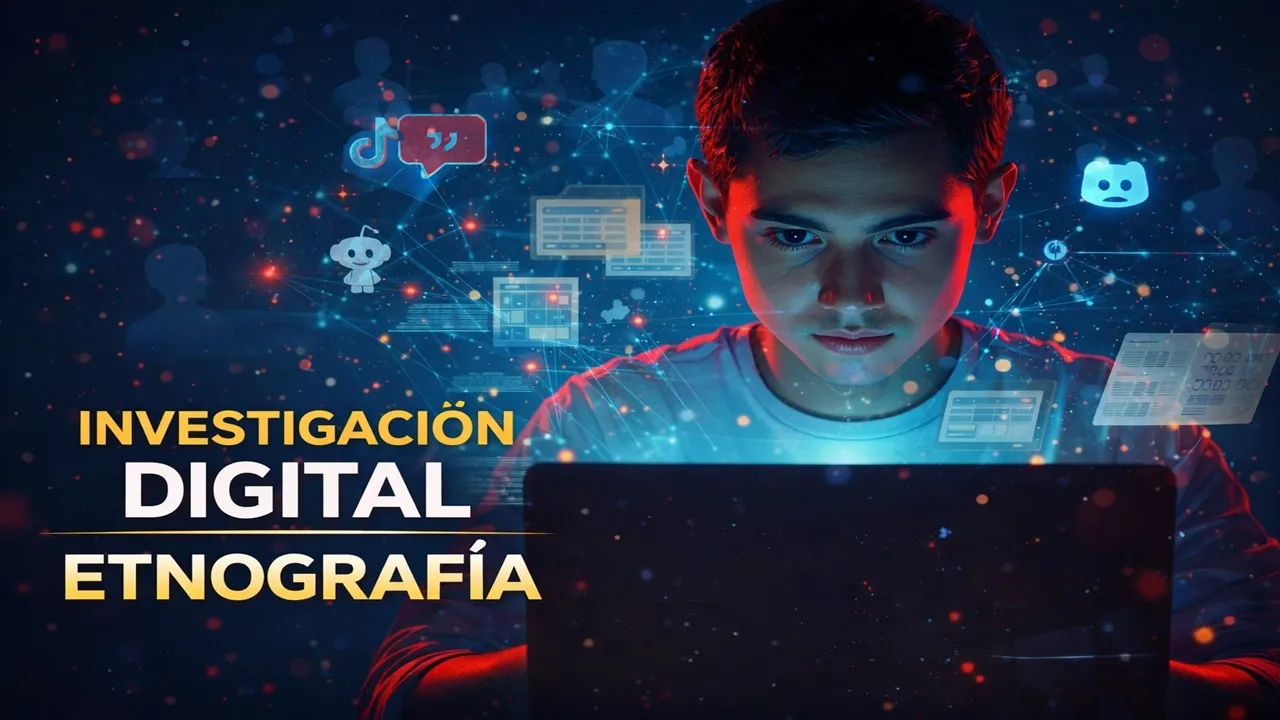

Digital ethnography is an interpretive research methodology that studies how digital technologies transform human experiences, practices, and social interactions, guided by four key principles: multiplicity (research adapts to specific questions without fixed methods), de-centering technology (focusing on human experiences rather than the technology itself), openness (embracing the fluid and ever-changing nature of digital environments), and reflexivity (acknowledging how researchers' own perspectives shape interpretation); unlike quantitative research, digital ethnography produces non-generalizable insights that reveal the complex, dynamic relationships between people and digital technologies in their everyday contexts.
Digital Ethnography Principles | Research Methods Guide
Added:Fundamentals of traditional ethnography, including participant observation, fieldwork, and qualitative data collection.
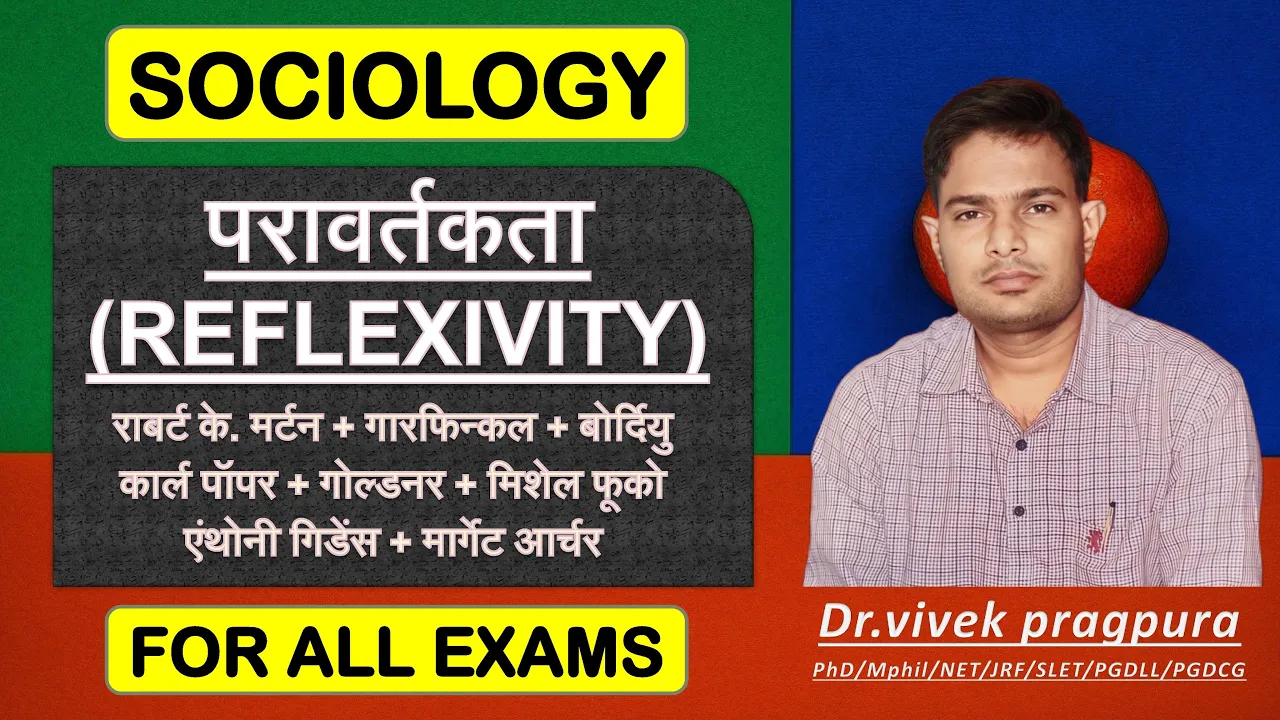
The concept of reflexivity in social science research, specifically how a researcher's identity and bias influence their study.
Basic media studies theories regarding online communities, computer-mediated communication, and digital cultures.
Core ethical considerations in qualitative research involving human subjects, such as anonymity and informed consent.
Methodological frameworks for Netnography, studying the specific cultural behaviors of online communities.
Advanced digital research ethics, focusing on the complexities of public vs. private spaces, data scraping, and digital archival consent.
Algorithmic ethnography, exploring how platform algorithms shape user experiences and interactions within digital ecosystems.
Multimodal analysis, learning to integrate text, images, video, and hyperlinks into a cohesive ethnographic narrative.
Practical application of digital ethnography tools, such as qualitative data analysis software (QDAS) for coding online interaction data.
9.2K views198likes20:18Original Release: 2020-08-21
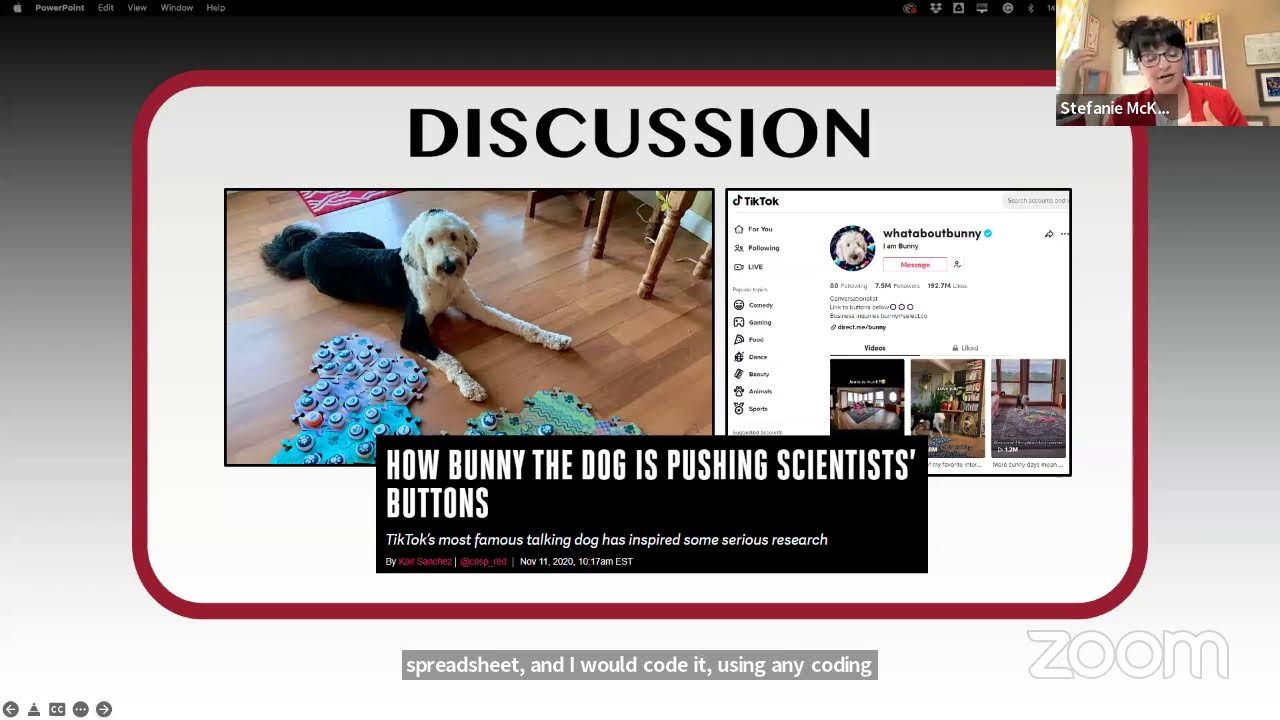
[Music] hello and welcome to bcm 241 media ethnographies this week we're talking about digital ethnography and i'm experimenting with a different format and trying a live camera recording so you get my floating head down here so if i look over here it's to check what you can see on the screen this is all pretty new for me so bear with me so there may be some some technical troubles and some cuts along the way as i edit after this but i'm trying to experiment with different formats um and different content presentation styles so uh and looking forward to getting your feedback about that so leave a comment down below okay so there's lots to get on with this week and let's get stuck into it all right firstly let's think about what the digital means what does the word actually mean the digital is dialogical that means it involves a communication exchange that digital information is always networked it's always speaking to multiple connections the digital implies one-to-many uh and in fact in and really many to many and so when we're talking about you know digital information digital ethnographies we're really always implying networked connections what's interesting about the digital is that it is not static and many people think of the digital as being kind of intangible in and virtual but at the core the digital um in the way we know it at least is electronic and it is therefore not static it's not fixed it is a signal it is always in motion there's a there's an old terminology that we use to refer to software in operation as running and that's a really good way of thinking about the digital it is always in movement the digital is therefore always connected by processes to mechanical interpretation right the machine is actively interpreting the binary code of digital information and converting that into human readable content via visuals or text or whatever so the digital is a process it is in motion is static and it is always being interpreted by machines for human interpretation so there's multiple levels of interpretation that's always implicated in the digital what we also know about the digital is that it is not persistent it is malleable it is malleable it is changeable and it is easy to overwrite now that on on the surface seems pretty straightforward but actually on mass the digital can get quite complicated and it can be quite a complex means of deleting individual bits of information in a digital resource or a digital network or a digital library i mean yes of course you can always set off an emp uh and wipe everything but to actually go into a system and delete individual bits of information is quite difficult so the notion of persistence when it comes to the digital is quite complex so digital ethnography seeks to explore the consequences of these conditions of the digital digital ethnography seeks out and describes the cultures that are made possible or altered by the presence of digital technologies and practices remember it's not just the thing itself it's the cultural layer and the sociological layer of practices organizations institutions communities and networks so on that are brought into being or changed by the digital and that's what digital ethnography is interested in digital ethnography discloses it investigates the experience of reality as it is transformed or mediated by the digital through both empirical observation and the application of theory to that to the results of that observation in order to come up with an explanation so some important texts that there will be examples from these in the readings on the moodle page this week this lovely book by anna pertierra media anthropology for the digital age and this really useful text the routledge companion to digital ethnography edited by larissa herzog and others and these are two really good resources for digital ethnography and there are examples of how communication and media scholars have embraced anthropological theories and methods of ethnography to make sense of cultural formations occurring as participants have both adopted new media technologies adapted them to their purposes and adapted to them and we'll be talking about the differences between those processes as we go through however i like this point that pertierra makes is that media ethnography makes use of ethnographic methods to study media without claiming to be doing anthropological work anthropologists can get a bit uppity if you are suggesting that you are doing anthropology without having that specific training so what we're doing is we're appropriating the methods of ethnography as they have been developed out of anthropology for our own purposes and those purposes for you are in order to i'm you know attempting in this course to make relevant to your future careers and jobs in the creative industries so thinking about how digital ethnography is useful to you beyond simply doing research for a uni project so in the next two parts of this lecture i'm going to be drawing heavily on this book by sarah pink and others and you can see all the the names there this is the the book digital ethnography principles and practice and i'll be putting the first chapter on the moodle page for you to have a read i really like this book um 2016 which means it's getting quite dated now one thing about digital ethnography is that it moves at a tremendous pace but it's still really relevant and can help you think about your media ethnography projects in a number of different ways and how you might be able to hone your data collection and think about the ways in which you can understand that data that data and those observations through different analytical frameworks and theoretical paradigms which i will touch on in this lecture today so in the book pink at al describe a kind of a set of principles for thinking about digital ethnographic research and i'm going to kind of summarize that before we get into the specifics of the categories of digital ethnography that they propose so the first idea is multiplicity and i like this this is very much what i was talking to you before about the definition of digital digital ethnographic research is always unique to the research question and the challenges to which it's responding i really like this because this says that regardless of the methods for collecting data regardless of the analytical temp you know framework that you have or the theoretical paradigm that you're employing what's really important is the central research question everything else comes after that you have to figure out what you are trying to answer what you are trying to find out and that guides everything and so there is no one set static fixed method for doing or methodology for doing digital ethnography and an example of this would be researching social media so if we were to research social media use in australia right which might imply facebook snapchat instagram that would be a very different research question with very different methods and very different analytical paradigms than a similar study researching social media use in china right which i don't understand thanks thanks siri i i appreciate your input but you're gonna have to be quiet okay sorry um wasn't expecting that so uh where was i so yes researching social media in china which would not only mean different platforms and different access to that platforms and different technologies on the platforms that you were asking accessing but an entirely different range of sociological and cultural understandings that would inform that the the the analysis going forward so remember that digital ethnography is always guided by the research question and what you're trying to find out everything else follows that this is a really important principle the notion of de-centering the technology right in a digital ethnography the technology is not always the focus we'll talk about cases in a minute where it is specifically the focus but it's it's one among many elements that you have to consider it's like i've been saying in your media ethnographies we're not really interested in the text that you're examining that's not what we're interested in we're interested in researching the experience of that text and figuring out what you can learn from that experience to help you make critical and interesting observations about it and gain new knowledge about it so this involves de-centering you know de-centering the the the technology and i got a quote here from pink in order to understand how digital media are part of people's everyday worlds we also need to understand the other aspects of their worlds and lives in doing so we might focus specifically on those domains of activity in which digital media are used rather than rather than on the characteristics of the use of the media we might focus specifically on the domains of activity so it's not necessarily about the specific phone that you're using but rather the whole range of context around which you are using that phone in that instance at that time in that location in that way okay an example and a lot of these examples are actually going to be drawing from games uh you know researching digital games because that's my background and i'm also teaching bcm215 game media industries so there's a lot of overlap here for students who are doing doing both okay so to understand the role of fortnite in the lives of australian children i have i have two young children play fortnite amongst other games um it's a it's a competition at the moment between fortnite and minecraft so how would we go about de-centering the technology well we could you know look at all the the popular media reports and all the all the kind of dramatic news stories about you know claims to addiction and media violence right maybe we could go in that direction or we could put that away and instead we could look at the way in which these children are forming networks we could look at the way in which they are talking to their friends sharing means consuming um youtube videos watching twitch streamers producing tick-tock videos um early on there was a lot of replication of the the fortnite dance emotes or maybe if you had you know kind of permission you could go and you know observe how children talk about fortnite uh in the playground right so this is what we mean by de-centering the technology no longer becomes the only thing that we're thinking about but rather it becomes the reason to look at the content the context around the technology itself openness this is a principle of digital ethnography proposed by pink at owl as we said the digital is non-static always changing being updated increasing in speed and transforming it is processional and there is no fixed method for investigating and understanding the digital and so you have to be quite upfront and open about this um particularly when doing research for um you know a a private organization a business a company you can focus on a thing but that thing may change very quickly so you need to move from making observations about experience and and creating that data and then using your theory and your analytical paradigm to make to help you generate a broader understanding of the experience that might be applicable in other situations pink says pinkett el says digital ethnography can be shaped in relation to the particular research questions which it asks as well as to the institutional contexts which it is related to and the ways in which participants and the research engage with it this invites openness and allows for collaboration we make knowledge with participants not about them it is the co-production of knowledge and this was the the message of the video the lecture the second part of the lecture at least in week four so you can you know build up a community of collaborators to help you figure out how a particular brand is being understood via instagram or how likely someone is to click on the shop now button on instagram or a facebook ad or so on with a team of a community of knowledge producers who are not part of your organization but are part of community who are interested in your organization and doing research with you reflexive this is really important and this is the the kind of key thing about ethnography is the understanding of your own personal experience your own personal history your own your own personal culture your own relationships with people and technologies and how that frames your interpretation of experience it is unique to you but you need to register it and make sense of it in order to authentically engage in an ethnography ethnographic research knowledge is never objective it is always formed through our own encounters and engagements with other people and things ethnographic research is interpretive so it's not like quantitative data where you've got stats and you've got you know psychographics and so on you're making informed observations by reflecting on that that cultural framework and then making recommendations based on your subjective knowledge and experience very different type of research just as important but it has its caveats and one of those is it's not generalizable it can help you to think about things right so when you are studying the the way in the way in which um uh the way in which twitch streamers talk about content online right you that that can help you figure out and think about the way in which facebook live streamers are talking about content but it's not generalizable and it's not one-to-one you can't say one is happening in in one place and therefore it's happening in another you have to evaluate each on their own but that evaluation can be informed by your experience so it's super valuable unorthodox digital ethnography is unpredictable and can go beyond traditional written forms of research and this is where we're talking in this subject about the role of ethnography as content podcasts streamers uh instagram present present presentation of the public self through the through the the production of a persona um ethnography is increasingly a content layer in the emergent media paradigm it often lacks a high degree of reflexivity but the very nature of the presentation of the public self as content in the online creative industries does include a kind of reflexivity for example you know seeing myself on the screen right is is a very confronting thing listening to my voice on a podcast because it sounds very different to how i sound is a very confronting thing and it helps us to constantly re-evaluate how we are presenting ourselves the other thing about digital ethnography is that it is unpredictable and so it is crucial to take as many notes as many screenshots and record as much data as you can this is because your research can go off in a completely different trajectory that you weren't expecting and so it's important to map that trajectory out through your field site right through your relations that mapping of the field site do that every week and come up with a different map or a different pathway through that map as you're collecting your data because that will help you then communicate that experience via your da if you're doing a video essay for example or a blog post those maps of the kind of process of collecting research will be immensely valuable and useful visual materials to help as i say here convey emotions materialities activities can and the configurations of the research process screenshot record video like this you know sometimes just have a chat to yourself on your phone about your experience and collect as much of that data as you can because the results are unpredictable
Up Next
5:00
Coming of Age in Second Life: Virtual World Ethnography
@princetonupress
22.2K views•2015-08-18

38:41
Astrobiology Through an Anthropological Lens: Field Insights
@georgiatechastrobiology
128 views•2021-04-14
4:45
Proxemics Explained: The Study of Personal Space
@Vox
536K views•2016-07-05

10:38
Psychology of Internet Trolling and Pranks Explained
@AzzyLand
10.7M views•2017-12-20
Related Study Plans & Knowledge Roadmaps
Structured learning paths in Anthropology
anthropology
Space Anthropology: Analogs, Culture & Habitats
01Foundations of Space Anthropology & Cosmic Imaginaries
02Extreme Isolation & Micro-Societies in Orbit
03Space Analog Habitats & Earth-Based Simulations
+ 2 more learning modules
15h5 modules
Explore Roadmap
anthropology
Legal Anthropology: Customary Law & Pluralism
01Foundations of Legal Anthropology and Social Justice
02Legal Pluralism: Coexisting Legal Systems
03Customary Law and Indigenous Dispute Resolution
+ 2 more learning modules
15h5 modules
Explore Roadmap
anthropology
Global Tourism: Gaze, Authenticity & Heritage
01Introduction to the Sociology of Tourism
02The 'Tourist Gaze' (John Urry)
03Staged Authenticity in Tourism
+ 3 more learning modules
14h6 modules
Explore Roadmap
anthropology
Modern Kinship (ART, Adoption & Chosen Family)
01Foundations of Kinship and Family
02Assisted Reproductive Technologies (ART) & Relatedness
03Transnational Adoption and Global Kinship
+ 2 more learning modules
12h5 modules
Explore Roadmap