











![Aula 2 - Curso Economia Política de Dados e Soberania Digital [Cátedra Álvaro Vieira Pinto]](https://i.ytimg.com/vi/h5sBW14wdjM/maxresdefault.jpg)
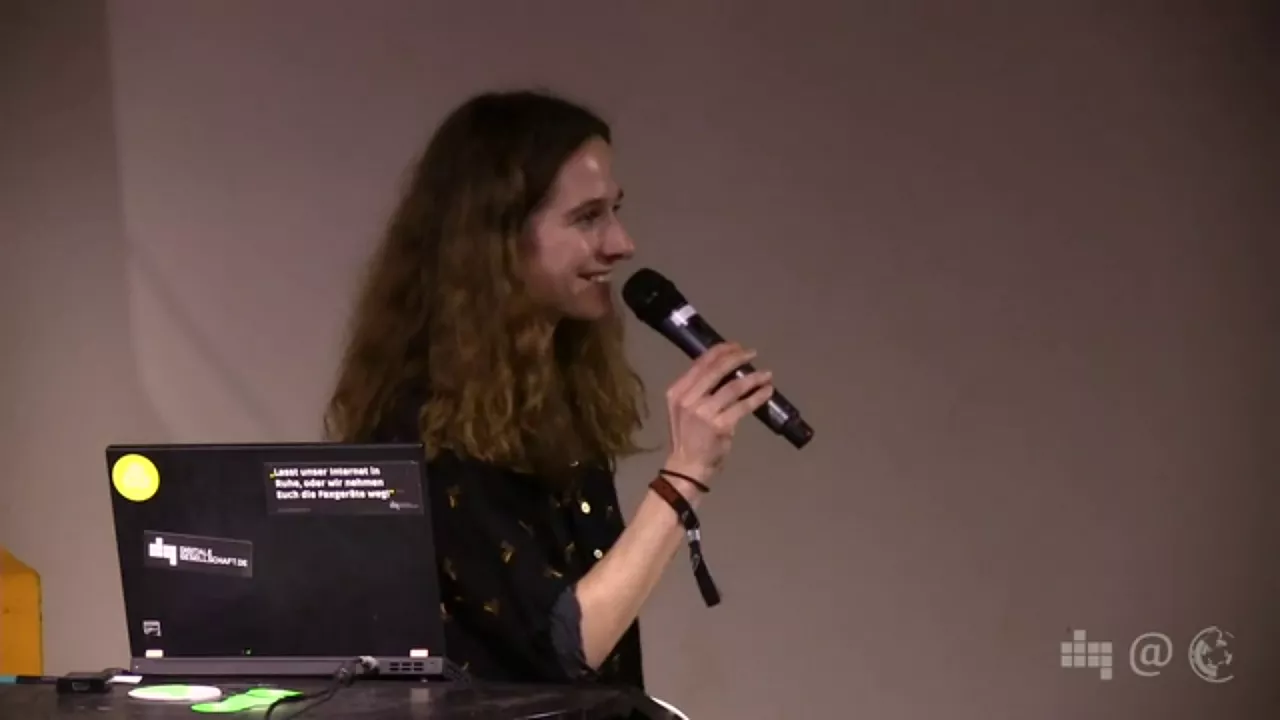




This lecture introduces algorithmic ethnography as a method for studying how TikTok's algorithms shape cultural representation and visibility, demonstrating that platform algorithms create fragmented silos of culture rather than promoting genuine multicultural integration, as illustrated through case studies of Australian cultural identity and the ways users navigate, game, and resist algorithmic curation to express diverse cultural identities.
Multicultural Algorithms on TikTok: Australia Case Study
Added:Fundamentals of Algorithmic Recommendation Systems: Understanding how social media platforms (like TikTok) use user engagement metrics, collaborative filtering, and machine learning to curate content feeds.
Introduction to Digital Ethnography: Familiarity with qualitative research methodologies used to study human cultures, communities, and interactions in online spaces.
Sociology of Media and Cultural Identity: Core concepts regarding how media representation, cultural hegemony, and diverse narratives shape national and individual identity.
Overview of Australian Multiculturalism: Historical and contemporary context of Australia's cultural diversity, migration patterns, and indigenous narratives.
Comparative Algorithmic Ethnography: Analysing how TikTok's algorithms interact with multicultural policies and diverse populations in other national contexts (e.g., Canada, Singapore, or the UK).
Algorithmic Resistance and Platform Vernaculars: Studying how marginalized groups actively 'train', bypass, or subvert algorithmic constraints (e.g., avoiding shadowbans, using specific hashtags) to amplify their voices.
Digital Policy and Algorithmic Regulation: Investigating governmental frameworks and ethical guidelines designed to regulate platform algorithms, prevent echo chambers, and protect cultural diversity online.
Advanced Computational Sociology: Learning empirical and quantitative methods to audit algorithm bias, map digital networks, and measure the distribution of cultural capital on short-form video platforms.
312 views0likes1:32:38Original Release: 2024-10-02
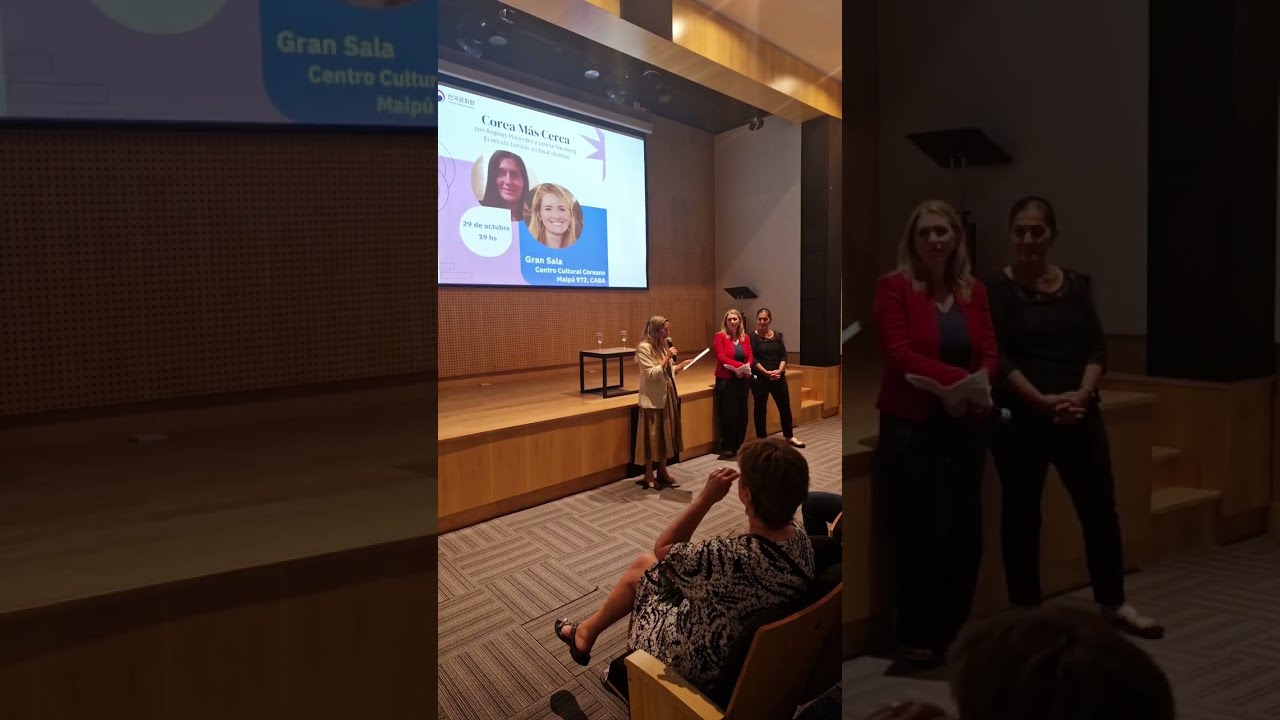
welcome everyone to our first hopefully not last Symposium on uh technology and culture in this one uh specifically on Multicultural algorithms in Australia U but before I begin I like to acknowledge and pay a respect to the gal people on Whose in land in our country we're meeting this land is a stolen and always was and always be a land and when we tell stories today and try to make sense of what matters to us we should also remember that uh cultures and language of first people uh in Australia are still pushed down by the dominant Narrative of what Australia is often imagined to be which is force forcefully monolingual forcely monocultural despite its Rich history and um and um so with that I will tell you a little bit of how the Symposium came about um so it started really J and just an announcement so jeder goggin our presenter after our Kino speaker Crystal abidin he felt ill so he cannot come today uh so we're gonna do a little bit of reshuffle but it's really um jeder gave me that idea that was put in place in our reading group uh with different colleagues from the school of cultures and languages and we were talking about the algorithm and the algorithm at this sort of like black box that nobody really knew about it and the more we read the more we thought about what the algorithm was uh we started to thinking of the algorithm in terms of more of a metaphor something that was uh uh less of a thing and more of an idea and then D idea also has material consequences and it shows up in the world and has uh different expressions from different viewpoints and one of the viewpoints that we started to explore was the user and how the user was um thought by uh tech companies but by the user themselves how the users were thinking of themselves how they were uh manipulating uh sometimes their uh the platforms that they were interacting with and then we started uh the more we got into it and reading and discussing we realized as this user uh tended to be uh very monolingual it was thought as monolingual but in fact it was actually quite Multicultural um it it has um different Expressions it came from different uh backgrounds um and then uh a colleague of us Fernanda pelosa who was here she came up with the idea of well it seems like the algorithm is not really an algorithm but an algorithm and it's very Ango in that way and then the more we thought about it was okay so there's it seems like there's something in here that we can further explore and then talking to J he told me well do you know about all these different Scholars who have been actually working on this for a long long time and then he gave me a few names and I started contacting people and then they were gracious graciously enough to accept my invitation and here we have a a panel um a day that is really full of kind of the brightest Minds um in the country if not uh internationally and these Scholars have been looking at the algorithm and social media and different type of online interactions from the Multicultural M and our first keyot will be Crystal abin and then Jer won't be able to present sadly so we will have suani instead of J but that also means that we have a little bit more time for Q and and I wanted to say a little bit more about that later on about how the Q&A is going to work but I don't want to take too much time um so yeah it seems like at the end so we will have then Crystal then sukum man then we'll have a lunch break then uh we have Amelia and our industry panel will come at the end and let's see how we go with Q&A so if seems like the Q&A is going well we might be able to extend a little bit and I'll tell you a little bit more about that but before I go into crystol I'd like as our head of school jishu to uh give a few words because she's also being instrumental in supporting are reading a research group and with the funding of the school and the support this thing basically couldn't exist so just sure you thanks Ruben uh I would also like to acknowledge that we are meeting on the ANS land of godigo people let us pay respect to their Elders past present and emerging and thanks Rubin and the research group for organizing this important to me personally because I don't know anything about it very important and topical issue of Multicultural algorithm in Australia I think it's a social phenomenon and social reality which hasn't been studied enough it's such important part of our life and I would like also to welcome our keynote speakers and also speakers from other universities our partner universities and also colleagues from other schools on the school of languages and cultures we try to give as much support to good ideas good research ideas and to see whether that can you know spr up and bear fruit and I'm really grateful for Ruben's leadership and also Fernanda and other colleagues in this research group on technology and culture from a very very small start you know growing up so if anything this school can do is to Pro provide more support for this very important research which need to be done and without further Ado I welcome you all and wish you a very fruitful discussion today thank you I'm just going to introduce our keyot speaker Crystal abin she's an anthropologist and an ethnographer of Internet cultures she uh especially in the Asia Pacific region she's a professor of Internet studies at kton University the founding director of the influencer ethnography research lab and founder of the Tik Tock cultures research Network her forthcoming books arising from her recently concluded uh decra are Tik Tock youth cultures uh from Emerald provoking online drama how attention economies are changing with gin Lee from uh blun blury child influencers how children become entangled with social media from polity and and and Inter Intercultural influence fencers Global Arbiters of norms and Nuance from Po and you can reach her at wish.com so without further Ado to you Crystal hi everyone can I check that you can hear me thank you so much for being here I really appreciate your attendance and thank you Ruben for kindly bringing me over with your generosity um I live and work in Western Australia and my campus and my of residence is based in the land of the wajan people so I do want to Pace my respects to the eldest past present em merging you will also see a few line drawings in today's slides very kindly provided my a very talented team of RA so I do want to acknowledge them as well and last but not least a lot of the research work you see here was not done by me in isolation I benefited from a lot of conversation with people in real life on Tik Tok online so I do also want to pay her much to this beautiful community that is the tcrn without further Ado like all good lecturers I'm going to start with homework so if you've got a good memory or a pen or a phone could you please get that out we're going to jot down three questions there'll be helpful questions to ask if during the Q&A it gets awkward and there's nobody who wants to ask anything it'll be helpful questions for you to sit down and evaluate was this presentation good was it worth your well was there any takeaway intellectually and there'll also be helpful question question for us to think how relevant is this to the theme that Ruben very thoughtfully curated We Ready question one who is dominating The Narrative question two who is missing from the narrative and question three a bit of evangelism how can ethnography help us [Music] see okay so I decided given the beautiful topic today we are going to simulate an algorithm in other words whatever you decide in your interactions with me will decide what the next slide is what the next conversation will be what the next Q&A might be and even though the slide deck in different portions are exactly the same the story I'm going to tell you is different it might be a picture of a group of informants but I might tell a different tale it might be a Tik Tok but I pull out a different snippet it might be a concept but I could apply it differently based on your past decision what I've told you previously and the options that are to come next so here are your options for today your menu based on this very generous algorithm provider are these eight items I'm going to play the role of the platform serving you content Ruben you're going to be the moderator you are also the platform owner so if at any time this goes hey W and you want to interrupt you do that but that also means that all of you in the room who's the audience you're beholden to the moderator if you make a selection and they say no too B for us if you make a selection and decide to edit it or go back or if I say there are true options you can only pick one but they true to pick two then anything goes in the rail World situation of this classroom we've got 90 minutes it's the moderator's problem if we go over time so while he has the power to veto any of these the responsibility of the consequences also falls on him so if I run over time and never make it to slide 10 or if you never get your question answered the responsibility Falls also on the person who has the power wonderful metaphor for how we work with check so you ready for your first Venture please choose your introduction would you like to hear about wish Chris a person who is a digital Anthropologist or would you like to hear about the Tik Tok cultures research Network the way we will do this is semi democratically I'll wait for the first five responses and we'll go with the majority so if we've got three in a row that say the same thing or three out of the first five that's the one we're going to pick so shout out your answer don't be shy go with wish Chris or tcrn wish Chris or Tik Tok yes sorry wish Chris person all right you have selected tcrn and as you know when you like a button your wish is granted enter tcrn the Tik Tok cultures research network was established in 2020 quite late if you think about it given that its predecessor platform musically and its pre pre predecessor platforms all across China were already prolific and proliferating in the mid 2010s it originally started out as a portal just to share scholarly resources to talk about research projects from Australian academics in the region but also to hold events to connect Scholars those of us who've got memory might remember 2020 was also the time of the pandemic so there were a lot of people suddenly coming onto Tik Tok out of bottom out of Parental obligations or because it was just the newest app to explore and research was burgeoning in this area eventually this space grew and I was very lucky to be able to get funding from a few different sources really consolidate what we wanted to look at put together a team of founding members from the APAC region supplement that with global leaders to help us think about how to decolonize our research and we agreed that in order to leverage on our strength at as qualitative Scholars as people train in ethnography with people who are interested in the things that make humans humans rather than big Tech scientists or Tech Bros throwing us cash dollars and STS the six that we will focus on are digital production and economies the sub alter and subcultures race and ethnicity gender sexuality governance politics methodologies and ped pedagogies so because you have chosen this option the consequence for the the rest of the morning is that all the case studies you see were now Focus Less on me as the ethnographer and more on how they function in the Ecology of Tik Tok if You' like to find out more here are a few more Snippets we have been holding events quite regularly since 2020 we've held 10 soof far two satellites and eight Bas curtain the most recent one being Tik to cultures in Korea in September and of course given that a lot of the academics that participate in these events Are Young Junior Scholars we wanted to make sure that there is also value in ensuring that their presentations are converted into scholarly output valued by the more traditional economies and academies so these are the special issues we have in the works at the same time a lot of our work also focuses on speaking back to Industry so we've had to think about different formats of outputs to talk to people whether these be high schoolers actual people who work in Tik Tok across the 10 companies or people like government who need to make decisions about what exactly the issue is when they decide to ban an app or what exactly their concern is when on the one hand politicians are politicking on social media like Tik Tok but on the other hand they claim that we need to save young people from the activism on that space so here are a few more examples if You' like to find out about the work we've contributed to and you can now make your next decision the second part of this is going to be a bit more intensive for the benefit of the hdrs and the junior scholars in the room we're going to have a mini mini crash course talking about some Theory and some Concepts and you've got two choices we can be nuts about ethnography and go through some of the key principles and how they apply to Tik Tok or we can go straight into Tik Tok the platform itself to understand how it's situated in the current context and climate of society today so we either n out about a method or we n out about the state of the world both are equally depressing depending on what you pick make your choice first by moderator we have been vetoed your moderator has vetoed everyone in the room so this heart is for you on ethnography all right the next four slides are going to be very quick because this is not meant to be a master class or a lecture but I understand from Ruben that we've got hdrs in the room who are specializing in Tik Tok and doen specifically I want to pick on a few basic principles of digital ethnography that are especially important to consider in the space of Tik Tok one how does something become a culture on Tik Tok we tend to imagine that something is a culture because a group of people experience it we share it we believe it we see the thing happening and we all experiencing somewhat of a similar status or outcome so if you watch a football match clearly everybody in the stadium knows which the winning team is even though that might be debatable there is a clear outcome if you live in a country depending on the government and the opposition after every elections despite there being disgruntled people there is an outcome that pains the landscape of society and your general beliefs when you're in a space like Tik Tok it's very hard to get a lay of the land because you generally don't get to see what the overview is you rarely get a b a bird's eye view even the people who work in the Tik Tok headquarters are split across 10 countries and they all work on Regional markets so when we speak of cultural relativism as an ethnographer this cannot be more relevant than a space like Tik Tok because everything is relative if you were to open your Tik Tok now and I were to do the same based on our past interactions with our Feats we might be experiencing two different things if I were here and my cousin in Japan were to put in the same keyword and search our top 10 results would not be the same at all even if it was word for word the same because it's all relative and this is by design of your past Footprints of your metadata you put in of more specifically your jail location as well and the profiles and the feeds of the people who are in your Mutual Network another thing to keep in mind regarding cultes on Tik Tok is that sometimes they're over magnified I'm not sure if you really catch this but most of the time in Australia something becomes a thing a big deal a scandal on Tik Tok because the reporter tells us so because there's a news article a radio show a podcast that says do you know this is a thing on Tik Tok and it doesn't matter if it's 10 or 100 or thousand people when it reaches that level of visibility people believe it to be a culture in that space we used to be able to talk about culture subculture counterculture and the like but in a space like Tik Tok where the algorithm can switch at a whim and when people are very happy nestled in their silos the magnitude and size of your culture may be less important another thing to highlight with this is reflexivity who are you on Tik Tok I don't know if you are a person who's grown up in the age of forums or blogs or Tumblr or Facebook but back in the day it was not uncommon for people to have very fragmented internet identities you could have this closet life here use this for dating use this for religious wandering Etc a space like Tik Tok collapses all of that into a single stream which forces you to jolt out of each of these Persona a lot of communication Scholars like to refer to this as the context collapse but for people on Tik Tok this can be a moment of pause and reflexivity to ask if you're a some of all your silos the algorithm tells you or if you're embarrassed of any of these if they appear on your feet and you feel they shouldn't be there there are many different ways you can apply digital ethnography into a space like Tik Tok to do it properly I feel as an anthropologist who clearly wants to focus on ethnography these are three musters but one it's difficult to talk about an ethnography of Tik Tok without it being multi-sited most people who choose a more contained project might follow a group of users a hashtag a sound but ethnography that is done well generally uses a lot of triangulation through multiple sites you combine perspectives and this is very important because where you are in the room and how you see depends on what you see if you're in the front here perhaps I'm moving a lot it may seem like I'm nervous if you're at the site and you see that I'm moving because I'm getting to all my materials the mic the timer then you know it's functional if you're at the back and you see me moving you might think it's because I'm kind and wanting to make sure you can see me same action three viewpoints three perspectives it's not too different in society feminist scholarhip talks about this as standpoint Theory where are you in the space how does that affect where you are in the hierarchy EMP power relations how does that affect when you see up when you see down how much perspective you you can get and depending on which of the methods you choose from digital ethnography these also change for anyone who might like to dip dive into diff for the first time here is a list of keywords that could start you off as your sto for doing ethnography in terms of snowballing your lit review and if you really really want to get started on how to do your first digital ethnography here is a really good paper I love to recommend from two colleagues of mine find six things or one of six things that you might be able to follow this is adapted from your original work looking at the Spanish Civil movement but in a space like social media any of these six might be relevant now before I entered Tik Tok as a space I needed to make sure I had an option an array of options for me to know where I can possibly stand and part of that work involves mapping out the industry if I am a tick tocker in the center who else is in my meu we often only think of followers because followers equals views equals money but what about everything in between the clients who actually provide the cash and incentives who are really controlling the heartbeat of all the views how about the people in the back end industry folks who've got the Invisible Hand to tweak things how about people who are loud and sometimes a bit helpless the governments who put out regulations Without Really studying the needs of specific people how about other competing platforms where is Tik Tok in this map where do I want to stand before I make a stance so to let you know how I'm doing the rest of my research I'm going to give you three quick Peaks into what this ethnography looks like the first is reading Tik Tok if you were to see a typical screen like that on Tik Tok here are most of the emblems a few of them have been updated recently like the live feed and DM feed but these are small small little icons and features on the app that allow you to know a little bit more about this user or this post with more meta data you could find out about how to search on Tik Tok and what does that mean how do you navigate the search bar why does it give you a mixture of genres and formats what do these indicators mean in terms of the weight of your search results and finally entering Tik Tok supposing you have already successfully groomed your Tik Tok and groomed your algorithm where do you start if you want to start looking at a silo could you map Global milestones and look at the Feats coming in do you want to just start with a systematic hashtag search do you want to do hashtag colation hashtag analysis or look for templates like memes and formats to find out a bit more um the rest of what I'm going to be sharing today is informed by a new methodology Pine by Scholars from 2020 including lights of Peter forberg and Angeli Christie who call this algorithmic ethnography all the ethnography of how algorithms work and how they're perceived by people who use these platforms this is one example of how these algorithms have worked young people on Tik Tok trying to increase their visibility from Human eyeballs but deflect the visibility from Machine Vision this young person feroza Aziz appears like she's doing a makeup tutorial in fact for the whole video not only is she priming her eyelashes she's drying her brows and her lips at that point there were not yet closed captions on Tik Tok so unless you were a person of hearing you would not be able to know that her speech was not matching her actions she was telling people listen to what I'm saying don't put any of these words I'm saying in the commence function we don't want them to see it and she continued the rest of her speech telling people about the realities of Muslim wegers in China and the genocide that they were facing now obviously this was a very clever trick it was known as The Social Justice makeup tutorial and it went viral on the app not long after Machine Vision caught up a video was taken down there was International widespread outcry the video was reinstated due to a machine error and this makeup social justice tutorial became a Bonafide template on Tik Tok in other spaces Tik Tok algorithms work because we are hate watching or curiously watching rather than effectively watching now when I'm on the plane the section I go to the most is reality TV the episodes are short if I miss a conversation it doesn't matter and invokes a type of reaction in me where I want to watch because I come believe this is the life of other people in the top 1% I'm not watching it because I like it I'm watching it because I can't stop watching it out of shared discuss or effect that's more negative people on Tik Tok sometimes do that people on Tik Tok sometimes do something more tricky as in the case of this what you see there is a spaceship where the caption has very carefully neglected to mention that that's happening leaving people in the comment section to negotiate did you see see that am I seeing things does he know we catch something on camera sometimes it's a spaceship sometimes it's a ghost sometimes it's a shadow sometimes it's a person that's mispronouncing a word purposefully like lingery which happens a lot in Australian Tik Tok sometimes it's fingerprints sometimes it's a cup moving in the background sometimes it's a person who's intentionally misspelled something in the captions because you cannot help but run to the comments and correct them all of this may mean something different to you and the effect that you hold but to the platform and to the algorithm an engagement is an engagement so it still counts and it's still positive now these ways of seeing are not new way before the internet there were already a lot of subcultures and communities who are giving out these flares to deflect people's attentions or to hide messages in plain sight such as the meaning of colored bandanas and either side of your pocket or the meaning of carabinas the number of them the color of them and what these mean to gay men and lesbian women when they navigate these spaces in society what has simply happened in the internet age is an update of how we are using the small features the small nuggets but on a social media space to game how machines see us and how we see ourselves through machines that has been your crush course we will now continue now the next decision we have to make is whether or not we would like to continue with what cultures do Tik Tok algorithms Foster if we go ahead with this we will do it if we don't the option is to skip ahead to Tik Tok cultures in Australia number five gives us a background for the value of thinking about algorithms in the specific social media space and how that can produce some productive or abrasive outcomes for people in that space number six gives us an over of the policies that are specific to Tik Tok users in Australia so you can make your decision my friends have chosen your wish is granted what cultures do Tik Tok algorithms Foster so after having given you all that background and the brief and the methodology here are the the potentials but maybe also some of the pitfalls they fall into the hands of the wrong people with bad intentions there is the phenomenon of absur visibility on TI Tok now years ago and in Internet time when I say years ago I probably mean last year years ago we used to think about people on the internet with a lot of power as in and influence as people with Prest with knowledge with persuasive power generally they have got a high following on social media as influen uences or Internet visibility um maybe because we like them maybe because they're good at garnering Scandal maybe because they're good at provoking attention but in all of these instances the focus is on the person and the quality they have what's happening on Tik Tok these days is at C visibility where algorithmic happen stance allows people to go viral overnight for no Rhyme or Reason and for the most random occasions for one this Tik Tok that was viewed into the Millions was literally 3 seconds long the first second showed a picture of an old man clearly accidentally activating his front-facing camera from his knee the second second showed a quick switch to the back camera showing his feet and the third second the screen went black maybe a man who accidentally downloaded Tik Tok and accidentally uploaded a video it was his first and only video there was nothing else there he still had a generic username he went viral overnight he received lots of product sponsorships in the comment section A lot of reporters were there asking if they could license his video and as you can imagine none of those comments were responded to so goodness knows if he knows he was Once Upon a Time an internet celebrity another example often times some people would find images and videos of other young talented children and say check out this person they're great it doesn't matter that consent was not negotiated ites doesn't matter if it was a YouTube video or a toddler on the bus and somehow by the power of the algorithm people are able to snowball their context and find the person in question so much so that you literally rely on the wisdom of the crowd and your networking progess to turn you into an overnight Tik Tok celebrity and this stream also equally Garners queries for sponsorship for signing up to be a professional Tik Tok Creator and they generally go answered a bit better but there are also circumventions of the algorithm that are happening so young people are activating Agency for instance on Tik Tok one of the major challenges for navigating culture is that while you want people to know you and know the thing you produce you also want them to constantly acknowledge you as the source as the producer of this item and this is really different from back in the day where we thought of memes the cheeseburger memes the cat memes where the value and the success of the meme was simply that they spread it wasn't important who the cat was or who the cat's owner was it was simply important that it was disseminated fire and wide but when you're thinking about ownership and tracing and tracking and pulling people in and calling them out for not giving you credit it goes against that mechanism and that ethos and that back and forth has resulted in these ownership practices where folks on Tik Tok won the algorithm to make them viral but the algorithm does not yet accommodate that smooth trajectory to linking back to their Source content there also wonderful algorithmic practices where young people curate very very very specific subcultures case in point in Australia a very popular subculture in 2020 was young white boys hanging out in McDonald's ordering vanilla cones and french fries and claiming that that was an invention that they had to dip both and eat not knowing of course all of us who grew up in the '90s probably also did that but the caption on top of the Tik toks that you see in the second row be something specific like welcome to white boy Australian Tik Tok lovers of ice cream and Fries feel free to stay a while if you belong to our interest group talk about a niche subculture or a micron Nish subculture now this may seem odd and bizarre but when you're talking about young people who are then being very divisive about the intersection of their political leanings or who are being very specific about their micro seexual and preferences and how they align with their body image and their gender identity it can be very important then to find these specific alignments to find others like you so these circumventions by young people remind us that yes the algorithm has fed you my content but if you do not interact with it you might never see me again so here is your chance or forever lose this connection elsewhere in the space of Tik Tok agency happens when there are people who bounce off the success of others we have parallel economies where there is a whole Ecology of people famous on Tik Tok for simply reacting to some other mainstream or original content that somebody else has produced take Ki for example who posts a lot of compilations of people doing silly things and then stitches his face going meaning what is this even a why guy who does the same thing where he stitches a person doing something silly and just goes why or angry man reacts who does the same thing a very naughty thing that may have happened in society and then he goes angry face now it may seem like these are very easy contents to produce but believe me not these are only three of hundreds of black men in their late 20s to early 30s who have this as their character IC caricature on Tik Tok it is a very saturated Mark so in order for people to know you by your hand gestures or your eyebrows or your nose means you're here needing to split fine hair for people to visually recognize you and for the algorithm to pick up that you are really good in reacting to original contents that are fast picking up on the viral curve sometimes though very bad things happen such as algorithmic hijacking but I'm going to give you a good example of this today to give us a bit more hope and optimism in the world epoo is a musician who has a song that went viral on Tik Tok with those suggestive lyrics a very suggestive Central tone he originally meant to bit meant it for it to be a a song Between Two Lovers but he found out that a lot of Tik tokers were using it for daddy daughter point of view um sexual play or sexual point of view videos some of it involving ferritization of children and sexualizing them and even pedophilia and we and the point of time where you click into a song the top videos associated with him and that song by the algorithms designed were all those contents so he came to Tik Tok repeatedly and called upon different groups of people LGBT Tik Tok skate Tik Tok cosplay Tik Tok K-pop Tik Tok any group please come interact with my content wrestle back the meaning of this song attach it to anything you want mix up the use of it let it not be recognized as this one Soul item let it belong to the messes so it's not Merit to the grow point of view and he was successful in the end after two weeks so so if you were to search up his song on Tik Tok the algorithm began to Fed people such a variety of options that you wouldn't even have been able to tell the original meme or the original way it went viral in the first Place finally there is also call out cultures and vocality the way that algorithms work are time sensitive especially in Tik Tok spaces what this means is that if you're able to catch the attention of people and provoke them within a short span of time you are rewarded by the mechanism that increases the radius of your amplification in the next round or the following round of visibility to more and more users and so young ticktockers have had to come up with very interesting ways to dish out advice or talk about serious issues like politics and the economy for instance doing a viral dance and acknowledging that I need to do this dance to get your attention please sign the petition in my bio you might think about this as Pop Culture gone wrong but these young people are seeing it as Cod switching or double speaking in order to get your attention that way block of text is popular SSP people who are doing more daners more callouts and more skits to initially get your attention then divert the runway to a social cause now in all of these we have young people who are working on their own addressing an audience or addressing the algorithm but one of the beautiful ways that Tik Tok also works is that it allows multiple people to speak to each other as in the case of these collaborative duet chains for those of us who are not on Tik Tok a duet is usually when you have an original post or an original video and then you superimpose your video next to the original such that both videos are playing at the same time if you make the audio match up you could be duetting in this case this really cute frog was just really going at it at a very steady tempo this drummer added the beat someone else dueted this and added piano someone else less talented dueted all of this and added dance moves now this is really interesting and really fun and cute animal Tik Tok has also evolved into a very lucrative economy on Spotify but it's not as easy as it seems because these collaborative duet chains are also competitive in that I mean that for every time there is a frog there are hundreds of Duets which of these become then the most popular or most viral for people to select the most often so that it becomes this that gets DED by other people and likewise when you reach stage three which of these Duets from hundreds of people get to be the most popular such that it becomes the package here that is then dueted by other people so it's a competitive relay here where people are trying to work out what is the culture of the group who is most likely to do with this what is the flavor of people in this community who respond to it how can I either oppose that flavor or show more of it so that they will choose me select me pick me love me and doet me some other times though the Duets get a little bit absur such as the case of this lady on top who says can we just stop duetting people and obviously the internet did not let her live because she was dueted to have an arm a pig spelly a dog's foot um feet and I can't show the rest because it gets a bit traffic but as you can see it's a way of showing mockery to this lady who is trying to control this rather demotic process of people wanting to add their everyday flavor into the Duets that has been a small segment into where I live on Tik Tok that might have been oversharing now because you have made the decision to talk about what cultures Tik Tok algorithms Foster we will skip the policy bits and you now have to make the decision between Australia according to Tik to to or black summer Australia Australia according to Tik Tok is one way of doing ethnography where I've already groomed the algorithm to give me content and I'm showing you screen graps of what happens then after a session of grooming what happens when I search Australia again what information is fed back to me black summer Australia is a collaborative project that I did with three other colleagues in a published article where for a period of two summers we studied what Australian cultural identity meant to young people on Tik Tok this is the last bit for today it's your case study please make your decision Australia according to Tik Tok there we go Australia according to Tik Tok how many of us here are not Australians by definition of citizenship how many of us do not feel Australian I by definition of culture or social cohesion okay let's see what the internet thinks of Australia and let's see what Tik Tok thinks of Australia we are entering Tik Tok and for this I'm going to introduce to you the systematic hashtag search now in our paper we argued that there is a lot of things Frau with the way we think about Australian cultural identity and this has been long studied in in culture study scholarship actually by people just across the hallway um for decades but in brief there is a stereotypical image or history of Australia according to the history books and it systematically excludes some narratives if we want to think about the colonizers or people as on in government as moderators that would be very useful because they have a say and what gets to be etched out of history and what gets to be right in your face in in your Feats literally in your textbooks or in your policies or in television but the narratives are reflecting the ideology of the people in power not only do they neglect original history they also neglect anyone who's inconvenient like non-british non-white immigrants and becomes a barrier for change a barrier for cultural diversity so on Tik talk while we are able to see silos of color sexuality diversity I don't think we should mistake that for multiculturalism it could be an Evidence of there being other cultures but how much are they mixing what is the potential for them to speak back to paragraph one is it cross culturing or is it multiple silos of cultures in that same space even if it's just that is it all depressing what is the value in all of these being visible to people who are negotiating Australian culture I lived in Sweden for several years and often times when I tell people I live in Australia two things come to mind the first thing they say is oh your accent doesn't sound lazy and I take that as a compliment the second thing they like to imitate is that's not a knife this is a knife so in the imaginary there are only true Australians the people who are very relaxed and slow and the people apparently violent aggressive or out there in the well and camps very in touch with nature I I am not an outdoor nature person so that causes people some confusion but I imagine that if they were to explore Australia to Via Tik Tok today they might get a very different picture so after grooming my algorithm for a month here is what Tik Tok has decided to tell me Australia looks like according to all my efforts and according to my footprint my metadata the other people I'm connected with my geolocation when you first search Australia the new indicators tell you it's a sovereign country the first few posts tend to tell you about some of the influencers or ticktockers if you can see the blue verified button here who are prolific and then they start to give you sponsored content that's happen to be what's happening when the Tik Tok um ecology becomes more and more professionalized but after swiping through a few of those top posts they also give you recommended searches from other people and here you start to see something typically Australian there are thousands of posts of spiders of various sizes and people somehow still being very up close to them there are thousands of posts about lots of people who shouldn't be Ned or or CL in um little attire this early in the morning that late in their age and life or in venues where perhaps a bit more sun protection is needed in the next feet there are people who talk about how if you live in Australia some part parts of it are really pretty but the Unpretty Parts you don't see so the algorithm from the demotic consensus here tries to tell you what tourism boards don't put in the airports or the Billboards and if you scroll even further we get even more diversity with people having mental breakdowns are crying on camera with um how they're coping in the reality of trying to adjust to Australia scroll even further and you get to see a section of tabs after the all tabs there a new tab from Tik Tok allows you to learn about the news Tik Tok is not just for social media it's also now a News Network interestingly there's just the one News Channel That's recommended for you to follow and interestingly most of these posts that follow are all from the same company I clicked on the second option given to me that says spider and a new Option from Tik Tok now uses AI technology in order to scrape and give you the reader summaries of context based on either a very credible sources like Wikipedia B input from other users on databases and clouds like chat GPT or C what all of these videos combined on Tik Tok tell us about common Tik Tok folk law regarding Australia So based on common Tik Tok folk law with spiders we understand that they are common they can be found in bins especially when found outside and if you click on the search highlights it gives you a full list of the AI and the third parties from which they draw this contents so news today is the new update and the search highlights gives us a bit more information about where the AI scrapes let's move on to the next one there are other options that Tik Tok fed me today today it decided that since I seem to be a person who's interested in culture they want to tell me about a specific ethnic group the punjabis PO are literal punjabis just living life every day in Australia there's also a brief that talks about who they are based on AI smart search and then there are these facts that they pull from different AI databases to give me a summary of who they are right at the bottom it gives me recommendations from other people in my network on who I can search for if I would like to find out a bit more things to keep in mind when you click on the view all this information here is not immediately clear but it's pulled from a combination of the posts from other people so think about that as your Tik Tok Community or Tik Tok vot Lop verified against the databases again also pulled from people who have entered search phrases something else very relevant to culture is the option exent also offered to me today by the way all of this was done um by 6:00 a.m. this morning because I wanted to refresh my feet not much has changed but exen was a new fine with exens the first few uh typical Australian words all right all right all right how Aussie sound like to each other and this entire video is not legible to anybody probably not even to an Australian tradies speak different Australian languages to each other the search options are very interesting there is a group of eight here and then these are people imitating different types of English and Australian accents whether it's or neutral Etc their points of view from new immigrants and international students who have a whole conversation not knowing what's happening and never really knowing whether yeah are yeah is a yes or a no and just standing there in disbelief but in the helpful comment sections Believe It or Not people have come to the rescue of genuine questions and in both videos they give you tips on how exactly to identify these accents on how exactly to decode these Australian language search even more and it become offers for very famous K-pop stars or famous Australian wordss or other famous celebrities and how they speak with their Australian accents the third offer happens to be exactly the same from the first which tells us there not a lot there now everage and also is very very late almost towards the end in um an offer the search highlights tell us that they have Superior Vision to the rest of human that they're the oldest population clicking on see more gives us all of the expended hot tips from these folks and only through scrolling a lot more do you get to see actual Tik toks so you can see here between spider and aigin Australians there is a different level of intervention from how much Preamble the app gives you before giving you what the consensus of the Tik Tok crowd feels you might want to be offer it now I've learned from various back channels and also from looking through Tik Tok policy that some of these are policy interventions in order to write misinformation but others of these are intentional um interventions in order to make visible some of this information and putting here correctly or approved um narratives and discourses by these communities and these groups as consulted related to culture possibly because I logged in and connected to Wi-Fi on a plane or in an airport work visa was a new Option offered to me today search highlights all the new Visa regulations that allow you to move search highlights people talking about how to get employer sponsored visas how to get a job my first job what it's like at my job more search options on how to get a job search options on how to live professionally on a working holiday and search options on how to work in the minds so these all happen then to be hot tips from people who have experienced what Australian life is like and if you were to scroll through their videos and click on their usernames you'll see that many of these people have branded their entire Tik toks as in betweeners Intercultural people Outsiders living in Australia tick tocking about Australia handles like the mommy who lives here or something something or key name migration something something migrant and these indic how they see Australia differently from how um aboriginals want to be perceived versus how foreigners may see Australia as the land of spiders now there's also the option to go past top because as you realize so far all of our options have been looking at the top Tab and then going through the offers in terms of topics but going past the top tab you can also search through live users sounds places video hashtags and over a month of grooming the algorithm these options have been changing as they offered to me after a month I can trace through my field notes why some of these come into play I know for instance the live videos that are being fed to me are in such low numbers only 5,000 people only 7,000 people because I searched this at 6:00 a.m.
Sydney time my algorithm is based in wa most people are asleep at four I know from my past research that because I follow a lot of academic Australian institutes and the Olympic team because why not they're giving me similar uses to follow based on this interest and also putting this as my first search result for my search unlike someone else's because I have saved this sound in a previous watch it comes up as the top fine for me even though it's not the top rank only 20,000 videos versus 135,000 videos and this applies to place two wa and Perth are so highly despite having smaller numbers because that's the back trace of my footprint and finally Australia being the verified account has got its post prioritized over other people who may have their view count 10 or 100 times more so after having grew my algorithm in my interest in how I like to enjoy Australia this is how it has decided I should see Australia through the lens of Tik Tok and how each of these posts enter me into a different culture or a different subculture in more Amplified ways that has been the end of your case study thank you for choosing thank you moderator I'll hand the time back to Ruben we have about 30 minutes for a Q&A I'm going to stop sharing and reshare the slid in case uh someone want to let's go we actually going to so let me I have to share again wait so for those of you also in Zoom you can me go you can also joining there it's lio.com and ask your questions and if while do that we can go to the floor and then I can give you mic on testing yeah so if you have a question on the floor we can start with the floor and then I'll time question all right hello okay uh thank you very much for your talk it's very informative got lots of things written down um one of the things that occurred to me right from the beginning let me get back to that okay so yeah uh when we're taking a look at these um and you get into the platform and you get your algorithmically curated experience is there an extent to which given that these platforms sort of fundamentally are systems of moderation um even before the algorithm or after the algorithm starts shaping you for you isn't there an extent to which you would know better than I do uh you're getting the Tik Tok experience even if you're not getting the same content in the way that for example the algorithm on Facebook or Reddit or X um would operate differently you're getting the X experience even if you're not getting the same X content um is it that way with Tik Tok where there is a sort of um company a selection of content a moderation system um that's in there uh yeah sorry is there a sort of box for that content even if it's not the same picture same music so on and so forth sorry what's your name Tim Tim thank you for the question I appreciate it I can answer your question very technically um Tik Tok is Joe located and jocked so even though okay how many of us here use Netflix you realize that when you're in a different country your Netflix selection is different and it clearly tells you you are now in country that thing that you've been watching too bad you can't access it here but then here are all your other options something similar happens on Tik Tok when you move across state lines your Tik Tok ISP changes such that a block of contents are automatically offloaded from your stream or your experience despite your fast your past Footprints whereas other types of cont content are recommended to you and this is by nature of Tik Tok mostly working regionally rather than having a San FR headquarters watered down this has always been the way they work because historically Tik Tok being owned by bite dance originally based in China had to operate in that way ja locked and so when they needed to expand in various markets they did the same thing across the world and therefore when you say Tik Tok experience the first experience is actually what is your National culture which is a very gentle way of what is your government's politics what do they allow and what do they not the second way to answer your question in there in Tik Tok they like to share that their company ethos is that is a space that should spark Joy but it's also for learning And the tagline they often share in corporate is this is Tik Tok for good which means that in a lot of their campaigns and their materials here even when they're talking about social movements it's more of the few good personal politics social movements that you feel you can control and as a young jzy person who may have joined the app in the 2019 2020 era a lot of what was shaped was within your control social media and social movements felt like ethics because I can Ghana likes on a post I may not be able to change policy or vote but I can go out and protest small movements but make you feel that you're being able to work within your reach if you were to apply the same in other countries where there's actual war and conflict happening we're not going to see that same slow moderated lukewarm sentiment there is seual violent and graphic content sometimes is allow there as part of their ethos of showing news or citizen journalism other times it may have fallen through moderation there's also a lot of conspiracy theory that some of these violent governments just have contracts or agreements with tech companies to allow that content to proliferate when they talk about war the third response is yes everything that goes on Tik Tok like everything on the internet is already pre moderated but what is so unique about this experience compared to many other platforms is that the moderation feels very visible and at every time the moderation is less for safety and more for your personal experience in order to keep you on the app for a longer time to put this vaguely within the confines of whatever I know confidentially every time you work through a batch of Tik toks the machine recalculates how you have reacted to a dispatch and decides maybe out of um 10 videos you seem to react best to these three and not these seven let's double up this three and see if it was a fluke let's lessen those and see if you may be intrigued by them more and more and they keep doing this for every same batch of videos over and over to determine your pattern and your taste imagine you were a sushi buffet and you are not allowed to pick your sushi every time the waitress comes she only gives you six pieces of sushi based on what you take off your plate the next time she replenishes the pieces that you take and then she removes and substitutes the things you have left behind with the ones you have eaten so she's learning your flavor she's learning your desire but every now and then she needs to give you the art seafood or the art fish because they need to clear it off the shelves and she's just waiting to see will you touch it will you touch it ah you have will you touch it will you touch it oh you won't at least we tried so the Tik Tok experience is filtered in that way but I would say even though a lot of the concern now is filtered through foreign interference filtering through young people in safety because they are commercial app their filtering is mostly concerned with how do we keep your eyeballs there for longer eventually get you to buy the things they're selling on live stream and Tik Tok shop oh hi uh thank you for the speak and I'm I'm Tim I'm student here uh I have a question on the uh collaborative D Chan the uh the trending event that you selected uh so from what I know that Tik Tok have a special team for organizing challenges and like those special uh effects that Creator can use to um produce their content uh I'm not exactly sure that collaborative D CH is a fact that uh Tik Tok produce uh but it uh still doesn't change the question the question is that like those trending can uh let's say driven by the platform because platform provide them the tools the effect uh like and challenges uh to to to help to push it to be uh uh a trend topic so I'm wondering what's your opinion and like under understanding of of of that is that is that some kind of moderation maybe I may use that word WR uh anyway that challenges like effect tools uh in the creation of popular content yeah sorry thanks hen that's a very interesting question um four parted answer I'm going to start with the most glip and py one culture on Tik Tok is sponsored if you really think about it in order for the platform to continue operating in the country as they have done with many countries within the asia-pacific region and they're now negotiating with the likes of the US in order for it to continue to operate in a specific country they have had to agree to some of the government's demands in order for it to be a profitable business is had had to cooperate and partner with specific brands that fit the national landscape again bearing in mind that the algorithm is jooc so you're seeing very specific Regional streams so culture is sponsored in the in the sense that you are able to pay Tik Tok to promote a trend just as you are able to pay Google or any web page to increase your search results in an SEO index but it's more than that because on Tik Tok unlike feeling like you are seeing branded content there are also folks who Trend dancers challenges catch phrases and all of these can be part of branded campaigns without us even knowing how do we then know it's a branded campaign you might remember that back in the day a lot of PR and marketing folks might go on Instagram use a hashtag for a brand and suddenly just use the platform for free advertising it was only 10 years later that Tik Tok sorry that Instagram decided you know what now you have to put a partnership label and now you might have to pay a fee to be a create a account or to access these benefits but Tik Tok has been clever you have not been able to use the app for free publicity from day one content that seems to be promoting a brand overtly if it doesn't meet the community guidelines it gets taken down if it somewhat meets the community guidelines but it's still promoting a brand without it being a formal partnership that you pay Tik Tok to advertise then it gets Shadow banned or it still shows up when you search for it but it's not pushed Whitely or Amplified as much in your fyp so given that it's still again operated through what is amplifiable for Brands and sponsorships if you were to apply that to what I'm hoping I understand is your question filters also work in the same way lots of creators make filters as they do on many other platforms but Tik Tok also has a Creator Rewards program that allows people who make filters to cash out based on the number of people who use your filter so you may not be able to earn money from a dance but you can get royalties from a song or you can cash out on your fund for a filter that you've made a lot of multiculturalism has definitely happened through filters because it is one of these spaces where there's social stenography you get to navigate the cultural contacts and embed a lot of messages like basic stward Hall and people who may not have the contacts might still use your filter I don't know what watermelons mean but these seem like really fun games I'm going to use the watermelon filter and then find out two weeks later that actually meant to stand and represent for um people involved in a major conflict I might use a filter that seems like I'm just mocking people with a feminite accents not knowing to a news article tells me actually that's been a really sexist um and misogynous way of representing minority groups so filters factor into social media Pop Culture by disarming us feeling like it's frivolous feeling like it's mere pop culture and the multiculturalism spreads in this way despite not being um very um despite not being able to be decoded it disseminates and that visibility reaches more and more people who might then have the potential to decode it I hope I answered your question I probably did not but I'm happy to chat with you in the break hi up here hi thanks for that really interesting talk uh my question has two parts uh first of all I'm interested in the Social Justice makeup tutorial that you mentioned and I'm wondering why that video was taken down like what what motivated that decision and I'm also wondering how common um is uh is that on Tik Tok like those kind that that kind of I do think you called it call out cultures or that kind of Tik Tok activism my second part the second question I have is about the um slide where you had John purge's uh way of seeing on the left and the book about Machine Vision on the right and I'm yeah I'm sort of curious about what you're saying there um so has Machine Vision now produced a a gaze that has superseded what John Burger said in that book and I quoted from him last week in my lecture so I'm interested in that um shift from burge's ways of seeing and the Gaye and the male gaze female Gaye to Machine Vision and what exactly is Machine Vision And if it's that is just a simple Evolution or it actually a little bit more complicated that in terms of Old and New Media thanks thank you f um first question is easier to answer second question a bit more nuan so it's not going to be factual but it also contains my own opinion I hope that's okay so first question with the Social Justice makeup tutorial why the take down well she was talking about the genocide of weers Muslim weers in cang and given that at that time ownership of Tik Tok was still under ban still based in China there was conflict of interest or at least that was the folk law circulating because it was several days before her content was reinstated and Bon said it was a machine error but obviously people who are in the know or people of conspiracy theories and who are able to link The Source content with the politics of the country in which the company is hosted in are able to make that link however since then I think there have been some improvements because if we go back to geolocated silos and streams these contents are available for us to search if we are outside of that geoblock region so someone who's based in China might not be able to search and get that as a search result whereas someone who's doing that at the exact same time in a different country will be able to see that I guess that's a bit of an improvement it's still part of Tik tok's policy where they don't take down cont cont unless it's absolutely necessary but they can reduce visibility which is why there is folk law that the algorithm can penalize us all or punish us all it's not really about your content staying up it doesn't matter if it stays up if nobody sees it anyway so that's what they're working with pleasing the algorithm how common is call out culture depends on our definition if we are very very generous with the definition of call out culture and we are happy with it just being pointing out rather than seeking redress rather than seeking correction then it happens at a very high instance we must remember that the history of Tik Tok popularizing outside of East Asia and Southeast Asia coincided with young people um doing climate change mattress around the world with bushire Summer here in Australia with young people experiencing lockdown and then a lot of online aggression and racism so many young people who came onto Tik Tok at the mainstream stage in 2019 entered that space with a bone to pick using it as a social justice app and that was the original culture that enticed them so there still a very high level of that sort of callout culture but if we were to assess the social justice that's happening there a lot of it is gesticular activism look this is bad look cancel that and then what you have pointed to the thing you have raised awareness and visibility but it doesn't really always go to stage two of Loc ating The Source seeking redress correcting the wrong giving the correct information and it's by design of Tik Tok that this sometimes happen because people who participate in call out cultes go viral the algorithm rewards you and so even if I may not know a lot about an issue it serves me well to jump on the bandwagon to also call out a company despite Me Maybe drinking a drink from that same brand a few rows down so the coherence of my social justice eth thoughts and my personal ethics may not be very tight or neat on Tik Tok because people are SP not SP people are encouraged enti a stronger word seduced to put out these contents in order to attract people who might be angry about a Hot Topic within a very short span of time your second question um where ways of seeing allowed us to think about how we see based on our habitus our demographic our training Jill Walker RB's work with Machine Vision and the second one I think made it a very interesting argument that often times our habitus online is by design of what the platform ethos is this is why we say things like Tik tokers are like that redditors are like that four channels are like that flat AR are like that we summarize groups and communities of people just based on the platform they are on because we know there are normative cultures there and that sometimes also links to the ownership or the OWN owners of the platform who may allow these things to happen who may change their policies and allow leeway for some of these wrong to flourish but I also think that with Machine Vision the ways of seeing now allow us to go deep into the microcosm it's no longer just saying here is a demographic that shares a certain gaze it's also going deep to look at individual people and then falsely sometimes extrapolating I may see one young Asian girl doing this on Tik Tok and because Tik Tok keeps feeding me the same contents spased on my footprint I Come Away with the impression that all young Asian girls must like this thing because it's only showed me that flavor from a very specific Rabbit Hole or Silo so ways of seeing it I feel is shifted from group habitus to habitus of the platform or your normative culture it's also forcing us to extrapolate or see things when they're sometimes not there or to over amplify what we believe is there there is some false sense of security for subcultures or groups in the fringes that feel that they are being seen there's also a false sense of security that visibility is enough without seeking actual action but it goes back to your first great question about social justice to what extent are we defining what is palatable acceptable on the app remembering of course A lot of these are young people who might have limited resources who are just learning or sometimes seduced by the algorithm to participate without really fully knowing so Adrian asked the Boomer question but if Tik Tok is about selling people thank you Adrian not Boomer at all Tik Tok is about selling people a thing maybe not stuff I like to think that Tik talk is about selling ideology and it depends on who the client is if the client is the government then the ideology might be what politics do we feel what sponsored content do we put out in conjunction with the zoo or other public Ministries or other public services if the client is a company who selling you makeup I may not even feature the makeup that oh I might be selling you a lifestyle a ethos a brand image the idea of Tik Tok becoming so successful is that it never really gives you the message straight in your face despite the thing being straight in your face you often feel that you're getting a peak into someone else's life or that you're part of a community or that this is simply viral and trending so it's magically fed to you and it doesn't make us think that this is all advertising but in reality it is we need to move away from thinking of advertising as something we exchange products and money for and advertising is something that shapes our worldview how we see things how we perceive people people and maybe even the way that people in political science have been studying things like micro exposure um there is this Chinese idiom I learned of recently of um putting a frog in a pot of water and then dialing it up by boiling the water slowly and the Frog doesn't know it's being boiled alive sometimes that exposure for people going down conspiracy theories are becoming extremist online that's because the algorithm Dows up so slowly each time so you never actually know that you're falling deeper and deeper into a rabbit hole until you come out and see someone in a different pot and realize hey that frog is swimming in ice what's happening here it's hard to lose it's hard to keep your perspective when you don't often get to see what's in the other partt because the algorithm very neatly um ashes you down a very deep Rabbit Hole thanks for the great talk um there was a survey of gen Z's recently and 50% of respondents said They wish to had never been invented um and it was only about 15% for YouTube and Netflix and the internet generally X was really high as well but um I guess my question is why do you think that's the case that it's so high for Tik Tok um and to what extent is the algorithm a factor here is that young people like being creative they like the idea of what Tik Tok could be but they hate what the algorithm is doing to their content or they hate that they have to game the algorithms just watching uh listening to your talk it just felt like so much of what people were doing seemed so exhausting um to have to game these algorithms do you think that's a factor in why so many gen Z respondents would would say that they um say that they wish it never it was never invented this could be a book that's a really good question Ross it's hard to go a bit deeper without knowing what segment of genz we are speaking to so let me and extrapolate if we talk about gen Z in the meu in this temporality they are literally the young people who are in a stage of late stage capitalism where we're in a Perma crisis where their value is conted upon what they can offer to the world everything that they do can potentially be a product whether they're on social media or taking a video or making a dance and so it feels exhausting because this is the reality that they're living in I often ask my first year undergrads how many of you think you're are influencers and like only a few shy people do and then I ask how many of you have Googled yourselves or edited your account before starting uni or made sure your high school teacher finds your fake Instagram or your fake Snapchat but not your actual one and then suddenly everybody's hands go up and it's a Mark that they are practicing influencer Logics or Creator Logics and it's simply that the Logics that used to be a professional business that people could get cash money for are now expected from everyone in society people in this room included when you have a new publication or you want to sell a course so some of that fatigue is being baked into this Mal that they are in in this time now without knowing much more about the genzi also I also reckon that they wish it was not invented if we think about the political climate of this time it's more and more difficult to get people all the frogs out of the pots so it's more and more difficult to be able to speak across silos and across difference if you belong to such a micr minority sector or subculture with so many intersections and I also multiply my identification with many segments how much Middle Ground can be built to have a conversation what is the genz equivalent of complaining about universities collapsing or the weather looks nice if you live in such different social realities it's getting harder to reach out to each other and I think that fatigue also has to do with the fact that they're living in very fragmented do accessible spaces because it takes effort to come out and learn and find that space so it's easier to just hang out with your people thank you so much for your talk Crystal uh this was like band or snatch this is the first time I'm seeing something like I Choose Your Own Adventure so fantastic I have a question so I wanted to go back to the first question that you left us with which is whose narrative is the most visible um and oftentimes lately I've been seeing um a lot of uh Scholars making assumptions that just because someone's narrative is visible and we can talk about users that represent certain marginalized identities that it's hegemonic so how do we distinguish V visibility and hegemony in a platform context thank you that is such a good question alga I hope you write that book someday okay let's answer this depending on who we are as the platform h many is in the people who control the exess we can see from the recent court hearings we can call them that politely the way it's been unfolding in the US that's with regards to where these platforms are allowed to operate so we're talking about political power at the base level of accessibility to these platforms if we're talking about hemony in terms of power in terms of who gets to multiply extend by IES by labor then we're talking about money aimy here is about which platforms are able to turn out the most income because even if they're bad and even if the CEO is a terrible man the brands need to rely on these platforms for their livelihood it's very difficult for Brands to say get off Facebook because increasingly a lot of people are not getting advertising from television or newspapers it's whatever the feat shows them and all of us might not remember that once upon a time there were no ads on Facebook but we have accepted it as part of this digital recogition according to colleagues Nora Draper and others so that's the one catch all for everybody if we ask heiman in terms of who gets to control the voicing who gets to push back who gets to withhold who gets to suppress technically the power is in the moderators the way Tik Tok works is that in the first instance the moderator goes through Ai and Machine Vision but if there those that are flecked by users repeatedly actual human moderators decide that but if you really think about it and if we know about the history of Southeast Asian moderators who work in very poor conditions and suffer terribly from mental health they are all schooled into a specific regime by the platform in what can be acceptable and what cannot in the case of Tik Tok it goes back to being geolocated it goes back to the country so I know it sounds really strange to make the assertion that governments and countries hold power given that they're banning Tik Tok because of its harms but bear in mind that the the fact that big Tech is involved in these negotiations in the governments the fact that they have split into five 10 different headquarters unlike their predecessors who are just in one is a sign of the splintering of the market in the future to come in the past we used to say here are all the Silicon Valley apps and all my HDR students would lament because every time they give a presentation they have to say we chat is the Chinese WhatsApp way for is the Chinese Twitter there is a baseline that you assume the audience knows and then you have to say minus the variation that's basically the same so let's continue right Tik Tok changed the game there because it collected the features of what was popular in quote unquote Global South across southeast Asia the app became so successful that it became mainstream worldwide alongside many other apps that are doing well um kaca Talk from Korea yes still mostly used by Koreans but also being used by Korean Brands to reach people abroad so people are using these translation features in order to extend their reach um into purchasing because of the Halu wave if we think about WeChat we used to think about it as an app you cannot survive without and postco when a lot of cities have pivoted the digital money when a lot of transactions internationally have to take place there it's also become the app that consolidates people's experiences so in the long run this is a nice shift because in the words of um kichi wuchi or Christina Yano we're not talking about a center and then like periphery that Des centers or disrupts it's not like US market China or Japanese Market rest of world we're now seeing this proliferation of many micro markets some of them consolidating a few other major markets and the one wonderful thing is that all of them are wrestling in this space where sometimes they have nothing to lose if you don't want to allow us there that's fine users find ways to circumvent and they teach each other how to access us or we'll come up with a newer cleaner version like Tik tok's lemonade which is very similar to songu or RIT a sanitized version that has less of that user generated controversy and focuses more on the Instagram Aesthetics that people are more comfortable with so the hegemony for me that changing is this disruption of who what Silicon Valley is what San Francisco means to people why is it that people are now flocking to Shanghai or shenen to get their training why are they flocking to South Korea to get their parts and living in this part of the world's very satisfying to see we have time for maybe your question and maybe one more thank you for the chance um me again uh I I want to follow up uh with Adan question so there was a lot of Tik Tok clown is like emerging and also shut down so I give two example sorry I write it like in in a way that is not rly correct uh but uh you know there was all a lot of uh Tik Tok clone and another example I want to mention is that there was one called riskit which is operate in Africa which uh African Market is not actually uh Tik tok's Focus They Don't Really um like work there but it worked there but anyway they don't really focus on African Market even in that case uh bis kit is partially shut down maybe and like uh cannot compete with Tik Tok so my question is like uh why is successful and other is not successful like I think the first thing we need to Define is Who is the user you know the typical hype cycle curve you have your early adopters they will try everything and decide whether to stay or go you've got the people who will go when the curve has peaked and then the left behinds who will sign up on the app after everybody has already been there now this is mostly driven by two things either fomo the fear of missing out or need when Society has integrated this app into its daily functions that you need to go onto the app if not you lose out you fall behind you may not be able to operate well in society in your job Etc now in terms of FAL the fear of missing out think about the apps that predated Tik Tok that parasited of its features whether it's YouTube shorts or or Instagram reals it's basically the same concept but they are retaining their user base realizing that that is the formal aspect the short video part is missing and likewise Tik Tok is realizing yep we're also losing some of our Market people like the carousels from Instagram let's do that people like live streaming in the likes of um twitch so let's do that there's an exchange there foro allows these apps to grow it's a very basic fundamental need for attracting people or for people who've got inertia who don't really want to go onto a new app and learn a whole new thing and fight for username it's great when an app you're already familiar with gives you that feature but the second thing that's very specific to Tik Tok is how it became indispensable really quickly you might remember that in 2019 it was so indispensable that the who used its first and Main platform for reaching young people and getting them to reach their parents and grandparents about misinformation and for the first time in a long time it was a tech company realizing we're working with a Health Organization and talking about misinfo and misguidance not of minors and young people but of middle-age and elderly people so it was recognizing that because of the legacies of people going onto Tik Tok for social justice endeavors they can also be leveraged as mediators in this space to bring this elsewhere we see that Tik tok's been used in the elections if other parties don't use it you're missing out these days I think many of us may be familiar with um gen Z marketing on Tik Tok it's where mostly in very pristine Posh places like British museums or like automobile companies you've got a very senior citizen in their 60s or 70s using gen Z slang like hey go this is it you slay and they're like what is happening clearly this script was written by a jzy person and if they're going through all of that in order to make um the meme workable for them it tells you how essential Tik Tok is in the marketing ecology now if we were to learn from doin which is the predecessor of Tik Tok where all the initial new features are first tested we know that it was very important for live streaming and live shopping Tik Tok has introduced live shop several years later we know it's important for small business to be able to click and go directly into their shop like you used to do with Instagram Tik Tok also did that later so by following in the pathway of do in we can see how Tik Tok is increasingly becoming essential to different demographics of people such that you cannot just claim it to be a young person anymore and you have to get on with it in order to teach to research to talk to someone producing business to speak to your clients Etc so foro and it becoming mainstream in society hello um I hope it's a quick question so something that I found very interesting in the presentation is the relationship between the user and the algorithm right so there's one example that you give where the people are actively trying to fight against the algorithm by trying to game the system but there's also I wanted to ask about the other side of it where there could be perceivably a more like Symbio IC collaborative relationship between the p and the algorithm and the reason why I asked this is because recently I've been seeing this trend on Tik Tok where a bunch of people see like this like super out of pocket video and in the comments they go I built this for you page Brick by Brick like trying to like show that I put so much effort into curating my fory you page that it looks like this now and you also mentioned that in your research you do a lot of grooming for your Tik Tok um to curate it to show you the things that you want to see so I just wanted to you know ask a little bit about what do you think of like people's agency and control over the algorithm and how Tik Tok has shifted that so I think the short answer to that is in recognition of how successful young people have been at circumventing the algorithm or pleasing it or grooming it Tik Tok recently released a new feature called refresh your algorithm which means all of your past Footprints can be wiped out and you get a brand new for you page and if a tech company makes a decision like that affects billions of users worldwide it is co-opting from the ground and a sign that whatever the young people have initiated and started is very successful to answer your question thank you so much for for your talk and
Up Next
3:49
How to Take Field Notes in Qualitative Research: Writing Great Observations
@DanielDavis7
12.2K views•2022-07-09
54:57
Contemporary Sociological Theory: Micro, Macro, Integrative
@NaSESYNC
45.7K views•2016-02-17
19:23
How to Analyze Conversations Scientifically | Elizabeth Stokoe | TEDx
@TEDx
1M views•2014-12-04
9:41
What is Sociology? The Sociological Perspective Explained
@crashcourse
4.6M views•2017-03-13
Related Study Plans & Knowledge Roadmaps
Structured learning paths in Sociology
sociology
Celebrity Culture: From Hollywood to TikTok
01Foundations of Celebrity Sociology
02The Rise of Micro-Celebrity & Digital Platforms
03Parasocial Relationships & Algorithmic Intimacy
+ 2 more learning modules
12h5 modules
Explore Roadmap
sociology
Hostile Architecture: Space, Power & Control
01Introduction to the Sociology of Space
02Social Control and Surveillance in the City
03Hostile Architecture and Defensive Design
+ 2 more learning modules
12h5 modules
Explore Roadmap
sociology
Loneliness Epidemic: Third Places & Isolation
01Foundations of Social Capital and Community Cohesion
02The Death of Third Places and Urban Space Erosion
03The Privatization of Leisure and Atomization
+ 2 more learning modules
12h5 modules
Explore Roadmap
sociology
Sociology of Tourism: Gaze, Power & Heritage
01Foundations of the Sociology of Travel and Leisure
02John Urry and the 'Tourist Gaze'
03Staged Authenticity and Cultural Commodification
+ 2 more learning modules
14h5 modules
Explore Roadmap